
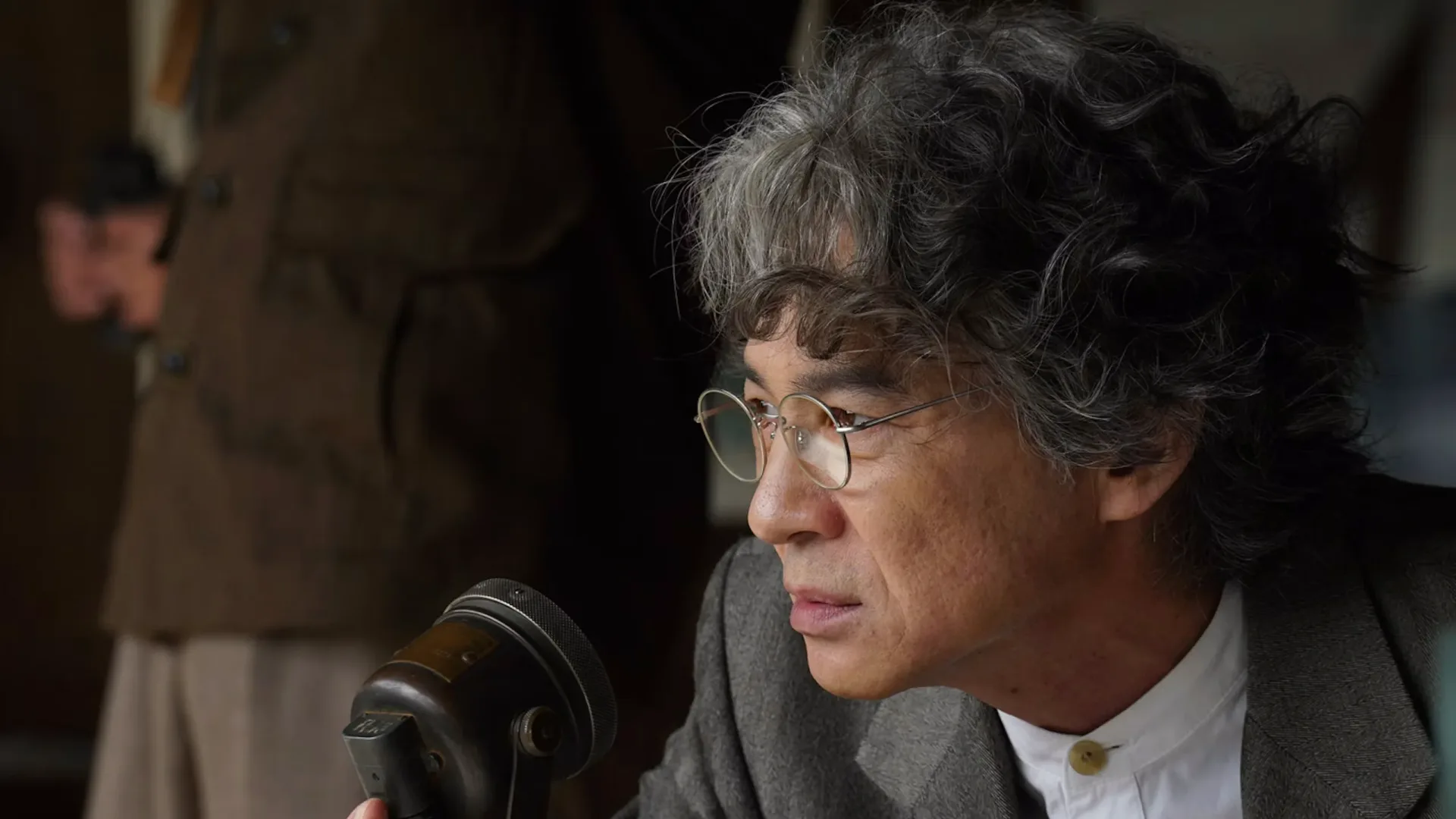
 Ryunosuke KamikiKoichi Shikishima
 Minami HamabeNoriko Oishi
 Yuki YamadaShiro Mizushima
 Kuranosuke SasakiSeiji Akitsu
 Jun Kunimura
 Miou TanakaCaptain Tatsuo Hotta
 Sakura AndoSumiko Ota
 Masami NagasawaAoyama
 Min TanakaKanji Murakami
 Hidetaka YoshiokaKenji Noda
 Munetaka AokiSosaku Tachibana
 Sae NagataniAkiko
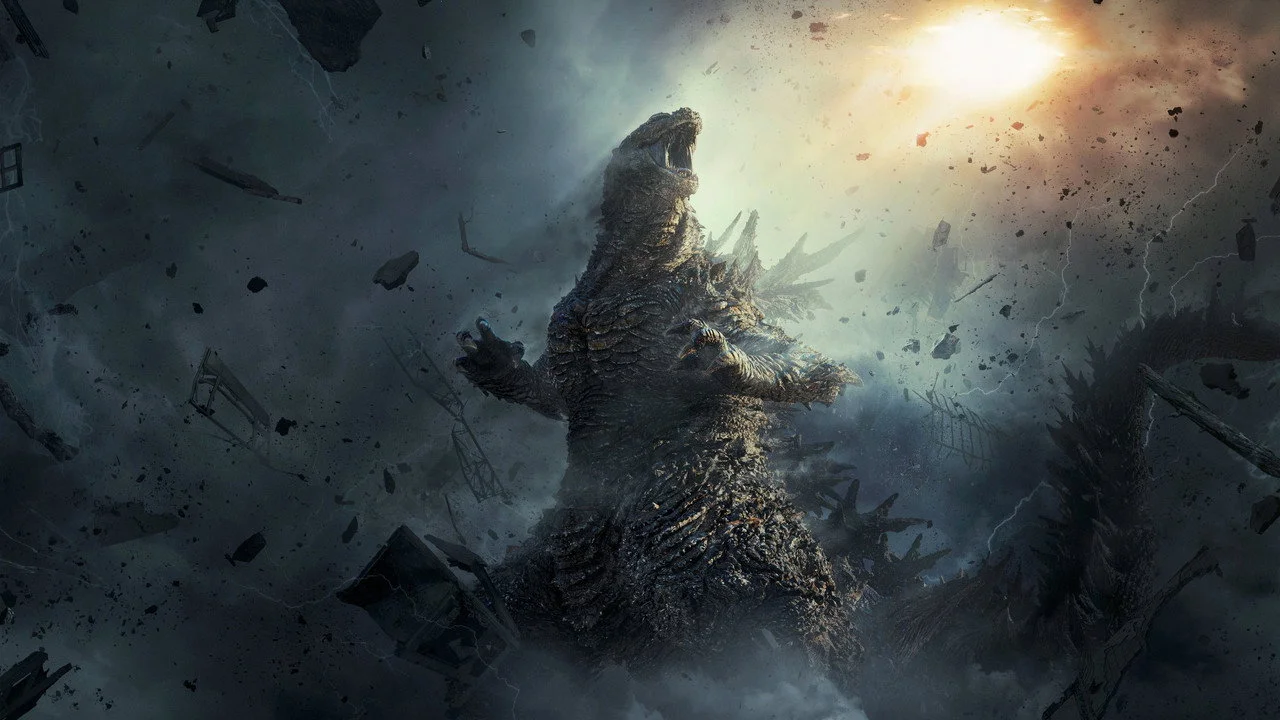
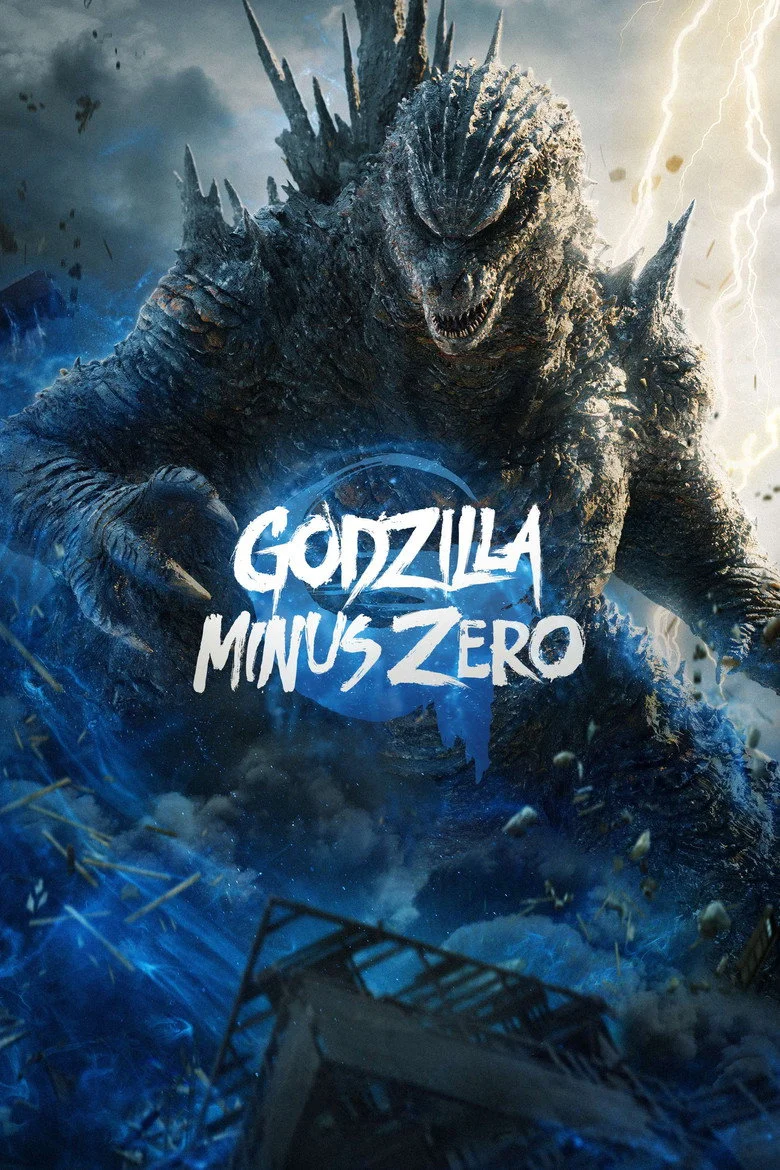
Godzilla Minus Zero understands a fundamental truth about a monster movie: size alone is not frightening. A colossal creature becomes terrifying when the film makes its human-scale consequences feel immediate. This sequel returns to a post-war Japan still trying to rebuild, picking up two years after the earlier film’s events and using a new kaiju threat to turn recovery into fresh catastrophe. Its greatest achievement is not merely staging destruction on a grand scale, but locating that destruction at ground level, where panic, vulnerability and uncertainty give the spectacle weight.
That approach makes this a confident continuation rather than a detached escalation exercise. The film has enormous action beats, city-leveling force and visual effects designed to impress, but its central interest remains the anxieties carried by people living in the aftermath of trauma. The result is a monster sequel with real dramatic ambitions: frequently thrilling, sometimes moving and consistently alert to the idea that disaster leaves scars long after the immediate danger passes.
A disaster film before it is a victory lap
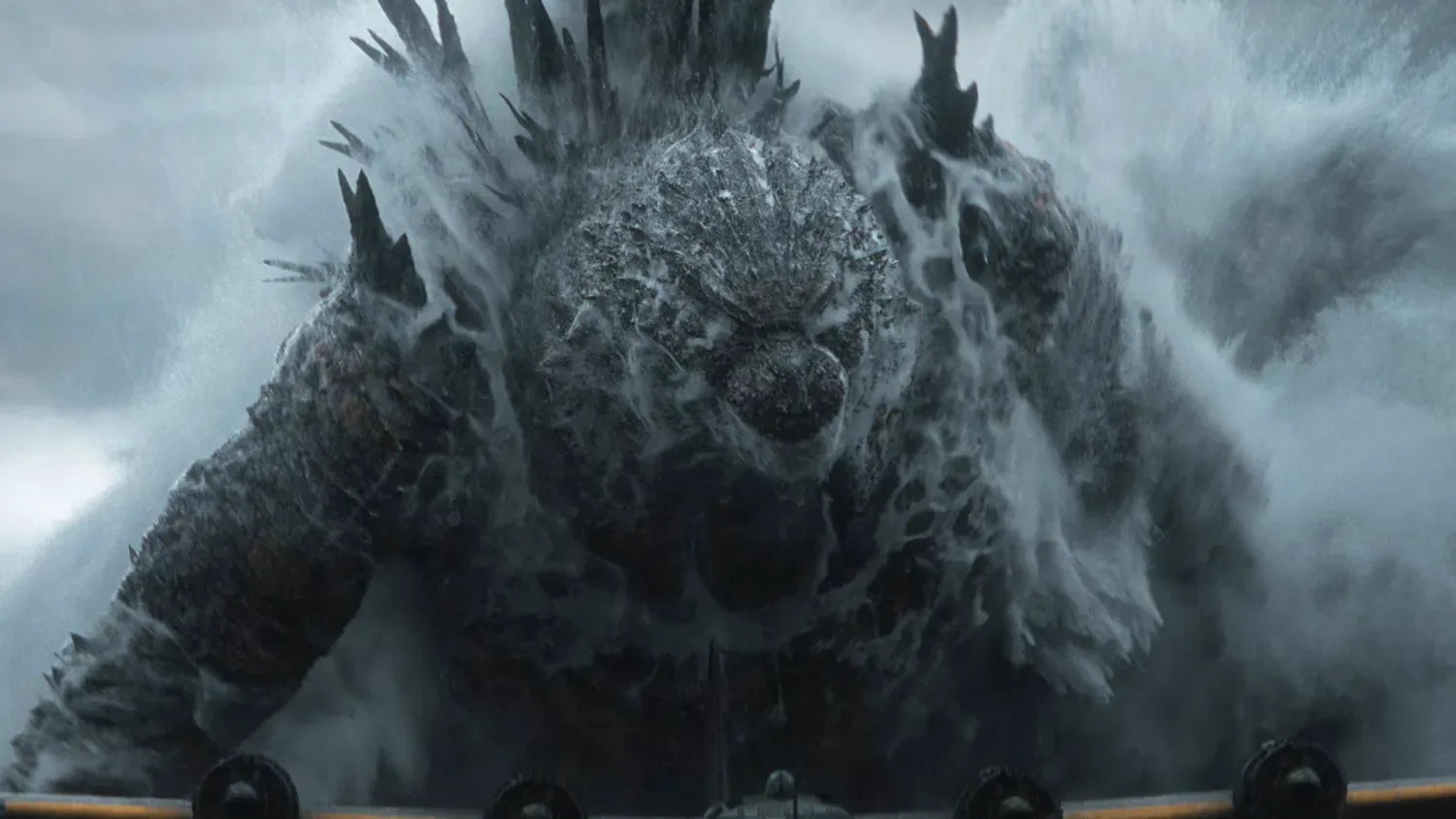
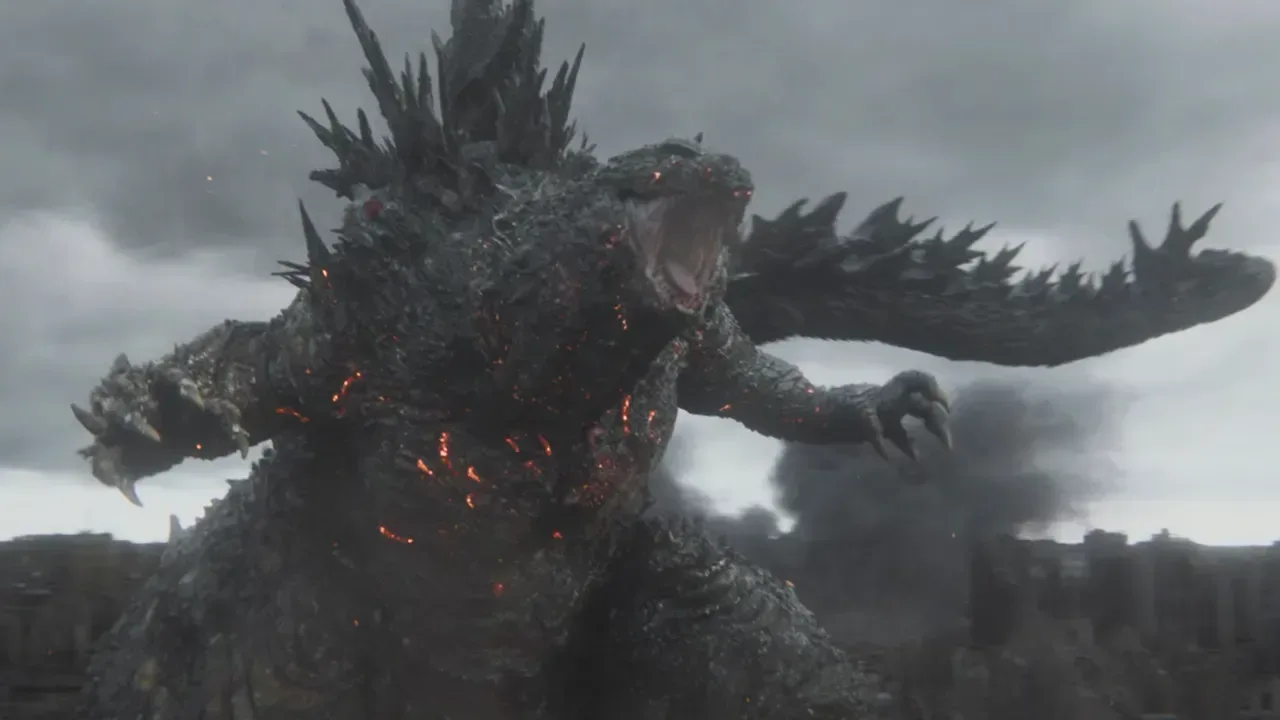
The opening establishes quickly that the apparent absence of Godzilla does not mean safety. A new unstoppable kaiju arrives to shatter any sense of stability, giving the film an electrifying start and reaffirming the threat at the centre of this version of the series. Rather than treating destruction as a string of distant, consequence-free images, director Takashi Yamazaki frames catastrophe from close to the people caught within it. That perspective supplies an immersive sense of peril that many monster movies pursue but do not always earn.
This is crucial to the film’s tension. The scale may be immense, yet the action is not described as abstract military manoeuvring or empty demolition. It is presented as something that overwhelms ordinary space and makes survival feel precarious. The distinction matters. A giant-monster film can become numbing when every escalation is bigger but emotionally identical; Minus Zero has a stronger instinct for making its danger feel immediate. Its best sequences appear to put the audience in proximity to the disaster rather than inviting them to admire it from a comfortable distance.
Yamazaki’s staging is the clearest reason to see the film. The set-pieces retain the previous installment’s force, and a dogfight in particular is singled out as a standout: an aerial sequence that combines old-fashioned wartime jeopardy with heightened creature-feature spectacle. It suggests a filmmaker interested in geography, velocity and the sense that participants are trapped in a situation far beyond their control. Such clarity is valuable in effects-heavy filmmaking. The action does not sound as though it exists just to prove scale; it advances the film’s atmosphere of terror.
Spectacle with a sense of national trauma
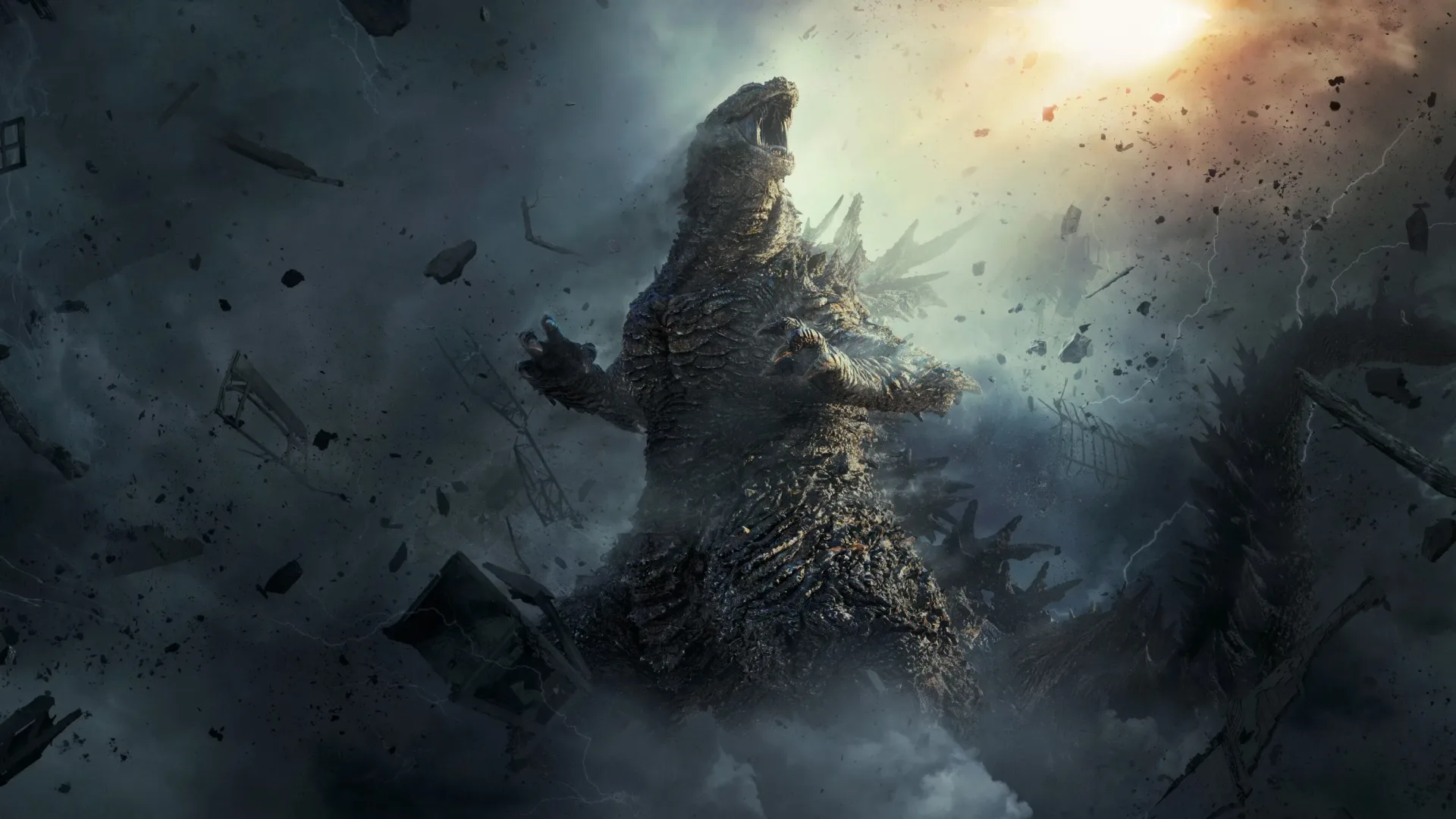
The film also gives its destruction thematic purpose. Godzilla has long functioned as more than a monster, and Minus Zero continues to connect kaiju devastation with collective trauma and national anxiety. One storyline reportedly makes an element that is often left as subtext more explicit, and does so in devastating fashion. That choice indicates a sequel trying to deepen its emotional and political register rather than simply recreate familiar attacks with a new effects package.
Its post-war setting is especially important to that reading. Reconstruction is not a neutral backdrop here; it creates a context in which another existential threat carries added emotional force. The people and places facing disaster are already defined by what has been lost. Consequently, the monster’s return—or the arrival of a new monster—can be interpreted as a violent interruption of hopes for peace, normality and renewal. The film’s anxiety is therefore not only about whether anyone can stop the creature. It is about whether a society that has endured devastation can ever escape the conditions that make peace feel fragile.
That seriousness distinguishes the film’s tone. It does not appear interested in winking at its own absurdity or reducing its icon to a cute, consequence-free attraction. The approach is earnest and emotionally forceful, with Godzilla treated as an enduring symbol capable of carrying fear as well as spectacle. The combination of a familiar original theme and Naoki Satō’s frantic, heart-rending new music reinforces that aim. Music can easily turn climactic monster action into a mere nostalgia cue; here, the blend is presented as a way of connecting the franchise’s history to the new film’s urgency.
Where the emotional ambition overreaches
The same commitment to feeling is also where Godzilla Minus Zero becomes less assured. Its drama is occasionally overcooked, and the human story is less compelling and more clichéd than the one before it. This is not a small issue in a film that asks the audience to invest in more than the next eruption of destruction. When the emotional writing is sharp, the ground-level perspective makes every set-piece hit harder. When the drama reaches too insistently for anguish, the connection between character stakes and spectacle weakens.
Dialogue is a particular limitation. Some lines play as hammy, including an overt plea for peace that signals emotion rather than allowing it to emerge through the situation. Broad dialogue can be part of the charm in a knowingly pulpy creature feature, but this film’s ambitions are more elevated. It wants to be frightening, politically resonant and emotionally devastating. In that context, a line that announces its meaning too loudly can puncture the gravity the direction has worked to build.
The issue is not that the film takes its characters seriously. On the contrary, that seriousness is one of its defining virtues. The problem is that the writing sometimes confuses intensity with depth. Melodrama can be powerful when it grows naturally from accumulated pressure; it can also feel like an instruction to react. The ending leans fully into that heightened register, and its effectiveness will depend heavily on a viewer’s tolerance for emotional excess. Some may find it moving precisely because the film refuses restraint. Others may see it as a final push beyond the material’s emotional limits.
Familiarity and pacing blunt the follow-up
There is a related sense of familiarity in some narrative choices. The film has a few moments that echo recognizable modern monster-movie beats, while another character device resembles a recent disaster story. These parallels do not erase the effectiveness of the action or the force of the themes, but they make the sequel feel less fresh in its storytelling than it does in its filmmaking. A confident visual identity does not automatically prevent plot mechanics from feeling inherited.
The runtime, which extends beyond two hours, occasionally drags. This is a meaningful caveat because the film is built around mounting dread. A longer duration can allow trauma, rebuilding and relationships to gain texture; it can also dilute forward momentum if the connective drama does not have enough variation. Here, the action seems strong enough to repeatedly restore energy, but it does not entirely solve the stretches in between. The sequel earns its scale, but not every passage appears to earn its length.
Still, these shortcomings are best understood as limits on a substantial achievement, not signs that the film has lost its identity. The story may be more conventional and the emotions sometimes too loudly expressed, yet the direction keeps returning to what works: peril with physical clarity, destruction with emotional consequence and a monster treated as a source of genuine dread. That is a more coherent foundation than spectacle for spectacle’s sake.
The case for seeing it
Godzilla Minus Zero is most recommendable to viewers who want a kaiju film that takes its catastrophe seriously. Its visual effects are described as staggering, its major sequences are thrilling, and its thematic interest in collective trauma gives the destruction more resonance than a standard escalation sequel. The film does not require its emotional register to be understated; it asks its audience to meet it in a place of fear, grief and heightened feeling.
Viewers who preferred the earlier film’s human storytelling may find this follow-up a step down. Its clichés, occasionally strained dialogue and uneven pace make the experience less consistently absorbing, while the melodramatic final note will divide audiences. But the sequel’s flaws do not cancel its craft. Yamazaki’s command of disaster imagery, the immersive danger of the action and the fusion of classic musical identity with a new, anguished score preserve the sense that this is a distinctive, purposeful vision of Godzilla.
It may not match the emotional precision of its predecessor, but Godzilla Minus Zero still makes a compelling argument for the monster as a vessel for dread rather than a disposable mascot. When its human drama and its immense set-pieces move in concert, it has the power to make its audience tremble.