
 Madison DavenportSistine
 Tracey BonnerDionne
 Joaquim de AlmeidaWalker
 Michel CurielRodrigo
 Samantha CoughlanSally
 Olivia BernstoneHannah
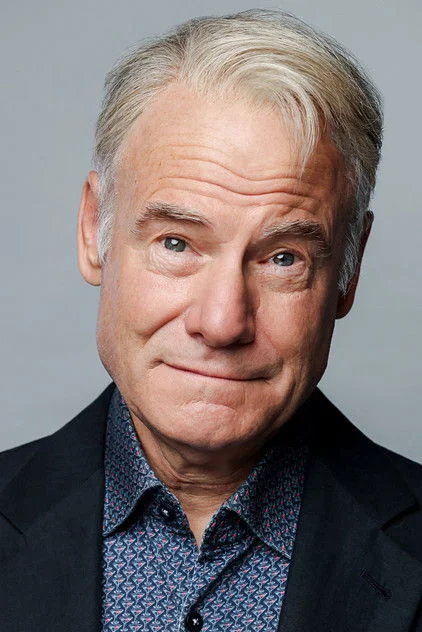 Jim MeskimenTim
 River CodackMikey
 Joe AzzopardiCaptain James
 Maxime DurandGator Joe's tour guide (uncredited)
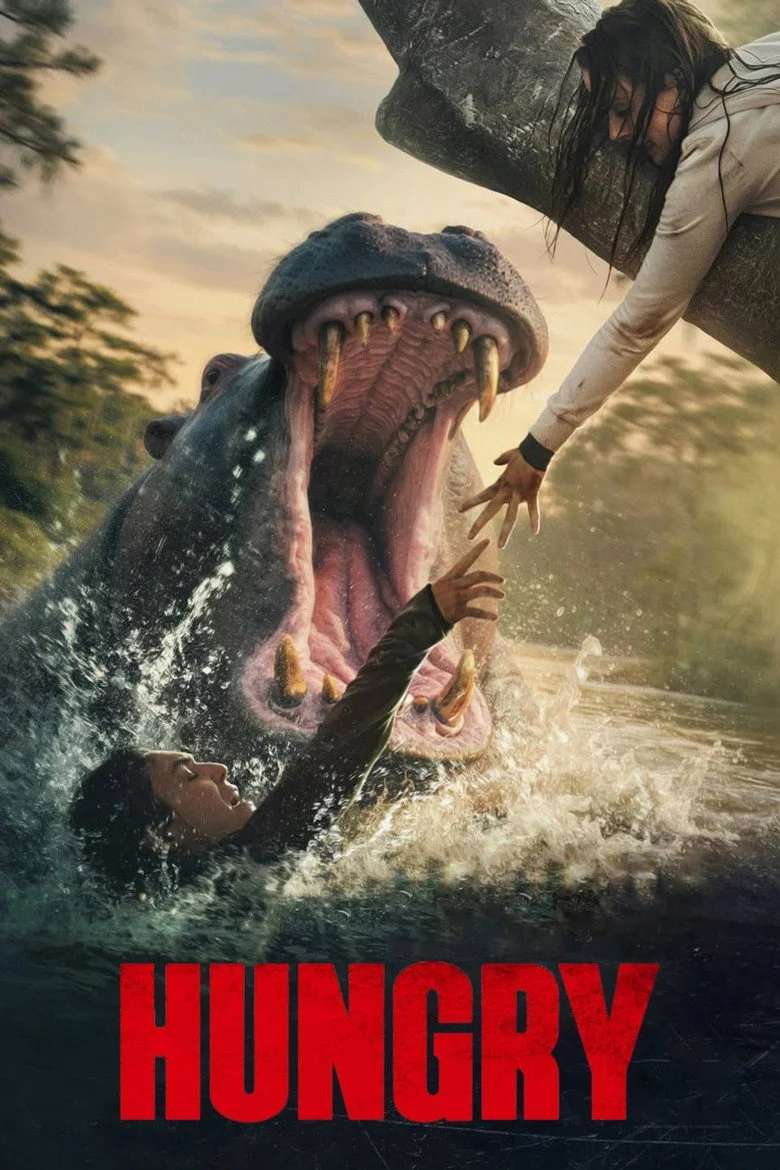
Hungry starts from a creature-feature premise with immediate, unruly potential: a hippopotamus becomes the lethal force stalking a group of tourists in the bayou. Writer-director James Nunn takes an animal more commonly softened by family entertainment and reimagines it as a massive, relentless predator. That reversal is the film’s most persuasive idea. A hippo is physically imposing, amphibious and unfamiliar enough in this setting to give the threat a nasty novelty; the problem is that the film reportedly does not build enough lively, frightening or knowingly silly material around it.
The setup gathers holidaymakers on a boat tour led by Rodrigo, played by Michel Curiel, ostensibly to see alligators. The passengers include widowed retired fireman Tim, his daughter Sally, Sally’s teenage son Mike, businesswoman Dionne, and friends Hannah and Sistine. This is a deliberately broad collection of types, but the character writing is described as thin. The film provides labels and complications—a dead wife, family tension, an estrangement, inappropriate swamp footwear—without apparently turning those details into sharply defined personalities or compelling conflict.
That weakness matters especially in survival horror. Once danger takes over, the audience needs either people worth worrying about, personalities entertaining enough to bounce off one another, or a clear comic sensibility that treats disposable characters as part of the ride. Hungry seems to land uneasily between those approaches. Its people are thinly sketched, while the material is also said to lack a sufficient sense of its own ridiculousness. The result is a premise that could have supported a gleefully ludicrous monster movie but instead struggles to make its jeopardy feel dramatically involving or comically satisfying.
A strong monster at the centre of a weak setup
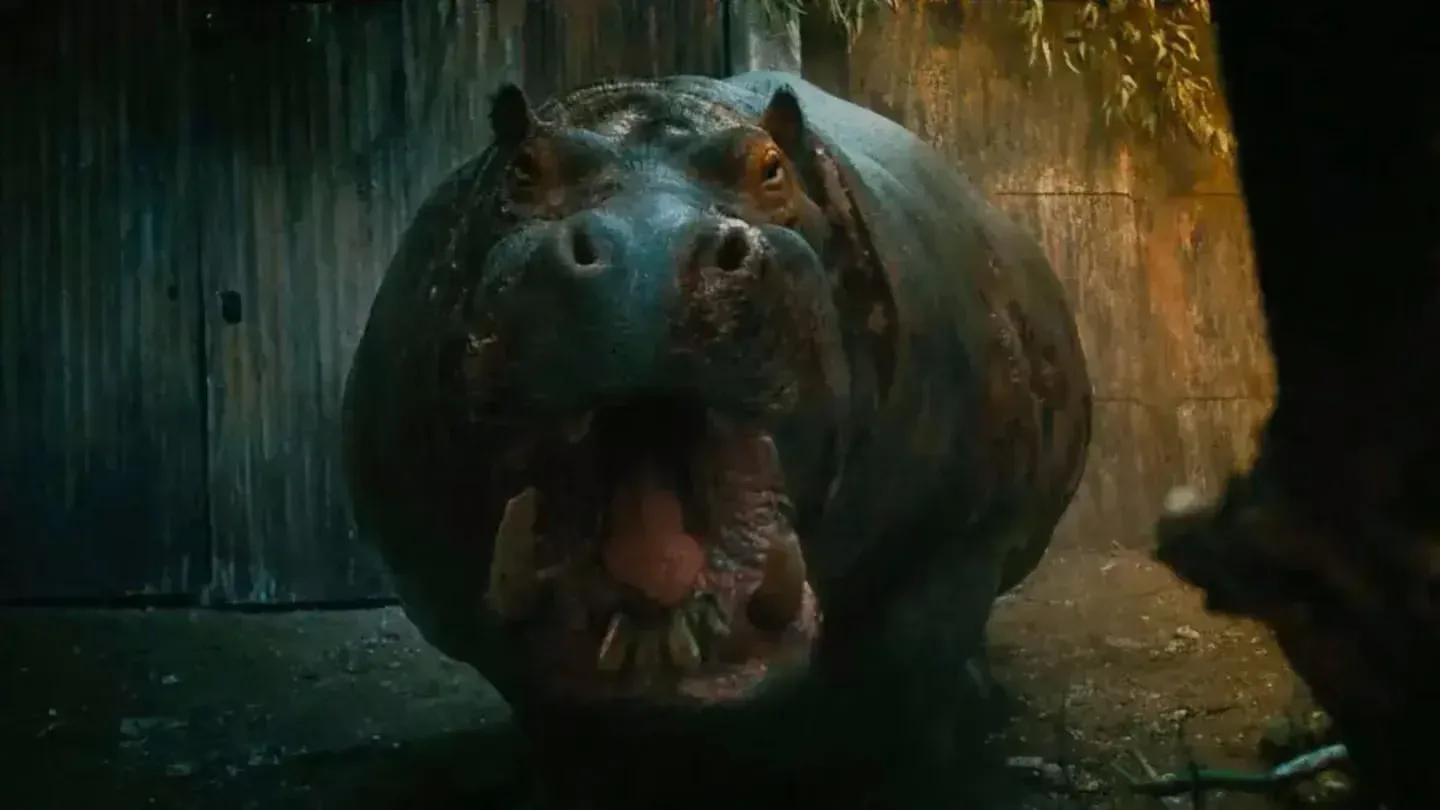
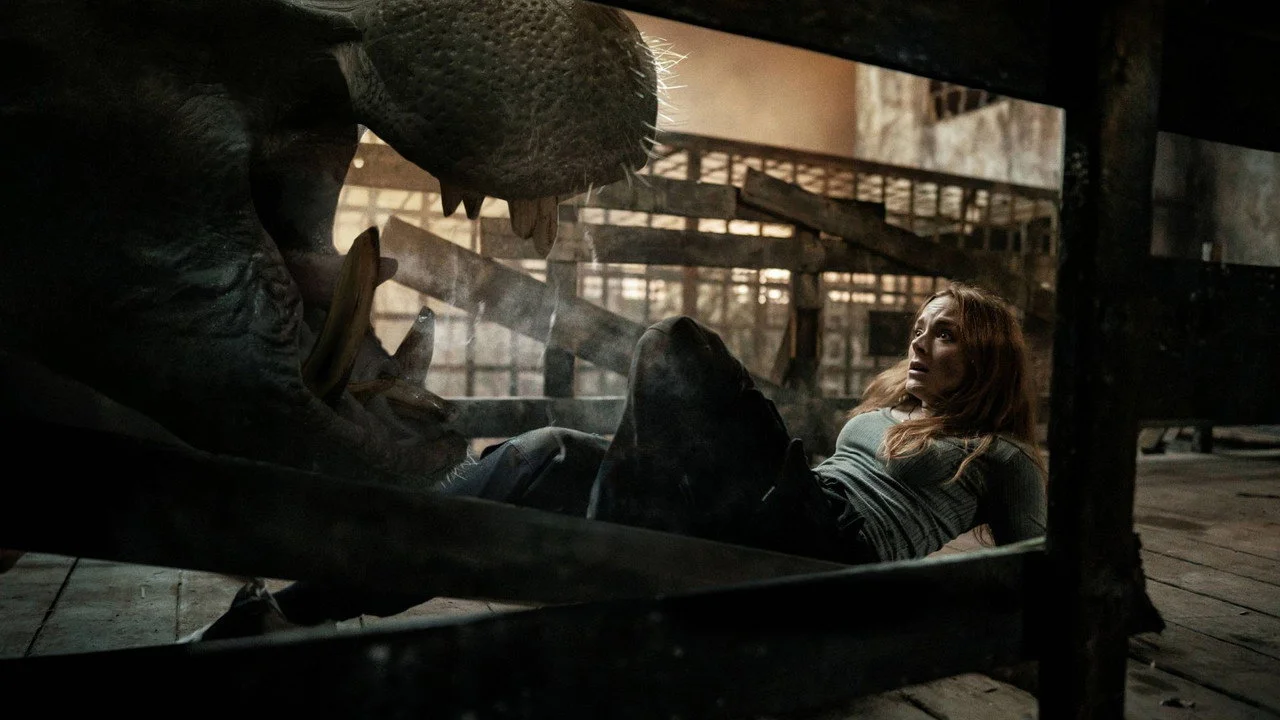
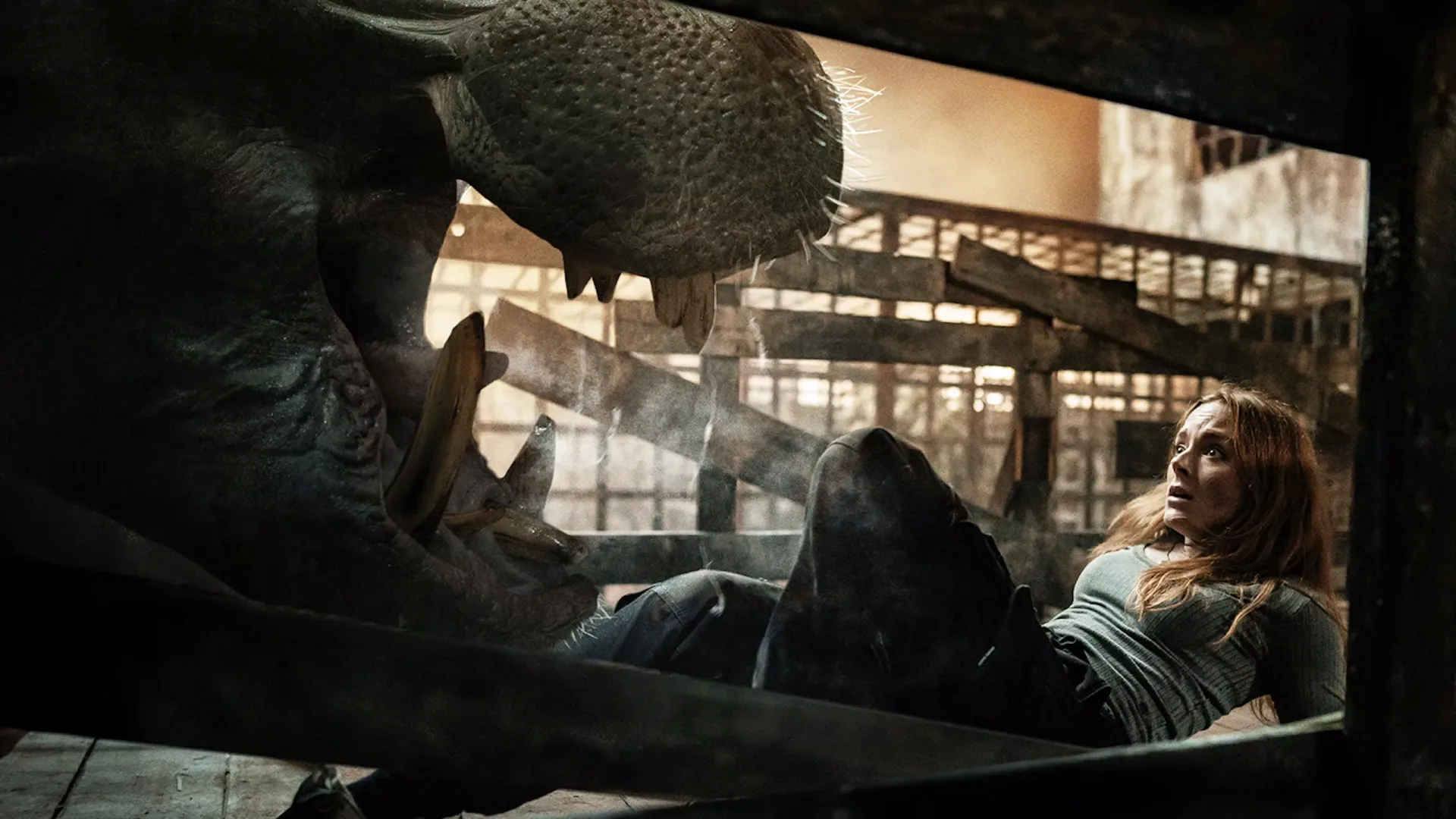
The clearest success is the hippo itself. Much of the animal’s presence is conveyed through water-level point-of-view imagery, an economical way to turn the bayou into an uncertain threat zone. Keeping the creature partly out of sight can create anticipation: water becomes a surface that may conceal the attack, and characters stranded above it must contend with danger they cannot fully monitor. When the hippo does appear, however, it is presented as an effective practical predator. That tactile quality gives the movie a concrete advantage. In a low-scale creature film, a monster that looks physically present can lend even a familiar attack scenario a welcome jolt of weight and texture.
The screenplay also makes an effort to establish why this particular animal should be feared. Walker, played by Joaquim de Almeida, supplies warnings about the hippo’s size, deadliness and aggression. Functionally, he is the story’s messenger of animal-horror lore: the character tasked with transforming what might seem like an eccentric choice of villain into a credible menace. The approach may be blunt, but it addresses a real obstacle in the premise. The film needs the audience to accept that the animal is not merely surprising but terrifying.
Yet explanation is not the same as suspense. The available assessment suggests that the hippo has greater presence than the human ensemble, to the point that the beast’s physical performance is more expressive than the people around it. That is partly praise for the creature work, but it is also a severe indictment of the dramatic material. A monster movie can survive a simple story; it cannot so easily survive a story in which the monster is the only participant with a distinct screen personality.
Survival stakes without enough escalation
After the hippo overturns the tour boat, the action largely shifts to characters trapped in a tree, trying to avoid the water and devise routes to safety. This is a clean, contained survival-horror situation. It creates an obvious spatial problem—land is limited, water is dangerous—and it could force competing priorities into the open. Who helps whom? Who takes the risk? Who panics, improvises or makes matters worse? Confinement is often an asset in a creature film because it can make every attempted escape feel like a choice with consequences.
In Hungry, though, the escape ideas are characterised as ill-advised rather than as imaginatively escalating. That distinction is crucial. Bad decisions can be fun when they arise from personality, panic or a film’s macabre comic timing. They become frustrating when the characters have not been developed enough for their choices to reveal anything, and when the staging does not make failure exciting. The premise offers a natural pressure cooker, but the reported shortcomings suggest the screenplay does not convert that pressure into varied suspense or gratifying chaos.
The kills are another missed opportunity. A film with a killer hippo has an inherently outrageous selling point, and its violence could be shocking, inventively gruesome, pitch-blackly funny or some combination of all three. Instead, the kills are described as failing to delight. That does not mean every creature feature needs to be a joke, but Hungry appears to miss both available targets: it does not supply enough visceral payoff for horror viewers, nor enough playful excess for viewers attracted by the game-inspired title and bizarre animal hook.
Sistine provides the most promising human thread
Among the travellers, Sistine receives the most substantial material. Madison Davenport plays a young woman who has been fired from a low-paid job and is struggling to care for her ill mother. Those circumstances give the character a recognisable vulnerability and an implied resilience that the surrounding figures apparently lack. She is also presented as kind and resourceful, traits that position her as the group’s most credible survivor.
This is not simply a matter of genre pattern recognition. In a narrative built around a sudden attack and an enclosed fight for survival, resourcefulness gives a character an active role rather than leaving them as another victim waiting for the plot to move them. Sistine’s situation also carries a modest emotional charge: someone already under financial and family pressure is now forced into a more immediate test of endurance. The evidence does not establish how fully the film develops that material, but it identifies her as its clearest attempt at a character with a life beyond the monster attack.
Hannah, played by Olivia Bernstone, is introduced as Sistine’s friend, while the remaining passengers are assigned familiar genre shorthand. The imbalance underlines the larger issue. A contained ensemble film needs distinct voices, meaningful alliances or sharply contrasting survival instincts to keep its middle stretches alive. If only one person receives meaningful attention, the group dynamic has limited room to grow.
An appealing idea that never finds the right tone
The title invokes the manic, childish energy of a tabletop game, while the concept of a murderous hippo practically invites a heightened approach. There is room here for a knowingly nasty B-movie: a movie that embraces the absurdity of its animal antagonist while taking its immediate danger seriously enough to sustain tension. The reported failure is not that Hungry uses a ridiculous idea; ridiculousness is arguably its greatest asset. The failure is that it does not appear to shape that idea into a consistent tone.
Without a feel for the joke, eccentric details such as a swamp tour, a giant hippo and people making questionable escape plans can play as merely undercooked. Without stronger fear, the same details cannot carry straight-faced survival horror either. The practical creature effects offer a real reason to be curious, especially for viewers who value a tangible monster over an entirely digital one. But they cannot supply the character work, inventive set pieces and tonal confidence that a feature-length creature story requires.
Verdict
Hungry is best approached as a killer-animal premise with one notable asset: its practical hippo has enough physical impact to make the central threat work when it is on screen. Around that monster, however, the holidaymaker ensemble is underwritten, the tree-bound survival scenario does not seem to develop into satisfying escalation, and the kills fail to provide either fright or fun. Viewers with a particular appetite for unusual creature concepts may find the animal work worth a look, but the film offers limited evidence of the wild, self-aware entertainment its setup promises.