
 Jessica ChastainMommy / Other Mommy
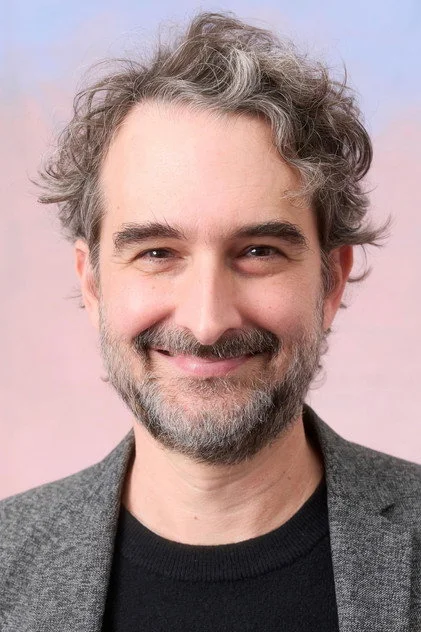 Jay DuplassDaddo
 Arabella Olivia ClarkBela
 Karen AllenGrandma Ruth
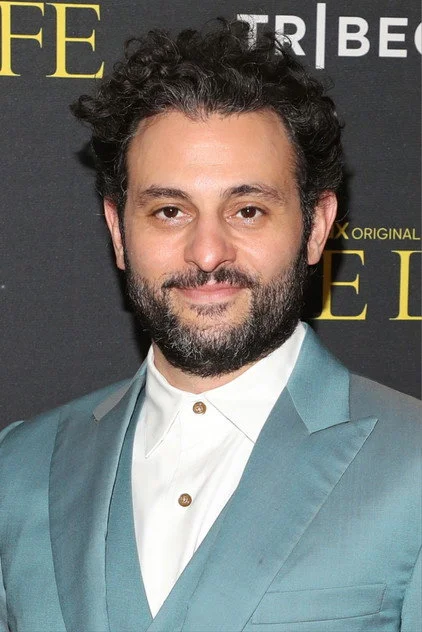 Arian MoayedUncle Frank
 Dichen LachmanLois Anthony
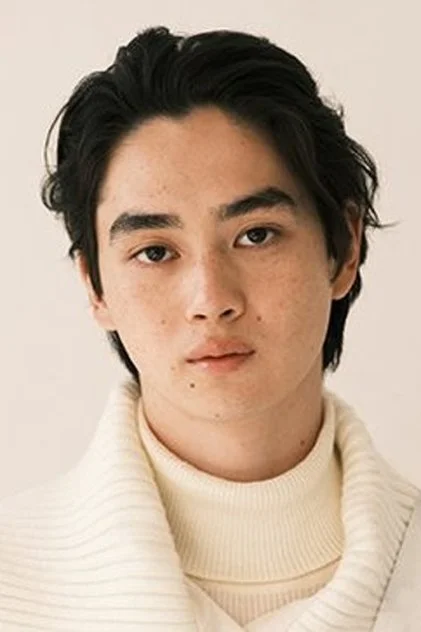 Sean KaufmanKelvin
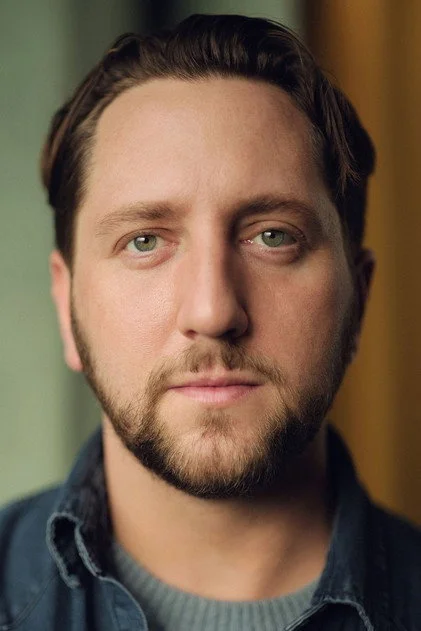 Adam SilverBrian
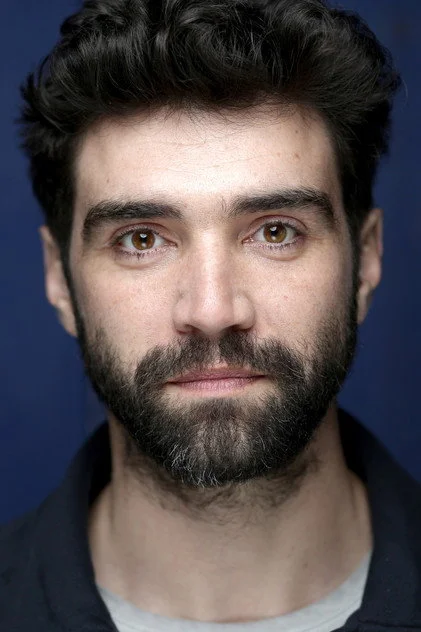 Alec SecăreanuRuiss
 Travis NelsonTony
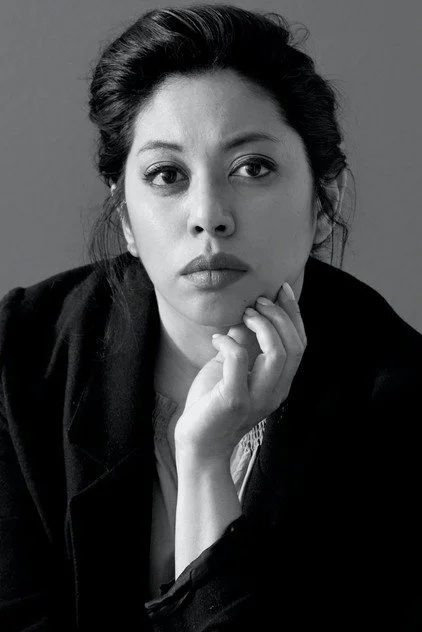 Carrie DimaculanganCallie
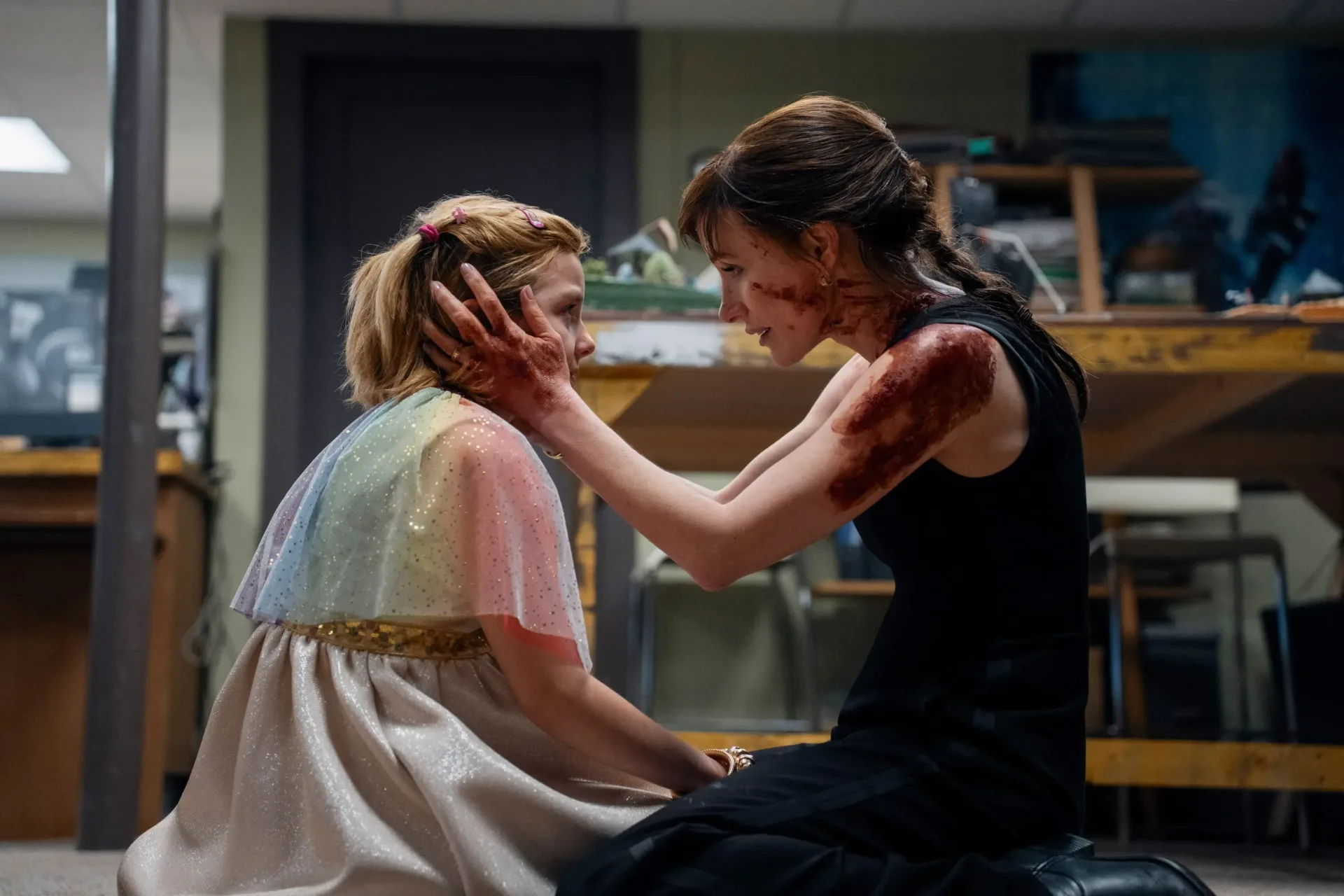
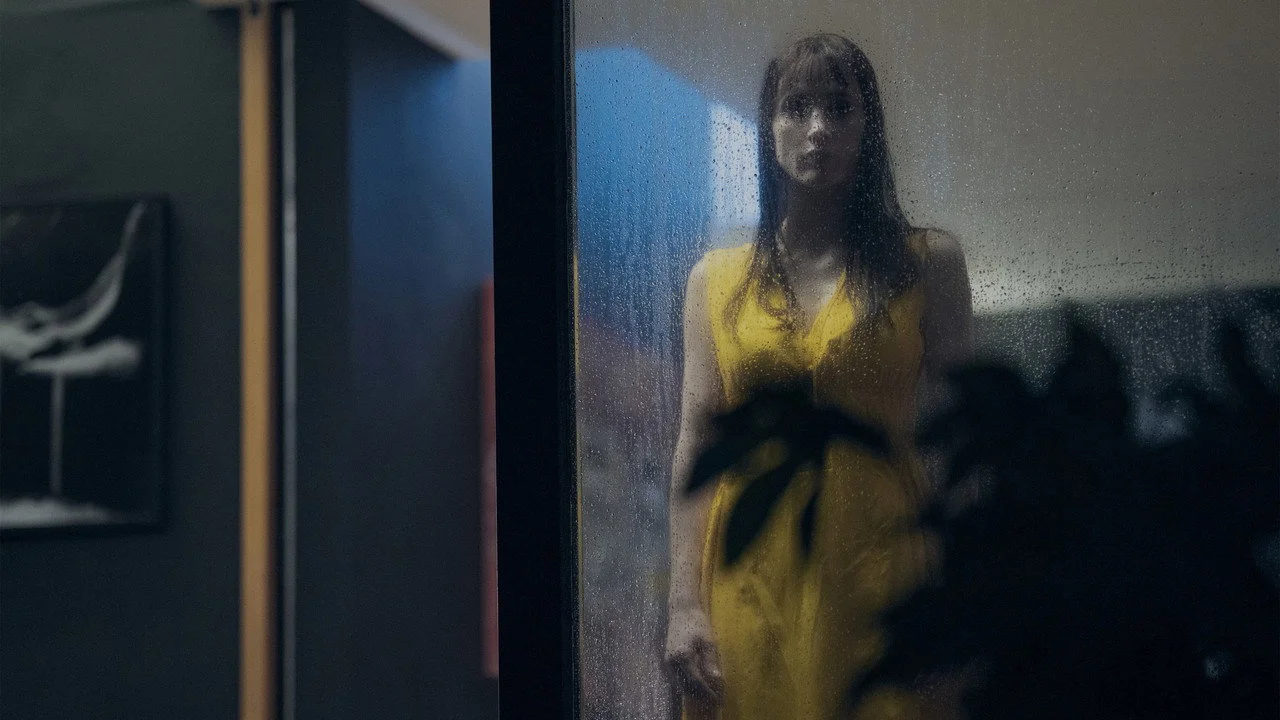
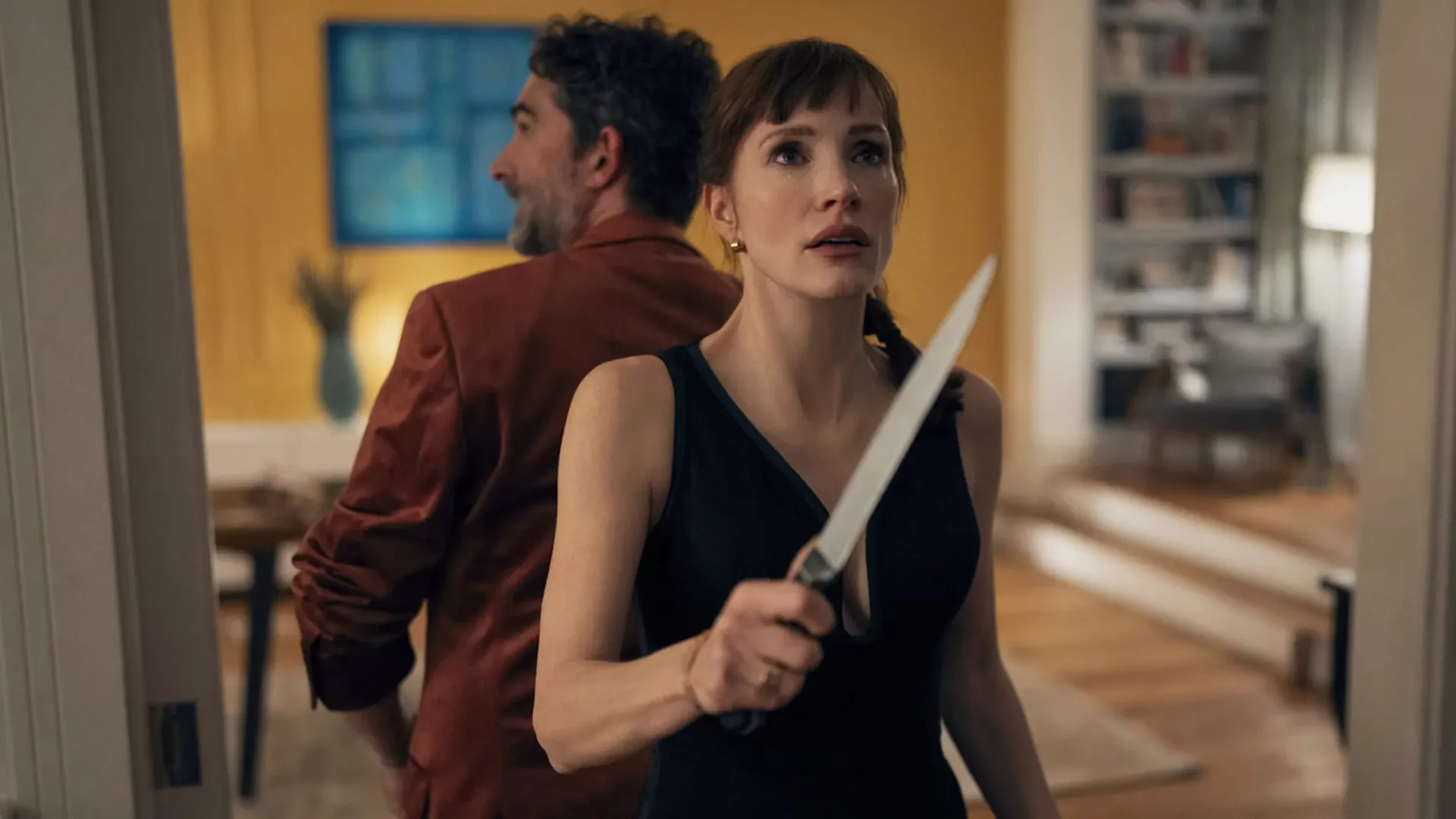
Other Mommy begins with a promisingly unpleasant domestic nightmare: seven-year-old Bela is visited by a malicious being that wears the face of her mother, Ursula. That setup gives Jessica Chastain a juicy double assignment and places a child at the centre of a supernatural threat that can corrupt a supposedly safe family space. The film also makes an efficient early choice. Rather than stretching out uncertainty over whether Bela is imagining the monster, it brings the rest of the family into the danger very quickly.
That decision ought to create momentum. Bela, her father and the real Ursula are no longer trapped in separate versions of the same story; they can confront the doppelgänger together. The early exposure also allows the film to deliver a run of abrupt shocks soon after the premise is established. But the speed that prevents the mystery from becoming repetitive appears to create another issue: the movie races from one escalation to the next without building a stable emotional or supernatural foundation underneath them.
A monster movie in search of one mood
The central difficulty is tonal. Other Mommy moves among austere supernatural thriller, extravagant horror-comedy and sincere family drama, and those approaches do not consistently reinforce one another. A horror film can certainly be funny, strange and emotionally earnest at once. In this case, though, the contrasts seem to blunt the intended tension. A moment in which Ursula is pursued by a demonic force while holding a cocktail is emblematic of the mismatch: the image has a knowingly silly energy, while the surrounding material asks viewers to register escalating fear.
That instability affects the film’s scares. Individual jump scares can jolt, and the monster’s exaggerated physicality has a gross-out appeal. Yet surprise is not the same thing as sustained dread. The film repeatedly shifts its register before its more ominous material can settle into a durable atmosphere. The result, as an interpretation of the film’s structure, is less a steadily tightening nightmare than a collection of loud, bizarre attractions.
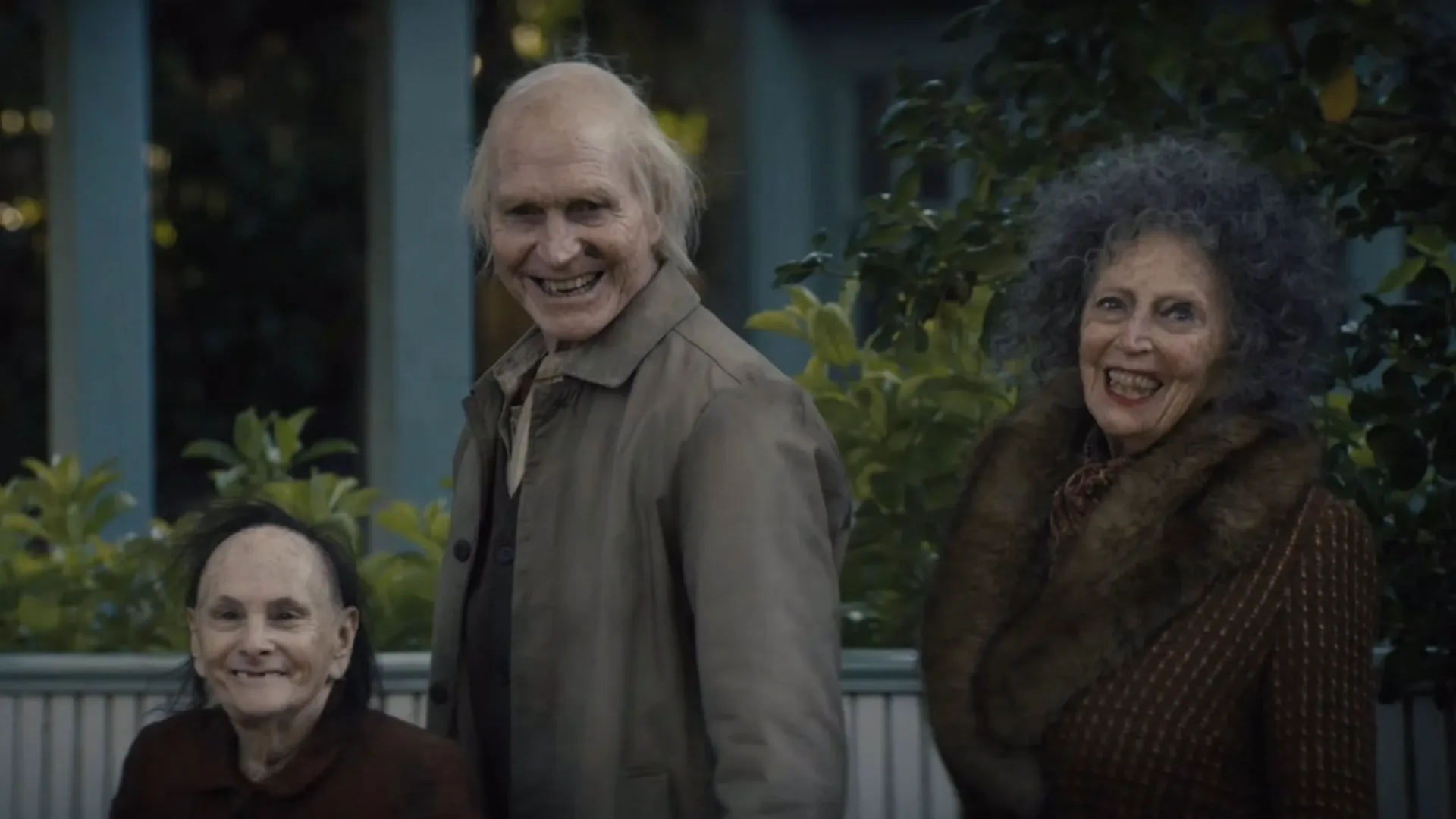
The locations contribute to that carnival sensation. The family’s pursuit leads through a high-tech séance and a soft-play centre, among other increasingly outlandish settings. Those are not inherently bad destinations for a horror story; the soft-play setting in particular has the potential to turn familiar childhood clutter into something hostile. But the escalation seems driven more by the desire for the next striking set piece than by a clear sense of how the threat operates or how each confrontation changes the family’s predicament.
The rules never become frighteningly clear
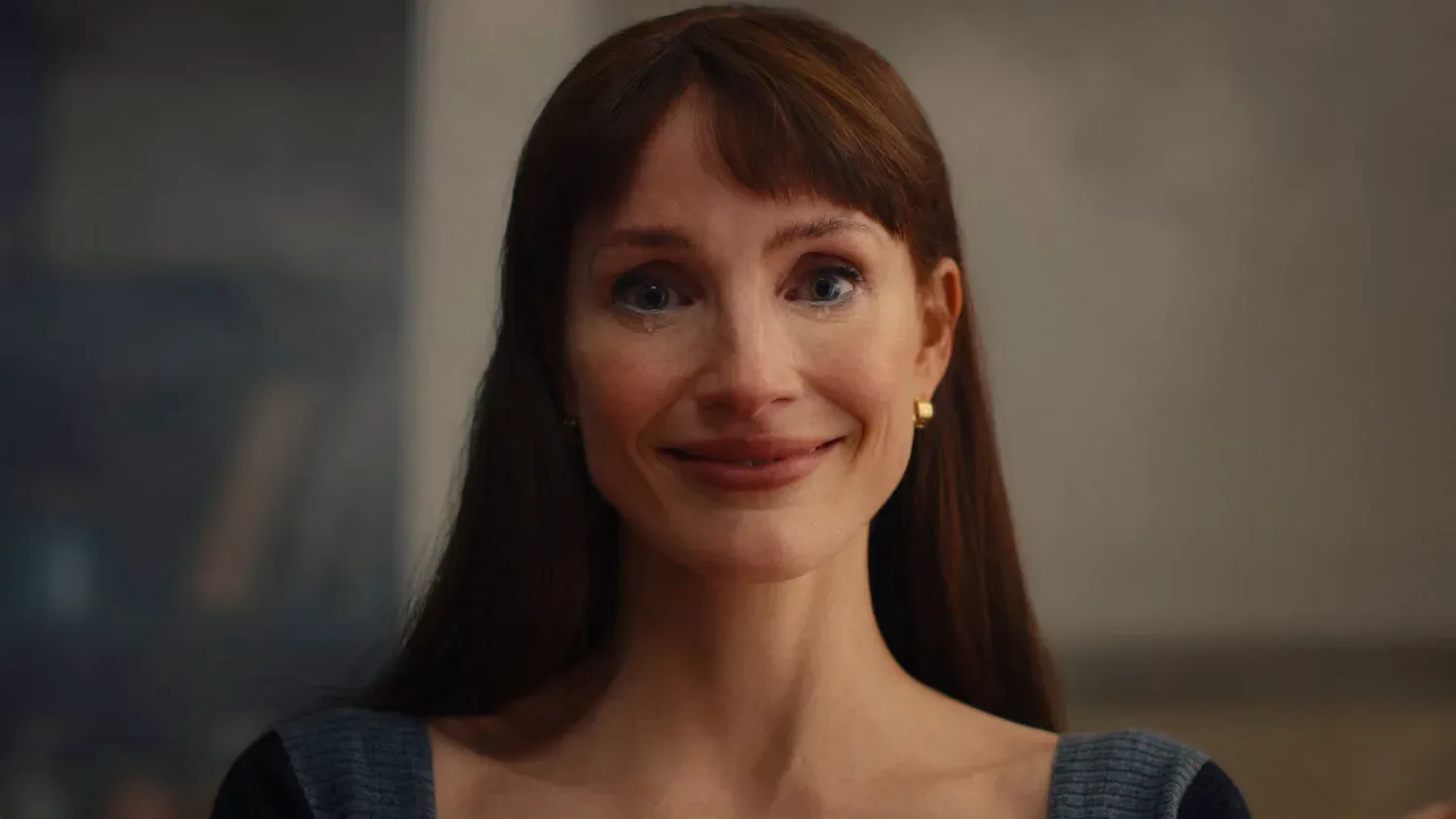
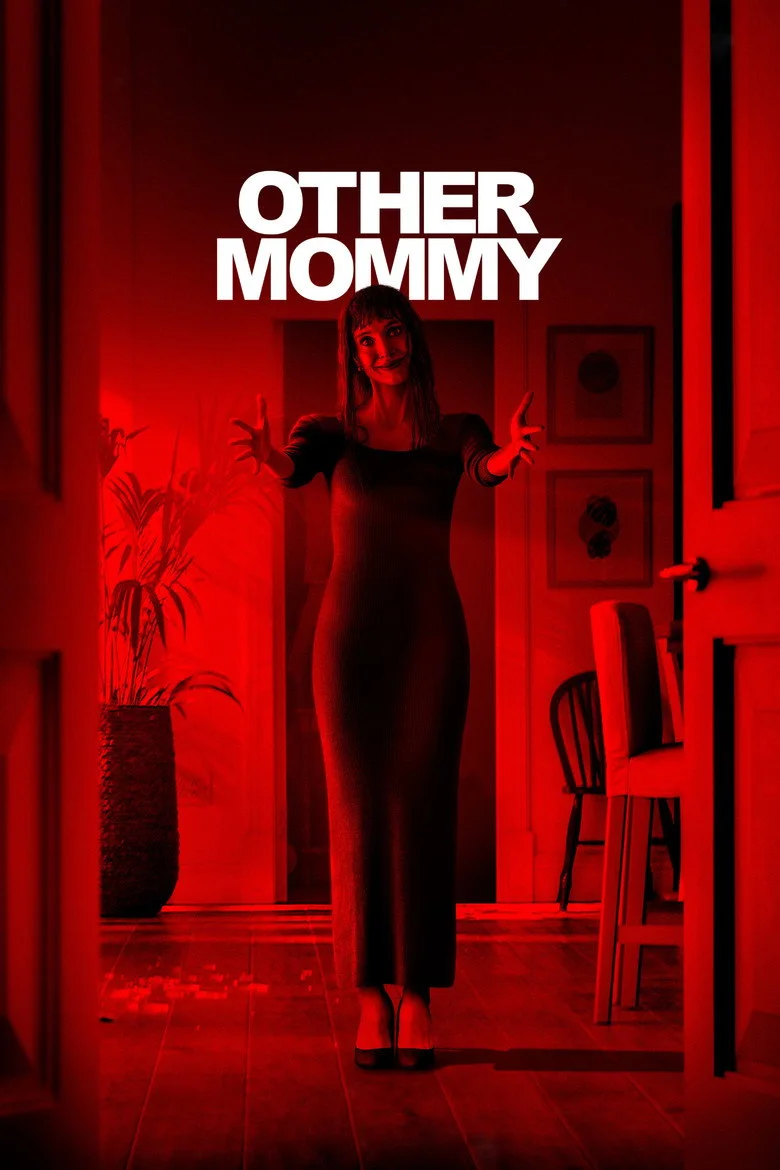
Other Mommy’s shapeshifter is designed to be visually wrong: an eerily smiling duplicate with a recurring inability to produce the correct number of fingers. That detail supplies some of the film’s most enjoyably gory body-horror business. It is a direct, legible sign that this figure resembles a human mother without ever becoming one. The idea also has thematic potential. A monster mimicking an already distant parent could turn a child’s feeling of emotional neglect into a literal intruder.
But the movie does not establish consistent boundaries for that intruder. At one point the entity cannot pass through a barricaded door; elsewhere it is able to fill a locked car with colourful plastic balls. When a threat’s capacities change from scene to scene without a comprehensible pattern, the audience has less basis for anticipating danger. Instead of wondering how the characters can possibly escape, viewers may be left wondering what the creature is allowed to do this time.
Flexible monster rules are not automatically fatal to supernatural horror. Dreams and fairy tales often gain their power from irrationality. For that approach to work, however, the irrationality needs a coherent emotional logic, a recurring visual logic, or simply a sufficiently persuasive mood. Here, the apparent lack of physical rules makes the sequences feel disconnected. The creature becomes less a looming presence with an agenda than a delivery mechanism for hallucinatory shocks.
Chastain supplies the movie’s clearest contrast
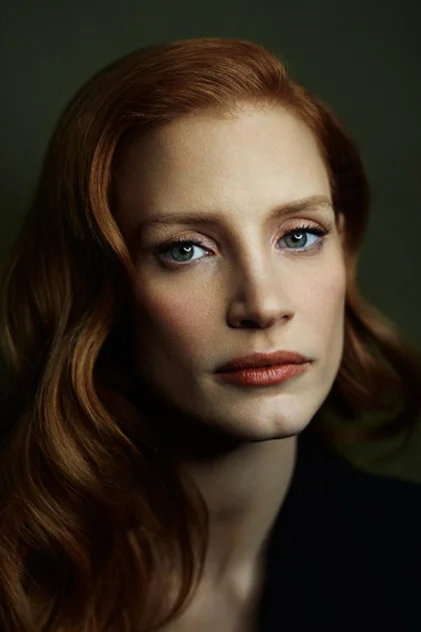
Chastain is the film’s strongest asset. As Ursula, she is presented as standoffish and absorbed by work; as Other Mommy, she is psychotically attentive and overbearing. Chastain makes both sides watchable, locating a chilly reserve in the real mother and a forceful, unsettling excess in her double. That contrast is exactly what the premise requires. Other Mommy is not merely a random demon in the household but a distorted alternative to Bela’s real relationship with Ursula.
Her performance gives the material a sharper line than the screenplay’s broader tonal movement. The monster’s overbearing manner can read as a grotesque parody of care: it offers closeness, but on invasive and malevolent terms. Meanwhile, Ursula’s emotional distance supplies the vulnerability the creature can exploit. This is an interpretation supported by the setup rather than a claim that the film fully develops the idea. The later turn toward the family’s history and internal conflicts suggests an attempt to connect the supernatural attack to deeper wounds, but that connection arrives without enough prior character work to carry its dramatic weight.
Jay Duplass plays Bela’s father as a cuddly, stoner stay-at-home parent, providing another contrast within the family unit. The available character sketch is vivid, but the family drama ultimately needs more than vivid sketches. By the third act, the film asks its audience to invest in history and internal dynamics that have not been explored sufficiently. The problem is not that a horror film pauses for family material; the problem is that the emotional revelations arrive after the movie has spent much of its energy moving between confrontations.
A brisk shortcut with a cost
The decision to reveal the monster to the whole family within the opening stretch distinguishes Other Mommy from stories that spend a long time debating a child’s credibility. It avoids a familiar delay tactic and gets Bela’s parents into active peril early. That is a genuine structural advantage: the film does not ask its young protagonist to carry the burden of being disbelieved for most of the runtime.
Still, the shortcut has a cost. With the premise exposed so soon, the movie needs its characters and mythology to deepen as the action becomes stranger. Instead, the escalation reportedly grows more ludicrous while the personal stakes remain thin. The plot is always moving, but movement alone does not produce momentum. Horror momentum comes from consequences, mounting constraints and a sense that the characters understand just enough to make desperate choices. Other Mommy offers bombast and occasional shock, yet its threat does not appear to gain the necessary credibility.
This makes the film a qualified recommendation for viewers seeking an energetic supernatural oddity rather than a carefully controlled scare machine. Chastain’s two-pronged performance and the creature’s nasty anatomical glitches provide material to enjoy. The opening’s refusal to prolong disbelief is also refreshing. But anyone hoping for a consistent tone, robust rules or a family drama with enough groundwork to make its late emotional turns land may find the experience frustrating.
Ultimately, Other Mommy has the ingredients for a sharper story about motherhood, absence and the terror of a familiar face becoming wrong. Its versions of Ursula are more compelling than the film built around them. By trying to be severe, silly, startling and heartfelt at breakneck speed, it never gives any one mode enough room to dominate. It can provoke a startle and an occasional grim laugh, but it does not sustain the kind of fear that lingers after the monster leaves the frame.