Leviticus takes a familiar horror proposition—young people haunted after a traumatic encounter—and roots it in the particular pressures of a religious rural community. Writer-director Adrian Chiarella’s debut wears its influence from It Follows openly, but its strongest moments find an urgent identity of their own.
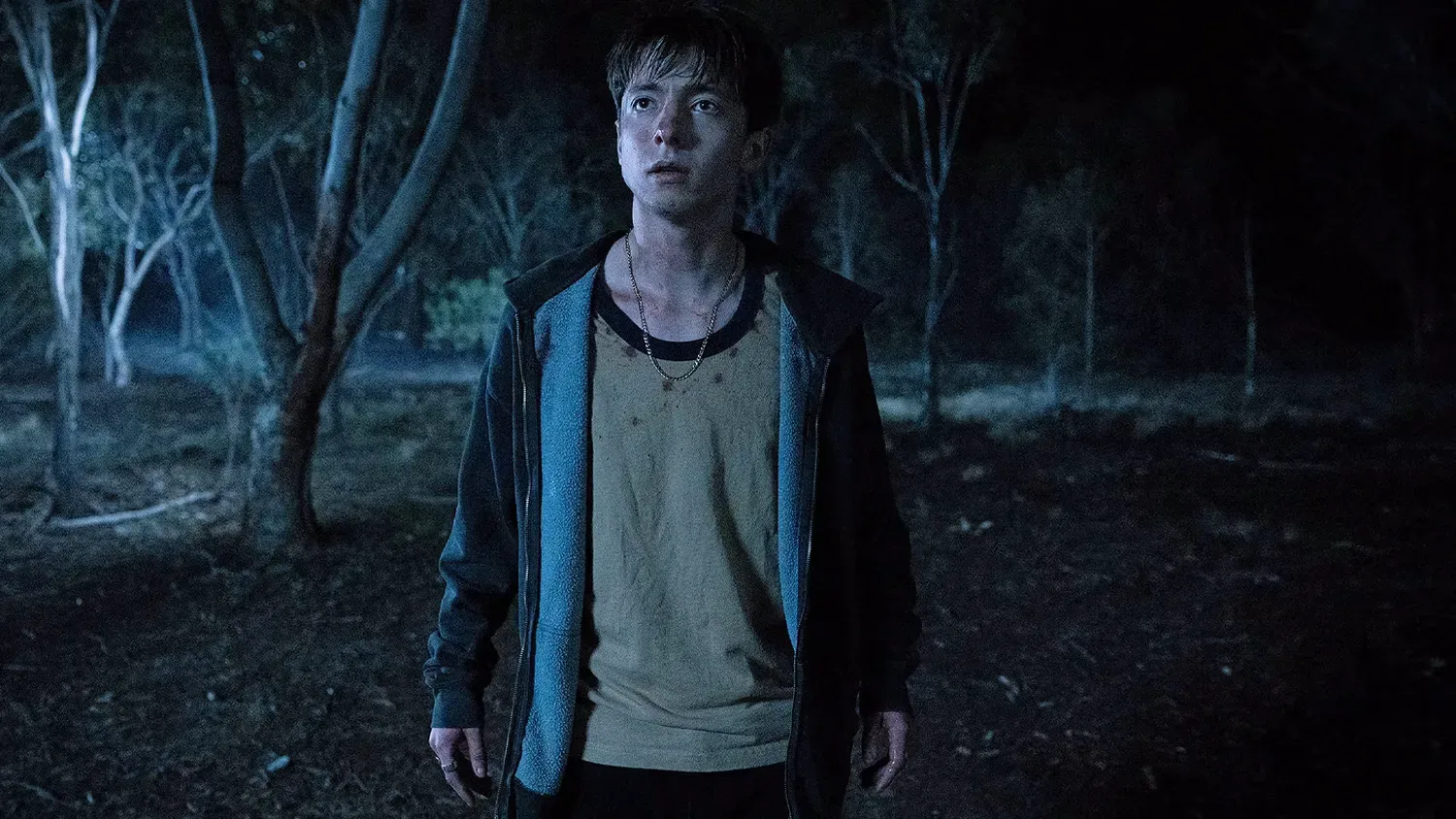
Naim, Ryan and Hunter are teenagers navigating attraction and sexuality in a town where being themselves is treated as a transgression. The setting matters: empty arcades, derelict factories and a pervasive lack of escape give the film’s youthful restlessness a grim physical shape. Here, sex, fighting and leaving appear to be the available outlets, and even leaving does not look simple.
Horror shaped by repression
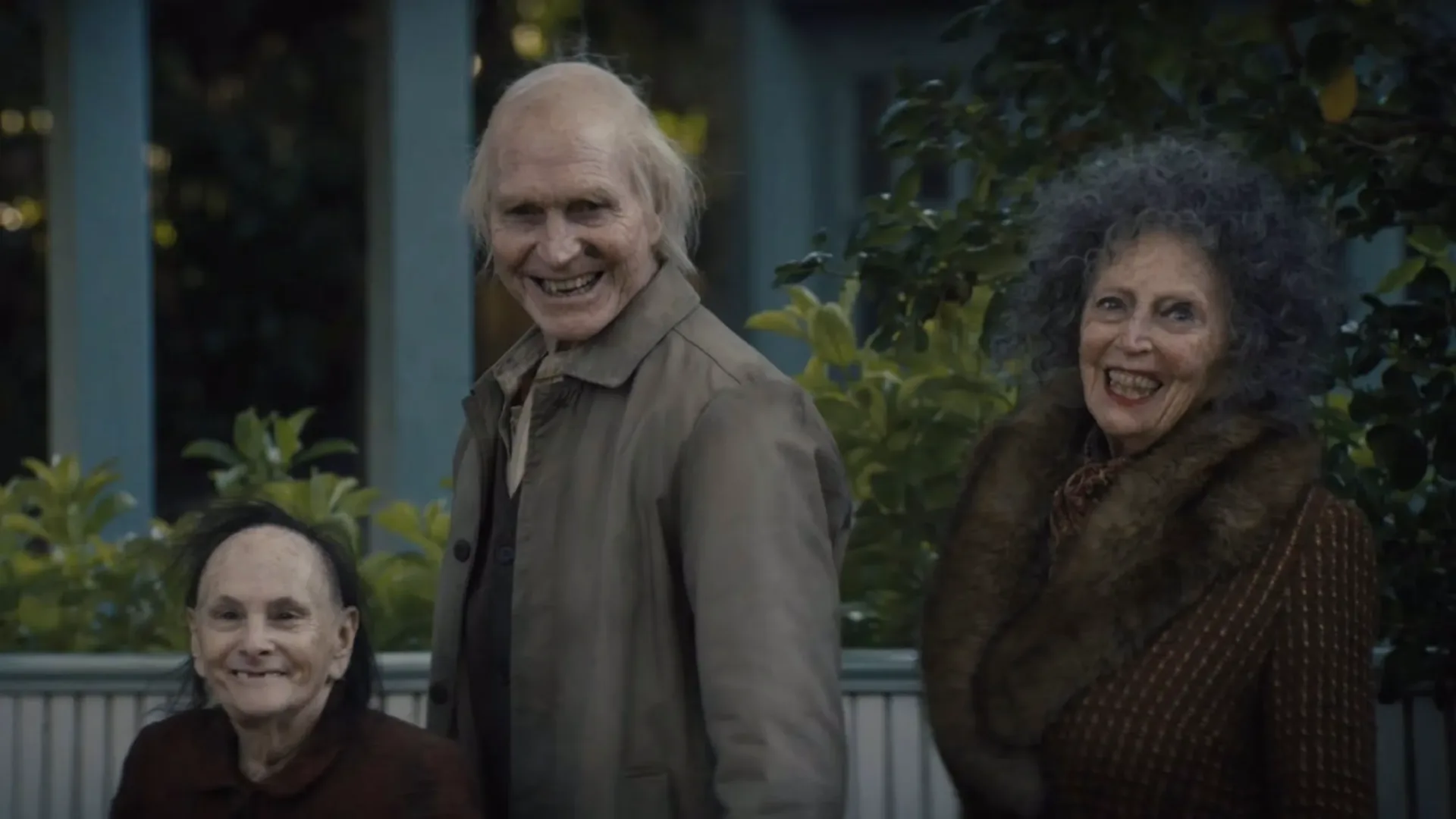
The title invokes the Biblical passage often used by conservative Christians to condemn homosexuality. After the three teens are subjected to a horrifying ritual, demons begin appearing in the forms of people they love, attacking when they are isolated at school, work or home. It is a direct and frightening way to externalize the danger surrounding queer intimacy in an intolerant environment.
That premise inevitably recalls It Follows, and the resemblance is substantial enough to be a limitation. The stalking threat and its rules-adjacent menace can make the film feel tethered to a well-known modern horror template. Still, Chiarella uses that framework to pursue a more socially specific fear: the possibility that openness, affection and self-acceptance may provoke danger rather than relief.
Atmosphere with a sharp edge
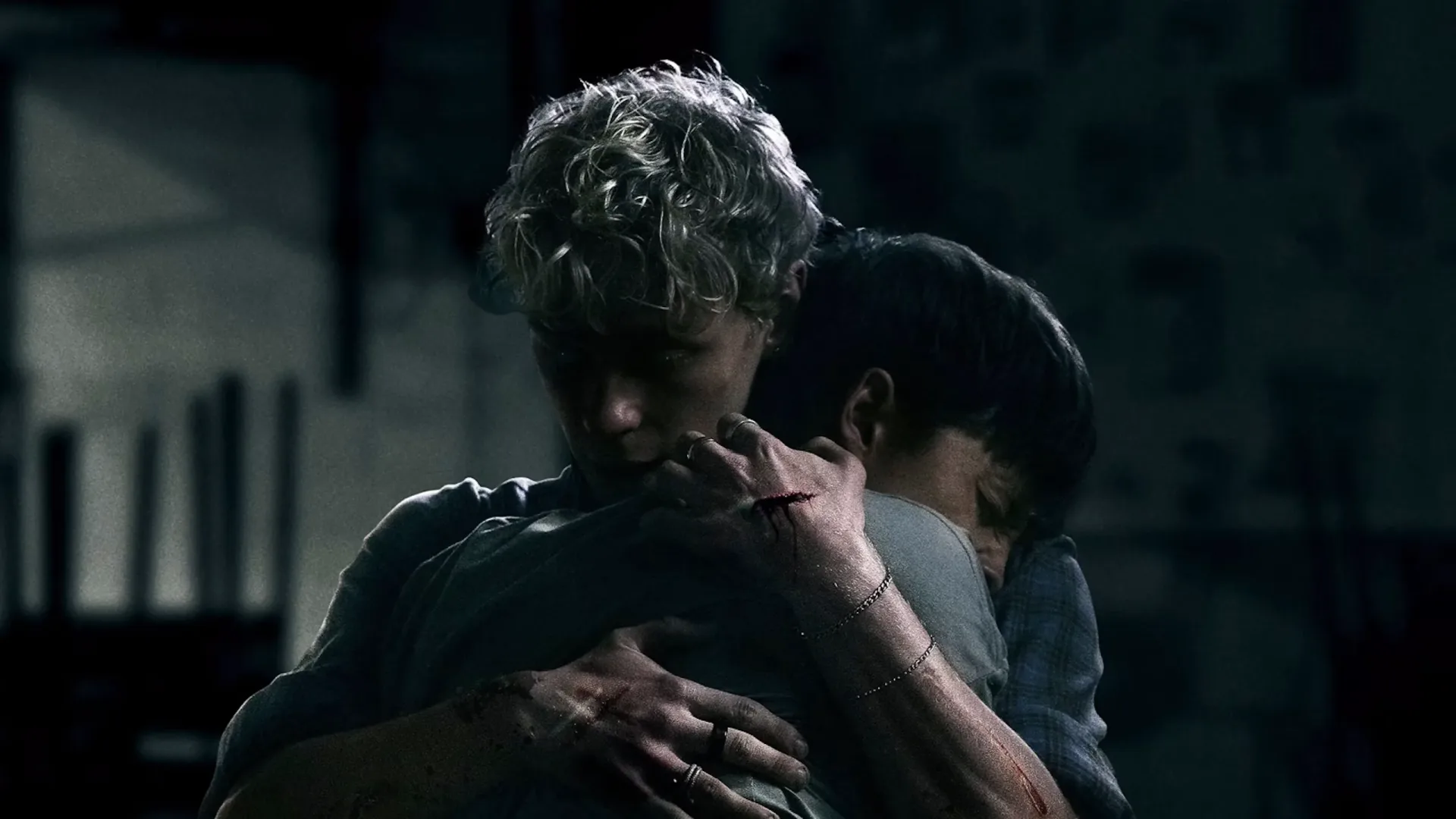
Joe Bird brings Naim to the center of the film’s vulnerability, while Stacy Clausen and Jeremy Blewitt round out a fraught teenage triangle as Ryan and Hunter. A luminous visual approach and an evocative score support both the rush of first love and the encroaching dread.
One home-alone sequence, in which Naim confronts an intruder, is especially effective. It escalates quickly from fight-or-flight anxiety into shocking violence, demonstrating that the film can deliver an immediate genre jolt rather than relying only on its thematic burden.
At times, the metaphor is pressed so insistently that the subtext risks becoming text with a monster mask on. Yet the bluntness is also part of Leviticus's force. Its ugly-beautiful horror imagery refuses to separate supernatural terror from the real damage caused by religious hostility and social exclusion.
Verdict
Leviticus is an affecting and atmospheric horror debut: derivative in its central threat, but vivid in its rural Australian setting, empathetic toward its young characters and unafraid to make its fear mean something.