There is no shortage of formidable opening acts in Final Fantasy. The series has spent decades treating the first hour as a promise: here is the world, here is the danger, here is an impossibly good piece of music, and here is a giant machine you will probably need to fight before dinner. It is a franchise with an unusual number of introductions that could credibly be called all-timers.
And yet, a quarter-century after its PlayStation 2 debut, Final Fantasy X has perhaps the strongest claim to the crown. Its opening is not the cleanest tutorial, its first few encounters are not its most interesting fights, and it certainly does not explain its world in a tidy way. That is precisely why it works. Zanarkand’s destruction is a spectacular short film that understands an opening needs to create questions, establish atmosphere, and make the player feel that normal rules have just been washed out to sea.
With the HD remaster heading to Switch 2 this week, the beginning is again in the spotlight. The renewed attention also offers a fine excuse to revisit what makes several major entries’ introductions so effective—and why Tidus, Auron, Sin, and one profoundly unhappy city remain the series’ most potent opening combination.
The case for an opening that refuses to slow down
Final Fantasy X begins in a futuristic waterside metropolis with a blitzball match looming. It is already an invitingly strange premise: an arena sport played inside a huge sphere of water, a famous young athlete at its center, and a city with a gleaming, almost dreamlike sense of scale. Before the game has time to settle into sports drama, however, disaster arrives.
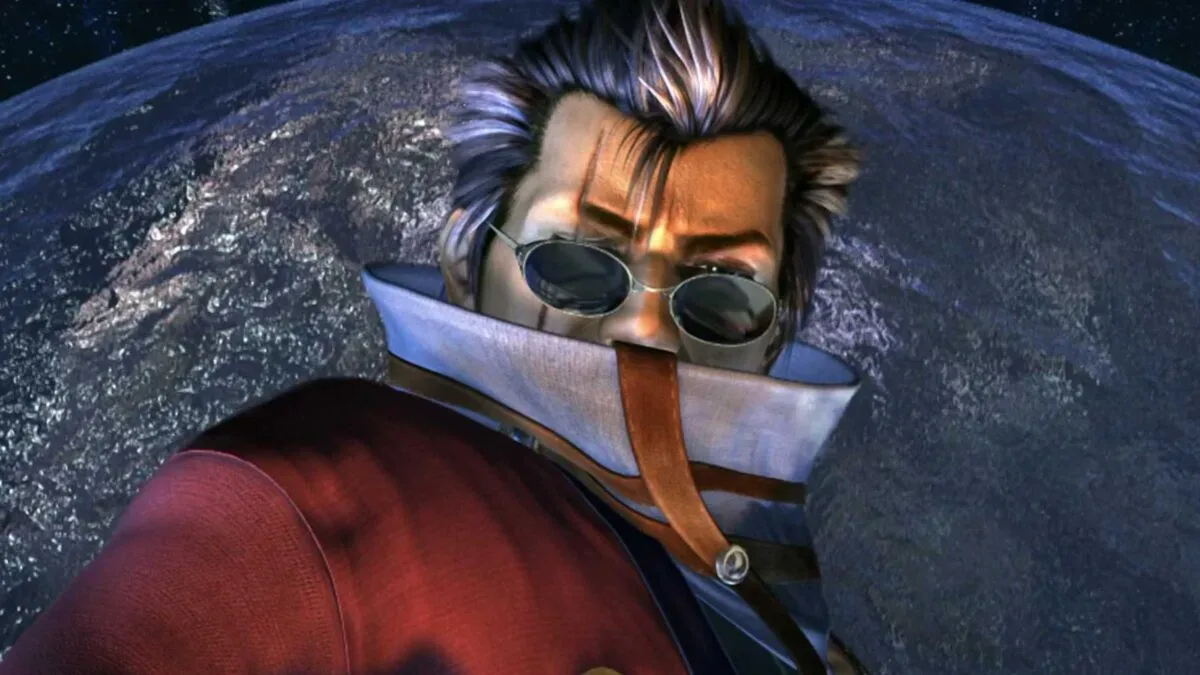
The sequence’s great trick is that every ingredient would be memorable on its own. “Otherworld,” the metal track featuring vocals by Bill Muir of Till I Die, announces that this will not be a gentle fantasy overture. Auron’s appearance on high ledges and rooftops immediately gives him the weight of a legend. Sin, the vast waterborne calamity moving toward Zanarkand, is an image so oversized that the scene does not need to explain it to make it alarming.
But the editing turns those good ingredients into something exceptional. The music changes pace at exactly the moments the visuals need room to land. Auron’s boot meets a puddle. Water begins behaving incorrectly. The city’s catastrophe feels less like an attack from a recognizable monster and more like an impossible natural phenomenon swallowing reality. The result is grand, surreal, loud, and carefully controlled all at once.
That control matters. An opening can be confusing, but it cannot be shapeless. Final Fantasy X gives the audience enough anchors to stay invested: Tidus is a celebrity with an uneasy relationship to his absent father; Auron knows far more than he says; something named Sin is coming; Zanarkand is in terrible trouble. The game withholds the answers while making each question feel urgent.
Then it transfers that uncertainty into the player’s immediate goal. Tidus is carried away by a force he cannot understand, separated from the setting and people he knows. The player does not merely watch the mystery happen; they inherit it.
Related coverage includes Why Final Fantasy X Still Has the Series' Most Electrifying Opening.
Its flaws are visible—and surprisingly irrelevant
The interactive portion of the opening is not the reason Final Fantasy X wins this argument. Tidus and Auron spend much of it cutting through small aquatic creatures, while a tentacled obstruction and a destructible coupling provide the practical work needed to escape. These encounters serve the moment, but they do not compete with the dramatic early bosses of some other entries.
That is less a weakness than a useful reminder of what an opening is for. The battle system is being introduced gently, while the catastrophe remains the star. Tidus is not immediately presented as a master of a fully explained combat framework; he is surviving an event beyond his understanding alongside the one person who appears able to keep his head.
The story soon asks players to endure slower and more awkward stretches, particularly after the initial spectacle has ended. But the opening has banked enough intrigue to sustain that change of pace. What happened to Zanarkand? What exactly is Sin? Why did Auron appear at the crucial moment? Where has Tidus been taken? Those questions are not trivia dangling from a cutscene. They are the engine that pulls the player through the early game.
Final Fantasy VII remains the standard for immediate propulsion
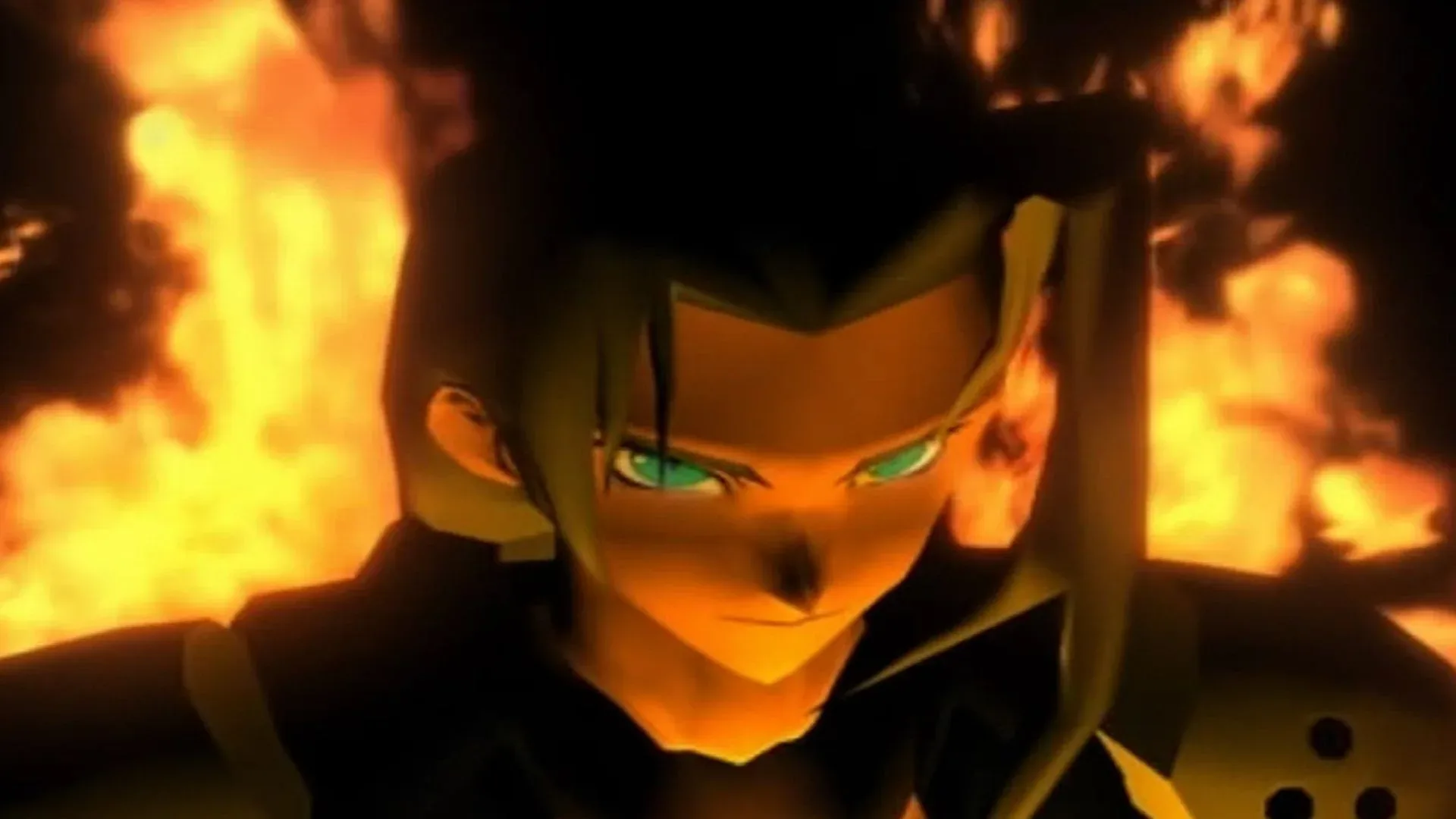
If Final Fantasy X is the best cinematic mystery-box introduction in the series, Final Fantasy VII is its most efficient action opener. The famous move from the stars to Aerith, then across Midgar and down to a speeding train, is still a masterclass in visual orientation. In minutes, it establishes a vast industrial city, its oppressive machinery, and the human scale inside it.
Then Cloud steps off the train and the game wastes no time. AVALANCHE is already conducting an attack on Mako Reactor 1. The player enters an operation in progress rather than sitting through an extended setup, and the early objective is instantly clear even if the wider politics will take longer to unpack.
The combat is simple but memorable. Cloud’s magic and Barrett’s gun arm make an immediate impression, while the 3D battle presentation and camera shifts gave the encounters a sense of movement unlike earlier mainline games. The Scorpion Sentinel also delivers the kind of imposing mechanical opponent that makes a first boss feel like an event. A countdown escape caps everything off with a burst of pressure many games would reserve for much later.
Final Fantasy VII starts with a bang because it knows exactly what it wants players to do: run, fight, plant the bomb, get out. Final Fantasy X is less direct but ultimately more transporting. One gives players a mission; the other makes them feel as though they have fallen into a myth.
Final Fantasy IX turns an introduction into a stage play
Final Fantasy IX takes a markedly different route. Its opening is generous with variety, moving through Alexandria with Vivi before shifting to Zidane and the Tantalus troupe’s performance, which doubles as cover for a royal kidnapping. It gives the player exploration, a small puzzle, theatrical comedy, conventional combat, and a dash of escape-thriller tension before ending in a crash beyond the city.
That structure makes it arguably the most playful opening in the series. Rather than beginning with anonymous weak enemies and a mandatory walk down a corridor, it lets early gameplay participate in the fiction. The stage performance does not pause the adventure; it is the adventure. Combat and drama become part of the same caper.
The original PlayStation-era visuals also deserve recognition. By the end of that console generation, Square had learned how to make its pre-rendered scenes feel dramatic and expressive. Final Fantasy IX combines that growing cinematic confidence with a deliberate return to castles, airships, royal intrigue, and the broader fairy-tale texture of earlier games. Nobuo Uematsu’s music, especially Vivi’s material, supplies the emotional glue.
It is a wonderfully crafted beginning, but its charm is cumulative. Final Fantasy X reaches for the throat sooner.
Final Fantasy XIII opens at maximum velocity
Final Fantasy XIII also comes out swinging. Lightning’s escape from a prison transport lets Square Enix show off the visual ambition expected from its first flagship Final Fantasy on PlayStation 3 and Xbox 360. Cocoon fills the background, science-fantasy architecture races by, and the opening has the slick, expensive urgency of a high-end action trailer.
Its battle presentation is equally assertive. The Active Time Battle system is streamlined, fast, and spectacular, and the game is willing to put impressive scenery and strong music behind early clashes. Lightning’s gunblade, the militarized opponents, and the need to keep moving make the scenario easy to ride even before its dense setting fully makes sense.
Some of the game’s larger issues—limited exploration and an elaborate web of terminology—are easier to ignore at this speed. The opening’s complication is also part of its appeal: players may not understand every institution or motive, but they understand that the protagonists are in danger and momentum is non-negotiable. Still, it feels like a dazzling sprint toward a game that later needs more room to breathe. Final Fantasy X makes its huge opening feel like the exact right doorway to the world beyond it.
Final Fantasy VI proves atmosphere can outlast technology
Final Fantasy VI has one of the most important openings in the franchise, even if its initial visual shock has naturally changed with time. Magitek Armor marching through snow toward Narshe was a potent image on Super NES hardware, and the atmosphere survives in the composition, the stark landscape, and the music. The opening makes cold feel like a story element.
It also starts with an enjoyable reversal. Instead of scraping by against tiny enemies, the player pilots powerful armored machines whose magical cannons make quick work of early threats. The premise soon becomes darker and stranger: a controlled young woman, an imperial force, and an ancient magical being encased in ice. The sequence moves quickly from intrusion to revelation to escape.
That pacing remains excellent. It shows why graphical novelty is not the only route to a classic opening: mood, music, and a sharp inciting incident can carry immense weight. Players returning to older hardware may also want to consider the practical side of revisiting those systems; our guide on mapping your retro console connection before buying an HDMI adapter is useful preparation for getting the right signal path.
Why Zanarkand takes the top spot
The best Final Fantasy openings do more than advertise production values. They establish a contract with the player. Final Fantasy VI promises mystery in the snow. Final Fantasy VII promises rebellion against an enormous machine. Final Fantasy IX promises a lively fantasy yarn with a theatrical heart. Final Fantasy XIII promises speed, gloss, and a world too large to absorb at once.
Final Fantasy X promises an emotional disaster that is also a beautiful puzzle. Its opening has the confidence to be strange without becoming empty, and extravagant without losing focus on Tidus as the bewildered human center. It starts with a game, breaks a city, introduces a swordsman who appears to know the end of the story, and leaves the player with just enough information to want desperately to continue.
That is an opening doing every job at once. Twenty-five years on, Sin is still coming—and it is still impossible to look away.