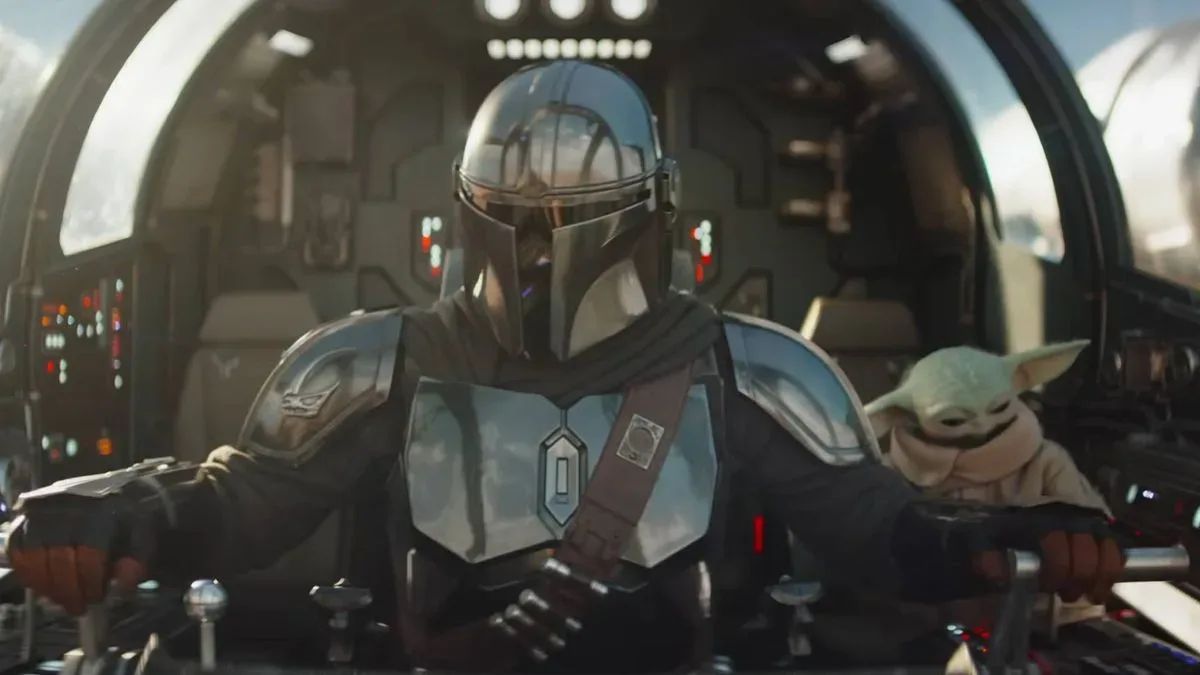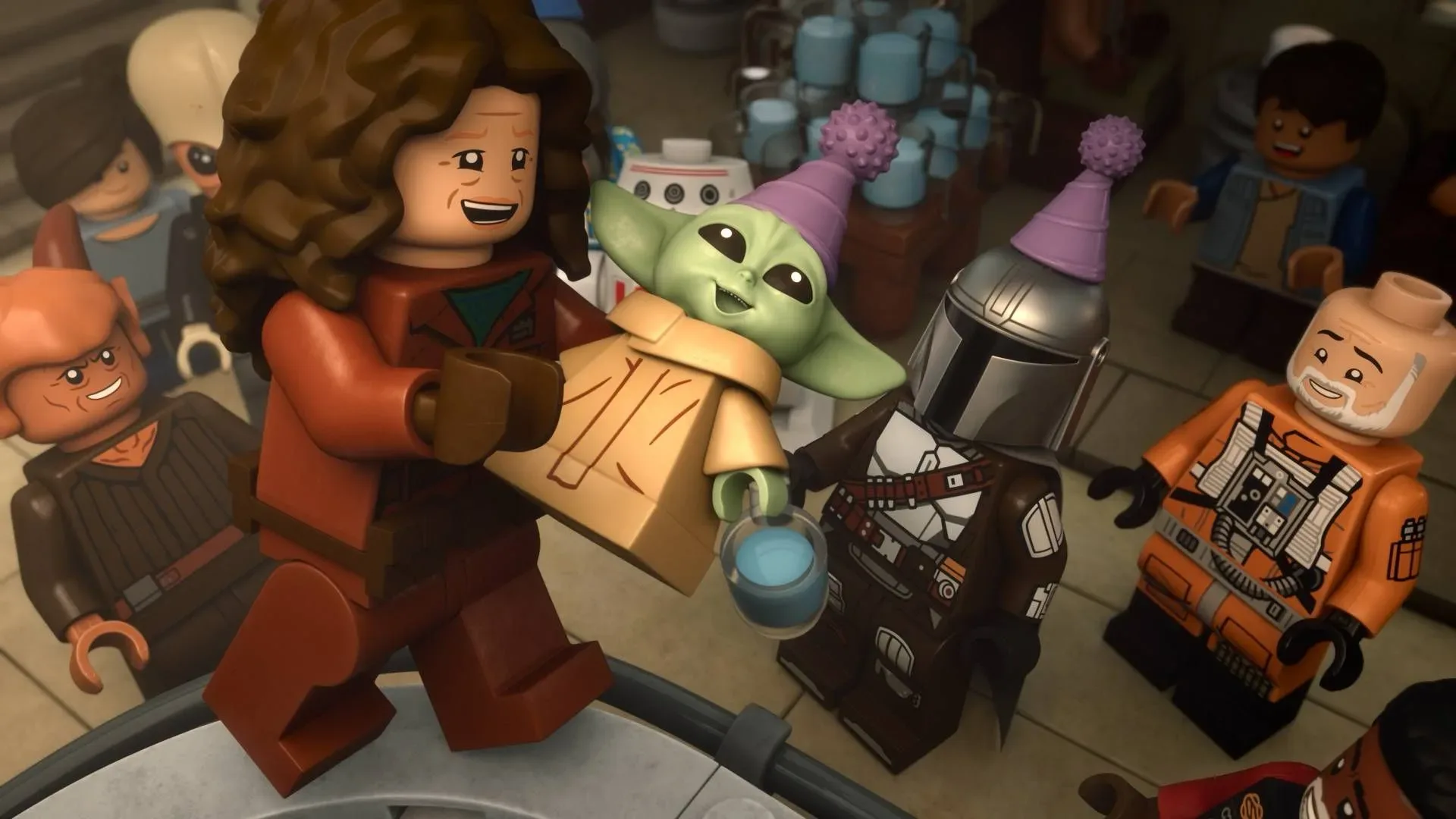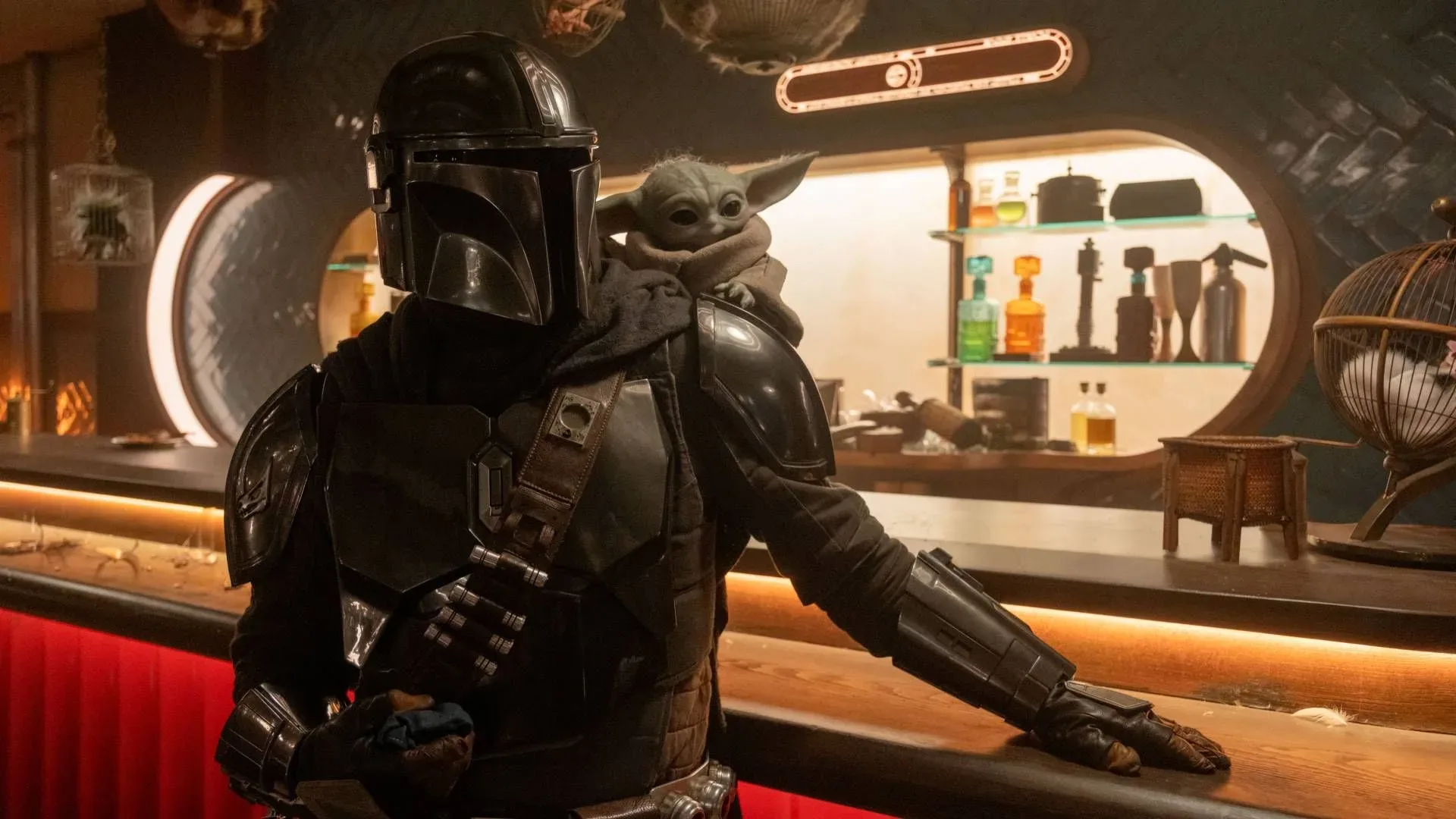
The Mandalorian and Grogu arrived on Disney Plus on September 2, four months after returning Star Wars to movie theaters for the first time in seven years. Its theatrical results were neither an effortless victory lap nor the catastrophe some online discussion might suggest. The film brought in $345.8 million against a reported $165 million budget, earned a 60% critics score on Rotten Tomatoes, and became the subject of a familiar franchise argument: should a streaming series really be promoted into a theatrical feature?
The answer, at least for this particular moment in Star Wars history, is yes. Din Djarin and Grogu were arguably the most logical characters available to carry that responsibility. A theatrical relaunch did not need to solve every question surrounding the galaxy’s future. It needed recognizable faces, an accessible premise, an adventure that could stand on its own, and a tone that reminded viewers why the series can still be fun when it stops trying to make every piece of lore carry the weight of Coruscant.
That is what this film appears to have offered: a bridge rather than a final destination. It may not have set the box office ablaze, but it gave Star Wars a controlled way to re-enter theaters after a very long absence.
A familiar pair was the safest possible theatrical invitation
Star Wars has spent much of the period since The Rise of Skywalker living on Disney Plus. That has created plenty of opportunities for long-form storytelling, new characters, and niche corners of the universe. It has also changed the feeling around a new release. When a franchise produces regular streaming installments, no single installment automatically feels like the once-in-a-few-years cultural event that a Star Wars film used to be.
That is not an argument against television. It is an argument for recognizing that film and television train audiences to show up differently. A new episode is something viewers can catch up with later. A theatrical release needs a reason to leave the house, pick a showtime, and accept the horrifying possibility of sitting near someone who opens a bag of candy during the quietest scene.
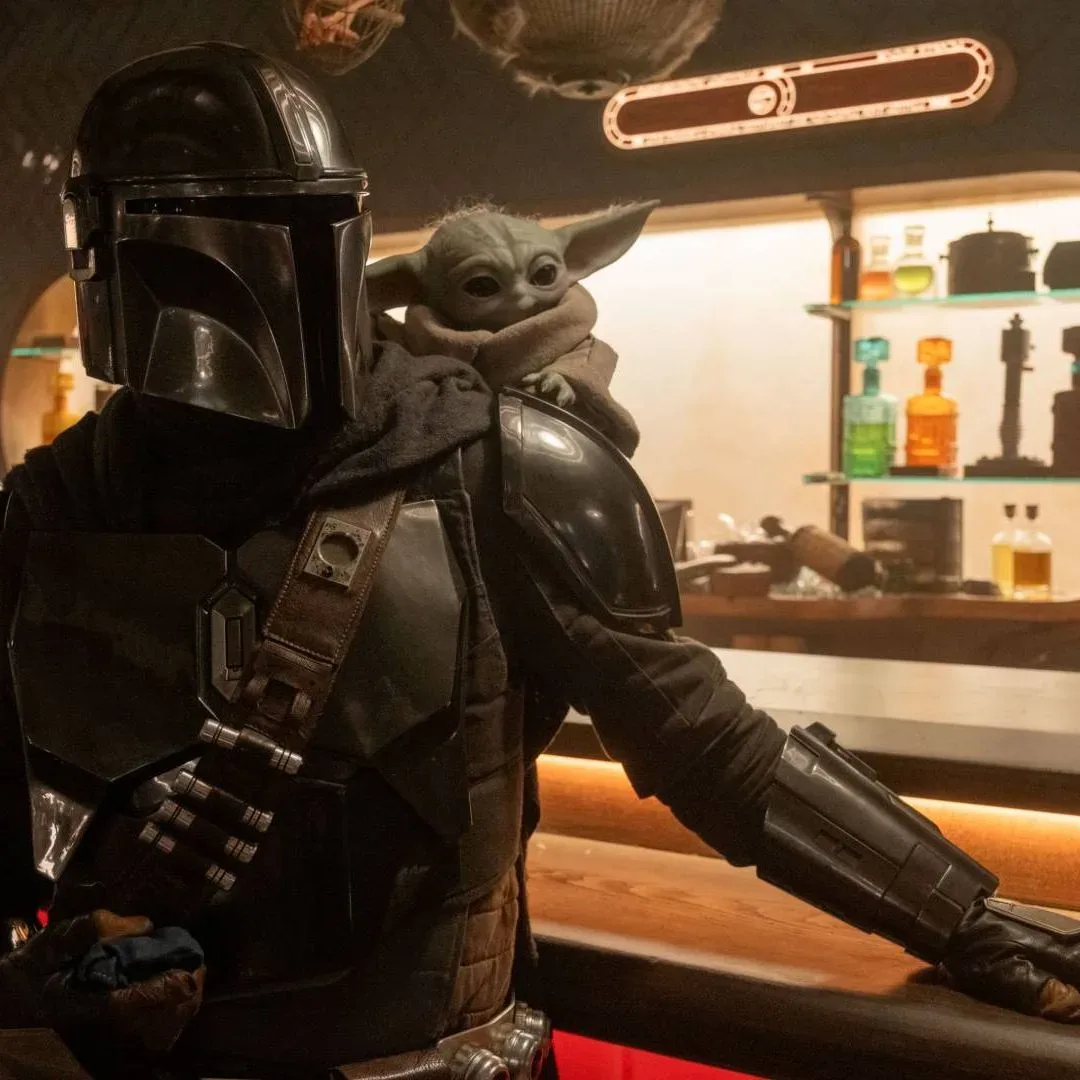
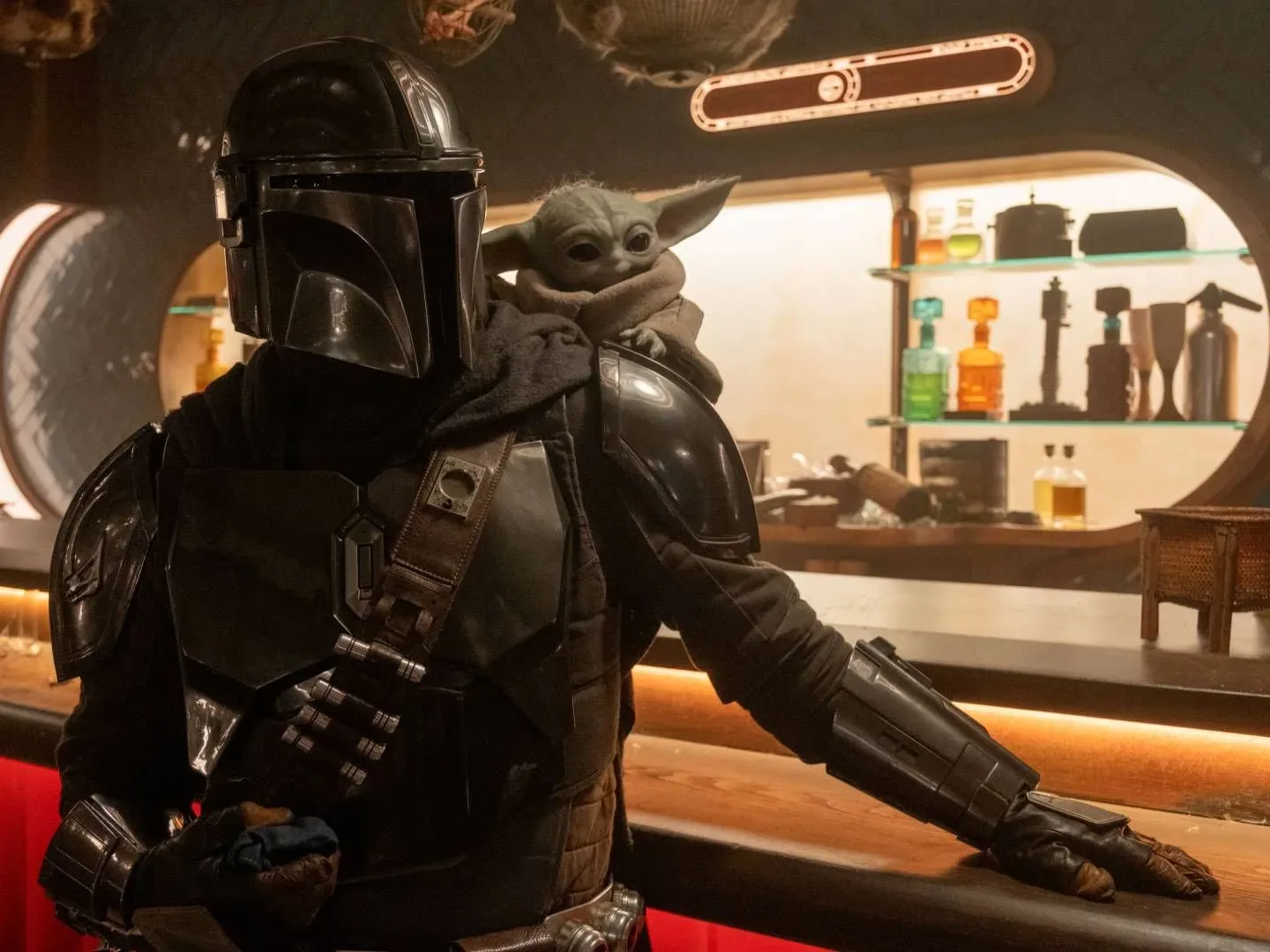
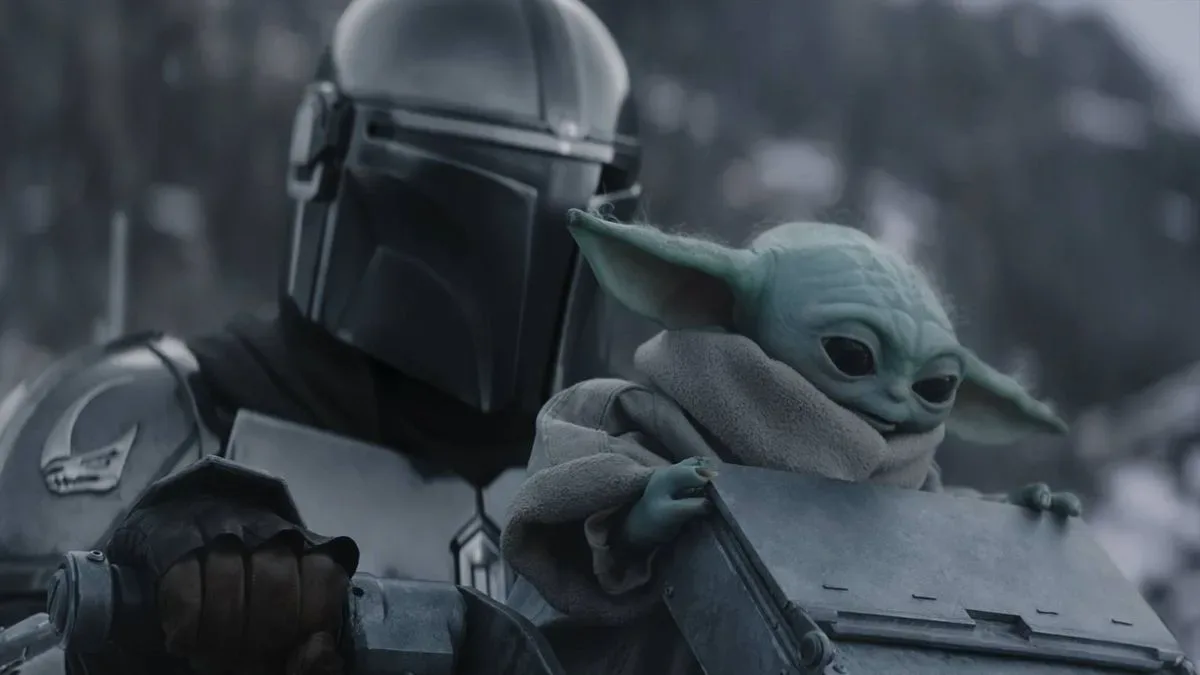
Din and Grogu provide that reason better than most recent Star Wars additions. Even people who did not remain fully invested through the less warmly received third season of The Mandalorian know the armored bounty hunter and the small green Force-sensitive child. Their visual identity is immediate: helmet, cape, tiny ears, enormous merchandising potential. More importantly, the central relationship is easy to understand without a flowchart, a timeline graphic, or a crash course in the finer points of Mandalorian family law.
That straightforward emotional hook matters. The story of a guarded father figure and the child who turns his carefully planned life into an ongoing series of difficult decisions is portable. It works on television, in toys, and in a large-format theater. Star Wars has always had galaxies, dynasties, rebellions, and mystical destinies, but it also succeeds when it gives viewers someone small and specific to care about.
A standalone adventure is not a failure of ambition
One criticism aimed at The Mandalorian and Grogu is that it concentrates on a self-contained adventure instead of making a bigger move across the wider Star Wars board. In a franchise environment obsessed with setups, crossovers, and future-release chess pieces, that can be mistaken for a lack of importance. Yet making the film approachable may have been one of its strongest strategic choices.
A movie should not make a prospective audience member feel as if they have missed a semester of required reading. Streaming spin-offs can reward dedicated viewers with returning characters and continuity, but a theatrical Star Wars feature has a broader job. It must invite back casual fans, younger viewers, people whose knowledge starts and ends with “the little one is called Grogu,” and anyone who remembers liking the original films but has not kept up with every series.
There is room for a dense, continuity-heavy crossover eventually. But asking a returning theatrical audience to begin with one would have been risky. The friendlier approach is a story with a defined beginning, middle, and end: Din and Grogu go on a mission, face danger, encounter strange creatures, and deepen the bond that made them popular in the first place. This is not a radical reinvention of the formula. It is, however, a useful reminder that reliable storytelling machinery is not automatically a bad thing.
The report that an adult Rotta the Hutt becomes a standout element also points to the value of a contained escapade. Star Wars is at its most cheerful when it can introduce a weird creature or a side character without immediately assigning that character a twelve-part streaming destiny. Let something be memorable because it is odd, funny, surprising, or useful in the story. The galaxy has enough briefing-room exposition already.
That preference for a complete, friendly adventure also makes the film a plausible entry point for another generation. The best gateway stories create curiosity rather than demanding prior devotion. If newcomers want more afterward, three seasons of The Mandalorian are waiting. That is a far healthier on-ramp than telling them to start with a viewing-order spreadsheet created by somebody named JediDad_1977.
The scores and box office tell a more complicated story
The numbers are mixed, but mixed is not meaningless. A 60% Rotten Tomatoes critics score is modest for a major franchise film. At the same time, the movie earned an 86% audience score there and received an A- CinemaScore on opening night. Those audience measures do not erase critical reservations, nor do they guarantee a film’s long-term legacy. They do show that many of the people who chose to see it responded positively to the experience.
The $345.8 million box office total likewise resists simple labels. It was not the kind of revenue that turns a corporate meeting into an impromptu lightsaber duel of celebration. But alongside a reported $165 million budget, it is not evidence that the concept was rejected outright, either. Theatrical performance now exists alongside streaming value, brand visibility, subscription interest, and the longer tail of home viewing. None of those categories makes ticket sales irrelevant; they simply make the judgment more complicated than one headline number.
There is already one indication that the film’s attention may have helped the series around it. During the first half of 2026, The Mandalorian was Disney Plus’s third most-watched original series, with 2.4 billion minutes viewed as measured by Luminate. That is notable because the show had not released a new episode in three years. A theatrical feature can function as advertising with a story attached: viewers reconnect with the characters on the big screen, then return to the episodes to revisit their earlier adventures.
Franchises often treat every release as a referendum on the whole enterprise. That habit produces inflated expectations and dramatic declarations about victory or doom. A better reading is that The Mandalorian and Grogu reopened a door. It reminded viewers that these characters belong in a cinema as comfortably as they belong in a streaming carousel, and it restored some practical knowledge about what a Star Wars theatrical launch looks like in the current market.
Its greatest service may be lowering the pressure on Starfighter
The next major movie question is Star Wars: Starfighter. Any first theatrical Star Wars film after a seven-year break would have faced outsized scrutiny. It would be judged not only on its own story, characters, and craft, but also as proof that Star Wars could still operate as a big-screen event. That is an unusually heavy backpack to hand any filmmaker, even in a galaxy where backpacks sometimes have jet engines.
Now The Mandalorian and Grogu has absorbed some of that pressure. It was the test flight. It placed an established streaming property on a theatrical runway, received a varied critical reaction, found a more enthusiastic audience response, and generated a box-office result that is open to debate rather than easy celebration. Those are valuable lessons, even if they are not especially glamorous ones.
It also establishes a useful distinction for Lucasfilm’s future planning. Not every Star Wars story requires a theatrical scale, and not every theatrical movie needs to be a culmination of every Disney Plus plotline. Television can remain the place for patient character arcs and broader experimentation. Films can focus on stories that are visually expansive, emotionally immediate, and legible to viewers who have not treated the franchise like a second job.
That balance is preferable to declaring that one format must replace the other. There is no confirmed live-action Star Wars series beyond Ahsoka at present, and the longer-term small-screen slate remains uncertain. Dave Filoni’s movie, announced at Star Wars Celebration in 2023, was described as a project connecting the Disney Plus-era stories, but its eventual shape has not been confirmed. It would be premature to assume it will become a streaming event or follow any particular plot route. The only sensible certainty is that Star Wars needs clearer reasons for each project to exist in its chosen format.
The value of letting an adventure be an adventure
There is a temptation to regard a movie as worthwhile only if it rearranges an entire fictional universe. But a franchise also needs projects that deliver on the basic promise of a night out: charismatic heroes, impressive action, strange monsters, an understandable threat, and a little warmth beneath all the armor and laser fire.
That kind of direct entertainment has a place in games, too. Not every great experience has to become an endless service, an interconnected lore apparatus, or a platform for the next reveal. Sometimes the durable pleasure is simply gathering people around a story or a screen. The same social spark is why the unwritten rules of couch multiplayer remain recognizable even as the hardware changes: shared reactions make familiar entertainment feel newly alive.
The Mandalorian and Grogu did not need to be perfect to be the right first movie back. Its job was to make Star Wars theatrical again without demanding that every viewer arrive as a continuity expert. Its streaming debut now gives the film a second opportunity to find the people who skipped the cinema, while the renewed attention on The Mandalorian shows why recognizable characters remain valuable across formats.
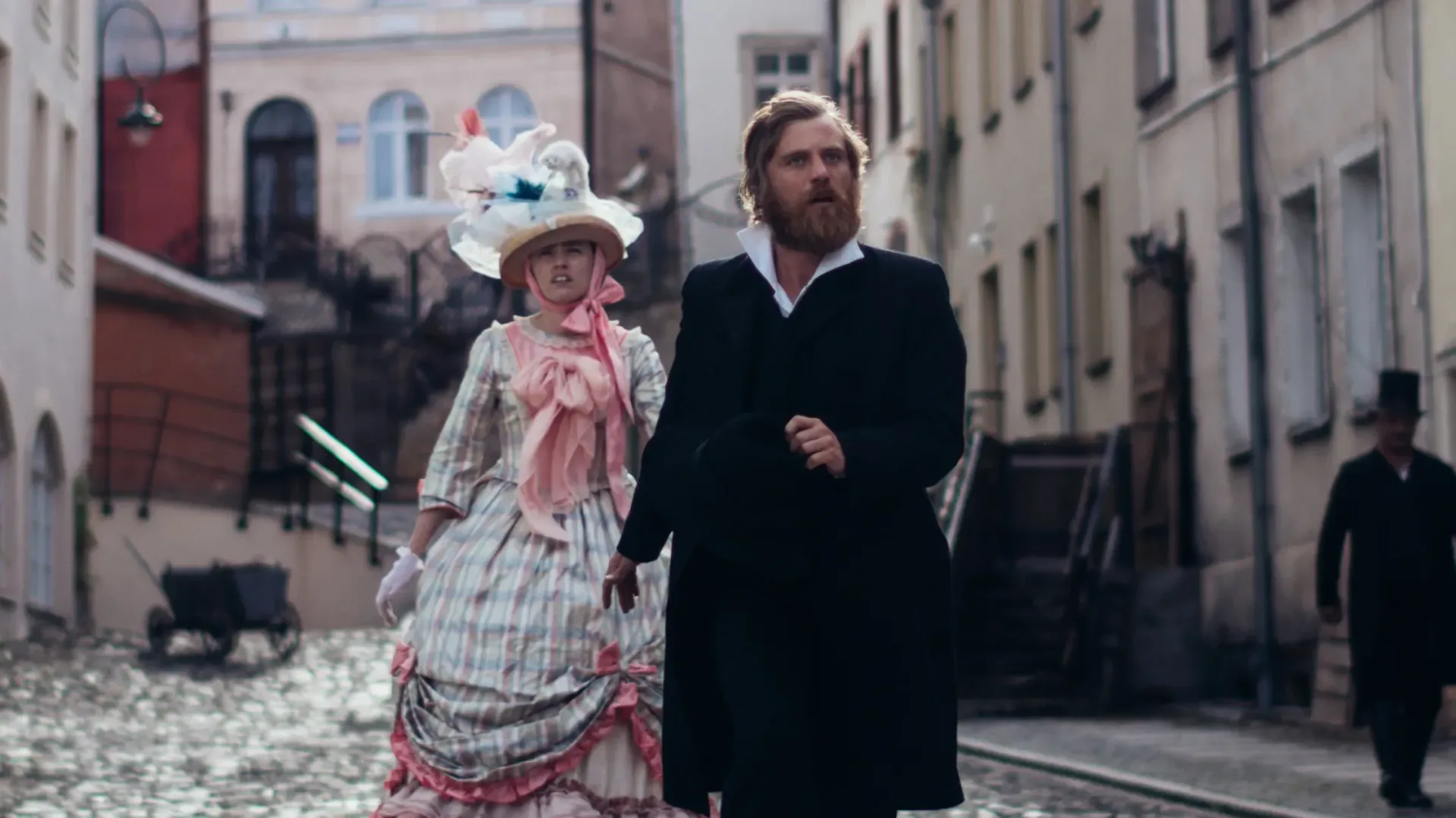
For audiences who enjoy following how different media try to turn established material into fresh experiences, the uneven but energetic approach discussed in this look at a Dostoevsky biopic offers a useful parallel: adaptation and expansion do not have to be immaculate to be worthwhile. Sometimes the most important achievement is preserving the element that made people care in the first place.
For Din Djarin and Grogu, that element is the Clan of Two. Put them in a standalone mission, let them meet something delightfully strange, and give their relationship room to do the work. After seven years without a Star Wars theatrical release, that was a sensible way to say the big screen is open again.