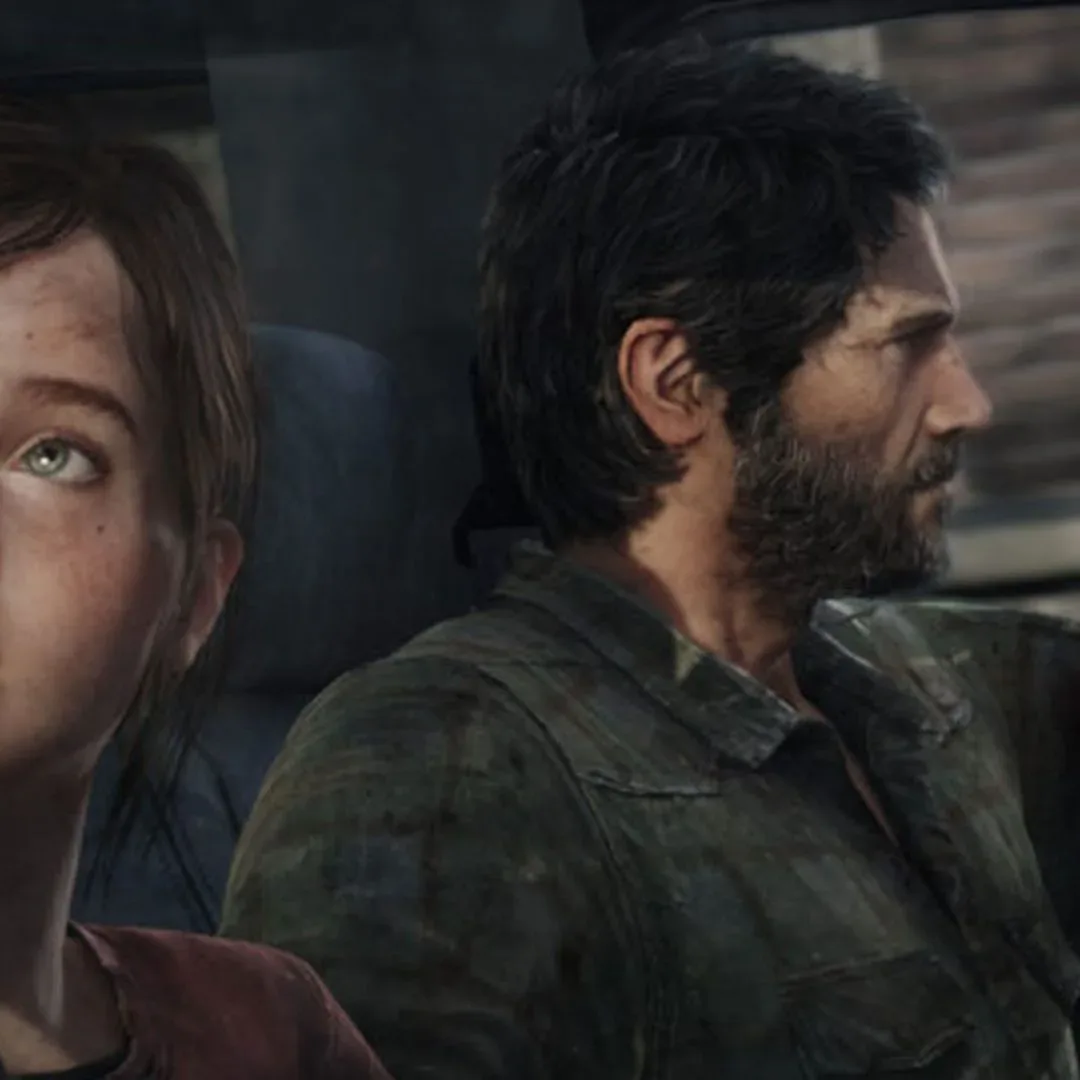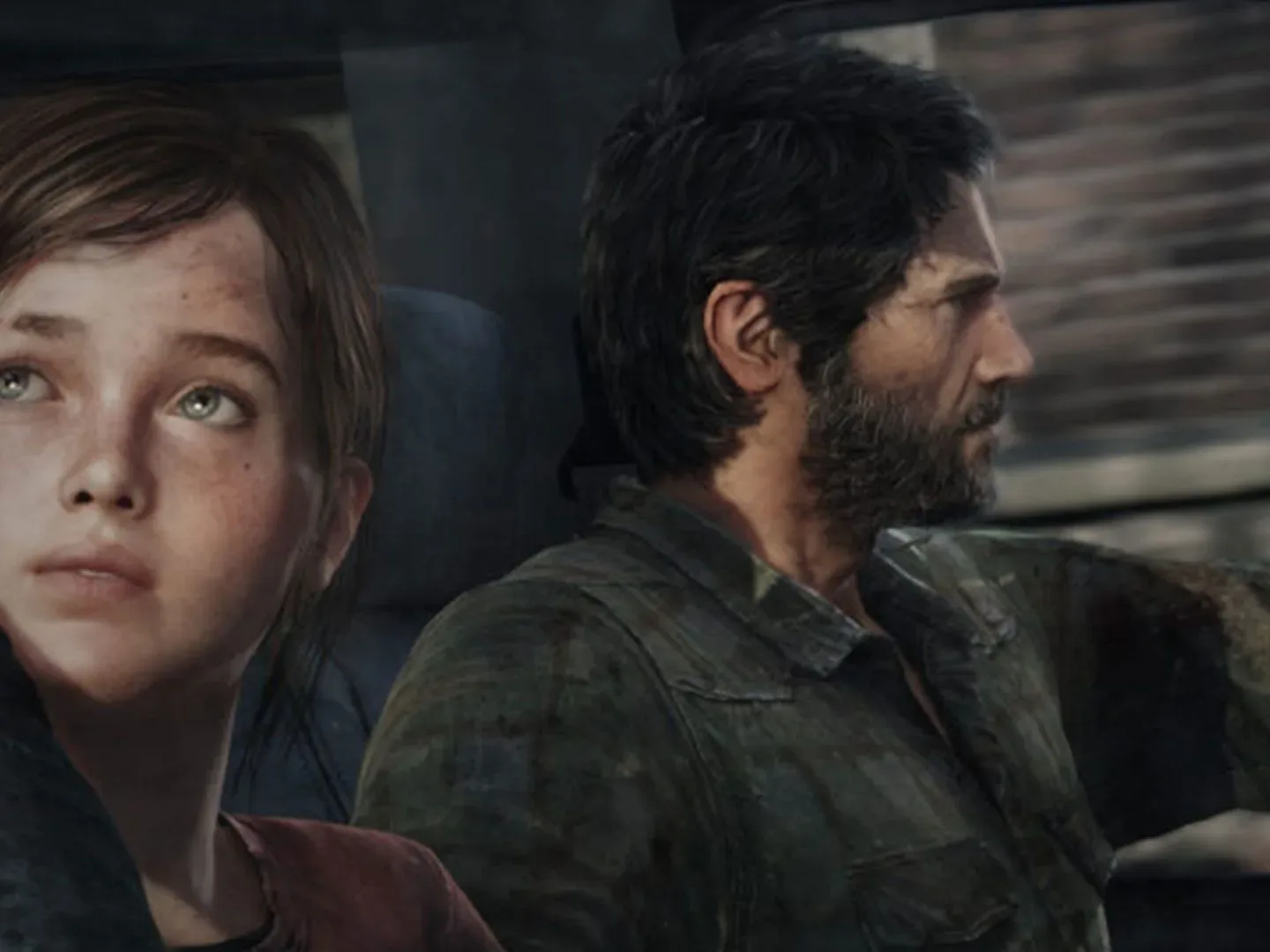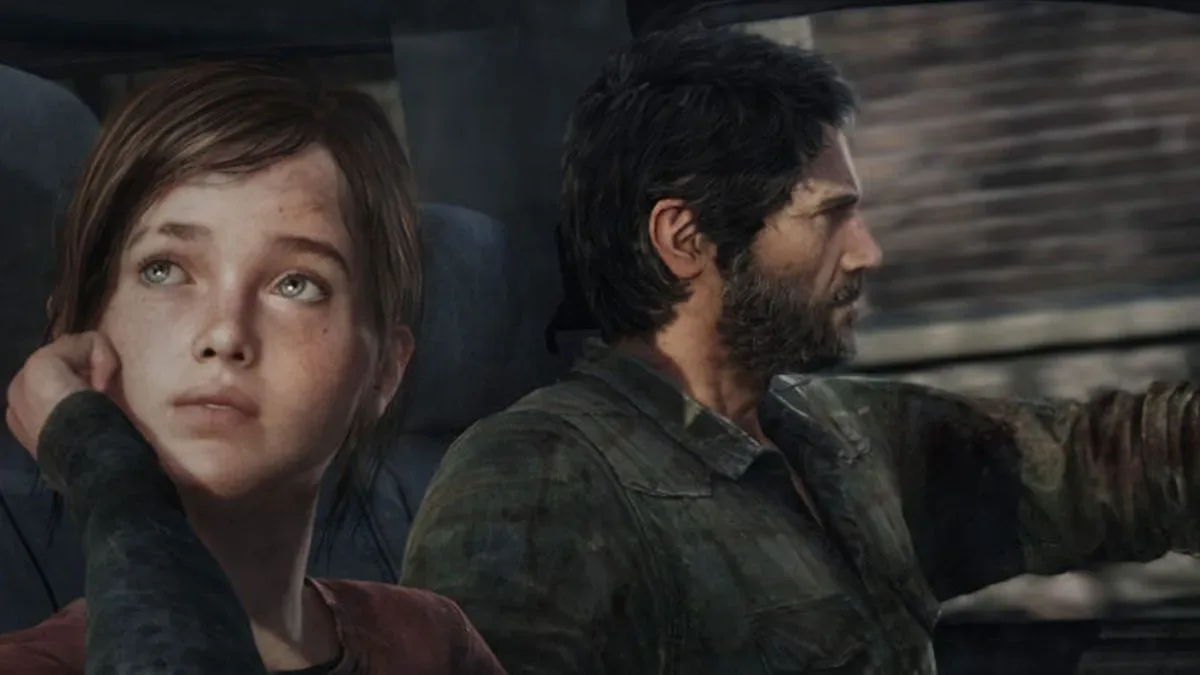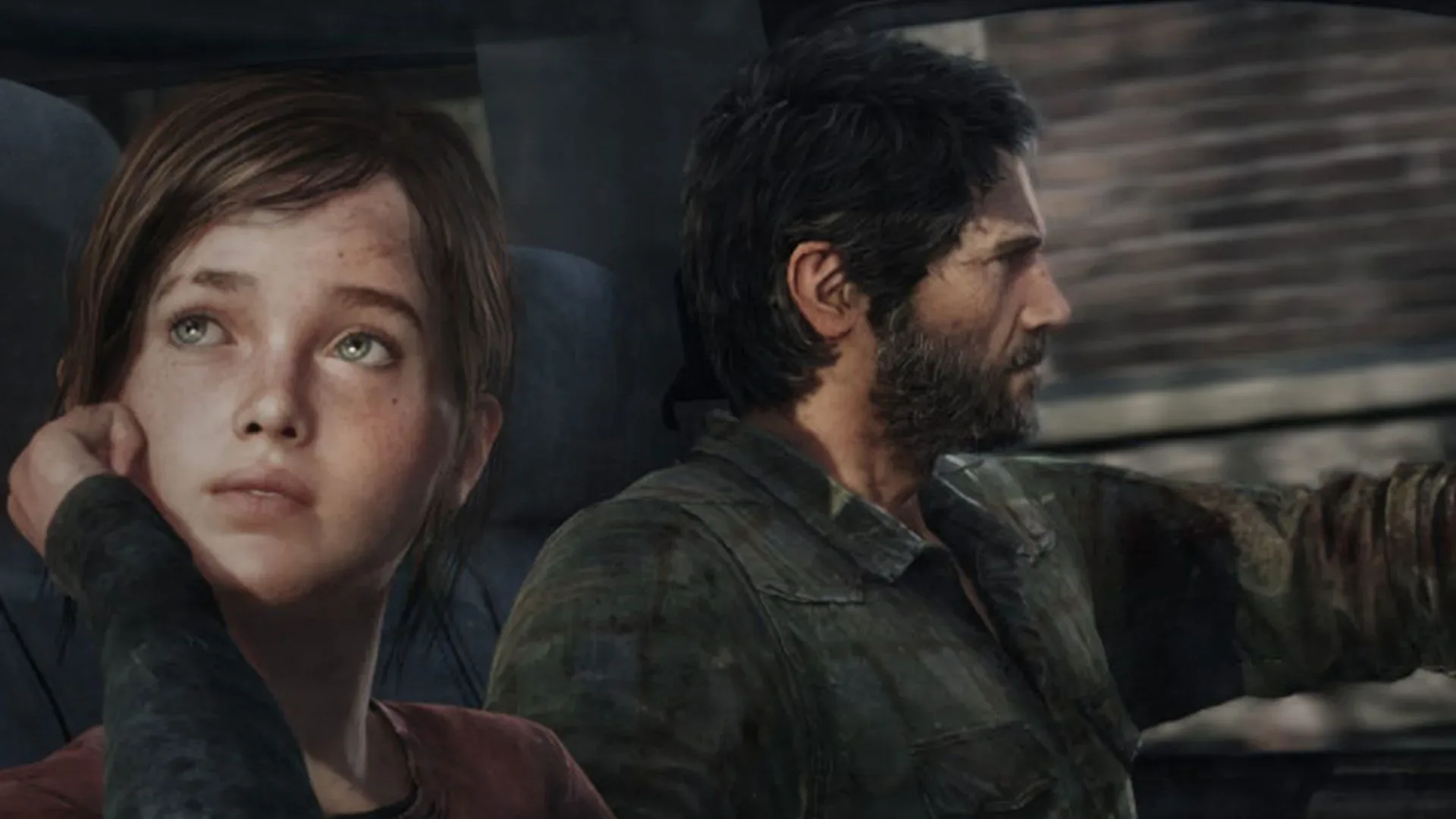
It is easy to see why The Last of Us became shorthand for a particular kind of blockbuster game: a harsh, ruined world; tense encounters; a close relationship at the narrative center; and violence presented not simply as spectacle, but as an extension of pressure, fear and compromise. Before the original game arrived, director Bruce Straley described the opportunity in unusually sweeping terms. He said that “no one else” was making character-driven survival action games in the way Naughty Dog hoped to make them.
That is a bold claim, and it was arguable even at the time. Resident Evil had already spent years defining survival horror as a major game language, while its settings, monsters and heightened melodrama had long supplied recognizable characters and stories. Still, the distinction Straley and Neil Druckmann were drawing was less about claiming that games had never paired people with danger, and more about the emphasis of Naughty Dog’s approach: using a survival-action structure to keep returning the player to two people under escalating emotional strain.
In that narrower sense, the claim helps explain the design ambition behind The Last of Us. The game did not arrive from an empty genre landscape. It arrived with a particularly polished, cinematic and character-forward version of an existing set of survival-game ingredients—and its influence has made that blend far more common.
What Straley and Druckmann were trying to identify
In comments from 2012, before the original release, Straley described the premise as an opening that had effectively landed in Naughty Dog’s lap: the studio saw room for character-led survival action and wanted to apply what it had learned from Uncharted to a different genre. That framing matters. The stated goal was not merely to add a sadder script to an action game. It was to test whether the studio’s strengths in presentation, pacing and character interaction could carry a survival story.
Druckmann’s explanation focused even more clearly on dramatic stakes. He pointed to film, comics and other storytelling forms that use extreme circumstances to reveal character. In his description, the crucial material was the pressure a hostile world puts on people, the difficult decisions that pressure produces, and what those choices say about human beings.
That is a useful working definition of character-driven survival action. The phrase does not just mean a game has named protagonists, dialogue scenes or a disaster setting. It means the survival framework is expected to do narrative work. Scarcity, danger and the need to proceed are not only barriers between the player and the next objective; they are tools for testing relationships and values.
There is a meaningful difference between that goal and saying every encounter must be realistic or restrained. A character-driven game can contain large-scale violence. Likewise, a campier game can still have memorable characters. The disagreement is really about what gets priority: whether the action primarily supports horror, power fantasy, spectacle or a human relationship under duress.
Resident Evil is the obvious complication
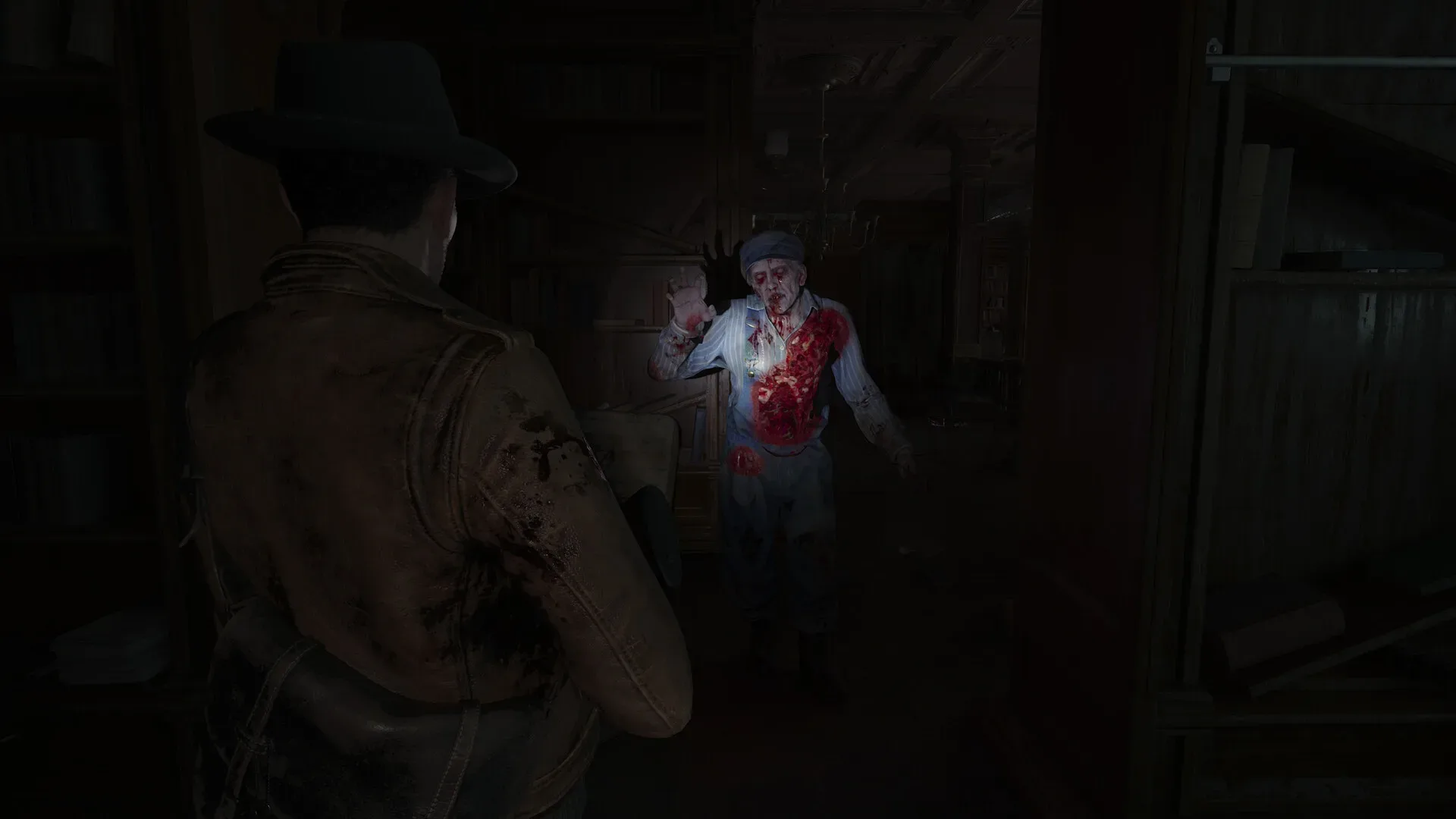
The broadest reading of the “nobody” claim falls apart once Resident Evil enters the conversation. The series existed long before Joel and Ellie, and it was already foundational to survival horror. It placed players in threatening spaces, made supplies and danger central concerns, and gave its scenarios recurring characters rather than anonymous stand-ins.
Related coverage includes The Last of Us Directors Once Argued No One Else Was Making Survival Games Like Theirs.
Druckmann’s criticism was that games in this area were not being approached from the character side, describing Resident Evil as campy and over-the-top. That is not an objective description of what Resident Evil is allowed to be; it is a statement of taste and intended tone. Camp has always been part of Resident Evil’s identity, and heightened violence is not proof that a work lacks character. It is simply a very different register from the grounded, intimate seriousness Naughty Dog was pursuing.
Calling Resident Evil “campy” also risks turning a creative choice into a deficiency. The series’ theatrical dialogue, outsized threats and horror-movie energy are part of its appeal. Its aim is not necessarily to make every moment feel like a subdued relationship drama. The Last of Us, by contrast, became closely associated with a more naturalistic emotional presentation, where player movement through dangerous spaces repeatedly returns attention to the bond between its central characters.
So both sides of the comparison can be true. Resident Evil makes it inaccurate to treat survival games with characters as an untouched field. The Last of Us nevertheless represented a distinct mainstream proposition: a prestige-styled, relationship-centered survival action game built by a studio known for cinematic adventure games.
The important difference is the blueprint, not the claim of invention
Whether Naughty Dog’s early language overstated the novelty of the idea is less revealing than what happened afterward. The character-led apocalypse is no longer a rare pitch. The supplied examples alone show how thoroughly that ground has filled in: A Plague Tale, Dying Light and Days Gone all give character significant attention within hostile or apocalyptic worlds.
Outside that immediate disaster-fiction lane, the newer Tomb Raider trilogy, God of War and God of War Ragnarök are also identified as games that borrow substantially from Naughty Dog’s design language. That does not mean they are copies, nor does it erase their own histories and priorities. It suggests a broader industry effect: action games increasingly treat sustained companion dynamics, vulnerable protagonists, authored pacing and emotionally loaded transitions as core features of a major release rather than optional dressing.
The influence is especially notable because it can work in both directions. The Resident Evil remakes are said to appear to have taken lessons from the games they once helped inspire. That is a more interesting story than a simple rivalry between franchises. Genres evolve through exchange. A later game can consolidate and popularize a presentation style, and an older series can then incorporate parts of that style without ceasing to be itself.
That circular influence also makes categorical arguments slippery. Games are not isolated inventions. Studios respond to player expectations, advances in presentation and the successes of peers. What becomes recognizable as “the Naughty Dog approach” can spread because it is useful: it gives action sequences a relationship context, turns travel into a stage for dialogue and lets the emotional aftermath of violence matter as much as the encounter design.
Why the wording still matters
There is a practical reason to push back on totalizing claims such as “nobody was doing this.” They can flatten the games that established earlier survival traditions, especially Resident Evil. They can also obscure how many creative lineages feed a genre. Survival horror did not begin with The Last of Us, and character-focused storytelling did not begin when a major action studio centered a game on a fraught partnership.
But rejecting the claim of total originality should not become a reflexive effort to minimize impact. The Last of Us helped make a certain set of choices unusually legible to the mainstream: survival action could be marketed around a difficult personal bond; the emotional meaning of a scene could be as important as its action; and a brutal setting could be used to continually test, rather than merely decorate, the protagonist relationship.
That legacy is arguably visible in today’s expectations for big narrative games. Players often look for more than a plot delivered between set pieces. They expect characters to react, relationships to develop through play and danger to have consequences that resonate beyond the immediate fight. Those expectations are not attributable to one game alone, but The Last of Us is plainly part of why they are now so familiar.
A genre label that has outgrown its origin story
Straley’s comments now read less like a literal survey of every game available before 2012 and more like a statement of a studio’s creative opening. Naughty Dog saw an opportunity to combine the storytelling confidence associated with Uncharted with survival-focused action and a harsher emotional register. The resulting game became influential enough that the supposed opening is no longer open in the same way.
That is the irony at the center of the debate. The original assertion was already vulnerable because Resident Evil had supplied an enormous counterexample. Yet the trend it pointed toward has become unmistakable. Character-focused survival action is not an abandoned corner of gaming; it is an established part of the modern action-game vocabulary.
For players, that offers a useful lens when looking at new narrative-heavy games. The question is not whether a game has enemies, scarce supplies or an apocalyptic setting. It is how those systems serve the people at its center. Do the dangers merely create exciting obstacles, or do they force decisions that reshape a relationship and reveal a character? That distinction is also relevant to broader conversations about narrative design, including the appeal of games built around investigative and moral pressure, such as the ideas explored in turning monster contracts into real detective work.
The Last of Us did not need to be the first survival game with characters to leave its mark. Its achievement was helping define an enduring blockbuster format in which survival, action and a relationship are designed to carry one another. Resident Evil remains a necessary reminder that the format has deeper roots—and that horror games can be characterful, influential and proudly excessive on their own terms.