Warning: this discussion includes premise-level details and broad ending implications for the new Resident Evil film.
The enduring anxiety around a video game adaptation is easy to understand. Fans know the characters, locations, threats, rhythms and treasured individual moments already. When a film announces that it will not put Leon S. Kennedy, Claire Redfield or Jill Valentine at its center, that anxiety can rapidly become suspicion. Why pay for Resident Evil, in other words, if it does not simply recreate Resident Evil?
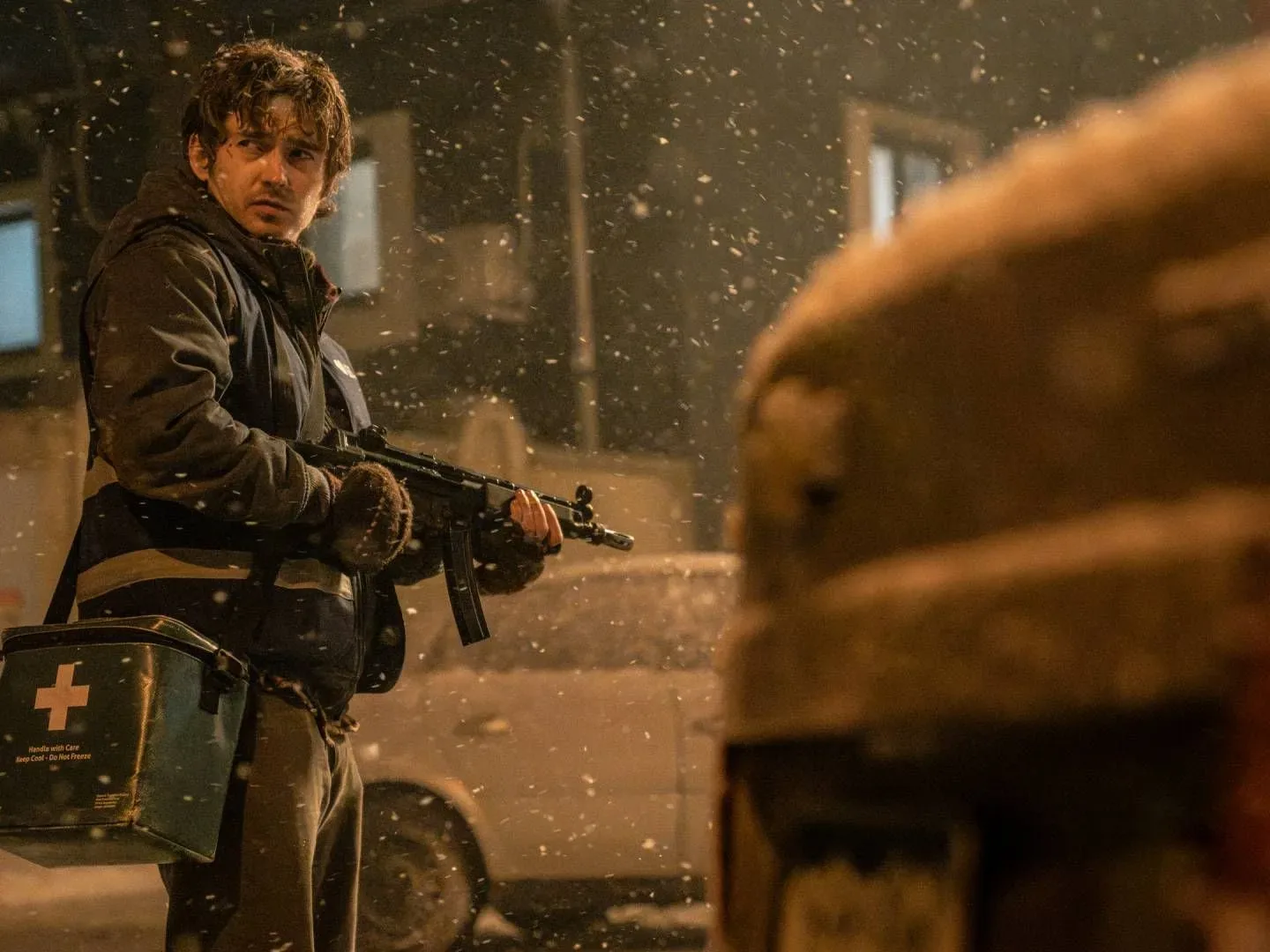
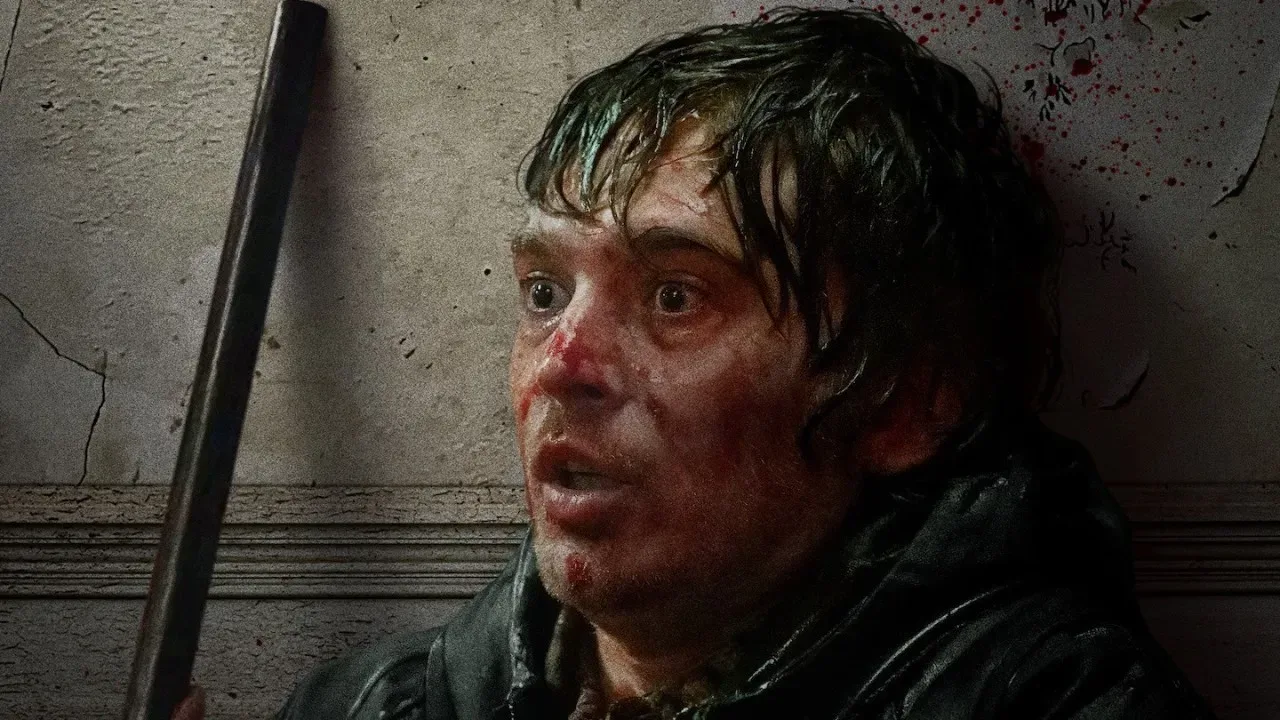
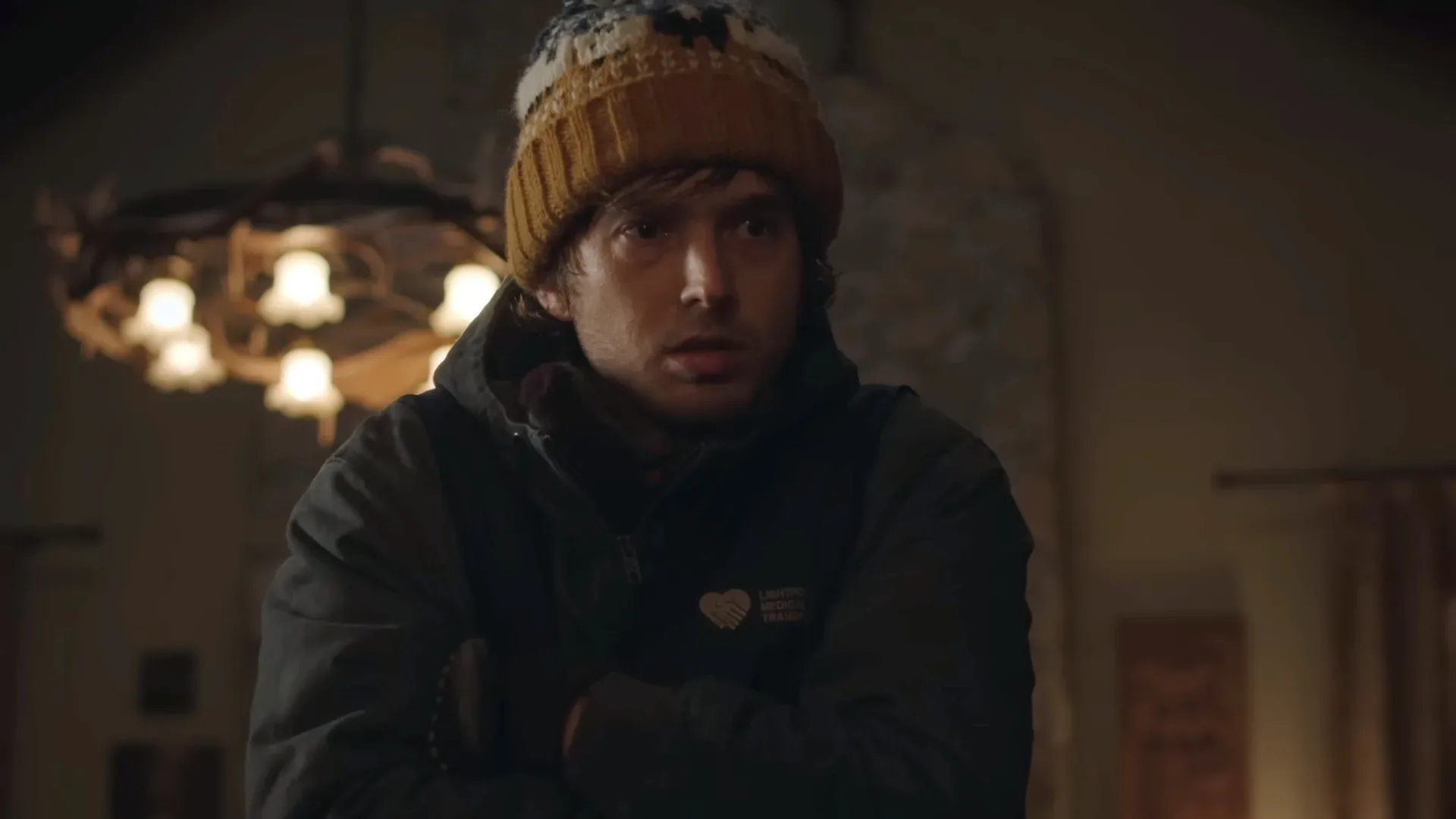
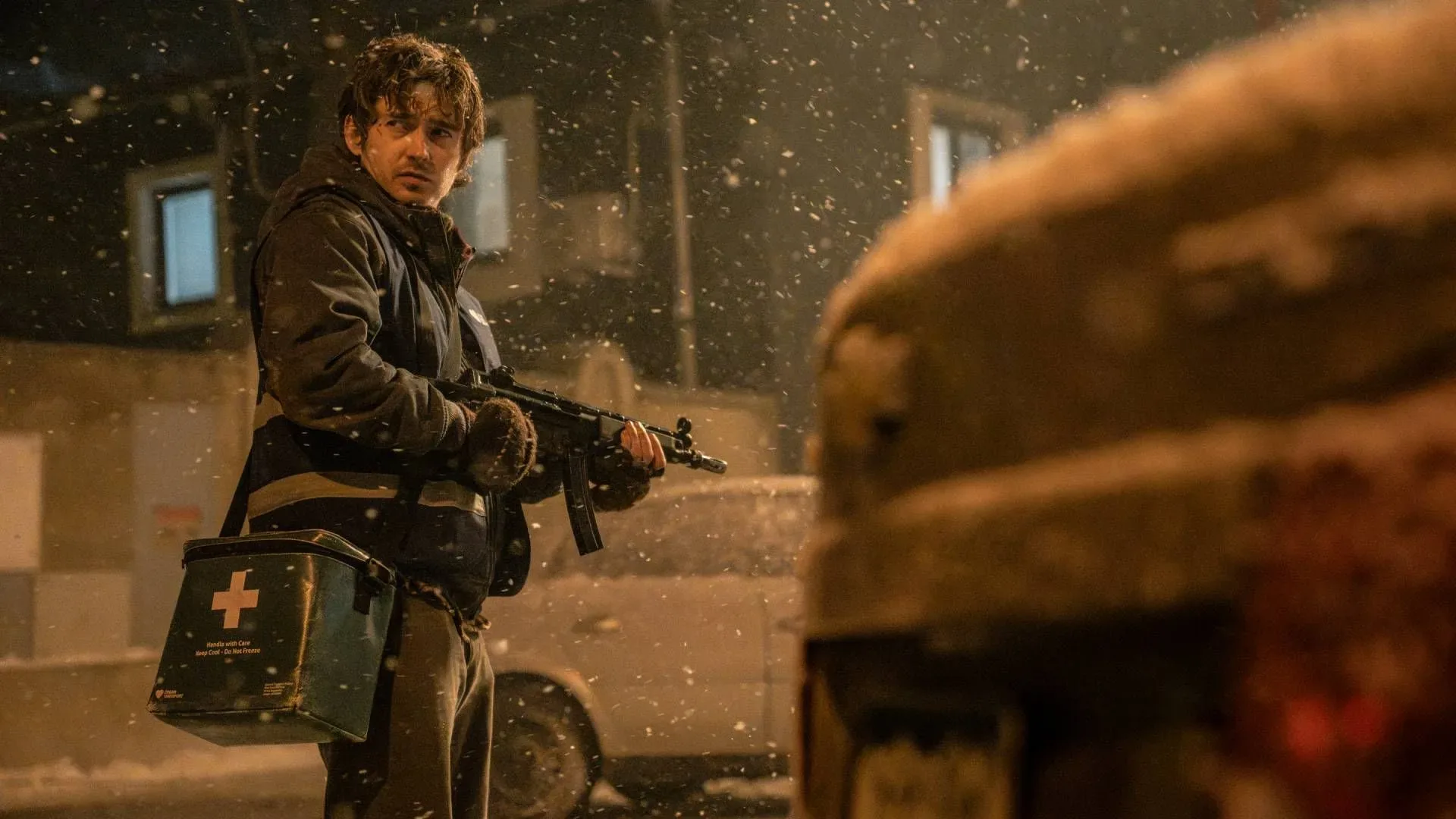
Zach Cregger’s new film argues that this is precisely the wrong question. Set on the edges of the t-Virus outbreak seen in Resident Evil 2, the movie tells an original story with an original protagonist: Bryan, a medical courier trying to move the basis for an antidote from one point to another while Raccoon City comes apart. Familiar icons are deliberately absent. The Umbrella Corporation and its viral catastrophe provide the essential context, but the movie reportedly does not stop to untangle the franchise’s famously dense mythology.
That decision may sound like a rejection of the games. In practice, it looks more like an attempt to adapt what makes playing them distinctive without pretending that film and games produce tension in the same way. The most useful game adaptations do not always replicate the plot. They identify the emotional machinery beneath it.
Raccoon City without a greatest-hits checklist
There is an understandable appeal to a literal adaptation. Leon entering the police station, Claire arriving in the city, Mr. X stalking hallways, and recognisable monsters appearing at carefully selected moments are all potent ingredients. But they are potent partly because they work in an interactive format. A player chooses routes, checks ammunition, gets lost, revisits areas and makes the small decisions that turn an enclosed location into a personal survival story.
A film audience cannot supply those choices. It can only follow the character and filmmaker through a pre-set sequence. A close recreation of a game can therefore run into a strange problem: it may preserve familiar imagery while losing the experiential reason that imagery mattered. Watching someone repeatedly loop through a police building, evade a pursuer and rummage for the next key item is not necessarily the same as feeling the pressure of doing it yourself.
Bryan’s premise seems designed around that distinction. He is not framed as a seasoned, heavily armed franchise hero. He is an average person thrust into a city full of zombies and more extreme mutations, carrying a task that is instantly understandable: deliver a potential antidote. It is a clean movie objective, but it also echoes a central Resident Evil pattern. Put a vulnerable person in a hostile maze, deny them safety, give them an urgent but imperfect objective, and make every detour feel dangerous.
That is not copying a single campaign. It is translating its structure.
Related coverage includes Resident Evil's New Movie Shows Why Game Adaptations Don't Need to Retell the Games.
What “adapting the structure” means
In this context, structure is more than plot. It is the escalating pattern of isolation, pursuit, uncertainty and increasingly strange obstacles that defines much of Resident Evil. A story can introduce a new courier rather than an established character and still feel recognisably Resident Evil if it retains that pressure-cooker design.
- Isolation: the protagonist is separated from meaningful help in an environment that has become alien and lethal.
- Escalation: an initial outbreak expands into threats that are more grotesque and harder to survive.
- Task-driven momentum: survival is tied to a concrete objective, rather than aimless wandering.
- Absurdity alongside horror: the premise can be frightening without shedding the series’ heightened, sometimes outrageous monster-movie energy.
These are not details fans can tick off in a trailer. They are the operating principles that make the property feel like itself. A film that gets them right can earn more goodwill than one that includes a long roster of familiar names but treats them as cosplay-shaped references.
The old adaptation trap: recognition without purpose
Resident Evil has been through many screen versions. Six films led by Milla Jovovich used recognisable series elements in new scenarios. The 2021 Welcome to Raccoon City attempted a more overtly fan-facing route, including Lisa Trevor, a character associated with material that was cut from an earlier game. Yet references alone cannot guarantee a strong adaptation. A deep-cut inclusion can demonstrate awareness, but it cannot substitute for coherent pacing, character stakes or a confident tonal identity.
The issue is not that games should never be adapted faithfully. Some properties are built around an authored story and a specific cast strongly enough that a close television or film version may make sense. The Last of Us is one prominent example of a game narrative that has lent itself to a relatively faithful screen interpretation. But Resident Evil is a different beast. Its games have protagonists and lore, certainly, but they also depend on systems: navigation, resource management, surprise, repeated failure and the vulnerable feeling of being somewhere you do not understand.
Those systems cannot be lifted wholesale into a 95-minute movie. Cregger’s approach, as described, acknowledges that limitation instead of hiding from it. The film does not compete with Resident Evil 2 or Resident Evil 4 as a replacement experience. Players can still play those games. The movie’s reason to exist is to offer a new nightmare occurring beside the familiar one.
That distinction is vital. A screen adaptation should not be judged solely by whether it reproduces material players already own and can revisit. It should also be judged by whether it opens a new door into the setting.
Original characters are not automatically a betrayal
New characters in established worlds often inspire a particular fear: that the recognizable brand will remain while the personality that made it valuable disappears. That fear is justified when a production uses a known setting as empty decoration. It does not follow, though, that original protagonists are inherently less authentic.
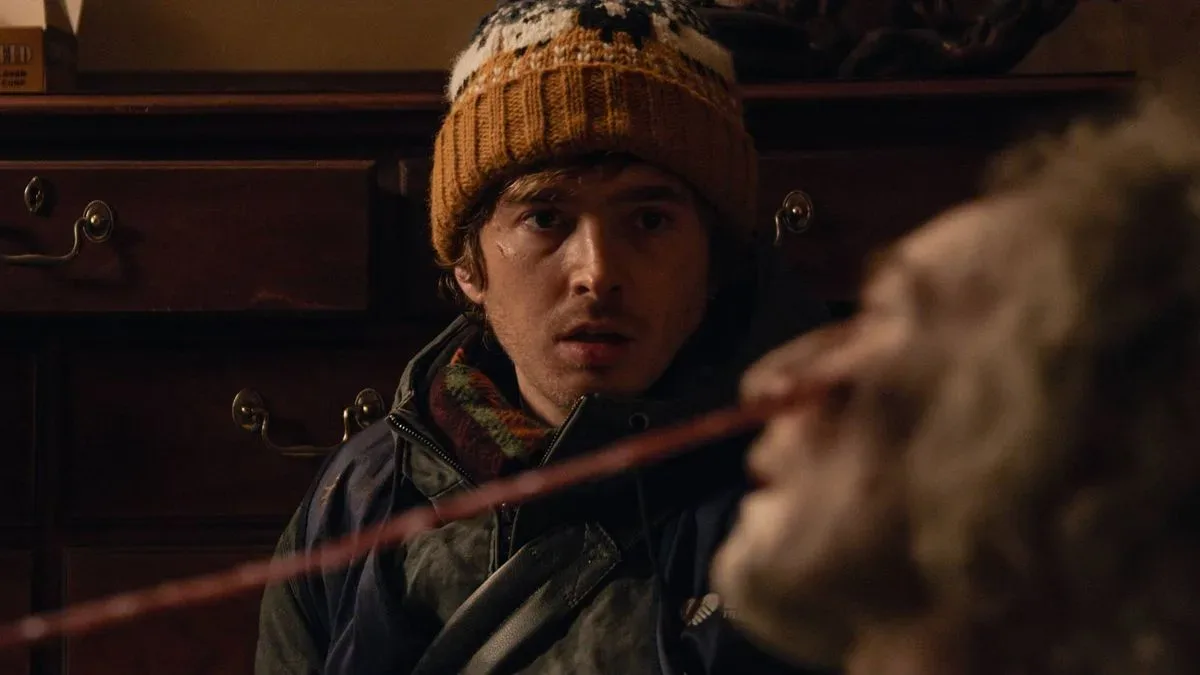
Bryan’s outsider status may be one of the film’s smartest moves. The series has regularly made room for different kinds of leads. Leon has the bearing of a capable action hero; Ethan Winters begins Resident Evil 7 closer to an ordinary person trying to survive an incomprehensible situation. Bryan’s described role leans toward the latter. His lack of preparedness creates a useful point of identification for newcomers, while his ordeal preserves the series’ tradition of throwing people into environments far beyond their control.
It also lets the film avoid a common continuity problem. Well-known characters arrive with expectations, prior arcs and inevitable comparisons. A movie that centered Leon during the Raccoon City outbreak would have to balance what fans know of his story with a satisfying arc for viewers meeting him for the first time. By following Bryan on the periphery, the film can make Raccoon City feel bigger than the canonical routes players know.
There is a practical world-building benefit here, too. If a setting only seems to contain the people players control, it shrinks. An original story suggests that catastrophe has consequences for the other citizens, workers and unlucky couriers caught inside it. It treats the game’s world as a place rather than a theme park queue for famous characters.
Fidelity should be about function, not inventory
“Faithful adaptation” is often used to mean the exact transfer of names, costumes, plot beats and dialogue. Those elements can matter, but they are not the only kind of fidelity. A more demanding standard asks whether the new work understands the function of the original’s parts.
Why is an imposing pursuer memorable in Resident Evil? Not merely because of the coat, the name or the music cue. It is because that presence changes how players move through space and consider danger. Why are the series’ elaborate secrets and corporate conspiracies useful? They provide an escalating explanation for why the horrors become increasingly implausible. Why do inventory limits and locked routes matter? They turn progress into a chain of tense, provisional decisions.
Film has its own tools for answering those functions: framing, editing, sound, performance and forward momentum. It does not need to reproduce the exact item puzzle to make a journey feel constrained or a new creature feel like an impossible obstacle. Nor does it have to unpack every branch of Umbrella lore if the corporation’s role supplies the essential engine for this disaster.
That is not an argument for stripping away everything specific. It is an argument for being selective. References should support the drama rather than interrupt it. The same principle is useful for adaptations beyond Resident Evil, particularly as game worlds with decades of continuity become more appealing to studios. Even the discussion around upcoming projects such as the Legend of Zelda film points to the challenge of drawing from a franchise’s broader history without being trapped by one entry’s exact plot.
The growing interest in game-to-screen projects also sits within a larger film-business moment; audiences and companies are paying close attention to film culture itself, as seen in reports of potential interest around a major film-discussion platform. That makes it all the more important for adaptations to give viewers something to discuss beyond reference-spotting.
A useful warning from Assassin’s Creed
New characters and an original narrative are not a magic formula. The 2016 Assassin’s Creed film also used an unfamiliar central cast in a setting audiences knew, and it did not establish a similarly persuasive model. The lesson is not simply “avoid canon.” It is that a filmmaker needs a clear grasp of why the underlying games work.
In Resident Evil’s case, the reported strengths are tone, atmosphere, escalating horror and a sense of lonely forward motion. Those are difficult qualities to fake with a few monster designs or corporate logos. A story can be technically original and still fail if it misses the balance between dread, pulp melodrama and the strange momentum that gives Resident Evil its identity.
Conversely, a production can be quite free with continuity and remain credible if each creative choice serves that identity. The goal is neither a museum display nor a careless rewrite. It is a new work with a reason to use this particular name and world.
What this could mean for future game movies
It is too early to declare a permanent new rule for adaptations, and no two games call for the same treatment. Still, this Resident Evil suggests a practical framework:
- Start with the experience. Identify the tension, mood and player fantasy that distinguish the game.
- Choose the medium’s strengths. Build a film story around cinematic momentum rather than importing gameplay loops unchanged.
- Use lore as support, not homework. Include the information needed for drama, not every explanation accumulated across a franchise.
- Make references earn their place. A familiar character or monster should deepen the story, not serve as proof that somebody opened a wiki.
- Leave room for the games. An adaptation becomes more valuable when it complements the original instead of attempting to overwrite it.
The account of the new Resident Evil’s ending also points toward a compelling compromise. Bryan’s journey reportedly resolves on its own terms while doubling as a tragic origin for a hulking Raccoon City adversary. That is the kind of connective tissue an adaptation can use well: it creates a self-contained movie arc, then enriches the wider setting without requiring the film to turn into an extended teaser for a more famous hero.
Some viewers will always want the definitive live-action Leon or Claire story, and there is nothing unreasonable about that. But Resident Evil’s world is broad enough to sustain more than reenactment. If this film succeeds because it captures the series’ mood and survival-horror logic with a new face at the center, it will have done something more valuable than win a catalogue of fan-service points. It will have shown that respecting a game can mean making an original movie brave enough to stand beside it.