Video-game adaptations often arrive carrying an impossible-looking assignment: reproduce the part players loved while changing nearly everything about how they experience it. A game gives audiences agency, duration and a personal relationship with a character’s choices. Film and television do not. That mismatch is why a direct recreation of a favorite plot can feel less like a faithful adaptation and more like someone reading back a save file in a different voice.
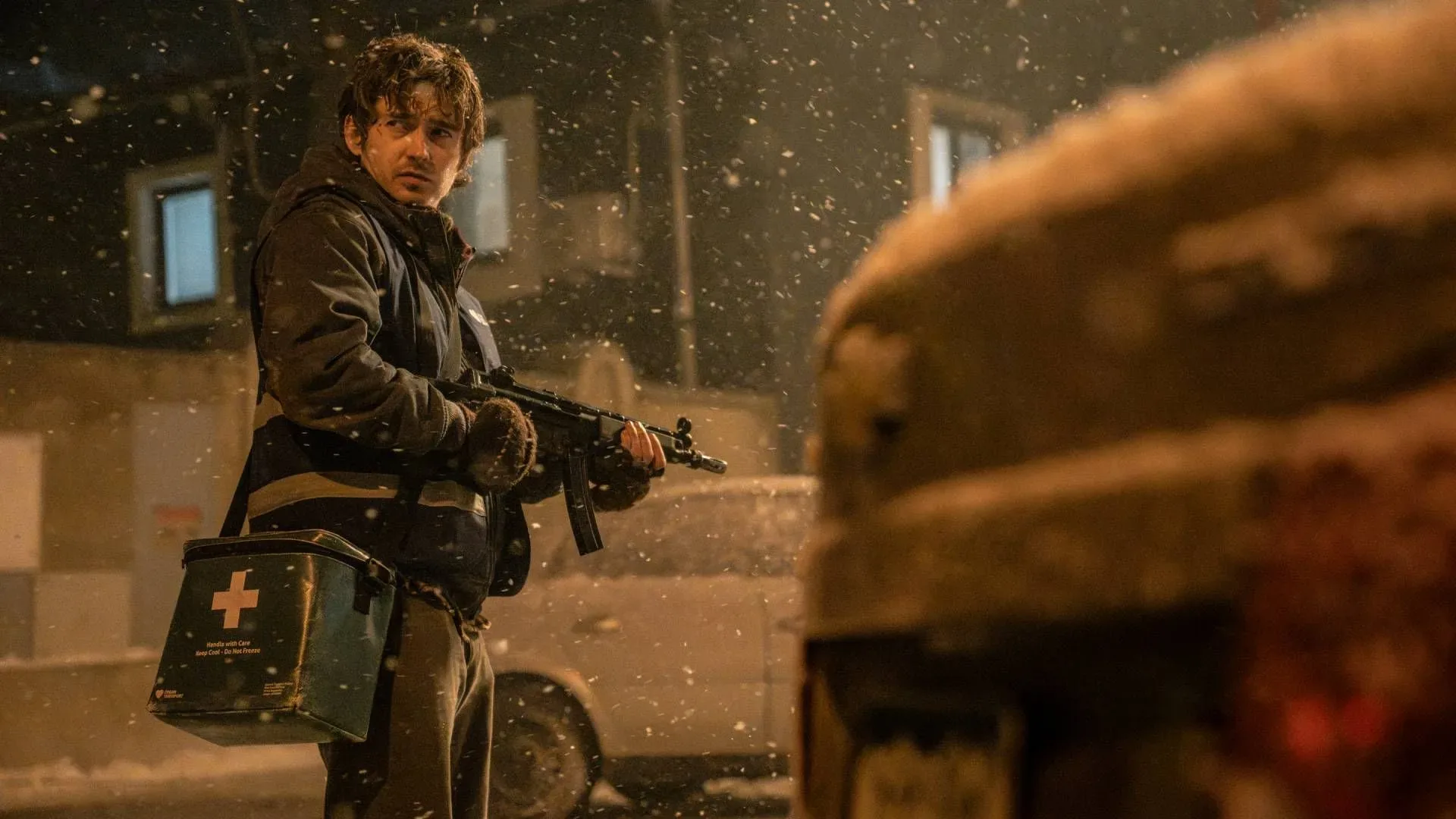
Two current examples point toward a more useful approach. Cyberpunk: Edgerunners 2 has drawn largely positive early reactions, while Zack Cregger’s Resident Evil film has inspired a fan-made conversion into a PlayStation-era survival-horror game. They sit at different points in the adaptation loop, but they share a central idea: the setting may be the most adaptable part of a video game.
Night City and Raccoon City are not blank backdrops. They are worlds with recognizable visual language, hazards, technology, institutions and moods. New stories can live in them without asking a new actor, a new script, or a new camera to impersonate a player’s exact memory of an established protagonist. That distinction is more than a clever way to avoid complaints. It gives each medium room to do the job it is actually built to do.
The world is the promise
When people talk about an adaptation being “faithful,” they can mean several different things. Plot fidelity is the most literal version: preserve the events, twists and endings. Character fidelity means retaining a protagonist’s personality, history and relationships. World fidelity is broader. It means the adaptation understands what makes a fictional place operate as itself.
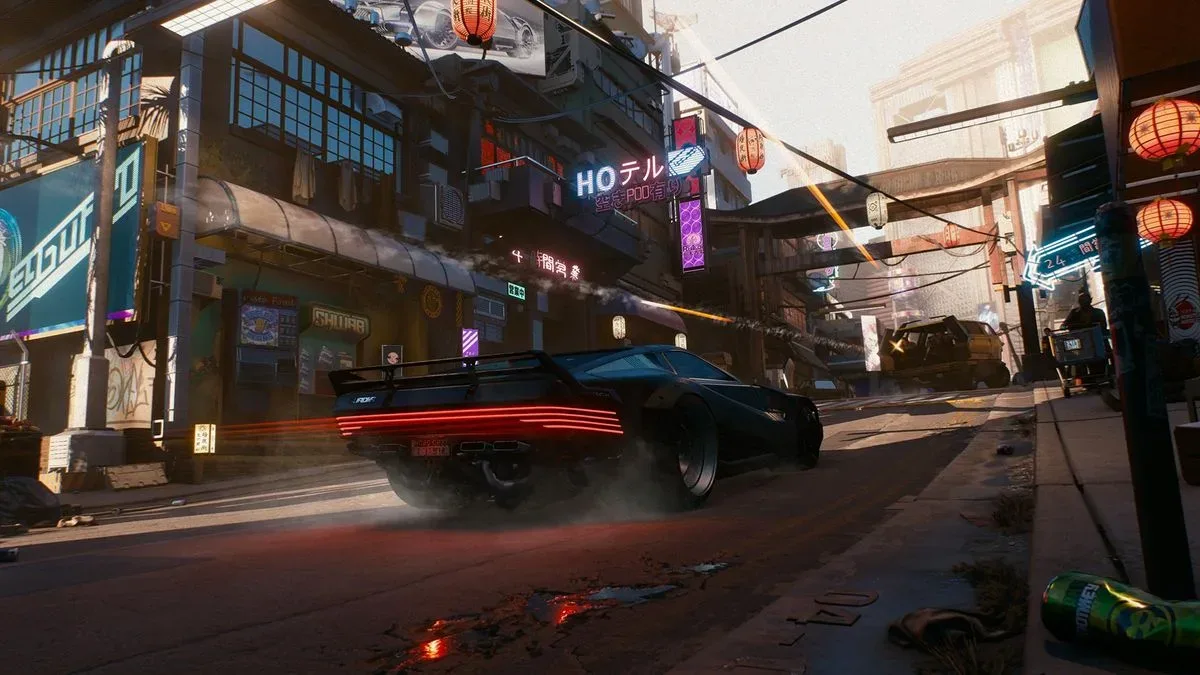
For Cyberpunk 2077, Night City’s promise is not simply a skyline that can be copied into animation. It is a dense cyberpunk metropolis shaped by its technology, its social pressures and its lived-in iconography. For Resident Evil, Raccoon City carries the grammar of survival horror: danger, uncertainty, constrained survival and the anxiety of navigating spaces that are no longer safe.
A world-first adaptation can therefore be recognizable without becoming a museum display. It can use familiar locations and symbols as a foundation, while asking a question the original game did not ask. The audience gets the pleasure of recognition, but the story still has somewhere to go.
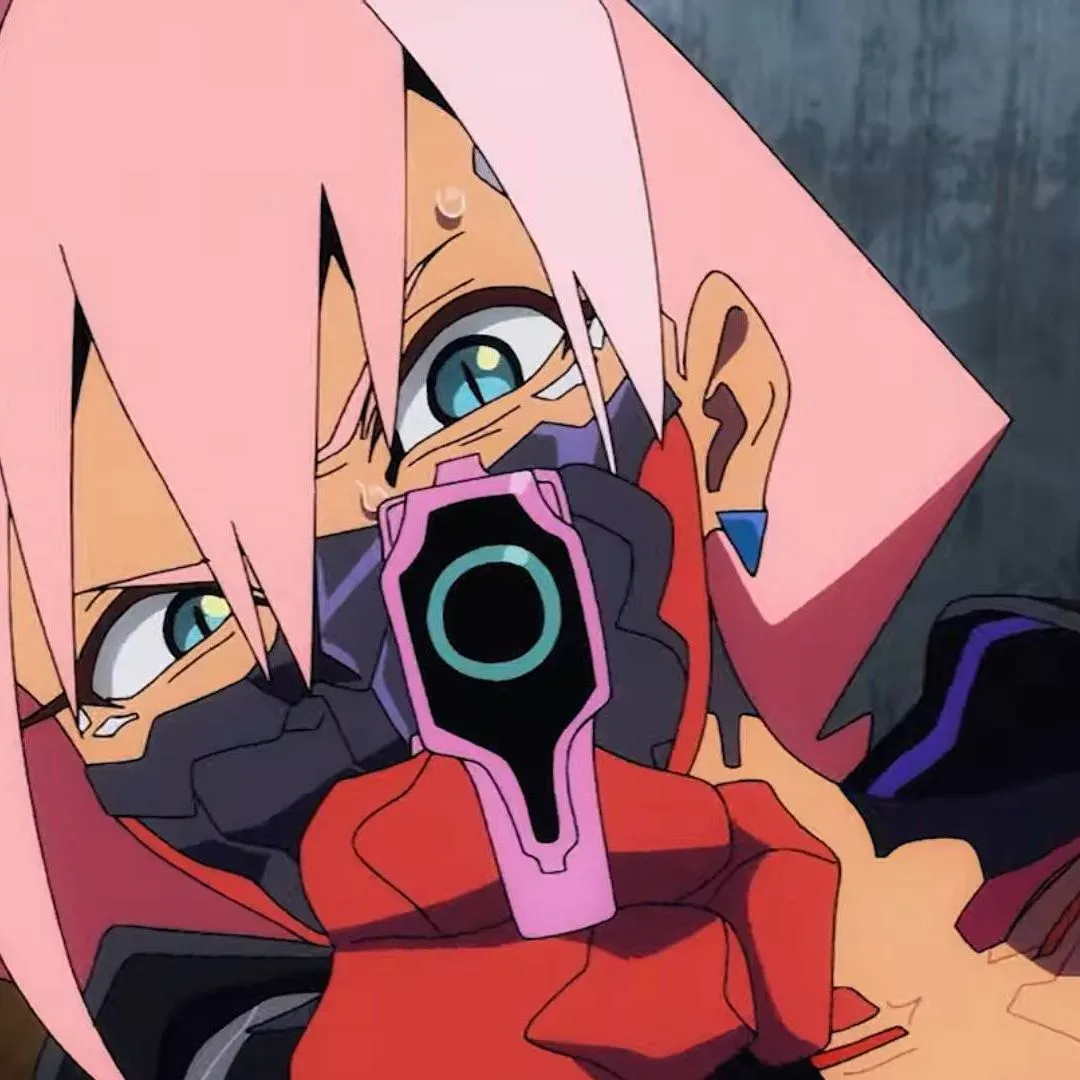
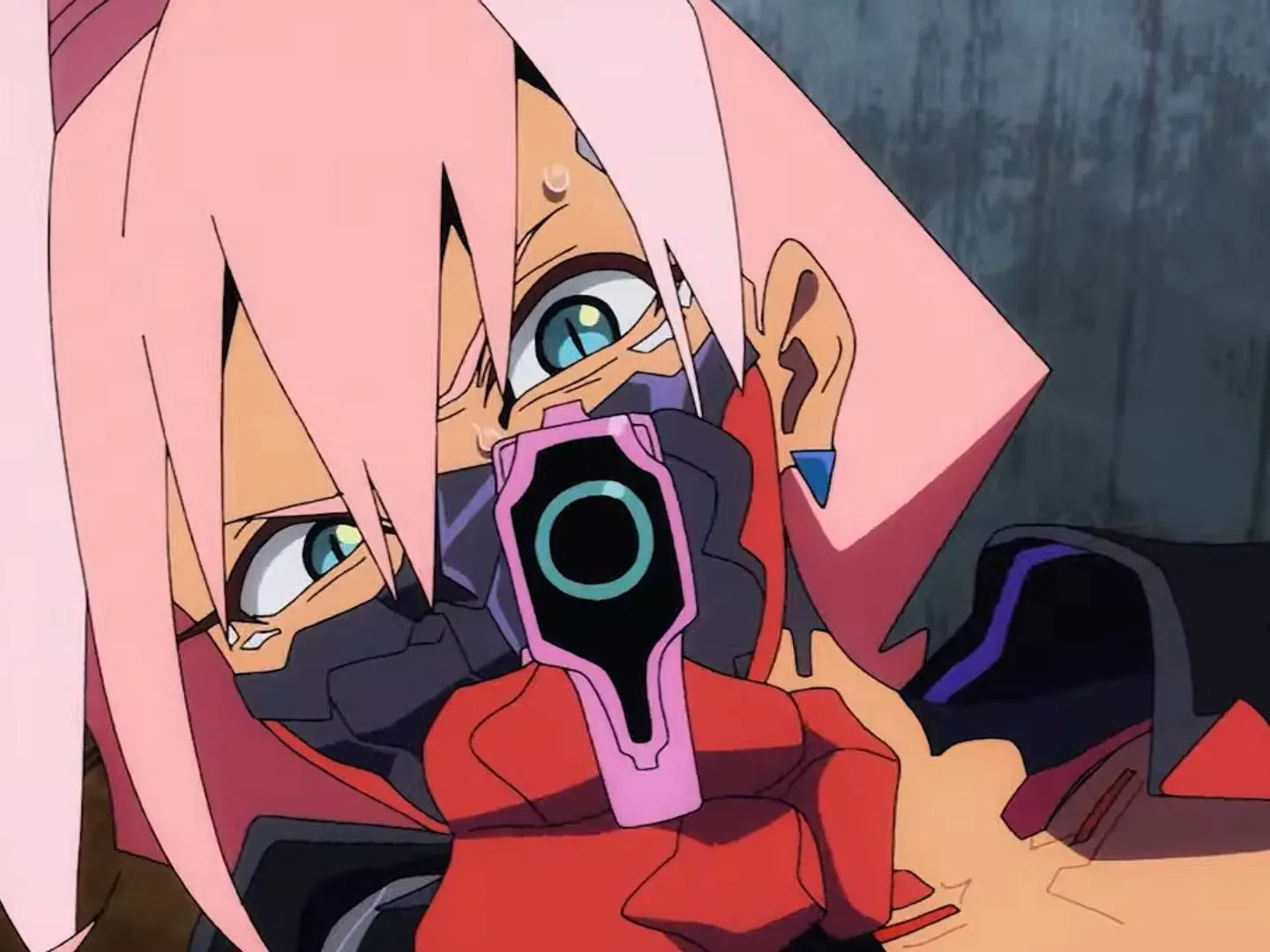
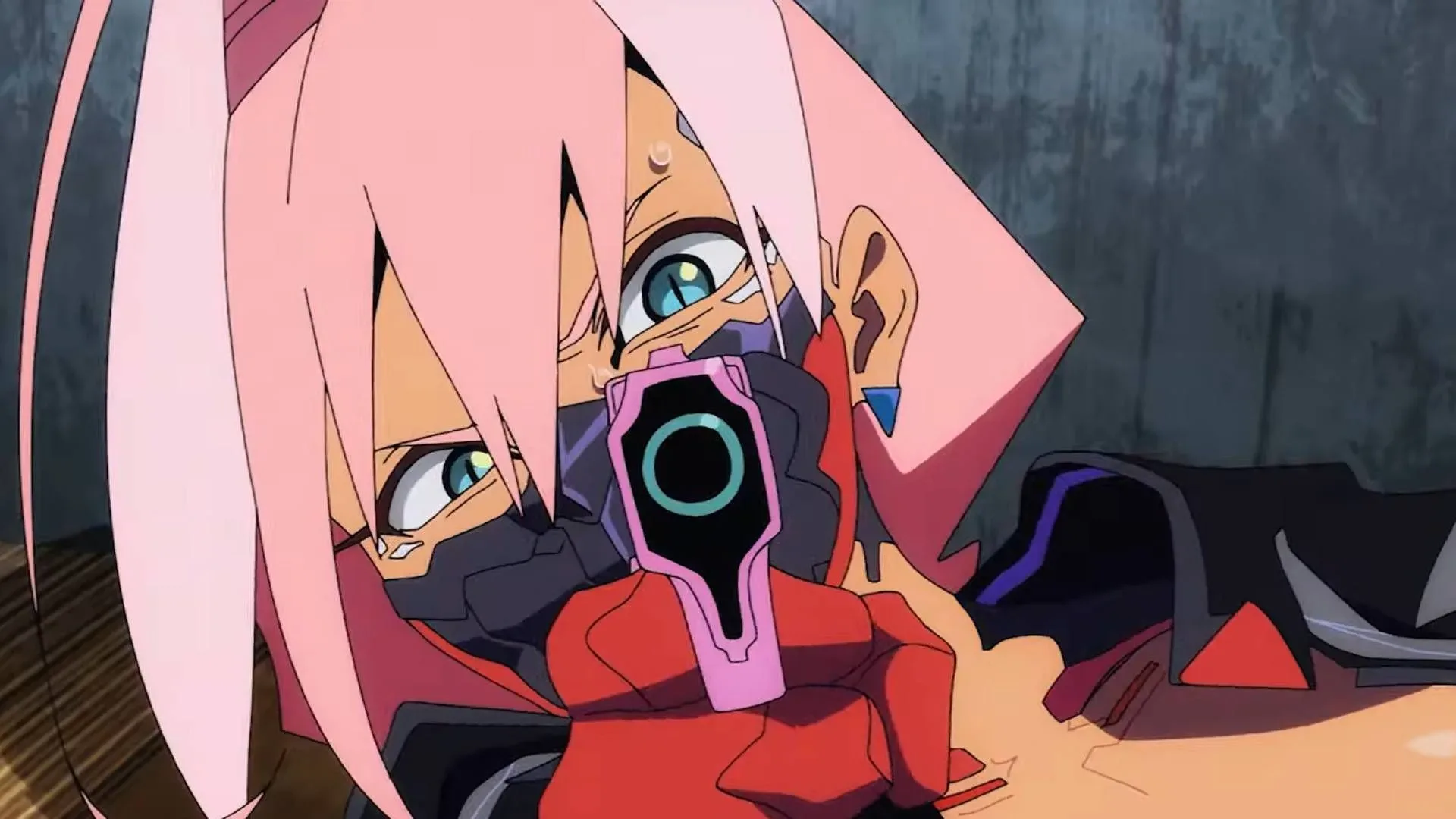
That seems particularly relevant to Edgerunners 2. The anime returns to the broader setting of Cyberpunk 2077 rather than treating one existing player-character arc as the only story Night City can contain. The production has also used details legible to players, including the same HUD, or heads-up display, seen when calling someone through the game’s holophone. A HUD is the visual information layer placed over a player’s view—health, objectives, communications and other interface data. In animation, reproducing it is a compact signal that this is the same technological culture, not merely a neon city with a similar color palette.
Crucially, that kind of reference need not lock out newcomers. A viewer does not need prior knowledge to understand that a call interface is part of everyday life in this setting. Fans get a meaningful point of connection; new viewers get worldbuilding delivered through the action. That is the useful version of fan service: an element that functions in the present scene rather than stopping the scene to congratulate itself for existing.
Related coverage includes Why Night City and Raccoon City Point to a Better Future for Game Adaptations.
Why exact retellings face a tougher test
There is nothing inherently wrong with adapting a game’s plot directly. Some stories are so closely identified with a particular character and sequence of events that leaving them behind would create a different kind of disappointment. But a literal retelling accepts the harshest possible comparison. Every casting choice, scene change, altered line and missing encounter is measured against an original that many viewers know intimately.
Games create that intimacy in a way few other formats can. Players may control pacing, linger in a room, fail repeatedly, find optional material, or connect a plot beat to a difficult section they personally overcame. Even when a game has a fixed narrative, the route through its spaces and systems belongs partly to the player. A screen adaptation cannot preserve that relationship exactly because its audience does not hold the controller.
That helps explain why reinterpretation can become contentious even before a film or series is judged on its own dramatic merits. Recasting an iconic lead or revising a defining scene does more than make a factual change. It changes a familiar lens through which audiences encountered the material. The new work may be trying to solve a medium-specific problem, but viewers can reasonably feel they are being asked to replace rather than revisit a valued version.
Return to Silent Hill, a 2026 adaptation described as closely following Silent Hill 2, illustrates the pressure surrounding this route. Its reported Rotten Tomatoes score of 18% is not a universal verdict on direct adaptations, nor does one score explain every response. It does underline the risk: reproducing a celebrated game beat for beat does not automatically reproduce the effect that made the game celebrated.
The broader history supplied by Resident Evil makes the point from another angle. Paul W. S. Anderson’s spin-off films earned a cult reputation for their silliness, while later efforts such as Return to Raccoon City have invited their own comparisons. Meanwhile, The Witcher achieved moderate success, but audience response became divided after Henry Cavill left the role of Geralt of Rivia. No single factor determines a franchise adaptation’s reception. Still, these cases show how tightly character-centered adaptations can bind themselves to a specific performance and set of expectations.
New characters are not a retreat from canon
Creating new protagonists can be mistaken for avoiding the source material. In the best circumstances, it is the opposite: a declaration that the source world is sturdy enough to support more than one story.
This approach is especially useful where a game already has established canon. Canon simply means the events, characters and rules officially treated as part of a fictional universe. If an adaptation overwrites a major event or substantially reworks a central hero, it can create friction with what players already understand. A new cast avoids much of that collision. The adaptation has firm boundaries, but it also has a clear lane.
Those boundaries are creatively helpful. In Night City, a story must feel credible amid the city’s established technology and social conditions. In Raccoon City, a story must honor the tension and vulnerability associated with survival horror. The creators are not free to make anything whatsoever, but that is precisely what makes the story feel like it belongs. Constraints are often what turn a franchise setting from an interchangeable brand skin into a dramatic environment.
It also creates a healthier relationship between entry points. Someone can encounter the anime or film first, then turn to the games because the larger world interests them. A longtime player can watch without worrying that a familiar journey has been remade as a mandatory replacement. The works can communicate with each other rather than compete for authority.
When adaptation feeds back into the game
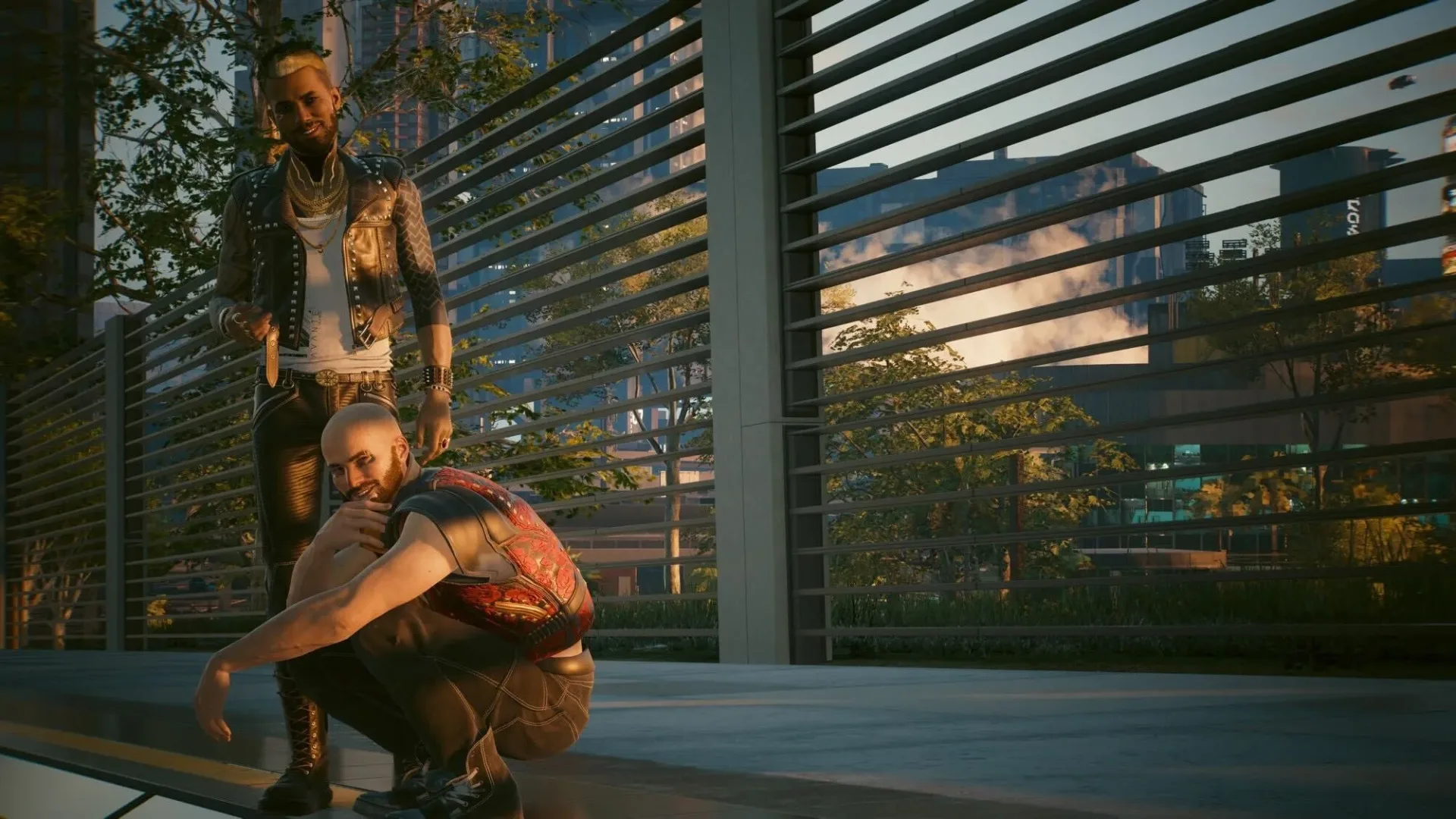
The connection can become more direct than a few visual nods. CD Projekt Red incorporated Edgerunners into Cyberpunk 2077 with items, music and mission chains referring to the anime’s characters and events. That is an example of intertextuality: the way separate works gain meaning through their relationship with one another.
In practical terms, the game is not merely lending its setting to the anime. It is responding to the anime and acknowledging that its story now matters within the larger universe. This is a more productive feedback loop than treating a television project as a disposable marketing tie-in. The adaptation offers a new angle on the world; the game gives players ways to encounter echoes of that angle in an interactive format.
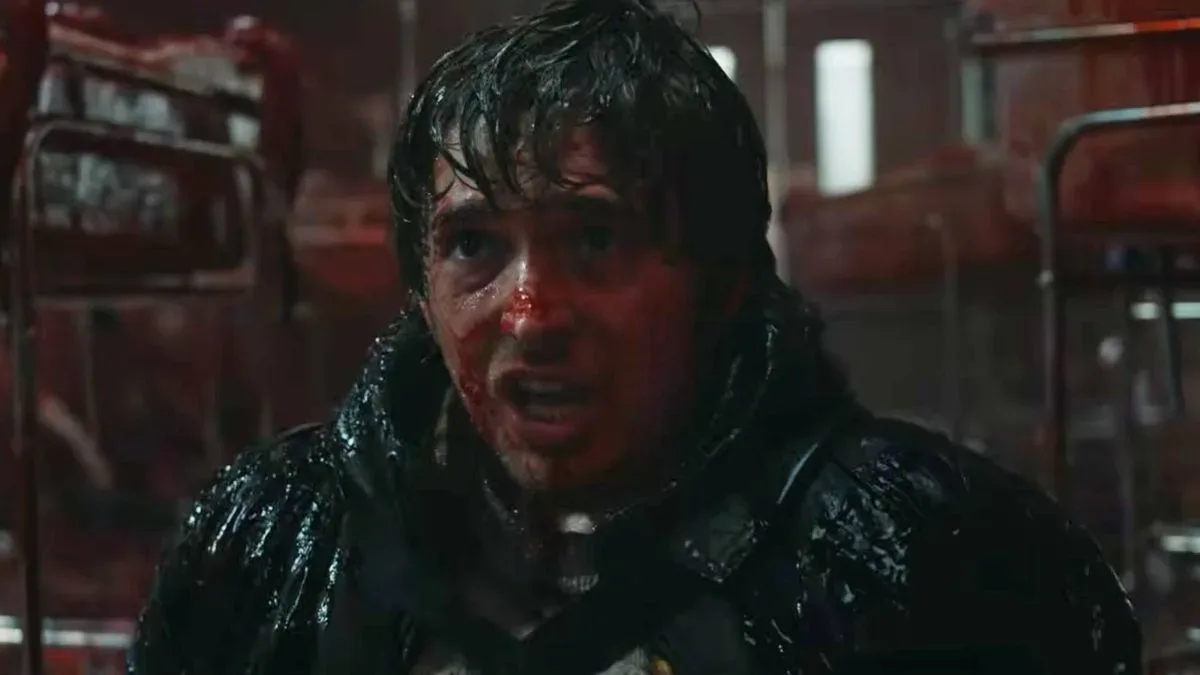
The Resident Evil situation adds a stranger, more playful layer. The film is described as engaging with the experience of playing survival-horror games, and a fan has then turned the film back into a PS1-style survival-horror game with fixed camera angles. Fixed-camera design places the camera at predetermined viewpoints rather than freely behind a character. It can deliberately limit what the player sees, making an ordinary corridor or a sound outside the frame feel threatening.
That conversion is not evidence that every adaptation should be pushed back into a game. It is evidence that the language of a game world can travel. The fan project uses a recognizable visual and mechanical tradition to reframe a film, making the relationship between game, movie and game visible rather than pretending the boundaries do not exist.
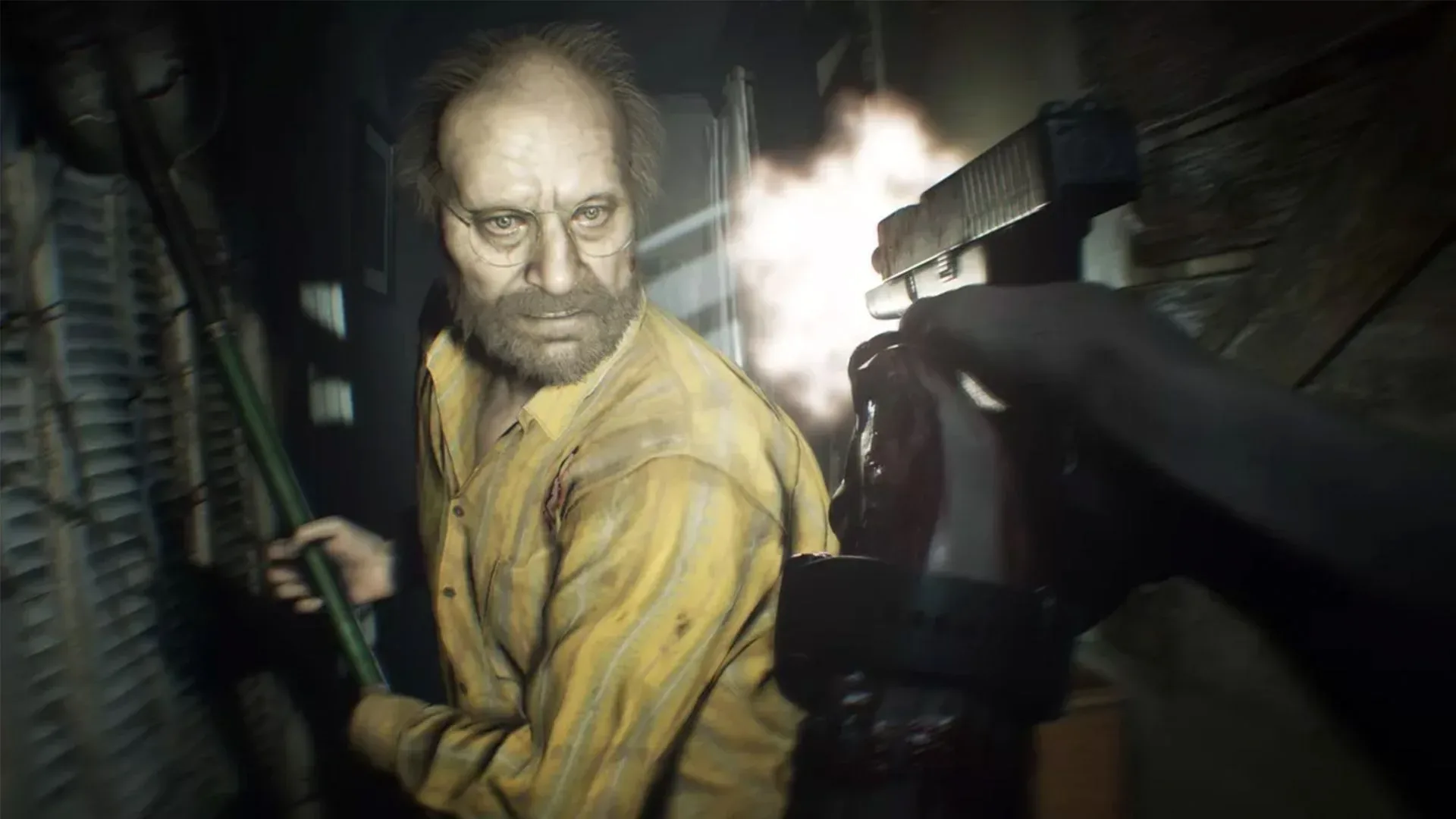
For more context on how the series itself has used a horror reset, see this look at the influences behind Resident Evil 7’s shift in direction.
The practical blueprint for future adaptations
“Adapt the world, not the character” is not an iron law. A character-led adaptation can work, and an original cast cannot rescue a story that has no grasp of its setting. But the current examples suggest a worthwhile checklist for projects based on games.
- Identify the world’s operating rules. The technology, dangers, tone and social structures must shape the plot rather than decorate it.
- Use recognition with purpose. A HUD, location or musical reference should clarify the scene or deepen atmosphere, not exist solely as a wink.
- Give the new story real stakes of its own. Familiar scenery is not enough if new viewers have no reason to care about the people moving through it.
- Protect established stories from unnecessary replacement. New characters and adjacent events can preserve canon while expanding what the setting means.
- Let each medium keep its strengths. Games can emphasize participation and exploration; film and television can focus attention through performance, editing and framing.
This is relevant as major game properties continue toward the screen, including planned Zelda and God of War films. Both have beloved central characters, so neither can simply ignore its leads. Yet their richest adaptation opportunity may still lie in treating their worlds as places with stories beyond a checklist of famous scenes.
The encouraging lesson from Night City and Raccoon City is not that an adaptation must abandon what players love. It is that respect does not always mean replication. Sometimes the most faithful move is to preserve the place, its rules and its emotional texture—then trust that there are still people in that world whose stories have not been told.