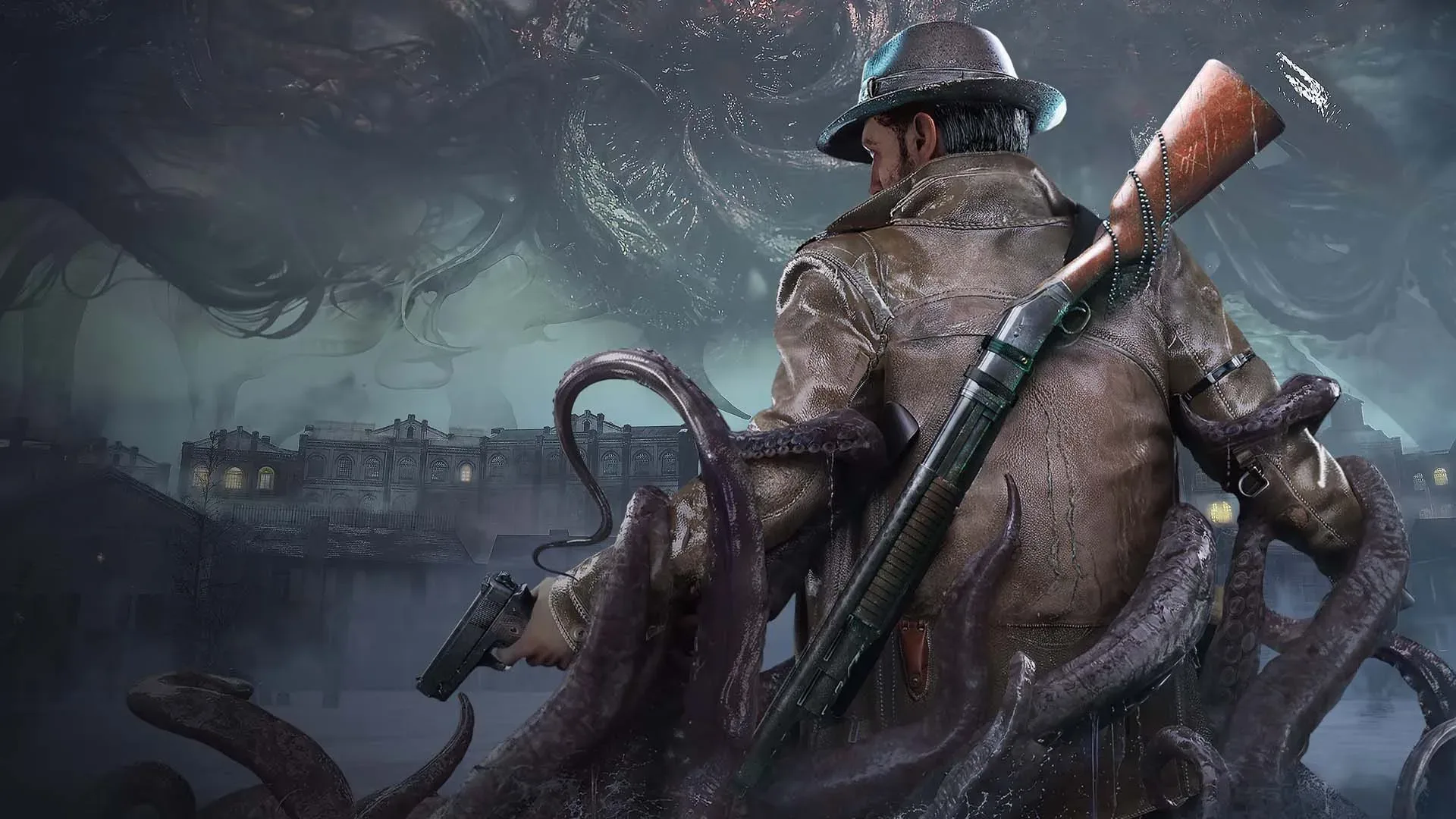
The Sinking City 2 is a radical reinvention rather than a cautious sequel. Frogwares has taken the Lovecraftian setting established by 2019’s The Sinking City, moved to a new corner of New England, introduced a fresh cast, and swapped detective work for third-person survival horror. It is a substantial genre pivot: less gumshoe deduction, more checking whether there are enough shells left to deal with the thing making unpleasant wet noises behind the next door.
Released August 18, 2026, the game is available on PC, PlayStation 5, Xbox Series X/S, and Switch 2. Its story stands apart from the original, so newcomers should be able to enter without needing a corkboard full of notes on the first game’s mysteries. The change is not merely narrative housekeeping, either. The original was built primarily around investigation and dialogue, with comparatively limited combat. The Sinking City 2 embraces the rhythms of modern action-oriented Resident Evil: compact handcrafted locations, keys and mechanisms guarding progression, limited healing and ammunition, safe rooms, hostile ambushes, and the perpetual question of whether the sensible response is shooting or running away very quickly.
A flooded Arkham with an aggressively bad vibe
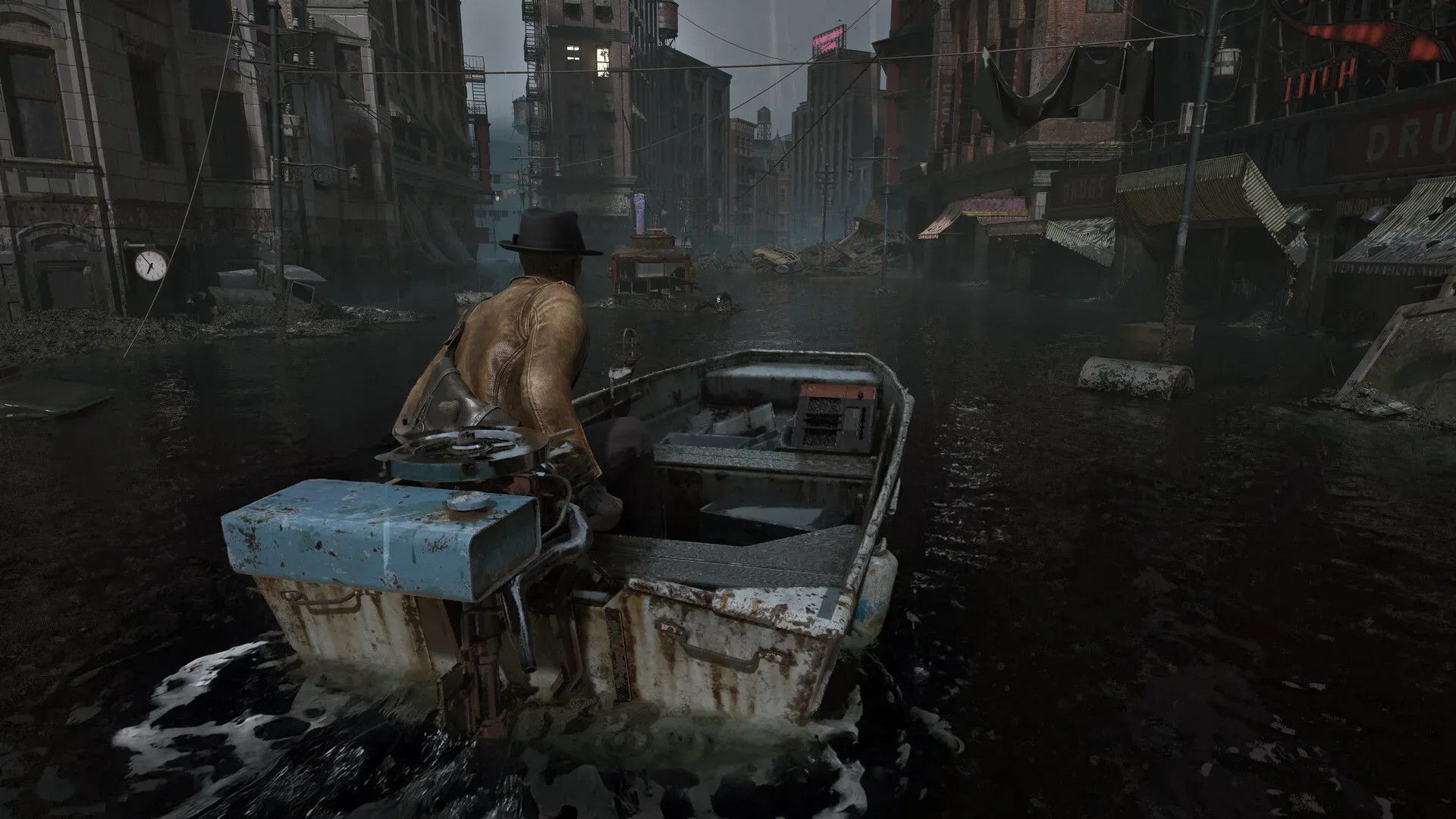
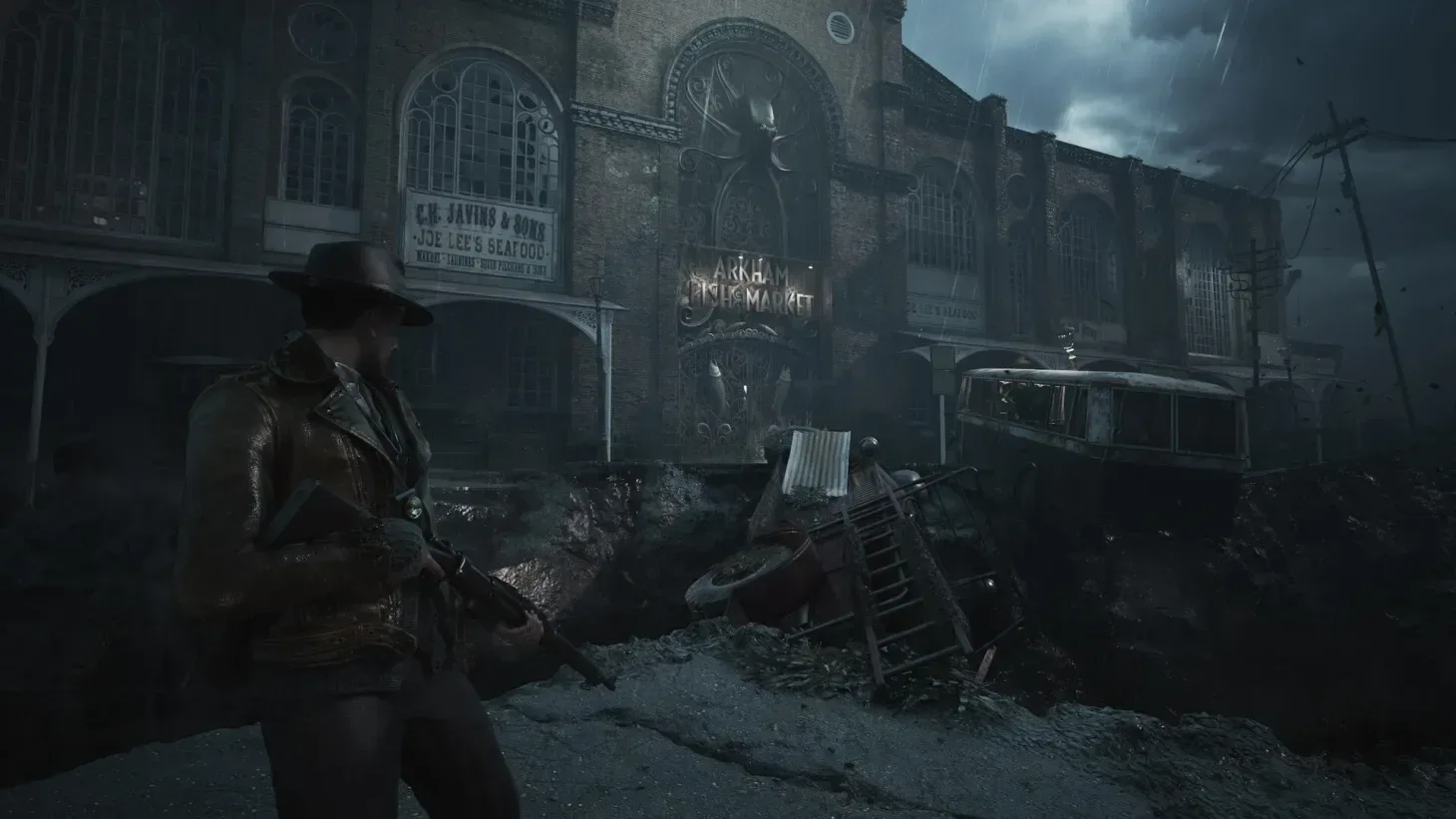
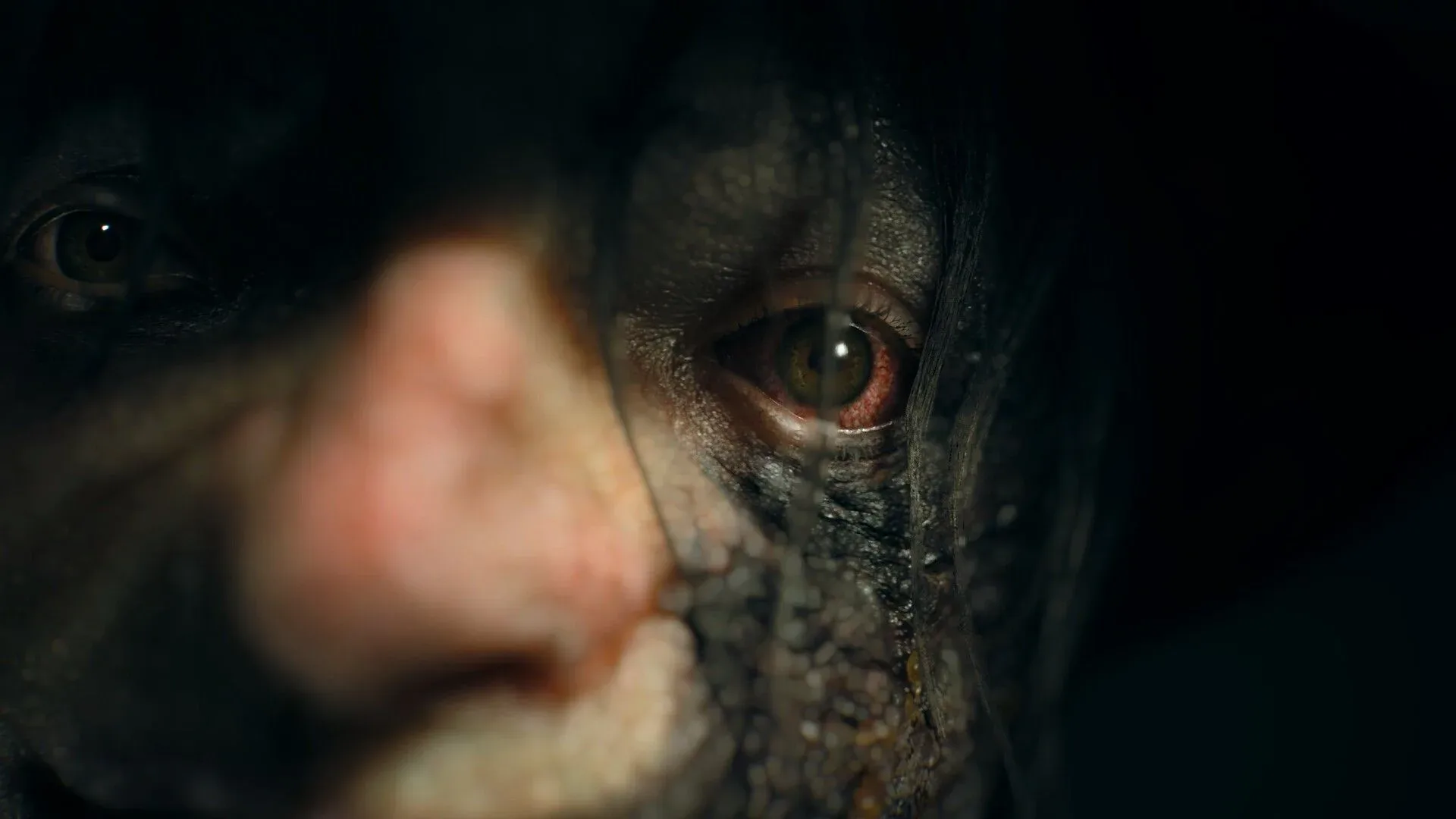
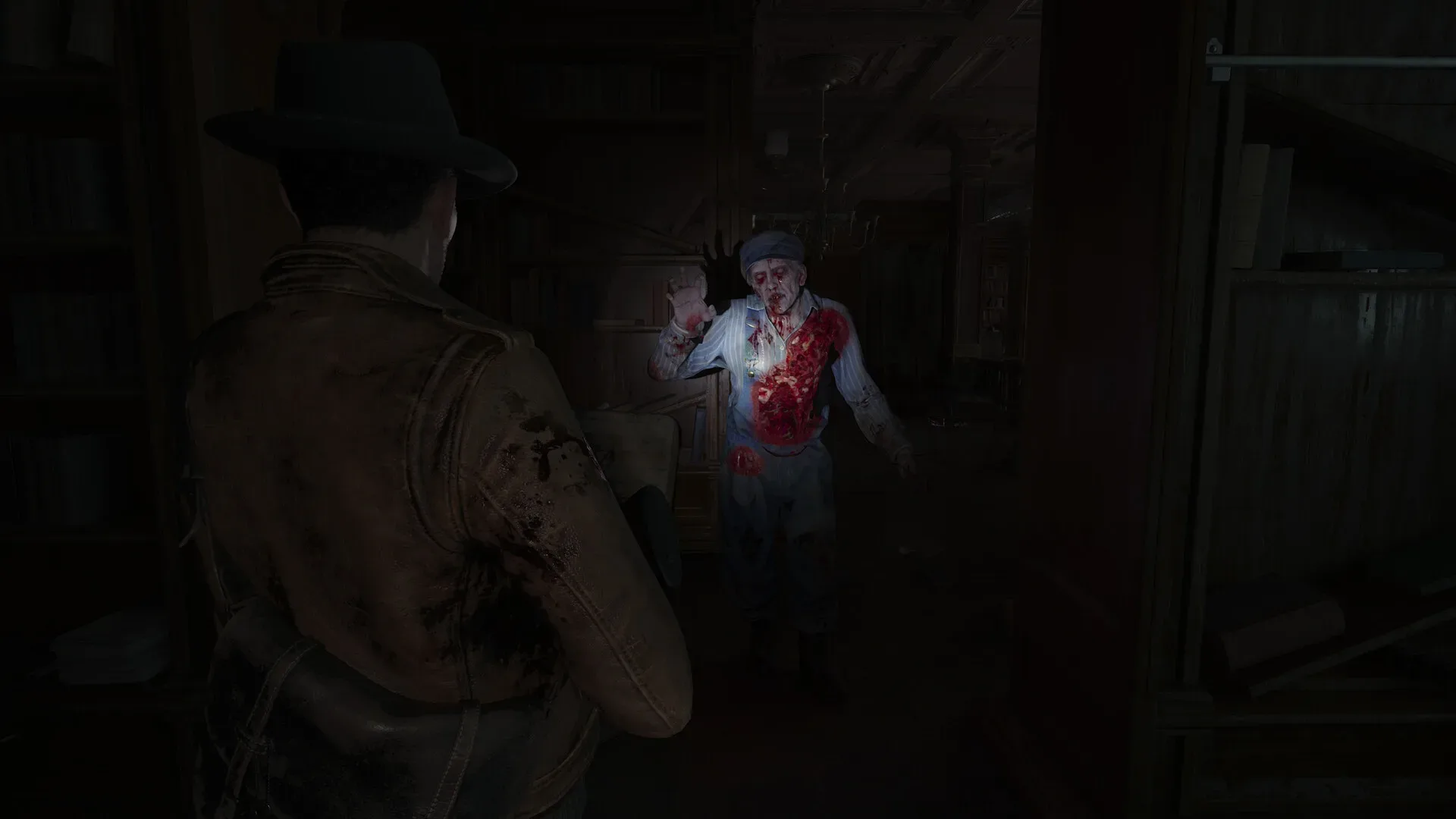
The sequel takes place in Arkham, Massachusetts, a city steadily claimed by rising seawater. It is exactly the kind of real-estate market no one should enter, especially once the flood brings unnatural worms with it. These creatures infest and animate corpses, making them a central menace in Calvin Rafferty’s journey through the city. The game leans enthusiastically into organic horror: slime, growths, decay, and creatures designed to make even a seasoned horror audience recoil a little from the screen.
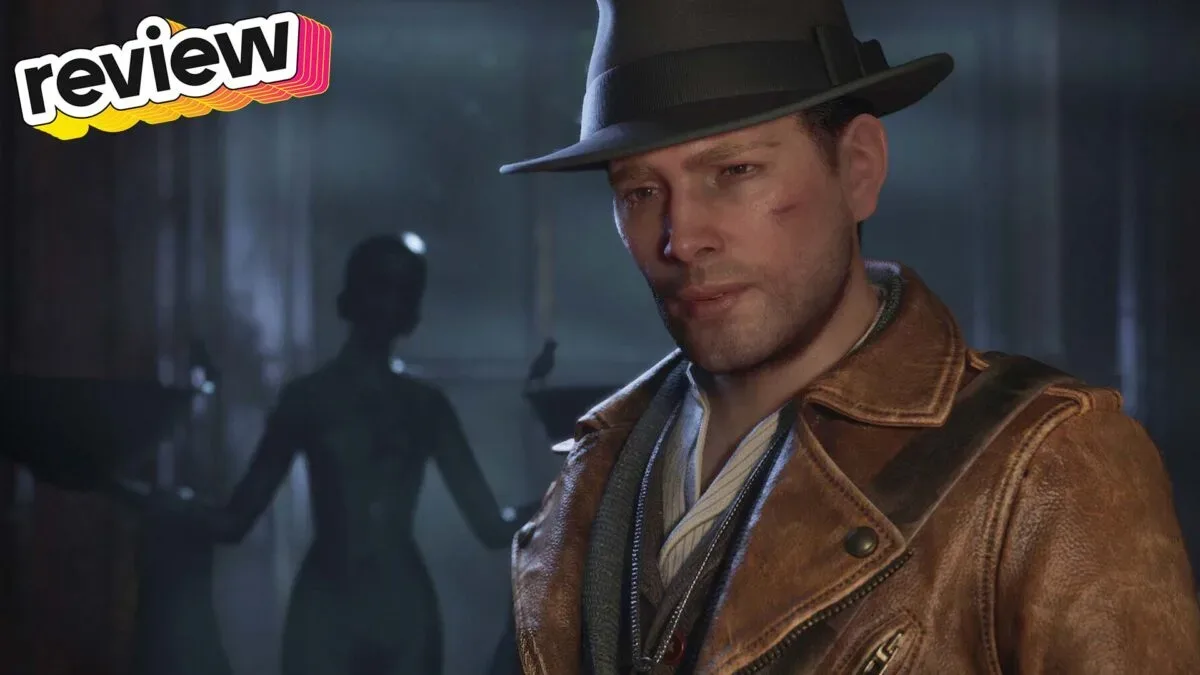
Calvin’s goal is personal and desperate. A magical attempt involving the woman he loves has gone disastrously wrong, leaving her trapped in a supernatural coma. He searches Arkham for a way to help her before the city—and whatever answers it contains—disappears under the water. It is an appropriately doomed premise for cosmic horror, a genre where attempting to fix a problem often only gives the ancient unknowable problem a chance to introduce itself properly.
Arkham is explored on foot and by boat across several major areas. The reported campaign and most side content take roughly 10 to 11 hours to complete, suggesting a tightly scoped experience instead of a vast open-world checklist. That restraint appears central to the game’s appeal. Locations are intended to be large enough to reward a map and make navigation matter, but not so spread out that their tension drains away between objectives.
A hospital and a decrepit nightclub are among the highlighted destinations, and both sound purpose-built for horror-game tourism—the kind where the guest book is sticky, the elevator is broken, and the local entertainment may need a ritual rather than an encore. The nightclub in particular uses narrow passageways, vertical routes, ambushes, and interconnected spaces to build pressure. Progress follows familiar survival-horror logic: find a key, retrieve a device, activate a mechanism, discover that the needed item is somewhere even worse, repeat until emotionally compromised.
Resource management makes every shot count
The combat philosophy is clear. Ammunition and health supplies need careful management, enemies can arrive in numbers that make direct confrontation dangerous, and retreat is often a legitimate answer rather than a sign of failure. That is survival horror at its most dependable: the player is not necessarily helpless, but neither are they comfortably equipped to solve every problem through enthusiastic firearm expenditure.
When combat is unavoidable, the weapons are described as powerful and satisfying. The shotgun has the expected usefulness against worm-riddled undead, while the starting pistol can become more capable through upgrades. This matters because strong weapon feedback can make scarcity feel dramatic instead of merely punitive. A shot should feel valuable, and ideally it should make whatever received it reconsider its career choices.
Related coverage includes The Sinking City 2 Turns Arkham's Cosmic Dread Into Survival Horror.
The upgrade system is present at safe rooms, though it is not framed as a deep role-playing layer or a mandatory build-crafting exercise. That suits the game’s focused direction. There are upgrades available, but the design does not appear interested in burying its scares beneath elaborate skill trees, excessive loot categories, or a parade of weapons that all perform the same basic task with slightly different colored numbers attached.
For players who appreciate horror games that value pacing over sheer scale, this compact structure is a meaningful strength. The game reportedly keeps its cutscenes relatively economical, avoids bloated levels, and concentrates on exploration, puzzles, fear, and unsettling discoveries. That narrower focus also helps distinguish it from titles that confuse duration with momentum.
The arena-fight problem
Not every part of the survival-horror conversion lands equally well. The largest issue is the frequency of locked, wave-based encounters. In these sequences, Calvin is confined to a limited area and must eliminate successive enemy groups before proceeding. Supply crates in the arena provide some ammunition and health replenishment, but the fundamental assignment remains the same: survive until the game decides the monster census has been adequately reduced.
Those fights are a familiar action-game tool, but their prominence can clash with the more deliberate strengths elsewhere. The Sinking City 2 seems most compelling when it asks players to explore a hostile space, ration supplies, decode a puzzle, and dread what may be waiting around a corner. Repeated combat arenas risk flattening that atmosphere into a more routine shooting challenge.
They are also reportedly where the game’s limitations are easiest to spot. Combat is broadly effective, but controls and animations can feel stiff, and the systems may not have quite enough responsiveness or mechanical depth to support so many extended firefights. Minor performance issues are another noted blemish. None of these concerns erase the effectiveness of the wider package, but they do make the moments of forced enemy-wave combat feel like the clearest signs of a studio stretching into a new genre.
That is still different from saying the experiment fails. On the contrary, the genre change is the game’s defining success. Frogwares has made a sequel that does not simply repeat the first game’s formula with a new case file and a fresh supply of eldritch paperwork. It has committed to a distinct design identity and, outside the arena-heavy stumbles, found an effective horror framework for this particular universe.
Cosmic horror that understands where it is going
The story’s ending is described as especially fitting for its Lovecraftian foundation. Without spoiling its particulars, the narrative does not apparently force a cheerful resolution onto a tale about people confronting powers far beyond their comprehension. That tonal discipline is important. Cosmic horror is not obligated to make everyone miserable merely for style points, but it does need to respect the consequences of trying to challenge forces that predate humanity’s best ideas, worst mistakes, and most optimistic ammunition counts.
The game’s development context adds weight to that darkness. Frogwares is based in Ukraine, and the team created The Sinking City 2 while Russia’s ongoing invasion and war against Ukraine continued. The game opens with a message acknowledging what was endured and sacrificed during development. A hospital area also includes X-rays connected to real injuries suffered by people known to the developers as a result of the invasion. This is not background flavor or a fictional horror prop; it is a direct reminder of the realities surrounding the project’s creation.
That context should not be used to excuse every technical or design flaw. The wave encounters remain a problem if they interrupt the game’s best pacing, and stiff animation remains stiff animation. But it does underscore the scale of the achievement: a team working amid extraordinary uncertainty delivered a complete, polished-in-ambition survival-horror sequel that successfully remakes the identity of its series.
For more on the difficult conditions facing people who make games, read this look at game-development stability and its persistent challenges.
What players should expect
- Developer: Frogwares
- Release date: August 18, 2026
- Platforms: PC, PlayStation 5, Xbox Series X/S, and Switch 2
- Format: Standalone sequel; familiarity with 2019’s The Sinking City is not required
- Genre: Third-person, action-forward survival horror
- Estimated scope: About 10 to 11 hours for the main story and much of the side content
The Sinking City 2 is not presented as flawless. Its technical roughness, rigid animations, and excess of enclosed wave fights mean it does not always trust its strongest ingredients. Yet its disgusting environmental detail, threatening enemies, focused level design, meaningful resource pressure, puzzle-led progression, and tonally appropriate conclusion make the new direction feel worthwhile. Arkham may be sinking, but Frogwares’ gamble on survival horror appears to be staying above water.