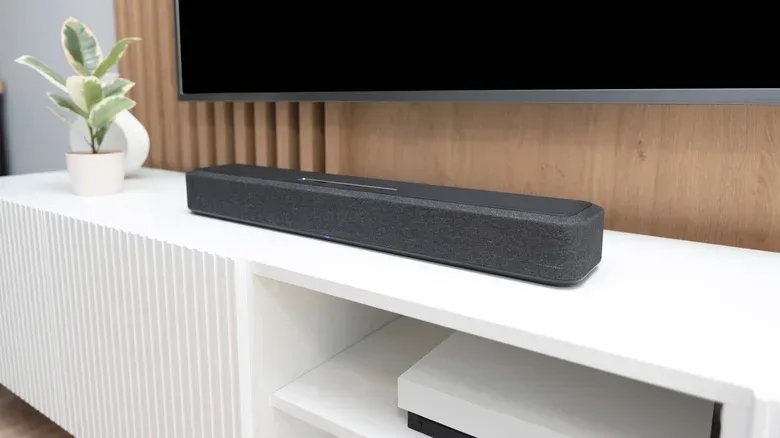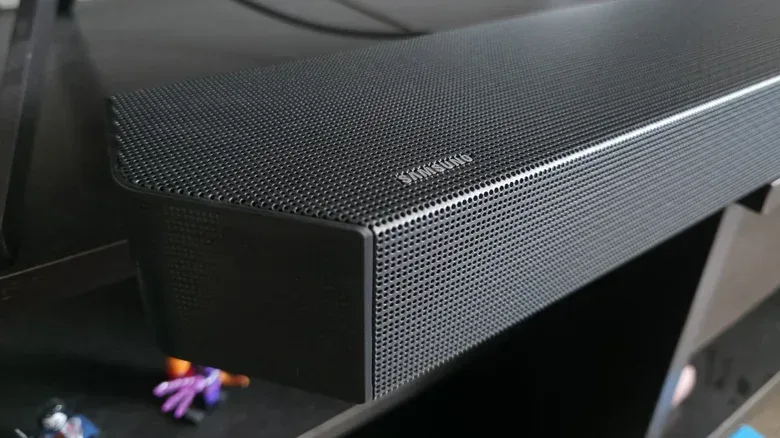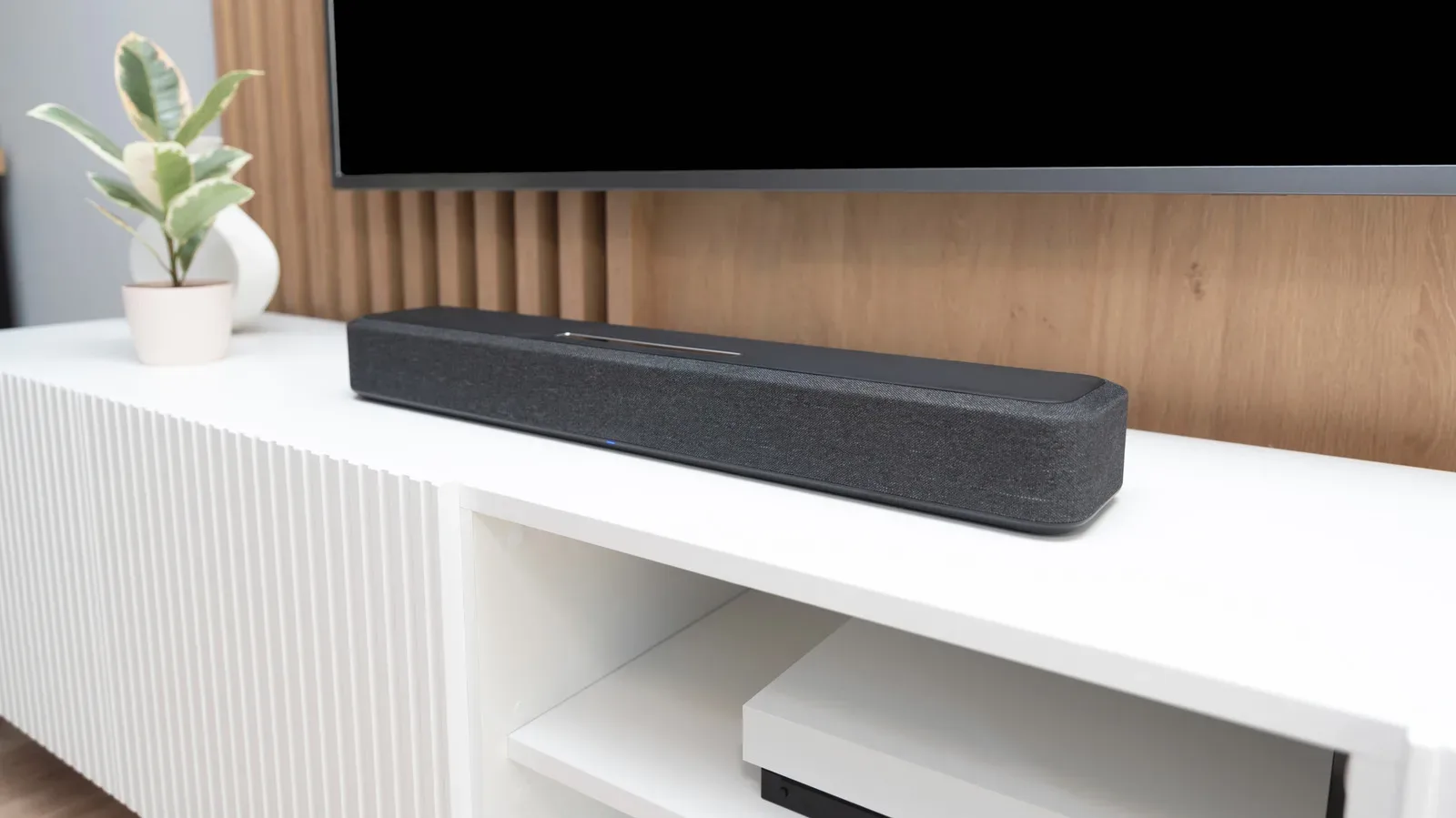
A modern TV can deliver an enormous, sharp game image while making the audio feel like it is escaping through a letterbox slot. That mismatch is why a soundbar is such a popular first upgrade: it is comparatively affordable, simple to connect and a substantial improvement over a television’s built-in speakers. For plenty of game rooms, that is the sensible finish line.
But it is not the same finish line as a genuine surround system. A setup built from separate speakers can place sound around the listener and, in systems configured for Dolby Atmos or DTS:X, above them as well. That difference matters most when a player wants convincing positional cues, dramatic scale and a more enveloping soundtrack—not merely louder audio.
The short version: surround sound is worth the extra money and effort when you have a suitable room, can place multiple speakers properly, and actively value precise, immersive audio. A soundbar is the better choice when space, budget or setup simplicity matter more. Neither answer is a defeat; they solve different problems.
Why separate speakers still have the advantage
A surround system uses discrete speaker units: distinct physical speakers positioned in front of, beside and behind the listening position. This gives audio a real origin point in the room. When a game, film or other mix sends a sound behind the player, a rear speaker can reproduce it from behind rather than asking a front-mounted bar to create the impression of rearward sound.
That physical placement is the central advantage. A soundbar can improve dialogue, bass and overall clarity over TV speakers, but one compact enclosure beneath the screen has unavoidable limits. It cannot fully wrap a listener in the three-dimensional sound field created by speakers stationed around the room.
This becomes more important with contemporary spatial-audio formats. Traditional 5.1 surround uses five main channels and one low-frequency-effects channel, typically covering front, center and surround positions. Dolby Atmos and DTS:X are object-based formats. Rather than treating every sound only as information assigned to a fixed channel, an object-based mix can describe where a sound should be placed in three-dimensional space. For the fullest effect, that space includes height.
In practical terms, height effects can make an overhead aircraft, a weather effect or a cinematic impact feel as if it occupies a point above the listening area instead of simply coming from the front of the room. A properly configured system with suitable speakers is designed to reproduce that fuller layout.
What the numbers in 5.1.2 mean
Speaker labels can look like home-theater algebra, but they are useful shorthand. A 5.1.2 setup means:
- 5: five main speakers, covering front and surround positions;
- 1: one subwoofer or low-frequency-effects channel;
- 2: two height channels for formats such as Dolby Atmos or DTS:X.
A soundbar package described as 5.1.2 may include the bar, a subwoofer and two rear speakers, with height effects produced by drivers aimed upward. It can be a practical middle route between a single bar and a receiver-led array of separate speakers. Still, the label alone should not be mistaken for identical real-world placement or performance across every room.
Atmos soundbars use a clever compromise
Many Dolby Atmos-capable soundbars include upward-firing drivers. A driver is the component in a speaker that produces sound. Instead of mounting height speakers overhead, these drivers send sound toward the ceiling, relying on it to reflect downward toward the listener.
It is a smart solution to the problem of adding a sense of height without installing speakers in or above the room. In the right environment, it can add immersion beyond a conventional front-facing soundbar. But it is still a reflection-based approximation, and the room is part of the system.
Ceiling shape and surface conditions can interfere with that path. An arched ceiling, a textured surface, fixtures and similar obstructions may disrupt the reflected sound before it returns to the seating position. Placement matters, too. A bar intended to bounce audio from the ceiling needs a viable ceiling and listening geometry to work with.
That limitation is worth emphasizing for players comparing specification lists. An Atmos logo means a product can process or attempt to reproduce the format; it does not guarantee the same result as a system with deliberately positioned height speakers. A soundbar may create a more spacious presentation, yet the degree of height and wraparound effect is dependent on the room.
A separate surround system has its own placement demands, of course. It requires room for speakers and a willingness to arrange them. Its benefit is that it does not need to rely on a single enclosure persuading the room to do the work of multiple speaker locations.
The real decision is room design, not audio snobbery
The case for a soundbar is often misunderstood as settling for poor audio. It is not. Almost any competent soundbar should be a meaningful upgrade over television speakers, which can struggle with dialogue and lack the physical scale to reproduce bass and midrange detail effectively.
For a compact apartment, a multipurpose living room, a rental, or a gaming space where there is no sensible place for rear speakers, a soundbar can be the correct answer. It is also suited to someone who wants to connect one device and get back to playing rather than learning the ins and outs of a receiver and speaker placement.
That convenience has genuine value. A surround setup brings more boxes, more cables, more possible placement conflicts and more configuration work. The system has to fit the room as it is actually used, not the room imagined in a product photo. Rear speakers may be awkward if a couch backs against a wall. Cabling may be inconvenient. Other people sharing the room may reasonably object to stands, wiring or additional equipment.
In contrast, surround begins to make a convincing case when there is space around the seating position and the buyer is willing to treat audio layout as part of setting up the entertainment area. The payoff is not just volume. It is directional definition: a stronger sense that a sound is located somewhere specific rather than emerging from the general area of the TV.
Budget changes the answer quickly
Cost is another major dividing line. A true surround system needs more than speakers. A receiver is a key part of a conventional setup, providing the connections, amplification and configuration needed to run the speaker array. Buyers can assemble components individually or choose a home cinema pack, which bundles speakers as a set.
Even an entry-level surround system can approach $1,000. Bargains and strong value options may bring the figure closer to $700, but mid-range and higher systems can enter the mid-four-figure range. Those numbers explain why a soundbar is not simply a compromise made by people who have not heard better audio. It is frequently the rational purchase.
The important comparison is not “cheap soundbar versus unlimited-budget theater.” It is the total commitment each route asks for. A player considering surround should account for the receiver, speakers, appropriate placement, room space and the confidence to set everything up. A soundbar’s lower friction is part of its value, alongside its lower price.
For readers weighing other practical tech purchases, the same principle appears in the question of whether a 3D printer is worth buying: the best option is not necessarily the most capable one on paper, but the one whose requirements match the owner’s space, time and intended use.
A sensible checklist for players
Before choosing between a bar and a full speaker system, answer these questions honestly:
- Can the room accommodate speakers around the seating area? If the answer is no, a surround system may create more frustration than enjoyment.
- Is height audio a priority? If it is, assess the ceiling before expecting upward-firing soundbar drivers to deliver their best result.
- Do you care about directional precision? Players who value being immersed in a mix and identifying where effects originate will have more reason to pursue discrete speakers.
- Do you want a one-device setup? A soundbar is the cleaner choice for anyone who wants minimal installation and minimal ongoing attention.
- Is the budget realistically closer to a soundbar or a receiver-and-speakers investment? Include the whole system, rather than comparing only one component’s sticker price.
The middle ground is real
The decision does not have to be all-or-nothing. A 5.1.2 soundbar package with a subwoofer and two rear speakers can offer a more expansive result than a bar alone without requiring the full complexity of a traditional surround build. It is not equivalent to a carefully configured receiver-based system, but it can be the right compromise for people who want some rear-channel presence and more impact without committing to a room full of separate hardware.
That is especially useful for players who know they will notice improved atmosphere but do not want their gaming setup to become a home-theater project. It acknowledges the core tradeoff honestly: more physical speakers generally create more convincing positional sound, while fewer components reduce expense and hassle.
When surround is actually worth it
Choose a proper surround setup if you have the room, the funds and the willingness to configure it, and if detailed, accurately positioned audio is one of the reasons you play or watch at home. With Dolby Atmos and DTS:X configured through a receiver and a collection of speakers, the system is built to deliver the kind of multi-directional experience a single bar cannot fully replicate.
Choose a soundbar if your main goal is to escape weak TV audio without reorganizing the room or spending near-surround-system money. It remains a legitimate, high-value upgrade. A good bar can make dialogue easier to follow and deliver a fuller, more satisfying presentation than the television alone.
The useful rule is simple: buy surround for maximum immersion; buy a soundbar for the best balance of better sound, lower cost and low effort. In gaming terms, a soundbar is an efficient quality-of-life upgrade. Discrete surround is the deeper build for people ready to invest in every part of the setup.