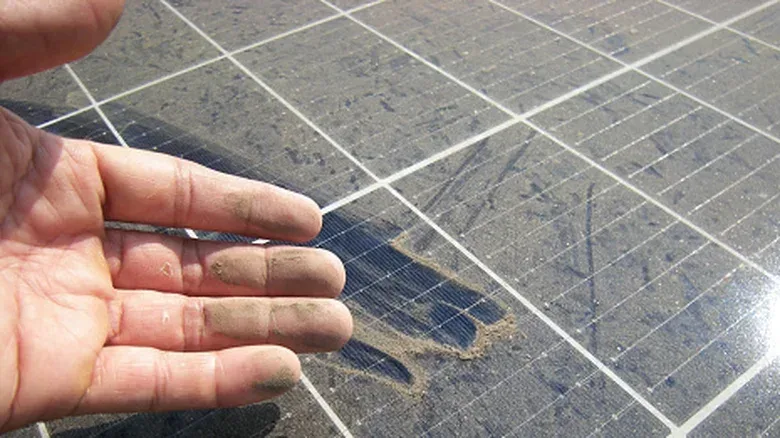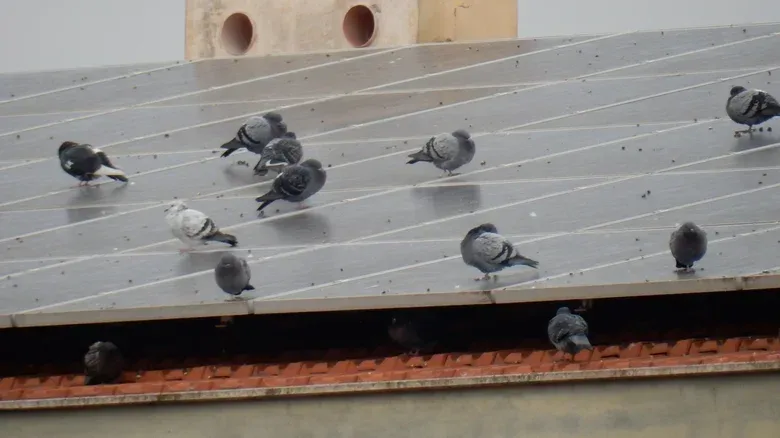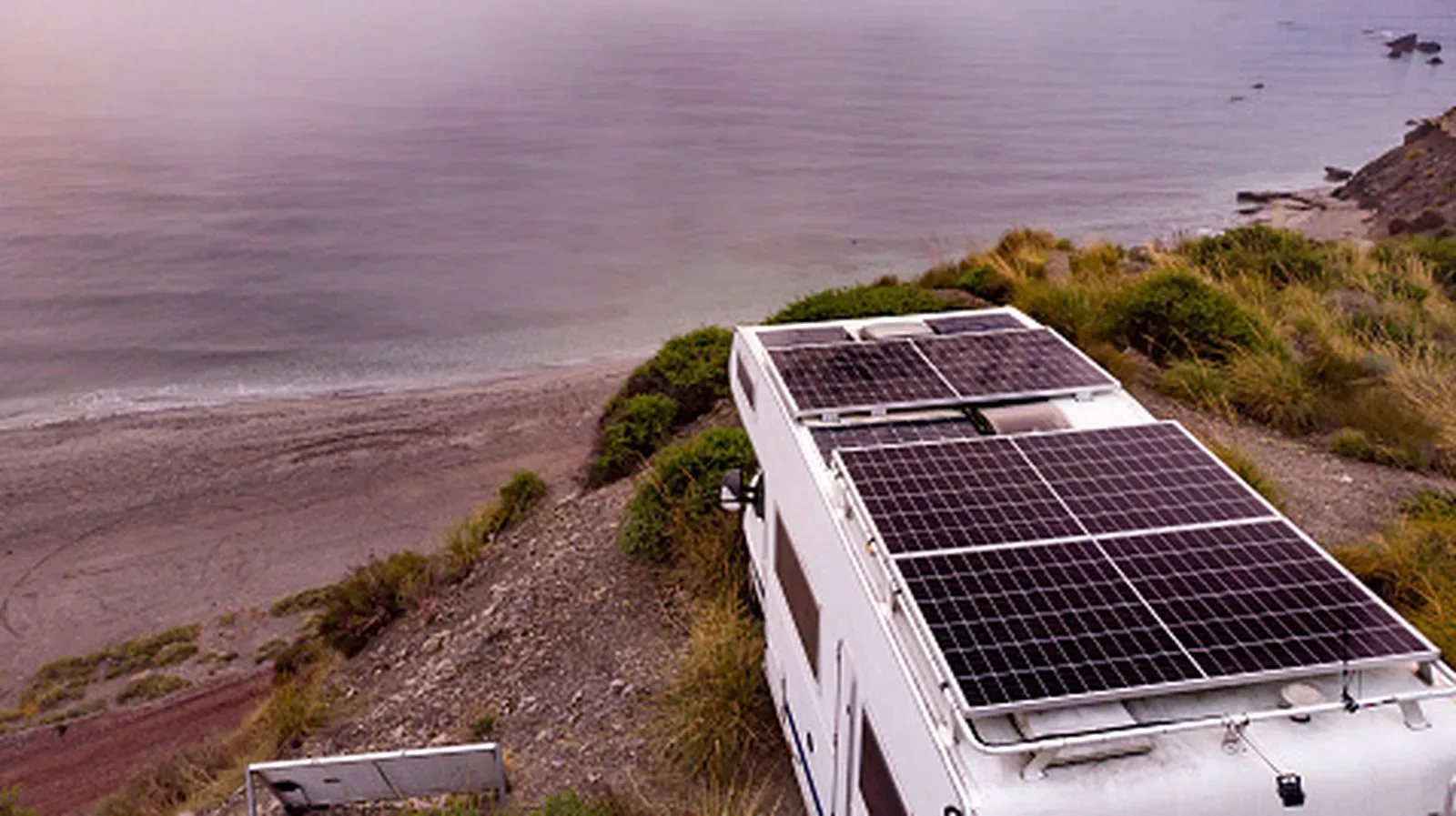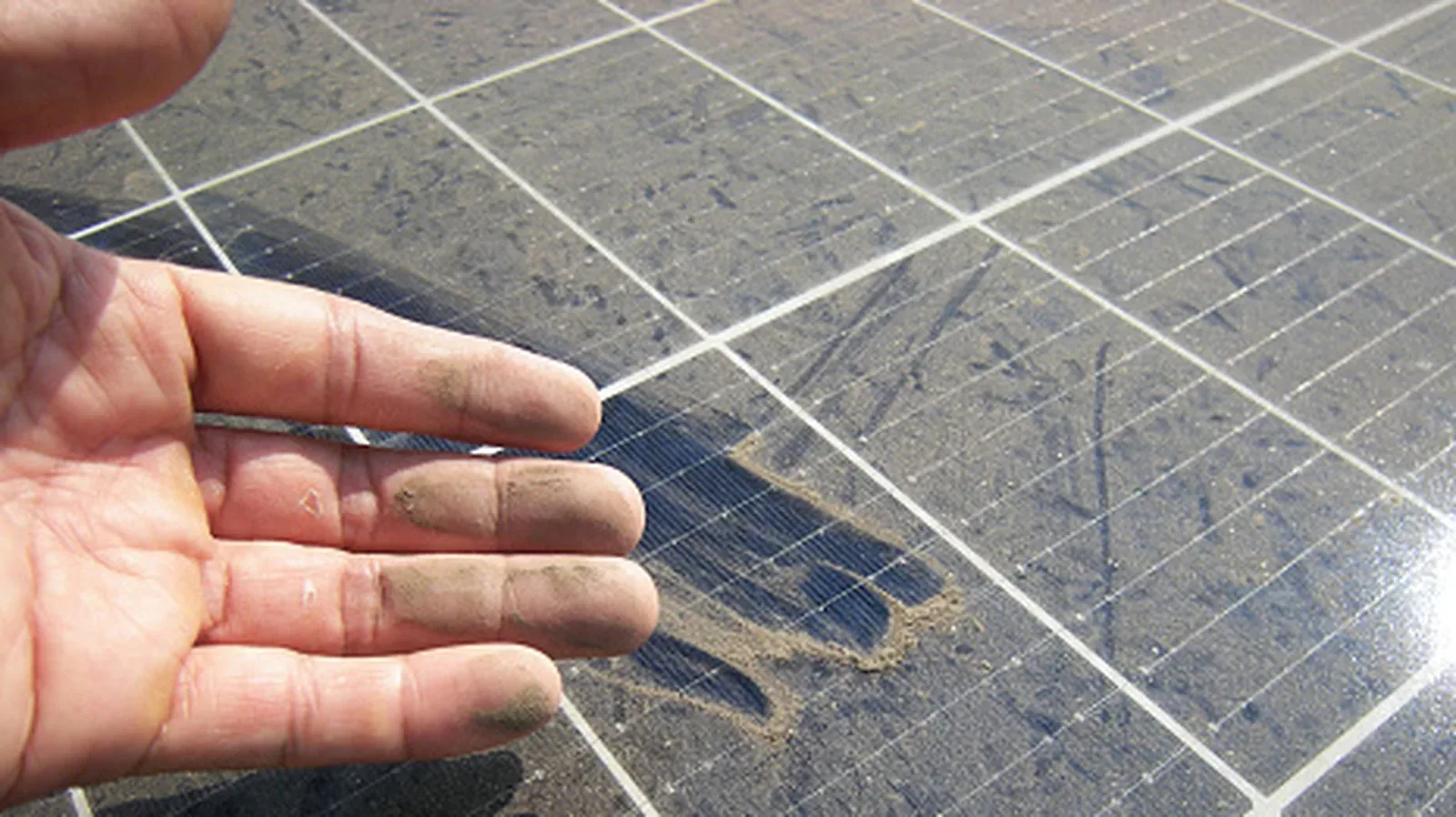
A dirty solar panel is not unlike a screen with a smudgy protector: it can still do its job, but less of what is meant to reach the surface gets through cleanly. Panels spend their working lives outside, so dust, pollen, bird droppings and other grime are inevitable. The practical question is not whether a panel will ever get dirty. It is whether the dirt is reducing electricity production enough to justify cleaning—and whether cleaning can be done without creating a more expensive problem.
That distinction matters because solar-panel washing is often pitched as an effortless performance boost. The evidence supports a more grounded view. Soiling, the technical term for dust and other material collecting on a photovoltaic surface, does reduce output. But the scale varies sharply by environment, weather, panel angle and the material on the glass. A roof that merely looks dusty may not need immediate attention, while concentrated bird mess after a lengthy dry spell can merit a closer look.
The best rule is refreshingly unglamorous: check the installation guidance, look at the production data and only clean when the likely recovery is worth the cost and risk. This is performance maintenance, not a secret setting that automatically unlocks another 20% of output.
What grime does to photovoltaic output
A solar panel generates electricity when sunlight reaches its photovoltaic, or PV, cells. Anything sitting on the front glass can block or scatter part of that incoming light. A broadly distributed layer of dust generally means broadly reduced production. By contrast, a compact obstruction such as bird droppings can shade a smaller area unevenly.
Uneven shading is important because it can contribute to hot spots. A hot spot is an area of a panel that becomes hotter than surrounding areas when cells are affected by shading or other conditions. The concern is not simply a lower reading in an app: localized shading may create a more problematic operating condition than a thin, uniform film of dust.
Conditions around the installation determine the likely impact. Rainfall can wash away some material, although it should not be assumed to restore a panel to spotless condition. Pollen-heavy periods, long dry stretches, salt-laden air and particular pollutants all change the picture. Salt and some pollutants can also raise corrosion concerns in harsher environments. Panel angle matters as well, since it affects how readily material remains on the glass and how rain interacts with it.
Global and site-specific findings demonstrate why there is no universal “clean every X months” answer. The IEA Photovoltaic Power Systems Programme has estimated soiling at around 4% to 7% of worldwide PV energy losses. At several North Carolina solar sites, an NREL study found pollen could reduce energy production by as much as 15%. In that study, wet mechanical cleaning improved performance by 5% to 11%; rainfall on its own did not completely resolve the effect.
Those figures are useful context, not a promise for an individual rooftop system. Informal testing of three increasingly dirty 100-watt panels found post-cleaning gains of roughly 2.4%, 10.8% and 13.4%. The spread tells the actual story: the more consequential question is how dirty a particular installation is, and what kind of debris is involved. A separate owner report of a much larger improvement was partly based on projected output rather than a directly comparable control setup, so it should not be treated as a standard result.
Related coverage includes How to Clean Solar Panels Safely and Decide Whether It’s Worth It.
Why the visible dirt test is not enough
It is tempting to make the call by looking upward: if the panels look dirty, wash them. But appearance and economics are not the same thing. A faint dusty layer can be visually obvious without imposing enough lost production to repay a professional visit, especially where rain is frequent or output monitoring shows no meaningful decline.
Production data is the stronger starting point. Look for a drop after conditions that plausibly cause soiling, such as an extended dry period or heavy pollen. If generation seems normal, visual dust alone may not justify paying for rooftop work. This is the same broad principle behind sensible PC tuning: measurable performance matters more than chasing a dramatic-sounding percentage gain. As with modern processor tweaking, the data should lead the decision, rather than a promised improvement that may not materialize in a particular setup.
A study involving UC San Diego researchers illustrates the financial side particularly well. Panels left without rain or cleaning for 145 days lost 7.4% efficiency. Yet washing a typical 5 kW residential system halfway through that dry span would have yielded only about $20 of additional electricity before the drought ended. The performance loss was real, but the recoverable value during that specific period was limited.
That is why a cleaning decision should include a simple payback calculation. If dirty panels are believed to add $20 per month in grid electricity and cleaning costs $200, the nominal payback is 10 months. But that result holds only if the loss continues for 10 months. A return of regular rain, a change in pollen conditions or an inaccurate estimate of the production loss can completely alter the calculation.
Professional cleaning is not a trivial expense in this context. Typical reported pricing is around $209, with a national average range of $142 to $310. That does not mean professional service is a bad choice. It means the expected production recovery should be weighed against the price, particularly for a modest residential array.
Cleaning safely starts with the panel manual
There is no one cleaning product or technique that automatically suits every installation. The manufacturer’s instructions for the specific panels should come first. Some manufacturers allow mild soap. Others permit particular glass cleaners or limited isopropyl alcohol for stubborn marks. Clean water is the cautious baseline before moving to any approved product.
The key is to clean gently and avoid leaving a fresh problem behind. Use clean, low-mineral water for a gentle rinse. Low-mineral water matters because hard water can dry into mineral deposits on the panel surface. Those deposits form their own light-blocking layer, defeating much of the purpose of cleaning in the first place.
For dirt that does not lift with rinsing, use a soft sponge, soft cloth or a non-abrasive extension brush. If the panel guidance permits a cleaner, rinse it thoroughly afterward. The goal is to remove material from the glass without abrading the surface or leaving residue.
A cautious cleaning checklist
- Read the panel manufacturer’s cleaning and maintenance guidance before choosing tools or products.
- Check the glass for cracks or other damage before starting. Contact the installer if damage is present.
- Work in cooler conditions, such as early morning or late evening.
- Rinse gently using clean, low-mineral water.
- Use only soft, non-abrasive tools for remaining grime.
- Use soap, glass cleaner or isopropyl alcohol only if the panel guidance allows it.
- Rinse approved cleaners away thoroughly.
- Review production data after cleaning instead of assuming the result.
Cooler timing has a practical benefit beyond personal comfort: panel temperature can affect performance. Cleaning when panels are not under peak heat also makes the job more aligned with the goal of assessing and preserving normal operation.
The tools and tactics to avoid
Aggressive cleaning is the most avoidable own goal in this entire process. Do not use abrasive pads, metal scrapers or pressure washing. The surface may look like ordinary toughened glass, but it includes coatings that affect how light enters the panel. Scratches or damage to the anti-reflective coating can impair the component that cleaning was meant to help.
Improper cleaning can damage glass and anti-reflective coatings, contribute to delamination and potentially place resulting damage outside warranty coverage. Delamination is the separation of layers within the panel assembly. It is a far more serious outcome than ordinary dirt and underscores why brute-force cleaning is a poor bargain.
There is also no manufacturer-independent mandatory interval. Qcells does not prescribe a single fixed cleaning schedule for every installation, and that restraint is sensible. An installation near recurring pollen, extended dry weather or birds may need more attention than one regularly rinsed by rain and producing normally. A calendar reminder can be useful as a prompt to inspect output and condition, but it should not replace judgment.
When a professional or automation makes sense
Roof safety deserves separate treatment from panel care. If reaching the array requires climbing onto a roof and the owner is not trained to do that work, hiring a qualified professional is the sensible option. The potential electricity gain is not worth a fall, and a professional can also help determine whether observed grime is ordinary soiling or something requiring installer attention.
Automatic cleaning systems exist, but they serve very different scales. Smaller timer-operated sprinkler systems are sold for homes. Water-free robotic cleaning systems are more commonly oriented toward large ground-mounted projects. Ecoppia, for example, targets projects of 50 MWp and above. MWp means megawatt-peak, a rating that describes a solar installation’s maximum power under standard test conditions. That is a utility-scale context, not the typical household rooftop.
For most homeowners, automation should be assessed with the same discipline as one-off cleaning: local water conditions, cost, roof suitability, production losses and the potential for deposits all matter. A system that sprays hard water across panels could introduce the mineral-residue issue that careful manual cleaning tries to avoid.
A practical decision framework
Solar panels do not need to look showroom-new to work well. Start by monitoring production rather than responding to every visible speck. If a prolonged dry period, major pollen event or obvious concentrated debris coincides with a meaningful drop, inspect the panels safely and consult the manufacturer’s instructions. Then compare the likely recovered electricity with the price of professional cleaning or the risks of doing it yourself.
That approach avoids two bad extremes: neglecting a genuine production issue and paying for a cosmetic wash that produces little value. Clean water, soft tools, low-mineral rinsing and patience are the fundamentals. Pressure washers, metal tools, abrasive pads and blanket promises of huge gains belong nowhere near the decision.
In short, cleaning is most valuable when it is evidence-led. The panels’ output history, the weather and the kind of grime present can say far more than a one-size-fits-all schedule—or a very confident sales pitch.