Cyberpunk 2077’s Patch 2.5 is not merely another pile of wardrobe options and weapon tricks dropped onto Night City. Its headline idea is player ownership: the ability to make V, and potentially the shape of a replay, feel more personally authored. New clothing, cyberware visual customization through Glamdoc vendors, any pistol-and-revolver dual-wielding combination, new missions, and full mod support together point in the same direction.
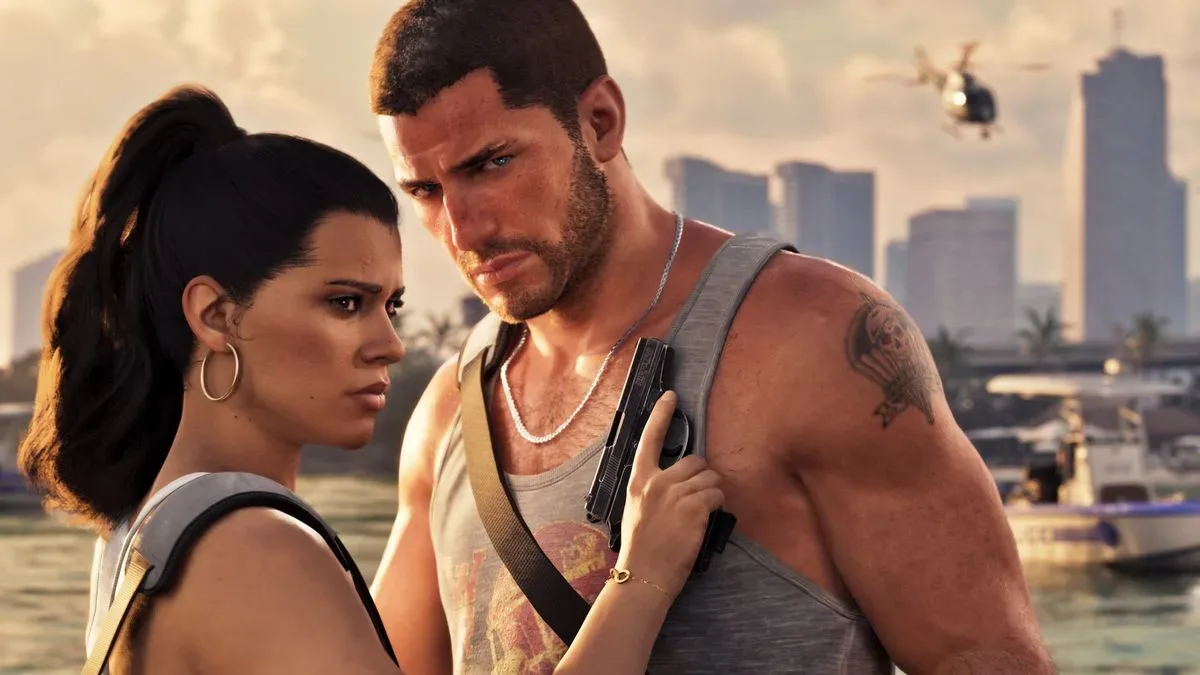
That makes it a useful counterpoint to Grand Theft Auto 6—not because the two games need to compete for the same genre crown, but because they appear to value a different kind of freedom. GTA 6 can offer a dense open world and a carefully made story around Lucia and Jason without becoming a role-playing game. Cyberpunk, meanwhile, is leaning harder into the familiar RPG proposition that players should have room to tailor a character and reshape a repeat visit.
That distinction matters more than the usual “which open world is bigger?” argument. An open world gives players space to move around. A role-playing framework asks players to make that space their own, through a character build, a look, a choice of tools, or a community-made change that alters how the game feels. Patch 2.5’s features are aimed squarely at the second idea.
Patch 2.5 is built around a more personal V
The update was developed with Virtuos Studios and arrives after CD Projekt Red skipped a numbered Patch 2.4. Its additions span cosmetics, combat and story material rather than concentrating on a single system.
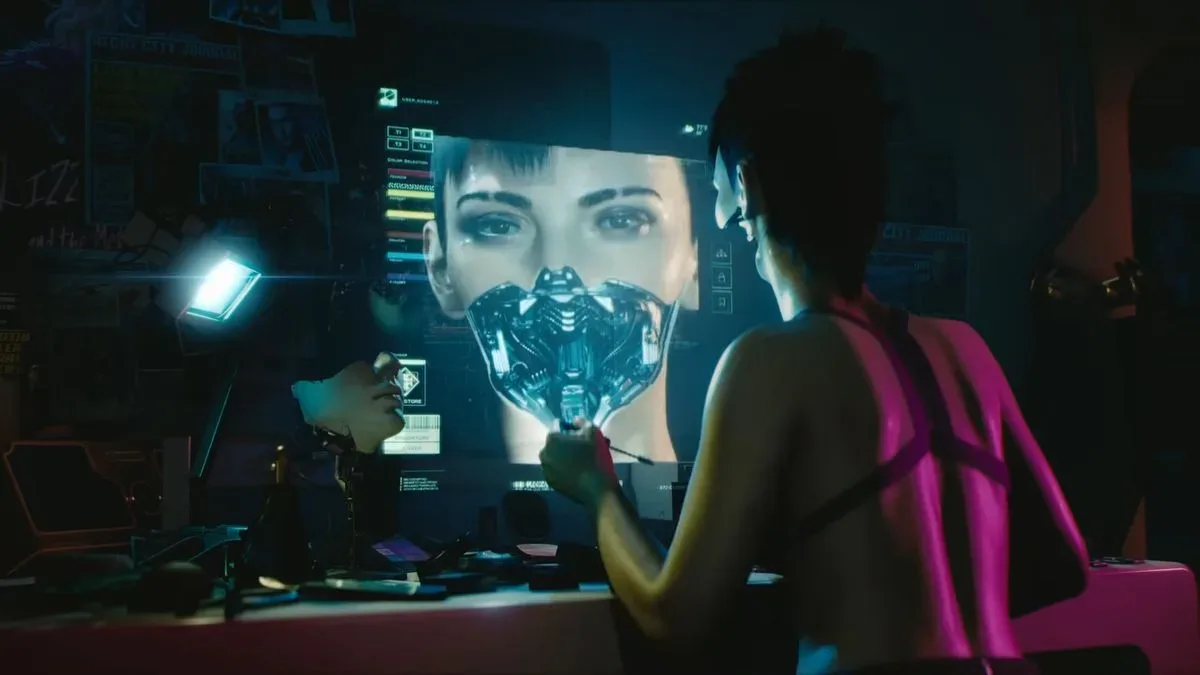
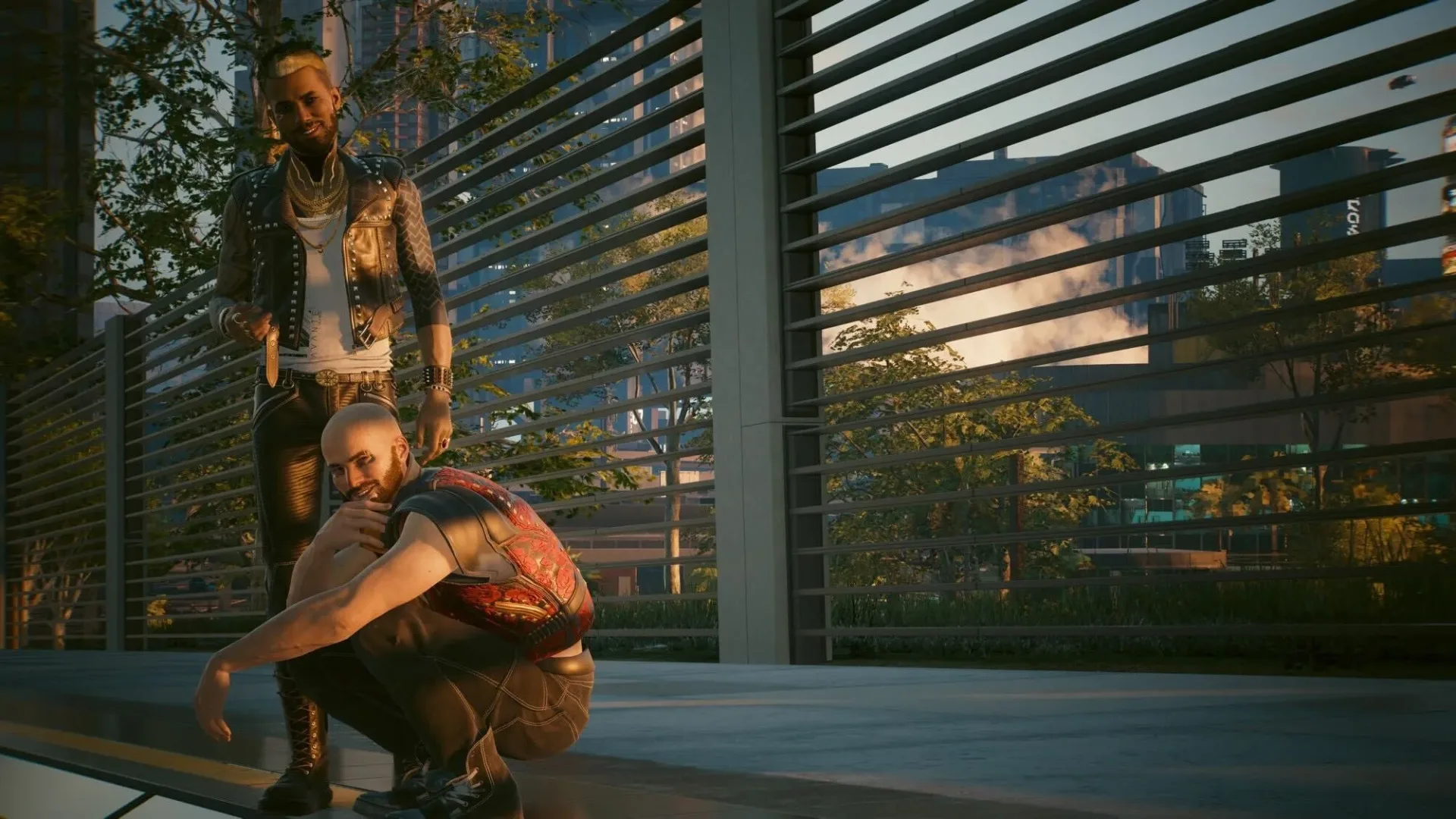
Glamdocs are new NPC vendors that let players customize cyberware. In practical terms, this is a cosmetic layer for equipment that has long been central to Cyberpunk’s character fantasy. Cyberware is the body-modifying technology installed by characters in the setting; customization means that a player’s appearance can better match the combat or role-playing identity they have in mind. A cybernetic build no longer has to look like a compromise between function and style.
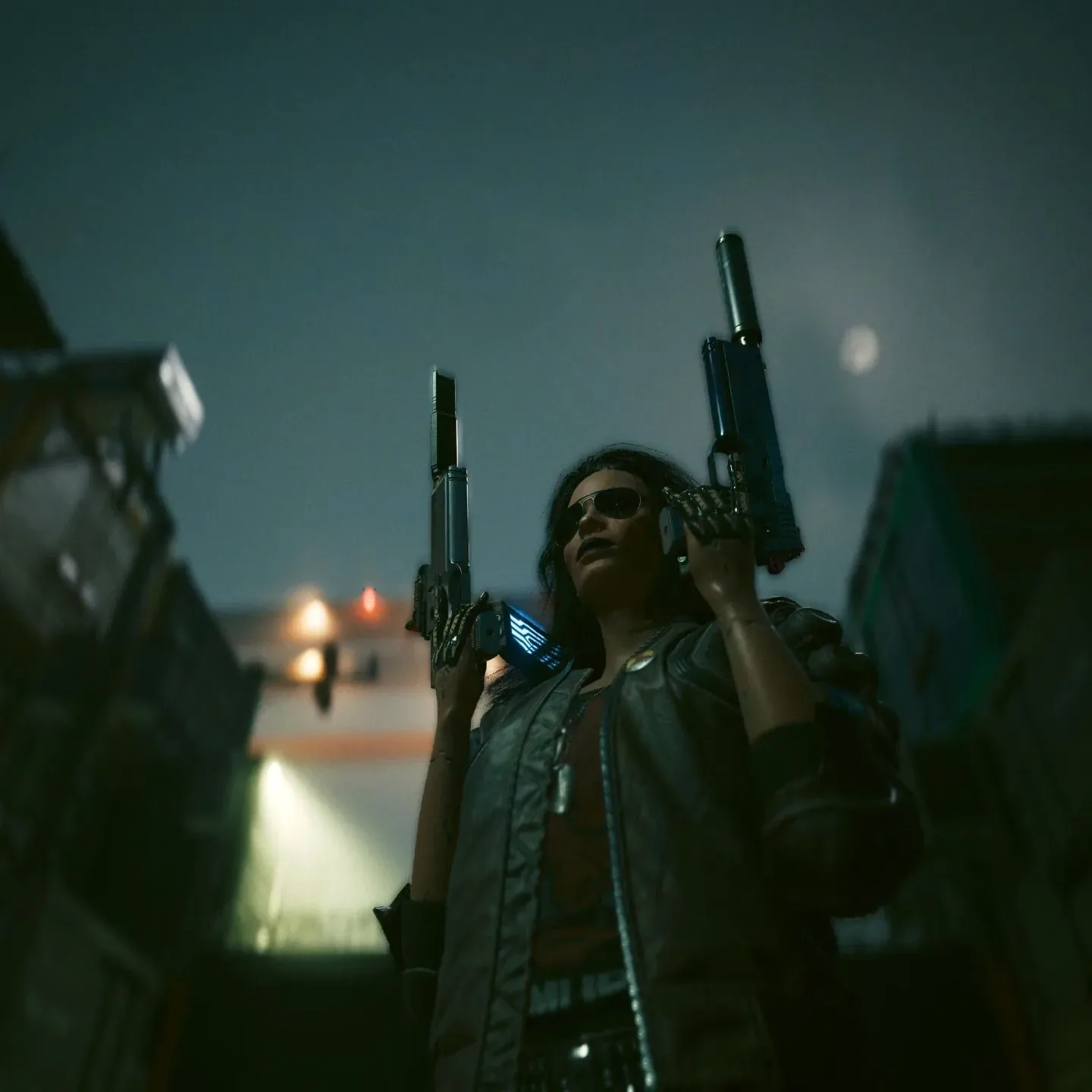
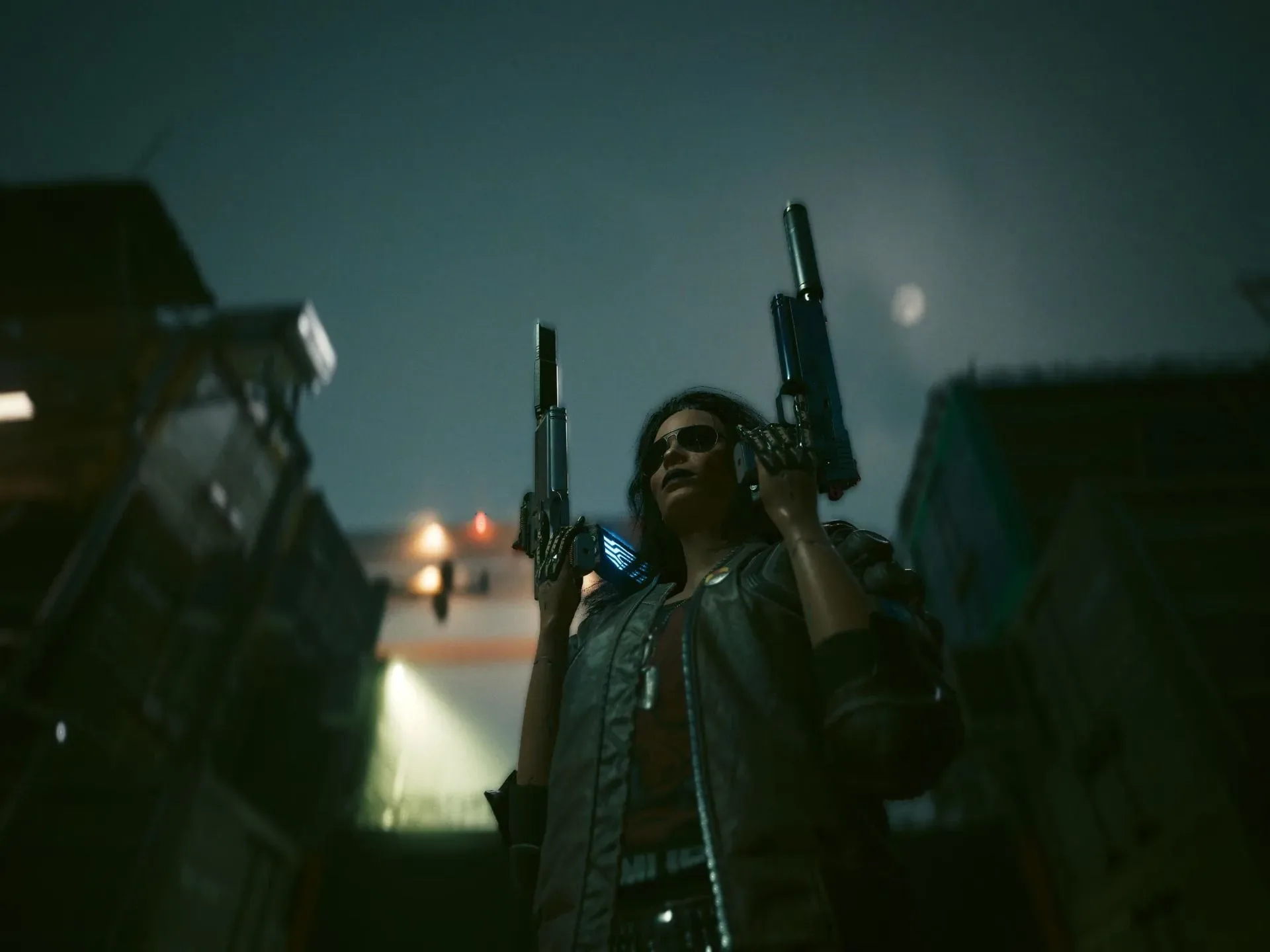
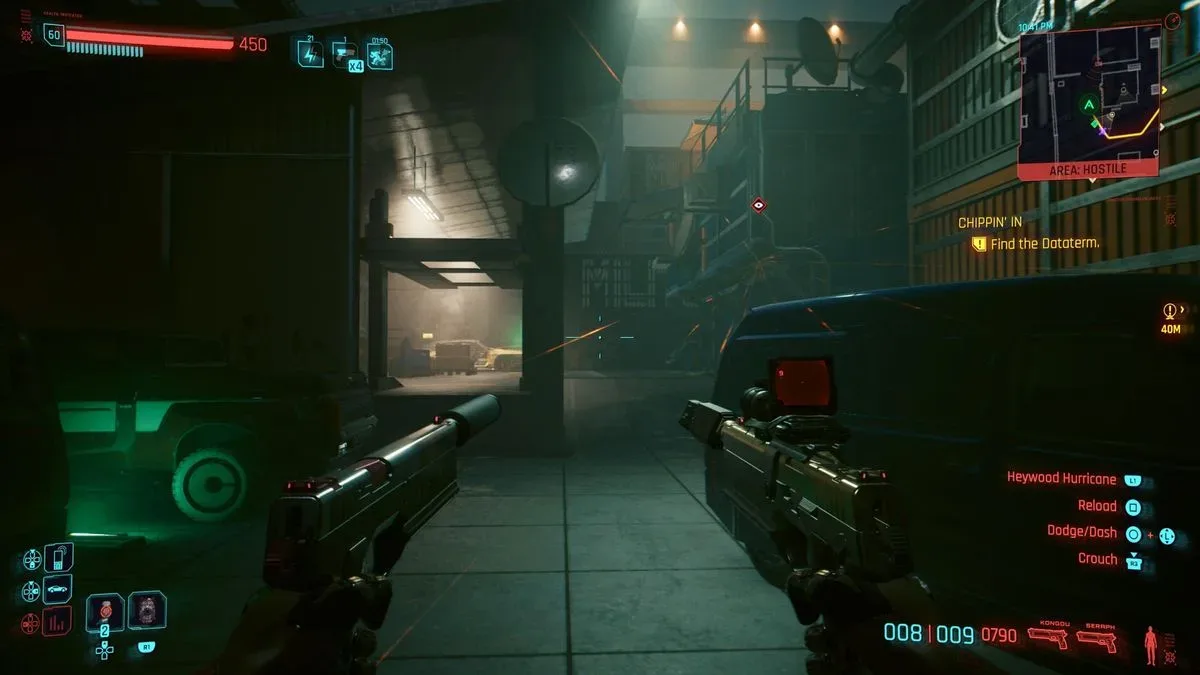
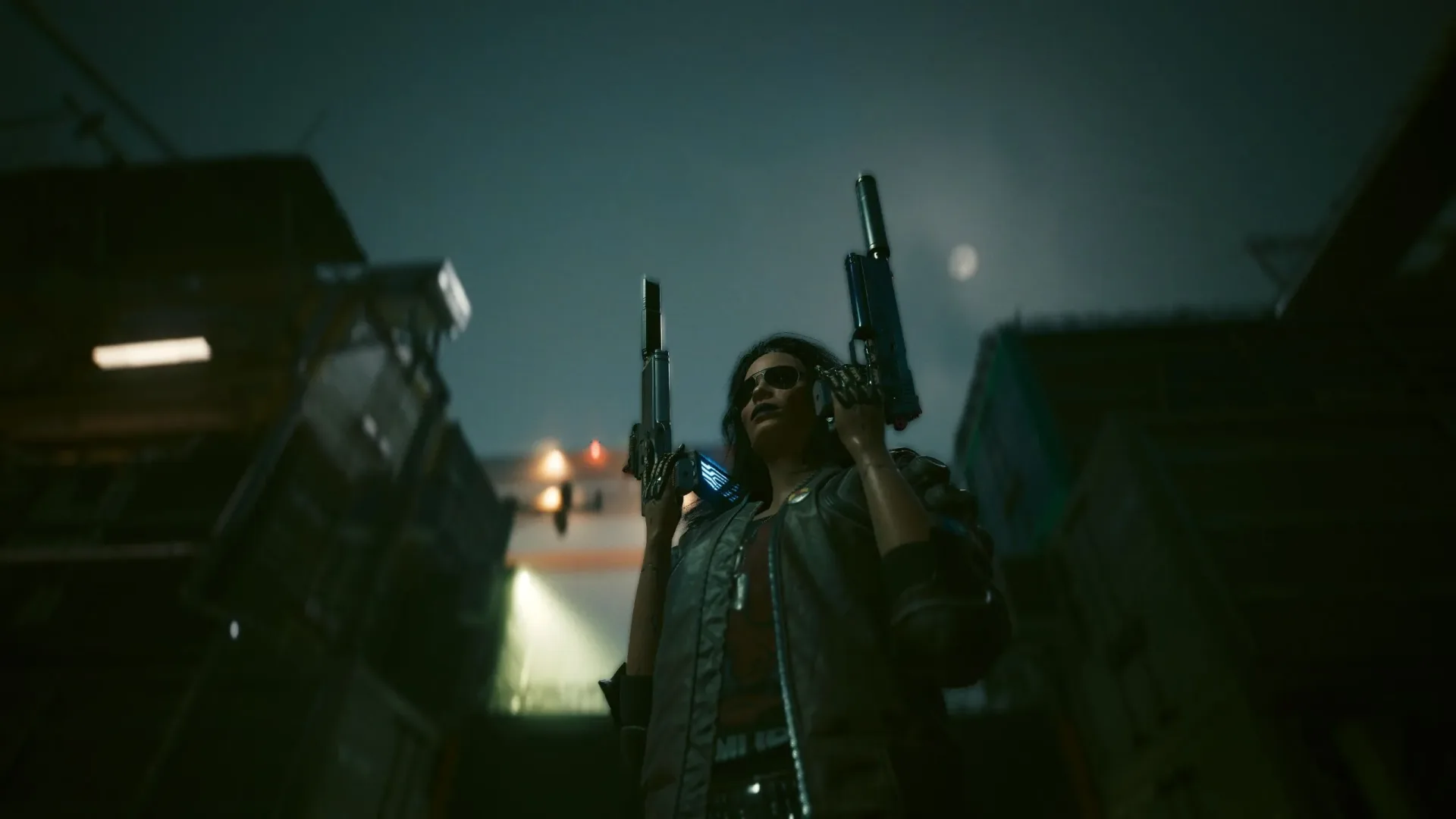
The patch also permits players to dual-wield any combination of pistols and revolvers. That does not automatically mean a deeper progression system, but it creates more room for expressive loadouts. A player can choose a matching pair, an intentionally mismatched pair, or simply favor the guns that fit their version of V. In a game where visual identity and combat identity regularly overlap, that small freedom has an outsized thematic fit.
New clothing further expands the same toolkit. Clothes, weapon pairing and cyberware visuals are separate features, but together they let a returning player create a coherent look rather than treating character customization as a menu of disconnected novelties. The update also includes new, more relaxed missions concerning the founding of Night City and material connecting the game with the new season of the Cyberpunk: Edgerunners anime.
None of that requires a player to treat Cyberpunk 2077 as an endlessly reinvented sandbox. The core story remains the core story. But it gives repeat players new ways to inhabit it, whether they are interested in lore, fashion, combat experimentation, or simply spending more time in the city with a V who looks distinct from their previous one.
Related coverage includes Cyberpunk 2077 Patch 2.5 Embraces Player Freedom as GTA 6 Takes a Different Path.
Why built-in mod support is the major shift
The far larger part of the Patch 2.5 conversation is full mod support. A mod, short for modification, is player-created software or content that changes, expands or rearranges a game. Mods can be cosmetic, mechanical or narrative. They may add outfits and interface adjustments, revise gameplay behavior, or tell new stories using the game as a foundation.
CD Projekt Red had previously introduced full mod support to The Witcher 3: Wild Hunt – Remastered, and Cyberpunk 2077 is now receiving a similar built-in client. A built-in client matters because it puts mod discovery and use closer to the official game experience rather than leaving players to navigate entirely separate tools and communities. The specific practical limits of this implementation are not established here, but the broad message is clear: the developer is opening a supported route for players to modify the experience.
That route includes story mods. For a narrative-heavy RPG, welcoming story-focused community work is especially meaningful. It recognizes that players may want more than alternate outfits or convenience changes; some will want new situations, quests, perspectives and reasons to revisit Night City. Associate game director Paweł Sasko has expressed enthusiasm for the replayability that creative fan work can support.
Mod support does not mean every project will be polished, compatible, balanced or suitable for every player. It does mean the game has more capacity to change after its official update cadence slows. Players looking for a curated, intended version can remain with the base game. Players who want experimentation have a supported path toward it. That coexistence is one of the strongest arguments for a healthy modding ecosystem.
Replayability is more than extra hours
“Replayability” is often used as shorthand for a game that can occupy a person for a long time. That is only part of it. A replay is more compelling when the player has a reason to approach familiar material differently. In an RPG, that can mean a different build, role-playing concept, aesthetic, or set of community additions that recasts the surrounding experience.
Patch 2.5 supplies several of those prompts at once. Glamdocs let an existing character concept receive a new visual treatment. Expanded dual-wielding creates another combat flavor. New missions offer fresh lore. Mods can potentially tie those pieces together in ways the base game cannot anticipate.
There is also a broader cultural implication. Mod communities keep a conversation going between developers and players after launch. They can surface quality-of-life desires, celebrate overlooked systems and create niches for people whose ideal version of a game differs from the official default. The record of CD Projekt Red hiring many modders adds context to why this approach feels natural for the studio: community experimentation is not being treated as entirely external to game development.
That does not make mods a universal obligation for every game, nor does it mean a tightly authored game has failed if it resists them. But it makes Patch 2.5 a deliberate statement about what Cyberpunk 2077 can be after players have seen its story before. It is not just a finished place to revisit; it is increasingly a place to alter.
GTA 6 is pursuing a different promise
Grand Theft Auto 6 is not usefully judged by whether it offers the same role-playing flexibility. The series has traditionally occupied a different lane: authored crime stories, open-world simulation detail and a powerful mainstream identity. Lucia and Jason are named protagonists, not blank slates designed around unlimited player authorship. That is a valid foundation for a game.
The question is not whether GTA 6 must become Cyberpunk. It should not have to. The more interesting issue is how Rockstar’s posture toward modding and community role-play differs from CD Projekt Red’s new invitation.
Rockstar has recently reiterated opposition to certain modding in a fair-use reminder, while its history with the FiveM team illustrates the complexity of its position. FiveM, associated with GTA Online role-playing servers, was once threatened with legal action before Rockstar acquired the developer. The result is not a simple picture of a company that ignores role-play altogether. It is, however, a picture of a company that has chosen a much more controlled relationship with it.
Control can protect a brand, preserve an intended experience and limit the chaos that comes with unofficial alterations. Yet it also narrows the extent to which players can turn a blockbuster world into their own durable social and creative venue. As online communities have changed since GTA 5 launched in 2013, that tension becomes harder to ignore. Many players now expect games to be platforms for community activity as well as authored entertainment.
There is no evidence here that GTA 6 will adopt an open modding stance later, and fans should not assume it will. Rockstar’s approach has to be evaluated on what it actually permits rather than on the hope that a future online iteration might loosen the rules.
The useful comparison is philosophy, not a scoreboard
It would be simplistic to declare one model objectively superior. A developer can make a major game around a carefully maintained, controlled experience. Another can make a major game that deliberately hands more tools to its audience. Both can have value; they simply create different relationships between game and player.
Cyberpunk 2077 Patch 2.5 is notable because its separate additions reinforce one another. The new cosmetics, Glamdocs and weapon pairings provide immediate official ways to personalize V. The Night City history missions and Edgerunners connections give returning players more context to explore. Built-in mod support extends the horizon well beyond a standard patch by allowing community creativity to participate in the game’s future.
For anyone weighing the two games, the practical takeaway is straightforward. GTA 6 may be the choice for players seeking Rockstar’s particular kind of authored open-world spectacle. Cyberpunk 2077 is making a stronger appeal to players who want to revisit an RPG with a continually more customized character and an officially supported avenue toward modded experiences. Those desires can overlap, but they are not identical.
Patch 2.5 does not turn Cyberpunk 2077 into every player’s ideal game, and it does not force GTA 6 into a contest it never volunteered to enter. It does show that CD Projekt Red sees value in letting Night City become stranger, more stylish and more individual in players’ hands. In an era when big games increasingly compete for attention long after release, that may be the update’s most consequential feature.
For more on the wider business climate around current releases, see our report on September 2026 U.S. game spending and the month’s release chart.