That black rectangle in the living room may look switched off, but a modern smart TV is often only mostly asleep. Pressing the power button on its remote commonly sends the set into standby rather than cutting power completely. The difference matters more than it did in the era of simpler televisions: current models can run full operating systems, manage streaming apps and, in the case of OLED displays, perform maintenance intended to protect the panel.
For most people, leaving a TV in standby is the practical default. It means a quicker return to a game, movie or streaming app, and it lets the television handle some tasks when nobody is watching. The electricity use is small on qualifying models, though it is not zero. There are still good reasons to restart or unplug a set in particular situations.
What standby mode means on a smart TV
Standby is a low-power state, not the same as a full shutdown. The display is off, but enough of the TV remains active to respond to the remote, resume operation faster and potentially carry out background work. That is why a TV can appear completely dormant while still drawing a small amount of electricity.
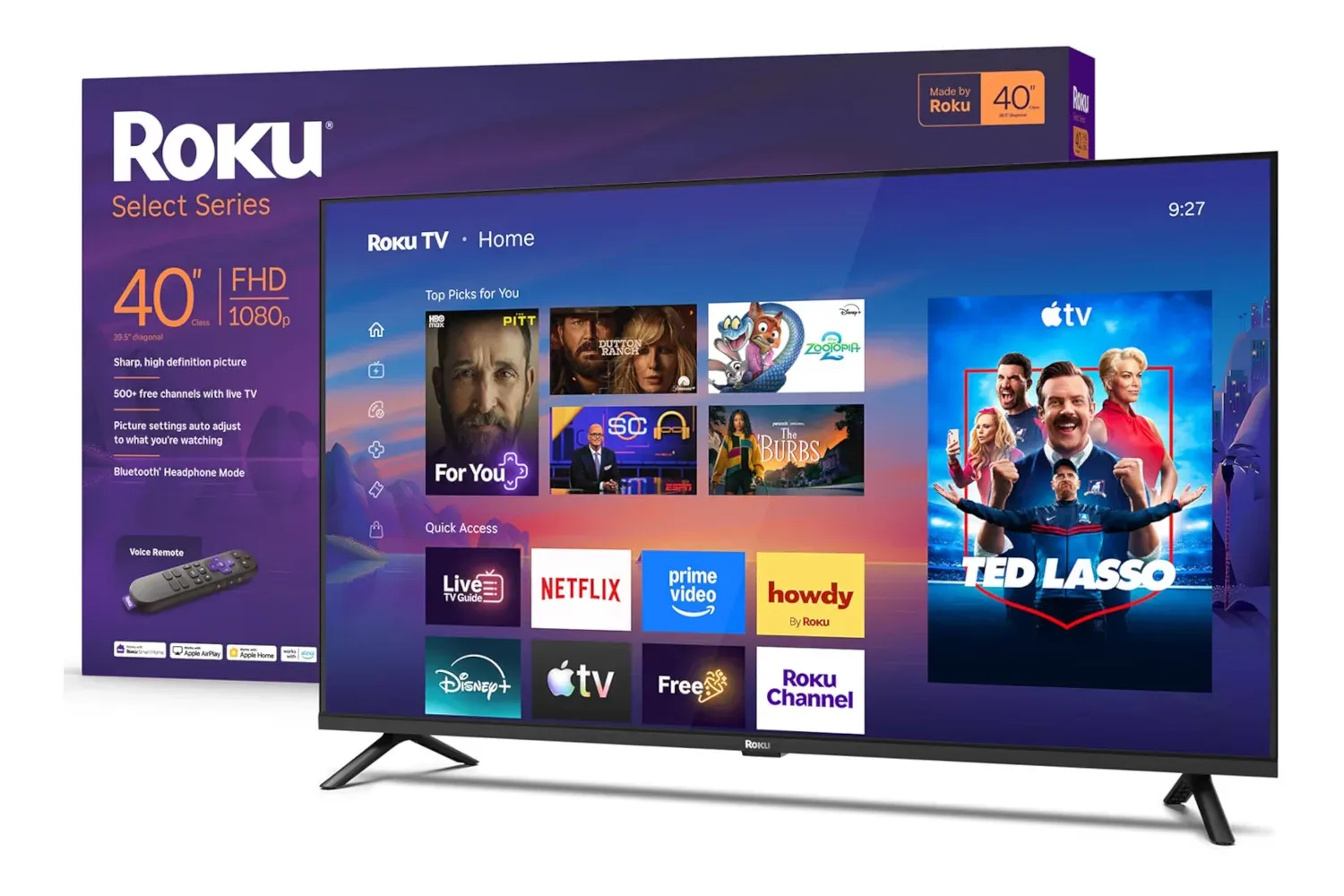
A full shutdown, by comparison, requires the TV to start its software environment from scratch the next time it is used. Modern sets may use platforms including LG WebOS, Google TV, Amazon Fire TV OS and Roku OS. Those are full-fledged operating systems rather than simple channel-changing interfaces. Starting them can take minutes or longer, and TV hardware can be slower to boot than a flagship smartphone because televisions often use more modest processors and storage.
For more context, explore “Blood Mew” Pokémon Misprint Draws Collector Attention as Six-Figure Asking Prices Appear.
The everyday implication is straightforward: standby exchanges a tiny ongoing power draw for convenience. A set left in standby can generally get from the blank screen to its home interface and apps much more quickly than one that has been switched off at the wall. For a household that watches or plays regularly, that is a meaningful quality-of-life benefit rather than a mysterious indulgence by the appliance gods.
Why background updates are a real benefit
Standby also provides an opportunity for a smart TV to update software outside viewing time. Both the television’s operating system and its streaming applications can receive updates. Netflix and YouTube are examples of apps that may be updated while the television is in standby.
That does not mean every update will be invisible or instant. But it can reduce the chance that a viewer sits down for an episode, a live event or a long-awaited gaming session only to encounter an update screen first. A connected TV that stays in standby has a chance to complete routine software work before it becomes an interruption.
For console owners, this is adjacent to—not a substitute for—the console’s own rest or standby features. The television’s standby mode concerns the TV’s operating system, apps and display-related functions. A console needs its own power and update settings to handle game downloads, patches or system updates. Still, keeping the TV ready can make the whole setup feel less cumbersome when it is time to use it.
OLED owners have the strongest reason not to pull the plug
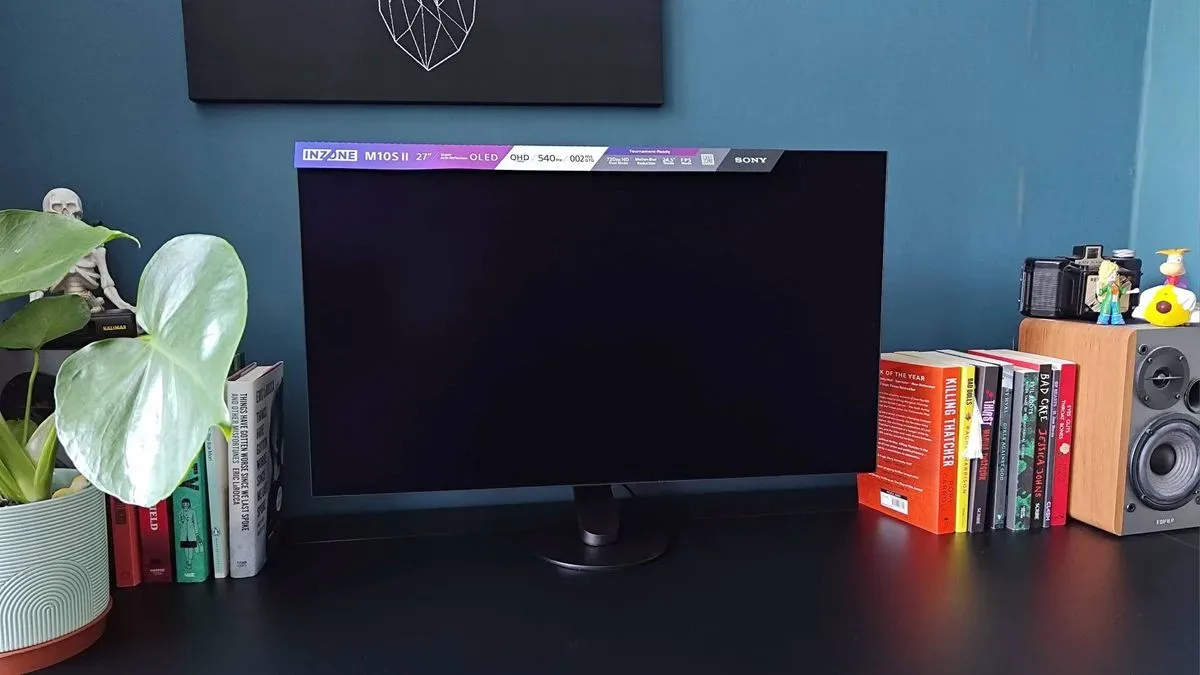
The most important case for allowing standby is an OLED television. OLED panels can be vulnerable to image retention and burn-in. Image retention describes a lingering trace of a prior image; burn-in refers to more persistent uneven wear. Static elements are an obvious concern in gaming and TV use alike: HUDs, scoreboards, channel graphics and menus may remain in the same place for a long stretch.
Manufacturers address that risk with panel-care systems. After an OLED TV is turned off with its remote, it may enter standby and run an automatic compensation cycle, also called pixel refresh. This is a maintenance process designed to reduce the risk of retention or burn-in and help manage the panel’s long-term wear.
The key detail is the timing. Immediately unplugging an OLED set after use can stop that routine from running. Repeating that habit can, over time, contribute to uneven display wear or burn-in. Therefore, “turn it off” via the remote is not necessarily a command to deny it power; on an OLED TV, it can be part of the maintenance workflow.
That does not mean owners should treat every dark screen as evidence that a repair-like process is taking place, or invent a schedule of extra maintenance beyond what their TV supports. It means the manual and the set’s own shutdown behavior matter. The sensible approach is to let the TV complete the care procedure it is designed to run and avoid abruptly cutting power as a nightly ritual.
Why this matters for games
Games frequently present persistent interface elements. A player may spend extended periods with the same minimap, health meter, crosshair, quest log or menu structure in a fixed part of the screen. That does not establish that any single session will cause damage, but it explains why OLED maintenance is relevant to a gaming display. The TV’s compensation process is part of the hardware’s strategy for managing the type of uneven use static imagery can create.
In practical terms, an OLED used for games is a particularly poor candidate for immediate, habitual unplugging. Use the normal remote power control unless there is a specific reason to disconnect the TV, and check the manufacturer’s instructions before choosing a shutdown method.
How much electricity does standby use?
The power cost is modest for ENERGY STAR-certified televisions in the United States. Such TVs must use no more than one watt in standby, including when they are connected to a network. The same one-watt threshold has also been pursued as a requirement in several jurisdictions through the One Watt Initiative.
At one watt continuously for a year, the consumption works out to roughly 9 kWh. The estimated yearly bill impact is about $1.50, although the actual cost depends on local electricity prices. Electricity can cost considerably more in some locations; California households, for example, pay about twice the national average per unit of energy.
It is worth keeping the scale clear. Standby power is still power, so unplugging eliminates it. But the supplied estimate suggests the decision should not be framed as if leaving a qualifying TV in standby automatically creates a major household-energy burden. The more relevant question is whether the convenience, updates and—on OLED—maintenance benefits outweigh a small continuing draw for a particular household.
When unplugging makes sense
There is a straightforward situation where unplugging is sensible: an extended absence. If nobody will use the TV for a substantial period, disconnecting it is the simplest way to avoid even that small standby consumption. It also removes the question of whether the set should remain network-connected while it sits unused.
The important caveat, especially for OLED owners, is not to make abrupt disconnection the default immediately after every viewing or gaming session. Allow any normal maintenance process to finish first. The manual is the authoritative place to find the TV-specific behavior and recommended procedure, because manufacturers’ menus and controls vary.
For non-OLED TVs, the maintenance concern described here is less central, but fast startup and background updates can still make standby worthwhile. If the goal is to minimize every possible watt, unplugging is effective; it simply comes with the predictable cost of slower boots and potentially deferred updates.
Restarting is different from unplugging
A restart is often the better answer when a television has become sluggish. Like other devices running operating systems, smart TVs can accumulate background processes in memory. Restarting clears those processes and may improve responsiveness. If app navigation lags, menus hesitate or the TV generally feels less responsive than usual, a reboot is a reasonable troubleshooting step.
A reboot should not be confused with yanking out the power cord. Pulling the cord can interrupt panel maintenance or other tasks. Instead, look for a restart or shutdown option in the TV’s controls and consult the manual. On some televisions, holding the power button on the remote opens a menu offering shutdown and restart choices.
This distinction offers a useful three-part rule:
- Use standby for normal daily operation, faster startup, background updates and OLED panel care.
- Restart when persistent lag or sluggish behavior suggests the software needs a clean start.
- Unplug for a long absence or when eliminating even a small standby draw is more important than immediate readiness—while taking care not to interrupt an OLED maintenance routine.
The practical default
For a regularly used smart TV, standby is generally the balanced choice. It keeps the operating system from needing a full cold boot every time, can allow updates to happen out of the way and plays a more consequential role on OLED models, where it may enable automatic compensation cycles. The small energy draw is real, but an ENERGY STAR-certified set is capped at one watt in standby in the United States.
The exception is not a blanket instruction to unplug every device after every use. It is a matter of context: leave the TV connected for ordinary use, restart through the intended controls when performance gets sticky, and disconnect it during a prolonged period away once it is safe to do so. A blank screen is not always a fully powerless one—and in the OLED case, that quiet period can be doing useful work.