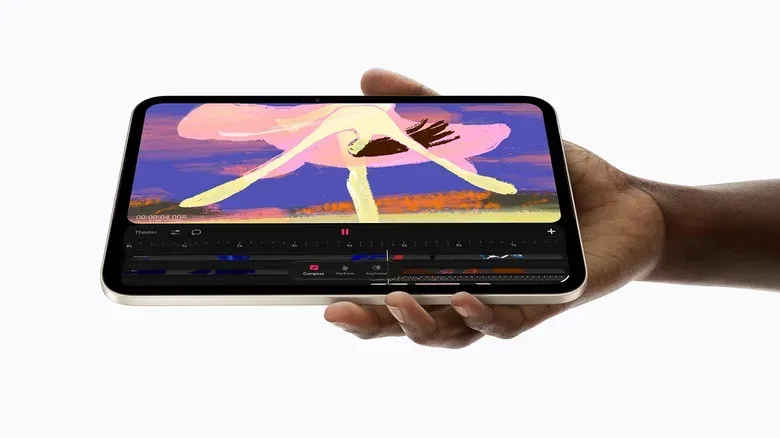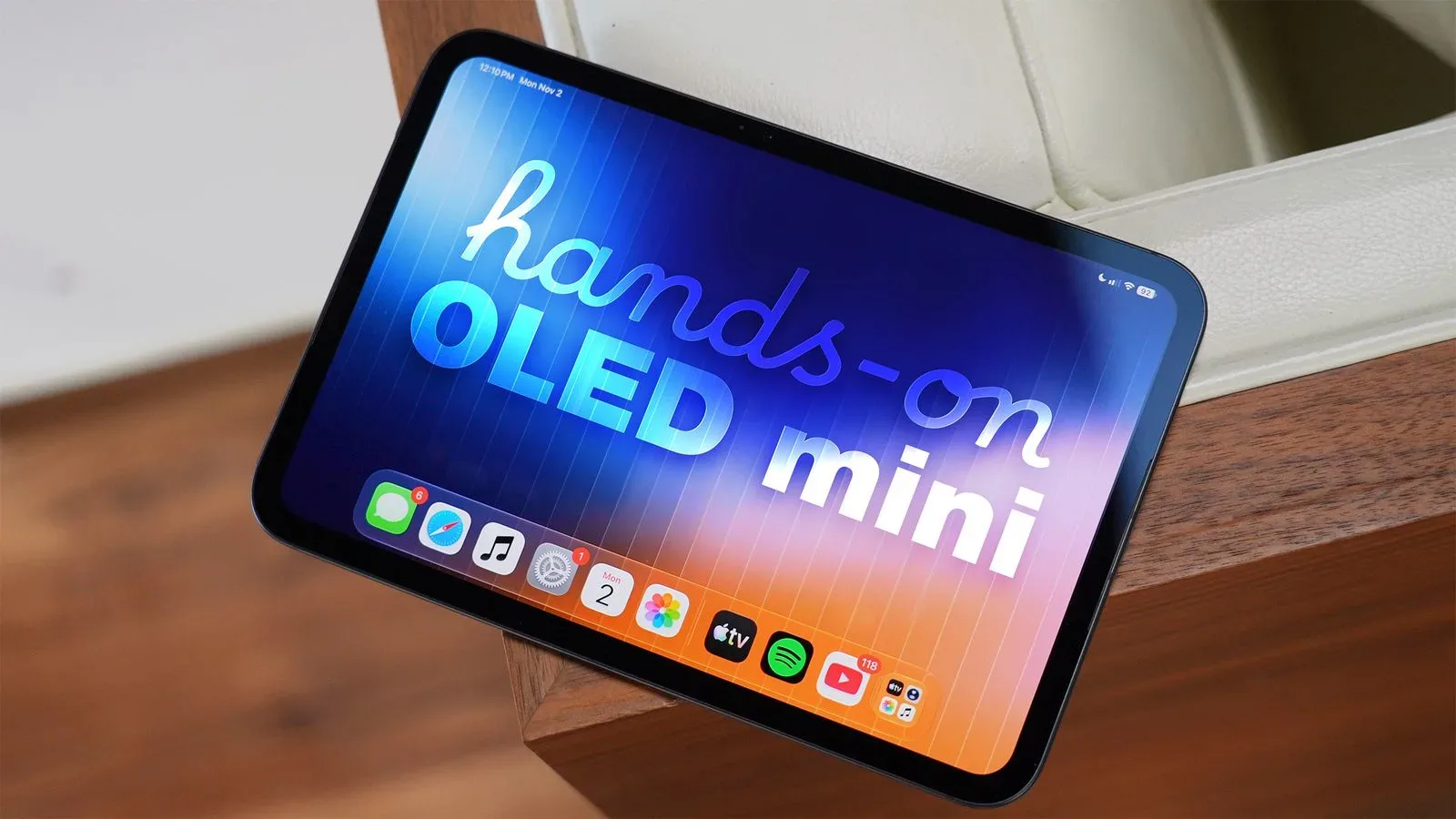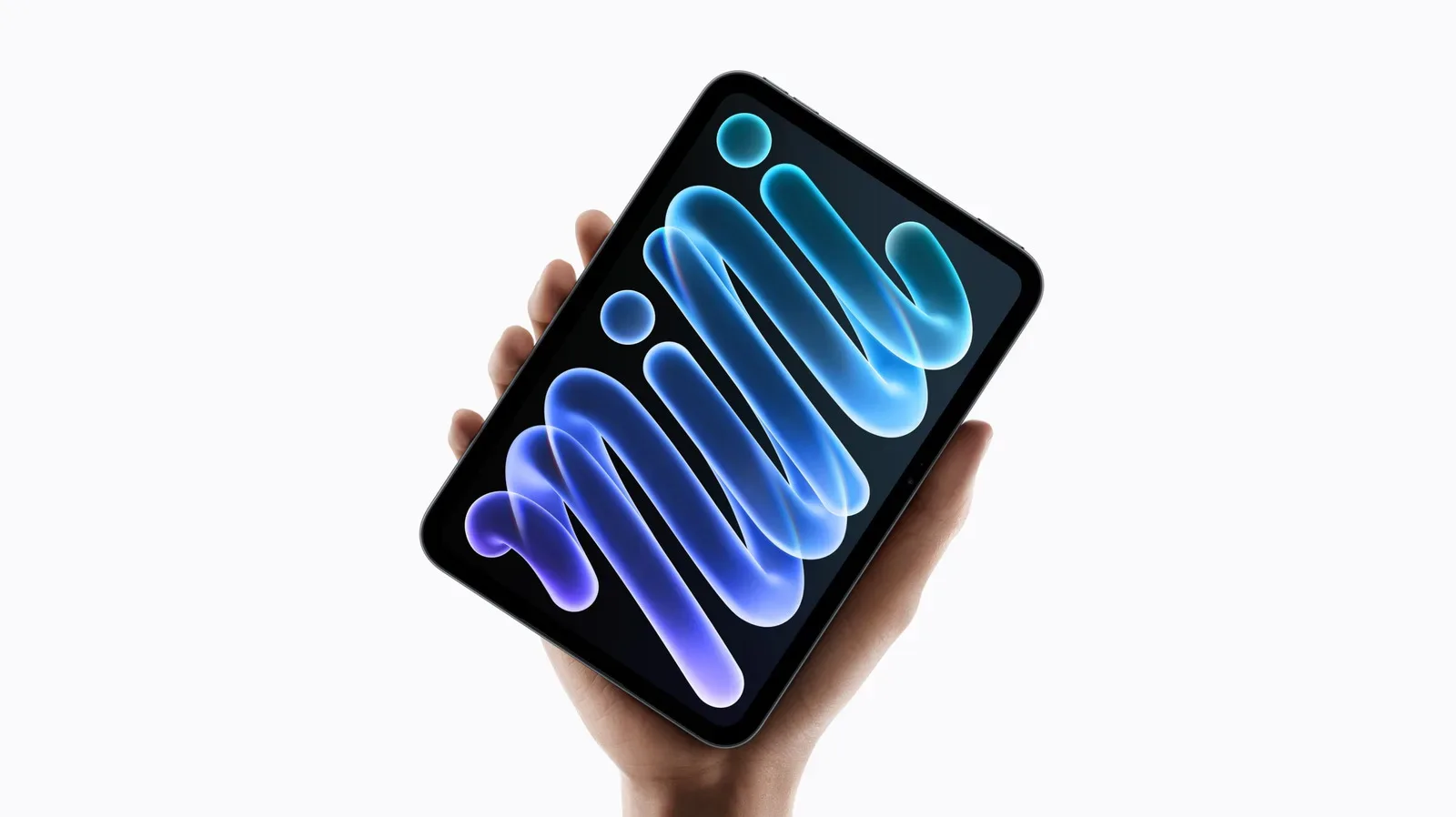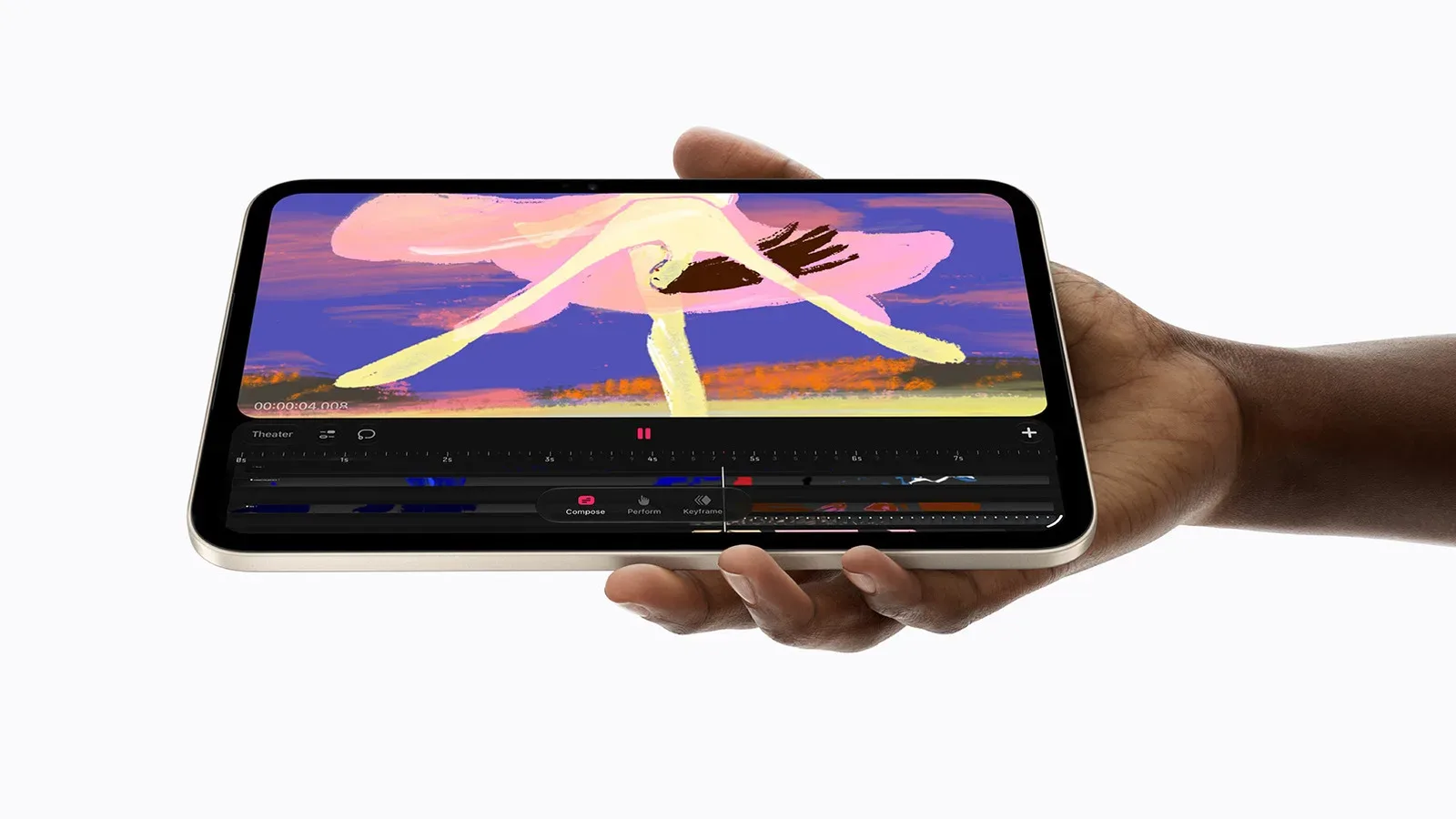
Apple’s new iPad mini is an unusually consequential refresh for a small tablet. It retains the compact identity that makes the mini distinct, but adds an OLED display, an A20 Pro system-on-chip, thinner dimensions, water resistance, newer wireless hardware and a landscape-oriented front camera. For people who use an iPad mini as a handheld gaming machine, media screen or compact creative device, those are substantial changes rather than a routine processor bump.
There is an immediate caveat: the new model starts at $699 for 128GB, an increase of $200. At the other end, a 512GB cellular configuration with nano-texture glass reaches $1,249. That dramatically changes the value conversation. This is no longer simply the least expensive way into Apple’s small-tablet format; it is a premium portable device competing for attention—and budget—with much larger hardware.
The gaming case is promising, particularly because native App Store releases include Control and Death Stranding. But prospective buyers should distinguish between a powerful chip, which can expand the machine’s headroom for demanding software, and a guarantee about every game’s performance. The supplied specifications establish a major generational upgrade, while individual game behavior will still depend on software support and optimization.
The OLED screen is the headline change
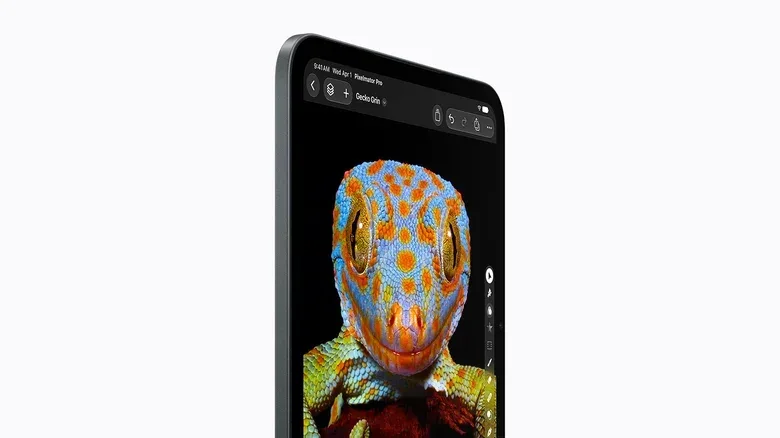
The defining hardware change is the move to OLED. The iPad mini becomes the only iPad outside the iPad Pro line identified here as using that panel technology. OLED, short for organic light-emitting diode, differs from a conventional backlit LCD because its pixels emit their own light. Practically, that allows dark parts of an image to be represented without a separate backlight shining through them. It also enables a thinner display assembly.
Apple lists peak HDR brightness of up to 1,200 nits. HDR means high dynamic range: compatible material can represent a wider span between deep shadows and bright highlights than standard dynamic range content. For games and video that support it, the benefit is potentially more pronounced highlights and richer contrast. It is also a meaningful specification for creative work involving HDR material, especially paired with continued Apple Pencil Pro support.
The changes are not solely visual. The new mini has an 8.5-inch display, with bezels said to be 24% thinner. Its body remains nearly the same height and width, but falls to 5.4mm thick and 255 grams. The preceding A17 Pro model measured 6.3mm thick and weighed 293 grams. A 38-gram reduction may sound modest in isolation, but handheld use makes weight distribution and sustained comfort more relevant than a spec-sheet comparison can convey. A smaller, lighter chassis is exactly what a compact tablet needs if it is to serve as a serious portable screen.
The older model’s listed SDR brightness tops out at 500 nits. SDR, or standard dynamic range, is the conventional display format. That does not make the old mini unusable, but it frames the scale of the display shift: this is more than a slight brightness increase. For players who regularly use their devices in brighter settings, as well as viewers of HDR content, the OLED panel is the most tangible reason to consider the new model.
60Hz remains an awkward limit
The notable missing display feature is ProMotion. The new iPad mini remains a 60Hz device. Refresh rate, measured in hertz, describes how often a screen can update each second; 60Hz means up to 60 refreshes per second. Higher refresh-rate displays can make scrolling, interface motion and suitably high-frame-rate games appear more fluid.
Apple’s hardware engineering leadership has argued that display quality is not reducible to one number, pointing to OLED’s faster pixel response time. Pixel response time refers to how quickly a pixel changes from one state to another. Faster transitions can reduce visible blur or smearing during motion. That is a valid part of display behavior, and OLED’s response characteristics can improve perceived motion clarity.
Still, pixel response and refresh rate are separate properties. A fast-responding 60Hz panel does not become a 120Hz panel. For a $699 portable device with ambitions as a capable gaming machine, that distinction will matter most to players who care about high-frame-rate action, UI fluidity or simply expect a premium tier display to include the feature. The OLED screen can be a major upgrade while the 60Hz ceiling remains a legitimate compromise.
A20 Pro performance points toward a more capable portable
The new iPad mini uses a 5-core, 2nm A20 Pro SoC. An SoC, or system-on-chip, combines key processing components in one package, including the CPU and graphics hardware. Apple says the A20 Pro offers up to 2.7 times the graphics performance and up to 4.5 times the AI workload performance of the prior A17 Pro. Those are manufacturer performance claims, not an independent test result, but the claimed leap is substantial.
Storage capacity options remain the same as on the prior generation. The 512GB version receives a further hardware distinction: an extra CPU core and a dual 16-core Neural Engine. The Neural Engine is specialized processing hardware intended for machine-learning tasks. That means the highest-capacity version is not merely a storage upgrade; it is also the more fully enabled A20 Pro configuration.
The standard versions still use the 5-core A20 Pro and are positioned as a sizable advance over the A17 Pro. Meanwhile, the new tablet is likely to have 12GB of memory, though Apple does not officially list iPad memory capacity. That point should be treated as unconfirmed. The outgoing model had 8GB of RAM. RAM is short-term working memory used while applications and system processes are active; it is separate from permanent storage capacity such as 128GB or 512GB.
Both generations support Apple Intelligence and Siri AI, but the newer hardware is expected to be better suited to more demanding on-device AI work. “On-device” means processing happens locally on the tablet rather than necessarily being sent to a remote service. The new mini also supports Apple’s most powerful on-device AI model, improved dictation and controls for Siri’s speaking pace and expressiveness. These additions may be useful beyond games, but they do not change the core buying question for players: whether they value the display, portability and processor enough to accept the price.
Small revisions with everyday consequences
Apple’s new iPad mini is its first water-resistant iPad, rated IP67. IP ratings are standardized labels for resistance to dust and water ingress. Here, the rating is tied to a redesigned audio arrangement called Acoustic Display, which removes the external speaker grilles. Tweeters sit between the glass and aluminum body, while woofers fire through the display. Apple’s claimed result is louder output with clearer treble and stronger bass.
That design has an interesting practical angle for a handheld: fewer exposed speaker openings help support water resistance, while the audio hardware is still intended to deliver a full stereo experience. The exact real-world sound character cannot be settled from the specifications alone, but the change is relevant for games and video that are played without headphones. Water resistance also adds a degree of reassurance around accidents, though it should not be confused with permission to casually expose a tablet to water.
Wireless connectivity moves to Wi-Fi 7 and Bluetooth 6. Cellular-equipped models use Apple’s C2 modem system, which the company says can provide cellular data speeds up to 50% faster. For cloud-connected gaming or downloads, better connectivity can matter, but actual speeds depend on the network connection available. It is best understood as improved capability, not a fixed speed promise.
Charging is faster as well: with a compatible adapter, the tablet can reach 50% charge in 30 minutes. Battery-life claims themselves have not changed. This is a useful distinction. Faster charging reduces downtime when power is available; it does not mean the tablet is claimed to run longer between charges.
The front camera has moved to the longer edge, which makes more sense for landscape video calls. Touch ID remains integrated into the power button. Neither is a radical redesign, but both preserve the mini’s straightforward physical approach rather than trying to turn it into a different kind of iPad.
Who the new mini makes sense for
The strongest upgrade path is likely for owners of a considerably older iPad mini who want a compact, dramatically improved display and modern performance in the same general form factor. OLED, the reduction in weight and thickness, the A20 Pro and the newer connectivity standard create a package that is plainly more ambitious than a simple maintenance update. Artists and designers who want a small Pencil Pro-compatible canvas for HDR work also have a clear, feature-specific reason to look closely.
For gaming, the pitch is equally specific. The iPad mini’s size is suited to a grab-and-go device, and the A20 Pro’s claimed graphics gains give it better credentials for demanding native releases. Native titles are designed to run directly on the device, rather than streamed from another machine. That distinction matters because the hardware’s local graphics performance has a direct role in the experience. The compact OLED display should also help games that make effective use of contrast and HDR presentation.
But there is no escaping the premium. At $699 for the entry-level 128GB model, buyers are being asked to pay substantially more than before while accepting a 60Hz refresh rate and only two color options, Midnight and Starlight. The $1,249 maximum configuration especially illustrates how far the mini can climb once cellular service capability, 512GB storage and nano-texture glass are selected.
That makes the new iPad mini less of an automatic recommendation and more of a focused purchase. It is for someone who specifically wants a small Apple tablet, values OLED enough to pay for it, and can use the A20 Pro’s extra performance for games, creative work or local AI features. Its strengths are easy to identify. So is the price barrier. Apple has made the compact iPad more capable than ever; it has also ensured that buyers will have to decide whether portability and OLED are worth paying a distinctly Pro-level sum for.
For broader Apple-platform context, see this report on an iPhone 18 Pro jailbreak persisting through an iOS 27.2 update.