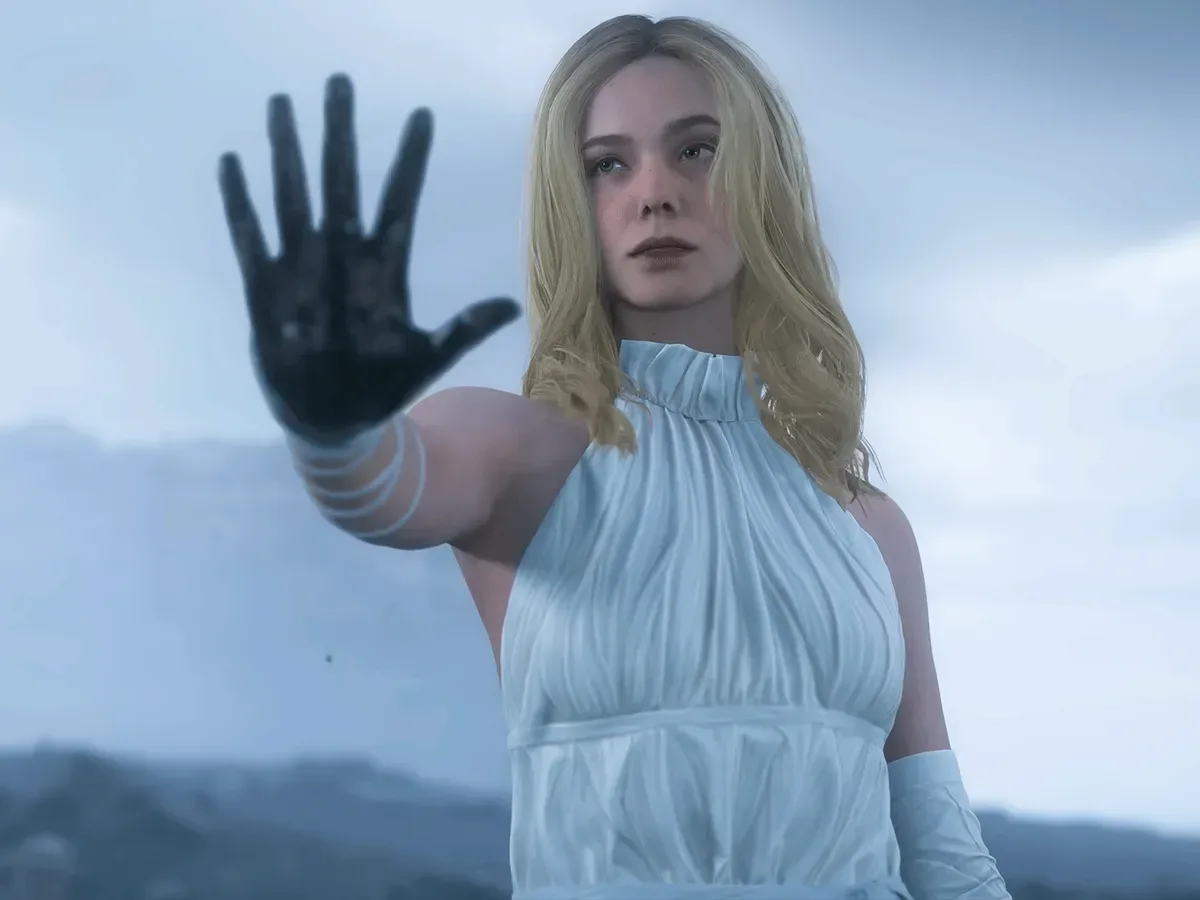
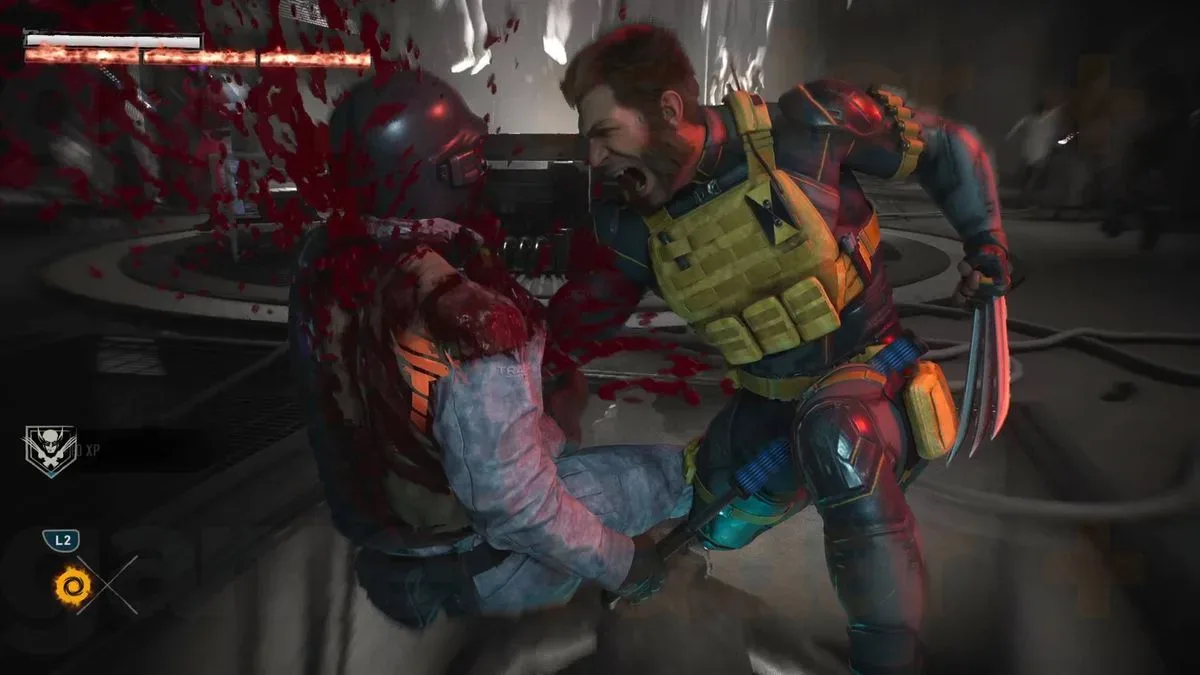
PlayStation’s current predicament is not defined by one release, one publishing deal, or one corporate course correction. It is defined by timing. On September 9, Sony reportedly stepped away from publishing Physint, Hideo Kojima’s stealth-action project from Kojima Productions. Xbox then emerged as the game’s new backer. The next day, September 10, Marvel’s Wolverine arrived to a distinctly mixed critical response—a result that may not make the game a disaster, but also does not make it the unambiguous first-party event many PS5 owners had been waiting for.
Those two moments are different in kind, yet they have become inseparable in the conversation surrounding PlayStation. One involves a future game whose scope, platform plans, business arrangement, and release window remain unclear. The other is a released game from Insomniac, a studio with an exceptional modern track record. Together, though, they sharpen a broader question: how did a platform once associated with a steady stream of prestige single-player exclusives reach a point where it can lose an anticipated Kojima project and have so much hope riding on every major launch?
The answer is unlikely to be as simple as a lack of imagination or a single executive mistake. Major publishing decisions turn on budgets, projected returns, resource allocation, ownership, risk, and long development timelines. But the visible results of PlayStation’s PS5-era strategy have left room for serious criticism. Its attempt to build a major live-service portfolio consumed time, talent, and money while producing cancellations, staffing consequences, and an uneven release slate. That context has made every disappointment feel larger—and every lost opportunity feel harder to dismiss.
Physint’s move is symbolically huge
Physint carried unusual significance before anyone had seen much of it. It was presented as Kojima’s return to stealth-action territory after the Death Stranding games, a description that inevitably invited comparisons to Metal Gear Solid. Sony and Kojima Productions also had an established relationship through the two Death Stranding titles. That did not guarantee that Sony would publish every future Kojima game, of course, but it made the reported exit from Physint particularly striking.
There is important uncertainty here. Outside observers do not know the exact financial terms, creative expectations, projected development costs, or reasons that changed the project’s publishing future. It is possible the decision was driven by calculations that are rational from Sony’s internal perspective. A platform holder has to decide not only whether a game can sell, but whether the expected return compares favorably with other investments across years of production.
Still, the optics are difficult for PlayStation. Physint is attached to one of gaming’s most recognizable creators and a genre audiences frequently associate with PlayStation history. If Xbox is now supporting it, the story becomes bigger than a routine partnership reshuffle. It reads as a rival picking up a project that PlayStation, amid a thin first-party pipeline, might have seemed especially motivated to keep close.
That is why the reaction has been so intense. Fans are not merely mourning a hypothetical exclusive. They are looking at an apparent shift in leverage and asking whether PlayStation has become too cautious about the very kinds of ambitious, personality-driven games that helped establish its modern reputation.
Wolverine did not need to be terrible to become a problem
Marvel’s Wolverine is a useful example of how expectations can distort the reception of a game. The response has been middling rather than catastrophic, but it is reportedly Insomniac’s lowest-reviewed game in roughly a decade. In a healthier and more crowded release environment, that could have been a manageable blemish: a solid but imperfect superhero release from a studio normally expected to deliver bigger hits.
Related coverage includes Sony's Physint Exit and Marvel's Wolverine Reception Deepen Questions About PlayStation Strategy.
Instead, the game has been asked to carry far more than its own design decisions. It arrived amid years of concern about the pace and variety of PS5 first-party releases. When a platform has numerous major projects regularly landing around it, one merely okay game can be treated as a curiosity. When major releases feel scarce, the same game becomes a referendum on the publisher, its studios, its greenlight process, and the entire generation.
That is not a fair burden to place entirely on Insomniac. A single game cannot repair a release schedule, reverse unpopular corporate decisions, or satisfy every audience waiting for a blockbuster. Nor does a less enthusiastic review cycle erase the work of its developers or mean that players cannot enjoy it. But the reception matters because it exposed how little margin for error PlayStation appears to have created for itself.
Other recent first-party releases have offered more encouraging signs. Saros was received well, while Ghost of Yotei was widely praised. Yet those successes have not fully quieted concerns over what comes next. Fans are looking toward projects including God of War Laufey and Intergalactic: The Heretic Prophet, hoping they deliver. A future slate built around hope is not the same as a reliable cadence of announced, dated games.
The live-service gamble has a long shadow
The central strategic issue is PlayStation’s push into live-service games. The appeal is obvious. A successful ongoing game can produce recurring revenue and retain players over years rather than weeks. The trouble is that live service is not a switch publishers can flip. It is a fiercely competitive business model demanding sustained updates, operational expertise, community trust, and an audience willing to make room for another permanent game in its life.
PlayStation attempted to build that capability by directing resources across multiple teams and by acquiring Bungie, whose experience with Destiny 2 was expected to inform the wider effort. But the result has included high-profile setbacks. Studios and staff connected to Bluepoint, Naughty Dog, Bend Studio, Firewalk, Bungie, and reportedly Guerrilla have all been touched by the strategy’s fallout in differing ways, whether through cancellations, redirection, restructuring, or projects that failed to become lasting successes.
The painful part is not simply that some live-service games did not work. Game development always includes risk, and cancellations can sometimes prevent a much worse outcome. The issue is opportunity cost. Every team redirected from its greatest strengths, every project developed only to be abandoned, and every round of layoffs or closures has consequences that persist long after a corporate plan changes direction.
Studios celebrated for cinematic adventures and focused single-player design cannot instantly produce a durable service hit just because recurring spending looks attractive in a spreadsheet. Even when a project is technically sound, there may be no available audience. The industry has repeatedly demonstrated that it can fund too many games chasing the same engagement model at once.
For PlayStation, the price of that chase may be most visible in absence: fewer finished games, fewer clear release dates, and fewer announcements with the confidence that once accompanied a first-party showcase. That absence makes the Physint story sting and makes Wolverine’s merely moderate reception feel heavier than it otherwise would.
Players are also worried about the wider value proposition
The PS5 strategy debate reaches beyond games themselves. Reports and perceptions of reduced emphasis on PC releases, physical media support, and consumer-friendly options have added to the sense that PlayStation is asking its existing audience for more while giving it fewer reasons to feel excited. Concerns over pricing are especially sensitive in a mature console market, where players have more options and a greater willingness to wait.
Physical releases remain an important part of that discussion. Discs are not only collector objects; they can preserve resale options, borrowing, ownership flexibility, and access when a digital storefront changes. The commercial argument for discs is not trivial either, as estimated disc revenue for Spider-Man 2 illustrates in the debate over PlayStation’s physical future. Reducing choice may save costs or simplify distribution, but it can also erode goodwill among the enthusiasts who buy premium hardware and day-one software.
None of this means PlayStation is without major assets. Its studios remain talented, its brands remain powerful, and PS5 still has a substantial audience. Nor is Xbox immune to the same pressures; its own reset has generated plenty of scrutiny. But strength is not permanence. A company can hold an enviable position and still make a series of moves that squander flexibility, trust, and creative momentum.
What a real correction would require
A meaningful correction would take more than announcing another slate of games. PlayStation needs to show a clearer relationship between its strategy and the types of experiences its studios make best. That does not require abandoning multiplayer or live-service work altogether. It does require avoiding the assumption that every capable studio should be converted into a recurring-revenue machine.
- Protect studio identity: Let teams with proven strengths build the games they are uniquely equipped to make.
- Set realistic portfolio goals: A smaller number of well-supported multiplayer projects is more credible than an industry-wide gold rush.
- Restore release cadence: Players need a dependable picture of what is coming, not only distant titles carrying enormous expectations.
- Preserve consumer choice: Digital, PC, subscription, and physical formats can coexist without treating one audience as expendable.
- Accept creative risk intelligently: Not every project needs service-game scale to justify investment, especially when distinctive games can strengthen the platform’s identity.
Physint’s changing publisher and Wolverine’s muted response are not identical failures, and neither alone proves that PlayStation cannot course-correct. They are, however, warning lights on the same dashboard. One suggests uncertainty around PlayStation’s willingness to back a major auteur-led project. The other shows what happens when a capable studio’s game arrives under the weight of an underfed first-party calendar.
For the remainder of 2026 and beyond, PlayStation’s task is less about winning any individual headline than rebuilding confidence. That confidence will come from finished games, stable teams, clear priorities, and decisions that make players believe the platform knows what it wants to be. Until then, every cancellation, publishing exit, pricing concern, and merely average release will continue to look like evidence of a larger strategy struggling to find its footing.