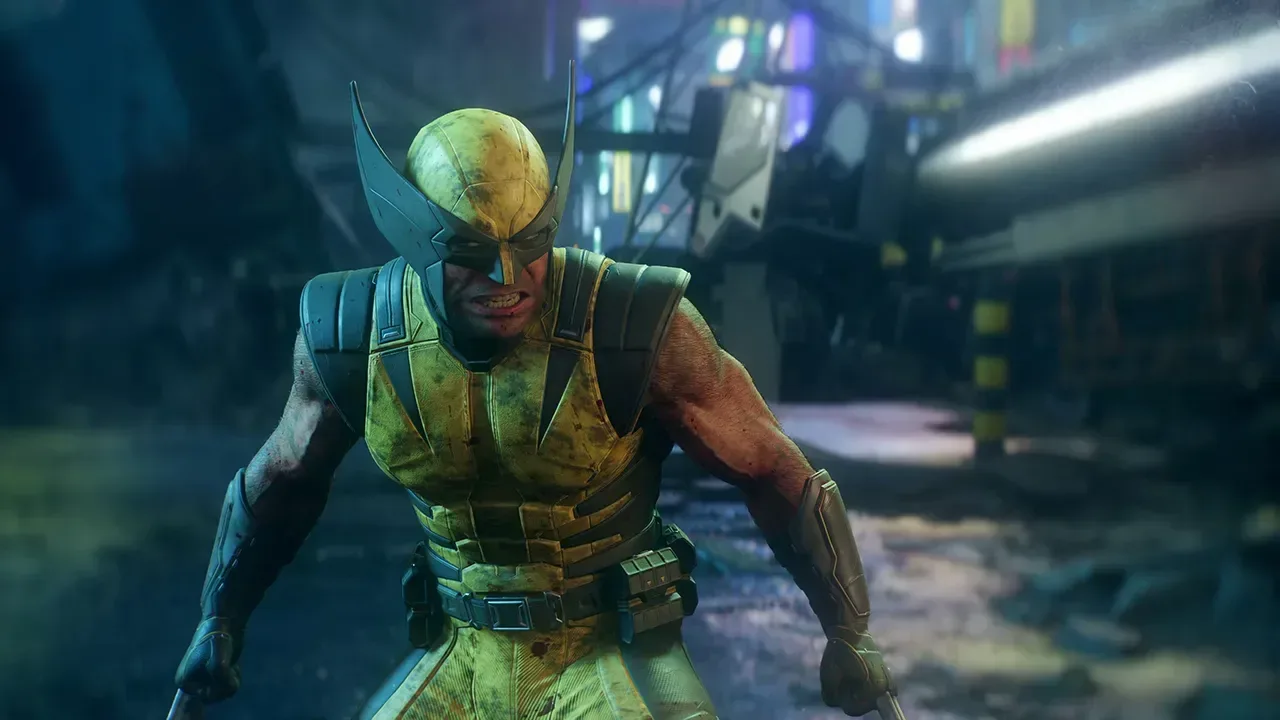
Marvel’s Wolverine arrives on PS5 on September 15, 2026, with Insomniac Games and Sony Interactive Entertainment putting one of Marvel’s most famously feral heroes at the center of a violent, chapter-driven action adventure. It is a game with some undeniable strengths: a vivid Tokyo setting, a gruesome claw-first combat style, and a recognizable cast that includes Jean Grey and Sabretooth. Yet its most exciting ideas appear unevenly distributed across the journey, leaving a capable superhero blockbuster that does not consistently feel as sharp as its hero’s adamantium.
The broad critical picture is similarly measured rather than ecstatic. As covered in our look at Marvel’s Wolverine’s 77 Metacritic standing, the game has landed in respectable territory, but without the across-the-board rapture that might be expected from a major Insomniac Marvel release. The clearest reason is that Wolverine can be genuinely compelling in its best stretch, then surprisingly plain in the spaces around it.
Tokyo gives Logan room to breathe, sniff, and slash
The standout portion takes place in a compact, semi-open district of Tokyo. Instead of simply pushing Logan down another combat corridor, this section lets him pursue leads across a dense urban area decorated with neon, storefronts, alleyways, signs, and small environmental details. It is not an enormous open world, nor does it need to be. Its strength is the sense of place: the district has layers, visual personality, and enough apparent life to make following clues feel more like detective work than an excuse to locate the next arena full of enemies.
Wolverine’s investigation tools help vary the rhythm here. Logan can follow scents, search for evidence, and take in details around the neighborhood. These quieter beats do not replace fighting, but they make the combat feel like one part of an ongoing hunt. The Tokyo chapter also has a clearer internal progression than much of the rest of the game. Each lead seems to push the player meaningfully through the area, creating a sustained sense of purpose rather than merely presenting a chain of disconnected objectives.
That is important for a character such as Wolverine. Logan has always been more than a delivery mechanism for claws and one-liners. He is a tracker, a reluctant investigator, and a survivor whose stories often benefit from atmosphere as much as spectacle. When the game gives players time to inhabit a location and connect clues, its version of Logan makes more sense. Tokyo appears to be where Insomniac’s action design, environmental storytelling, and mutant noir mood most effectively meet.
A mostly linear trip outside the neon
Elsewhere, Marvel’s Wolverine follows a stricter chapter structure. The design has more in common with a linear cinematic adventure than with Insomniac’s Spider-Man games. There may be an occasional collectible tucked into a side corner or a small fork that offers a brief choice in how to advance, but these diversions do not substantially change the route. Many early environments, in particular, are described as boxy passages built primarily to connect cutscenes and combat encounters.
Linear design is not a problem by default. Plenty of beloved action games use constrained paths to maintain tension, staging, and pacing. The issue is whether each space has a purpose beyond accommodating another fight. Here, many locations can feel like combat containers rather than memorable destinations. The flow reportedly improves after Tokyo, with intermittent increases in variety and scale, but the game continues to lean heavily on battles while offering limited contextual support for why each confrontation matters.
That contrast makes Tokyo feel even more revealing. It suggests the game has the ingredients for an absorbing Wolverine adventure when it trusts exploration, mood, and forward momentum to do some of the work. But it does not always maintain that confidence. Players looking for the breezy movement and citywide freedom of Spider-Man should adjust expectations: this is a more guided experience, one whose strongest detour is notable precisely because the rest of the road is so direct.
Related coverage includes Marvel's Wolverine Review: A Brutal PS5 Adventure That Doesn't Fully Unleash Logan.
Brutal combat that takes too long to find its flow
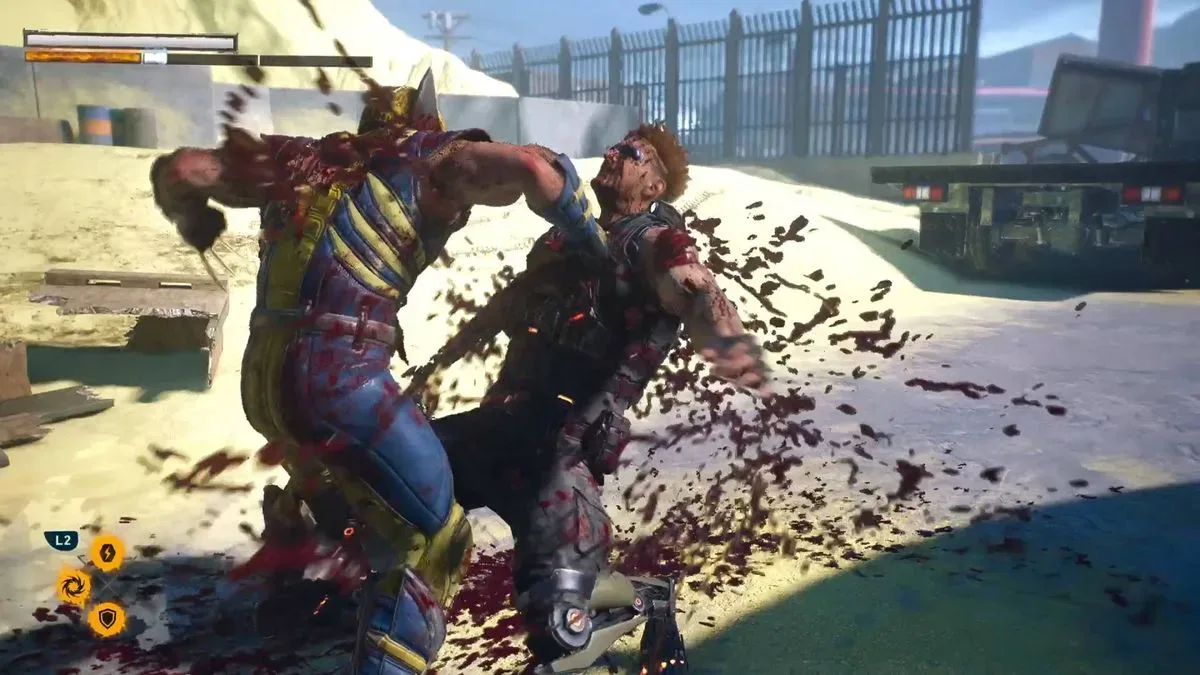
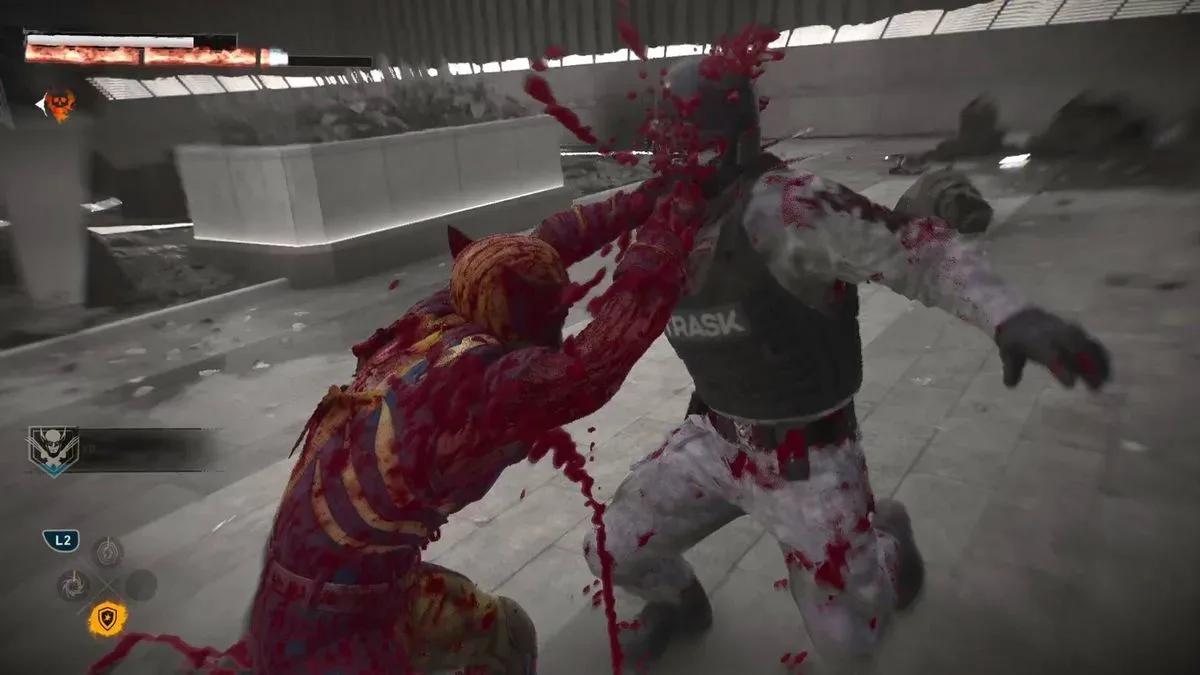
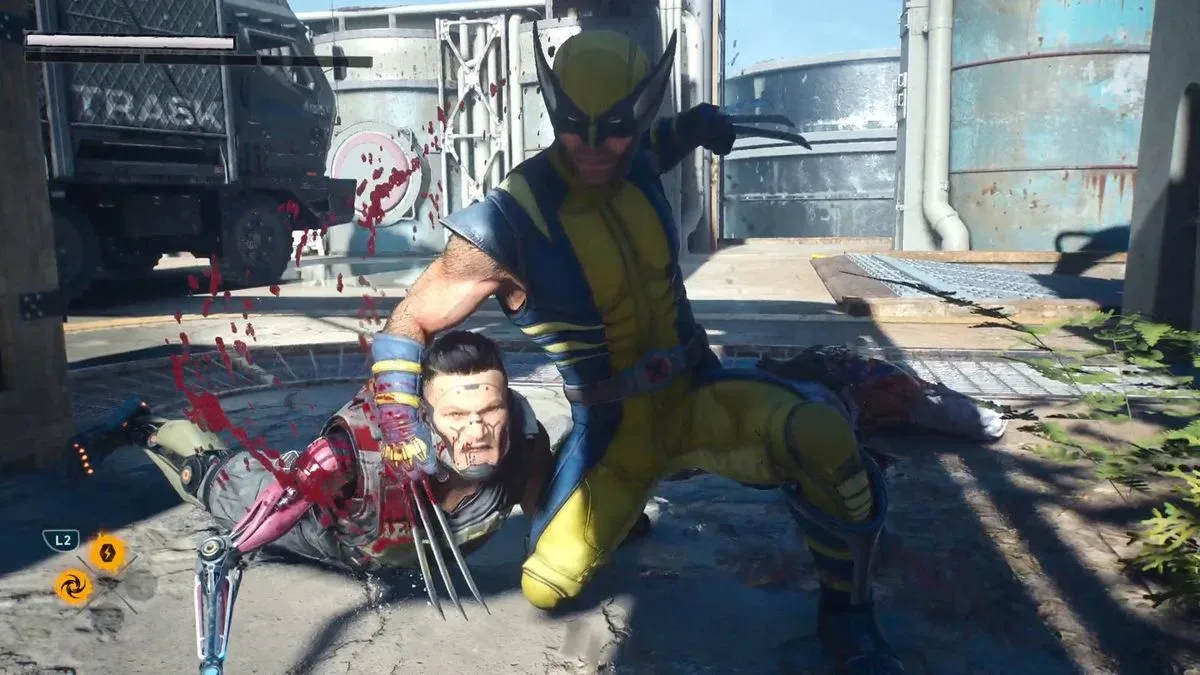
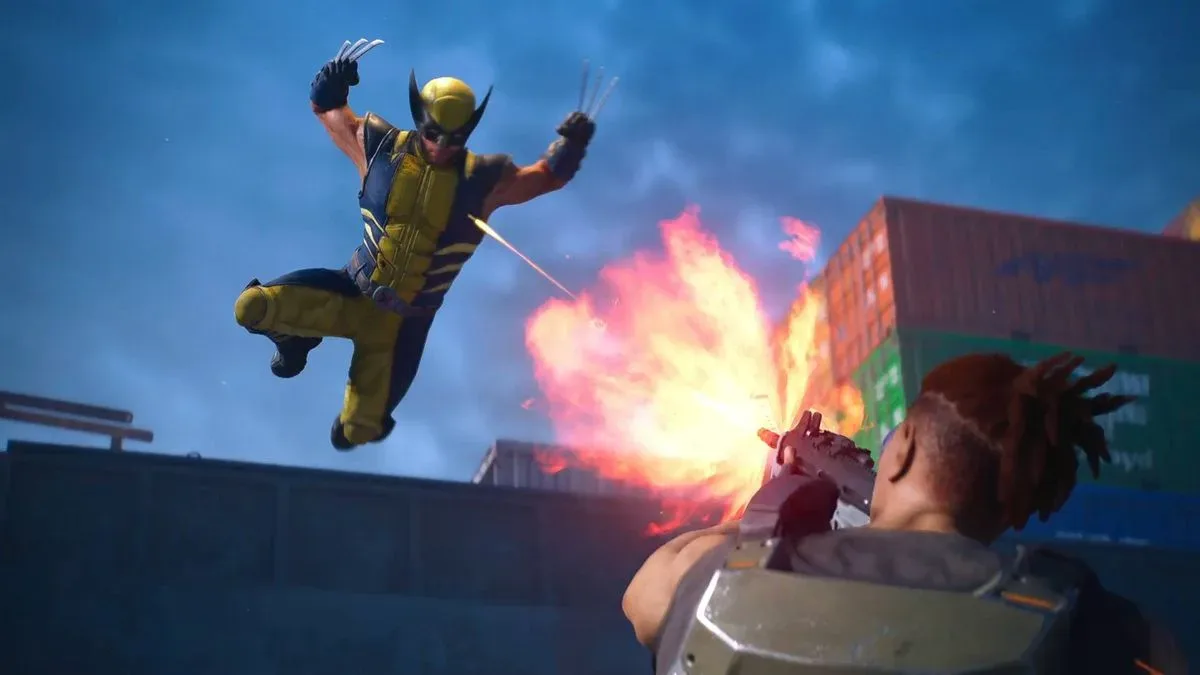
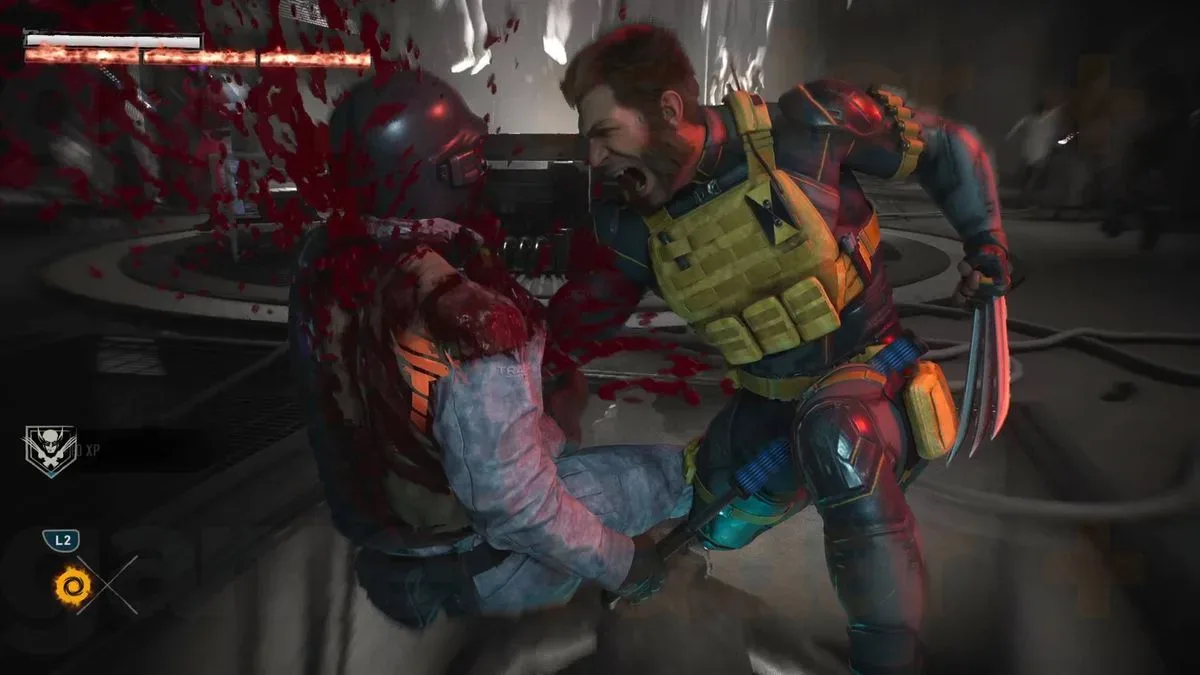
There is plenty of savage spectacle in Wolverine’s fighting. Logan has leaping attacks for closing distance, special abilities for breaking up groups or concentrating pain on one target, and an arsenal built around putting claws into places enemies would strongly prefer they did not go. The violence is intentionally graphic and fundamentally suited to the character. Enemies are cut, impaled, and mauled with an enthusiasm that distinguishes the game from cleaner, more acrobatic superhero brawlers.
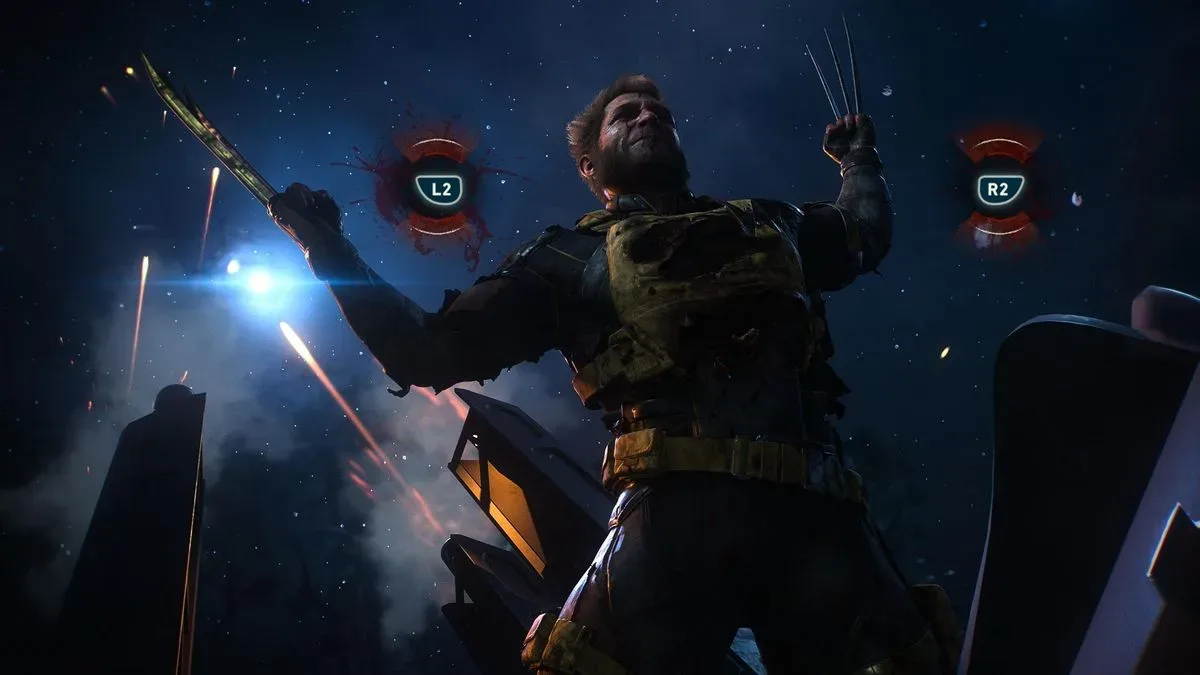
Still, a gory presentation is not the same thing as a great combat loop. Wolverine’s system is said to be functional and frequently satisfying, but it lacks the immediate, magnetic rhythm that turns a good action game into one players want to master. The central Rage mechanic illustrates the concern. Rage is split into three tiers: the first provides access to a regenerative revival when Logan is downed; the second improves damage on combo finishers; and the third increases overall damage while enabling instant-kill critical strikes against qualifying weakened, staggered, or intimidated opponents.
On paper, that is a logical escalation. In practice, its most consistently meaningful function appears to be the revival. The high-tier critical strikes depend on conditions that can make them unreliable, while important Rage improvements are tied to Adaptation perks that must be unlocked and equipped. This can make the system feel underpowered until the player has spent enough time opening up its more useful pieces.
The Techniques progression follows a more straightforward ability ladder. Experience points are plentiful enough that abilities arrive steadily through ordinary play, and the main build decision is selecting four equipped specials from a total pool of six. That approach keeps things accessible, but it reduces the degree to which players can shape their own Wolverine. Rather than producing dramatically distinct approaches, advancement often seems to deliver the tools that make the base system work more comfortably.
The multi-parry problem
One late-arriving skill is especially significant: the capacity to parry multiple incoming attacks. Before it becomes available, Wolverine can parry a single strike while remaining exposed to another enemy attacking a moment later. Since many encounters place Logan amid crowds, that limitation can make defensive play feel frustratingly incomplete. Once multi-parry is unlocked, however, the fights reportedly become far more animated, allowing a proper chain of deflections and counterattacks through a crowd.
This creates an awkward progression curve. A game can absolutely reward investment with more expressive combat options, but the distinction here is that the later skill seems less like a luxury and more like a foundational answer to the way encounters are structured. By the time the toolkit is broadly developed, Wolverine becomes more agile and engaging in battle; the question is why it took so long for the claws to feel fully sharpened.
Stealth and story both struggle with follow-through
Stealth appears only occasionally, and it is comparatively restricted. Logan automatically conceals himself in designated hiding areas rather than being given flexible control over crouching into cover, hugging walls, peeking around corners, luring guards, or choosing when to vanish. Success is more about reading the arrangement of the room and planning an order of takedowns that avoids raising suspicion. That can work as a small puzzle, but it does not sound like a stealth system with enough depth to become a satisfying second pillar beside combat.
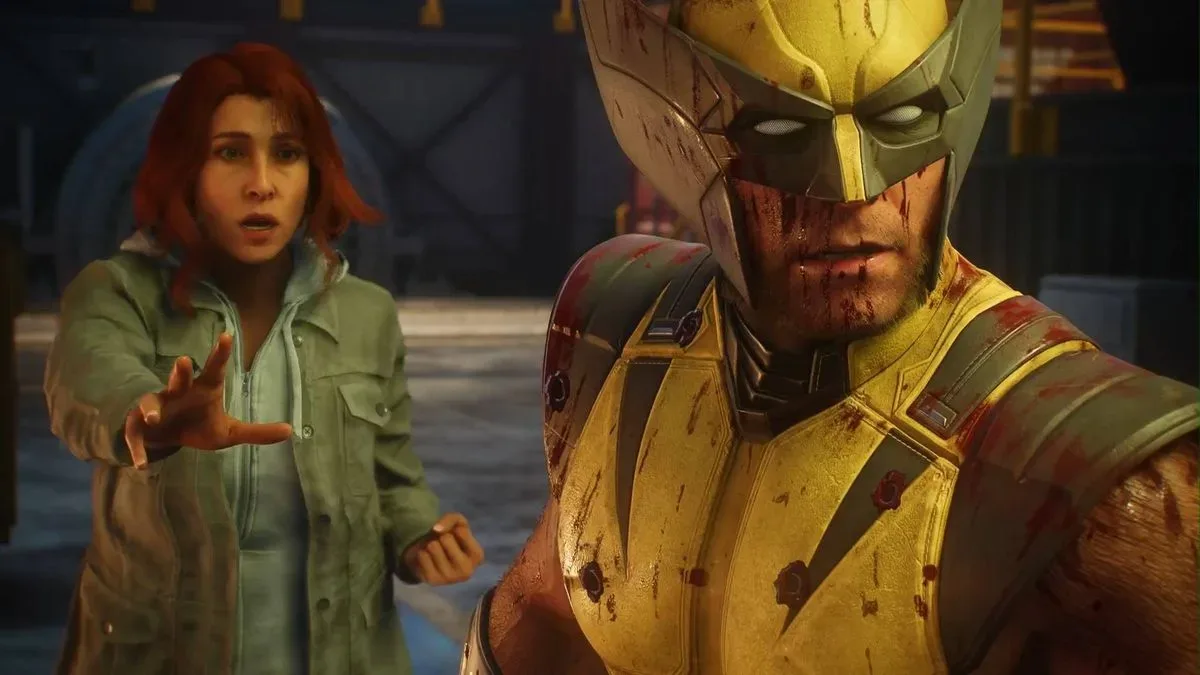
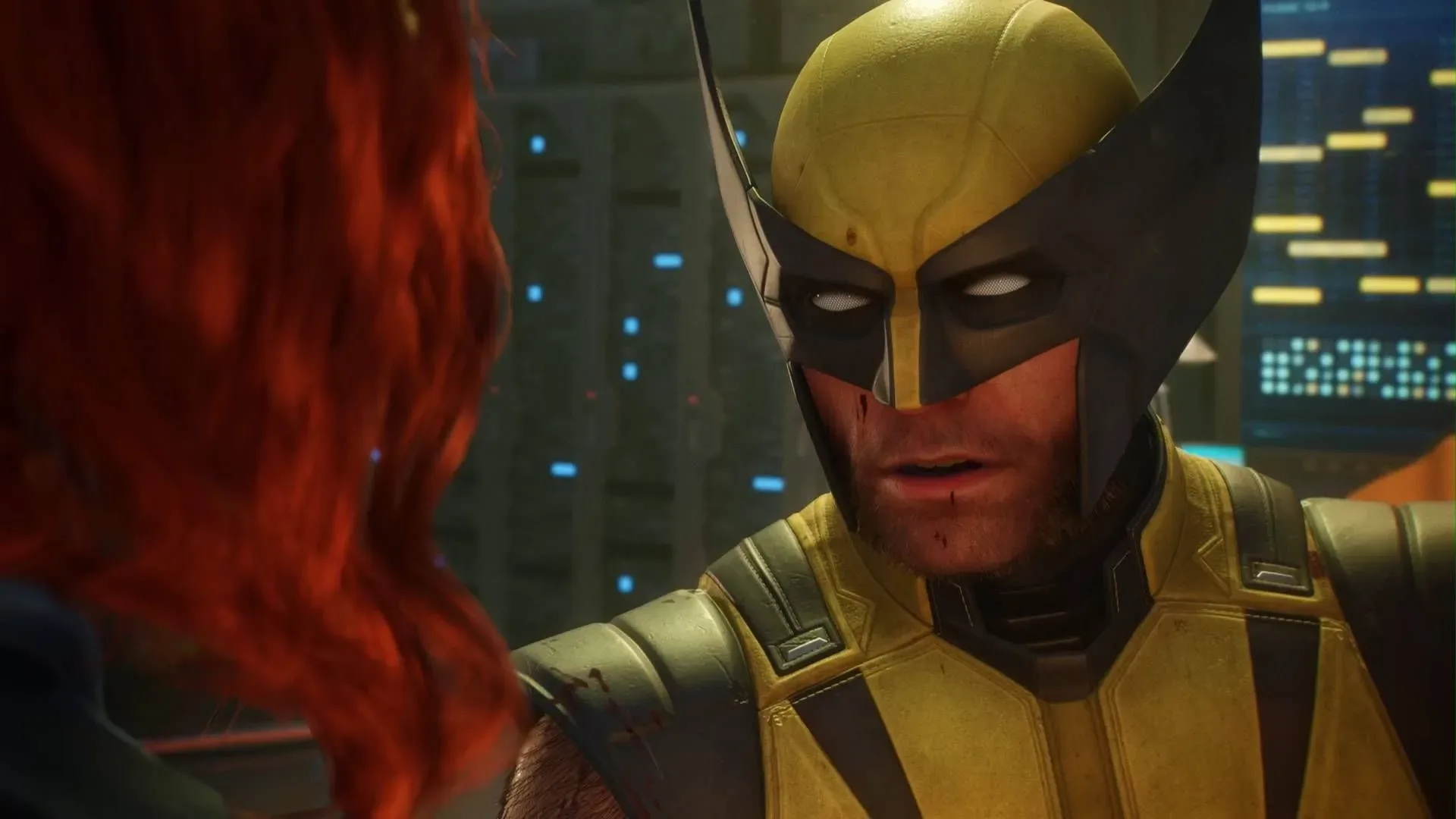
The narrative faces a similar issue of fitfulness. Wolverine includes mutant-focused themes involving fear, exploitation, and persecution, while Jean Grey and Sabretooth offer familiar connections to Logan’s comic-book history. The X-Men themselves are absent, however, because this universe does not include Charles Xavier’s team. That is a bold framework with potential: it gives the game room to explore a world shaped by mutant anxiety without relying on the entire established team.
But the plot is described as three only loosely joined sections connected by a MacGuffin whose role changes as events progress. Story elements, mechanics, and supporting figures can arrive with apparent importance, then fade away or return without much grounding. Audio diaries, for instance, are not treated with consistent emphasis. The antagonistic focus reportedly shifts repeatedly, and one of the limited enemy factions returns under different leadership later on. A minor character also becomes unusually central for a substantial segment before receding again.
None of that necessarily makes the story impossible to follow, but it can make it hard to invest in its stakes. Wolverine’s world seems to be searching for its own identity outside the familiar X-Men structure, and that search is visible in the storytelling seams.
A respectable Wolverine, not the definitive one
Marvel’s Wolverine is not portrayed as a failure. It has a strong central setting, a bloody action foundation, and flashes of exactly the kind of focused, atmospheric mutant adventure that fans may have hoped to see. The Tokyo sequence in particular demonstrates how good Logan’s journey can be when exploration, tracking, environmental detail, and combat reinforce each other.
However, the overall package is reportedly lightweight for a marquee PS5 release. Even completing all available content is unlikely to extend beyond 20 hours, and replaying missions can underline how direct many individual stages are. With combat that reaches its best state late, stealth that feels underdeveloped, and a story that has difficulty holding its components together, Wolverine ultimately lands as an enjoyable but inconsistent action game.
Logan may be known as the best at what he does. This particular outing, for all its claws, neon, and mutant drama, sounds more like an occasionally excellent hunt that stops short of becoming the definitive berserker run.