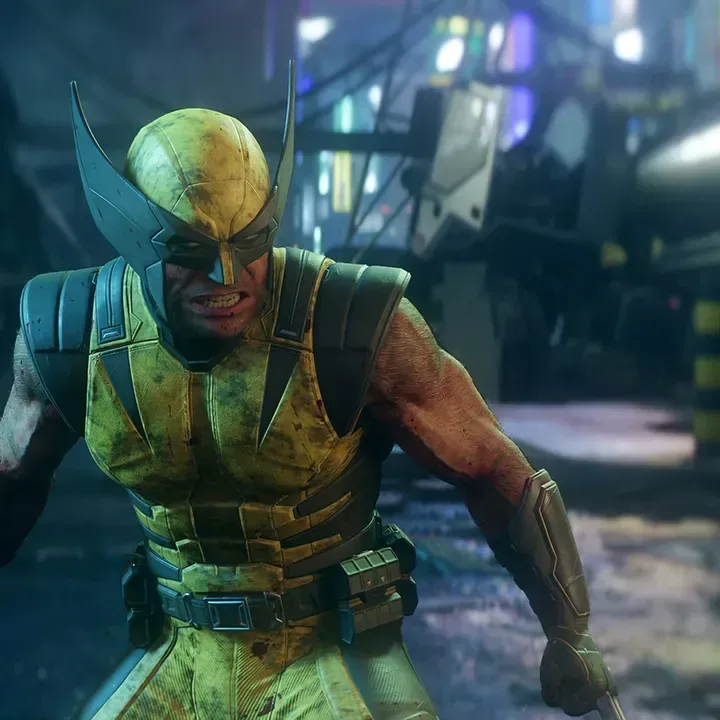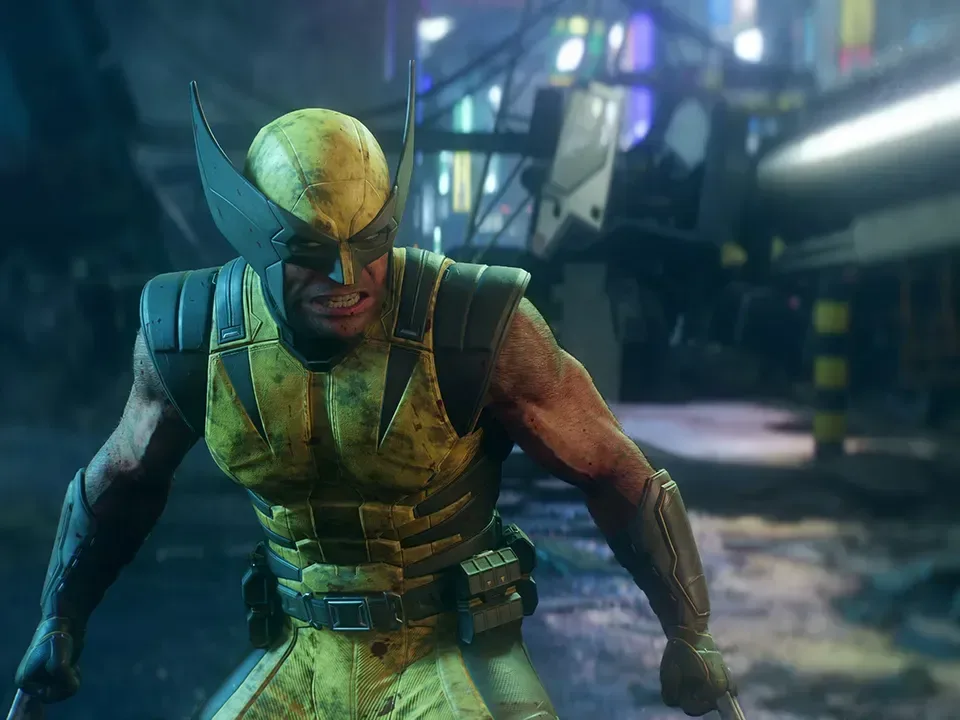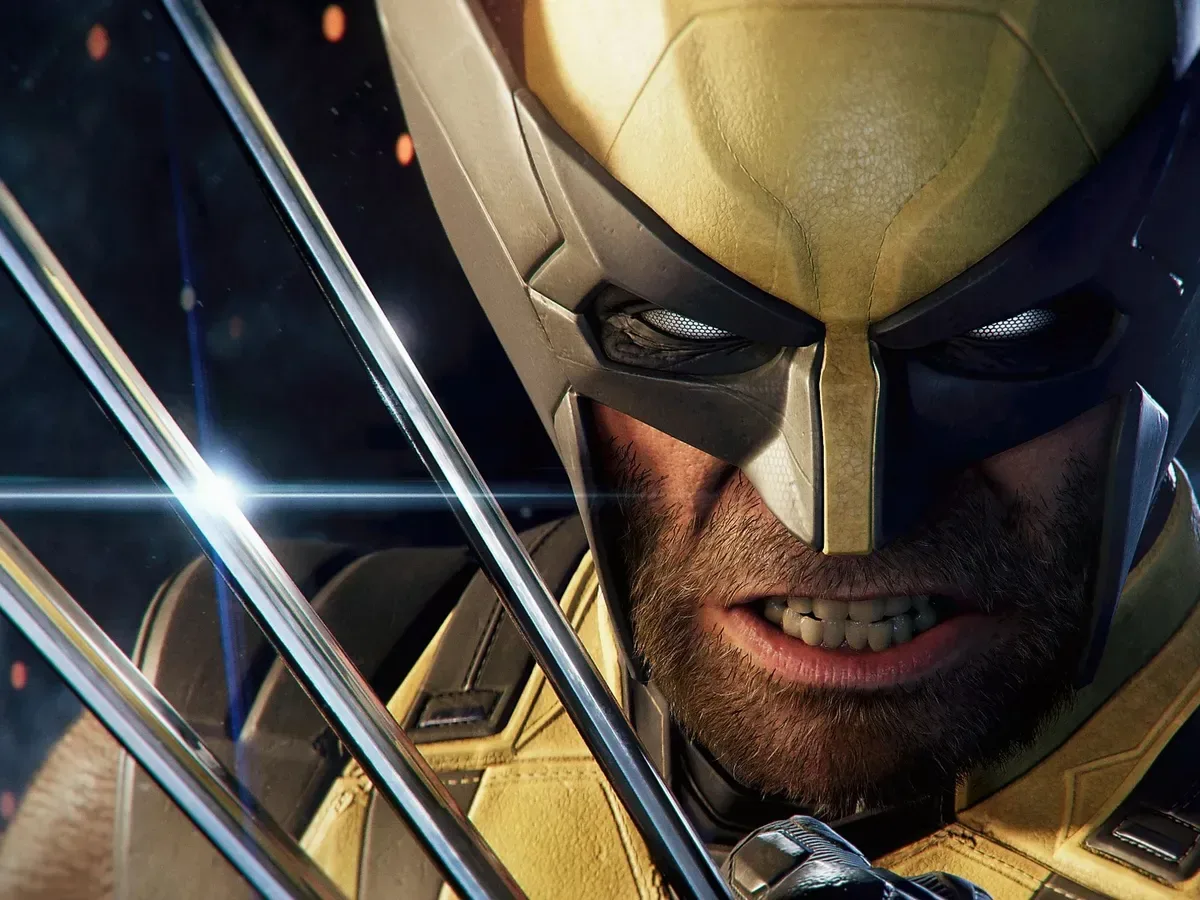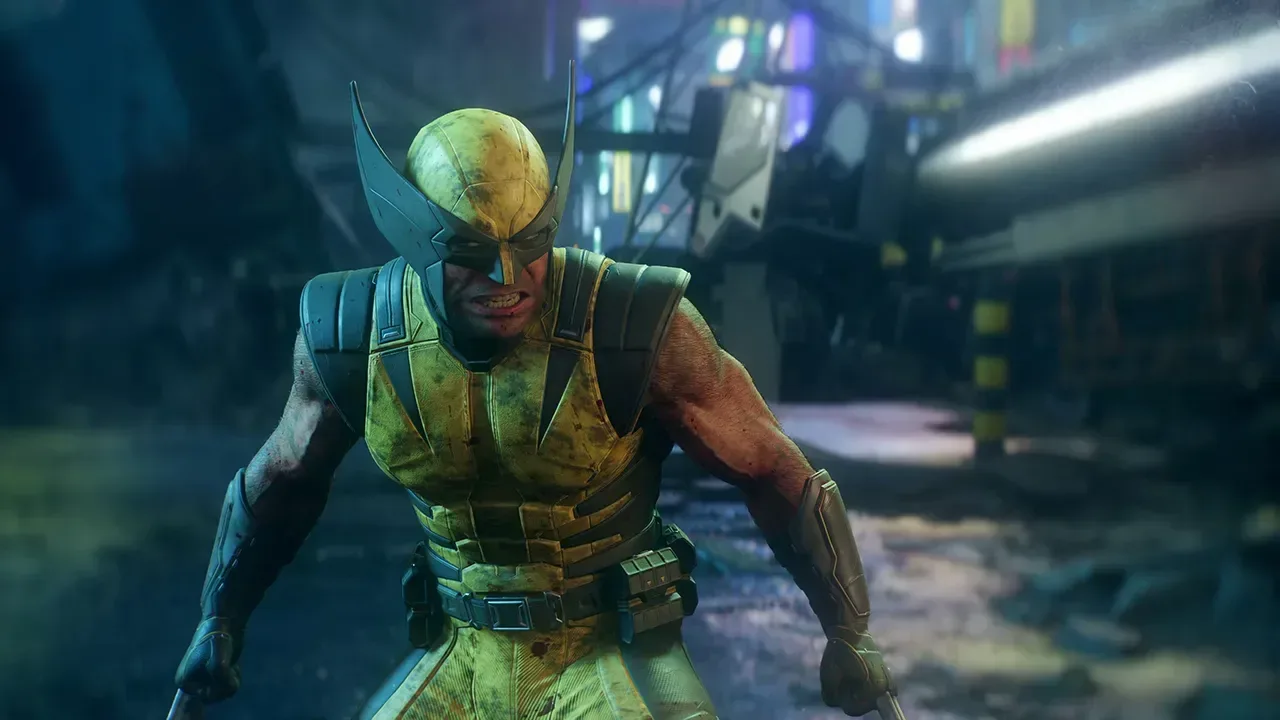
Marvel’s Wolverine puts a familiar comic-book detail front and center: Logan is much shorter than the enormous Sabretooth. That contrast is not simply a visual gag, nor is it just a matter of faithfully copying character reference sheets. Narrative director Walt Williams has explained that the scale difference was part of a wider effort to define what Wolverine and Sabretooth mean to one another emotionally.
Williams’ view is that reducing their conflict to two perpetually angry “alpha” figures would not serve the story the team wanted to tell. The rivalry may be a recognizable part of the characters’ history, but recognition alone does not explain the pain, fear, yearning, or rage behind their actions. In this interpretation, both men feel deeply; the important distinction is how each responds when those feelings become unbearable.
That framing arrives amid player discussion over whether this Logan is too restrained or “soft.” Williams’ comments offer a clear answer to that criticism: emotional openness is not intended to replace Wolverine’s rage. It is intended to give that rage a cause. The game is available exclusively on PlayStation 5.
Logan’s height is character work, not a throwaway detail
In the comics, Logan is listed at five feet three inches, while Sabretooth stands six feet six inches. That is a dramatic 15-inch gap. Marvel’s Wolverine embraces it. Rather than making Wolverine conventionally imposing by enlarging him to match the physique often associated with a blockbuster action lead, the game leans into the fact that Logan is the smaller combatant.
Williams said he pushed early for Wolverine to be about five feet tall, while praising the character team’s work on the final model and the visual contrast with Sabretooth. The result makes Victor Creed’s physical presence immediately legible. Sabretooth is not merely another muscular mutant occupying the same space as Logan. He looms over him.
That matters because games communicate story through composition as well as dialogue. Character scale is the relative physical size of figures within a scene. It can alter the player’s reading of power before anyone says a word. A taller figure looking down at a shorter opponent naturally creates a different tension than two similarly sized fighters meeting eye to eye. It does not automatically make the shorter character weak; often, it makes their refusal to back down more vivid.
For Wolverine, that dynamic is especially appropriate. His appeal is not built on being the biggest person in the room. He is feral, durable, dangerous, and hard to intimidate. Placing him beneath Sabretooth’s sightline lets the game stress the defiance in that identity. Logan does not need to look large to be formidable.
The decision also respects a point longtime readers have frequently raised: Wolverine’s shorter stature is a defining characteristic, not a minor inconsistency to be smoothed away. A comic adaptation does not need to treat every measurement as sacred, but here the measurement supports both recognizable design and dramatic intent. Fidelity and storytelling are pulling in the same direction.
Why the actor’s real-world height created a technical challenge
The height difference became more complicated in performance capture. Logan’s actor, Liam McIntyre, is six feet one in real life—far taller than the version of Wolverine he portrays. Developers therefore had to account for the mismatch between an actor’s body and a digital character’s proportions.
One adjustment involved sightlines, the direction a character appears to look in a scene. Sabretooth and other characters needed to look downward toward Logan, while Logan needed to look up toward them. That may sound minor, but eyelines do substantial narrative work. If the wrong character is looking up or down, the intended physical relationship can disappear, and a scene’s staging may feel subtly off even if viewers cannot immediately identify why.
It is a useful reminder that motion capture is not a one-to-one transfer of a performer’s physicality into a game model. Performance capture records acting data, but artists and animators still shape that data for the proportions, camera language, and movement rules of the fictional character. In this case, preserving Logan’s comic-book stature required a deliberate adjustment instead of simply inheriting McIntyre’s height.
The effort is particularly meaningful when Sabretooth is involved. Williams singled out Brett Gipson, Sabretooth’s voice and motion-capture performer, for having an enormous presence during production and for delivering his favorite interpretation of the character. A large character model, a looming eyeline, and a performer’s forceful presence all work toward the same effect without being interchangeable. The model establishes the image; the performance gives it life.
Williams sees Sabretooth as Wolverine’s dark mirror
The more revealing part of Williams’ explanation is not about inches or animation staging. It is his description of Sabretooth as a “dark mirror” to Logan.
A dark mirror is a storytelling counterpart who reflects traits found in the protagonist but expresses them in a more destructive, frightening, or morally compromised way. The device is powerful because it makes a villain more than an obstacle. The antagonist becomes evidence of a path the hero might take, or a distorted version of feelings the hero already carries.
Williams argues that Sabretooth cannot merely be furious because the old Wolverine-versus-Sabretooth setup demands it. If the game asks players to understand the depth of Logan’s emotional journey, then Sabretooth must have emotional depth too. Both characters can experience yearning, tenderness, and loss. The divide is their response.
In Williams’ description, Logan’s yearning can frighten him into pulling away. Sabretooth’s sense of hurt instead drives him to strike outward and impose that pain on others. This is not a claim that the two characters are equally sympathetic or equally responsible for what they do. It is a claim that cruelty is more dramatically meaningful when it comes from an identifiable internal wound rather than a blank appetite for conflict.
That distinction is crucial to the debate about Wolverine’s anger. Williams characterizes anger and rage as responses, often connected to loss or to the perception of loss. Put simply, rage is not being treated as an entire personality. It is a reaction, perhaps irrational at times, to something missing or threatened.
For an action game, that approach can make violence and confrontation carry more narrative weight. The supplied details do not establish how every encounter is structured, nor do they tell us how individual scenes play out. But they do make the creative principle clear: Wolverine’s fury is meant to be understood in relation to vulnerability rather than presented as a self-sufficient spectacle.
“Soft” is not the opposite of angry
The online argument over a supposedly softer Logan rests on an assumption worth questioning: that a convincing Wolverine must display rage constantly and without complication. Williams’ account rejects that premise. A character who experiences fear, grief, attachment, or tenderness is not less capable of rage. Those emotions can be precisely what makes the rage comprehensible.
There is also a difference between a character being emotionally expressive and a story excusing everything that character does. Williams’ comparison between Logan and Sabretooth depends on their choices diverging. Both may recognize loss; one withdraws, while the other lashes out. The shared feeling does not erase the ethical and personal consequences of their different behavior.
That creates a potentially richer conflict than simple dominance theater. A rivalry based only on who is tougher, louder, or more violent can establish spectacle quickly, but it risks flattening both sides. A rivalry based on similar wounds expressed through opposing instincts can make every clash feel like more than a repeat of an established grudge.
It is also why the height contrast works beyond surface-level accuracy. Sabretooth’s mass and proximity can externalize the threat Logan faces, while their emotional connection makes that threat personal. Victor is physically larger, but he is also framed as a warped reflection of feelings Logan has not escaped. The conflict works on the level of bodies in space and on the level of character psychology.
A comic adaptation can preserve details while interpreting them
Adaptation is often mistaken for a choice between exact replication and wholesale reinvention. Marvel’s Wolverine illustrates a more useful middle ground. The game keeps the conspicuous physical disparity between Logan and Sabretooth from the comics, then assigns that visual fact a specific role in its own dramatic language.
Preserving Logan’s height is not only an easter egg for readers who know his listed measurements. It shapes camera framing, eyelines, perceived intimidation, and the feeling of a confrontation. Meanwhile, Williams’ explanation of the pair’s bond gives the familiar rivalry an emotional logic tailored to this game’s version of the characters.
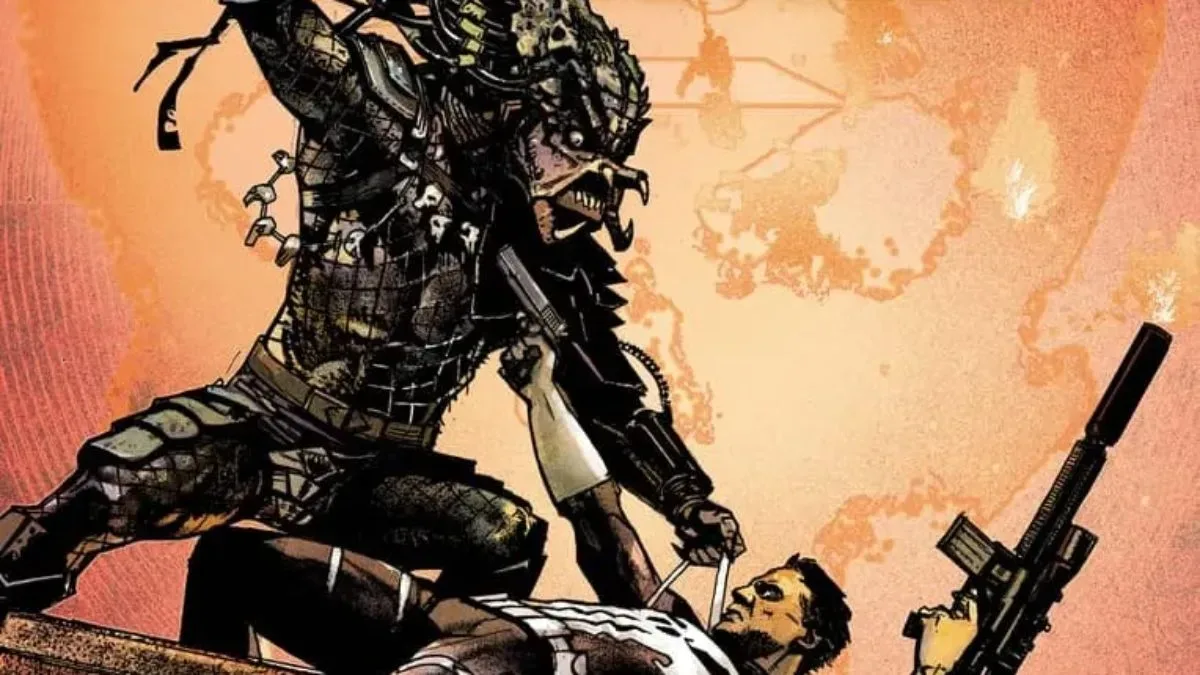
That is the practical value of source-aware adaptation: use the features that matter, understand why fans care about them, and make them do narrative work rather than leaving them as decoration. Readers interested in how comic characters are continually placed in new genre collisions can also look at Predator Vs. Punisher #1, another example of established comic identities being built around a particular conflict premise.
For Marvel’s Wolverine, Williams’ comments clarify the intention behind two elements now drawing attention: a shorter Logan and a more emotionally examined feud with Sabretooth. The character is not being defined as less angry. Instead, the game aims to show that anger has a source—and that Sabretooth’s most frightening quality may be how recognizably he reflects Logan before taking those feelings somewhere darker.