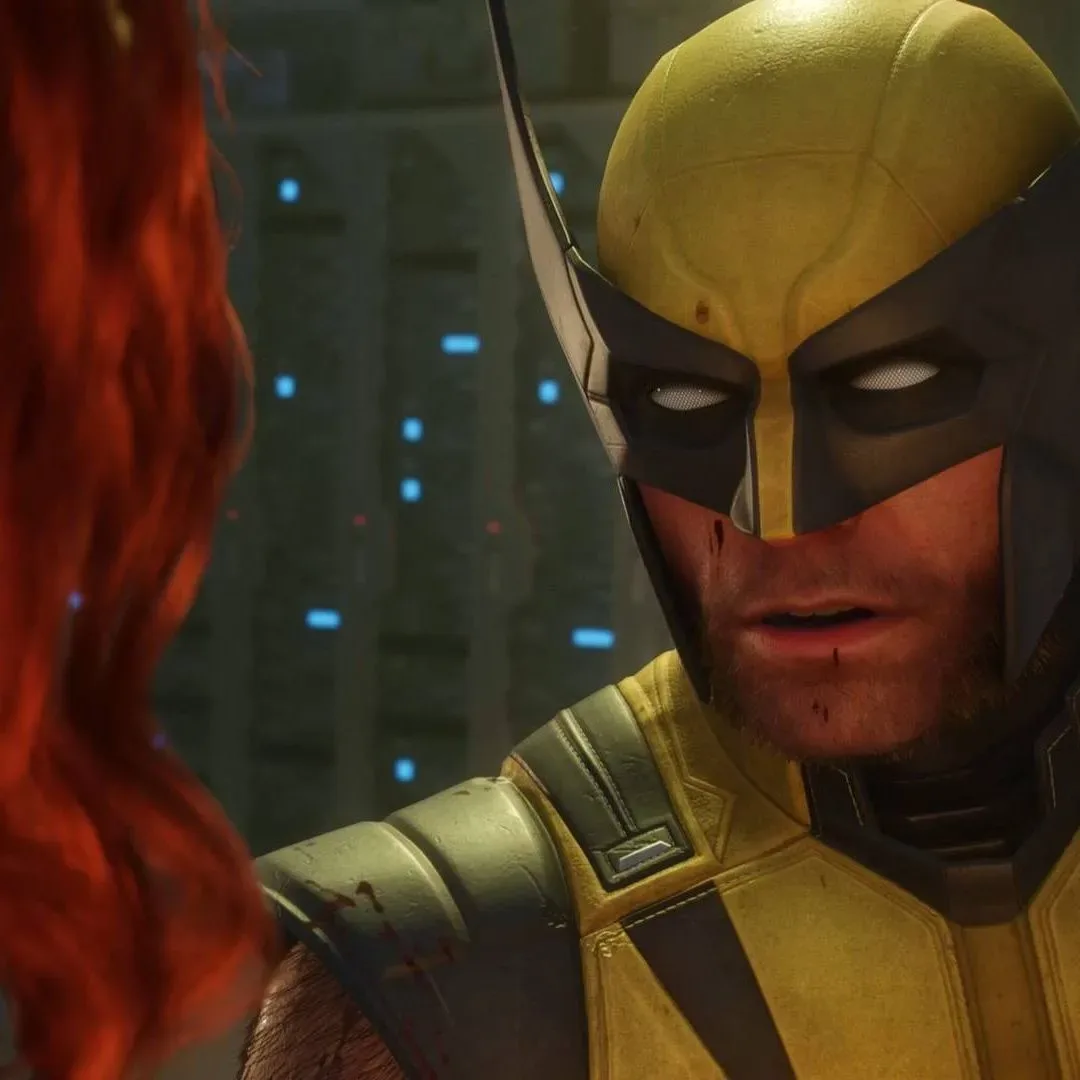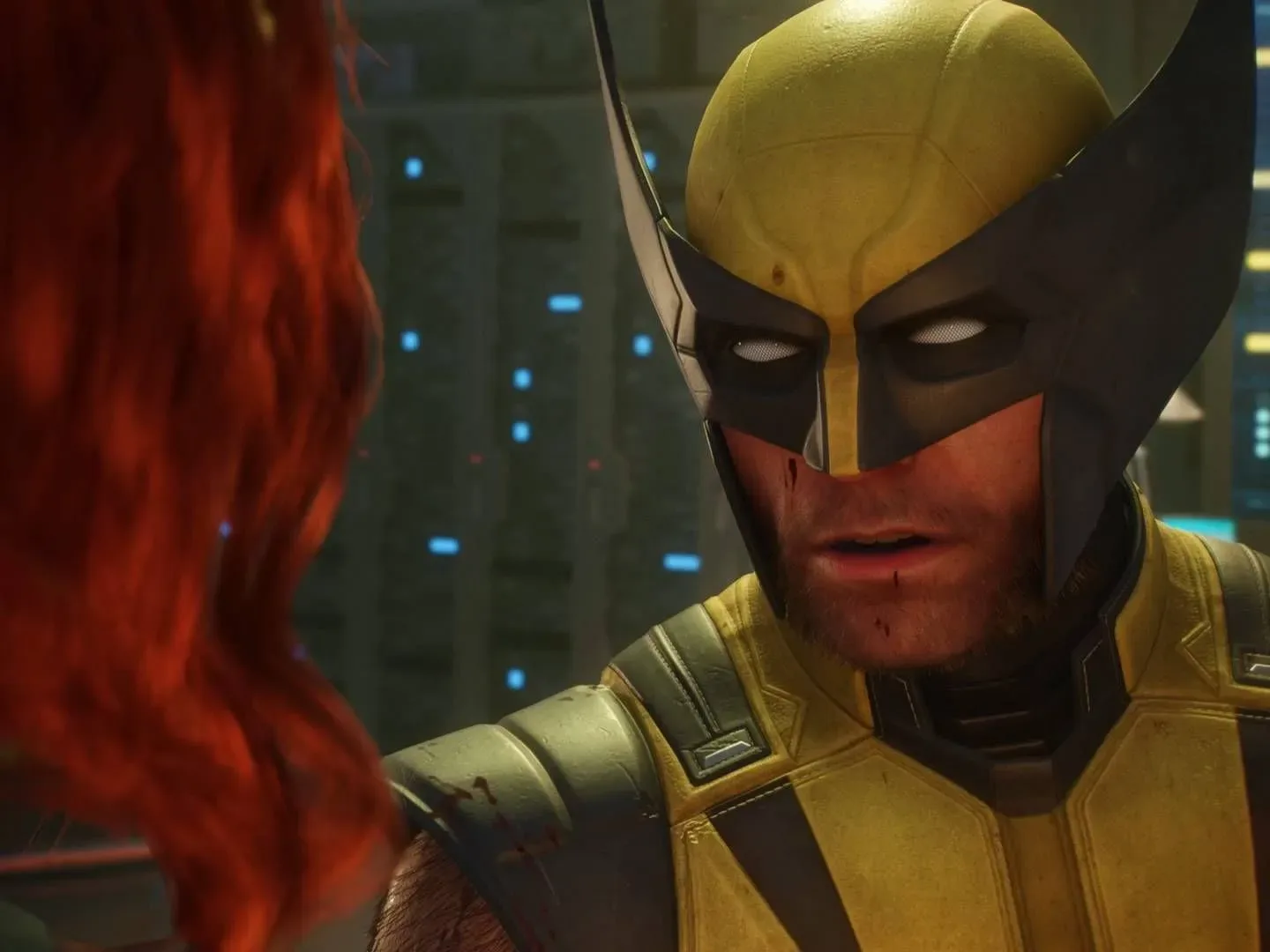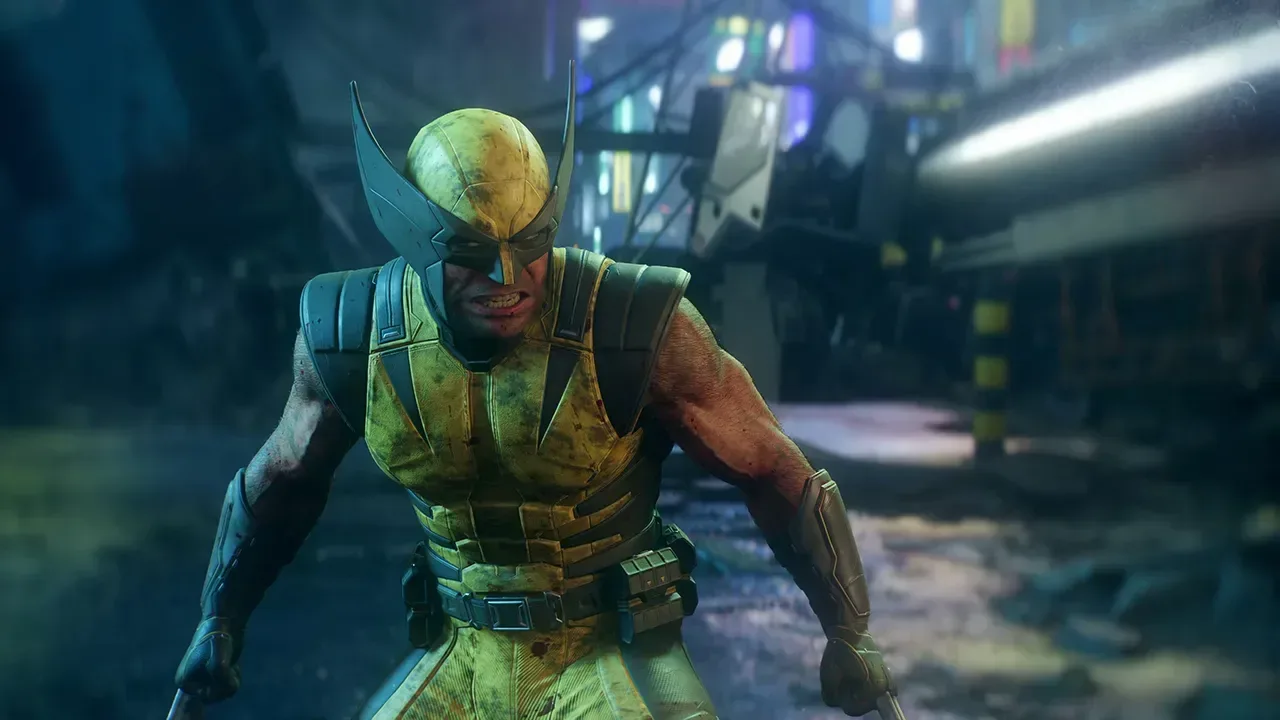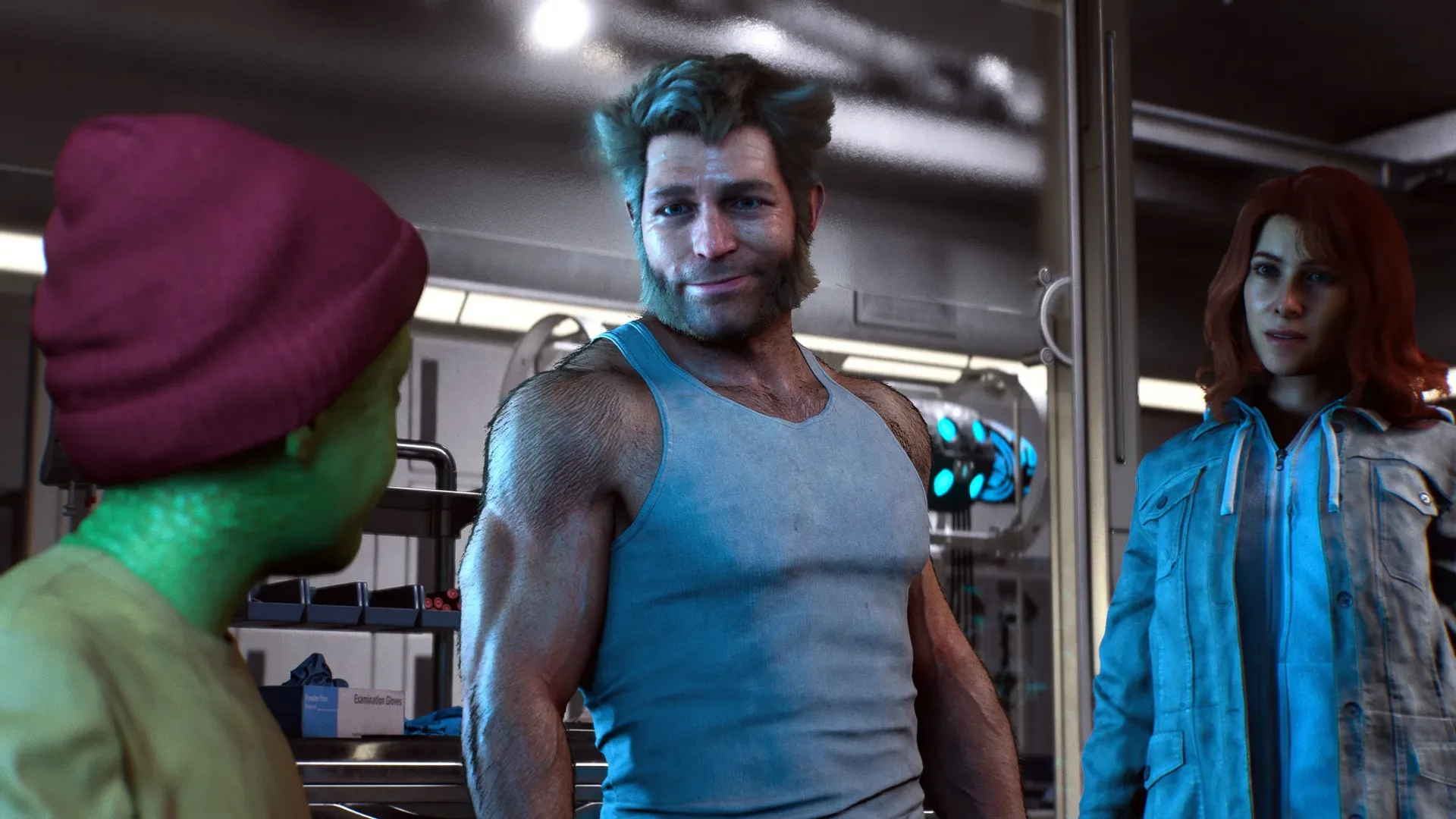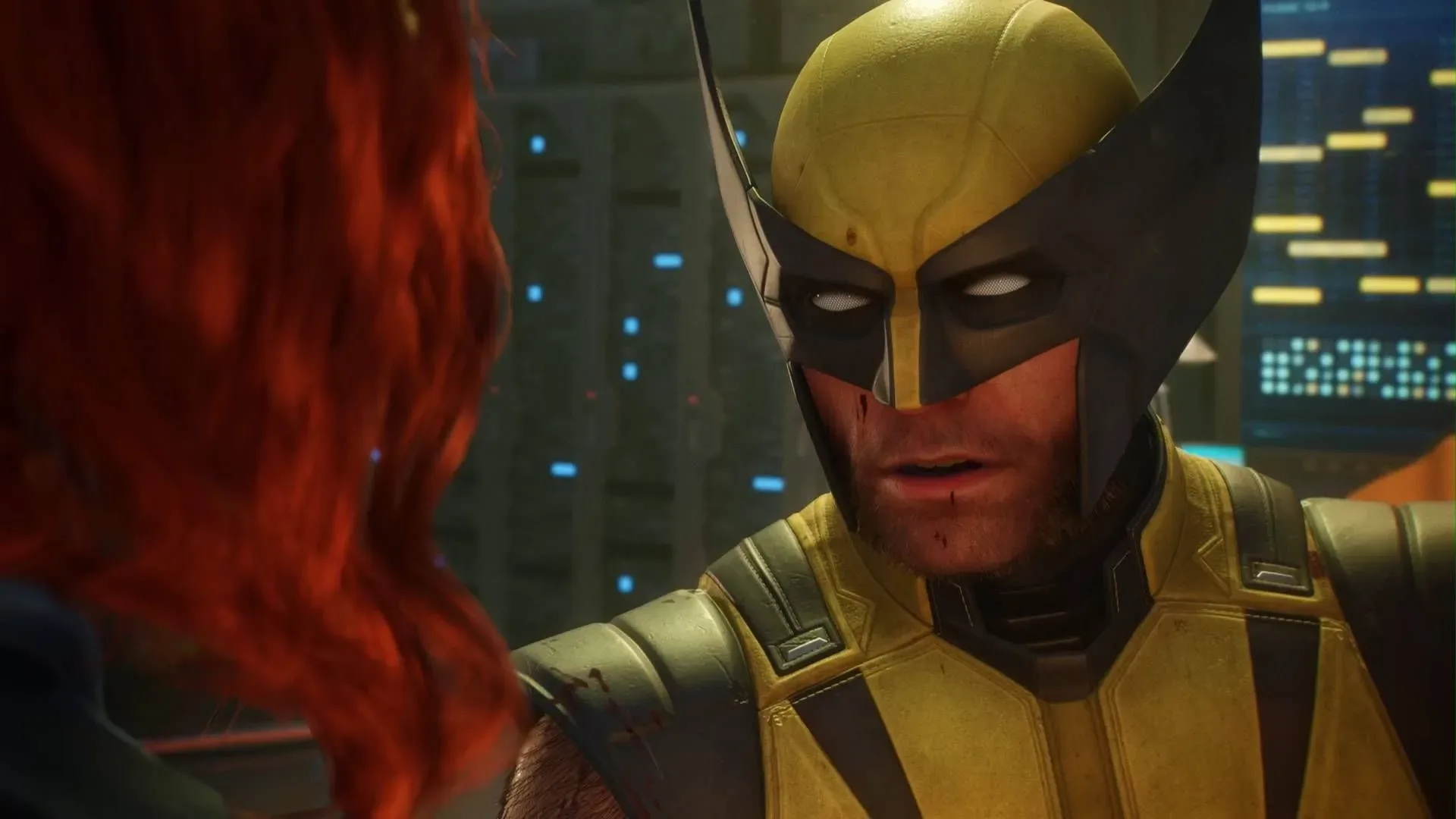
Marvel’s Wolverine is currently sitting at 77 on Metacritic, a result that places Insomniac Games’ latest superhero project in the broadly positive zone without making it the kind of universal PS5 showcase its pedigree might have led many players to expect. The number can still move as additional assessments are added, but the early picture is clear enough: this is not being framed as a disaster, nor is it landing as an instant first-party giant.
That middle ground can be a strange place for a game starring Wolverine. Logan is not exactly known for politely occupying the center of a room. He tends to arrive through a wall, make an emphatic point with six claws, and leave furniture reconsidering its life choices. Yet the response so far describes a game with worthwhile fundamentals—especially combat and lead performances—but noticeable limits in narrative cohesion, combat development, and overall scope.
For players trying to decode what a 77 actually means beyond the ritualized scoreboard refresh, the useful answer is simple: early critical opinion sees strengths worth appreciating, but not enough consistency or ambition to put the game alongside Insomniac’s most acclaimed work. It is a respectable opening, though “respectable” is not necessarily the word people were sharpening their adamantium expectations for.
What the early reception is praising
The most encouraging part of the early reaction is that the central action appears to have a solid foundation. A Wolverine game needs combat that sells the character’s physicality, aggression, and close-quarters style. The available commentary indicates that the fighting succeeds at establishing that baseline. That matters enormously: if the claws did not feel convincing, the conversation would be less about a moderate review average and more about an emergency meeting in the Danger Room.
Lead-character performances have also received positive attention. Strong performances cannot solve every structural issue in an action game, but they can give a familiar comic-book figure weight and help the story’s more effective scenes land. Wolverine has decades of history across comics, animation, film, and games, so the character brings an unusually large set of expectations. A capable performance is not a bonus feature in that context; it is part of the essential equipment.
The game’s relatively contained length has been described as roughly 10 to 15 hours. That is not automatically a drawback. A focused campaign can be an advantage when every mission introduces a fresh wrinkle, escalates its systems, or pushes the characters into sharper territory. Plenty of memorable action games avoid becoming gigantic maps full of icon-chasing cardio. The issue raised by the early reception is not simply that Wolverine is shorter or smaller than some modern first-party releases. It is that its key ideas may not evolve enough across that running time.
There is also an important distinction between a game that is limited by design and one that feels limited in execution. The first can feel focused. The second can feel as if it has shown its best card too early, then asks everyone to admire the card for several more hours. Early commentary suggests Wolverine risks the latter problem, with combat reaching a high point before the campaign has finished finding new ways to build on it.
The concerns: story, progression, and a sense of scale
The most repeated reservations center on the story’s inability to fully come together. Narrative momentum is especially important in a character-driven superhero game because it gives every encounter a reason to exist beyond the immediate spectacle. Wolverine stories often work best when his rage, memory, morality, and relationships pull in competing directions. If those dramatic elements do not connect cleanly, even effective action can begin to feel detached from the larger journey.
Related coverage includes Marvel's Wolverine Review Scores Settle Into a Solid, Not Spectacular, Range.
Early assessments also point to combat that peaks too soon. That does not mean the fighting is poor; in fact, the positive comments about its foundation argue the opposite. The criticism is more about the arc of the system. Great action games tend to keep changing the conversation with the player: new enemy pressures, new tactical demands, upgrades that meaningfully alter decision-making, or encounters that ask the player to re-evaluate familiar abilities. When that progression flattens, a good first impression can gradually become repetition.
Scope is the other major sticking point. Modern PlayStation-exclusive releases are often measured not only by polish but by scale, spectacle, technical confidence, and the feeling that they have been built as major events. That expectation can be unfair to a deliberately compact game, but it is still part of the environment Wolverine enters. Early reviews reportedly find the adventure more restricted than many contemporary first-party PlayStation games, which makes its smaller footprint harder to dismiss as merely a stylistic preference.
None of this proves that every player will have the same response. Aggregate scores describe a critical pattern, not an iron law engraved on a Sentinel’s forehead. The 77 includes more enthusiastic takes as well as more reserved ones. Players especially interested in Wolverine, direct action combat, or a shorter superhero campaign may find that the qualities being praised are precisely the ones they value most. On the other hand, players hoping for an expansive blockbuster that continually raises the stakes may want to calibrate their expectations.
Why the number stands out for Insomniac
The 77 is notable because it is currently described as Insomniac’s lowest Metacritic result for an original game since 2016’s Song of the Deep, a smaller-scale experiment from the studio. That comparison should not be read as a declaration that Wolverine has suddenly turned Insomniac into a studio in crisis. A single aggregate score cannot carry that kind of dramatic weight, and it certainly cannot erase years of successful releases.
Still, context explains why people are lingering over the result. Insomniac’s recent identity has been closely associated with the highly regarded Marvel’s Spider-Man games. Earlier work such as Sunset Overdrive and entries in the Ratchet & Clank series also established a strong reputation for energetic action, accessible systems, and polished presentation. Against that history, a review average in the high 70s feels less like a calamity and more like an unexpected low gear.
That is a different kind of disappointment than a bad game. The available reaction characterizes Wolverine as generally enjoyable rather than broken, unplayable, or devoid of merit. The gap is between “enjoyable” and “essential.” For a studio with a long run of prominent successes and for a character as culturally durable as Wolverine, that distance becomes highly visible.
A PS5 release carries more pressure than usual
The response also lands in a wider discussion about the cadence of big first-party PlayStation games. Such releases are perceived as comparatively infrequent, and that scarcity changes how each one is judged. When audiences expect only a limited number of major, high-budget single-player experiences in a year, every project is asked to do more than entertain. It is also expected to demonstrate why the platform’s release schedule matters.
That burden is not entirely fair to any individual game. Not every exclusive must be a generation-defining monument with a map the size of a minor continent and enough skill trees to shade a small town. But scarcity creates a spotlight. A merely solid release can feel more consequential when there are fewer comparable releases arriving around it.
The broader schedule is hardly empty, of course. The crowded fall 2026 gaming calendar shows how much attention is already being contested by major games and events. In that environment, Wolverine’s early reception may affect the conversation around it more than it would during a quieter period. A 77 does not remove a game from consideration, but it can change the pitch from “must-play showcase” to “know what you want before you unsheathe the claws.”
What players should take from the early reviews
The fairest read of the current situation is cautious rather than theatrical. Marvel’s Wolverine has received an early Metacritic average of 77, and that figure may change as the review pool grows. The critical throughline points to satisfying combat basics and well-regarded leading performances. It also points to a story that does not fully gel, action that may not keep expanding after its strongest early moments, and a scope that feels narrow beside the biggest modern PlayStation productions.
That package will be enough for some people. A compact, character-forward action game with a capable combat core has a real audience, especially for fans who would rather have a concentrated campaign than an enormous checklist dressed as a wilderness expedition. But the reception suggests the game may not satisfy those seeking Insomniac at its most inventive or another instant benchmark for PS5 superhero games.
In short, Wolverine appears to have arrived with sharp claws and uneven follow-through. The foundations are there. The question raised by the early reviews is whether those foundations become a full-blown berserker rush or remain a good, sturdy room with a few doors that never quite open.