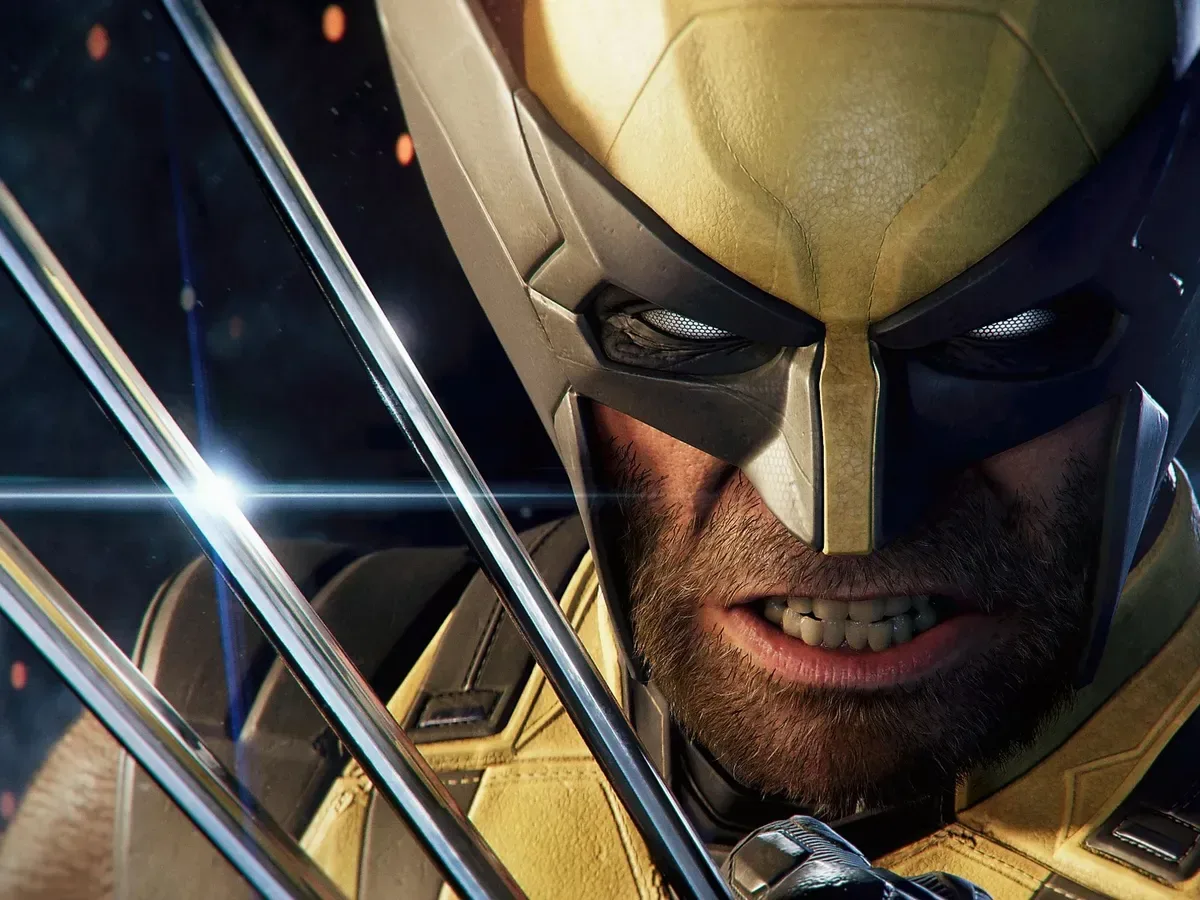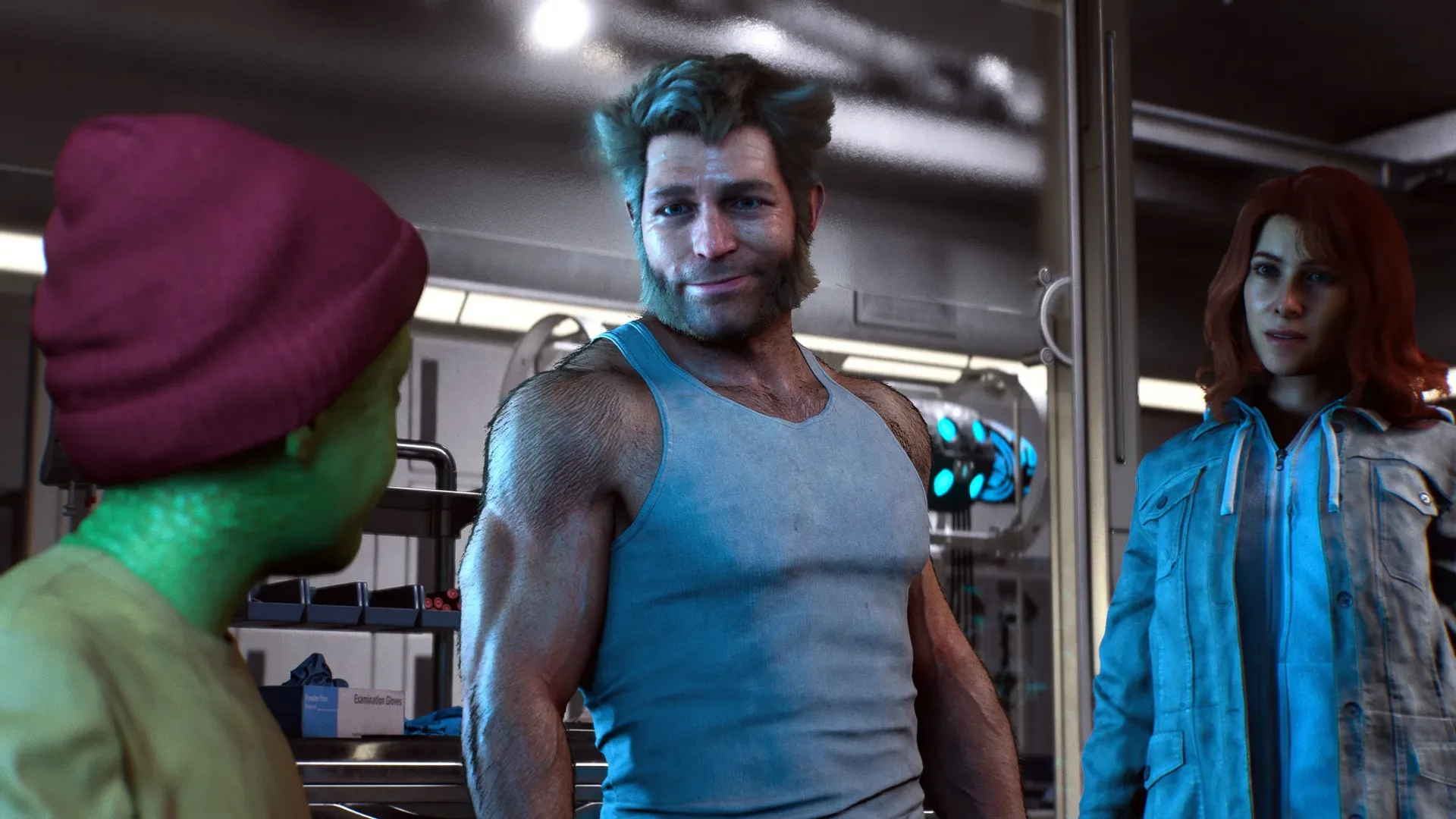
Superhero games routinely promise players the fantasy of becoming an unstoppable icon. Marvel’s Wolverine appears to take a slightly messier route: let Logan be unstoppable, certainly, but make it clear that everyone tried very hard to stop him five minutes ago.
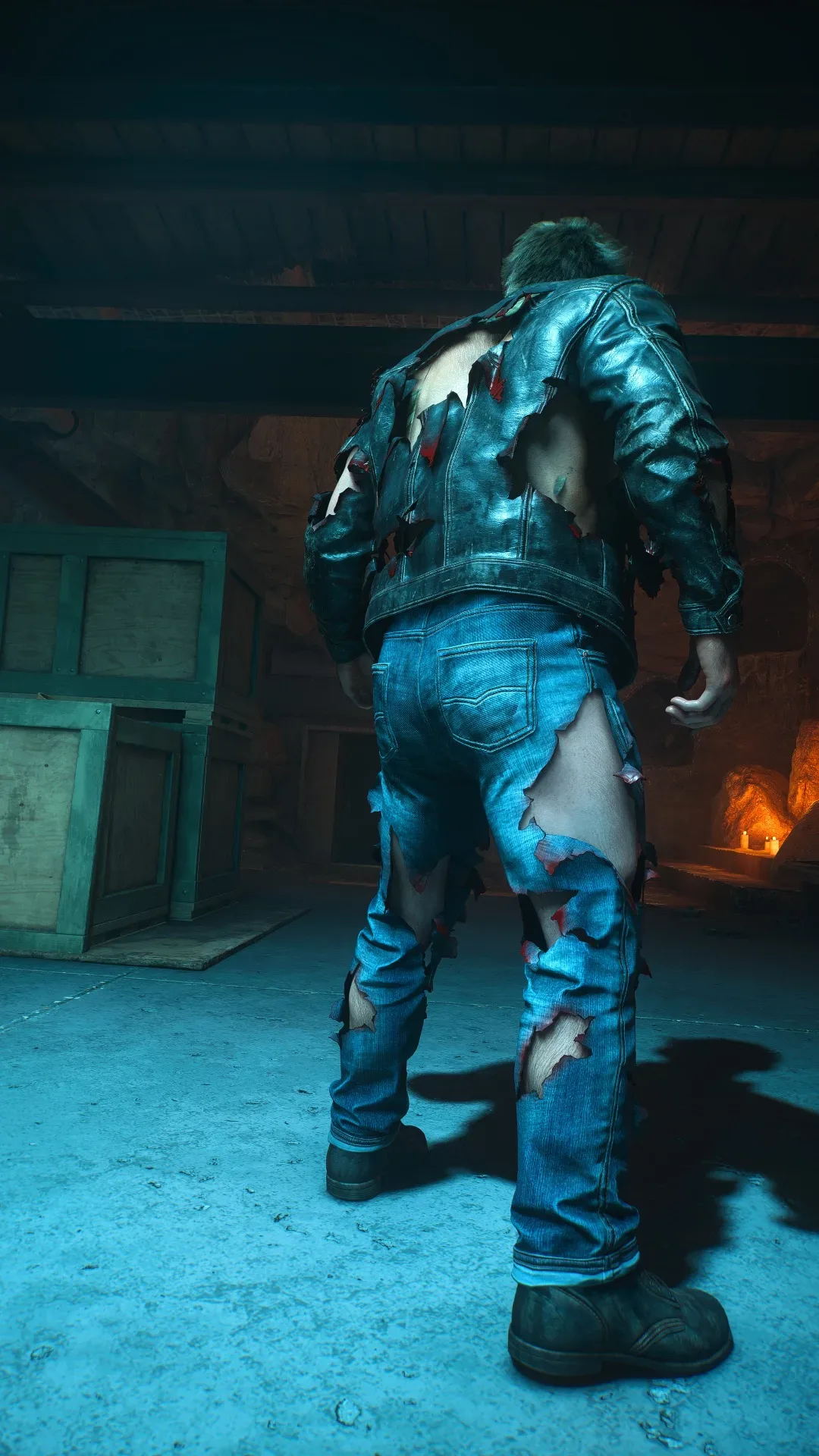
Reports surrounding Insomniac Games’ new PlayStation first-party action game have highlighted an unusually elaborate battle-damage system for Wolverine’s clothes. Logan’s healing factor can rapidly restore the man underneath the outfit, while his costumes, flannels, jackets and formalwear visibly bear the consequences of the fight for a time. Rips, holes, exposed sections and bloodied fabric offer a running visual record of combat—at least until the game chooses an appropriate moment to restore the wardrobe.
That is a useful design choice for a character whose entire deal is surviving calamities that would end most heroes. If a player blocks, absorbs or simply fails to avoid a brutal blow, Logan himself may recover quickly. His clothing cannot plausibly do the same without a little videogame logic. Insomniac’s solution is to acknowledge that gap rather than ignore it: the body heals first, the costume remains damaged, and eventually the costume regenerates too.
The feature might sound like a modest visual flourish, but it carries a lot of weight in a game built around close-range violence. Wolverine’s combat is notably gorier than Insomniac’s Spider-Man titles, with Logan positioned as the kind of hero who can turn being hit into part of the spectacle. The result is a character model that can look increasingly battered as a fight develops without forcing players to spend the whole campaign dressed in what amounts to superhero laundry day.
A balancing act between brutality and power
Insomniac has explained that the system was designed around two competing goals. Clothing needs to reflect the severity of the action, especially because Wolverine is repeatedly put through punishing encounters. But the studio also did not want players to remain in shredded remnants of a costume for most of the adventure.
Mike Fitzgerald, Insomniac’s head of technology, described the aim as finding a midpoint between battle-worn clothing that responds to gameplay and the cinematic presentation expected of Wolverine. Senior project director Jess Reiner-Reed likewise indicated that keeping his clothes destroyed for too long diminished the sense that the player was controlling a formidable character.
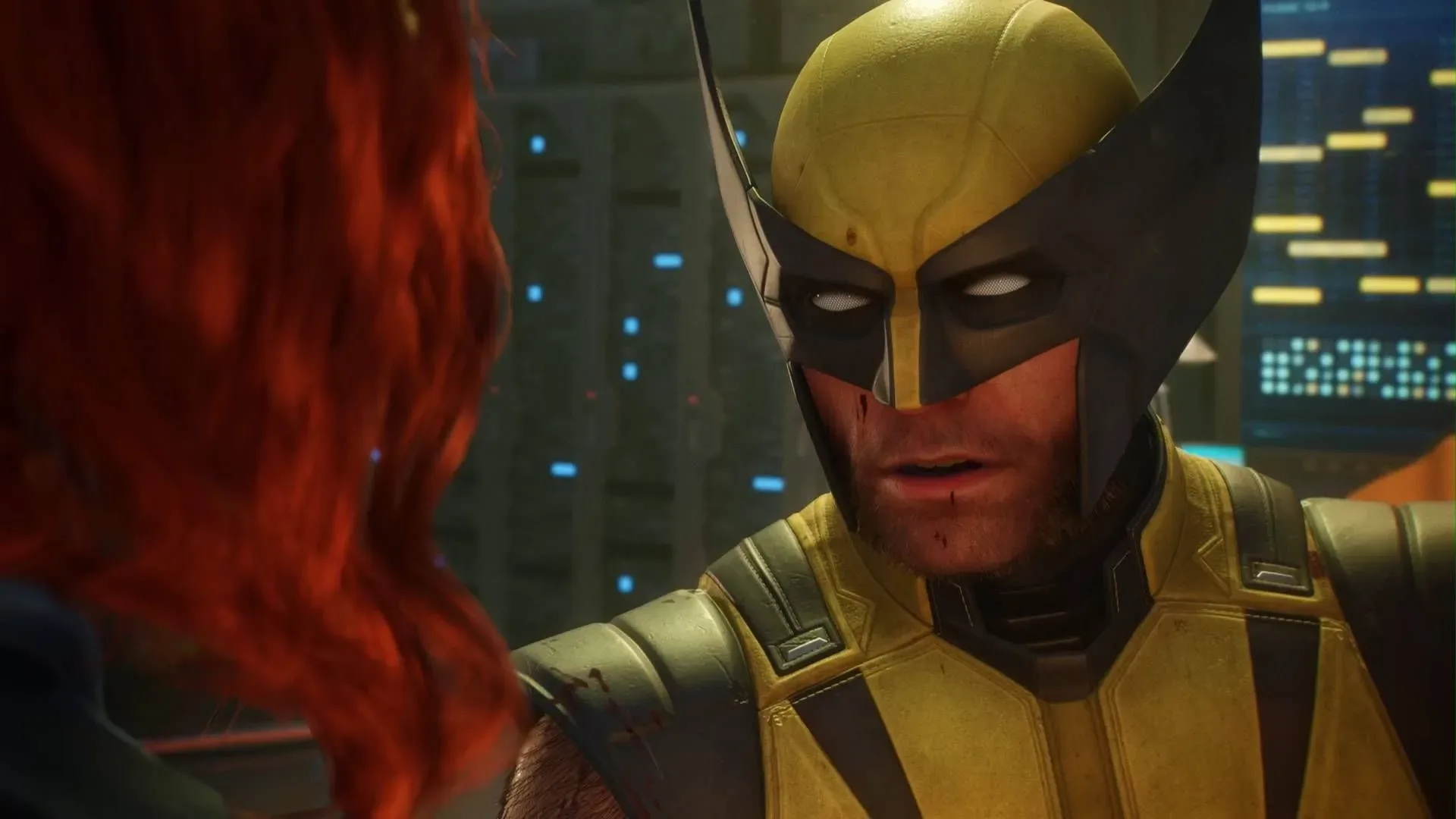
That reasoning gets at a persistent problem in damage systems. A game can make injuries and torn equipment feel consequential, but it can also accidentally make its central hero appear less capable every time the player has a rough encounter. With Logan, who is supposed to be frighteningly durable, extended visual defeat is especially awkward. He is a man with claws, adamantium and a healing factor; having him stalk around for hours in a ruined yellow suit can undermine the intended power fantasy.
Marvel’s Wolverine seems to split the difference. Damage is present long enough to make the fight feel tangible, then recedes before the image of the character becomes permanently diminished. It is a practical compromise, even if the magical self-repair of fabric will always be a little sillier than flesh knitting itself back together. For a comic-book world, it is probably the right sort of silliness.
Related coverage includes Marvel's Wolverine Makes Battle Damage More Than a Cosmetic Detail.
Costume damage that changes with the outfit
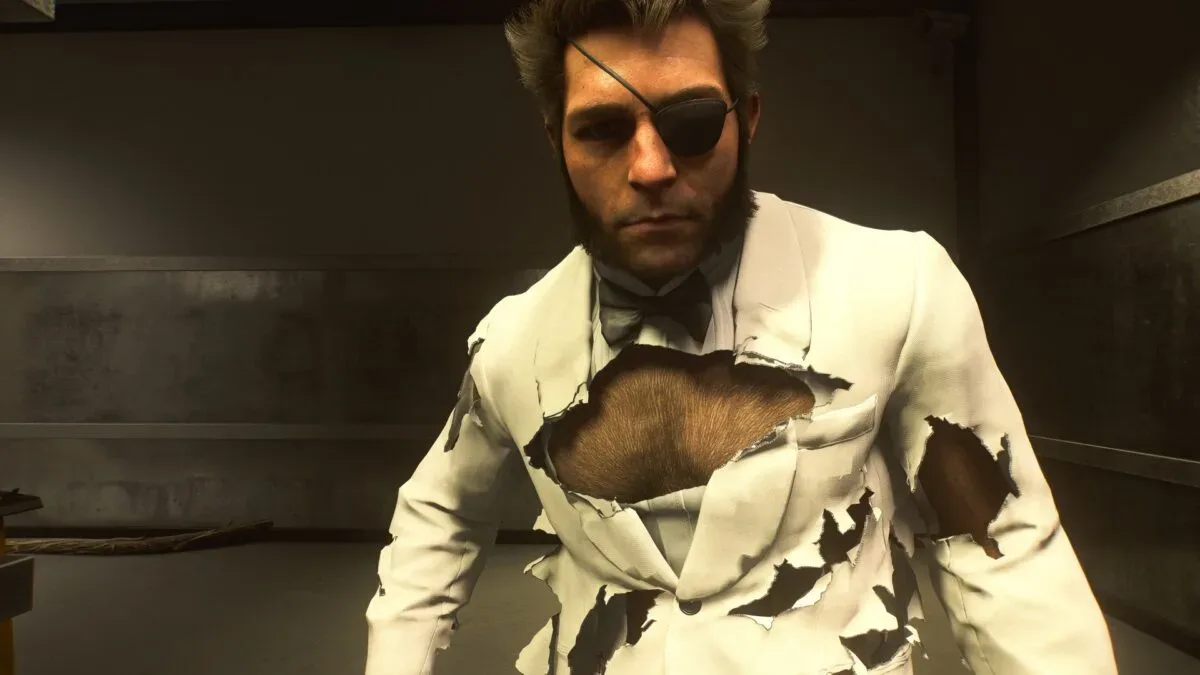
The detail is not limited to one default suit. Accounts of the game describe distinct damage behavior across Logan’s wardrobe. His classic yellow costume can be torn in ways that reveal broad areas of skin while retaining coverage over other key sections. A flannel beneath a battered denim jacket may hang on stubbornly despite surrounding damage. Formal clothing reportedly preserves some of its more buttoned-up structure even when other areas have been ripped apart.
That outfit-specific work matters because generic damage decals can quickly look artificial. A red smear or a standard tear pasted onto every costume says that an avatar has lost health. Different fabrics, seams, layers and points of exposure say something more convincing: this particular outfit has been through this particular brawl.
There is also room for the system’s inherent absurdity to show through. Severe damage can leave only part of Wolverine’s cowl around his face, with Logan continuing to wear the surviving portion. Such moments may test the limits of immersion, as can the abrupt clearing of gore and torn clothing when a new cutscene begins. Yet those are familiar compromises in a medium where a cinematic transition often has to restore a clean, readable version of a character.
For players more interested in the broader PlayStation pipeline, Joking Joystick has also covered PlayStation news and developments. Wolverine’s clothing system is a particularly vivid example of how studios continue to use character rendering not only for visual polish but to reinforce a game’s mechanics and mood.
The surprisingly important case for a hairy Wolverine
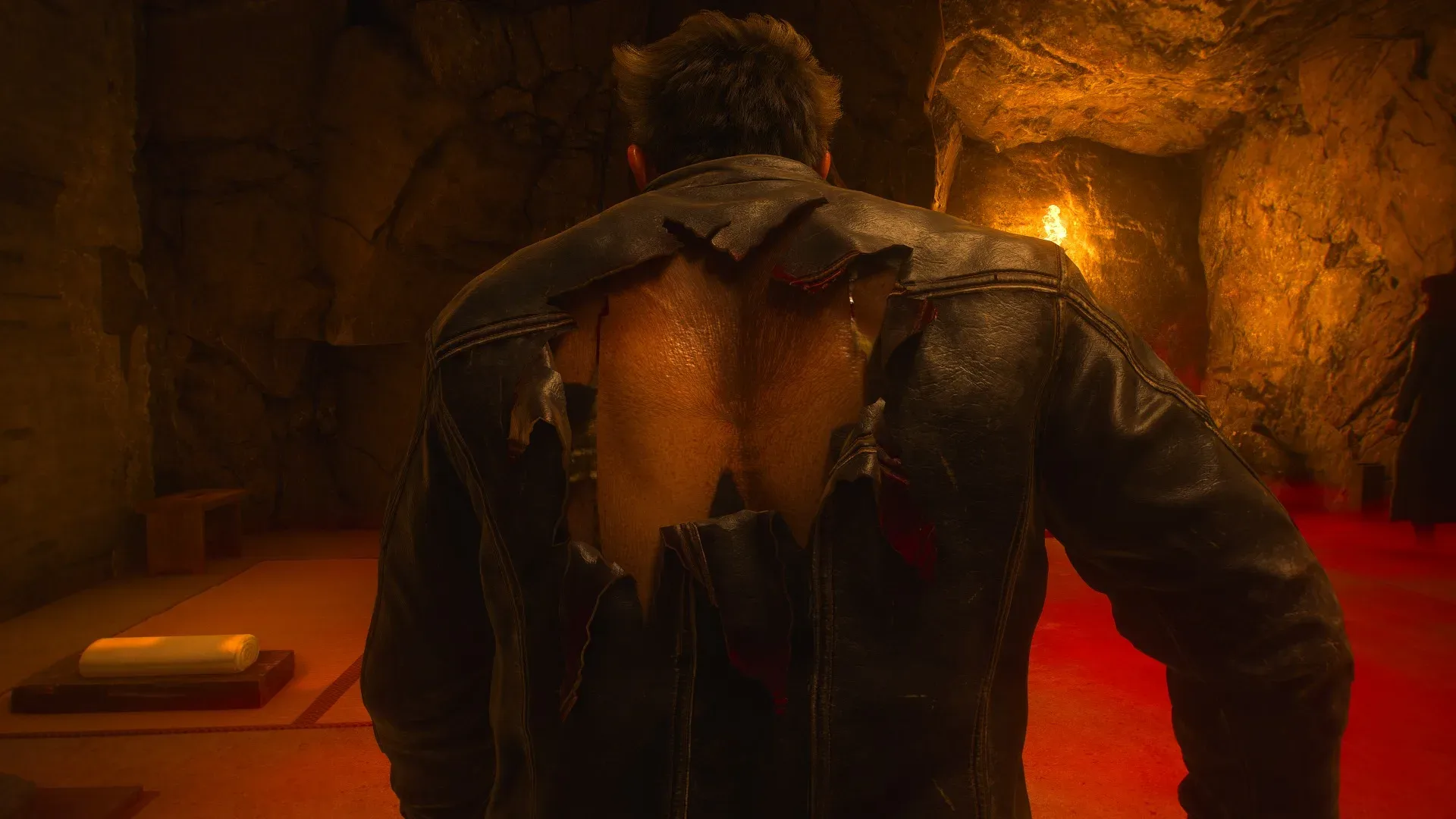
The most talked-about component of the exposed-skin effect may not be the cuts or the muscles. It is the body hair.
Logan is often depicted as rugged, heavily built and visibly hairy in comic art, but games can be selective about which human details earn close attention. Hair on a head, beard stubble and eyebrows are standard character-rendering priorities. Body hair is less consistently represented, even in games that offer elaborate face editors, clothing systems or highly granular cosmetic options.
Marvel’s Wolverine does not apparently make that omission. When his suit is damaged, exposed areas including the center of his back and portions of his chest are rendered with substantial body hair. Earlier footage had already suggested that Insomniac paid close attention to the hair on Logan’s shoulders; the costume damage reveals that the commitment extends well beyond his arms.
It is easy to treat that observation as a joke, because a torn superhero suit inevitably creates a certain amount of pin-up energy. But the choice is also character-specific environmental storytelling. Wolverine should not look like a pristine action figure beneath his uniform. He is a bruiser with a long, brutal history, and a naturalistic layer of body hair does more to establish that physical identity than another perfectly polished armor panel ever could.
In that sense, the system is doing multiple jobs at once:
- Combat feedback: torn clothing communicates that a fight has been costly and chaotic.
- Character fidelity: the exposed model reinforces Logan’s classic rough-edged presentation.
- Wardrobe distinction: varying damage responses help costumes feel like separate garments rather than interchangeable skins.
- Power-fantasy management: regeneration prevents battle damage from turning the hero into a permanently ragged figure.
Why small visual systems can matter so much
There is a tendency to dismiss this kind of detail as surface-level polish, especially when a game is also facing mixed critical reactions. Recent assessments have described Marvel’s Wolverine as satisfying to control but repetitive, with a story attempting to carry more narrative threads than it can comfortably support. Those broader questions will matter far more to many players than the placement of a rip in a shirt.
Still, visual systems are not automatically trivial because they are visual. In an action game, the character on screen is the player’s constant connection to every strike, mistake, narrow escape and cinematic beat. A battle-damage system makes fights leave a temporary mark. It turns the passage from one enemy encounter to the next into something more legible than a health bar changing color.
Wolverine is an especially apt hero for the idea. His healing factor usually removes lasting physical evidence of violence, which is central to the character but can make danger feel abstract in game form. Damaged clothing supplies an alternate scar. The effect gives combat a visual aftermath without contradicting the fiction that Logan’s body rapidly recovers.
And then, of course, there is the distinctly Wolverine-shaped punchline: when the suit opens up, the developers have made sure there is an actual hairy, grizzled man underneath it. It is an unexpectedly specific rendering choice, a faithful one, and a reminder that the best character details are often the ones too particular to be mistaken for a generic hero template.
Marvel’s Wolverine may have bigger fights to win with players than the condition of Logan’s shirt after a brawl. But on this front, Insomniac appears to understand the assignment. Let the clothes take the beating. Let the man heal. And, when the fabric gives way, let Wolverine look unmistakably like Wolverine.