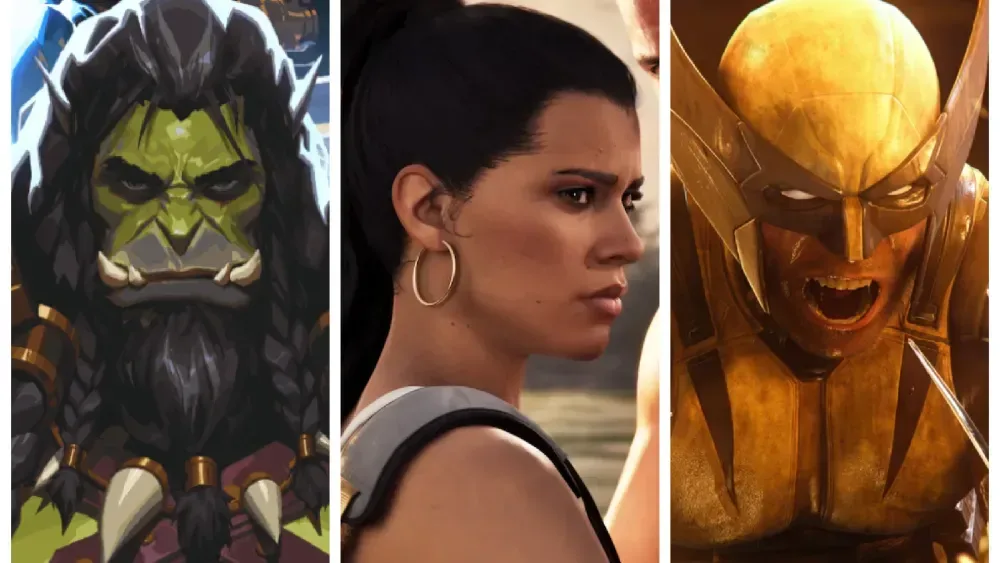
Fall 2026 is shaping up to be the sort of release season that makes a backlog feel less like a hobby and more like an administrative emergency. After years of post-pandemic contraction, studio closures, layoffs and delayed projects, the games business is entering a packed stretch led by one enormous question: just how much commercial momentum can Grand Theft Auto VI create when it arrives on November 19?
That question looms over virtually every major publisher’s calendar, but it is not the only reason the season looks significant. September begins with the return of BlizzCon in Anaheim, while major games from PlayStation, Xbox, Nintendo, Activision, Square Enix, Capcom, Bandai Namco, Take-Two and others fill the weeks before GTA 6 reaches the road. The result is a calendar with blockbuster-scale games in numerous genres, alongside an industry argument that players are ready to spend again.
There is still uncertainty behind every projection and release plan, of course. A dense schedule can increase attention around games generally, but it can also make it exceptionally difficult for individual releases to find breathing room. In 2026, the biggest game on the schedule is also the giant asteroid everyone else is attempting to orbit without getting flung into the sun.
GTA 6 is the fall’s unavoidable gravitational pull
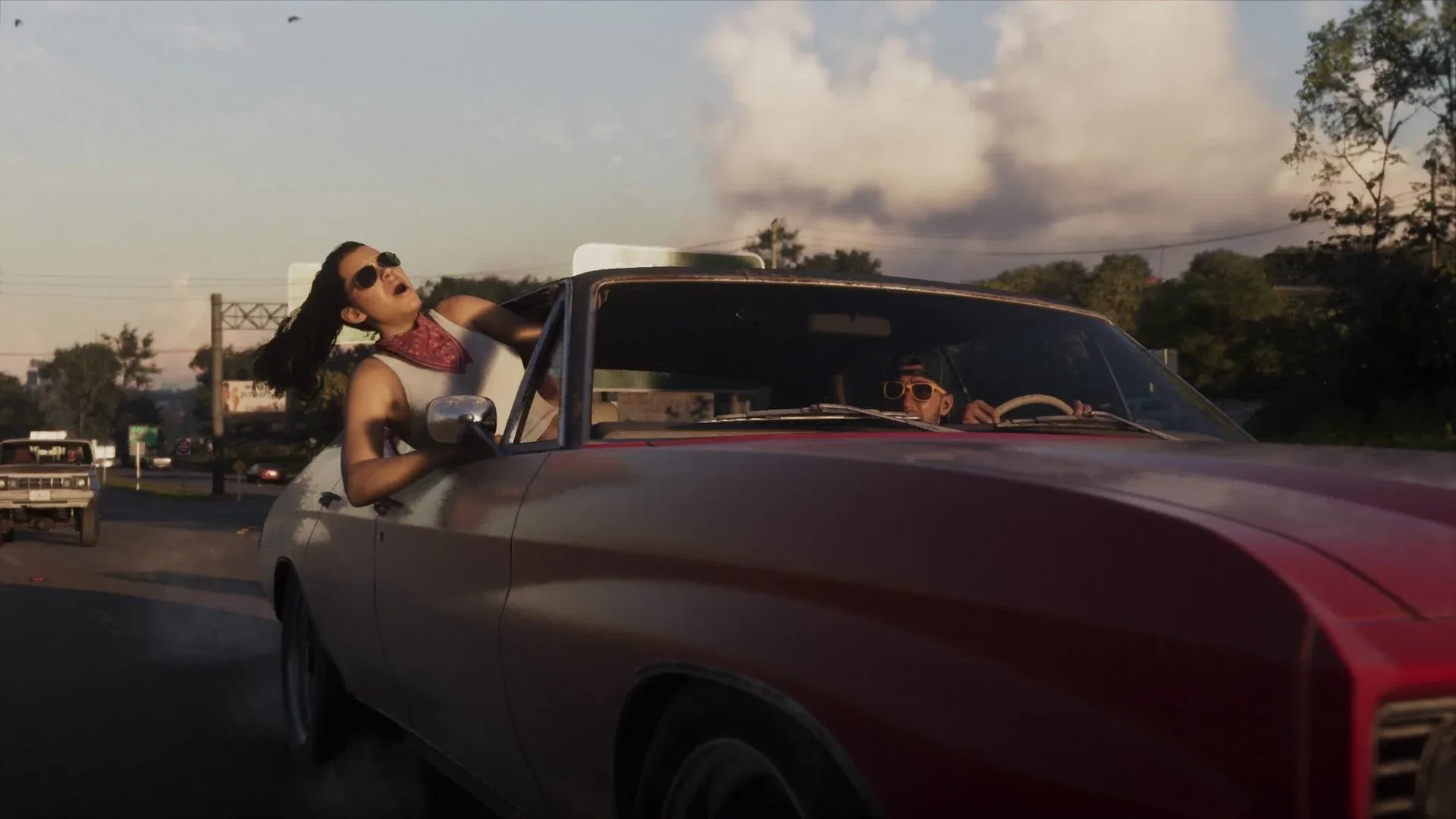
Newzoo estimates that Grand Theft Auto VI could generate between $3.25 billion and $5.2 billion in worldwide sales during the week following launch. That is an extraordinary range for an extraordinary release, and it reflects the scale of anticipation surrounding Rockstar’s long-delayed follow-up.
Even at the lower end of that forecast, GTA 6 would be positioned as a market-moving event rather than merely a successful game. Its arrival could encourage lapsed players to return, prompt hardware and accessory purchases, and bring mainstream attention to a medium that has recently spent as much time discussing restructures as releases. No other game in the fall lineup is expected to operate at that level. That does not mean the rest of the slate is irrelevant; it means publishers will need a clear identity and an even clearer reason for players to make time.
For a wider look at the wider Blizzard side of the season, including the questions surrounding its franchises and reveals, see our BlizzCon 2026 preview.
BlizzCon returns to Anaheim with fans at the center
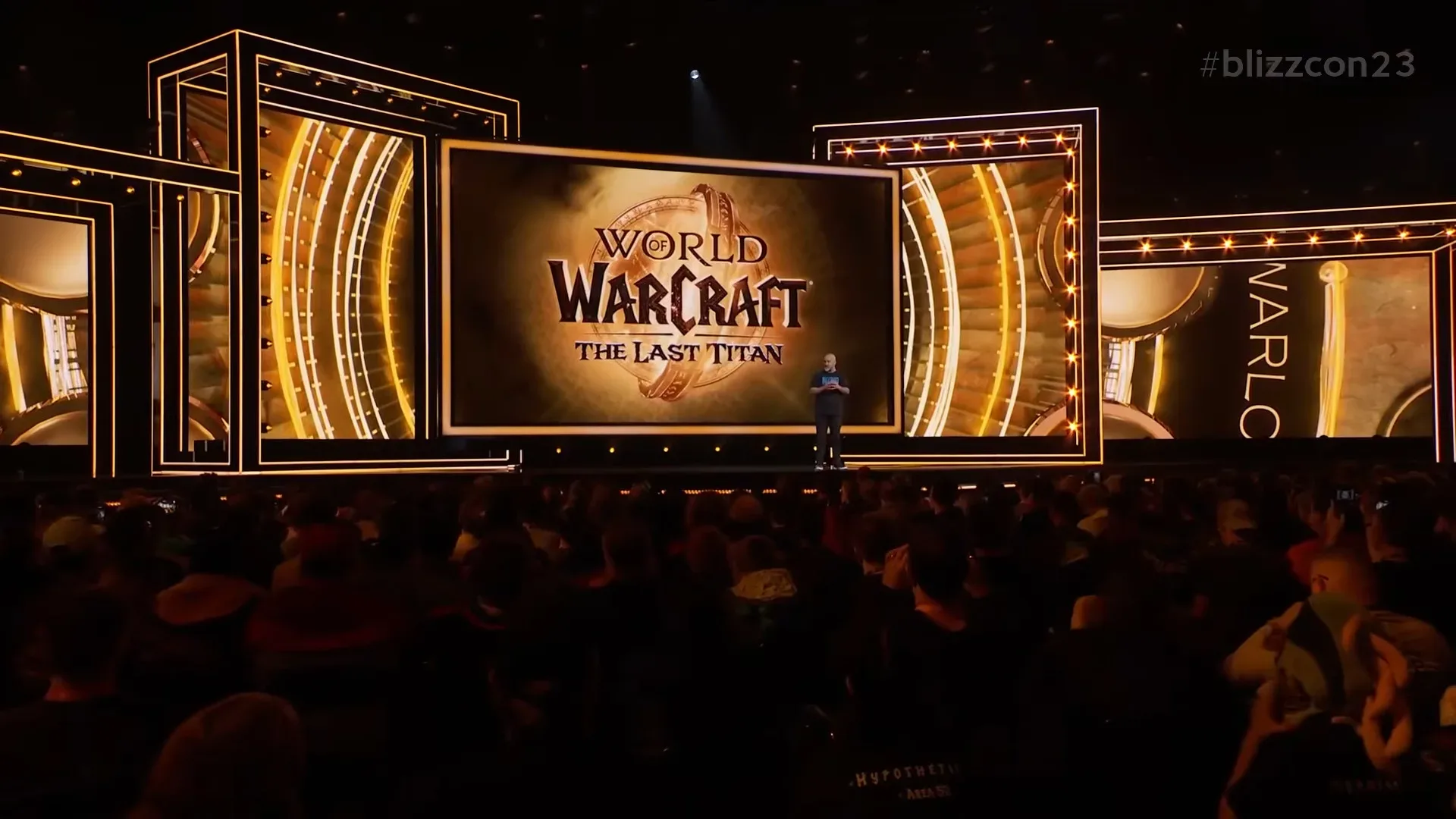
Blizzard Entertainment’s BlizzCon takes place September 12-13 at the Anaheim Convention Center. It is the first edition of the fan festival in three years, following the 2023 event held shortly after Microsoft completed its $69 billion acquisition of Activision Blizzard.
The return arrives after a turbulent period for Microsoft’s broader gaming operation and the industry as a whole. Restructuring, layoffs, studio closures and cancelled projects have become an unfortunate backdrop to conversations about games in the years since the pandemic boom cooled. BlizzCon is therefore notable not just as a convention, but as a visible attempt to reconnect Blizzard’s teams with the communities that sustain World of Warcraft, Diablo IV, Overwatch, StarCraft and Hearthstone.
Blizzard president Johanna Faries has characterized the event as a meaningful investment in its dedicated audience rather than a straightforward profit-making exercise. That approach makes sense for a convention with a long history of community rituals: cosplay, competitive play, developer sessions, franchise showcases and the collective experience of learning what comes next.
BlizzCon began in 2005 with 8,000 attendees in Anaheim. The 2026 gathering is expected to attract about 40,000 people, a figure described as 30% above the 2023 attendance. The program is also set to include appearances by T-Pain, Simu Liu and deadmau5, with YOASOBI and LE SSERAFIM scheduled as musical guests. That combination of games, fandom and live entertainment is very much the convention’s familiar spell recipe, only cast on a notably larger crowd.
A release list built for every kind of controller grip
The major September and October schedule covers familiar annual series, long-running action brands and new names trying to carve out space in a brutal release window. The announced lineup includes:
- Marvel’s Wolverine from PlayStation
- Call of Duty: Modern Warfare 4 from Activision
- Gears of War: E-Day from Xbox
- Final Fantasy Resonance from Square Enix
- EA Sports FC 27 from Electronic Arts
- Ace Combat 8: Wings of Theve from Capcom
- Blood of Dawnwalker from Bandai Namco
- Orbitals from Nintendo
- NBA 2K27 from Take-Two
- Valor Mortis from Lyrical Games
It is an unusually broad collection. Sports games have their annual place on the calendar, while action-heavy releases target players looking for superheroes, military spectacle, aerial combat and chainsaw-sized science-fiction drama. Square Enix’s presence adds another prominent role-playing pillar, Nintendo has its own first-party entry in Orbitals, and newer projects face the familiar challenge of convincing audiences not simply to notice them, but to buy them now rather than three games later.
The compressed timing matters. The classic approach of delivering a cinematic trailer, following it with a small gameplay slice and perhaps staging a beta is less persuasive when consumers are being asked to choose among so many expensive releases. Publishers are increasingly putting playable builds and longer demonstrations in front of communities earlier, seeking confidence through visibility rather than relying solely on controlled marketing assets.
Playable demonstrations become a bigger part of the pitch
Gamescom in August offered one example of that shift. MBC Game Studio, a newly launched Saudi Arabia-backed developer and publisher, announced its debut title 1001 Threads of Mizan and made extensive hands-on demos available only hours later. The idea is simple: a trailer can establish a vibe, but a playable demonstration gives players a better sense of whether a game deserves a place in an overcrowded season.
Activision is following that community-facing logic for Call of Duty: Modern Warfare 4. The company brought the game to the Esports World Cup in Paris, and further activity is planned in South Korea near the Demilitarized Zone, as well as at Tokyo Game Show and Brasil Game Show. The stated strategy is to give people opportunities to play multiplayer before launch, building familiarity through direct access.
This does not erase the power of a well-cut reveal trailer. It does, however, acknowledge that players have become more skeptical of polished vertical slices, particularly after several years in which production schedules have slipped and major projects have changed shape. In a season where attention is expensive and time is limited, allowing a community to interact with a game is a stronger invitation than asking everyone to stare at another logo slowly emerging from smoke.
Why the mood is brighter after difficult years
The optimism surrounding fall 2026 should be viewed in the context of a stark turnaround. Gaming activity surged during the lockdown era as people sought social spaces and entertainment at home. The industry expanded to meet that demand, while many expected a permanently broader audience after casual players entered the ecosystem.
The comedown proved harsh. As pandemic conditions eased, growth normalized and the cultural spotlight shifted toward social video platforms and AI tools. Publishers and platform holders responded with cuts, project cancellations and studio changes. Microsoft’s Xbox organization was among the major companies affected, but the pain extended far beyond one corporate family.
Jack Buser, Google Cloud’s gaming chief and a former PlayStation executive with three decades in the business, has described the post-pandemic period as the hardest part of his professional career, comparing the severity of the moment to memories of the 1983 video game crash. Yet Buser also sees improving player spending and a healthy cross-platform release slate as reasons to expect a revival.
That hopeful case does not rest exclusively on GTA 6, even if Rockstar’s release is plainly the headliner. A sustainable recovery would require players to support a variety of games, platforms and business models after the November juggernaut has done its victory lap. BlizzCon’s return, the scale of the fall slate and the push toward more public play opportunities all suggest companies are trying to meet that moment with more than a single mega-release.
For players, this is a welcome problem: too many interesting games, too little calendar space, and at least one convention where the cosplay armour may require its own seat on the flight home. For the industry, it is a test of whether a crowded fall can turn renewed enthusiasm into durable growth.