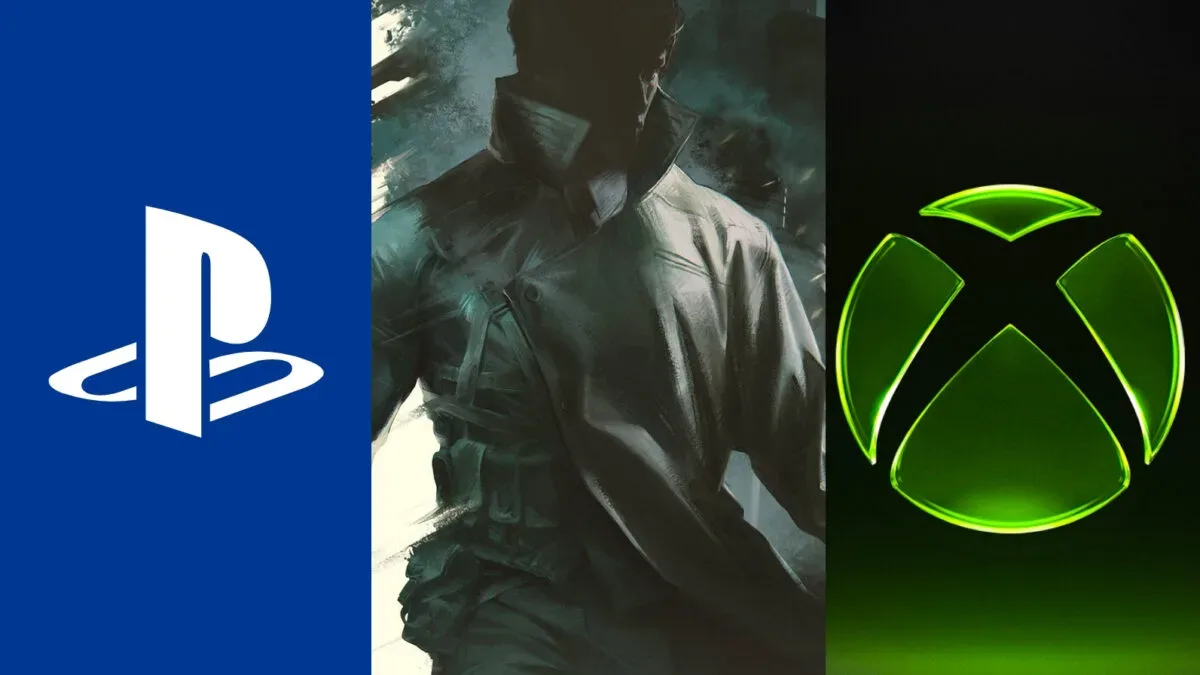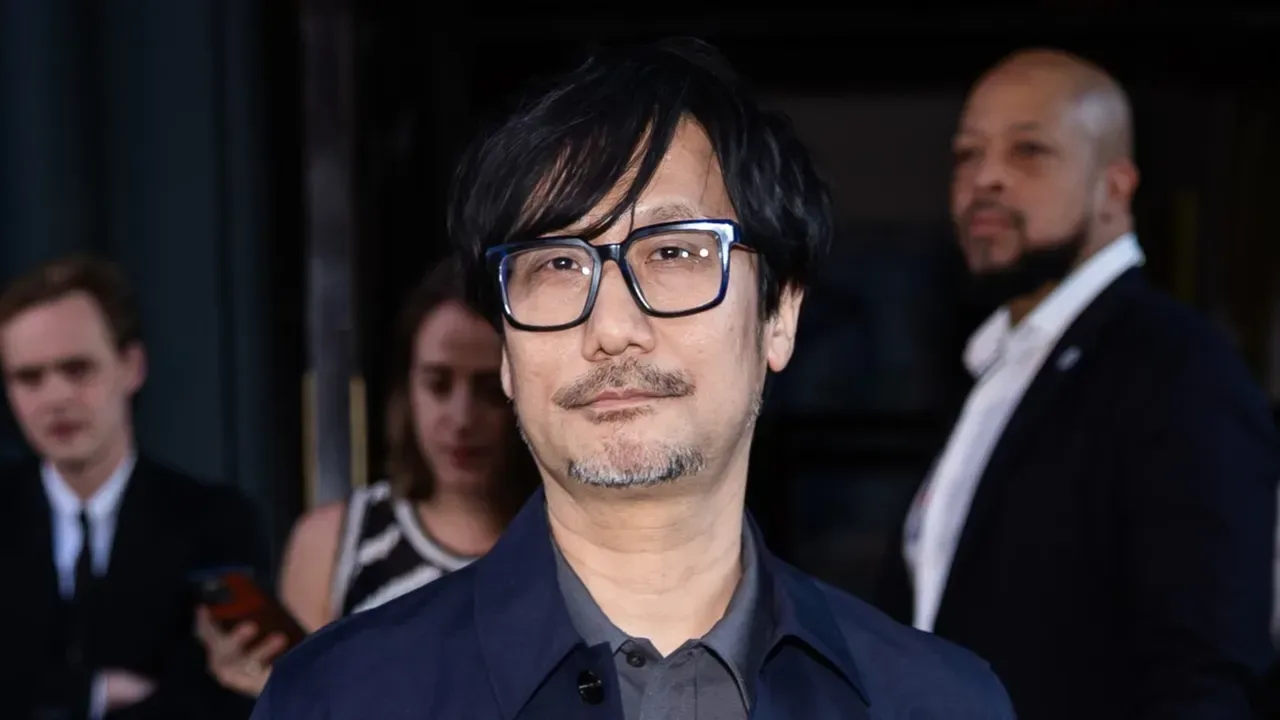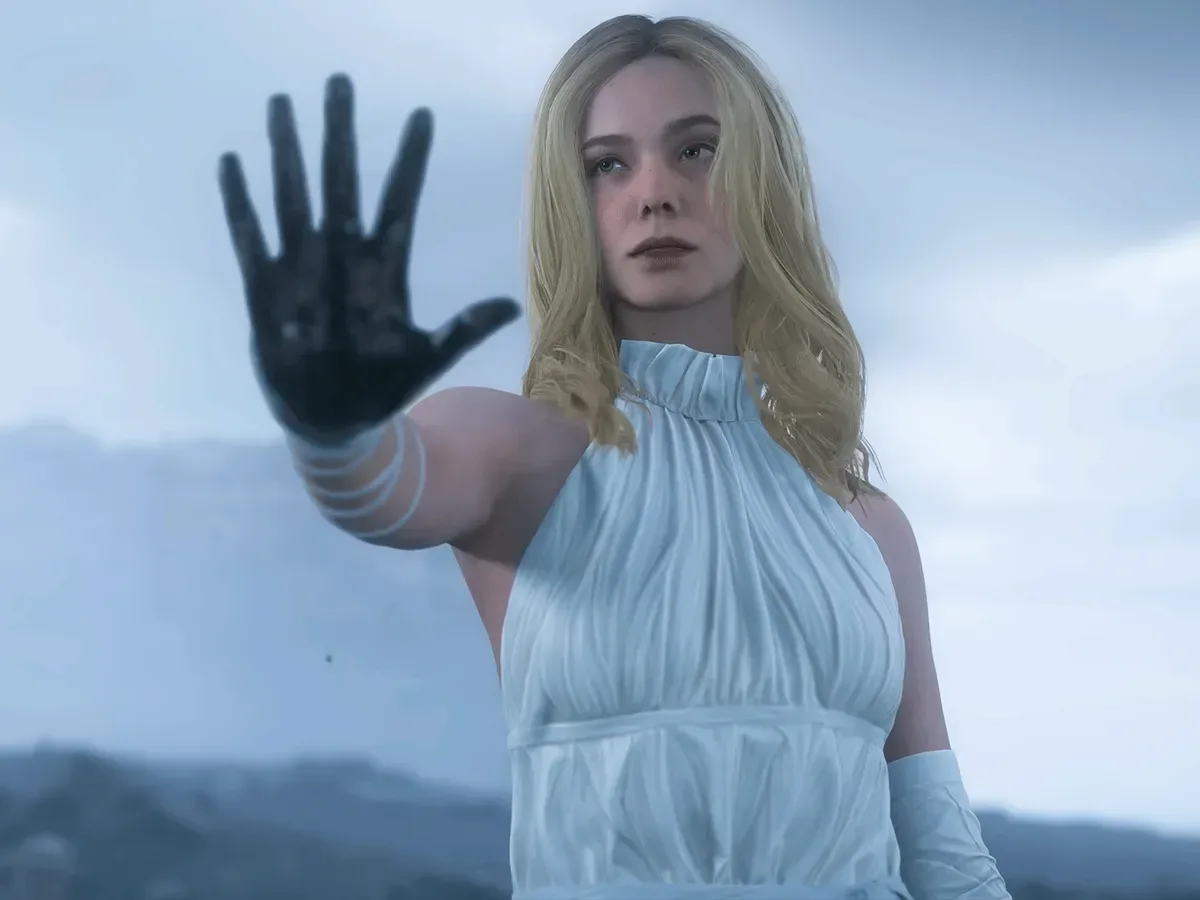
Hideo Kojima’s Physint is still moving ahead, but its reported shift from PlayStation backing to Xbox has turned a prestige-project handshake into one of the industry’s most awkward breakup photos. The immediate question is not whether Kojima Productions will keep working on the project. It will. The bigger question is why PlayStation would leave a creator and a game concept so closely associated with cinematic scale, attention-grabbing reveals and platform-defining ambition.
There is no confirmed single explanation, and the financial picture around Kojima’s games is more complicated than a simple copies-sold contest. Still, analysts examining the available information have pointed to a possible warning sign: the apparent commercial performance of Death Stranding 2: On the Beach. If PlayStation concluded that the sequel’s revenue outlook could not comfortably support another enormous, multi-year Kojima production, Physint may have become a very expensive game of corporate hot potato.
The Death Stranding 2 number is an estimate, not an official total
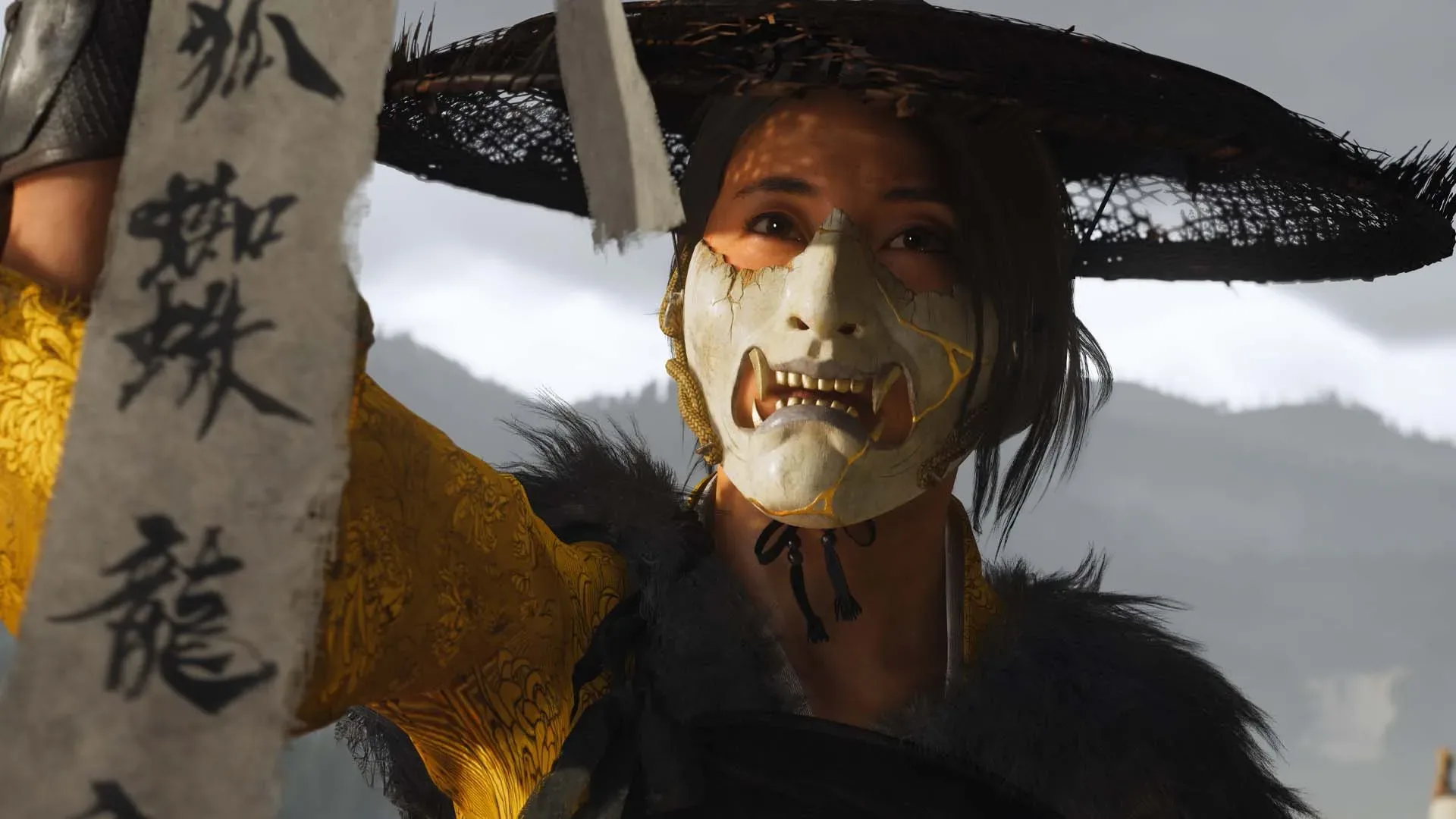
Analytics firm Alinea Analytics has estimated that Death Stranding 2: On the Beach has sold roughly 2.5 million copies. Sony and Kojima Productions have not published an official sales figure for the sequel, which means that estimate should be treated carefully rather than as a final verdict on the game’s performance.
That caveat matters especially because comparisons with the first Death Stranding are easy to flatten into misleading headlines. The original had sold 5 million copies by March 2021. By March 2025, the reported player count had reached 20 million, but that broader number included people who accessed it through subscription offerings or claimed it through promotions, including Epic Games Store giveaways. A player count is not a direct sales figure, and it does not tell us how much revenue reached the publisher or developer per person.
Kojima Productions later said in July that the full Death Stranding franchise had reached 27 million players across its two games. That is a considerable audience, and it illustrates why the series remains important well beyond a narrow launch-sales snapshot. But it also leaves outside observers without an official, like-for-like sequel sales comparison.
Alinea’s analysis nevertheless suggests that Death Stranding 2 has slowed substantially after launch, and that discounting has not dramatically changed its trajectory. The firm also places the sequel’s revenue below that of its predecessor. If those estimates are broadly accurate, they help explain why the project could concern a publisher now intensely focused on the cost, timing and margin of major releases.
A prestige game can matter even when it is not a blockbuster
Kojima games do not fit neatly into the standard “sell a mountain immediately or disappear” model. A new game from the creator of Metal Gear Solid brings cultural attention, enthusiastic discussion and an unusually strong halo around the company that funds it. The original Death Stranding was a conspicuous PlayStation release even as it took an unconventional approach to open-world design, traversal and online connection.
That prestige has value. A platform holder can gain credibility by being the place where unusual, auteur-led projects can exist at lavish scale. It can attract players, creative partners and the kind of broad entertainment attention that a safer sequel may never command. The problem is that “valuable” and “comfortably profitable” are not interchangeable words—particularly when a project may take many years and require a major marketing push before anyone can buy it.
Related coverage includes Why PlayStation May Have Walked Away From Hideo Kojima's Physint.
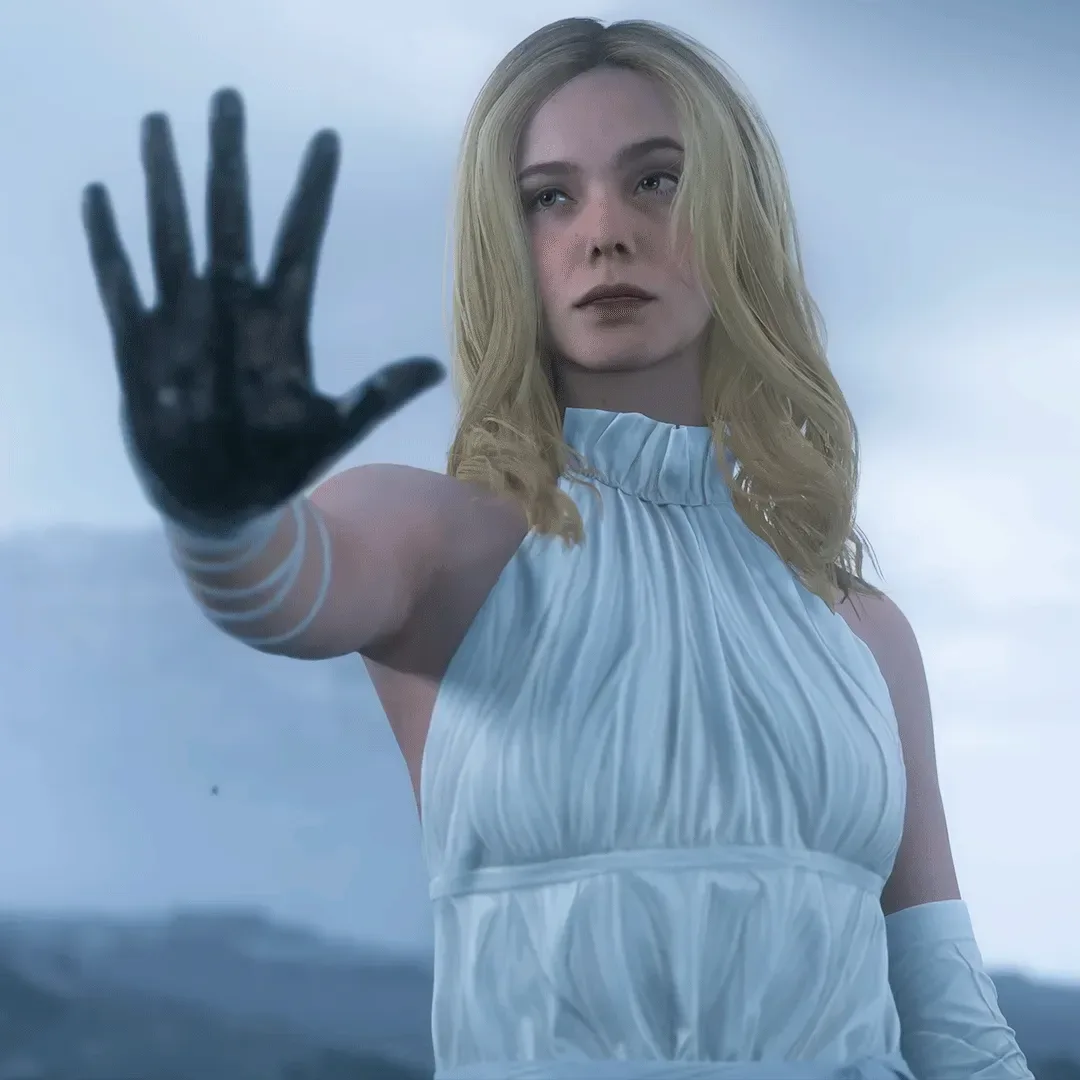
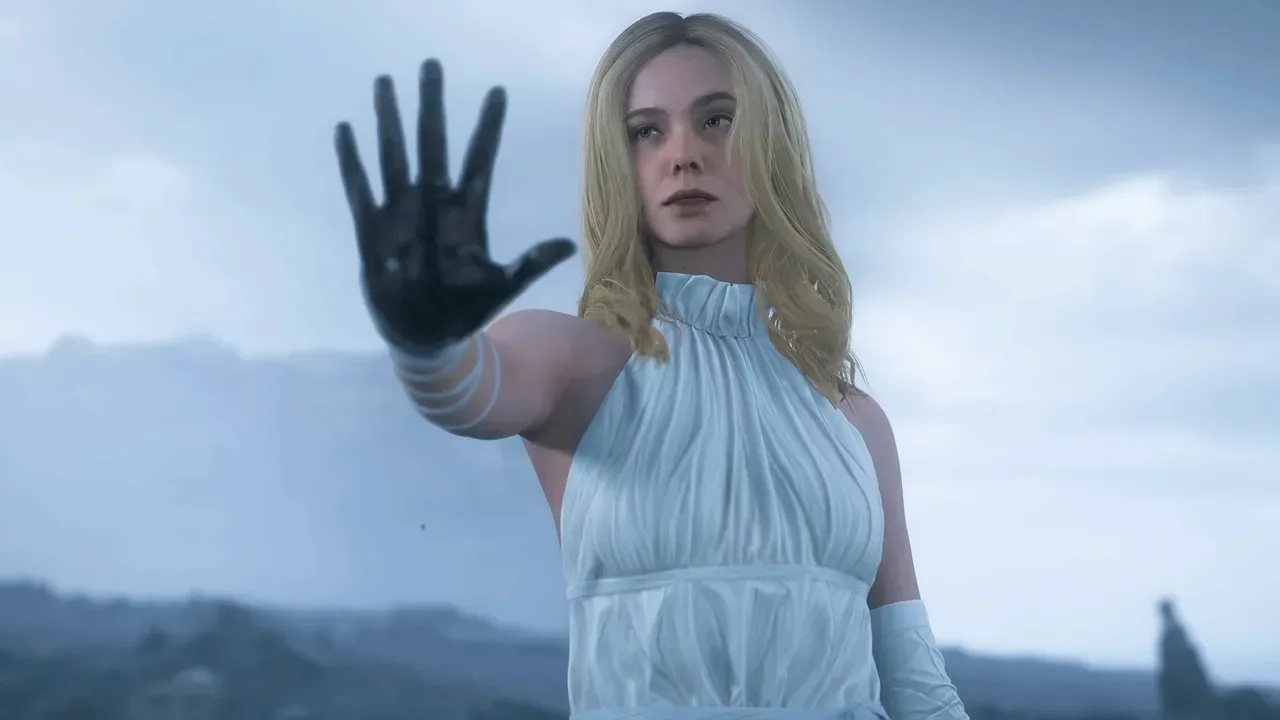
Physint appears to sit at the high-risk end of that equation. Kojima indicated last year that the game was still around five or six years away from completion. It has been framed as an ambitious next-generation project, with prominent actors involved and indications that movie-related work could also be part of its broader plan. Those ingredients can produce a landmark release. They can also enlarge the budget, extend development and make forecasting the eventual return an exercise in staring into a crystal ball that has requested another funding round.
Big-budget caution is changing the conversation
Analyst Rhys Elliott has argued that PlayStation’s decision can make financial sense in isolation, while still looking poor to core fans. His rough budget discussion put the first Death Stranding at about $100 million to make, while suggesting the sequel may have landed somewhere in the $150 million to $200 million range. Those figures are not confirmed production budgets, but they demonstrate the scale of the concern: even an acclaimed game with millions of sales can have surprisingly limited breathing room once development, marketing and internal resource costs enter the calculation.
In that framework, Physint is not merely another game in a portfolio. It is a prospective commitment to more years of premium talent, technology, production support and promotional investment before a commercial result is known. The opportunity cost is also substantial. Teams and support resources directed to one lengthy production cannot simultaneously be directed to a different release with a clearer schedule, lower cost or larger projected audience.
Elliott also linked the growing caution to several softer outcomes and costly disappointments among PlayStation-related releases. The examples cited included the cancelled Concord, estimated at more than $300 million in losses, alongside reported sales or revenue figures for Marathon, Saros, Marvel Tokon and Lego Horizon Adventures. These numbers should not be read as a complete balance sheet for PlayStation Studios, nor do they automatically prove why Physint changed hands. They do, however, describe a business climate where executives could be less willing to take another giant swing simply because it is artistically exciting.
Xbox gains an unusual kind of marquee project
For Xbox, backing Physint creates a conspicuous public win. The project is a recognizable next-generation calling card at a time when the company has also dealt with layoffs, studio closures and project cancellations. Even if Physint remains years away, it provides Xbox with an association that is difficult to replicate through a standard acquisition announcement: it is a Kojima project with expectations of mystery, technical ambition and a major cultural conversation attached.
The exact platform strategy and eventual exclusivity status remain unknown. Physint has been discussed as a possible console exclusive for Xbox’s next-generation Project Helix, but a game so far from launch should not be treated as a locked piece of future hardware strategy. Development plans, platforms and publishing arrangements can change dramatically over half a decade.
What is clearer is that Xbox has inherited the same fundamental challenge that may have made PlayStation uncomfortable. It now has to oversee the timeline and financial demands of a game expected to be exceptionally ambitious. The brand upside could be tremendous, but it does not make budgets, schedules or market conditions disappear.
PlayStation’s optics problem is bigger than one game
Business logic and public perception are currently pulling PlayStation in opposite directions. From a strictly financial perspective, refusing an open-ended blockbuster commitment may be responsible portfolio management. From the fan perspective, the move can look like PlayStation publicly embraced a celebrated creator and then withdrew when the bill arrived.
That perception lands amid continuing player frustration over physical-media and digital-ownership questions. The debate around what players truly own in a digital ecosystem has already put PlayStation under a microscope; recent scrutiny of PlayStation’s digital ownership language shows why decisions that appear to limit consumer choice or retreat from public commitments can generate outsized reaction.
There has also been disquiet connected to Destiny 2 development and Bungie, making the Physint shift feel, to some players, like another entry in a growing list rather than an isolated strategic decision. That may be unfair to the specific financial realities of the project, but corporate narratives are rarely judged one spreadsheet cell at a time.
The central tension is simple: Kojima’s work may be precisely the sort of creative statement that earns a platform cachet, while also being the sort of enormous, long-term bet that modern game publishing is increasingly anxious to make. If estimates for Death Stranding 2 reflect its real commercial trajectory, PlayStation may have decided that cachet did not justify more years of rising exposure. Xbox, meanwhile, has decided the credibility—and the potential payoff—is worth carrying the package onward.