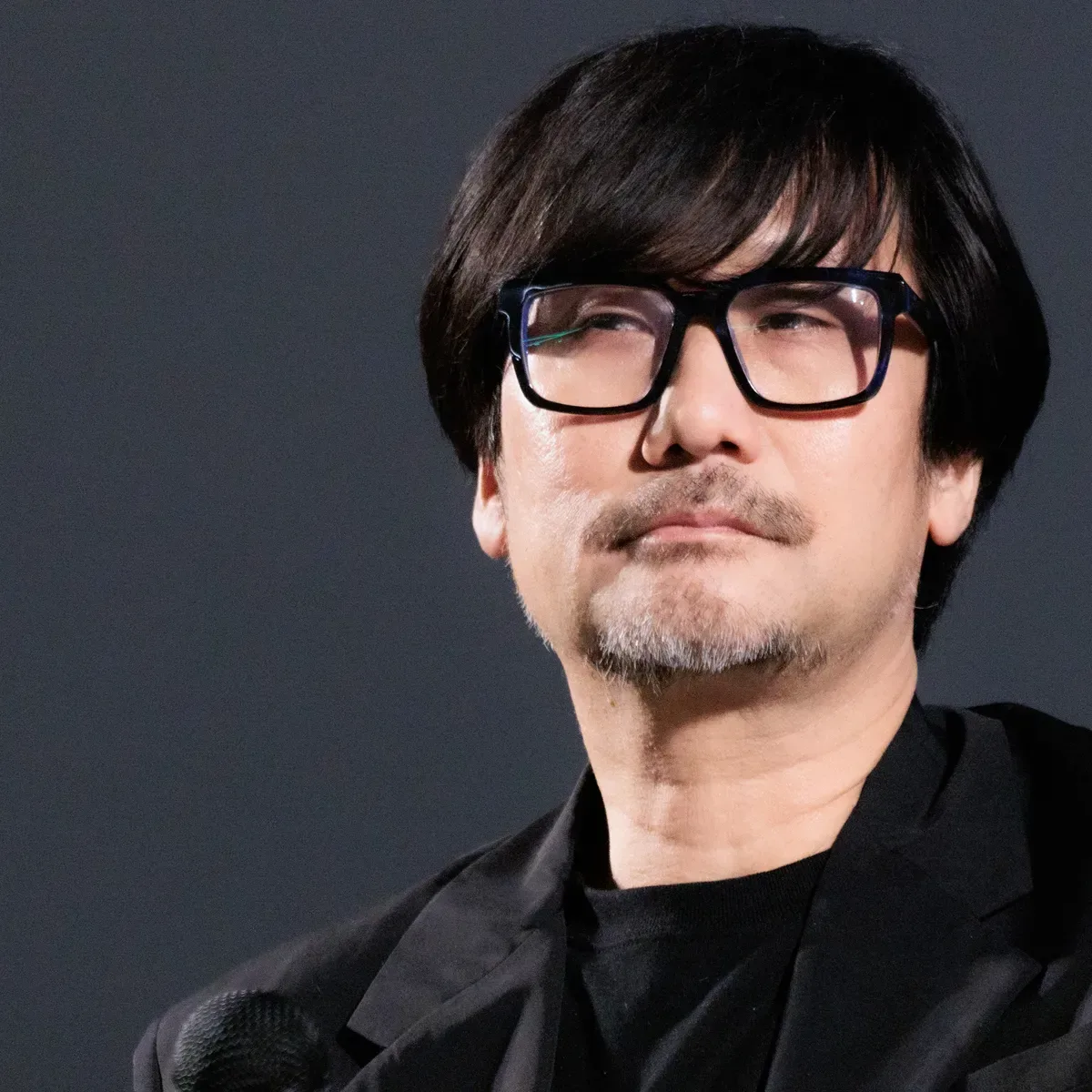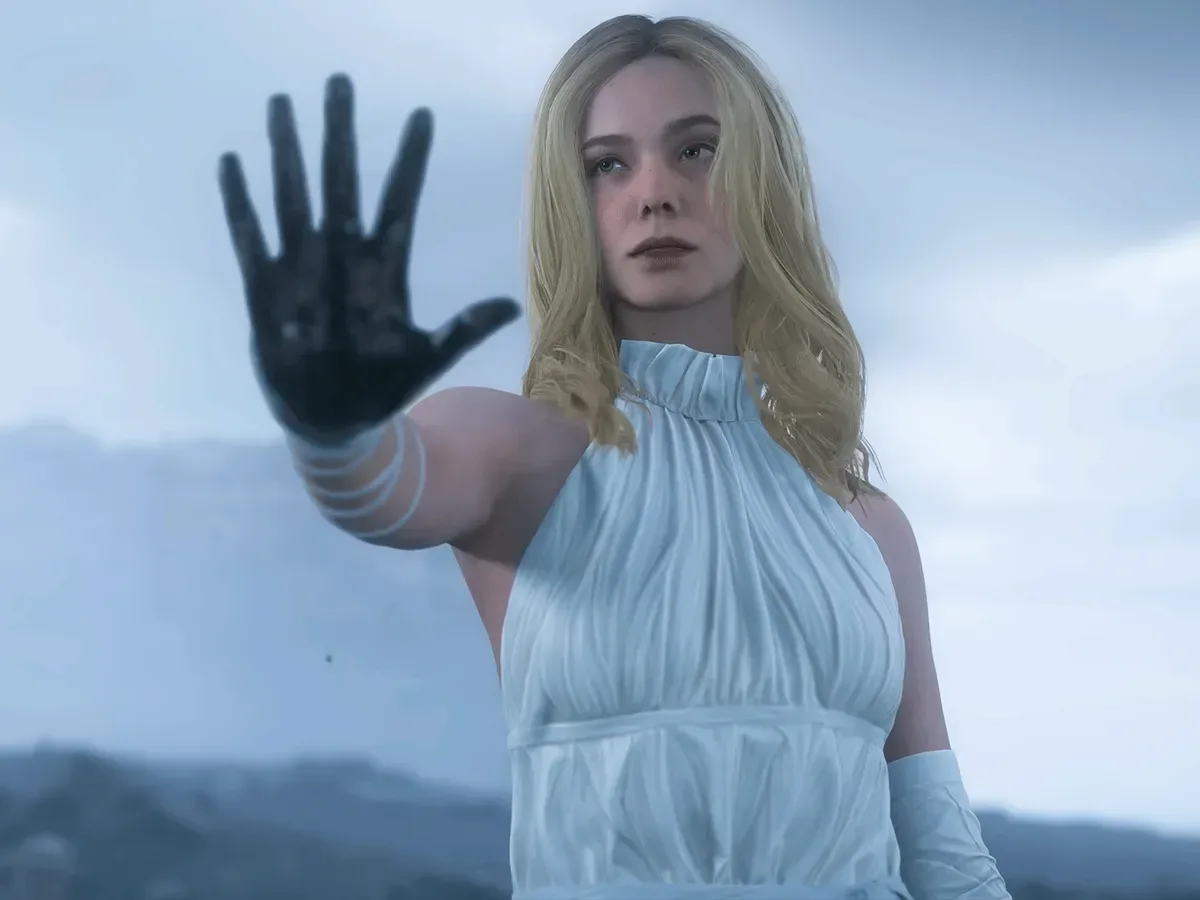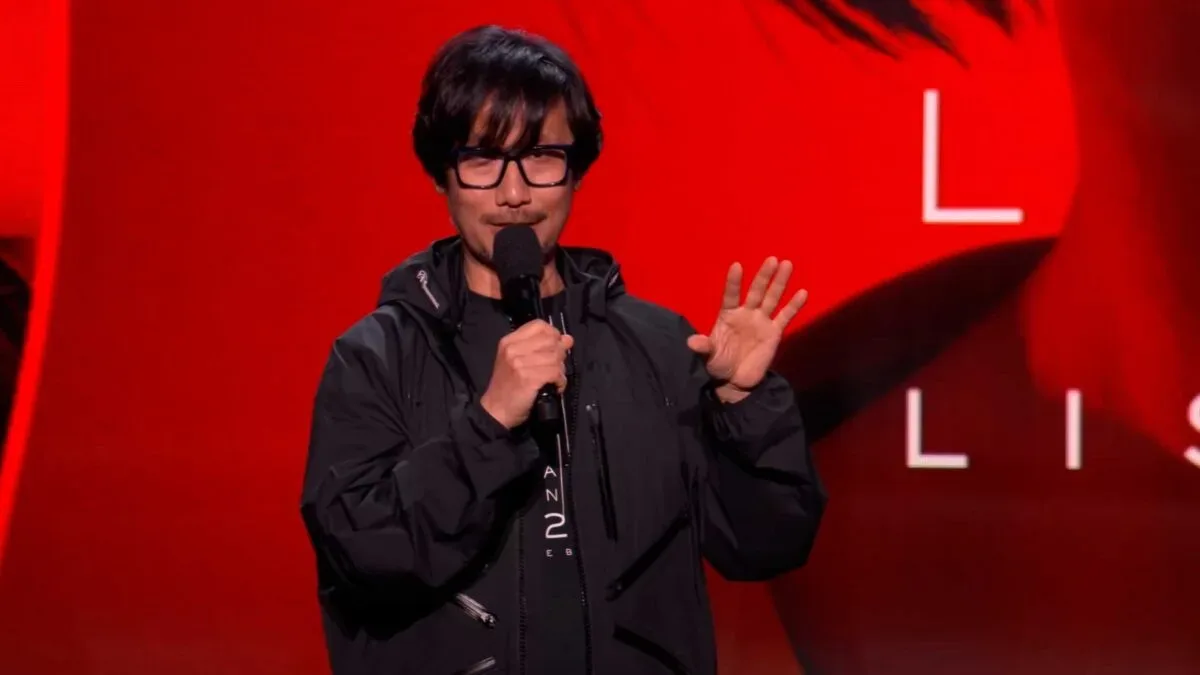
Hideo Kojima has described the moment Sony Interactive Entertainment ended funding for Physint as a deeply destabilizing surprise for Kojima Productions. The creator says the decision was delivered during a Zoom call in June and that he still has not been told why the publishing arrangement ended.
The important distinction is that Physint itself has not been canceled. PlayStation has stepped away as publisher, while Kojima Productions has since secured Xbox as the project’s publishing partner. The studio has also said it remains healthy and profitable, and that development is continuing.
That outcome is a reprieve, but Kojima’s account illustrates how quickly a publishing decision can become an existential concern for an independent studio. He said his immediate thoughts went to financing, bank loans, and the possibility of layoffs affecting people hired specifically for Physint.
A final notice after a long PlayStation relationship
Kojima said Sony requested the June meeting after a particularly busy stretch of travel. In the call, he says, Sony said it could no longer finance development of Physint. His initial reaction was disbelief: he said he could not immediately process what had been said.
He was joined by Kojima Productions president Shinji Hirano and head of talent development Aki Saito. Kojima has not identified the Sony representatives in the meeting and would not confirm whether PlayStation Studios head Hermen Hulst was present.
For Kojima, the shock was intensified by the history surrounding the collaboration. He has worked with Sony across roughly three decades, referenced past close relationships with Sony leadership, and stressed that he holds no ill will toward the company. He also said the current corporate structure at Sony Interactive Entertainment differs from the era of former PlayStation executive Jim Ryan.
“Nothing could’ve prepared me for their decision to step away from the project,” Kojima said, explaining that his thoughts immediately turned to what the studio would do next.
That is not the language of a public feud. Kojima has repeatedly framed the situation as a painful business outcome rather than a personal break. He said there has been no “divorce” with Sony, called himself a longtime Sony fan, and noted that he continues to use Sony products. His complaint is narrower but substantial: he believes he should have been informed earlier if ending the arrangement was the ultimate conclusion.
Related coverage includes Hideo Kojima Says Sony Ended Physint Funding in a June Zoom Call.
He said that, following the meeting, the three people on the call initially kept the news private. Kojima then returned to work on fresh concept material for Physint, an espionage thriller he has characterized as both a game and a movie.
Why the funding question mattered so much
Publishing is not merely a logo on a trailer. In this context, the publisher had been set to fund development. That support can underpin a studio’s hiring and long-term production planning. When it disappears, the developer may have to find replacement backing while still managing payroll, commitments, and work already underway.
Kojima Productions has roughly 200 employees. Kojima’s remarks make clear that the risks he contemplated were not abstract: losing the arrangement could have caused financing problems and endangered roles connected to Physint. His reference to the studio potentially collapsing underscores the scale of uncertainty he felt before another deal was in place.
This does not mean Kojima Productions actually entered collapse or laid off staff. The studio’s subsequent statement says the opposite on its present condition: it describes itself as healthy and profitable, says Physint is moving forward with Xbox, and says its PlayStation relationship remains strong. Readers should separate the severe risks described at the time of the June call from the studio’s current assurance that it has continued operating.
The reason remains unconfirmed
The central unanswered question is why Sony withdrew. Kojima says he does not know, and says Sony has not contacted him since the June meeting. That leaves no on-the-record explanation from either Sony or Kojima Productions for the decision.
Reports have attributed the shift to possible budget pressure, missed deadlines, the commercial performance of Death Stranding 2, PlayStation’s PC strategy, and leadership changes. Kojima Productions has directly urged caution over those claims. Its statement says the assertions did not come from official or on-the-record sources and asks people to approach them with skepticism.
That response matters because several distinct issues are easily bundled into a single internet narrative:
- Why Sony left: still unconfirmed publicly.
- Whether the studio is in trouble now: Kojima Productions says it is healthy and profitable.
- Whether Physint is still being made: the studio says yes, now with Xbox.
- Whether the Sony relationship has collapsed: both Kojima’s comments and the studio’s statement reject that characterization.
In short, it is fair to say the situation was serious. It is not justified to state a definitive cause, declare a corporate war, or treat rumors about budgets and sales as established fact.
What Xbox’s role means—and what it does not yet tell us
The confirmed practical change is that Xbox is now supporting Physint. That preserves the project and gives Kojima Productions a new publishing path after Sony’s withdrawal. It also makes this an unusually prominent example of a major project changing publishing partners after its original arrangement had already become public.
However, the available information does not establish release timing, platforms beyond the new Xbox partnership, commercial terms, or how the creative plan may have changed. It would be premature to infer an exact exclusivity plan or any other unannounced feature from the publisher change alone.
For fans, the most useful takeaway is simple: follow confirmed statements about the game’s ongoing development rather than treating the initial PlayStation exit as the end of Physint. A prior report on Kojima’s view of the game’s commercial potential is also worth reading in context: Kojima previously said he saw Physint as his broadest-selling game.
A cautionary moment for public-facing game partnerships
There is a broader practical lesson in the episode. A high-profile studio partnership can look stable to the public while its financial and corporate foundations remain subject to change. Publishers reconsider investments; developers must protect the teams and projects built around those deals. Public affection between a creator and a platform holder does not remove the possibility of a hard commercial decision.
Kojima has acknowledged the wider difficulty facing the game business rather than singling Sony out as uniquely at fault. At the same time, his account argues for the human impact of abrupt notice. When a studio has staffed up for a specific production, the consequences reach well beyond a press release or a platform-holder social-media post.
For now, there are two facts to hold together. The Sony funding decision was a serious shock that left Kojima Productions confronting potentially significant implications. But the studio says it has found a way forward: Physint remains in development with Xbox, Kojima Productions says it is financially sound, and its relationship with PlayStation has not been reduced to hostility.