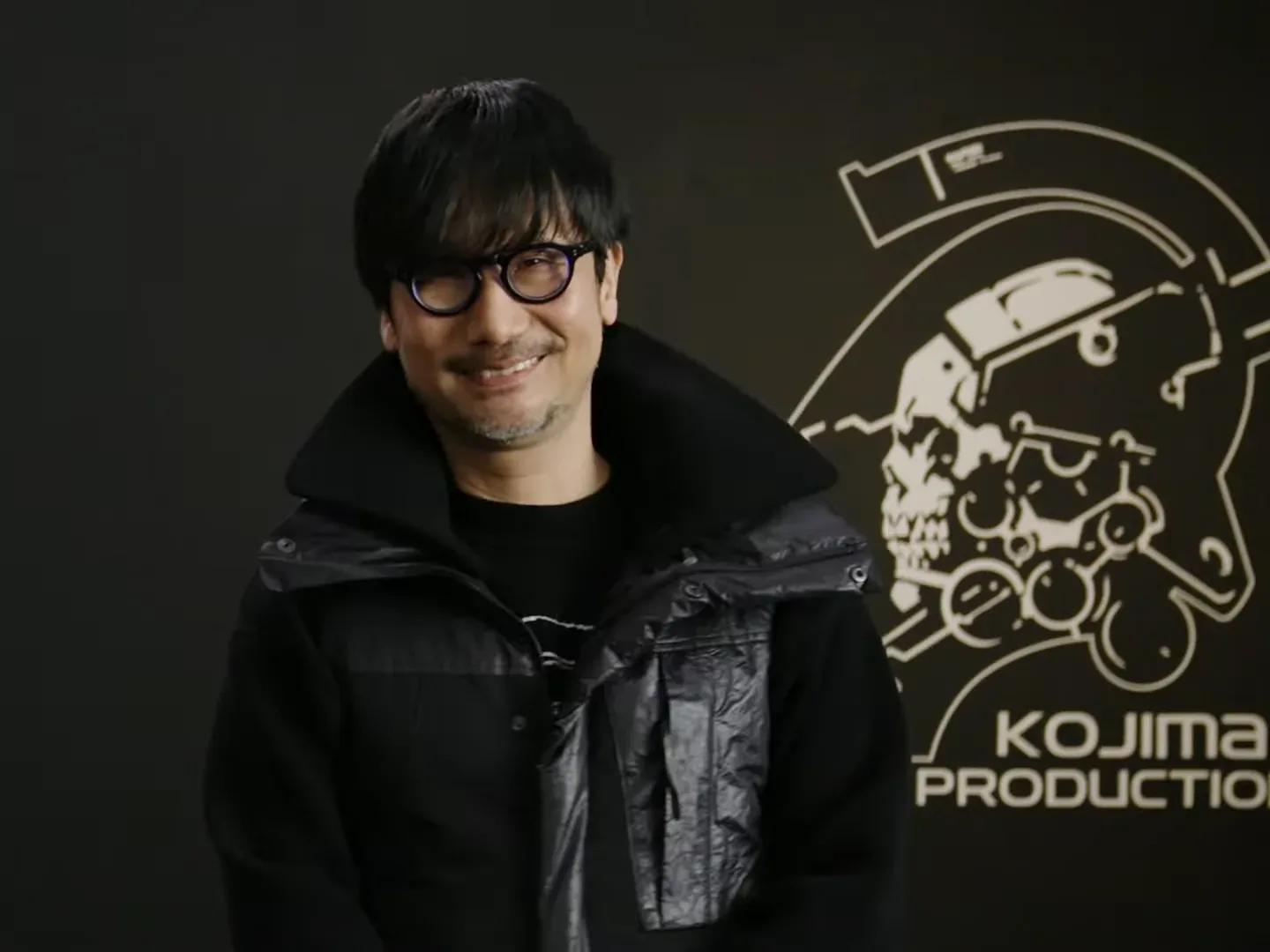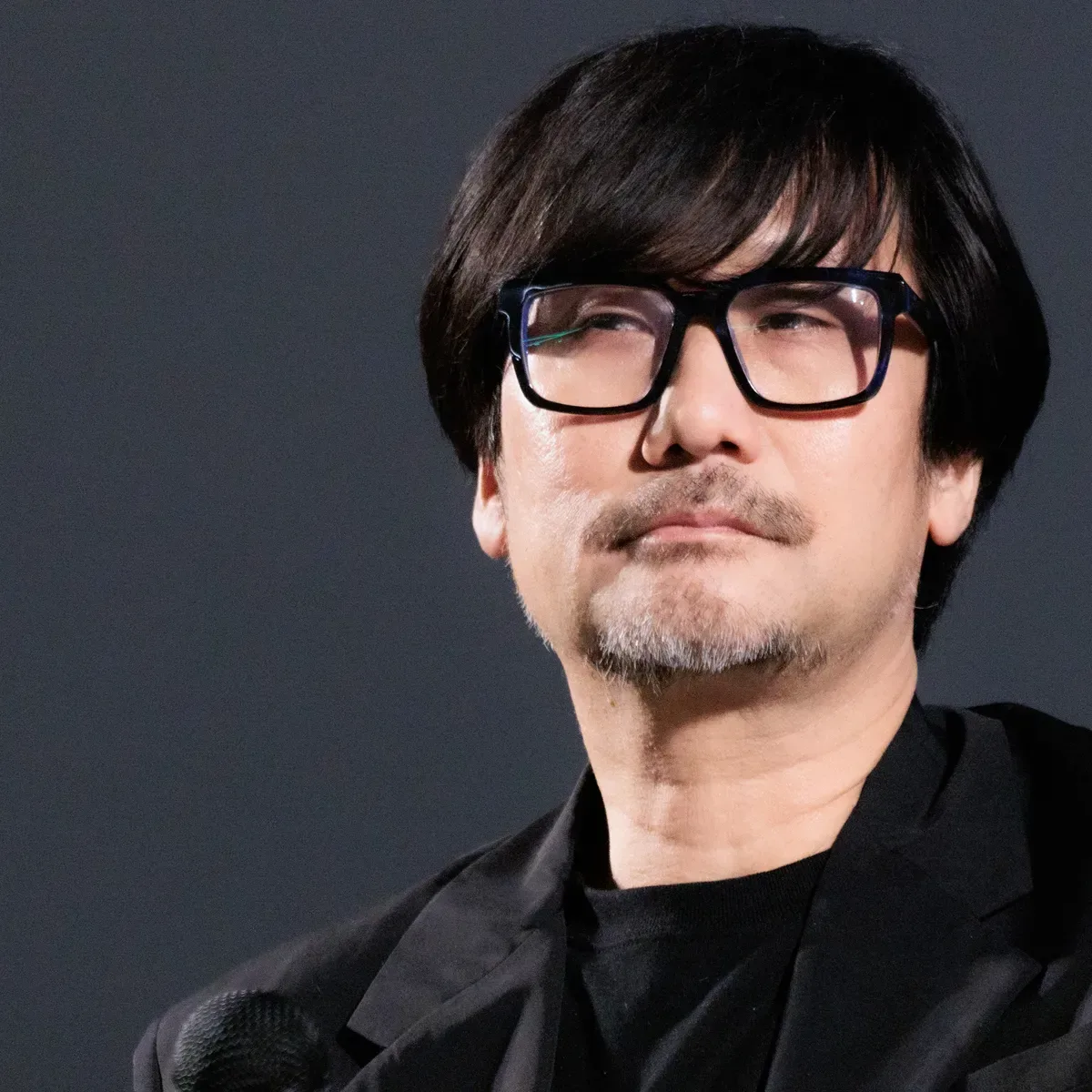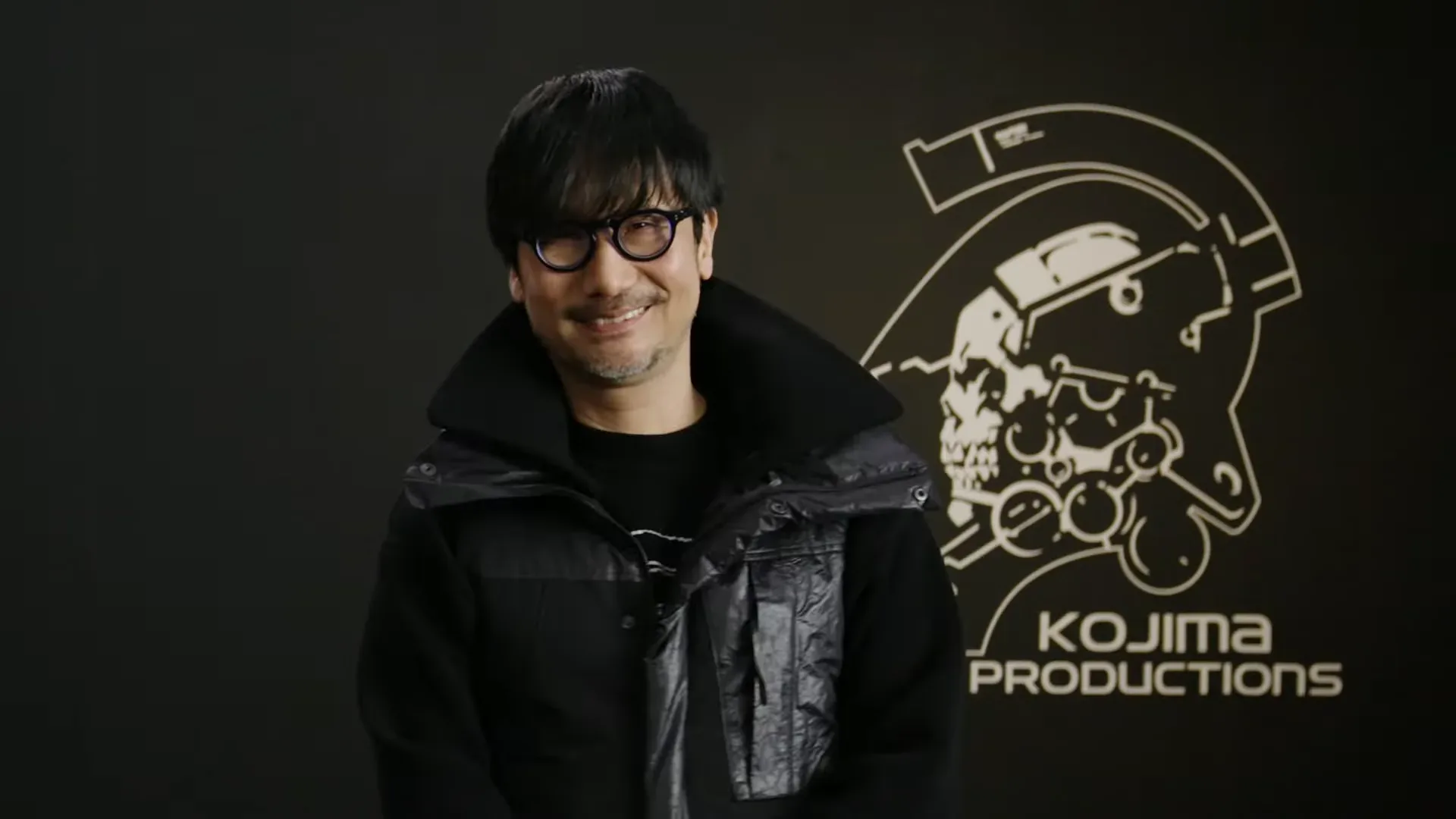
Hideo Kojima has described the loss of PlayStation funding for Physint as a shock, not simply because a high-profile project was suddenly without a publisher, but because he believed the game represented his most commercially direct idea. In comments shared after Xbox took over publishing duties, Kojima called Physint “the biggest selling title I could possibly create” and said he had not expected it to be a candidate for cancellation.
That assessment says a great deal about what Physint appears intended to be. The project has been positioned as a new action-espionage game from Kojima Productions: a genre closely associated with Kojima’s career and one that has historically proved capable of attracting a wide audience. While Physint has not been formally named as a Metal Gear Solid successor, Kojima’s description understandably frames it as a return to the kind of mainstream spy-fiction space many players associate with his work.
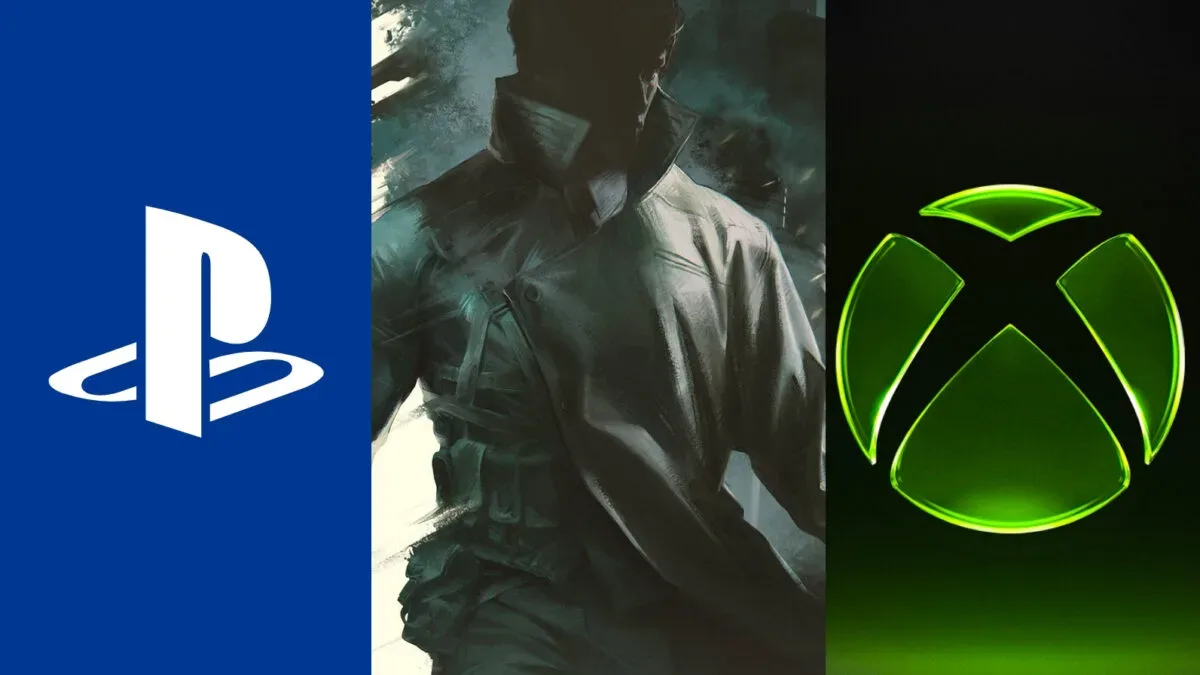
The immediate practical result is that Physint remains alive. Xbox is now publishing the game, and it is also attached as publisher to Kojima Productions’ already announced horror project, OD. Yet the route from PlayStation’s initial partnership to a new publishing arrangement also underlines how exposed an independent studio can be when a major backer changes course—no matter how famous the creative lead or how ambitious the project’s original presentation may be.
A cancellation that did not look inevitable from the outside
Physint was revealed during a PlayStation State of Play presentation in 2024. Its introduction signaled unusually expansive ambitions. PlayStation executive Hermen Hulst appeared alongside Kojima, and the project was presented as an effort to bring games and film closer together than previous Kojima projects had done. Sony’s movie and music divisions were described as collaborators, while the reveal was filmed at Columbia Pictures headquarters.
Those details made the project appear to have substantial institutional support. A game introduced with participation from entertainment divisions beyond the game publisher can look like more than a conventional development deal; it can look like a cross-company creative initiative. That is why the end of PlayStation funding reads as such a sharp reversal from the public-facing signals around the reveal.
Kojima said PlayStation informed Kojima Productions in a Zoom meeting in June. The meeting included studio president Shinji Hirano, Kojima, and head of talent development Aki Saito. Kojima characterized his reaction as being shocked and surprised, while stressing that he did not feel anger or sadness. Instead, his priority became finding another partner capable of preserving the project and protecting the studio’s employees.
“We’re an independent studio. That means if they can’t fund us, our studio could collapse,” Kojima said.
That is the key business reality behind the headline. A cancellation is often discussed by fans in terms of an absent game: a trailer that will not lead anywhere, a concept that may never be played. For an independent developer, it can also mean uncertainty over staffing, operations, and the ability to sustain work long enough to secure a replacement arrangement. A publisher provides more than a logo on marketing material. In this context, funding is the condition that allows an expensive, long-term production to continue.
Related coverage includes Hideo Kojima Says Physint Cancellation Shocked Him Before Xbox Publishing Deal.
What “action espionage” means here
Action espionage describes fiction built around spycraft and covert operations but driven by player action rather than solely by stealth or narrative investigation. The label is broad, and it does not tell players exactly how Physint will control, how missions will be structured, or what systems it will include. No such gameplay specifics have been provided in the information available here.
It does, however, establish an important creative expectation. Espionage games tend to promise tension around infiltration, surveillance, deception, escape, and high-stakes confrontations. Kojima’s use of the label connects Physint to a recognizable audience expectation even without a detailed gameplay demonstration. That familiarity is central to why he views the game as a potentially enormous seller: the project is not being framed as an obscure experiment or a narrowly targeted concept.
That should not be mistaken for a sales forecast. “Biggest selling title I could possibly create” is Kojima’s own appraisal of the project’s market potential, not a published projection, a guarantee, or a figure backed by disclosed pre-orders. It does reveal his confidence that this creative direction has broad appeal. The distinction matters because a prominent genre, a major actor, and an established director can create anticipation without telling us the eventual budget, release timing, platforms, business model, or sales outcome.
In other words, Physint’s appeal is presently conceptual. It has a clear genre identity and the involvement of a creator strongly linked to that territory, but many of the ordinary details players would use to judge a game remain undisclosed.
Why the publisher change matters even after the rescue
Xbox’s decision to publish Physint means the game avoided the most damaging possible outcome: disappearing after its funding was withdrawn. It also gives Kojima Productions a path forward for both announced projects connected to Xbox. But a new publishing partnership should be understood as continuity of development rather than proof that every earlier plan remains unchanged.
There is no confirmed information here on whether the project’s former cross-media collaboration with Sony divisions will persist, be replaced, or no longer apply. The original reveal involved a particular PlayStation-era relationship; Xbox publishing is a separate arrangement. Until the companies or Kojima Productions provide updated production details, it would be speculation to assume that the title’s scope, release plan, or filmmaking ambitions are identical to what was envisioned at its debut.
For players, the most useful takeaway is simple: Physint is still in development with a new publisher, but it remains a game with substantial unanswered questions. Its survival is significant. Its final shape is not yet known.
The episode also demonstrates that public visibility does not eliminate development risk. Physint was revealed on a major platform showcase and connected to a high-profile creative team. That profile may help a project find a new partner, as it apparently did here, but it did not prevent the first arrangement from ending. Independent studios can be creatively visible while financially dependent on relationships that are subject to strategic change.
Kojima’s Sony history and a changing business relationship
Kojima said he had worked with Sony for around 30 years and referenced long-standing relationships with Ken Kutaragi and Kaz Hirai. His comments convey a recognition that the relationship has changed from the one he remembers. Rather than presenting the funding decision as a personal grievance, he described it as a difficult commercial reality.
That measured response is notable given the stakes. There is no allegation in the available information of a creative dispute, a performance issue, or a specific internal reason for PlayStation’s decision. The confirmed point is narrower: PlayStation ended funding, Kojima Productions needed another partner, and Xbox agreed to publish Physint.
Keeping that boundary is important. It is tempting to turn a publisher shift into a simple story of one platform “winning” and another “losing,” especially when the replacement publisher was announced so quickly. But the clearer story is one of independent-studio survival and project continuity. Kojima’s own emphasis was on finding support for the people working at his company, not on escalating a corporate rivalry.
It is also a reminder that familiar industry relationships are not permanent guarantees. Long professional histories can provide trust and opportunities, but publishing agreements ultimately exist within changing priorities and business conditions. Kojima’s comments suggest that this was the sobering part of the experience: not outrage, but the recognition that prior closeness did not assure the continuation of the present deal.
Film ambition remains part of Physint’s identity
Physint’s original presentation deliberately highlighted an overlap between games and film. The 2024 reveal’s setting and the involvement of Sony’s movie and music operations made that ambition explicit. Separately, Bill Skarsgård, known for John Wick: Chapter 4, has been named as Physint’s lead actor, adding another concrete connection to screen performance.
Actors and cinematic presentation, however, do not by themselves define a game’s play experience. “Cinematic” is often used broadly in games to refer to presentation, performance capture, camera work, storytelling, or production scale. None of those terms should be used to invent unannounced mechanics. At present, Physint’s confirmed identity is its action-espionage premise, Kojima’s stated career significance for the project, and the names attached to its creation and publishing—not a detailed account of its missions or systems.
Kojima has described the game as the culmination of more than 40 years of his career. That is an enormous personal claim and helps explain why the funding reversal landed so unexpectedly. To him, Physint appears to combine a genre he knows deeply with a scale of entertainment ambition intended to reach beyond a specialized audience.
For an industry that increasingly discusses games in terms of risk, partnerships, and portfolios, Physint’s path offers a useful caution. A project can be commercially legible, publicly celebrated, and creatively backed by a famous name while still requiring a new financial home. The positive development is that this particular game found one. The unanswered question is what the Xbox-backed version of Physint will ultimately become.
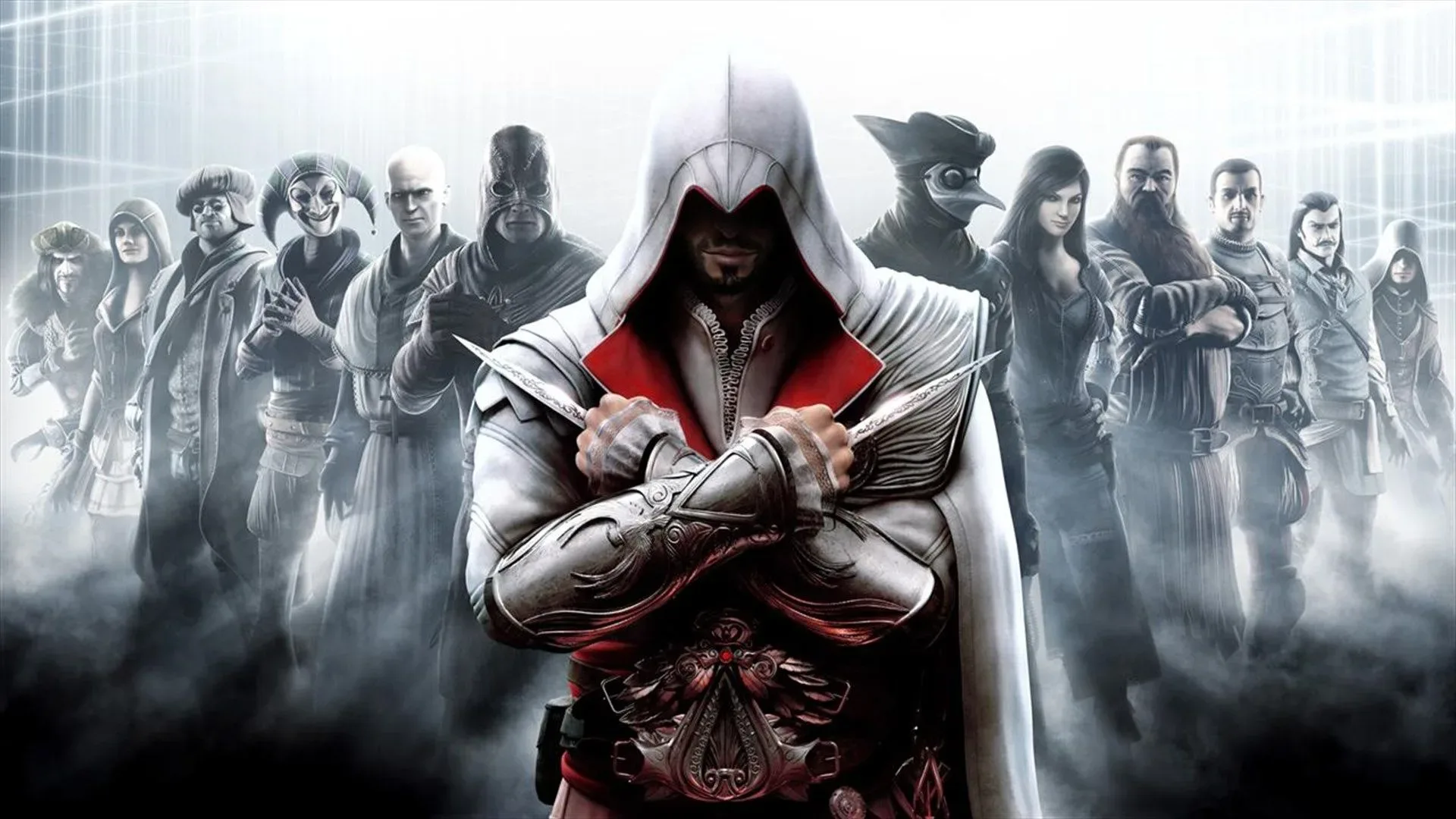
For more perspective on how established design formulas can shape player expectations, see our look at why Assassin’s Creed Brotherhood still informs Ubisoft open worlds.