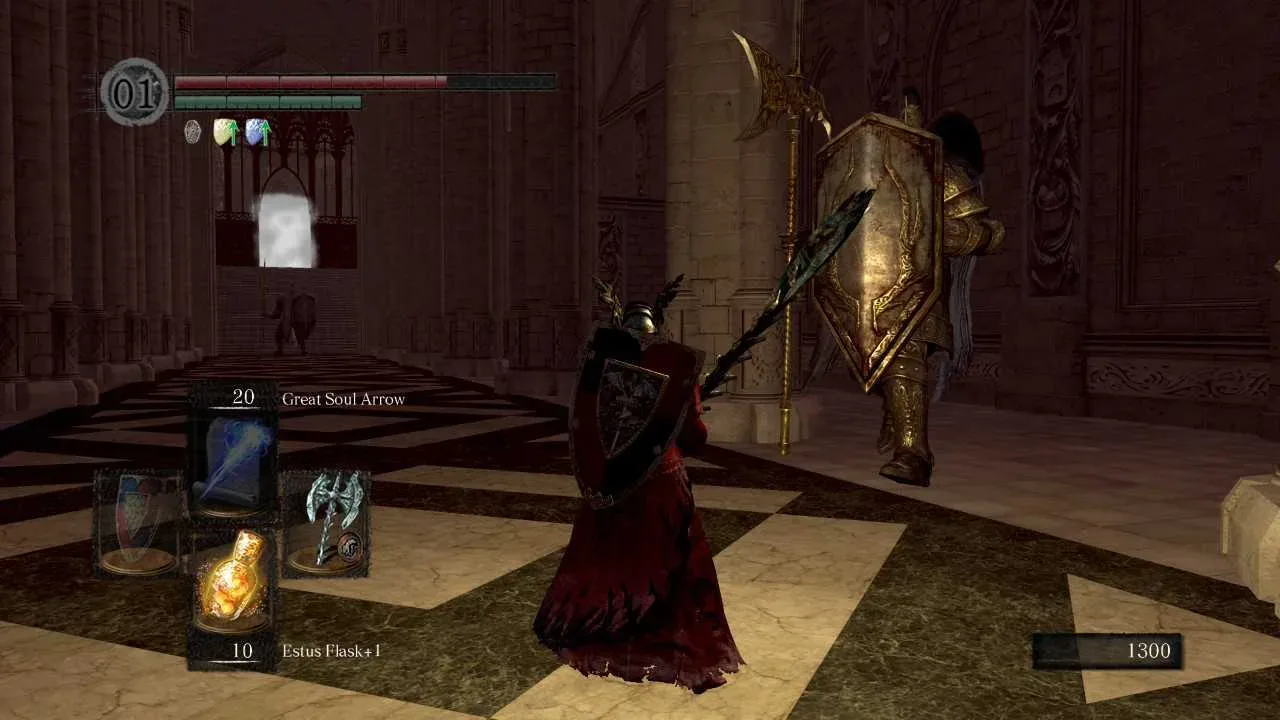
Few action-game moments are as reliably deflating as earning a dramatic boss weapon, admiring its absurd silhouette, then realizing it will spend the rest of the campaign gathering digital dust. The problem is not necessarily that the new weapon is weak. Often, it is that trying it properly asks the player to abandon a large investment in the weapon that already works.
Phantom Blade Zero approaches that dilemma with an unusually player-friendly answer: investment in a weapon is recoverable. Its upgrade materials and XP can be refunded by downgrading a weapon, allowing players to redirect those resources into another choice. That simple option has a potentially enormous effect on the rhythm of an action RPG. A new weapon becomes something to test now, not a fascinating prize to save for an imaginary second playthrough.
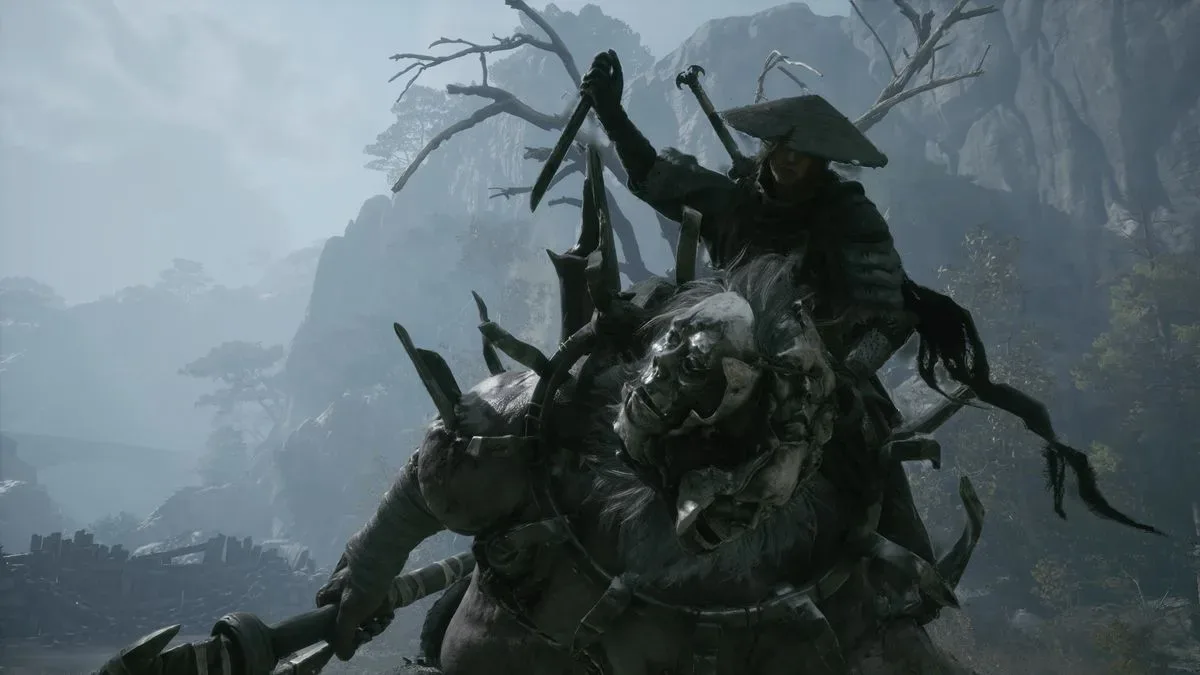
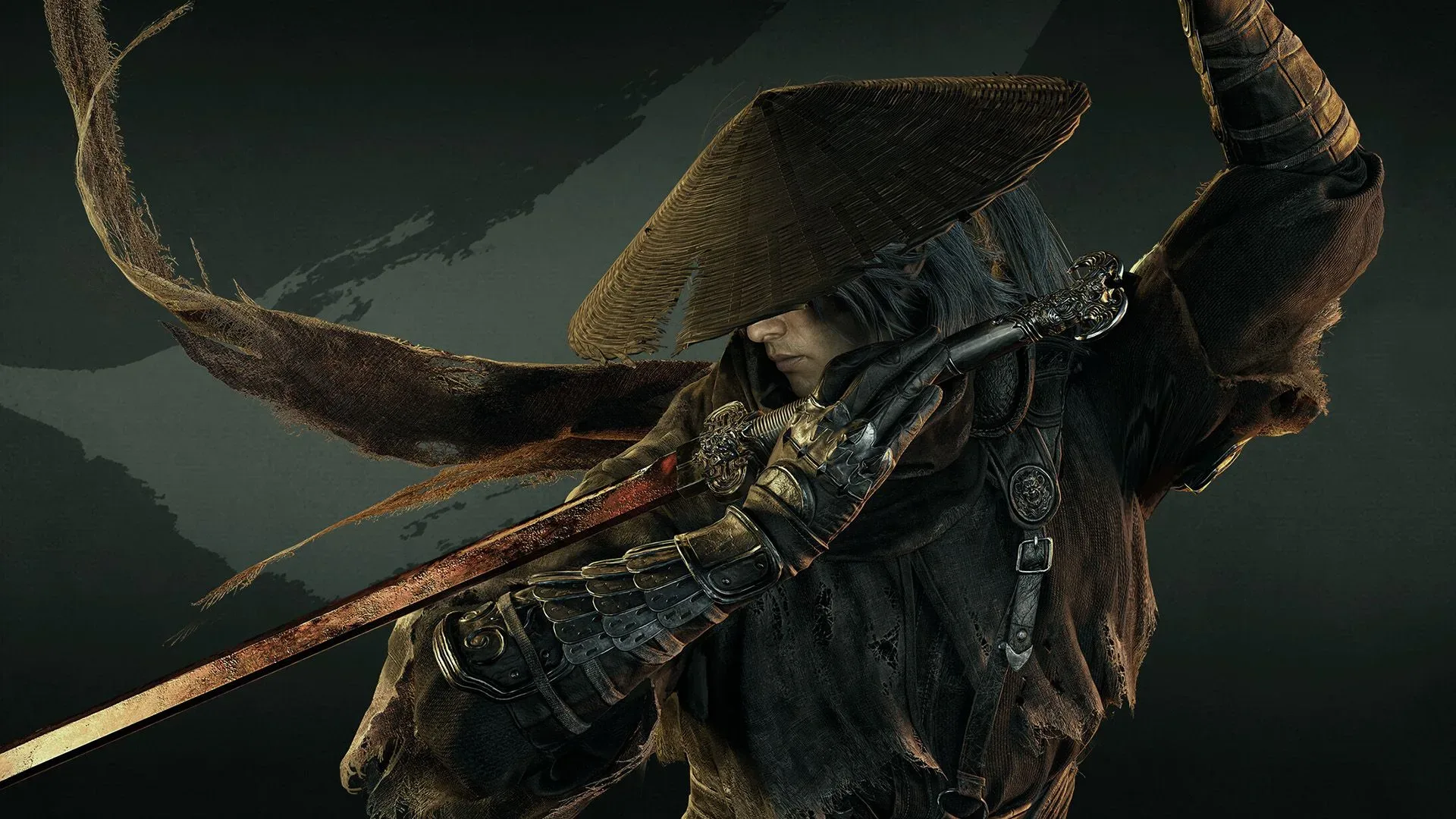
The game’s reported combat structure makes that philosophy especially significant. Soul, its wuxia hero, has access to a broad selection of main weapons and sub-weapons, with weapons animated through martial-arts choreography. The intended attraction is clearly not merely collecting a long inventory list. It is using that list: switching approaches, seeing how a different weapon moves, and finding a tool that suits an encounter or a player’s instincts.
The actual cost of trying a new weapon
In many action RPGs, weapon upgrades create a form of opportunity cost. That term simply means choosing one option means giving up what those same resources could have done elsewhere. Put rare enhancement materials into a familiar blade, and the cost is not just the materials themselves. It is the reduced ability to bring a surprising new weapon up to the same useful level.
That cost can become more powerful than curiosity. A player may receive a weapon from a difficult boss and ask a practical question before an aesthetic one: can this be upgraded enough to compete with the current favorite? If the answer is no, the reward is functionally reduced to a menu item, a collectible, or a promise for later.
That feeling is a familiar criticism of Elden Ring’s progression. Its world contains many unusual weapons, but its upgrade economy can encourage commitment to a limited set for much of a run. Materials eventually become purchasable late in the game, yet fully upgrading multiple alternatives in one playthrough remains limited. The resulting calculation is understandable: is the newcomer good enough to justify rebuilding, or should the player stay with the reliable weapon already strengthened?
That is not inherently bad design. Scarcity can make a choice meaningful, and permanent specialization can reinforce a role-playing build. But it can also work against the joy of discovery, particularly in a game that makes unusual weapons look like invitations. The more distinctive the reward, the stranger it feels when the most rational reaction is to leave it unequipped.
Refunds turn upgrade materials into flexible progress
Phantom Blade Zero’s system changes the meaning of a material pickup. Upgrading a weapon increases attack power and can unlock extra bonuses and attacks. Ordinarily, that sounds like a narrow improvement to one item. With downgrading available, however, the materials and XP can be reclaimed and reassigned. Progress is less tightly attached to a single sword, dagger set, or other weapon, and more closely attached to the player’s overall ability to explore the arsenal.
Related coverage includes Phantom Blade Zero Makes Every New Weapon Worth Trying.
The refund is reportedly free until weapon level 10. Beyond that point, it requires a coupon, but the coupons are described as plentiful. The key detail is not that switching is wholly frictionless forever; it is that the friction is low enough to support experimentation rather than discourage it.
There is a useful distinction here between respec and a weapon refund. A respec traditionally means reallocating a character’s attributes, such as strength or magic. Phantom Blade Zero does not use RPG stats in the described system. Its weapon downgrade mechanic instead reallocates the progression spent on an item. The practical outcome is similar—players can change course—but it is targeted at the equipment decision that often prevents experimentation in weapon-heavy games.
That absence of RPG stat barriers matters. A player is not being asked to wonder whether a weapon’s requirements match a build, nor to reshape a stat sheet before giving it a fair trial. The question can stay close to the combat itself: does this weapon feel good, solve a problem, or make the player want to keep fighting with it?
Separate material pools still make loadout choices matter
Importantly, easy refunds do not mean the system eliminates all decisions. Phantom Blade Zero divides upgrade materials by category. One-handed, two-handed, and dual-wielded main weapons use separate materials. Sub-weapons are likewise divided into archetypes for progression purposes.
That arrangement encourages a mixed loadout. Improving a one-handed weapon does not directly consume the same upgrade pool as a dual-wielded weapon, for example. A player can therefore develop two contrasting styles together more naturally than two weapons from the exact same category.
It is a form of build diversity: a design approach that gives players reasons to maintain tools with different roles rather than pursuing one universally dominant option. In this case, the roles are not presented through character stats. They emerge from weapon category, combat behavior, and the separate material tracks. The system seems designed to say: keep a second answer ready, just make it meaningfully different.
That is more interesting than handing out unlimited upgrades with no constraints at all. If every weapon were maximized automatically, obtaining another might lose its sense of consequence. Separate pools preserve a need to decide what kinds of combat options belong in a current loadout, while refunds ensure that a mistaken or temporary decision does not become a permanent penalty.
Why boss rewards need more than higher damage numbers
The reported weapon roster makes the case for flexibility. Major bosses often drop weapons, and the arsenal includes more than conventional swords. There are paired daggers that can attack independently, gauntlets, great swords that exchange health for damage, chained axes, and instruments that fire arcs of energy when played. Other weapons can extend, call surrounding spirits, spin as bludgeons, or invoke fire.
Those descriptions suggest a difference in moveset, the collection of attacks, timings, ranges, and special actions tied to a weapon. A compelling boss reward should ideally change that moveset in a noticeable way. It should alter spacing, tempo, risk, or the kinds of opportunities a player looks for. A sword with higher damage but nearly identical behavior can be useful, but it does not necessarily feel like a new combat idea.
Phantom Blade Zero’s apparent strength is the combination of distinctive behavior and immediate viability. A player who earns a chained axe or an energy-projecting instrument does not have to treat it as a future project blocked by a resource deficit. They can refund their current investment, bring the reward up to speed, and learn whether the dramatic new playstyle is actually for them.
This is especially valuable after a boss. A hard-fought victory is a natural point for a game to refresh its combat loop. The player has learned an enemy, endured several failures, and finally succeeded. Offering a usable new tool immediately after that can make the reward feel like an opening into the next part of the game rather than a trophy cabinet addition.
Not a Soulslike, even when it addresses a Soulslike frustration
It would be easy to file Phantom Blade Zero under the Soulslike label because it has challenging fights, bosses, and a weapon-driven action structure. But the details described here argue against that shorthand. Death carries no loss, enemies do not respawn, stamina is generous, there are no RPG stats, and defeating a boss’s first phase means later attempts begin at phase two.
Those choices lessen several forms of repetition and attrition associated with the genre. Starting at a cleared second phase, for instance, respects mastery already demonstrated rather than requiring players to repeatedly re-prove it before attempting the remaining challenge. The plentiful stamina likewise changes combat pacing: endurance management is not presented as the principal limiter on action.
The weapon refund system fits this larger picture. It minimizes punishment for wanting to explore. That does not mean the game removes difficulty or tactical decisions; it means it places more of the emphasis on execution and weapon preference rather than on the anxiety of committing finite resources.
For players following the wider conversation around punishing action games, it is also worth noting that Bloodborne’s planned animated movie shows how far the appeal of this style has reached beyond combat systems alone. Phantom Blade Zero’s approach is a reminder that action games can borrow the excitement of formidable bosses and evocative weapons without duplicating every progression convention associated with Soulslike design.
A buffet, not a display case
The most persuasive promise in Phantom Blade Zero is not simply that it has many weapons. Plenty of games offer quantity. The meaningful promise is that the player can use those weapons without treating every switch as an irreversible accounting error.
Its category-based upgrade materials still establish structure, encouraging complementary weapon types in a loadout. Its upgrade levels and coupons mean the system is not portrayed as entirely without cost. Yet the ability to recover stones and XP makes the overall economy flexible enough for its weapon variety to be felt in play.
For action RPG fans, that has a practical implication: a boss drop can retain its excitement long after the victory screen. Instead of asking whether it is worth wasting scarce upgrades on a curiosity, players can ask the much better question—what happens if Soul fights with this?