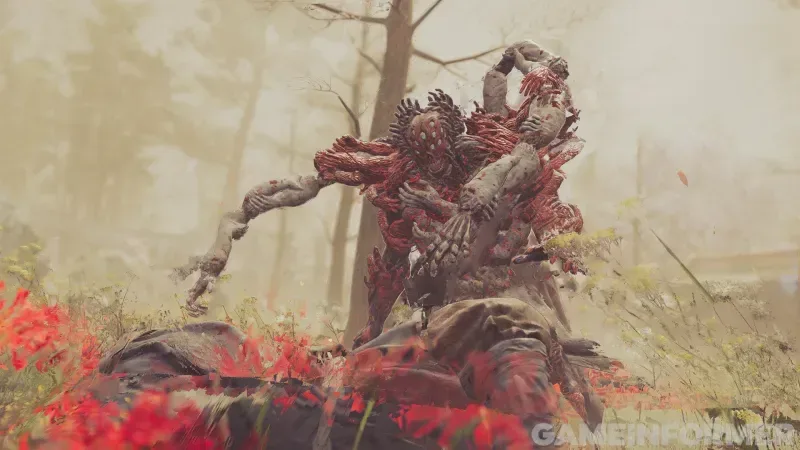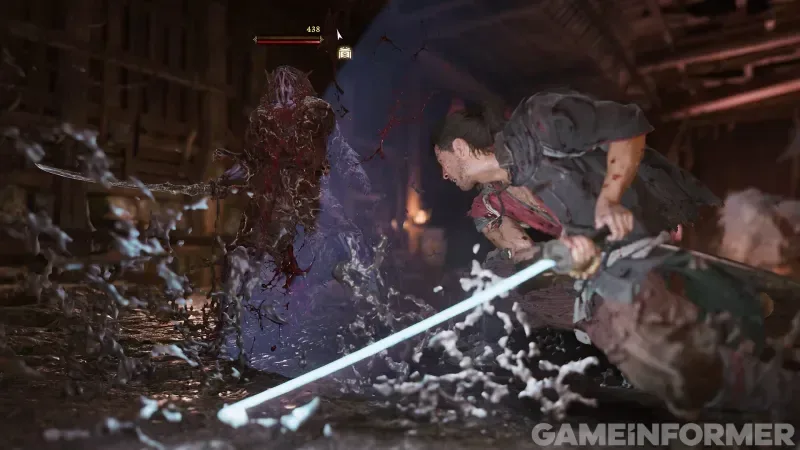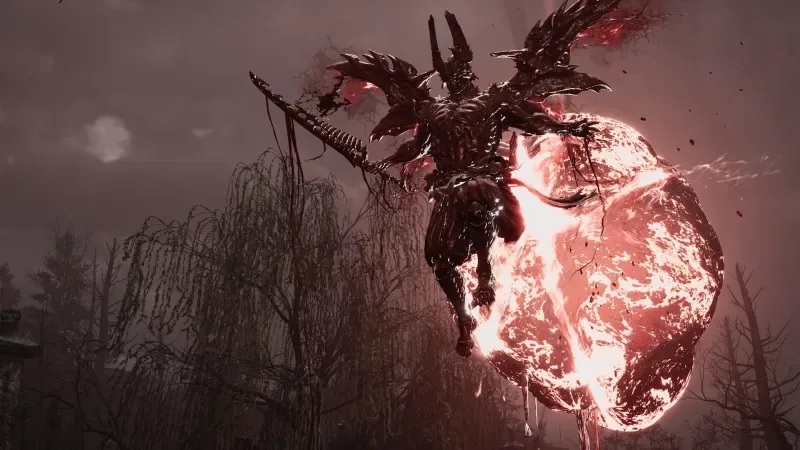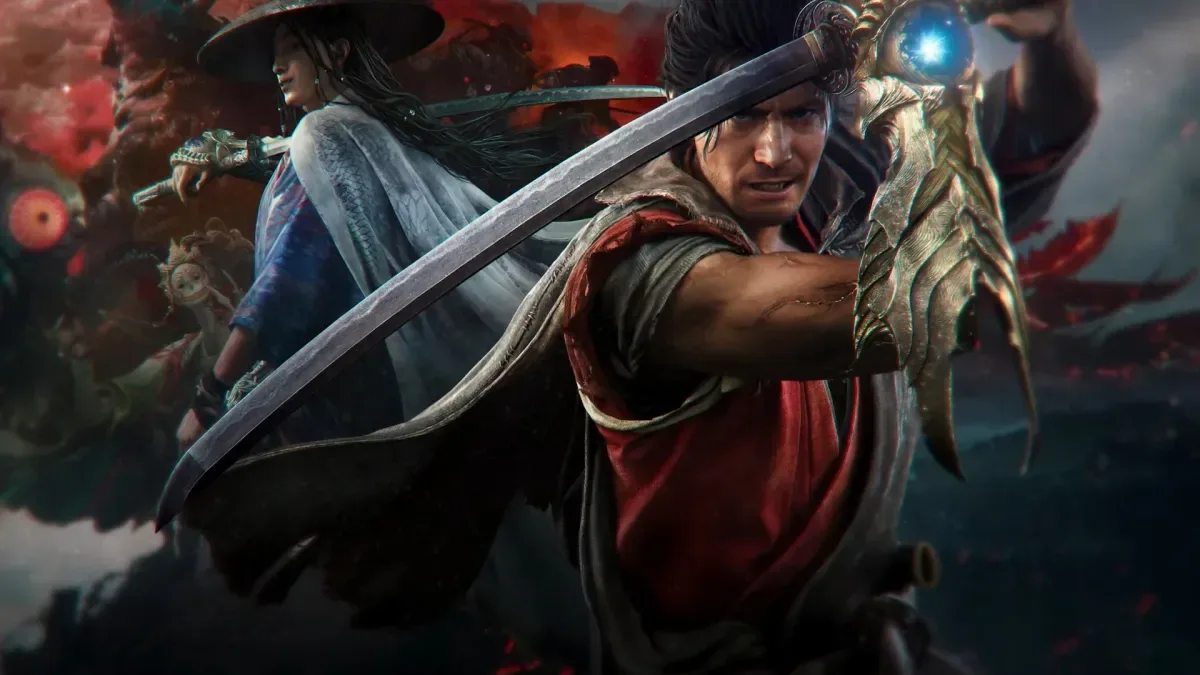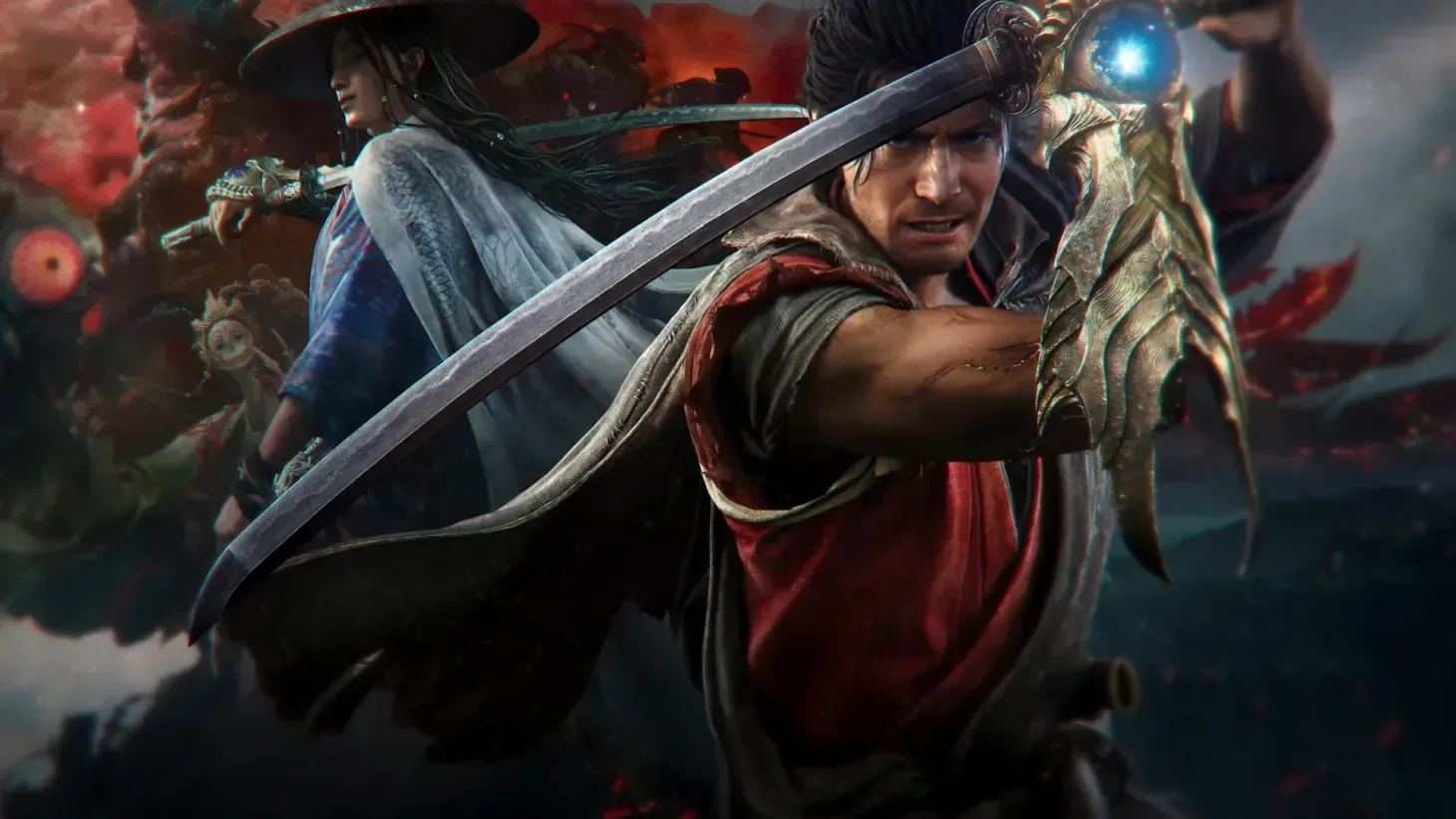
Onimusha: Way of the Sword appears determined to make every sword duel matter. Its version of Miyamoto Musashi is not built to casually carve through a demon horde while the player coasts on one reliable combo. He is a younger, fictionalized take on the famed wandering swordsman, dropped into an early Edo-period Kyoto overwhelmed by the demonic Genma. He also acquires an Oni Gauntlet that grants exceptional power—power he regards with suspicion rather than uncomplicated triumph.
That tension between mastery and artificial strength shapes the game’s strongest idea. Musashi wants to become the greatest through his own ability, yet the gauntlet turns him into something other than an ordinary man. Way of the Sword, fittingly, asks players to earn their victories through their own growing command of its systems. The result is described as the hardest and most mechanically involved Onimusha to date: occasionally exhausting, frequently severe, but enormously rewarding when a difficult battle finally breaks in the player’s favor.
It is a return that respects the series’ demon-slaying identity without treating nostalgia as sufficient armor. Some design choices reportedly feel pulled straight from the early 2000s, for better and for worse. But when steel meets Genma, the game’s modern ambitions are much sharper.
A combat system that refuses to be background noise
The defining feature is combat that demands full attention. Way of the Sword does not rush through a brief introductory lesson and then assume players have the essentials covered. Musashi’s options continue expanding hours into the campaign. That approach can make the opening stretch feel overly restrained, as if the game is reluctant to remove the training wheels. Yet the long teaching process has a clear payoff: its biggest encounters test the entire lesson plan.
Parries, evasions, deflections, positioning, attack recognition, and the rest of Musashi’s evolving toolset are not presented as optional flourish. The toughest boss fights expect players to understand how and when these mechanics work together. Winning is less about finding a dominant button sequence than accurately reading an opponent, responding at the right moment, and remaining composed once the pressure rises.
That philosophy gives Way of the Sword an appealingly old-fashioned severity, though it is not merely old-fashioned. The aim is not simply to punish mistakes; it is to make improvement visible. A player who initially flounders against a boss can return with better timing, stronger awareness, and a more complete grasp of the kit. Clearing a major fight after that process produces the kind of pulse-racing release action games chase at their best.
Way of the Sword’s central promise is simple: the sword is powerful, but knowledge of the sword is what wins.
Ordinary enemy encounters also benefit from that emphasis. Discovering a new Genma and learning its behavior makes even routine battles more engaging than they might otherwise be. Rather than treating lesser monsters as disposable scenery between cinematic moments, the game gives them a role in Musashi’s education. They are practice, threat, and rhythm all at once.
Kyoto provides a striking stage for all that steel
The setting gives the action an appropriately theatrical backdrop. Eastern Kyoto and surrounding locations include the Arashiyama bamboo forest, castles, Kiyomizu-dera, and an underground laboratory connected to Dokyo. These spaces are described as visually confident and inviting for combat-focused exploration, particularly earlier in the adventure. They do not merely frame the fighting; they help establish a version of historical Japan transformed by supernatural malice.
For players with a soft spot for the original era of the franchise, this blend of recognizable locations, demon mythology, and staged progression may be part of the appeal. It is also a useful reminder that preserving older games matters beyond the objects themselves. Those revisiting a backlog of classic Onimusha discs may want to consider how to store retro games so they remain playable and easy to find, especially when a new entry prompts an overdue look at the series’ past.
Way of the Sword’s environments reportedly feel most effective when they operate as places to explore, fight, and discover rather than simply corridors leading to the next mandatory test. Side quests and folktale-based “curious cases” encourage revisits to completed areas, while an otherworldly arena supplies space for practice and boss rematches. Those features complement a combat system that benefits from repetition when that repetition is chosen by the player.
When practice becomes padding
The major problem is that not all repetition is voluntary. The latter portion of the game relies heavily on rifts: sealed combat arenas that must be cleared before progress can continue. In theory, these encounters reinforce skills ahead of larger challenges. In practice, their frequency can turn the lesson into detention. Reused bosses and a lack of a compelling story reason for repeatedly closing rifts reportedly make the structure feel padded.
There are also malice flowers to cut down in order to clear fog, another recurring task that can become more obligation than discovery. Neither rifts nor environmental cleanup are inherently incompatible with an action game built around learning enemy behavior. The issue is proportion. When repeated combat rooms interrupt the momentum too often, the game risks undercutting the very confidence of its swordplay. A satisfying duel is one thing; being told to complete another enclosed wave sequence before the plot can proceed is another.
This is where the game’s affection for earlier series conventions seems least productive. Older action adventures often stretched their length through locked arenas, recycled confrontations, and repeated objectives. Way of the Sword has enough quality in its combat and enough personality in its cast to suggest a leaner version could have been even stronger. A more focused route through Kyoto would likely make the individual trials feel like meaningful escalations rather than another entry on Musashi’s demon-extermination checklist.
There is a broader historical curiosity here, too. Many players are now reconnecting older hardware to contemporary displays to revisit franchises before a new installment lands. Before pulling out an aging PlayStation 2-era collection, it helps to map a retro console’s connections before buying an HDMI adapter. The point is not that Way of the Sword should be judged only against its predecessors, but that its best and weakest instincts both appear to come from a recognizable lineage.
Characters give the familiar demon plot some life
The story itself follows a traditional Onimusha foundation. Demons threaten the living world, a hero is equipped to oppose them, and the barrier holding back Hell is under strain. Ono no Takamura, Musashi’s mentor, is an Oni who has sworn to guard that boundary. This is straightforward material, and the plot reportedly does not wander far from its A-to-B progression.
What elevates it is the cast around Musashi. Dokyo, an evil scientist, is positioned as an especially memorable villain whose taunting presence brings energy whenever she appears. Izumo no Okuni, Musashi’s companion and a kabuki creator, supplies warmth and steadfastness against the protagonist’s stoicism. Then there is Sasaki Ganryu, a flamboyant rival who also bears an Oni Gauntlet. His arrivals signal both character drama and potentially punishing combat.
These personalities help distinguish Way of the Sword from samurai stories that treat honor, grief, or revenge as the only available fuel for drama. Musashi’s world is still full of blades, demons, and serious stakes, but it has room for theatricality, eccentricity, and a cast that appears to enjoy making the supernatural crisis messier. Takamura’s explanation for living as an Onimusha—because the fight is fun—captures that spirit particularly well.
A demanding revival with a real point of view
Onimusha: Way of the Sword’s flaws sound persistent rather than fatal. Its prolonged tutorials can slow the opening, and its rifts, boss reuse, and fog-clearing chores can make the back half feel more bloated than it needs to be. Those are meaningful frustrations in a game whose major virtue is momentum through hard-won understanding.
Still, the action seems strong enough to carry the experience. This is not a revival content to offer familiar costumes, familiar demons, and a few easy nostalgia flashes. It pushes the series into a more difficult, more demanding form, then backs up that challenge with layered mechanics and bosses designed to assess whether the player has truly learned them. When the structure stops getting in its own way, Musashi’s journey sounds like a formidable and satisfying samurai action game.
For an Onimusha return, that is a compelling edge to find: not effortless power, but the pleasure of earning control one clean parry, narrowly timed dodge, and hard-fought victory at a time.