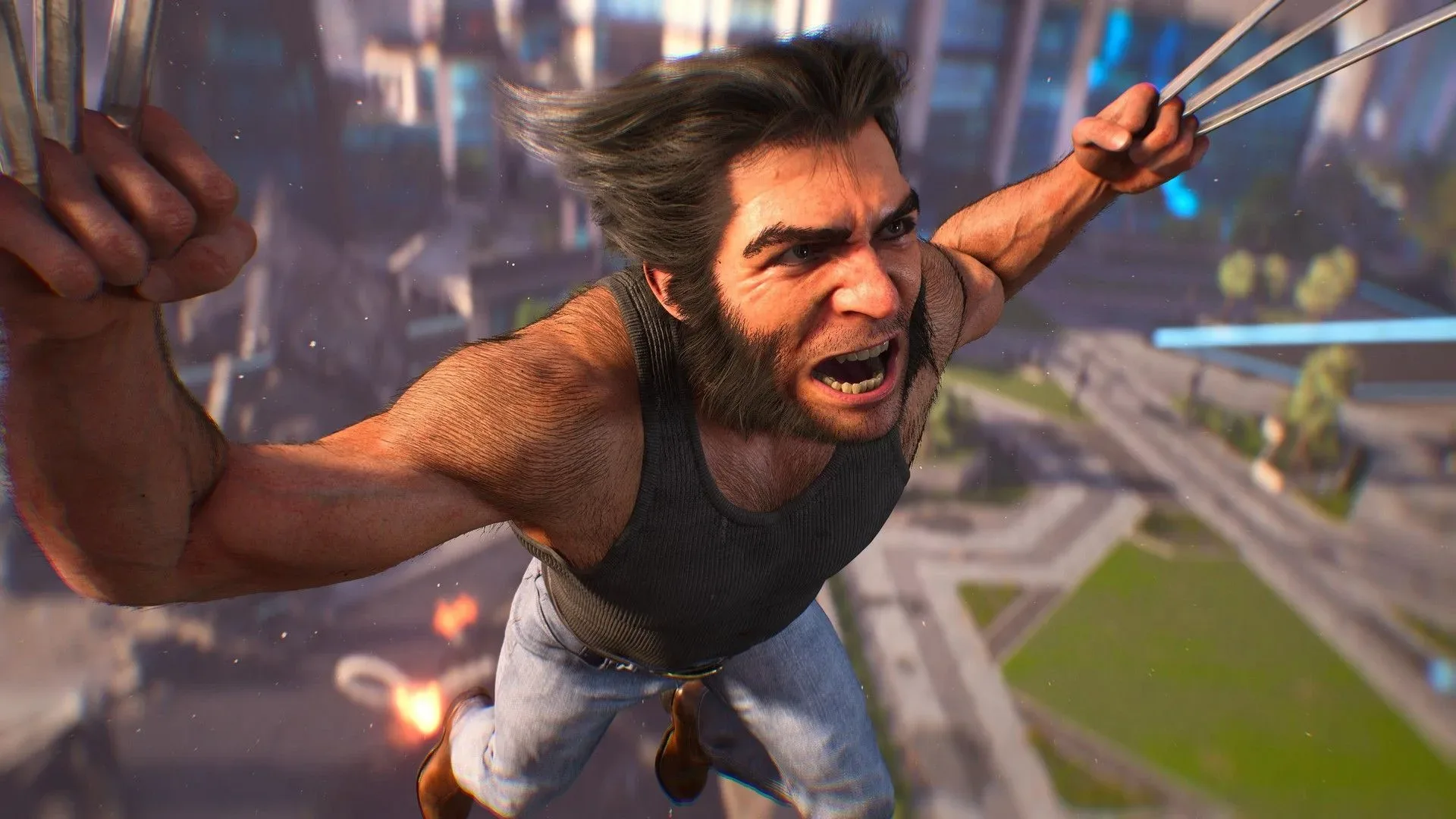
The X-Men have a uniquely awkward superpower: they can make nearly every reboot feel like a reunion tour. For many viewers, the team is inseparable from the long-running run of films released between 2000 and 2017, with later multiverse stories again bringing back familiar faces and performances. That history is a strength, but it can also become creative gravity. A new version may be tempted to reassure audiences with echoes, references and inherited continuity before it has said anything of its own.
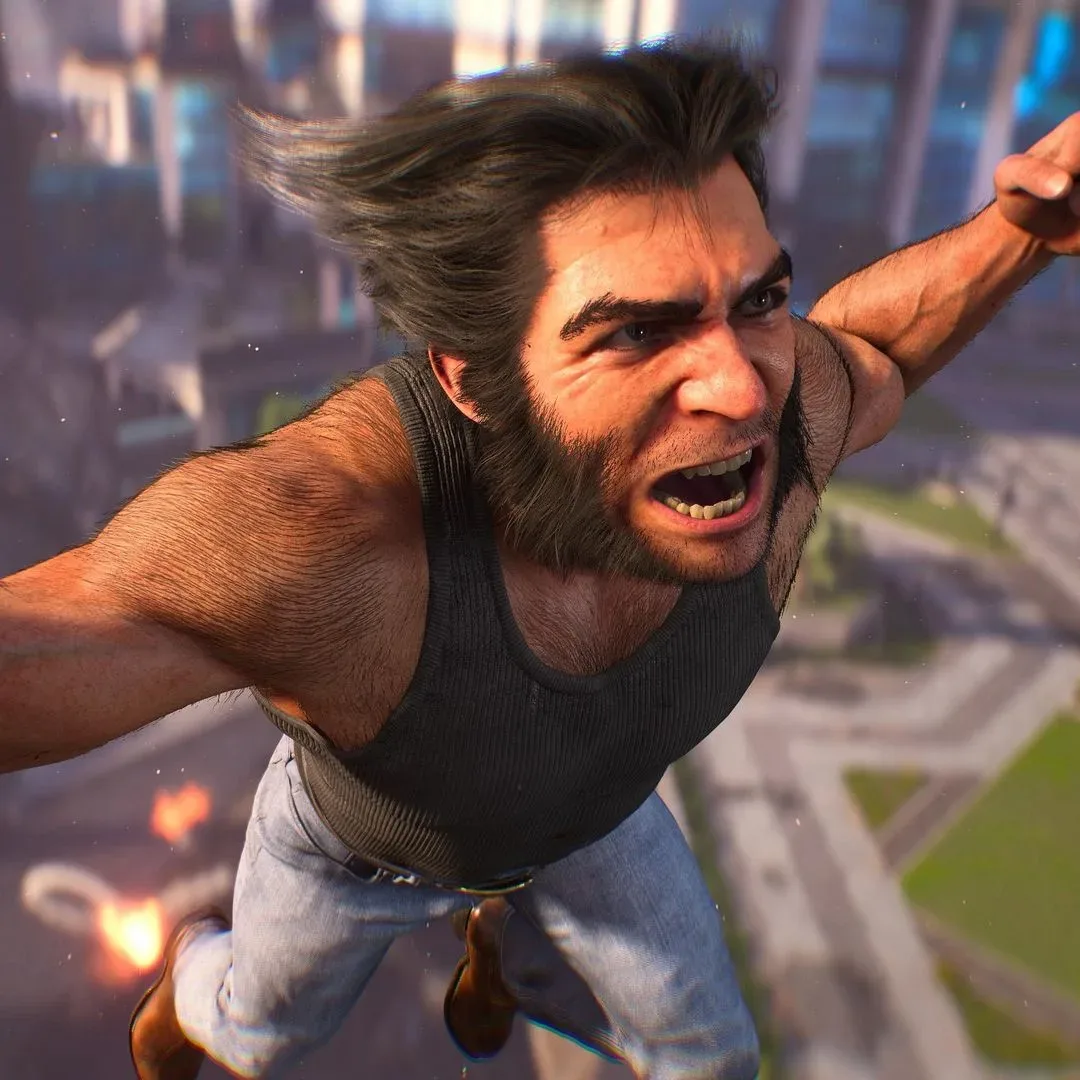
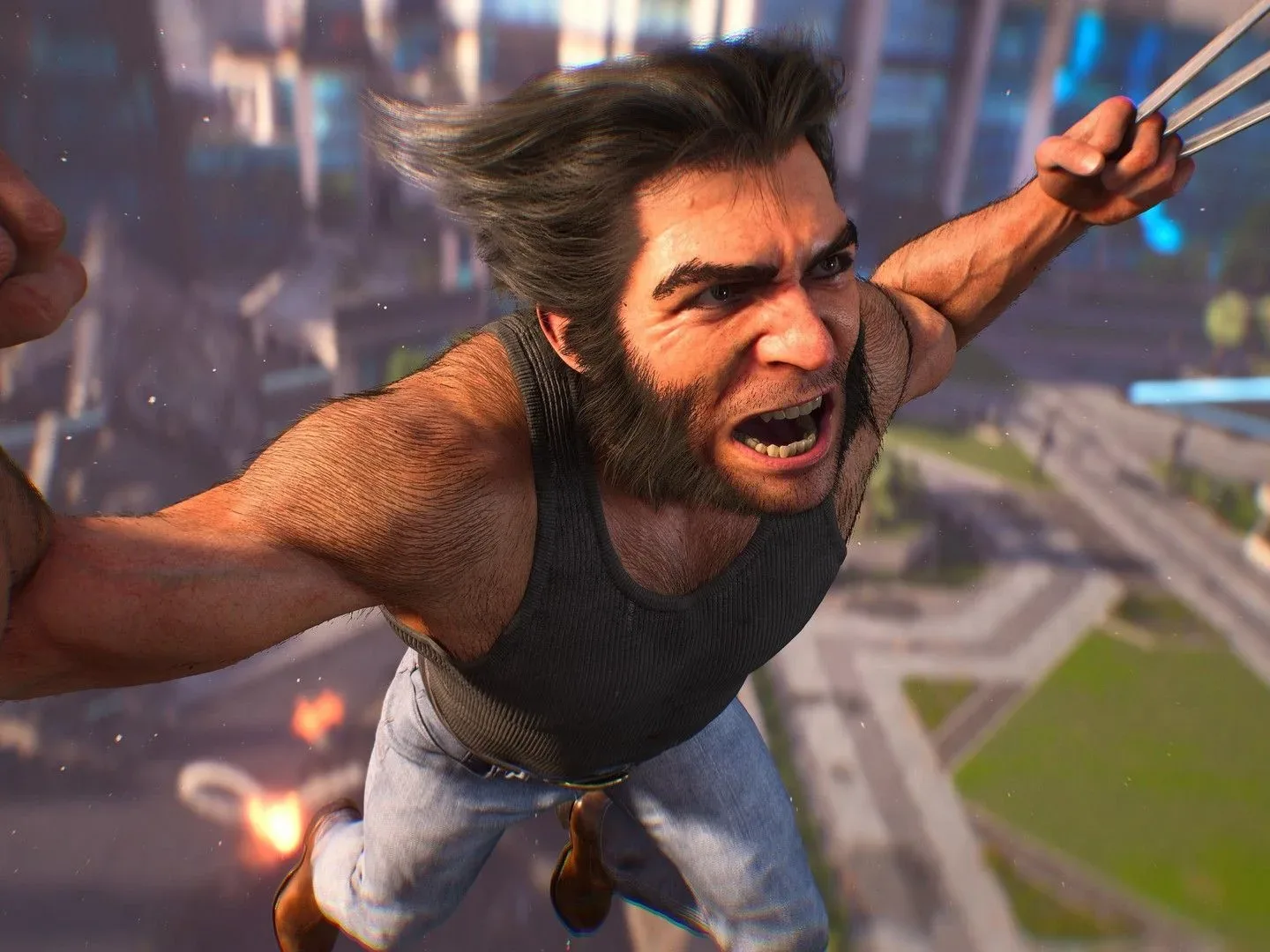
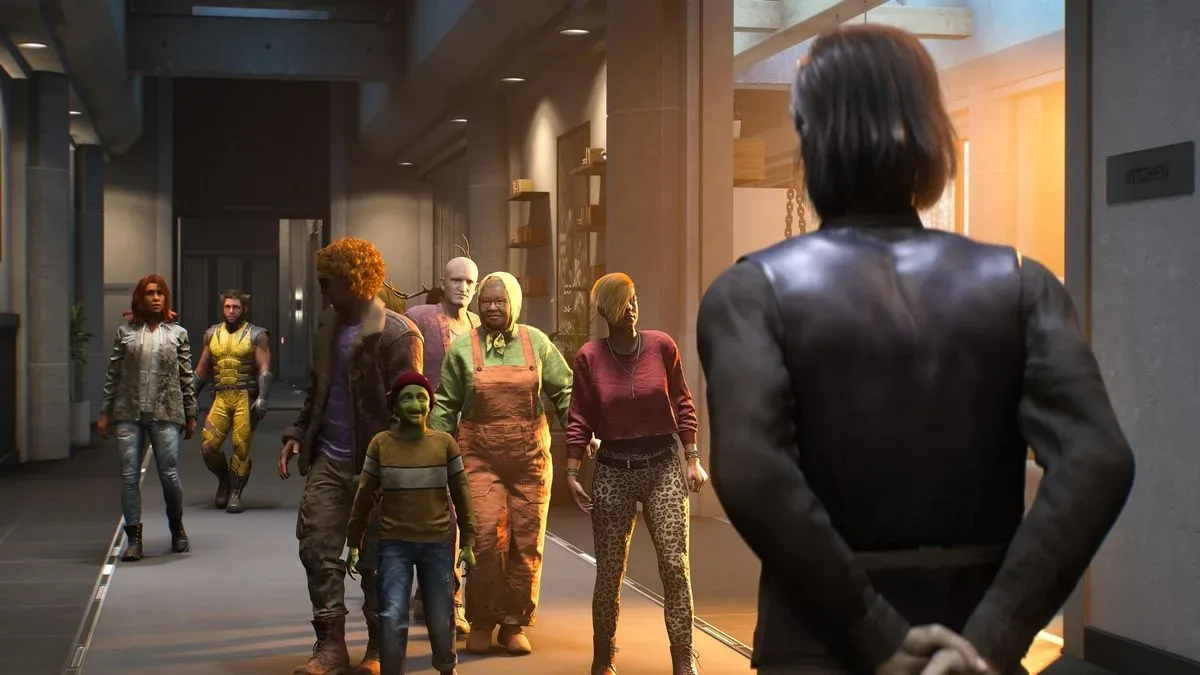
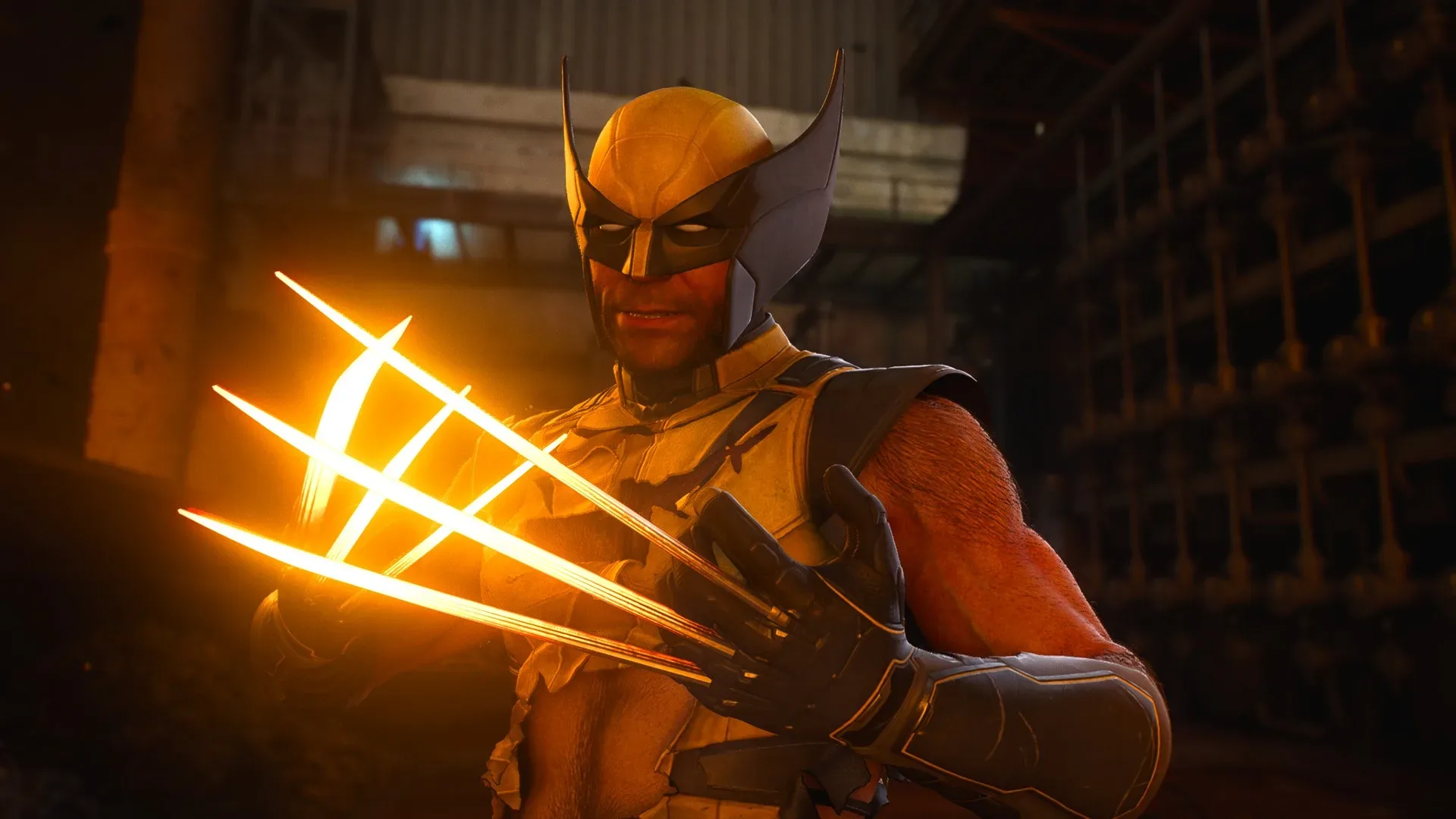
Marvel’s Wolverine on PS5 points to a more promising route. Its reported approach is neither to erase everything recognisable about Logan nor to retell the full checklist of his best-known origins. Instead, it uses familiar Marvel material as raw material for a distinct world: Wolverine is older, dealing with damaged memory, and connected to Team X rather than an already-established X-Men institution. Jean Grey, Callisto, the Morlocks, Nathaniel Essex and Bolivar Trask occupy altered roles around him.
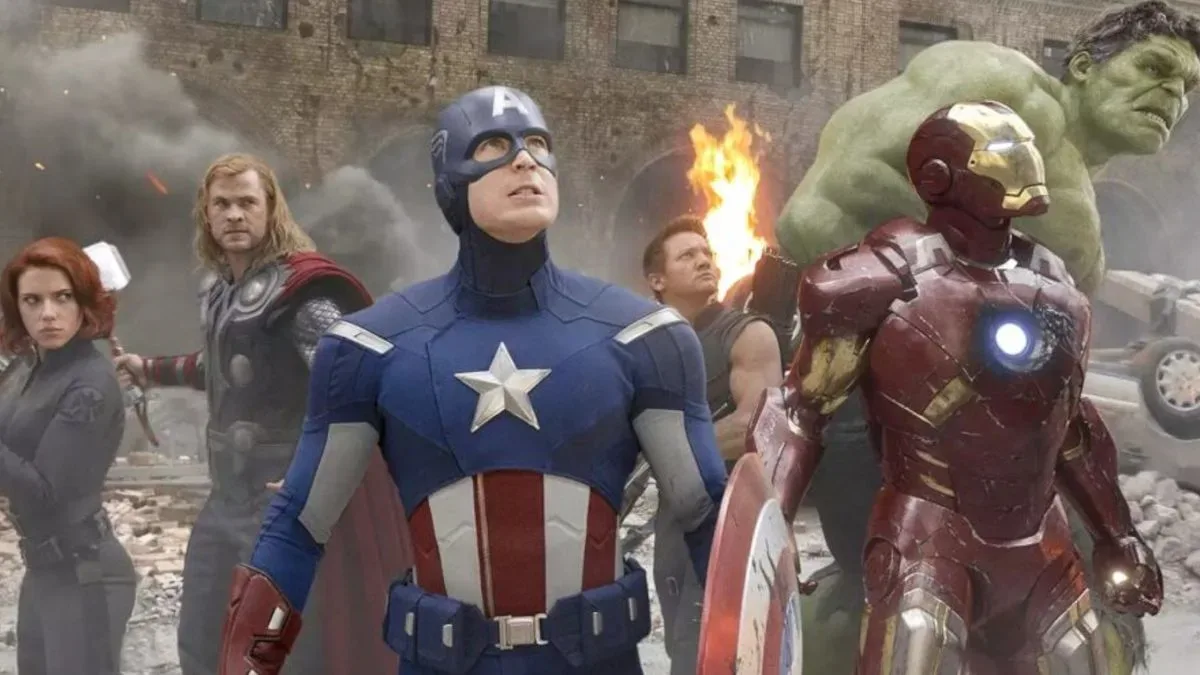
That is the lesson worth taking seriously as Marvel Studios prepares an all-new X-Men movie for 2028 after Avengers: Doomsday. A fresh cast alone does not make a fresh adaptation. The important move is to build a setting with its own pressures, relationships and point of view—then let the characters answer those conditions in ways that still feel faithful to their essentials.
Rebooting is not the same as repeating an origin story
“Back to basics” can sound sensible for the X-Men. The concept has a clean elevator pitch: mutants are people born with extraordinary abilities, a fearful society treats them as a threat, and a team must decide how to survive and respond. Yet a basic premise is not automatically a new dramatic premise.
Marvel’s Wolverine reportedly avoids making Logan’s origin the main engine of its story. There is a brief connection to Weapon X—the program associated with the adamantium fused to his skeleton—but the game does not position that history as the entire point of the character. Logan has amnesia after going feral and remembers only the last three decades of his life, while certain older skills, including languages, return naturally. That setup uses the past as a wound and a mystery without forcing the audience to spend the whole narrative watching the character become recognisable.
It is an important distinction. An origin story explains how a hero acquired abilities and adopted a role. A character story asks what that hero does once the abilities, scars and reputation are already in the room. Wolverine has had ample screen time across prior films. The question for another version is not merely how his claws arrived; it is what a particular Logan believes is worth doing with the life he has left.
The game’s premise reportedly finds its answer through a forward-looking conflict. Logan returns from retirement to help Team X rescue its founder, Nathaniel Essex, from an illegal mutant blacksite run by Bolivar Trask. The rescue opens into a wider threat to mutantkind. In this version, Team X is an off-grid militant group led by Essex, fighting for mutant rights in a society that has made violence feel like a condition of survival. It differs both from the comics’ black-ops Team X and from the traditional X-Men.
That is not a cosmetic continuity change. It gives the world a specific moral temperature. Memorials to fallen members establish loss as an active part of the group’s identity. Mutants are dispersed, diminished and pursued. Logan’s personal effort to define a future therefore runs alongside a communal effort to imagine whether a future is possible at all.
Related coverage includes Marvel's Wolverine Shows How the MCU Can Make Its X-Men Reboot Feel New.
For an MCU X-Men film, that is a useful model. Do not make viewers wait for a school, a team name or a familiar mansion before the central dilemma begins. Introduce a mutant community already shaped by a political and social reality, then show why particular people choose each other. The X-Men should feel necessary, not like a brand name being installed on schedule.
Continuity callbacks can be seasoning, not the meal
The MCU has used multiverse storytelling to revisit earlier Marvel film eras. Patrick Stewart returned as Professor Charles Xavier in Doctor Strange in the Multiverse of Madness, while Hugh Jackman returned as Wolverine in Deadpool & Wolverine. WandaVision also made the audience’s awareness of Evan Peters’ prior Quicksilver role part of a deliberate fake-out.
Those choices make sense within stories built around variants, alternate timelines and the pleasure of surprise. But a full X-Men relaunch faces a different job. It needs to establish people whom an audience can follow for years without asking them to measure every scene against an older version. The casting and the timeline ought to be the beginning of a new conversation, not footnotes to the last one.
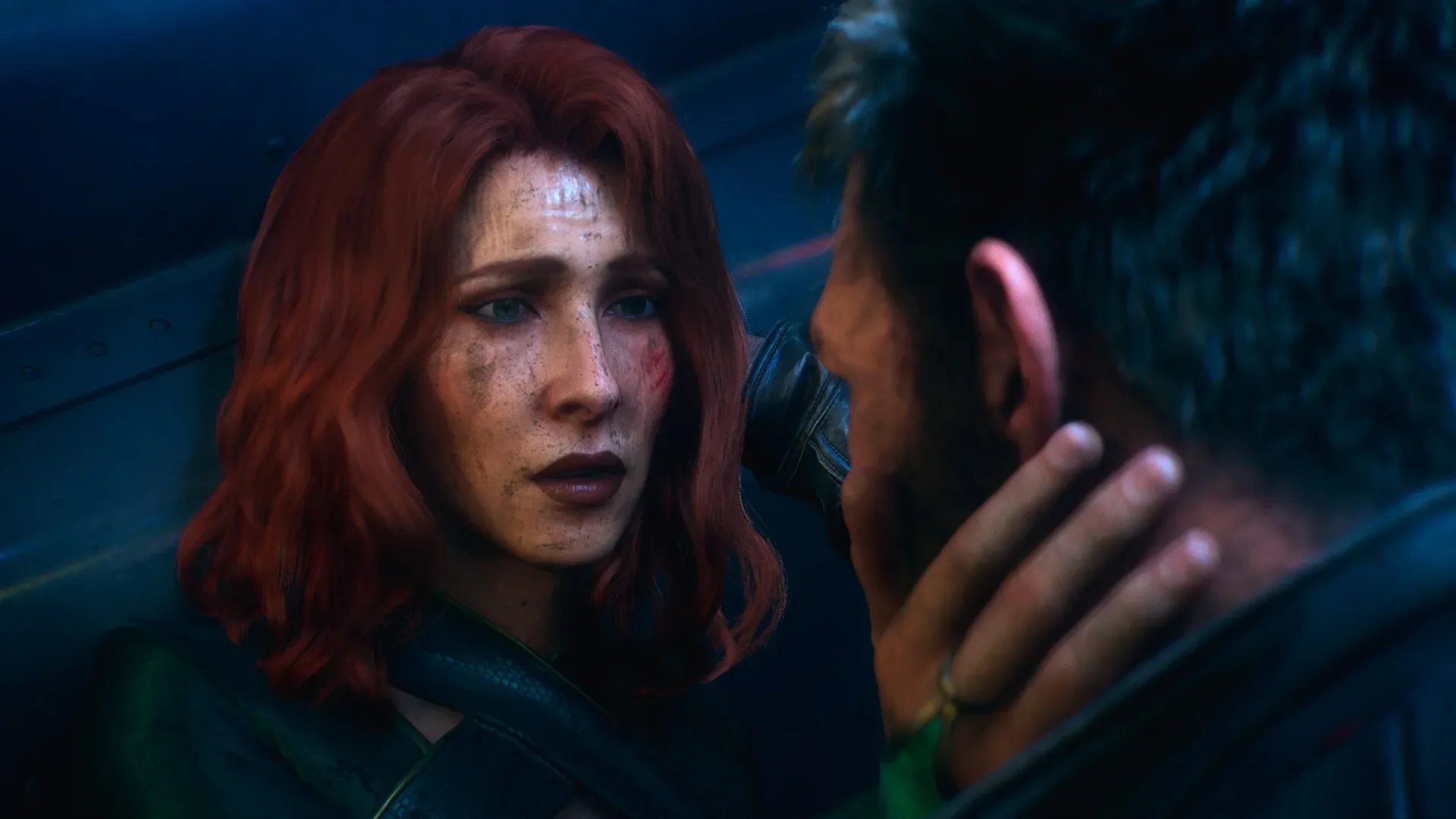
Marvel’s Wolverine reportedly demonstrates how an adaptation can use recognizable names while declining to be trapped by prior screen continuity. Its Jean Grey is an adult who is confident in what she wants and what she will fight for. She has grown up alongside Callisto and this iteration of the Morlocks, a found family of mutants pushed to society’s margins. That immediately shifts the character’s dramatic center of gravity. Jean is not positioned simply as an emblem of future potential, a tragic device, or an object of Logan’s longing.
The reported reversal in their relationship is revealing, too: Jean is the one drawn toward Logan. A single change of emotional perspective can make an old dynamic feel newly inhabited. It does not reject the history of the characters; it refuses to treat the history as a binding script.
Likewise, Nathaniel Essex—often associated with Mister Sinister in Marvel lore—serves here as Team X’s morally gray mentor rather than being restricted to the most obvious version of a sinister mastermind. A reinvention works when it creates new friction. If a familiar name changes jobs but behaves exactly as expected, the change is trivia. If that person’s position changes the alliances, ethics and stakes around the heroes, it becomes storytelling.
The MCU’s announced core team is said to include Professor Xavier, Rogue, Storm, Cyclops and Emma Frost, with Essex also in the picture. That is already enough material to avoid a simple rerun of any earlier screen lineup. Storm’s leadership, Cyclops’ sense of responsibility, Rogue’s difficult relationship with power, Xavier’s ideals, Emma’s hard-edged pragmatism and Essex’s possible influence do not naturally point to one uncomplicated school-team formation. The opportunity is to allow those tensions to matter from the start.
The mutant metaphor needs a lived-in world around it
The central X-Men idea has always extended beyond superpowers. Mutants are a framework for stories about prejudice, fear, solidarity, assimilation and resistance. A new adaptation cannot earn the emotional force of that idea merely by having a character deliver a speech about tolerance. The discrimination has to shape institutions, ordinary decisions, friendships and the limits of safety.
That appears to be one of Marvel’s Wolverine’s sharper choices. Its mutant conflict is not presented solely as a superhero showdown. The Morlocks are described as a found family of unhoused and socially abused mutants with few places to turn. Team X’s extreme tactics arise from an environment where its members believe inaction leads to being eliminated. The details give the broader prejudice story a human scale.
There is a practical filmmaking implication here. The MCU does not necessarily need to explain every branch of mutant history in one film. It does need to establish what daily life feels like for mutants in its version of the world. Who is protected? Who has nowhere to go? Who profits from fear? What does “coexistence” require when power is not distributed evenly?
Those questions also prevent the X-Men from becoming interchangeable with any other superhero ensemble. A crossover team often begins with talented individuals learning to coordinate against a shared external threat. The X-Men can do that, but their richer conflict is usually internal as well: they disagree over how visibly to live, whether institutions can be reformed, how much danger self-defense permits, and whether protecting the next generation demands compromise.
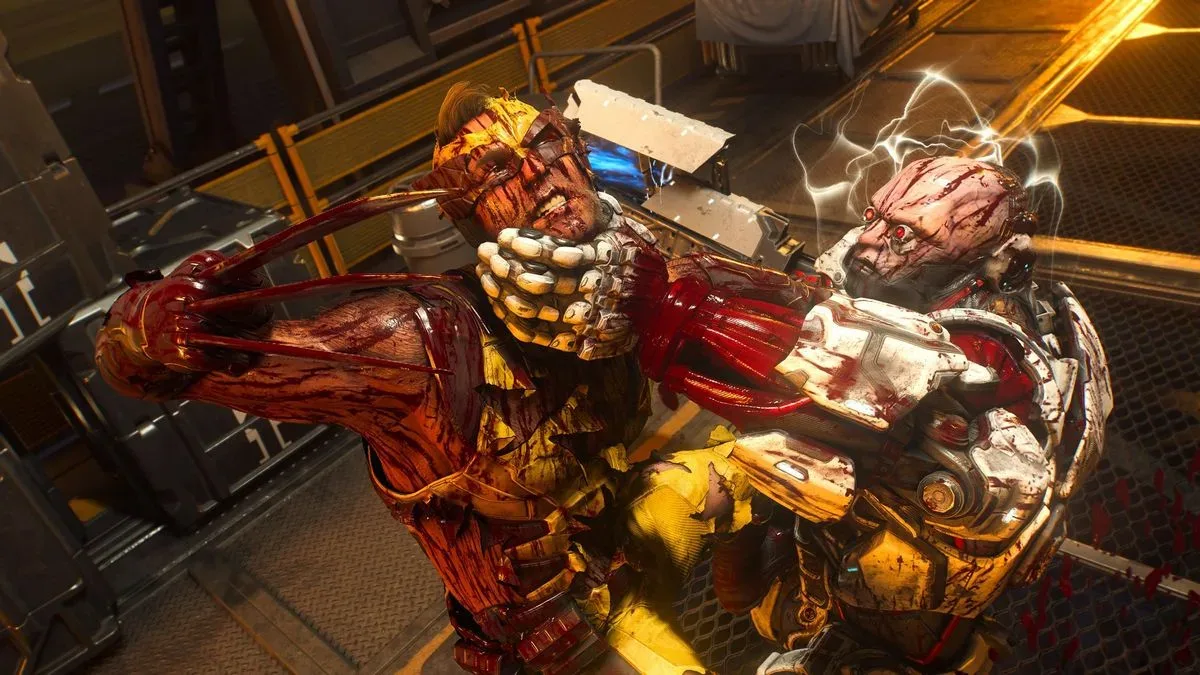
Marvel’s Wolverine reportedly makes room for quiet, bleak and tragic scenes amid graphic combat. That balance matters. Wolverine’s adamantium claws and regenerative resilience make him ideal for intense action, especially against cybernetic Reavers and hostile forces. But action is only the vocabulary. The story’s meaning comes from what the violence costs him and from the people caught in a world that treats mutant existence as a problem to be managed.
For more reading on the changing conversation around PlayStation releases and access, see this look at digital ownership concerns in the PlayStation space.
Games can take a longer route to character, but movies can still learn from it
A game and a feature film do not have the same storytelling bandwidth. A game can spend many hours with a character, use optional discoveries and environmental details to suggest a bigger world, and reward the audience’s curiosity with easter eggs and possible sequel hooks. A movie has less time and must make sharper choices about whose story it is telling.
Still, that difference does not diminish the underlying lesson. Marvel’s Wolverine reportedly benefits from a longer runtime in performances by Liam McIntyre as Logan, Krizia Bajos as Jean Grey and Troy Baker as Essex. The extra room gives the actors a broader emotional range than a single movie may permit. The MCU cannot copy that runtime, but it can copy the discipline behind it: use each scene to reveal an evolving relationship rather than spending every available minute proving that the franchise remembers its own archive.
“Easter eggs” are a good example. They are references, visual details or appearances aimed at rewarding fans who recognize wider Marvel material. They can make a fictional universe feel populated and give fans reasons to speculate. They are not, however, a substitute for a complete emotional arc. Marvel’s Wolverine reportedly includes clues, appearances and details that point toward a potential sequel while sustaining an independent mutant world. That is the healthy order: story first, invitation second.
The game is not being presented as flawless. Its pacing and structure have drawn criticism, including the sense that sections were assembled too abruptly. That caveat is useful rather than inconvenient. Borrowing a game’s creative confidence does not mean borrowing every structural choice. The future X-Men film should take the game’s willingness to reinterpret, not its reported uneven rhythm.
What the 2028 X-Men movie should keep—and leave behind
The strongest takeaway is surprisingly modest. An X-Men reboot need not declare war on the movies that came before it. The earlier films have cultural weight, and returning performers have clearly been meaningful in multiverse stories. But reverence should not become paralysis.
- Keep the character cores: Logan’s struggle with memory, violence and responsibility; Jean’s agency; Xavier’s ideals; Storm’s authority; Rogue’s vulnerability and resilience; Cyclops’ discipline; and Emma’s ability to challenge a room are more valuable than copying old plot beats.
- Build a specific mutant society: Let the audience see the conditions that make the team’s existence urgent, rather than treating anti-mutant sentiment as generic background noise.
- Make the lineup argue productively: A team with conflicting methods is dramatically stronger than one that agrees until a villain arrives.
- Use familiar villains and institutions differently when there is a reason: Team X and Essex show how changed roles can produce fresh stakes rather than empty novelty.
- Leave room for a future without withholding the present: Sequel possibilities should grow out of a satisfying first story, not replace one.
The MCU’s X-Men have an unusual chance after Avengers: Doomsday. They can arrive as another piece of legacy management, carefully arranged around who viewers already remember. Or they can arrive as a genuine reinterpretation, one that lets old names generate new questions. Marvel’s Wolverine suggests the latter is possible: keep the claws, the telepathy, the complicated friendships and the fear of mutant power—but change the world enough that the audience has to discover these people again.