Electric-vehicle charging labels can sound like a three-tier upgrade tree: Level 1 is the starter kit, Level 2 is the sensible mid-game build, and Level 3 is the spectacular endgame option. In practice, there is no universally “best” level. The right choice depends on where the car is parked, how many miles it needs to recover between drives, the electrical service available, local electricity pricing and, when charging away from home, whether the connector physically fits the vehicle.
The most useful question is not “What is the fastest charger?” It is: how much range must be restored before the next time the car is needed? A driver with a short daily commute and an overnight parking spot may find a basic household outlet entirely adequate. Someone who regularly covers longer distances during the week may value the much faster recovery offered by Level 2. Level 3, also known as DC fast charging, is chiefly the road-trip and quick-stop tool: valuable when time matters, but generally not a home-installation proposition.
The quick distinction: outlet charging, home charging and fast charging
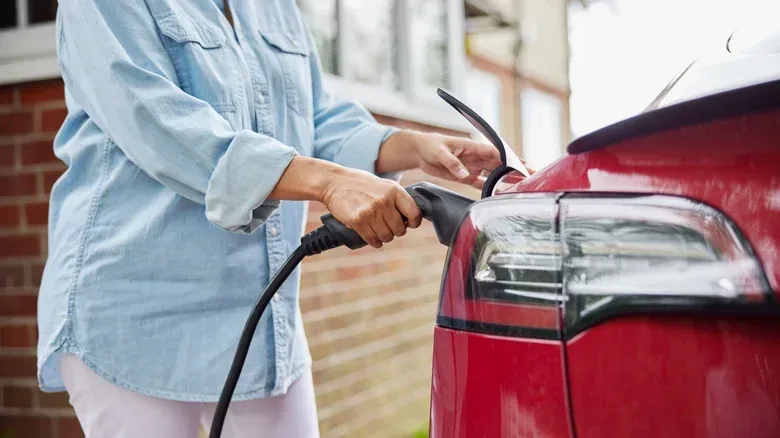
In North America, Level 1 charging uses an ordinary 120-volt household outlet. Its output is limited to roughly 1.4 kilowatts (kW). A kilowatt is a measure of power—the rate at which electricity is delivered. Lower power means a longer session, but it also means a simple starting point for an EV owner who has dependable access to a normal outlet.
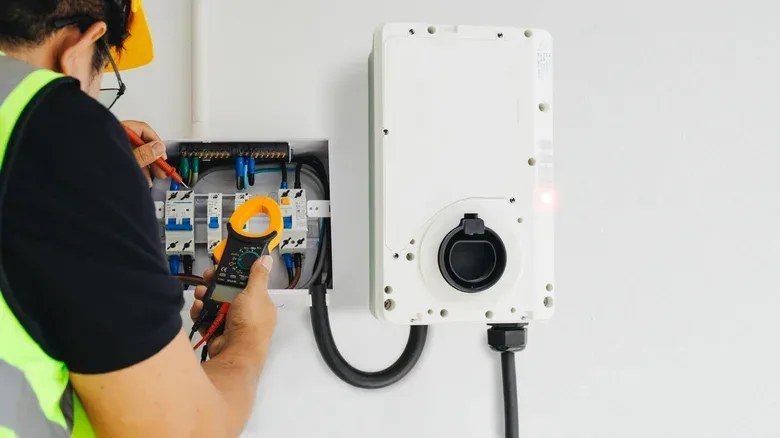
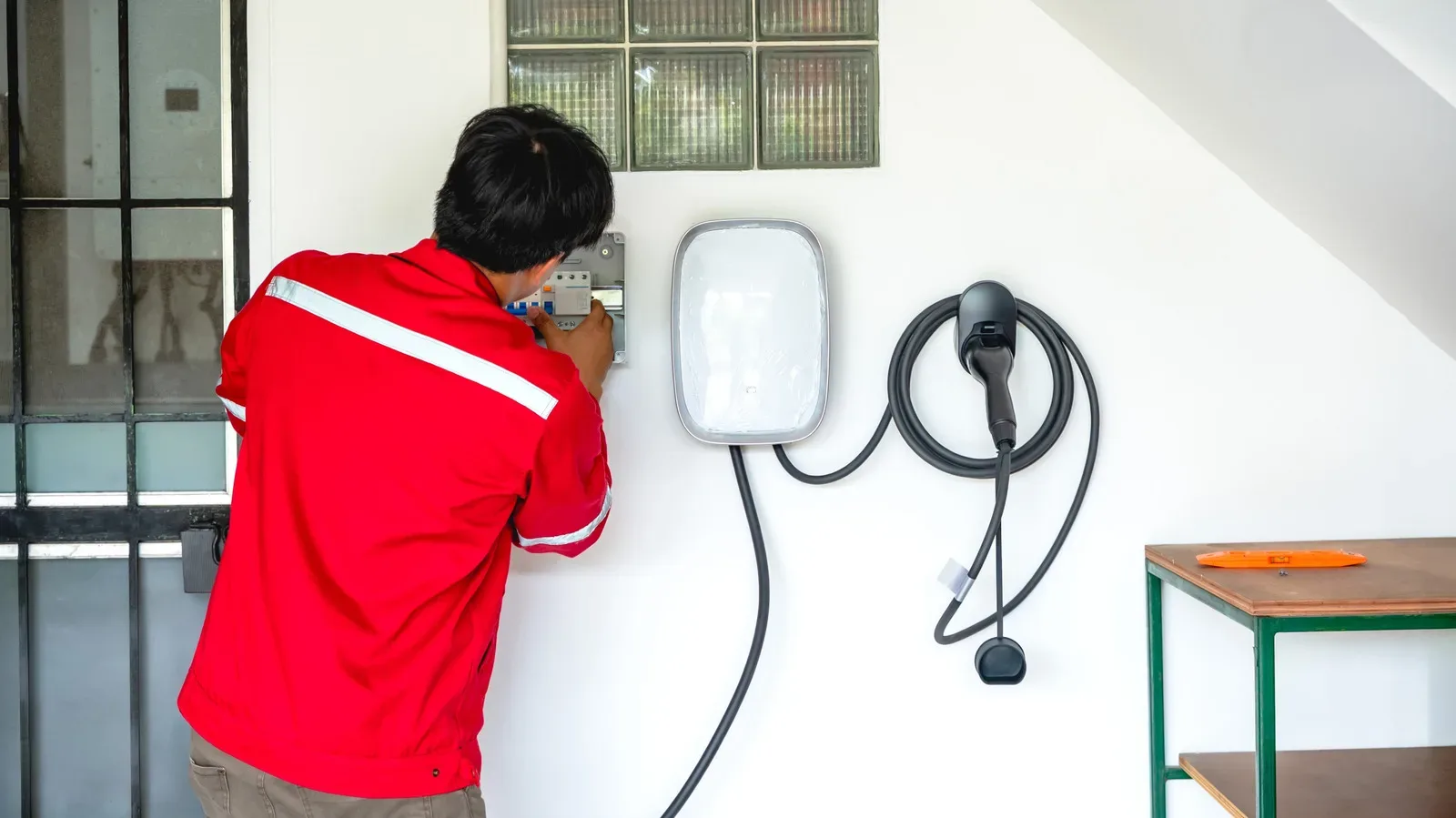
Level 2 uses a 240-volt circuit and typically operates at higher current, which allows far greater power delivery. A 40-amp Level 2 charger connected to a 50-amp circuit can provide up to 9.6kW. Higher-capacity Level 2 units exist: systems up to 80 amps can reach 19.2kW, assuming the home’s electrical service can support them.
Level 3 is different not merely because it is quicker, but because it delivers direct current (DC) to the vehicle’s battery. It commonly ranges from 50kW to 500kW. That broad range matters. Two public fast chargers bearing the same Level 3 label may deliver vastly different speeds, and a vehicle has its own limit on how much power it can accept.
- Level 1: 120-volt household outlet; about 1.4kW; often suitable for slow overnight recovery.
- Level 2: 240-volt circuit; substantially faster home or destination charging; up to 9.6kW in a common 40-amp configuration and potentially 19.2kW in higher-capacity setups.
- Level 3: DC fast charging; 50kW to 500kW; principally found at commercial locations and useful for travel or urgent top-ups.
Why AC versus DC changes the picture
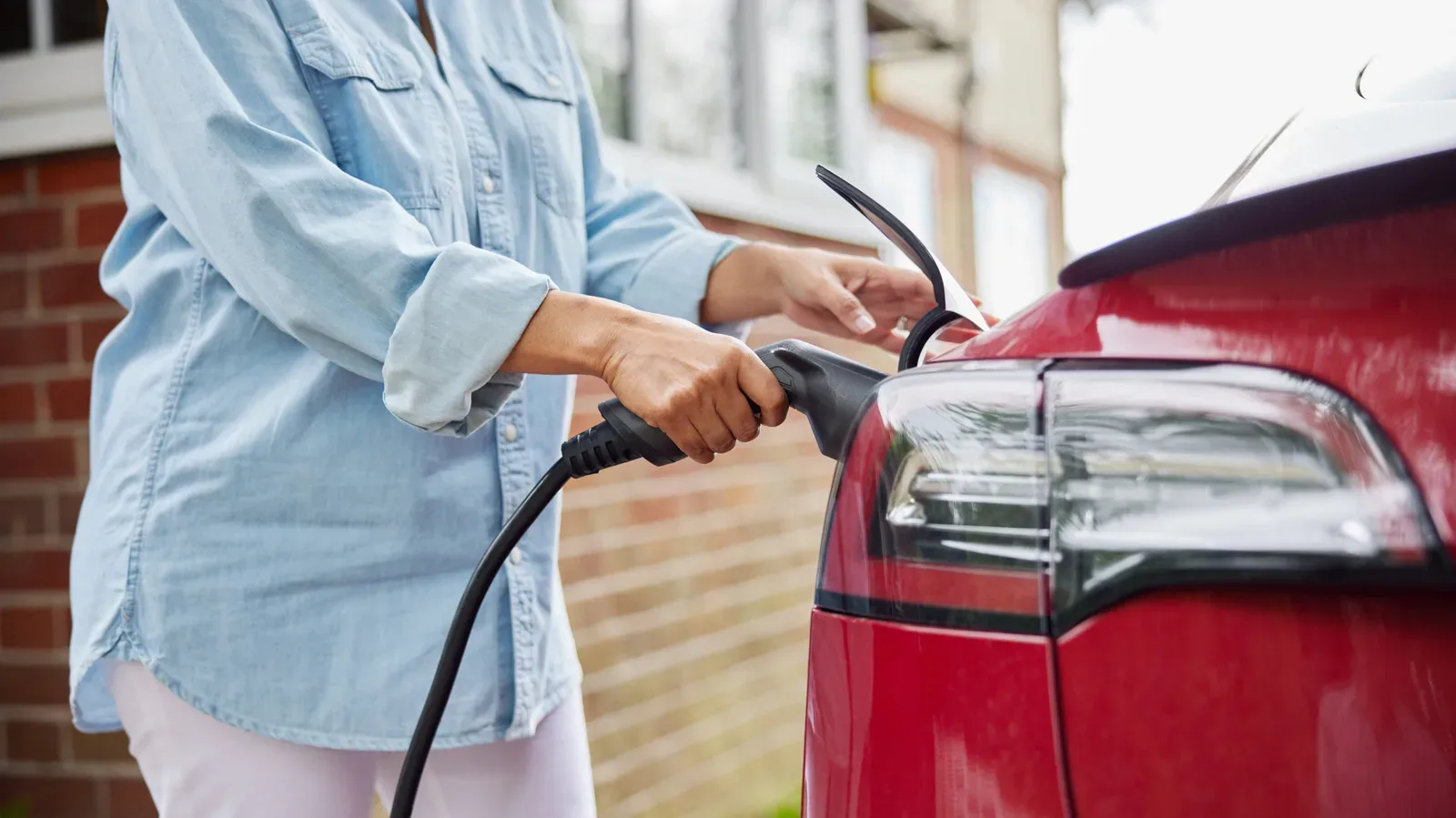
Level 1 and Level 2 provide alternating current, or AC, from the electrical grid. EV batteries store and use direct current, or DC. Therefore, with AC charging, the car’s onboard charger must convert AC to DC before the electricity reaches the battery.
That conversion is not perfectly efficient. It creates heat, and the onboard charger has a maximum rate it can handle. This is part of why increasing the outlet and circuit capability does not automatically guarantee that every vehicle will charge faster: the car itself may be the bottleneck.
At a Level 3 station, the AC-to-DC conversion happens before power enters the car. The station then supplies high-voltage DC straight to the battery, bypassing the vehicle’s onboard AC charger. That arrangement supports the much higher charging rates associated with DC fast charging.
Related coverage includes Level 1, Level 2 and Level 3 EV Charging Explained.
There is an important asterisk to every headline charging figure. An EV does not remain at its maximum rate from an empty battery all the way to a full one. Charging slows as the state of charge rises, so the peak kW number is not a constant-speed promise. Even so, a DC fast charger can replenish a depleted battery in roughly one or two hours in favorable circumstances, and can add more than 100 miles of range within an hour.
Vehicle limits vary widely. The Lucid Gravity can accept up to 400kW when connected to a compatible Level 3 charger, while the Tesla Model Y’s maximum charge rate falls between 175kW and 250kW depending on its version. The charger’s rating, the vehicle’s accepted maximum and the battery’s current charge level all shape the real result.
Level 1: slow does not automatically mean inadequate
Level 1’s main strength is that it may already be available wherever the car is parked. It avoids the upfront expense of purchasing and installing a Level 2 unit, an upgrade that can cost hundreds of dollars before any required electrical work is considered.
The tradeoff is time. Fully charging an EV battery using Level 1 can take more than 40 hours. That sounds dramatic because it is, but a full empty-to-full recharge is often the wrong yardstick for routine ownership. A vehicle generally does not need to start every morning at 100 percent if it only uses a modest amount of range each day.
The EPA estimate cited for Level 1 charging is about five miles of range per hour, though real-world results depend on a vehicle’s efficiency. In an eight-hour overnight session, that works out to around 40 miles of restored range. For a driver who uses fewer than that number of miles most days, plugging in at night can keep pace with consumption without any special home equipment.
When Level 1 makes practical sense
- The vehicle is parked for long stretches, especially overnight.
- Daily driving is modest and predictable.
- The owner can schedule overnight charging under a time-of-use electricity plan.
- The car can remain plugged in for much of a weekend, when some electricity plans offer lower or off-peak pricing.
- A public Level 2 or Level 3 option is available for the occasional unusual day or longer trip.
Time-of-use plans charge different rates at different times. The relevant calculation is not only how rapidly a vehicle can charge but whether it can absorb the needed energy during the cheaper window. A slow charger can be a good fit if the car is stationary long enough. A full weekend connected to Level 1 can restore meaningful mileage, which may reduce the urgency of a home upgrade for people whose cars sit parked then.
Winter complicates this otherwise tidy equation. Some batteries need warming before charging effectively, and a Level 1 connection may have difficulty both heating the battery and supplying a meaningful amount of charge at the same time. Cold weather also cuts into effective driving range. For owners parking in an unheated garage, Level 2 can therefore be a practical upgrade even if their average daily mileage seems Level 1-friendly on paper.
Level 2: the home option for faster recovery
Level 2 is the strongest all-round home option for drivers who need to replace more range between trips. A 40-amp charger can add more than 30 miles of range per hour. That changes the rhythm of ownership: instead of carefully accumulating miles over several nights, a driver can recover hundreds of miles in one overnight session.
It is particularly relevant for people who drive longer distances frequently during the week. It can also preserve the convenience of off-peak charging, because the higher rate makes it more likely that the battery can be replenished entirely during a limited low-cost period.
But “install Level 2” should not be treated as a reflexive answer. The purchase and installation expense needs to be weighed against actual use. Someone driving only a few miles daily, with reliable overnight parking, may gain little from paying for a more powerful setup and possibly an electrical-service upgrade. Conversely, an owner who repeatedly returns with a heavily depleted battery and needs the car again the next morning may see Level 2 as a meaningful quality-of-life improvement rather than a luxury.
A simple decision framework for home charging
- Start with daily mileage. Compare typical driving to the roughly five miles per hour Level 1 can add, rather than focusing on a full-battery time.
- Count parking hours honestly. Overnight and all-weekend access can make a lower-power setup more useful than its specification suggests.
- Check electricity timing. A time-of-use plan can make scheduled charging valuable, whether the connection is Level 1 or Level 2.
- Account for winter conditions. Cold temperatures and an unheated garage can favor Level 2 because battery warming consumes part of Level 1’s limited power.
- Factor in occasional backup options. Nearby public charging may reduce the need to build a high-power home setup around rare edge cases.
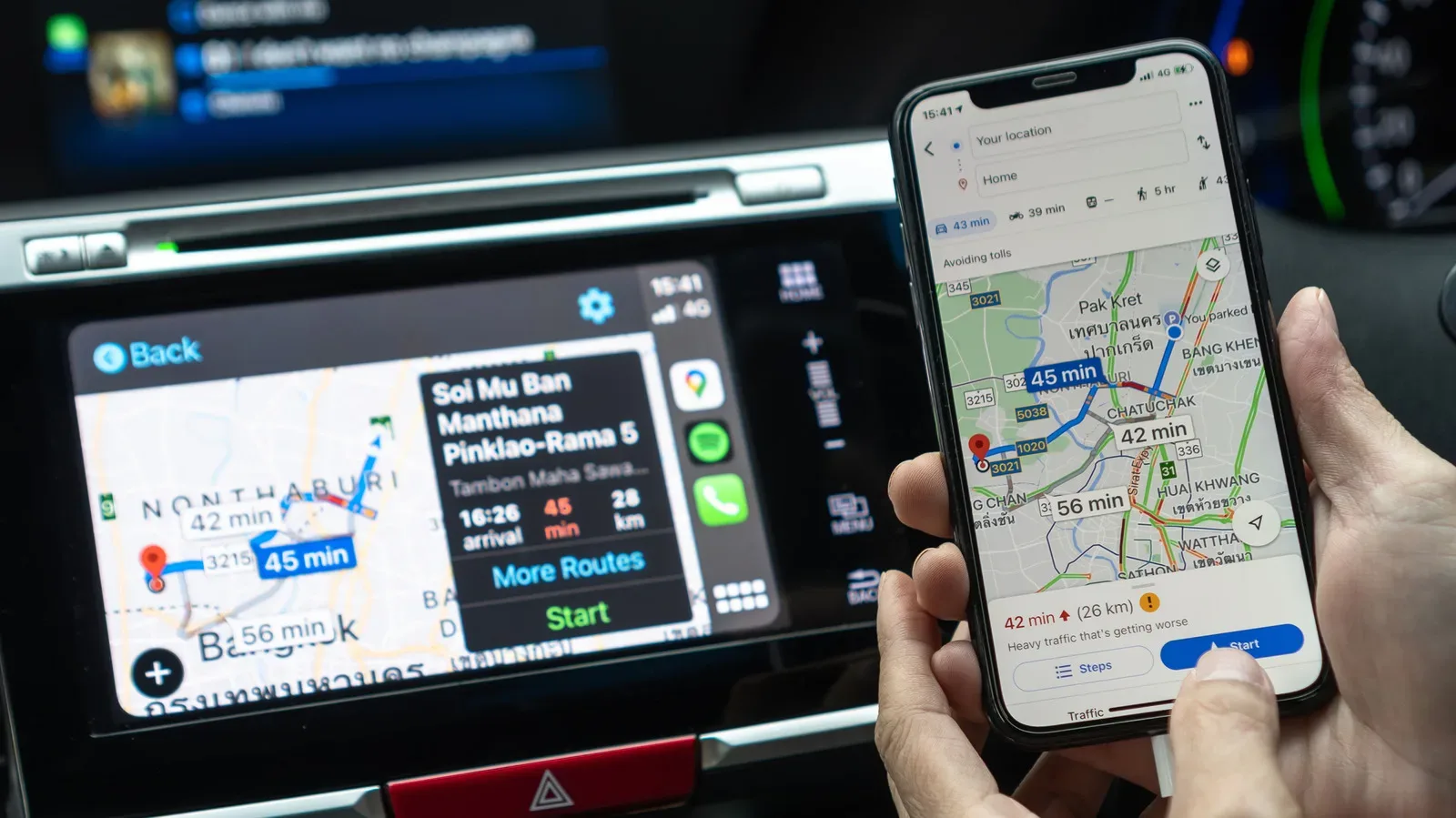
For drivers navigating to public charging locations, preparation matters as much as charging power. Features that make route guidance clearer in the car can help with the logistical side of travel; see this guide to making Google Maps easier to use in Apple CarPlay.
Level 3: use it when time is the priority
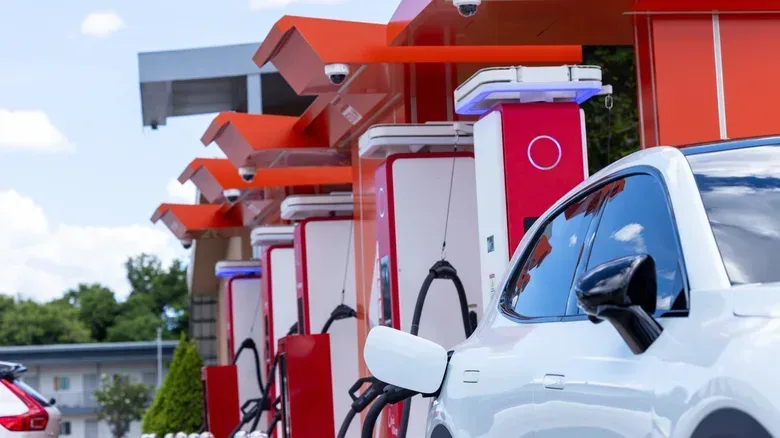
Level 3 DC fast charging is the closest EV equivalent to a rapid fuel stop. It is intended for road trips, long-distance travel and situations where a driver needs a substantial top-up without waiting overnight. Commercial parking areas and highway rest stops are common places to find it.
It is not commonly installed at homes because it needs a far more substantial electrical connection. A residential installation would very likely require a significant electrical-service upgrade, making it a very different project from adding a Level 2 charger.
The practical downside is not only infrastructure. Public DC fast charging can cost more, and the long-term effect of frequent fast charging on battery health remains unsettled. Drivers concerned about that uncertainty can favor Level 2 for ordinary charging and reserve Level 3 for its clearest jobs: travel and time-sensitive stops. That does not make Level 3 a bad choice; it makes it a specialized tool with an obvious convenience advantage.
Do not overlook connector compatibility
Finding a charging station is only half the task. The plug must match the vehicle. North America is moving away from older J1772 and CCS connectors toward NACS, the connector historically associated with Tesla. NACS has become the regional standard and is expected on most new electric vehicles in the coming years.
During the transition, compatibility can still be a nuisance. A vehicle requiring NACS cannot use a CCS-only public charger without an adapter. Some stations offer multiple connector types, but that is not guaranteed. Likewise, a listing that says “fast charging” does not by itself tell a driver whether the site has the desired connector or whether it is Level 2 or Level 3.
Before relying on a stop, use a charging-location app such as PlugShare or ChargePoint to check the available connectors and charging level. That small planning step can prevent arriving at a station that is technically open but unusable for the car in question.
The best charging level is usually a mix, not one permanent answer
Most owners do not need to pledge allegiance to a single level. The sensible pattern may be Level 1 at home for a light daily commute, Level 2 at home for frequent or higher-mileage driving, and Level 3 only for trips or tight schedules. The speed hierarchy is real, but faster is not automatically better when installation cost, electricity timing, battery considerations and hours parked are included.
Put another way: Level 1 is a viable everyday solution when time is abundant; Level 2 buys flexibility and overnight recovery; Level 3 buys time when away from home. Understanding that division turns charger shopping from a specs race into a decision based on the actual drives ahead.