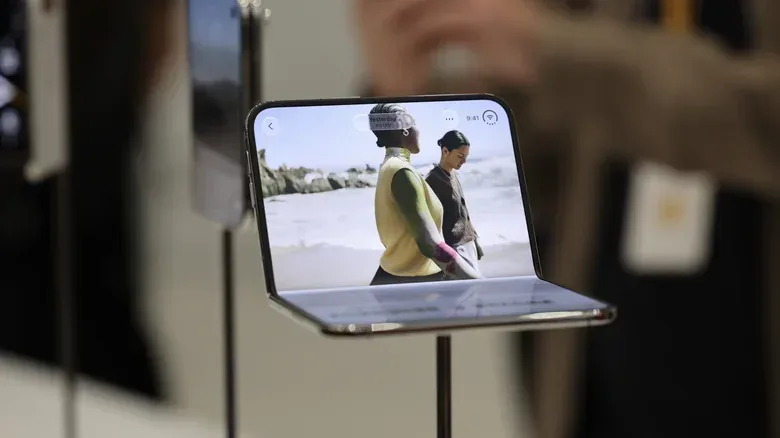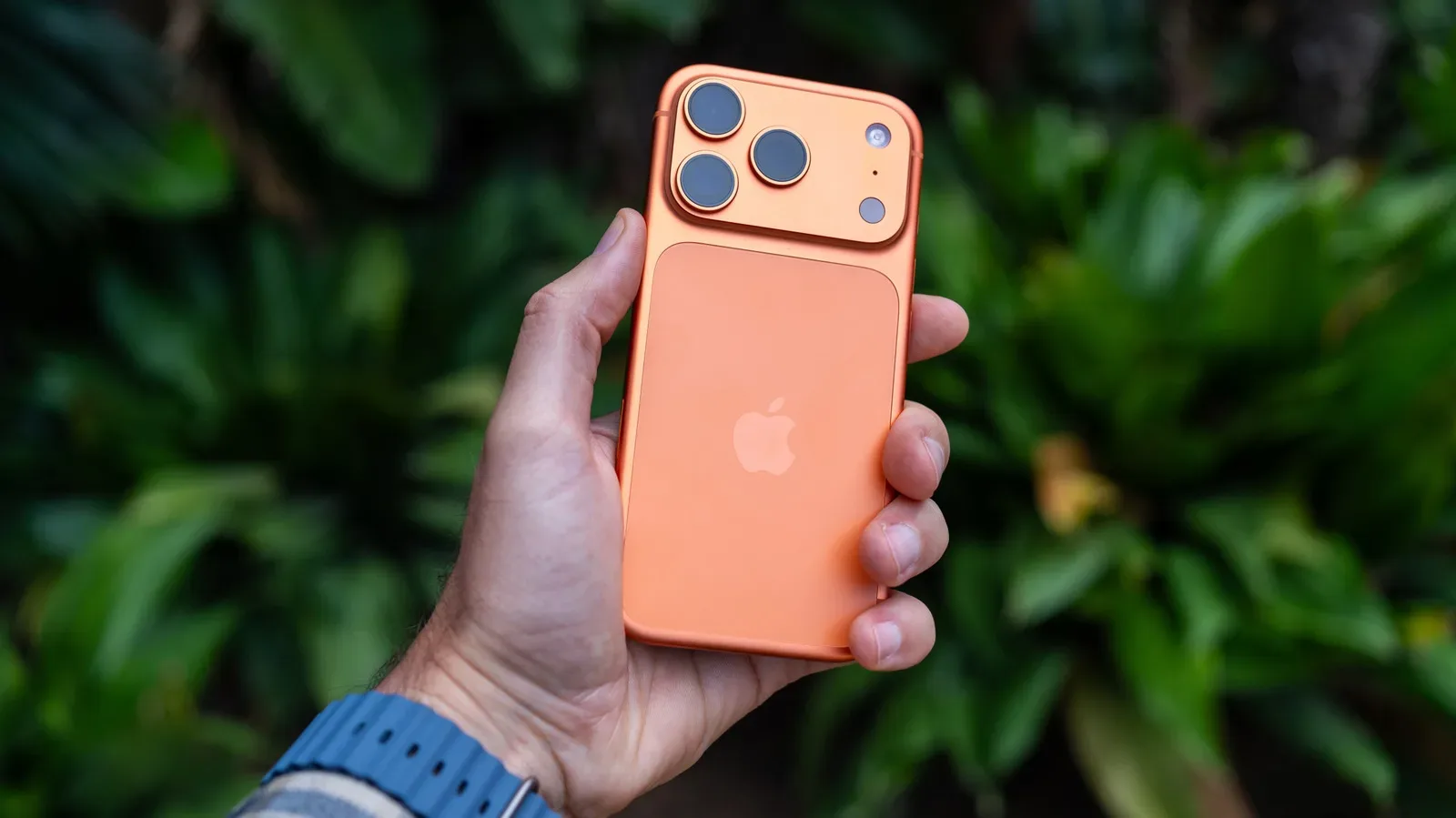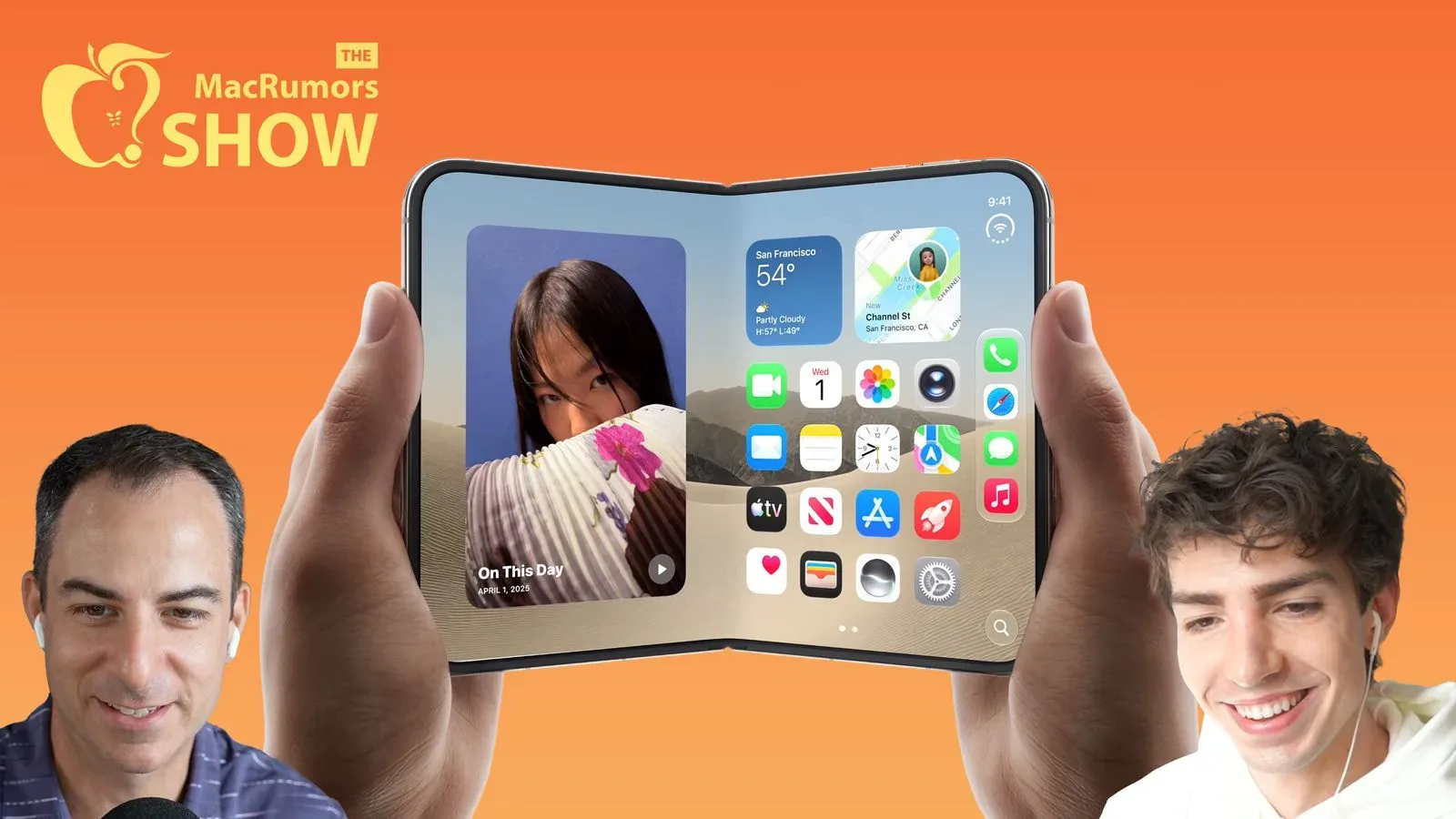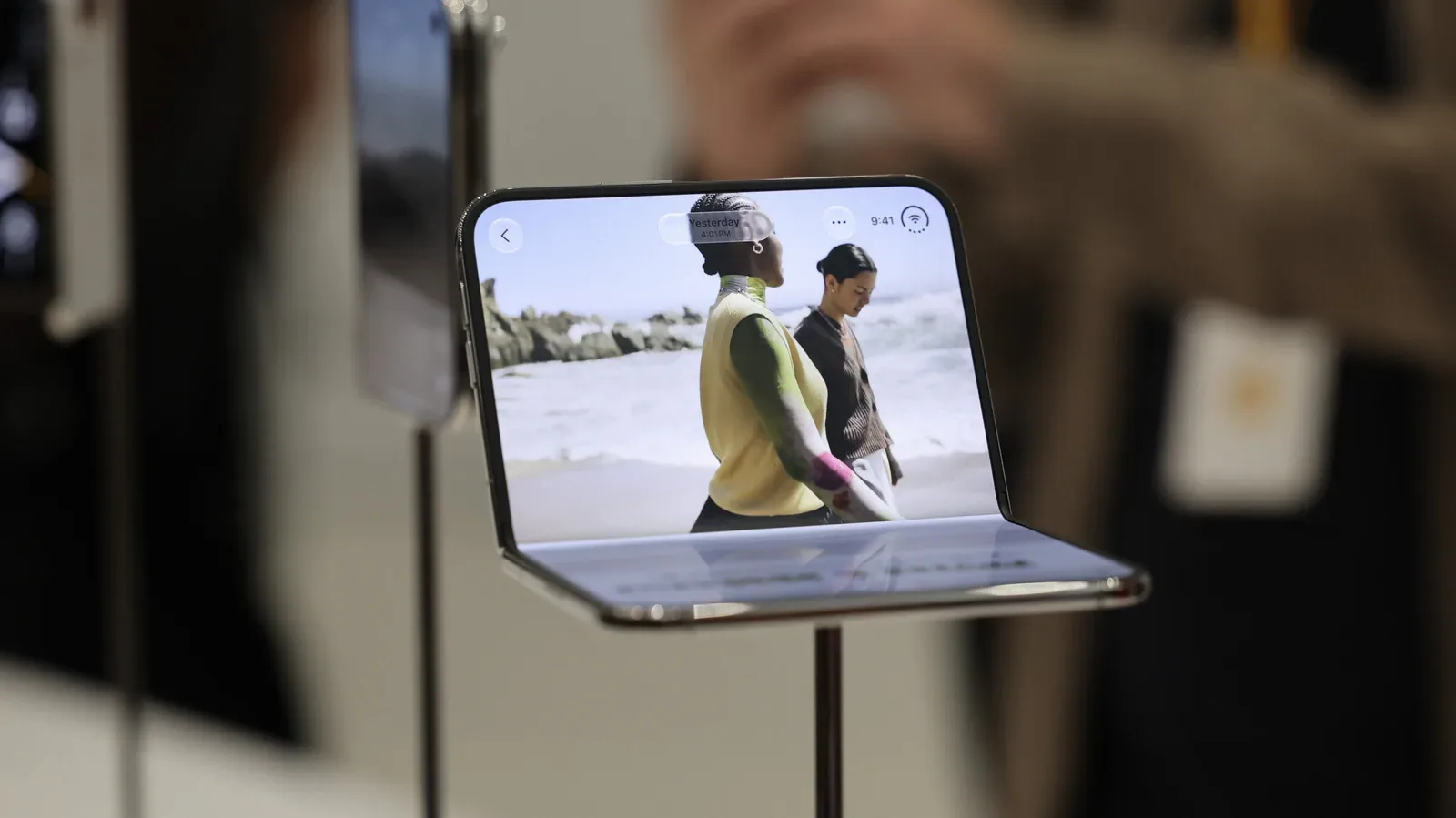
The arrival of Apple’s first foldable smartphone, the iPhone Duo, has revived a very specific kind of technology argument: not whether a folding iPhone is useful, but whether Apple borrowed its name from Microsoft’s Surface Duo.
On the surface, the joke writes itself. Microsoft sold Android-powered dual-screen devices called Surface Duo and Surface Duo 2. Apple now has a foldable phone with “Duo” in its name. For people who remember Microsoft’s experiment, the overlap is obvious enough to invite comparisons—and plenty of online teasing.
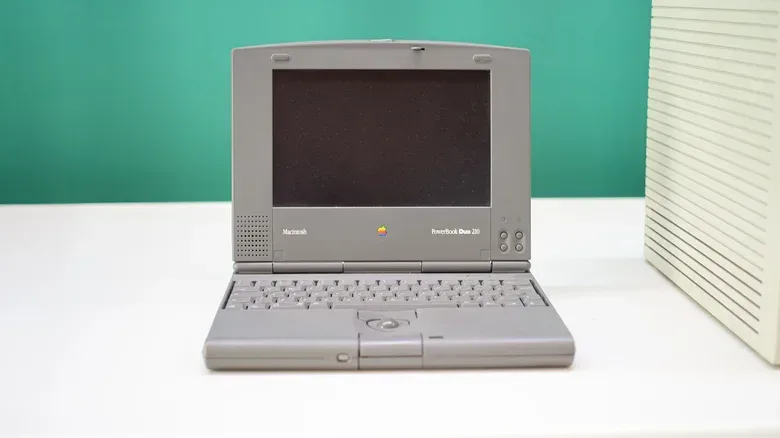
But a shared word is not a shared product lineage. Apple’s own history with the word reaches back to the PowerBook Duo line in 1992, while its more recent MagSafe Duo Charger arrived in 2020. Microsoft certainly used Duo prominently for its mobile hardware, but it did not invent the word, nor does the available product history support treating the iPhone Duo as a simple Surface Duo revival with an Apple logo.
The more interesting issue is what the name signals. “Duo” is a compact way to suggest two modes, two displays, or two devices working together. That description can fit a dockable notebook, a two-device charger, a dual-screen phone, or a foldable handset. It is broad branding language—and that breadth is exactly why the name can evoke several different products without meaning those products are fundamentally alike.
Apple had a Duo story long before foldable phones
Apple introduced the PowerBook Duo in 1992 and continued the line through 1997. In an era when portable computers and desktop setups were much more separate propositions, the PowerBook Duo was designed around moving between them. The compact laptop could connect to a Duo Dock accessory and function as a fuller desktop setup.
That concept matters more than any modern-day performance comparison could. The PowerBook Duo was not a foldable phone, and it should not be presented as a precursor to today’s flexible-screen devices. Yet it established a recognizable Apple use of “Duo” around a device intended to live in two contexts: portable when travelling and more desktop-like when docked.
There is a practical branding throughline here. The word was useful because it conveyed a paired or two-part experience. It did not need to describe a literal pair of screens. It described a product designed to become something slightly different with the right companion hardware.
Apple also used the term in the MagSafe Duo Charger, introduced in 2020. That accessory is intended to wirelessly charge two Apple devices at once, such as an iPhone and Apple Watch or AirPods. Unlike the PowerBook Duo, the connection is literal: two charging positions, two devices. The name is not evidence that every Apple product containing Duo belongs to one shared hardware family. It is evidence that Apple has repeatedly treated the word as useful shorthand for a paired-device idea.
Related coverage includes iPhone Duo and Surface Duo Share a Name, Not a Legacy.
That history does not automatically make the iPhone Duo name brilliant, exclusive, or immune from criticism. Consumers will make the Surface association because it is recent and mobile-specific. Still, saying Apple has no prior relationship with “Duo” leaves out a substantial part of the record. Apple owns the iPhone Duo trademark, and its past products show that the word was not newly discovered for this foldable.
What Microsoft’s Surface Duo actually tried to do
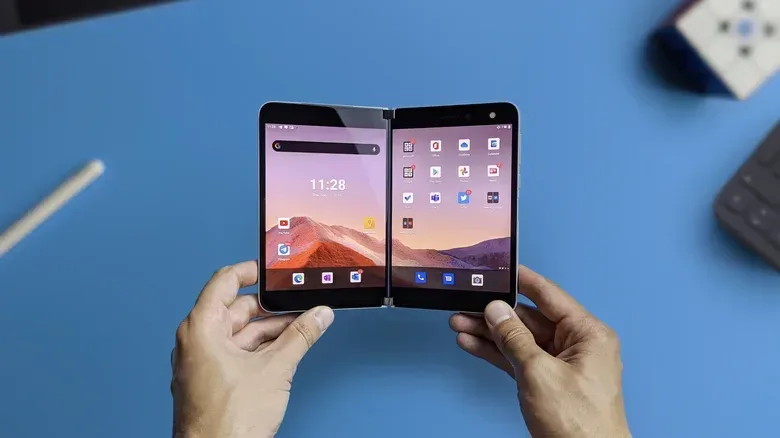
Microsoft’s Surface Duo launched in 2020 as a phone-and-tablet hybrid running Android. Its defining characteristic was not a single display that bends; it was a pair of screens joined by a hinge. That is an important technical distinction.
A dual-screen device uses separate display panels. The hinge between those panels is physical and visible, creating a division at the center when opened. A foldable display, by contrast, generally refers to one flexible display that folds. Both designs can create a larger work area than a conventional phone, but the experience and engineering trade-offs are not identical.
Microsoft’s approach emphasized the flexibility of its hinge, including 360-degree rotation. That made it possible to position the device in several orientations and supported the idea of separate apps or tasks living side by side. The concept had a clear appeal for people who value multitasking: reference material on one side, a message or document on the other; a video alongside notes; or one app continuing while another remains visible.
However, the first Surface Duo was judged as merely adequate in its phone role and poor as a tablet. Surface Duo 2 followed a year later, but criticism continued. The newer model was described as clunky, its Android 11-based Duo 2 software as unreliable, and its camera app as weak. It also lacked an outer screen. In the foldable-phone market of the time, it was not viewed as a convincing rival to devices such as Samsung’s Galaxy Z Fold 3.
This is why “Surface Duo” should not be reduced to a punchline, even if the product line ultimately struggled. Microsoft was trying to make multitasking feel native to a pocketable device. Its two-screen layout offered a direct visual separation that could be beneficial when running split-screen views. The problem was that an intriguing hardware premise still needed dependable software, comfortable design, and a strong camera and phone experience to compete as an everyday device.
A hinge is not the whole product experience
The Surface Duo discussion is also a useful reminder that foldable and dual-screen products are judged on much more than whether they can open and close. The hinge is only one component of a larger system.
For a device pitched as both phone and expanded workspace, buyers need to know how easily they can move between those roles. Is a secondary or outer display available when the device is closed? Do apps behave reliably when the screens change orientation? Does split-screen operation feel deliberate rather than improvised? Is the device comfortable enough to carry and use as a phone? And are ordinary tools, especially the camera, good enough that the hybrid design does not feel like a compromise?
Multitasking in this context means using more than one app or app view at the same time. Split-screen views are the most straightforward example. They can increase visible information and reduce the need to continually switch back and forth between applications. But the benefit depends on software that understands the expanded space. A bigger canvas alone does not guarantee a better workflow.
Early hands-on impressions indicate that multitasking is one area where the iPhone Duo performs well. That does not settle the question of how the device will be received over time, and it should not be treated as a declaration that every foldable-design challenge has been solved. It does, though, place the comparison with Microsoft on a more meaningful footing than the name alone. Microsoft’s Duo devices showed why side-by-side work could be compelling; Apple’s foldable is entering a market where the execution of that idea will be scrutinized just as closely as its hardware design.
Apple’s broader phone software context is relevant here too. Features do not have to be branded as artificial intelligence to reduce friction in everyday tasks; for example, Live Text can turn text seen through a camera or on a screen into usable text. A larger foldable workspace could make the quality of these practical interactions more noticeable, but the key question remains how naturally the phone handles multiple activities at once.
Why the name debate is louder than the naming evidence
The controversy has an easy narrative: Apple enters a category where Android manufacturers have already spent years experimenting, then applies a familiar Microsoft mobile word to its own first foldable. That reading captures why the name lands awkwardly for some observers. Foldable phones were already present in the Android space, and the Surface Duo association is hard to avoid.
But the evidence supports a narrower conclusion. Apple is not the first company to put Duo on a mobile device, and iPhone Duo is not the first Duo-branded foldable-adjacent product. Microsoft’s Surface Duo line is an obvious point of reference, while Apple’s PowerBook Duo and MagSafe Duo Charger show independent prior uses of the same term.
Brand names are often descriptive rather than uniquely historical. “Duo” communicates pairing efficiently, which makes it attractive to multiple companies and products. The fact that Microsoft discontinued the Surface Duo line, scrapped Surface Duo 3 in 2023, and had another foldable plan that did not materialize may make the association feel more like a memory of an abandoned experiment than an active product family. But discontinuation is not what determines whether consumers remember a name. The original Surface Duo was distinctive enough that many still do.
Apple therefore inherits both the benefit and burden of the comparison. The benefit is that the word immediately conveys a two-part or expanded-use idea. The burden is that it recalls a device line whose ambition was more memorable than its market result. The iPhone Duo cannot erase that association through branding alone.
The useful comparison is about execution, not ownership of a word
Apple’s iPhone Duo and Microsoft’s Surface Duo share a word, an interest in portable productivity, and an obvious connection to the broader effort to make phones do more than a conventional single-screen slab. Beyond that, their stories are different.
Microsoft’s hardware was a dual-screen Android hybrid built around a rotating hinge and split-screen possibilities. Its follow-up did not overcome concerns about design, reliability, camera performance, and its position against competing foldables. Apple’s iPhone Duo is the company’s first foldable smartphone, arriving after foldables had already existed in the Android market, with early hands-on impressions pointing to strong multitasking.
Whether Apple’s device becomes a lasting success will depend on its own design and software experience, not on whether people can make a clever Surface Duo reference. The name may keep the old Microsoft device in the conversation for a while. The actual test is much less nostalgic: can the iPhone Duo make its two-mode promise feel useful every day?