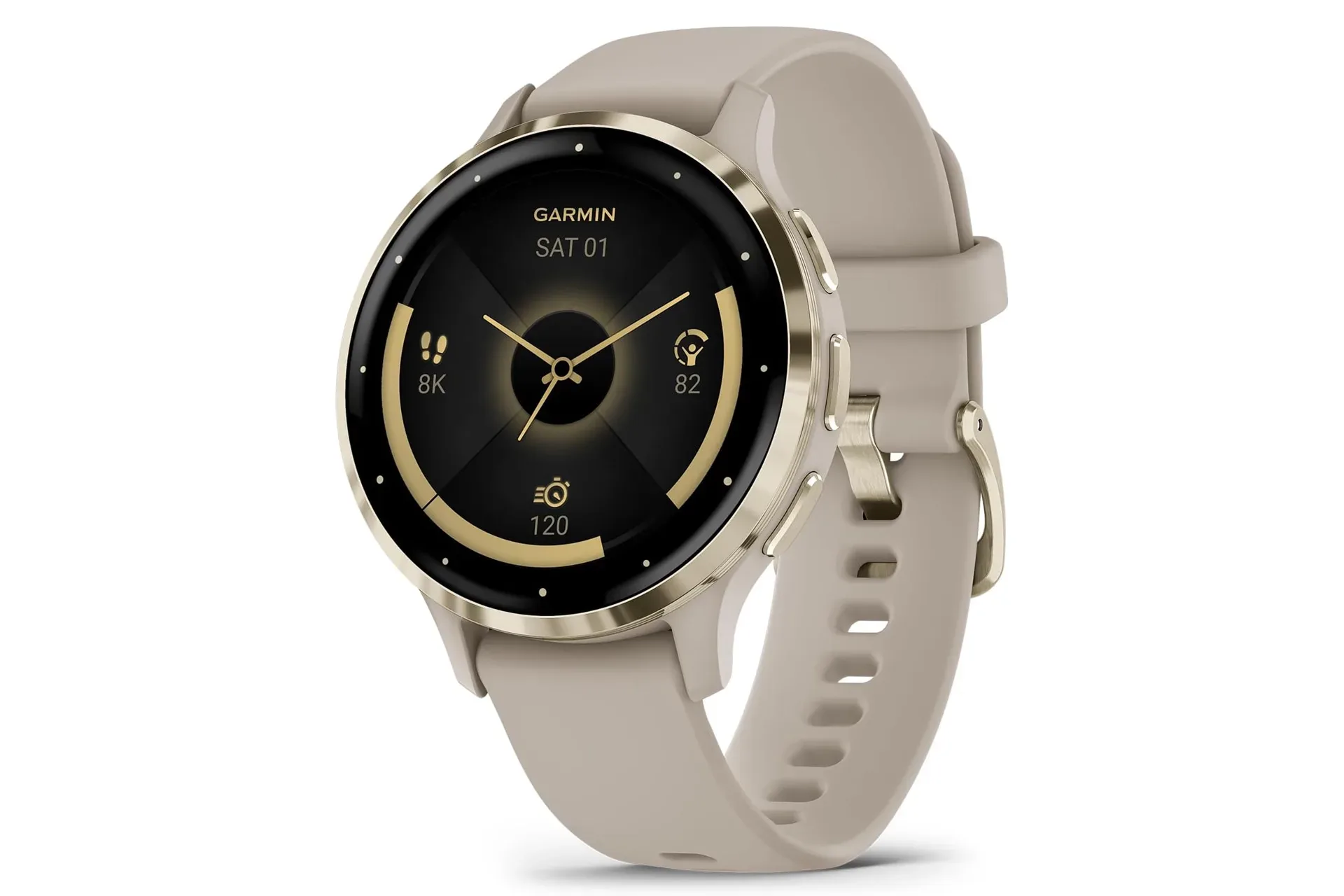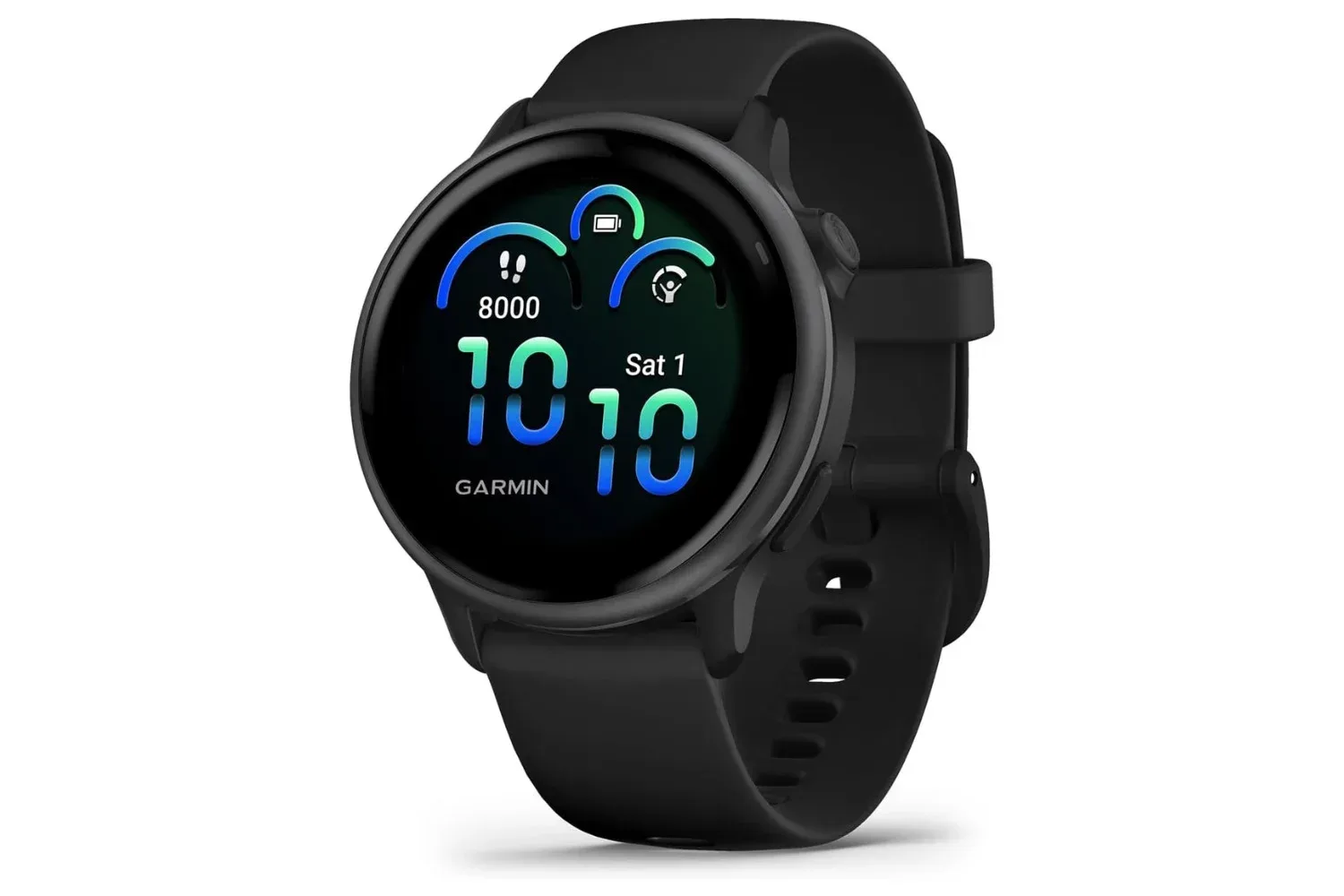
The Garmin vívoactive 6 is listed at $230, down $70 from its stated $300 regular price. That is a 23% reduction for a GPS smartwatch whose headline appeal is not merely putting alerts on a wrist: it combines activity profiles, route tracking, sleep information and recovery-oriented guidance in one device.
For people who split their free time among runs, rides, gym sessions and the occasional determined effort to stop carrying a phone everywhere, the practical package is easy to understand. The vívoactive 6 has more than 80 built-in sports profiles, integrated GPS, local music storage support, Garmin Pay and an AMOLED display measuring 1.2 inches. Garmin also rates it for up to 11 days in smartwatch mode.
That battery claim is especially central to the watch’s health features. Sleep data only becomes useful when the watch is consistently worn overnight, and a device that does not demand a nightly charge is less likely to create a blank spot in that record. The listed sale price makes the vívoactive 6 a potentially more accessible option for buyers who value that continuity as much as workout logging.
The deal at a glance
- Listed price: $230
- Stated usual price: $300
- Reduction: $70, or 23%
- Battery claim: up to 11 days in smartwatch mode
- Display: 1.2-inch AMOLED
- Activity support: more than 80 built-in sports profiles
Pricing and stock can move quickly, so the $230 figure should be treated as a snapshot rather than a permanent price. More importantly, a lower price does not by itself make every smartwatch a sensible purchase. The meaningful question is whether its tracking and convenience features fit a person’s routine well enough to be worn regularly.
Body Battery turns several inputs into one daily signal
Garmin’s Body Battery is the feature most clearly aimed at people who do not want to interpret a pile of separate charts before deciding how hard to train. It uses a 1-to-100 scale intended to represent available energy reserves. Rather than presenting heart rate variability, stress, sleep quality and activity as disconnected figures, it uses those inputs to generate a single indicator.
Heart rate variability, often shortened to HRV, is the variation in timing between heartbeats. In this use, it is one of several signals informing the broader estimate; it is not a direct reading of a person’s literal energy supply. That distinction matters. Body Battery is a convenience metric that helps organize trends from the watch’s measurements. It is not a medical diagnosis, an infallible training instruction or a substitute for paying attention to illness, pain and fatigue.
Still, the appeal is clear. A person may wake up feeling reasonably normal while their recent sleep, stress and previous activity indicate that recovery was limited. A low Body Battery reading could be a cue to reconsider turning a planned hard session into an easier walk, a lighter workout or a rest day. Conversely, a higher reading may give context to a day when training feels more manageable.
For gaming audiences, the same principle can apply outside a conventional workout plan. Late-night sessions, travel, long workdays and inconsistent sleep can all make it difficult to distinguish “I’m not in the mood” from “I probably need to recover.” A wrist metric cannot settle that question on its own, but a consistent record may make patterns easier to spot than memory alone.
Sleep Coach is designed around patterns, not one morning’s score
The vívoactive 6 provides a Sleep Score, but the more actionable element is its Sleep Coach. Garmin says the feature considers multiple nights of sleep data and produces recommendations tailored to the wearer’s pattern. That is a more useful framing than treating one rough night as an automatic verdict on a person’s habits.
Sleep tracking has a basic practical limitation: a tracker cannot collect overnight information when it is sitting on a charger. The stated 11-day smartwatch-mode battery estimate is therefore more than a headline endurance figure. It makes continuous wear more feasible, including overnight use, without creating a nightly charging routine that conflicts with the very tracking the device is meant to provide.
Battery estimates are also best read with care. The 11-day figure is specifically for smartwatch mode, and real-world longevity can vary with how a person uses features such as GPS and the display. Buyers deciding whether they can comfortably track sleep should focus on the broad advantage here—less frequent charging in the stated mode—rather than assume every personal usage pattern will deliver an identical result.
GPS and activity profiles are the athletic core
More than 80 built-in sports profiles give the vívoactive 6 a wider remit than a basic step counter. The listed examples include running, cycling, swimming, weightlifting and Pilates. That range matters because an activity record is more helpful when it reflects what someone actually does, rather than forcing every session into a generic exercise label.
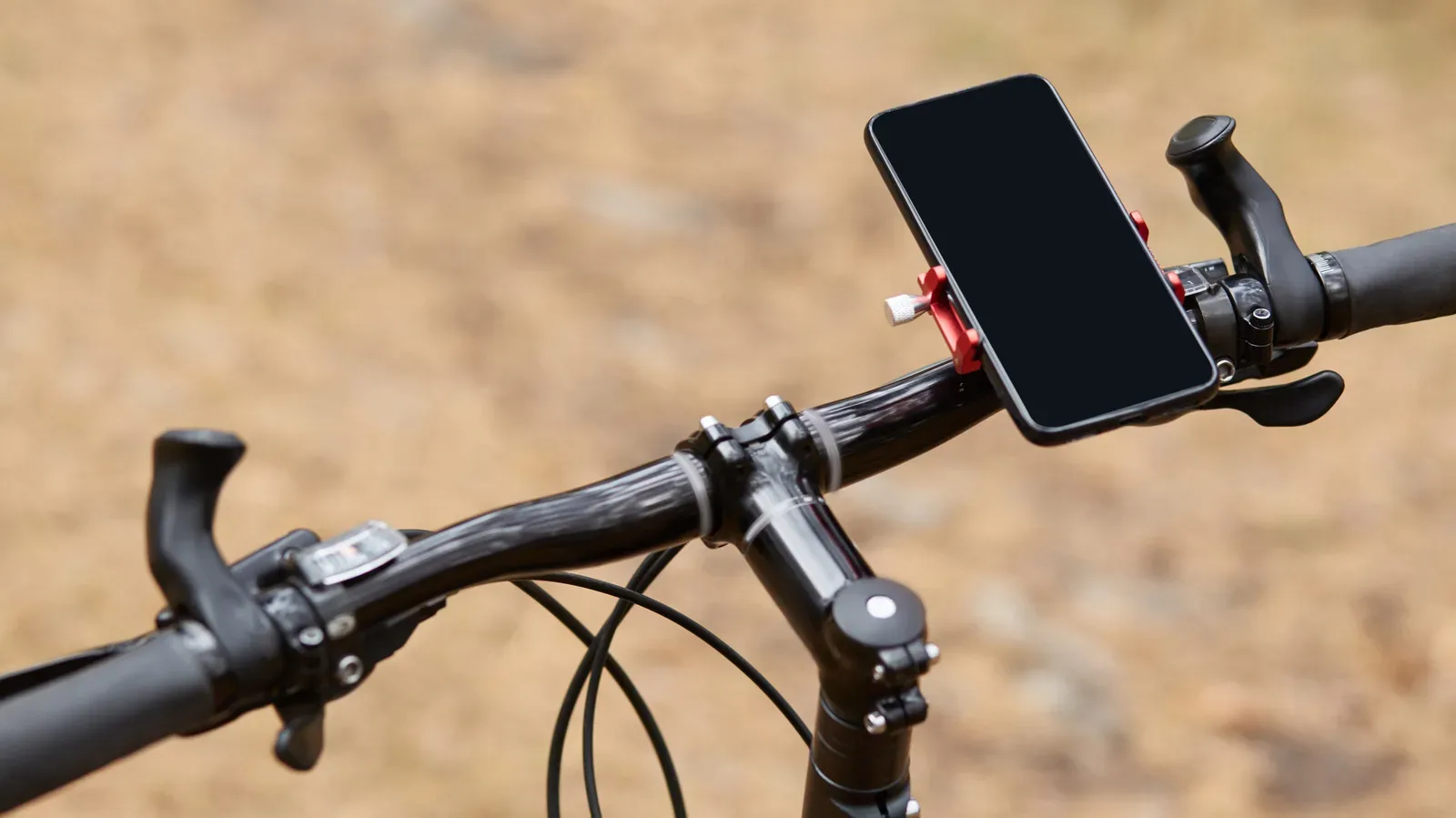
For running and cycling, the integrated GPS can map a route without requiring a smartphone to be carried along. GPS, or Global Positioning System, is the satellite-based positioning technology that allows a device to determine location and trace movement. In this context, onboard GPS means route recording can remain a watch-based task instead of depending on the phone in a pocket, armband or bike mount.
That independence has straightforward benefits for anyone who prefers a less cluttered workout. It also gives the watch a credible place in outdoor recreation rather than making it only a companion to a handset. The included sports support is not limited to route-based activities, either: for Pilates and other strength-focused sessions, the device offers animated workout videos on its display to provide movement cues.
There is a useful difference between having a sports profile and being coached by a professional. Profiles and on-screen animations can help structure logging and provide visual guidance, but they do not replace individualized instruction or professional advice. The strongest reason to value them is convenience: the information and cues are available on the wrist while the workout is underway.
Phone-free features broaden the watch’s role
The vívoactive 6 also supports locally stored playlists from Amazon Music, Deezer and Spotify for offline listening. That means music can remain available for a run without bringing a phone just to play audio. It is a small feature with a large practical effect for people trying to reduce what they carry.
Leaving a phone behind can also avoid the usual distraction loop of incoming messages and apps, though the watch itself is still a connected device with its own functions. If a phone remains in the picture, it is worth understanding where mobile data can be consumed; our guide to video, calls, social apps and background downloads explains why the biggest usage often comes from more than the screen time people notice.
Garmin Pay adds another phone-and-wallet-light option by enabling contactless purchases from the wrist. Together, local music, GPS and wrist payments create a coherent use case: go out for an activity with fewer possessions while keeping core conveniences available.
For water-based activities, Garmin rates the vívoactive 6 at 5 ATM and says it can be submerged without removal. That designation is relevant to the swimming profile and gives the device a practical role beyond dry-land workouts. It should not be treated as a blanket statement about every conceivable water environment or accessory; users should follow product guidance for their specific use.
Who should pay attention to this price
The $230 listing is most compelling for a buyer who wants several things to work together: regular exercise logging, route tracking away from a phone, overnight sleep wear and a simplified recovery snapshot. The value is not simply that the watch offers a long feature list. It is that its battery target and Body Battery/Sleep Coach combination are intended to make the data continuous and interpretable.
A buyer interested only in step totals may not need this level of device. Similarly, anyone who dislikes sleeping with a watch, does not plan to use GPS or has no interest in music and payments from the wrist may get less practical value from the expanded feature set.
But for users whose routines move between exercise, long days and variable rest, the vívoactive 6’s design has a clear argument. It aims to capture activity and recovery in the same place, then present a digestible signal rather than asking the wearer to make sense of every raw metric alone. At the stated $70 discount, that is the part of the proposition worth weighing most carefully.
Shop the products
Check current price, model and availability at the retailer.