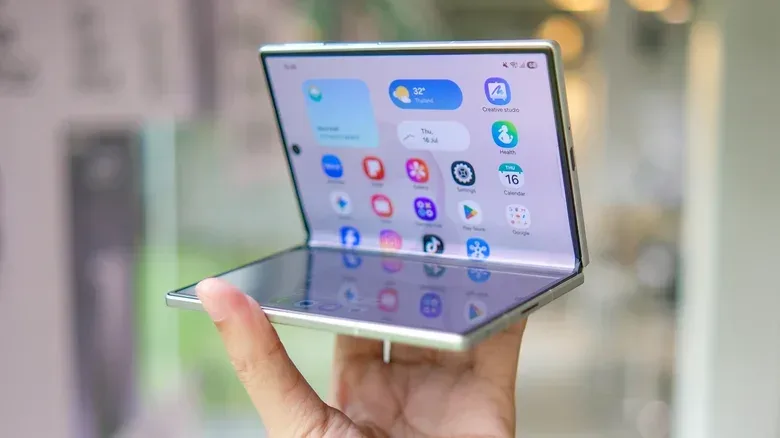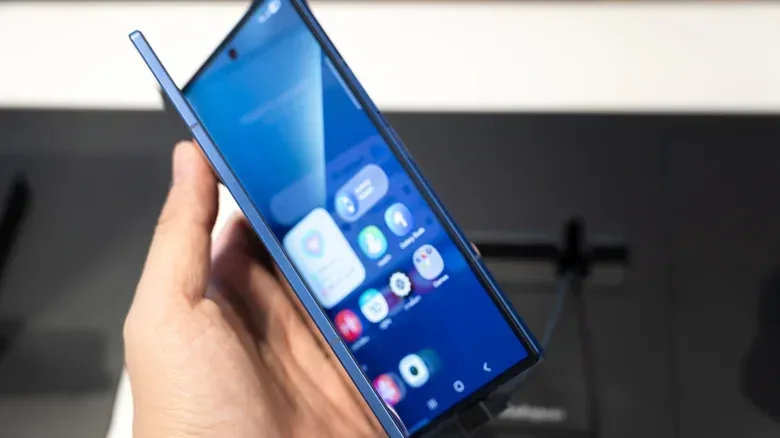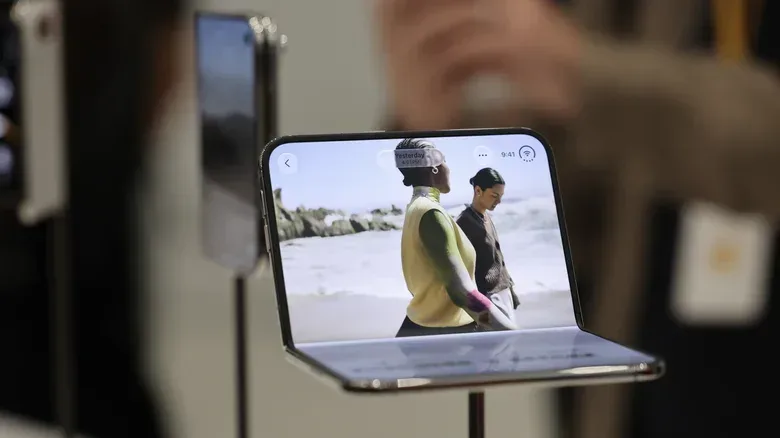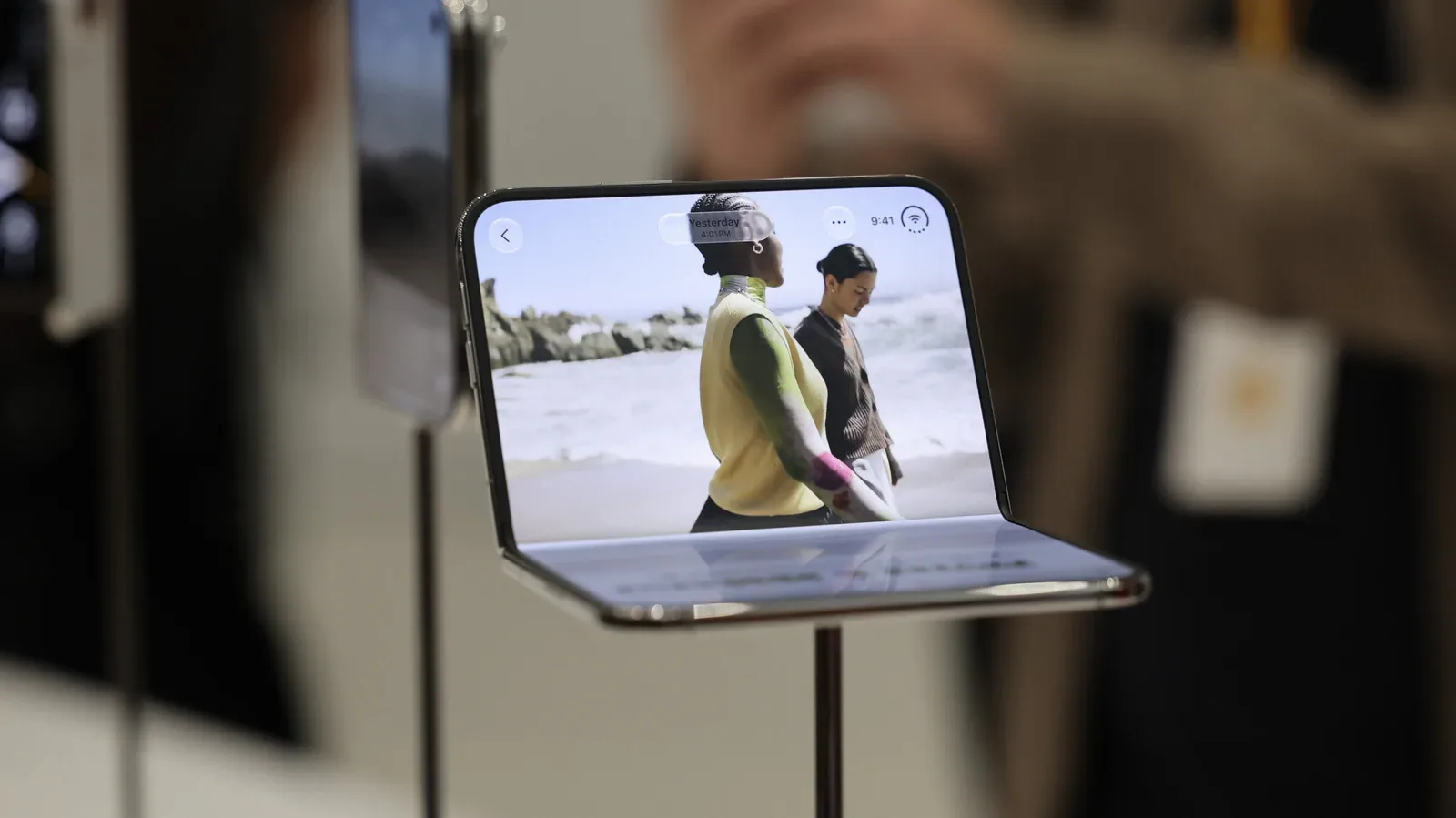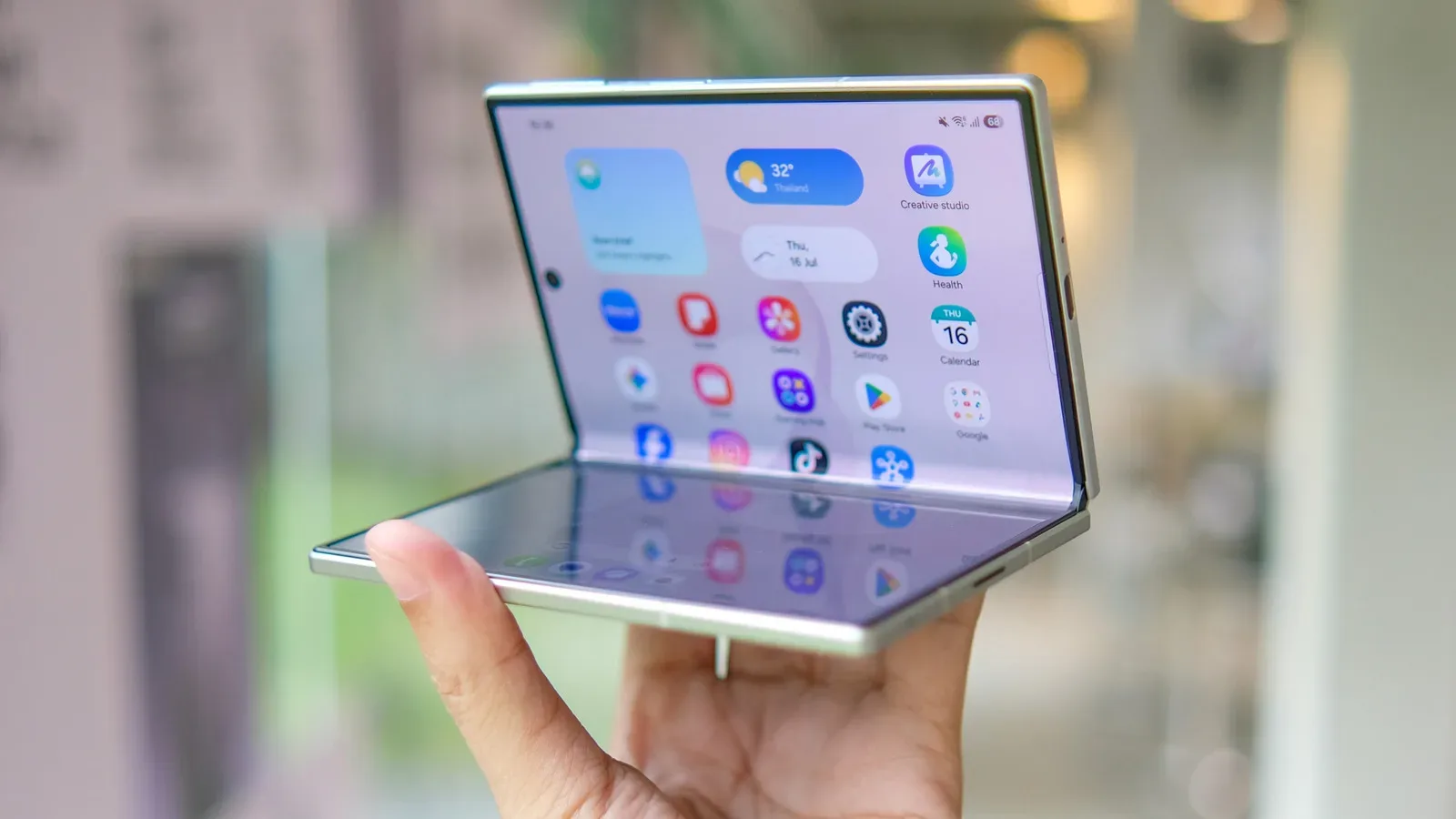
A foldable phone is one of those pieces of tech that explains itself the moment it opens. What looked like an ordinary handset becomes a broad screen that can make reading, video, writing and side-by-side apps feel less constrained. Close it, and it returns to something pocket-sized. That physical transformation remains a genuine advantage, not merely a party trick.
It also comes with an unusually serious set of compromises. Foldables account for roughly 2% of the overall smartphone market, even as consumer interest rises; 59% of smartphone owners are said to be interested in the category. The gap between curiosity and purchase is understandable. These devices can cost $2,000 or more, putting extra pressure on the hardware to survive daily use and on the software to make the larger display worthwhile.
Apple, Google and Samsung are among the major manufacturers participating in foldables. The category has matured enough that it can work as a daily phone for the right person, but it is not a universal upgrade. Think of it less as a normal phone with a bonus screen and more as a compact computer with a moving mechanical joint at its center. That joint is where much of the promise—and much of the risk—lives.
What a foldable actually changes
The basic appeal is screen area. Foldable displays can reach up to 8 inches while still folding down to fit a pocket. That creates space a conventional handset simply cannot offer without becoming physically much larger all the time.
For quieter, lean-back uses, the gains are straightforward. A larger panel can make webpages, books, articles and streamed video more comfortable to view. For active work, it can provide room to write, edit and use creative applications. Gaming is also an obvious fit in principle: more display room can reduce the cramped feeling of a standard phone when a game fills the screen or when the player needs interface elements visible at once. But the word in principle matters, because the software experience depends on each app’s support for unusual screen sizes and changing aspect ratios.
The other defining feature is posture. A foldable can operate in several forms:
- Closed: used like a conventional phone on its outer display.
- Open: used like a compact tablet with more room for content and multiple apps.
- Partly folded: positioned like a tiny laptop, with content on one portion and controls or a keyboard on the other.
- Self-supporting: set down as a small stand for video calls, selfies, photography or video capture.
That is a practical kind of flexibility. A user does not need a separate stand to prop up the phone for a call, and they can choose a compact or expanded workspace as a task changes. It is the central reason foldables appeal to people who want one device to cover more than one role.
The strongest case: multitasking without carrying a tablet
Foldables are particularly compelling for people who regularly move between apps. Smartphone operating systems are being optimized for these formats, including multiple apps displayed together and moving content between apps with swipes. Developers are also adapting applications for folding platforms.
Related coverage includes The Real Pros and Cons of Buying a Foldable Phone.
Multitasking here means more than rapidly switching from one app to another. On a larger inner display, apps can be open alongside each other, allowing a person to reference information while writing, watch something while browsing, or keep a conversation visible while working elsewhere. The expanded canvas is what makes this different from merely having a fast standard phone.
Half-folded use is potentially useful too. The lower portion can serve as an input area while the upper portion shows content, mimicking the basic physical arrangement of a laptop. That does not turn a handset into a full computer, but it can change how comfortably someone handles a short writing or editing job away from a desk.
There is an important buying distinction: a larger screen is valuable only if it removes friction from things the owner already does. A person who reads extensively, writes, manages several apps at once or wants a pocketable device that opens into a small tablet may have a clear reason to pay more. Someone who mainly sends messages, checks a few feeds and takes photos may see the fold as an impressive mechanism rather than a meaningful improvement.
For a closer look at the tablet-replacement question, see Can a Book-Style Foldable Phone Replace Your Tablet? It Depends on the Job.
The software check buyers should not skip
Hardware flexibility does not automatically produce software flexibility. Some apps still do not scale well or transition smoothly when moving from the outer display to the inner one. An app may struggle with the change in size, layout or orientation, leaving an experience that feels less polished than it does on a conventional slab phone.
App optimization means that a developer has designed and tested an app to handle the device’s distinct display states. That can include reshaping its interface for a larger open screen, preserving what a person was doing while the phone opens or closes, and making productive use of the extra space rather than just stretching the same layout.
This is not a minor caveat for anyone with a mission-critical app—an application needed for work, communication, access or another important routine. Before making a purchase decision, prospective owners should confirm that the specific apps they depend on support foldables. “It probably works” is weaker assurance than an explicit confirmation from the developer, especially at premium-device prices.
The same caution applies to games and creative tools. A large inner display may be attractive, but an individual app’s implementation determines whether the extra room is useful, awkwardly empty or actively troublesome. Foldables are not a category where a buyer should assume every app behaves identically to the way it does on a fixed-size phone screen.
Durability is more complicated than a fold-count claim
Every foldable relies on a hinge and a flexible display. Manufacturers test folding resilience, meaning the number of opening-and-closing cycles the device is intended to handle. That testing is relevant, but it does not mean a current model lasts forever. More moving pieces introduce more opportunities for wear and failure than on a phone with no hinge.
Visible creases are another consideration. Older devices can show a crease across the flexible panel, and it can be distracting or interfere with app use. Even where a crease is not the decisive issue, buyers should acknowledge that the physical display is unlike the rigid screen on a traditional premium phone.
The materials used on foldable screens—flexible plastic or ultra-thin glass—can be susceptible to scratches. This has a direct everyday implication: the open display may demand more careful treatment than users accustomed to ordinary smartphones expect. A buyer who routinely drops a phone into bags or pockets with abrasive objects should treat screen protection and handling habits as part of the ownership equation, not as an afterthought.
Dust deserves particular attention because the hinge is mechanical. Dust can jam these mechanisms. Product specifications often use an Ingress Protection, or IP, rating to indicate resilience against intrusion. In this context, the first digit is the important one: a higher first number indicates greater expected protection against solid particles such as dust. An IP rating is a useful comparison point, but it is not permission to ignore a device’s stated care requirements.
Thinness, battery demands and the camera compromise
Foldables have historically been thick and heavy compared with conventional phones, and weight remains a concern for many shoppers. The four most popular foldables in the United States each weigh more than 200 grams. Larger displays need larger batteries, which contributes to that mass.
There is a design tension here. Buyers want a foldable to be slim enough to carry comfortably, but the device also needs a hinge, two display states and enough battery capacity to support its screens. Designers have reduced bulk in part by removing more substantial camera mechanisms. The result is a broad category-level trade-off: cameras on many foldables are less advanced than those found in high-end non-folding smartphones.
That does not make every foldable camera inadequate. It means a shopper who prioritizes the most advanced camera hardware should compare that need directly against the value of the large folding display. A foldable is often asking its owner to choose which flagship feature matters more: expanded workspace or the strongest available photography hardware.
Repairability changes the true cost of ownership
The purchase price is only the opening level of the financial decision. A phone with a flexible display and hinge has more complex parts than a conventional handset, and repair or replacement costs can be high. iFixit has characterized current foldables as “not repairable,” a stark warning for anyone who keeps phones for a long time or prefers easy, affordable fixes after damage.
The category’s visual novelty can create another practical issue: it attracts attention. Lost or stolen devices have a steady street trade, making insurance an especially relevant consideration. That does not mean every buyer must insure a foldable, but it does mean protection plans, repair terms and replacement policies deserve scrutiny before purchase. A premium device with costly repair is not evaluated fairly by its sticker price alone.
Who should consider one—and who should wait
A foldable has a strong case for someone who repeatedly benefits from a larger screen yet wants to carry only one pocketable device. Reading, streaming, writing, editing, creative work and multi-app workflows are the clearest source-supported uses. The ability to half-fold the device or use it as its own small camera stand adds utility that an ordinary phone cannot reproduce in the same way.
The case is weaker for buyers who are hard on their devices, demand the best cameras available, need dependable behavior from apps that have not been verified for foldables, or are sensitive to both price and weight. The device’s fold count, screen materials and IP rating should be investigated as carefully as its display size. So should repair and insurance options.
Foldables are no longer just a futuristic curiosity. They are mature enough to serve as a daily driver when their distinctive strengths match a person’s routine. But the best approach is not to buy the wow factor alone. Treat the hinge, app support, camera trade-off, weight and repair plan as core specs—because on a foldable, they are.