There is a familiar rite of passage in upgrading a gaming or movie setup: you look at the speakers, then at a receiver, then inevitably at a handsome metal box with a gigantic volume knob and enough vents to launch a small spacecraft. It is labelled amplifier, and it feels like the missing ingredient between an ordinary sound system and an experience worthy of a boss battle.
Amplification absolutely matters. Every system that turns an audio signal into audible sound uses it somewhere. But that does not mean every desk, TV stand or entertainment center needs a separate amplifier added to the pile. In many cases, the amp is already inside the speakers, a soundbar or an AV receiver. Buying another one without identifying a specific limitation can add expense and complexity while doing very little for the sound.
The more useful question is not “Are amplifiers good?” It is: where does amplification already happen in this system, and is that part actually the bottleneck? For players building a PC desk setup, connecting a console to a television, or gradually assembling surround sound, that distinction can keep a practical purchase from becoming decorative audio furniture.
What an amplifier actually does
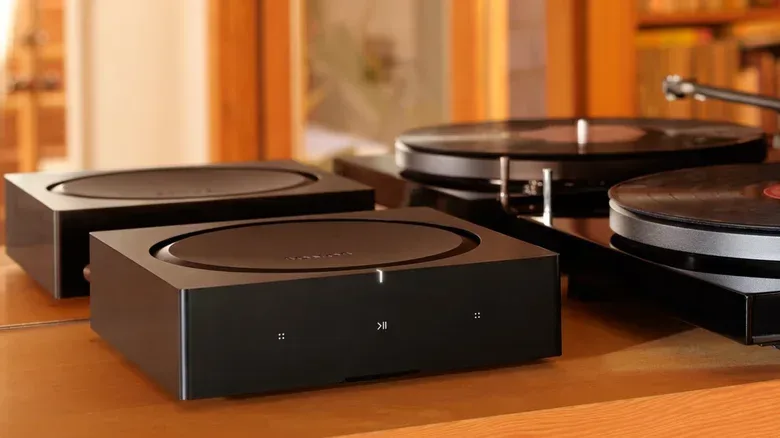
An audio source begins with a comparatively weak electrical signal. A turntable makes the concept especially easy to picture. With its speakers disabled, a listener may hear faint “needle talk” directly from the stylus tracing a record groove. It is quiet and may barely resemble music. To move speaker drivers strongly enough to produce meaningful listening volume, the signal needs amplification.
An amplifier, usually shortened to amp, boosts that signal to a level capable of powering speakers. This is not merely about making things louder. Adequate, controlled power helps a system reproduce the intended sound without being pushed into undesirable behavior. An amp is part of the basic mechanism that lets game music, dialogue, effects and every other audio track escape the electronic realm and enter the room.
That said, an amp cannot manufacture detail absent from the source or transform unsuitable speakers into a perfect system. It works within a chain. The speakers, their position in the room, the system’s configuration and the strength of the incoming audio signal all affect the result. Treating the amplifier as a universal quality button is the audio equivalent of assuming one graphics setting will fix an entire game’s performance.
Gain, EQ and the settings that can cause trouble
Amplifiers commonly offer control over gain, meaning how much the incoming audio signal is boosted. They may also provide an equalizer, or EQ, which adjusts frequency ranges. A listener might raise lower frequencies for more bass impact or alter the range where voices sit to make dialogue easier to follow.
These controls are useful, but they are not consequence-free. Excessive settings can produce clipping and distortion. Clipping occurs when a signal is pushed beyond what the equipment can reproduce cleanly. Instead of a smooth waveform, the signal is effectively cut off at its limits, which can sound harsh and, at extremes, risk hardware damage. The sensible goal is a satisfying, clear balance—not the most aggressively boosted bass or loudest possible output.
Related coverage includes What an Amplifier Does and When Your Audio System Actually Needs One.
For gaming, that can mean pursuing intelligible character dialogue and positional separation rather than trying to make every explosion dominate every other element. EQ is a preference tool, but it also needs restraint.
Amplifier, preamp and receiver: similar labels, different jobs
Audio terminology can make a straightforward setup seem needlessly mysterious, particularly when product names cram several functions into one chassis. The broad distinction is worth knowing.
- Amplifier: raises a signal enough to drive speakers.
- Preamp: raises an audio signal to line level so gain is handled appropriately through the system, but does not replace the power amplification needed for speakers.
- Receiver: often combines preamp and amplifier functions in a single component.
Many products combine these roles, which is why an enthusiast may use the word “amp” even when discussing a broader device. A receiver can be a particularly direct route for a home-theater system because it may handle both the preliminary signal duties and the speaker-driving job. Some amplifiers likewise include preamp functionality, reducing the number of boxes in the chain.
This matters before any purchase. If the setup already routes sound through a receiver, it may already have the amplification it needs. A separate amplifier becomes relevant only when the receiver cannot power the intended arrangement on its own—such as a particularly demanding configuration with more channels than the receiver can drive simultaneously.
Active versus passive speakers: the purchase decision hiding in plain sight
The most important practical distinction is whether speakers are active or passive.
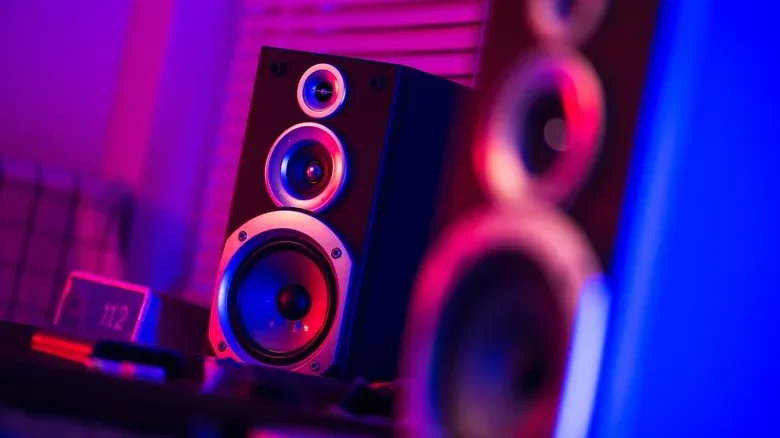
Active speakers have amplification built in. A simple visual clue is that each powered speaker system needs its own power connection. Since the amp is already integrated, adding an external speaker amplifier is generally unnecessary. Plenty of consumer speakers fall into this category, making standalone amps redundant for many desktop and living-room systems.
Passive speakers, by contrast, require an external power source. They need an amplifier or receiver to do the work the active speaker houses internally. This does not necessarily mean buying a dedicated amp, however. If a suitable receiver is already part of the system, it can provide both the required amplification and preamp functions.
Before shopping, trace the actual signal path. Identify the source, then identify what connects directly to the speakers. Check whether the speakers have their own power cords and whether a receiver is in use. That short inventory reveals more than assumptions based on speaker size, a product’s premium branding or the fact that a setup seems quiet.
Watts and ohms, explained without the spec-sheet fog
If an external amplifier is required, its specifications need to suit the speakers. Two terms matter here: watts and ohms.
Watts describe power. Ohms describe impedance, a measure relevant to how a speaker presents an electrical load to an amplifier. The speaker and amp should be matched with their power and impedance specifications in mind. This is not an area where guessing based on a bigger number or an attractive discount is wise. The equipment information exists because the match affects how the system operates and whether it can deliver sound cleanly and safely.
For an ordinary buyer, the practical lesson is modest: verify the specifications of both components before treating a standalone amp as an upgrade. There is no universal wattage number that automatically improves a setup, because the speakers and intended system layout determine what is appropriate.
When a separate amp makes sense
A dedicated amplifier has a clear role in systems that have outgrown the available powered channels. A home theater using Dolby Atmos can reach that point. Atmos arrangements may include enough channels that the receiver cannot power all of them simultaneously, at which point an added amp can supply the missing power.
The notation 7.2.4 illustrates the scale of an elaborate arrangement: seven conventional surround channels, two subwoofers and four height channels. It is the kind of system where amplification capacity becomes a concrete planning issue rather than a speculative accessory purchase.
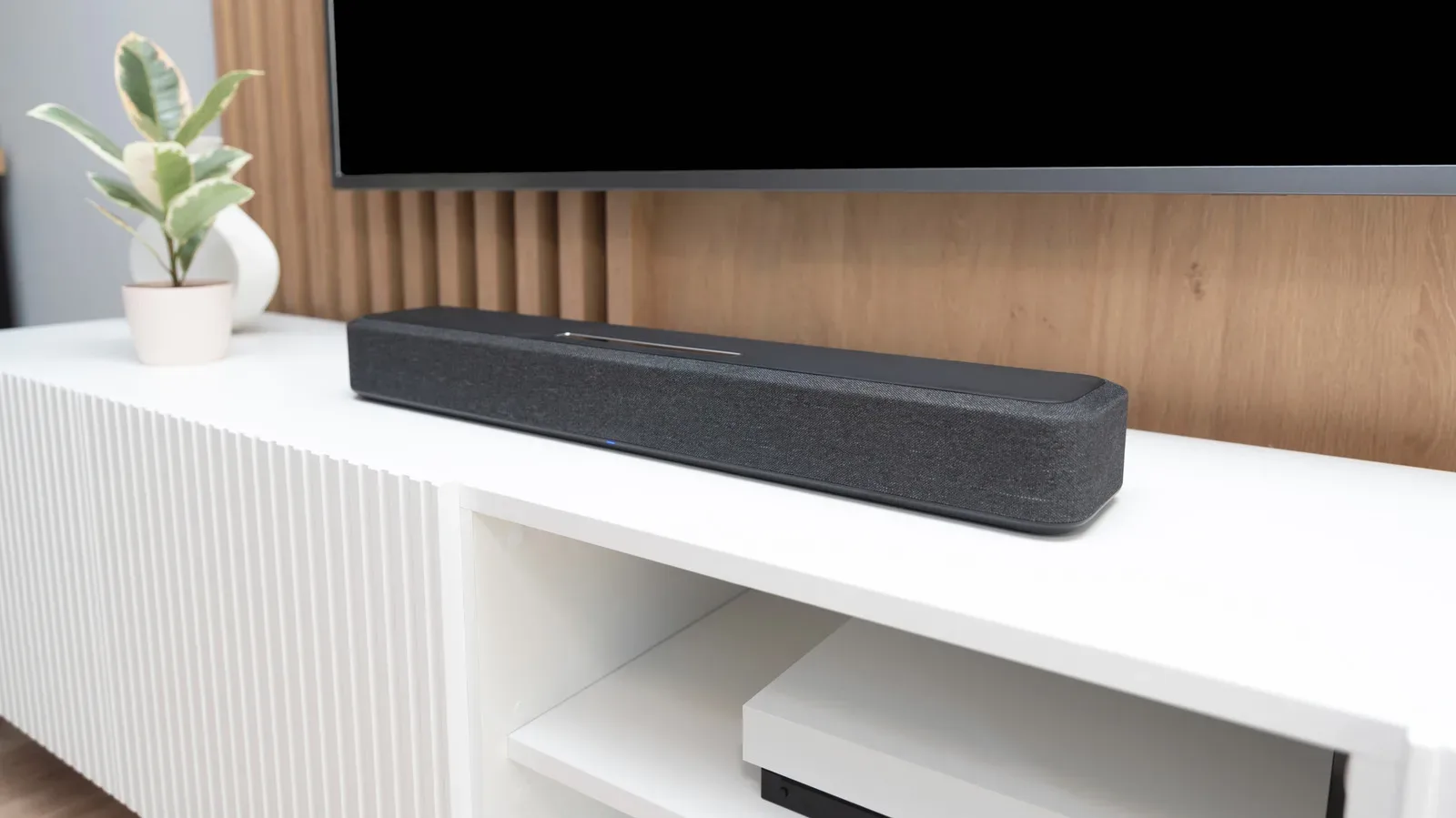
That is very different from a typical console attached to a television, a PC using active desktop speakers, or a basic stereo soundbar. In those cases, the more likely reality is that amplification is already present. A separate unit might only become meaningful after the owner deliberately moves toward passive speakers, adds channels beyond a receiver’s capability or builds a more demanding dedicated listening setup.
It is also worth separating an actual need from a desire for more volume. If the system distorts or lacks clarity, the cause may be speaker quality, placement, settings or room acoustics. An amplifier is central hardware, but it is not automatically the fix for all of those problems.
Tube versus solid-state: appearance is not a channel plan
Tube amplifiers have a real visual and sonic appeal. Their exposed components suit retrofuturist spaces particularly well—an aesthetic that would not look out of place beside a carefully chosen older gaming PC connected to a modern display. They are also associated with a “warmer” sound.
But an appealing look and a preferred sonic character do not make tubes the obvious default for home theater. Tube models commonly provide 50 watts or less each, which makes a multi-channel surround system impractical unless the buyer is prepared to use multiple units. Tubes also wear out and must be replaced, adding an ongoing maintenance consideration.
For most people, solid-state amplification is the more sensible choice. That is not an argument that tube equipment has no audience. It is a reminder to judge it against the system’s purpose. A tube-centered setup may be an intentional specialist project. Building an expansive surround system around several tube amps is likely to be expensive and cumbersome.
Upgrades that may matter more than another box
When a basic stereo soundbar or simple speaker pair feels limiting, better speakers can create a far more noticeable change than adding an amp to equipment that is already amplified. A higher-powered all-in-one Atmos soundbar is one possible step up. From there, rear and side channels can improve sound separation, allowing effects and music to occupy more distinct positions around the listener.
Ceiling channels are a more involved path. They represent an ambitious goal for an audiophile-style home theater, but they require mounting and wiring. The value depends on whether the room and the owner’s tolerance for installation work make that effort worthwhile.
Less dramatic interventions can also help:
- Use mats or speaker stands to address unwanted rattling.
- Consider acoustic panels to reduce unwanted reverb.
- Move speakers farther from walls when bass sounds muddy.
- Run automatic room calibration again after significant changes to the space if smart speakers support it.
These steps focus on the sound arriving in the room, not just the hardware generating it. Speaker position is especially easy to overlook because it costs nothing to test, yet it can affect bass clarity. Similarly, automatic calibration is only useful if it reflects the room as it currently exists, not the room before furniture was moved or the layout changed.
A practical buying checklist
- Determine whether the speakers are active or passive. Power cords on active speakers are an important clue.
- Check whether a receiver is already handling preamp and amplification duties.
- For passive speakers, compare their watt and impedance requirements with the prospective amp or receiver.
- Identify a specific shortfall: insufficient receiver channels, a planned passive-speaker build or a high-demand multi-channel layout.
- Try placement, anti-rattle measures, room treatment and calibration before assuming the amplifier is at fault.
- Choose solid-state equipment for the more practical general-purpose route; regard tube gear as a deliberate preference with power and maintenance trade-offs.
The key takeaway is pleasingly unglamorous: amplifiers are fundamental, but extra amplifiers are optional. For many gaming and home-entertainment setups, the power stage is already doing its job inside the equipment on hand. Spend first on the limitation that can be identified, whether that is speaker quality, missing surround channels, poor placement or room behavior. The enormous volume knob can wait until the system genuinely calls for it.