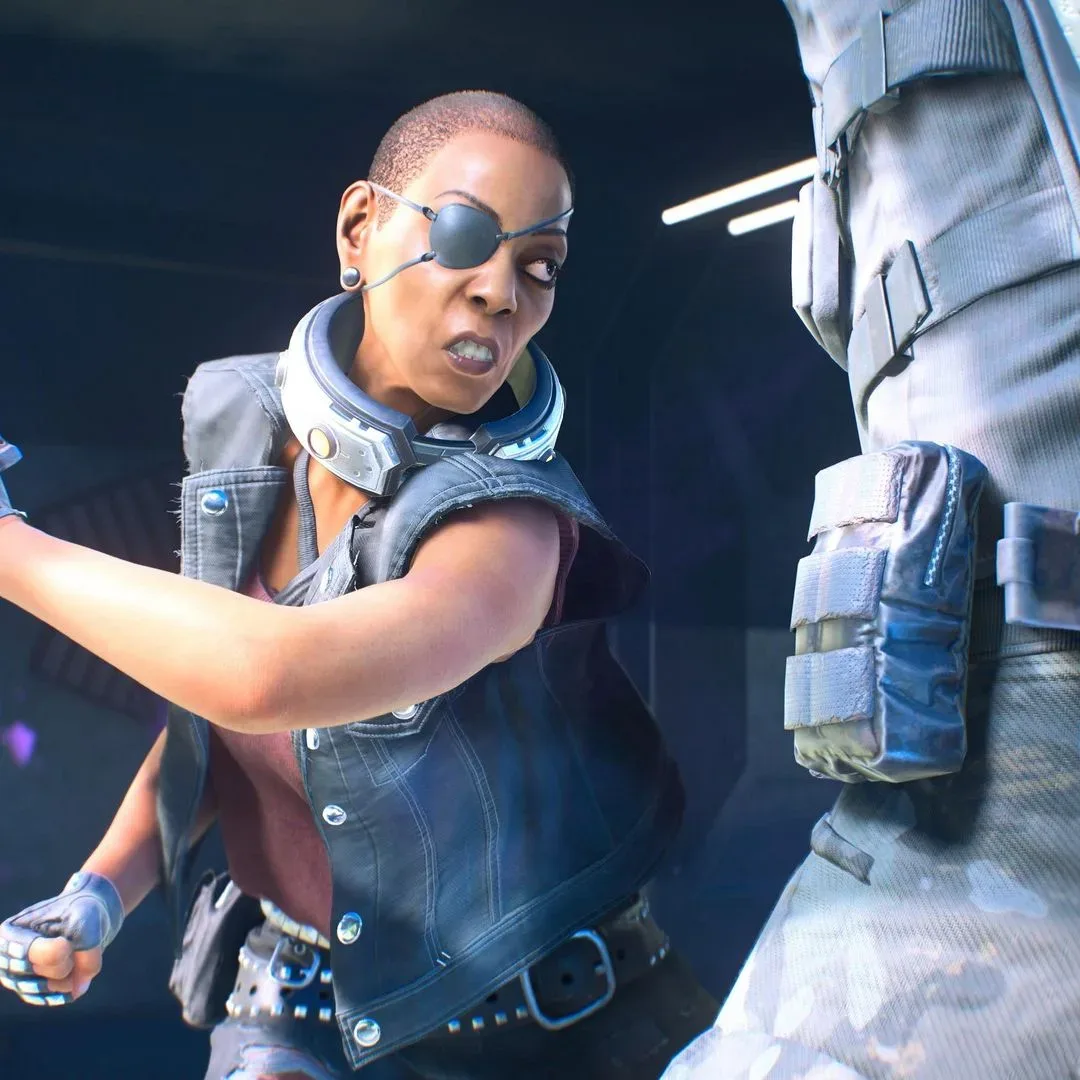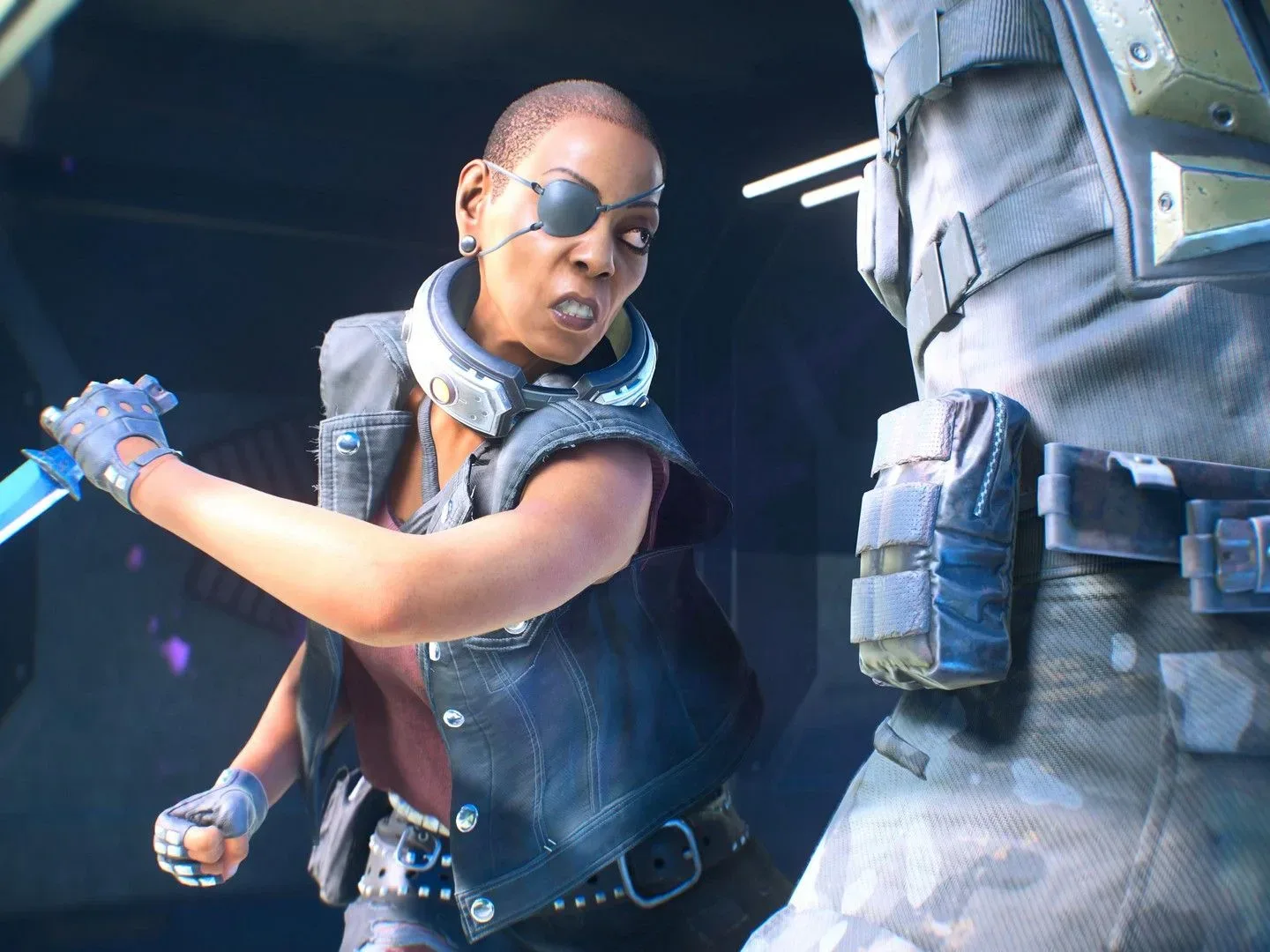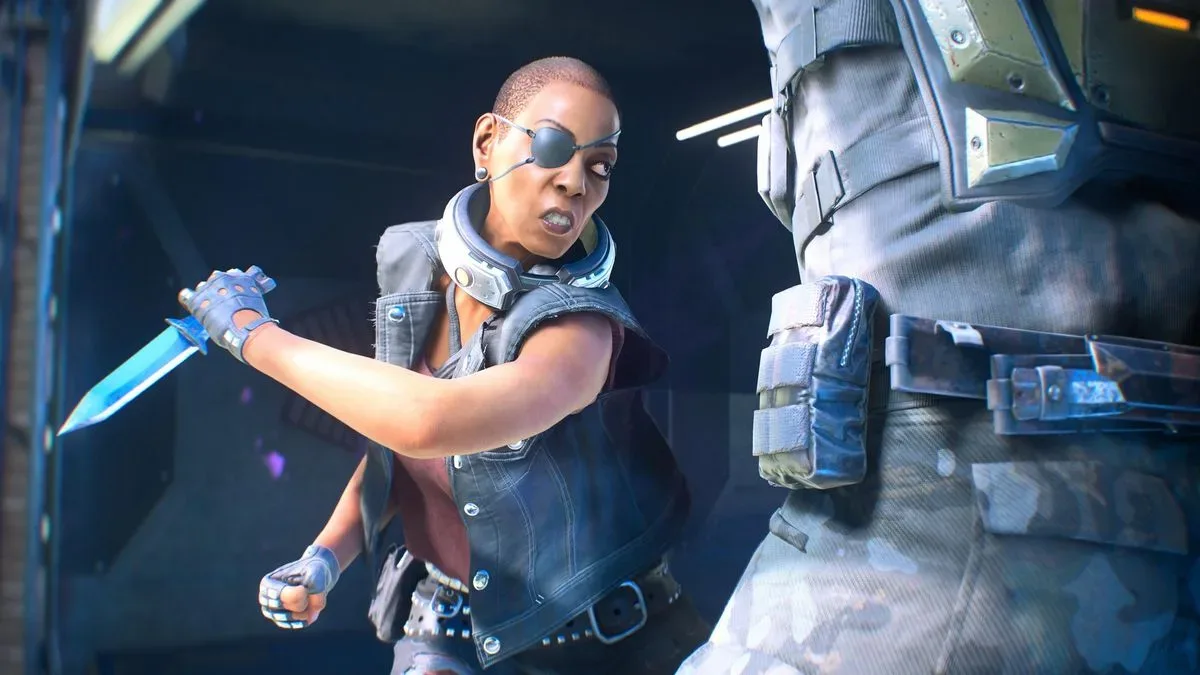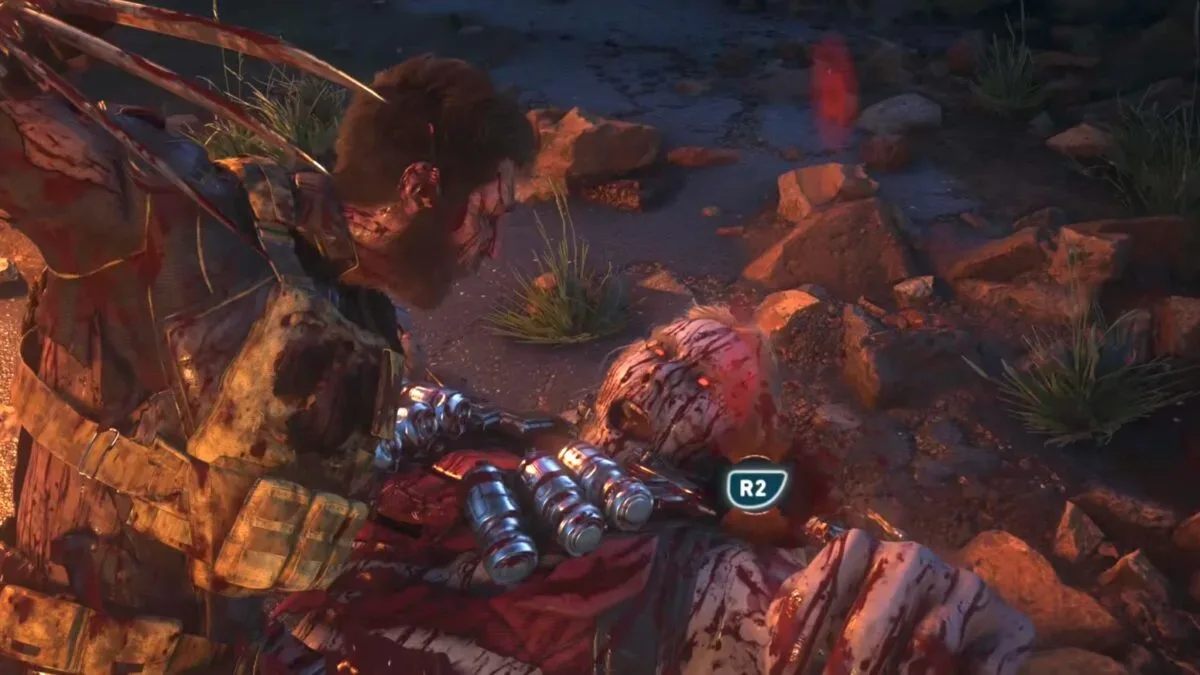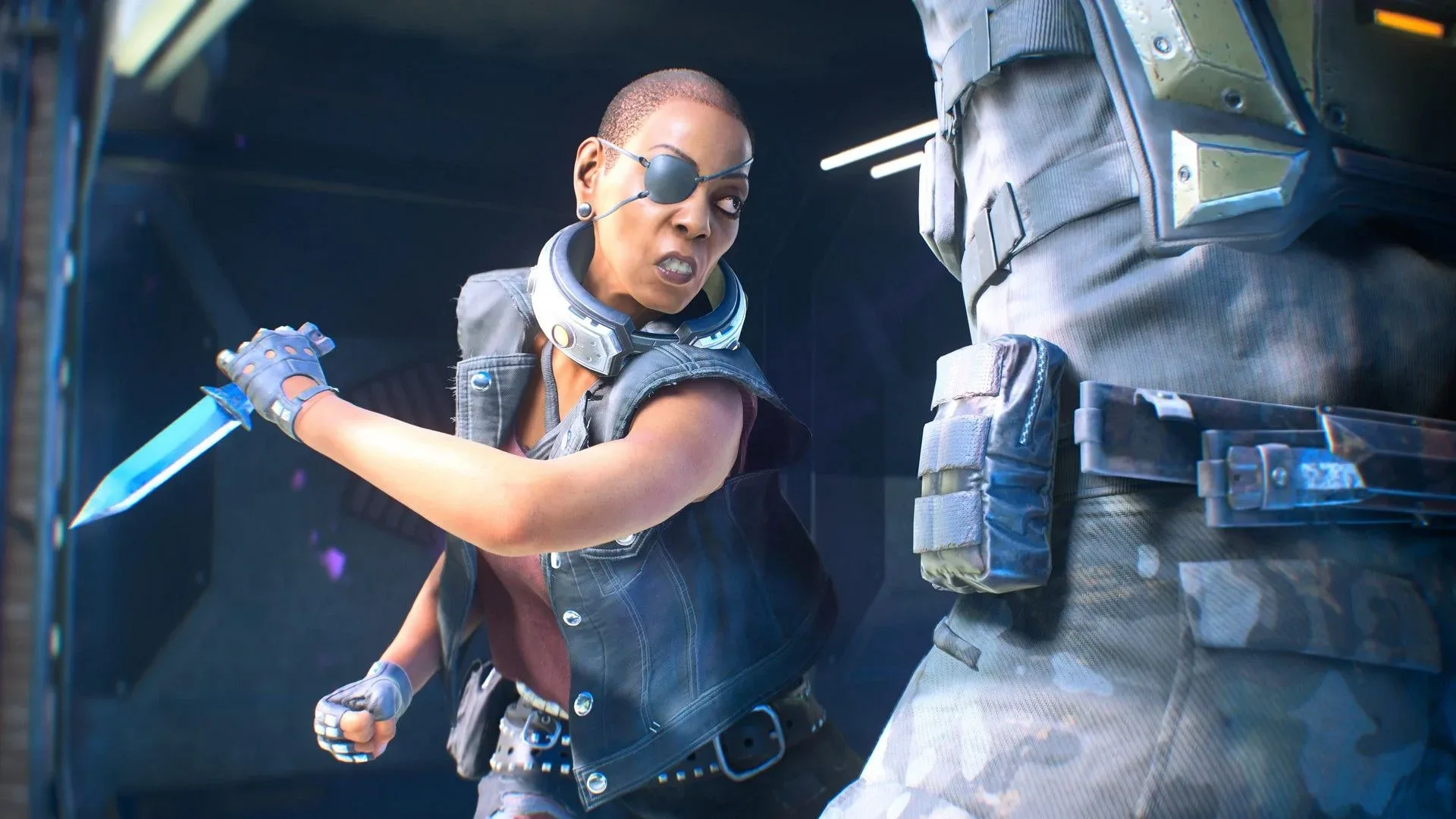
Debra Wilson has offered a refreshingly direct perspective on a convention that has become almost routine in big-budget games: the performer’s face arriving onscreen alongside their voice and performance. Discussing her role as Callisto in Marvel’s Wolverine, Wilson said the choice to use her likeness was made by the designers, not by her. More importantly, she questioned the creative need for it in this case. Callisto is already an established X-Men character with many existing interpretations, she noted, asking why the design should look like her.
It is not a rejection of game acting, performance capture, or being visible in a game. Wilson’s point is more interesting than that. She says she loves roles in which the character does not look like her, because transformation is part of the appeal. “If it just looks like me,” she asked, “then how do you get a chance to really escape into a character?”
That question deserves more than a quick agreement or disagreement. It goes to the heart of a creative crossroads for contemporary games: whether digital realism should mean faithfully reproducing a well-known actor’s appearance, or whether a game is often stronger when its artists build a face specifically for the role, the setting and the character’s history.
What Wilson is actually challenging
Wilson has a substantial range of game credits, including work in Metal Gear Solid 4, Halo 3, Destiny 2, the Star Wars Jedi games, Death Stranding 2, Suicide Squad: Kill the Justice League, and more recently Ace Combat 8: Wings of Theve. She said she has been cast as European characters with foreign accents and enjoys doing those parts. The common thread is not that a performer must disappear visually to deliver a convincing role. It is that a face scan should not be mistaken for the performance itself.
In games, “likeness” generally means a character model is deliberately created to resemble the actor portraying them. That can involve facial scanning, reference photography, motion-capture data, hand-built digital modeling, or a mix of those processes. Performance capture, by contrast, is the recording of an actor’s bodily and facial movements for animation. The two practices can overlap, but they are not identical. A game can use an actor’s voice and movement while presenting a character with a wholly original face; it can also use someone’s image in a more limited way.
Wilson’s comments identify the artistic distinction that can get blurred when marketing celebrates recognizable faces. An actor’s choices—rhythm, physicality, emotional intention, timing and vocal control—can be present in a character even when the model is not an imitation of the actor. Wilson described returning for pickup recording and seeing a model that was both recognizably connected to her work and not simply her. That is a useful way to describe collaboration between a performer and a character team: the result can carry the actor without becoming a digital portrait.
Callisto makes the adaptation question sharper
The Callisto point is especially notable because she is not an original character invented solely for one game. In the X-Men world, she comes with an identity and a history that have already been interpreted in multiple forms. A new adaptation naturally has room to reimagine her, but it also has a choice to make: which elements are being emphasized, and why?
A performer’s likeness can certainly be one valid answer. It may give a production a more grounded, human quality, or make the intended performance easier for players to read. But it is not automatically the answer that best serves an established comic-book character. A bespoke design can draw from a character’s prior depictions while still fitting the specific visual language of a game. It can communicate a role’s status, attitude, age, background or place in a stylized world without asking players to first recognize an actor.
Related coverage includes Debra Wilson Questions Why Marvel's Wolverine Made Callisto Look Like Her.
That does not mean fidelity requires copying any single earlier comic design. Adaptation has always involved interpretation. It means that the actor’s face is itself an interpretive decision—not a neutral technological upgrade. Wilson’s question pushes that decision into the open.
The benefits of the familiar-face approach
There are genuine reasons studios use likenesses, and dismissing the practice outright would be too simple. When a game uses a performer’s facial features, it can establish a close visual relationship between the vocal performance and the onscreen expressions. For players, that continuity may make emotional scenes feel immediate. For performers, seeing their own face can also be meaningful, even if Wilson personally prefers more visual distance.
A recognizable actor can additionally be part of how a project presents itself to the public. Modern games often use cinematic presentation, and there is an obvious appeal in putting a familiar performer at the center of a dramatic trailer or story-driven campaign. That direction is neither fake nor artistically empty just because it resembles film and television practice.
Yet Wilson’s remarks provide a necessary counterweight: realism is not the same thing as resemblance. A highly detailed character is still designed. If the digital character is principally perceived as “the actor from another project,” that recognition can compete with the fiction. Sometimes that is part of the fun. Sometimes it narrows the audience’s imagination.
A face scan can be powerful—and limiting
For actors known for a wide range of roles, the danger is not merely typecasting in the old sense. It can become visual typecasting. If every prominent part has the same facial identity, the audience may be encouraged to see a recurring celebrity persona rather than a collection of separate characters. Wilson’s career offers a counterexample to that assumption. Her work spans markedly different worlds and roles, and she values the chance to inhabit characters unlike herself.
There is also a practical creative issue for long-running properties. Games based on worlds such as Marvel’s can introduce familiar characters across many stories, art styles and eras. Building every appearance around a current performer’s image may make the individual production feel more immediate, but it can also make character continuity depend heavily on casting choices. A design made for the character, rather than for an individual star, can be more flexible across sequels, spin-offs and future interpretations.
None of this requires a rule that performers should never be scanned. It suggests a better rule: use likeness when it answers a character question. If it does not, artists should feel free to develop a distinct visual identity that gives the actor room to transform.
Why performance is larger than a face
Games have long demonstrated that players can form deep attachments to characters who do not resemble the people voicing them. That bond comes from the full construction: writing, animation, sound, mechanics, costume, camera framing, level context and the performer’s work. In an interactive medium, the player’s own actions can be part of the character relationship too. A face can be an important component, but it is one component.
Wilson’s description of seeing herself “and not see me” captures the ideal tension. The performer is present in the work; their choices animate the character. But the character has an independent life. That independence can be especially valuable in games, where players spend dozens of hours with a digital person and may come to associate them more with a fictional world than with the actor’s public identity.
It is also worth distinguishing this debate from a technological one. The issue is not whether studios have the capability to make faces more detailed. They plainly can pursue astonishing detail. The issue is what that detail is directed toward. Better tools can support a scan of a performer, an original design, or a blend of reference and invention. Technology expands the menu; it does not make the creative choice on its own.
What players should take from the discussion
Wilson’s remarks are a reminder to look beyond the headline value of a cast announcement. When a game reveals a famous actor in a role, there are at least two separate questions: what will that performer bring to the character, and does the character need to look like them? The answers can be different.
- For established characters: ask whether the new design has a clear relationship to the character’s identity and previous interpretations.
- For original characters: ask whether the actor’s likeness reinforces the game’s intended world or risks making the character feel like a guest appearance.
- For performance: pay attention to voice, movement and acting choices, rather than treating visual resemblance as proof of authenticity.
- For developers: a recognizable face can be one tool, but it should not crowd out character artists’ capacity to invent.
The conversation also lands at a moment when game characters increasingly move between media, marketing campaigns and fan communities. That broader crossover culture can produce compelling work, but it can also make a character’s visual design feel more tightly tied to celebrity. The tension is not unique to superhero games; it is part of the wider question of how games develop identities of their own. A related discussion of leaving a familiar protagonist behind in favor of a new story can be found in this look at the creative risk behind Cyberpunk: Edgerunners Season 2.
Wilson is not arguing that she is absent from Callisto when Callisto shares her appearance. She has said the opposite: she can still feel herself in the finished character. Her argument is that she does not need to be visually duplicated for that connection to exist. For an industry with increasingly sophisticated tools for digitizing performers, that is a valuable creative challenge. The most convincing character may not be the one that looks most like its actor. It may be the one that most fully becomes someone else.