A Dungeons & Dragons-flavoured Star Wars game has an immediate, obvious appeal: assemble friends, make daring plans, roll some dice, and set off into a galaxy packed with smugglers, tyrants, strange worlds and impossible escapes. Yet that pitch also comes with a serious question. D&D is commonly built around character classes and magical abilities that steadily make a party more powerful. Star Wars, particularly in an Original Trilogy-era setting, has a very different dramatic balance when the protagonists are ordinary people living under the Empire.
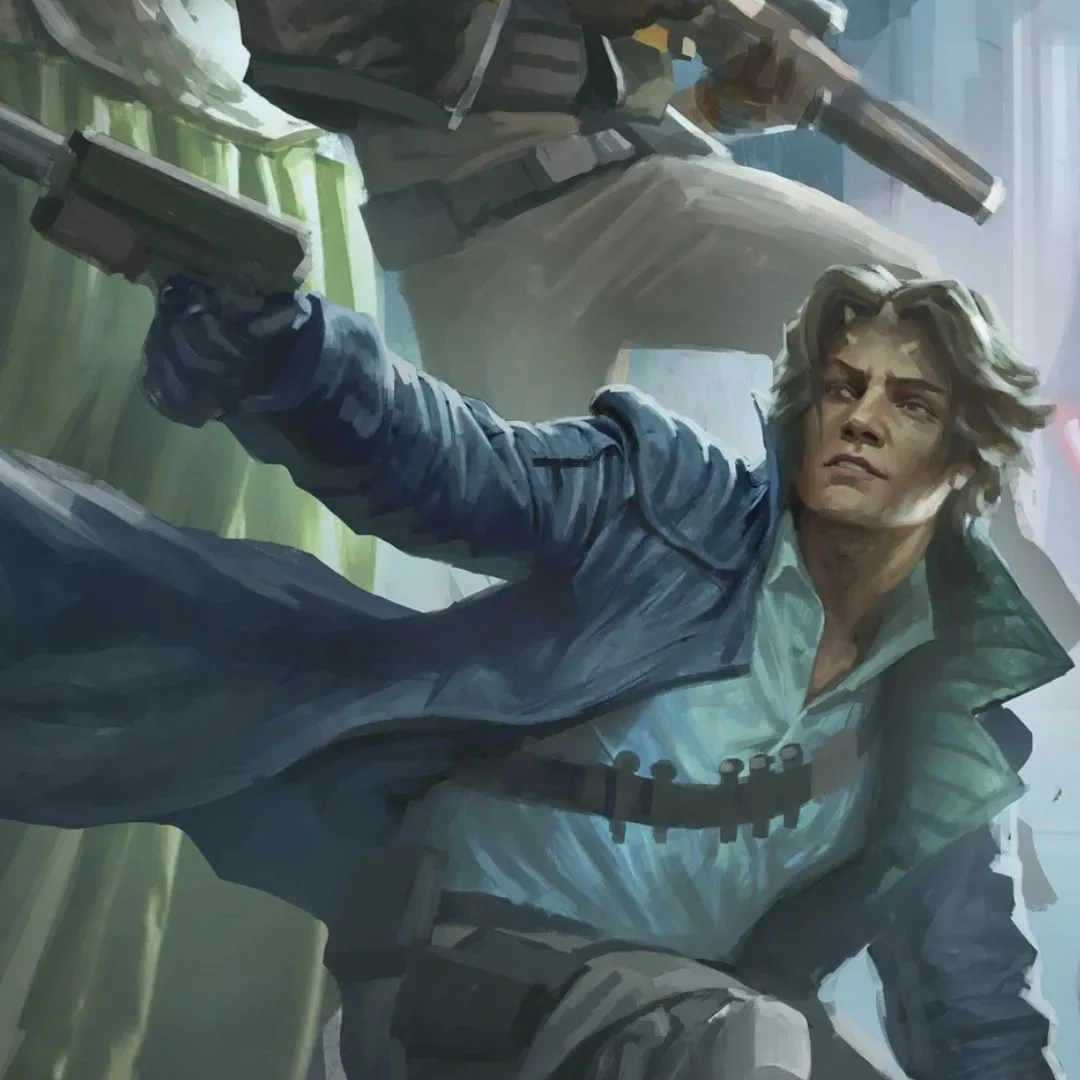
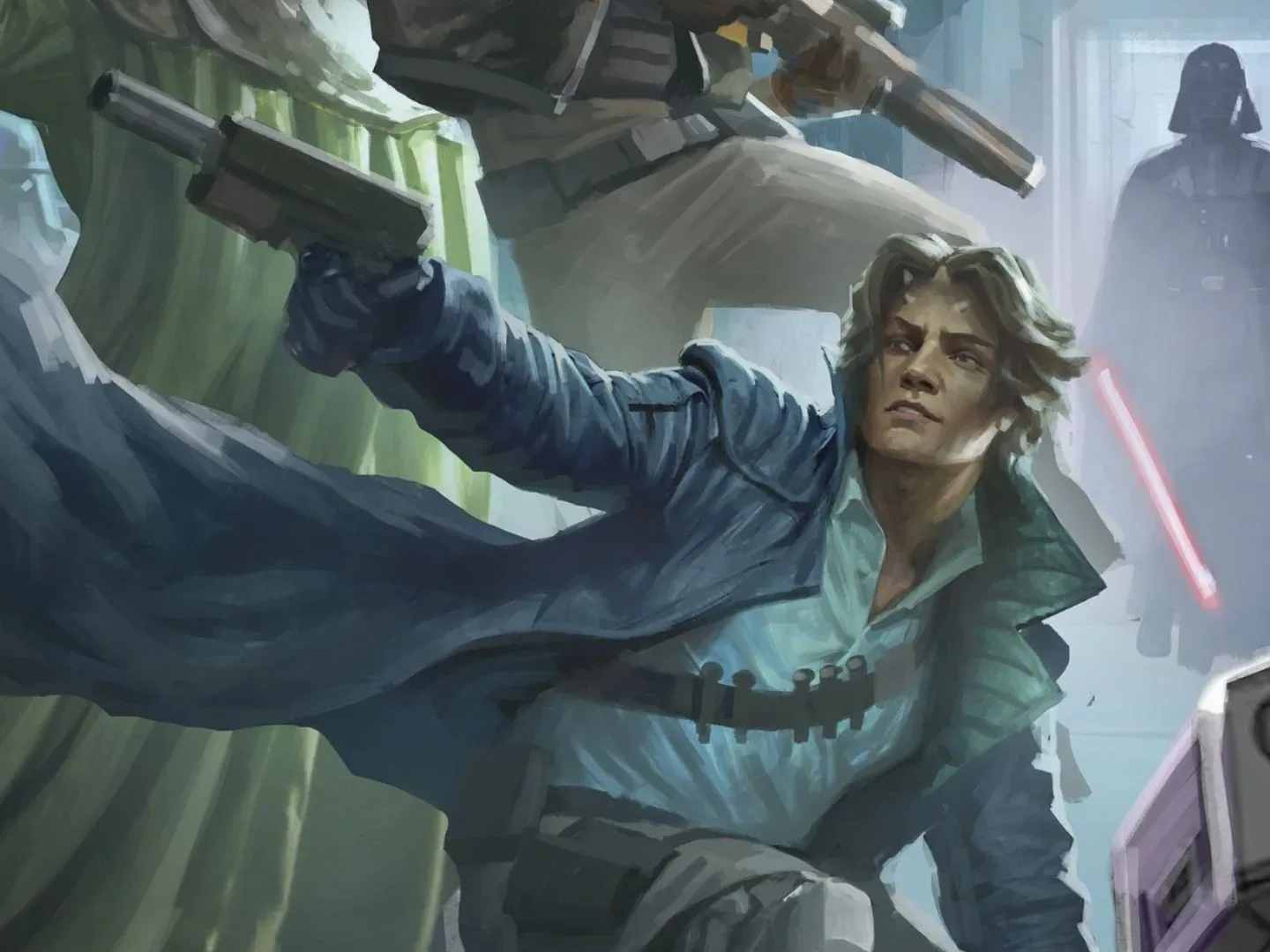
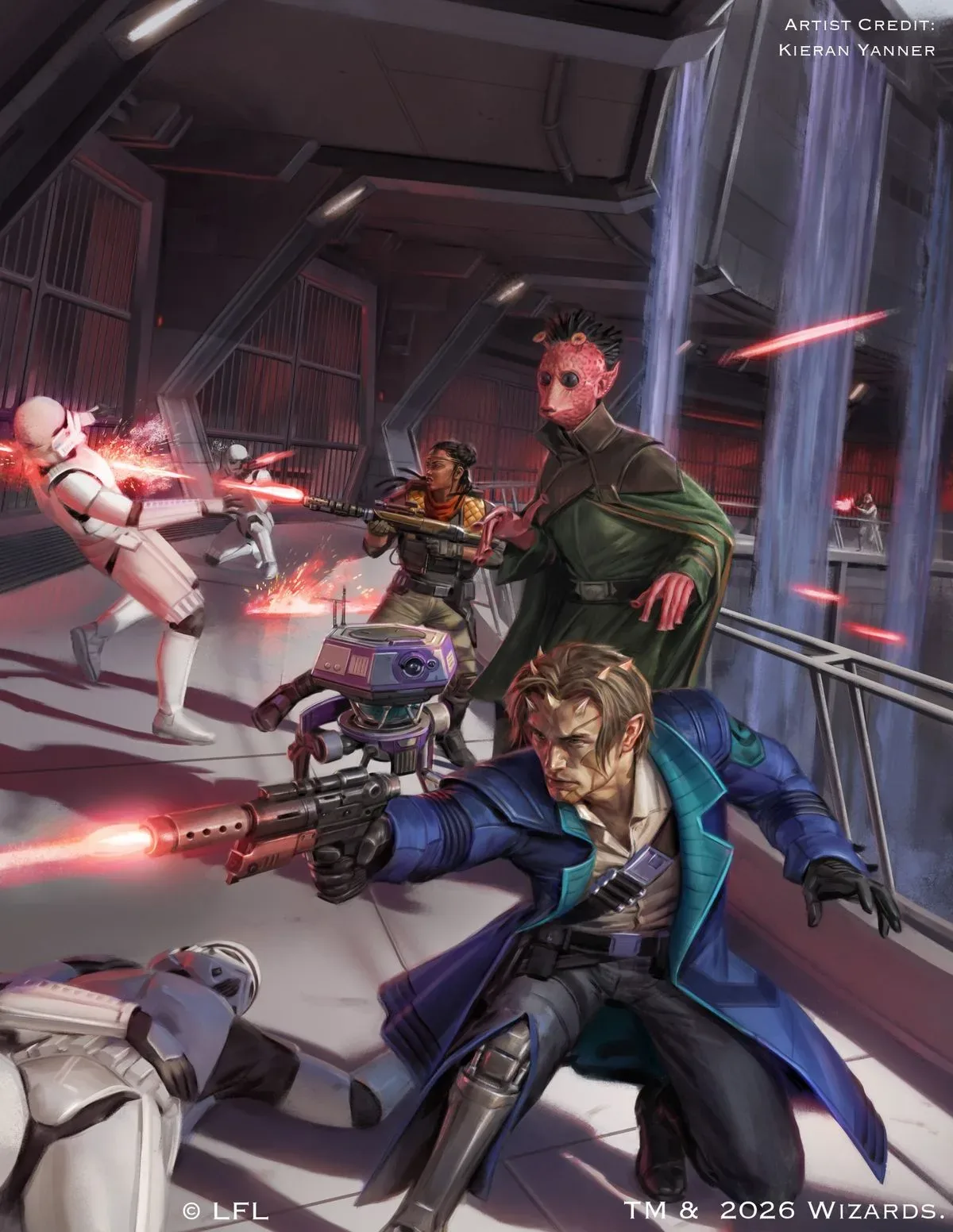
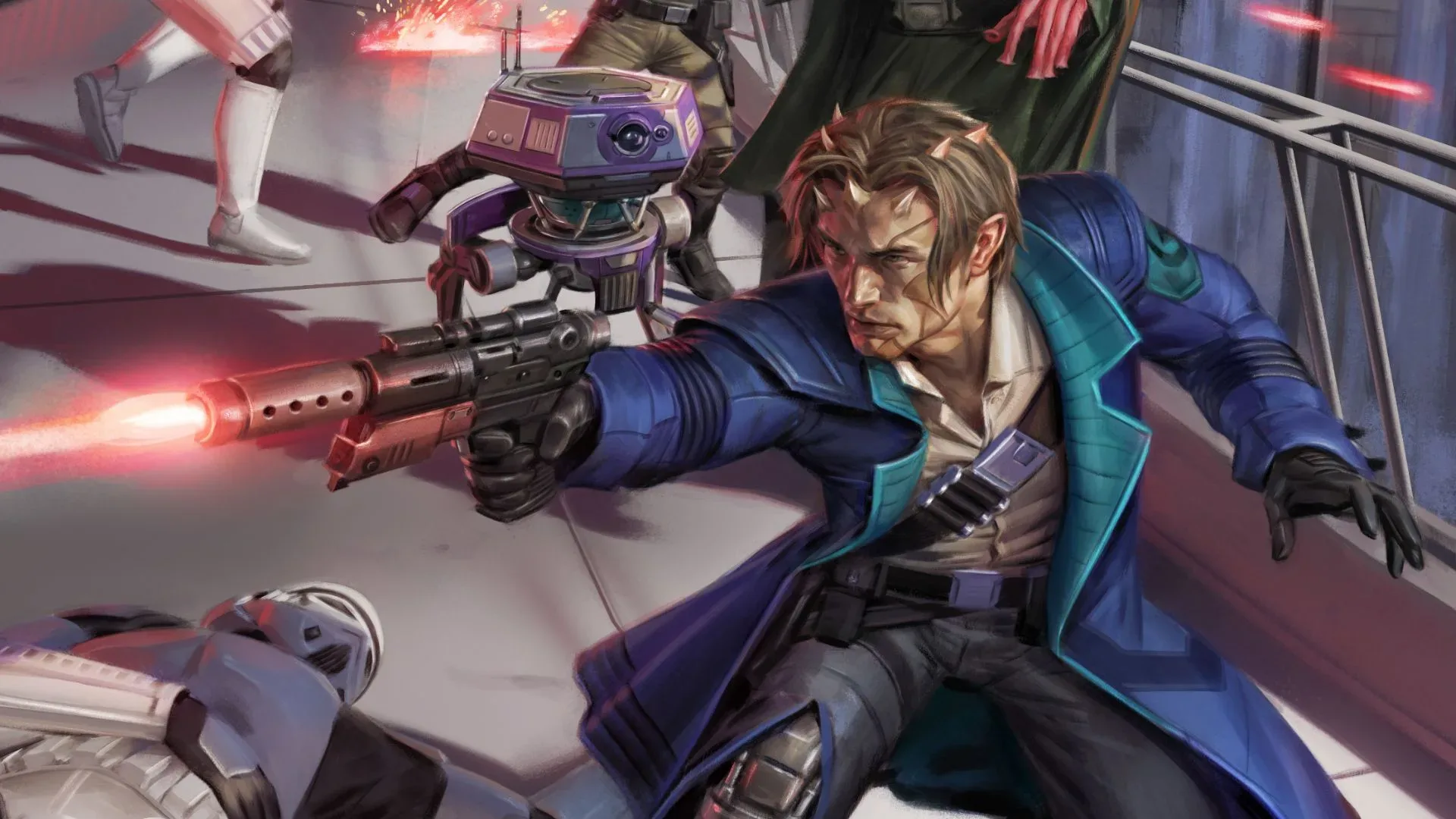
The first teased direction for the crossover suggests Wizards of the Coast understands that tension. Rather than presenting an all-Jedi power fantasy, the material points toward scoundrels, gunfights and a rag-tag group of freedom fighters operating as a secret Rebel crew. That is an encouraging choice—not because lightsabers and Force users are unwelcome in Star Wars, but because they can overwhelm the kind of campaign this premise appears interested in telling.
In the best case, the game’s defining fantasy will not be “be the galaxy’s most powerful person.” It will be “be part of the crew that somehow gets the job done.” That is a far narrower target than Star Wars as a whole, but it is also a dramatically useful one for a tabletop campaign.
The appeal of a ground-level Star Wars campaign
Star Wars can accommodate huge mythic conflict, but its strongest stories often make that conflict legible through people who have limited resources and difficult choices. The tease of a covert Rebel crew carries that potential. A group can infiltrate an Imperial facility, get a contact out of danger, disrupt an operation or protect someone caught between larger powers. Those goals are adventurous without requiring every player character to be a destiny-laden hero.
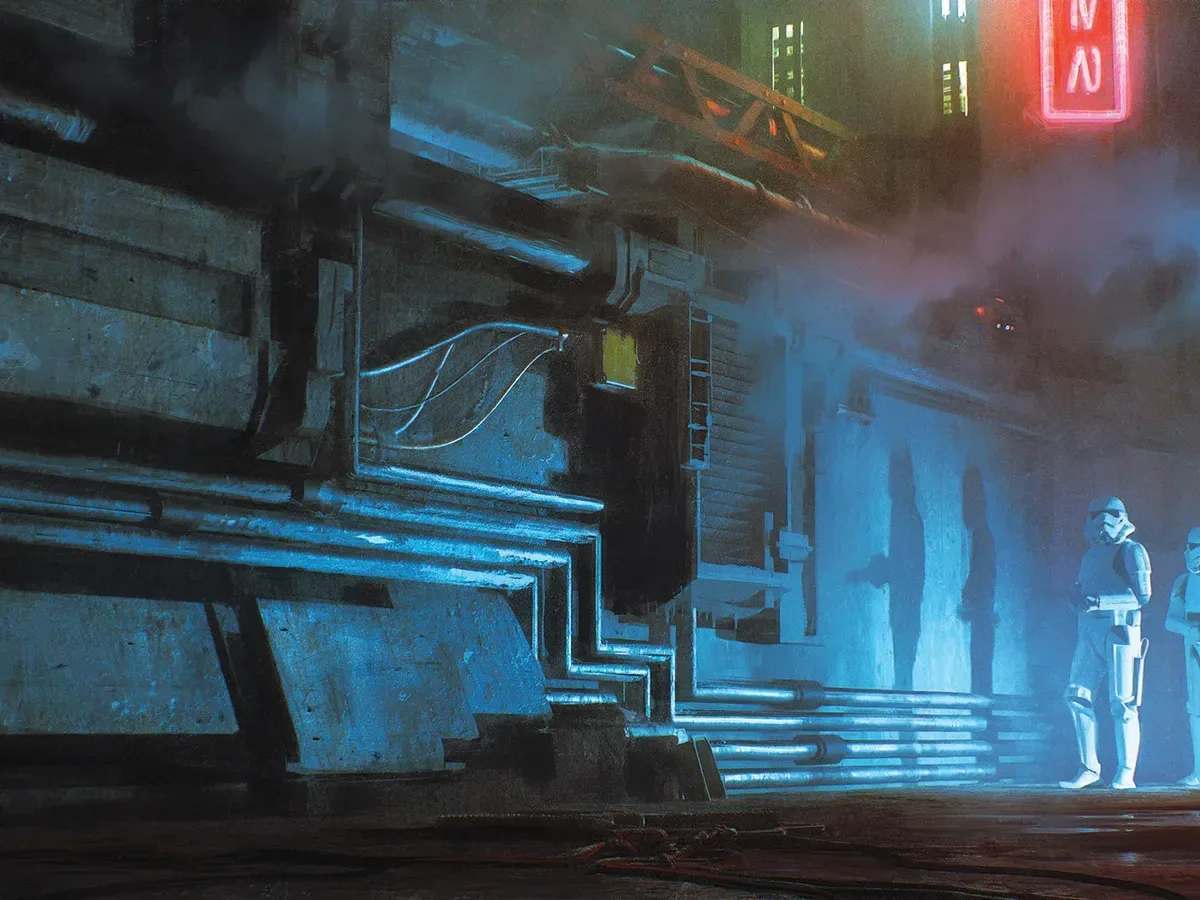
That tone recalls the grounded wartime pressure associated with Rogue One, along with the focus on grassroots rebellion in Andor. It also has room for the more character-focused side of The Clone Wars, which found value in giving ordinary clone troopers perspective alongside Jedi who operate on a much grander scale.
This does not mean a campaign needs to be relentlessly bleak. A Star Wars game built around a Rebel crew can still have chases, swagger, narrow escapes and the occasional wildly overconfident plan. “Ground-level” should not be confused with “grim for its own sake.” It means that consequences are easier to understand: a blaster fight might draw attention, a compromised informant may need help, and a successful mission could matter because the crew earned it rather than because an all-powerful hero solved it alone.
For a tabletop group, that approach has another advantage: it gives every character a reason to matter. A pilot, infiltrator, mechanic, negotiator or battlefield specialist can have a clear job within the team. The tension comes from coordination and trade-offs, not merely from seeing whose spectacular ability ends an encounter first.
Why Jedi can complicate an Original Trilogy-era game
Force-sensitive characters are integral to Star Wars. Still, an Original Trilogy setting creates a practical campaign problem if they become the default player-character option. Jedi have been hunted down by the Empire, and a character openly displaying conspicuous Force powers or carrying a lightsaber changes the stakes of nearly any ordinary mission.
Related coverage includes D&D's Star Wars Crossover Looks Ready to Trade Jedi Power for Rebel Grit.
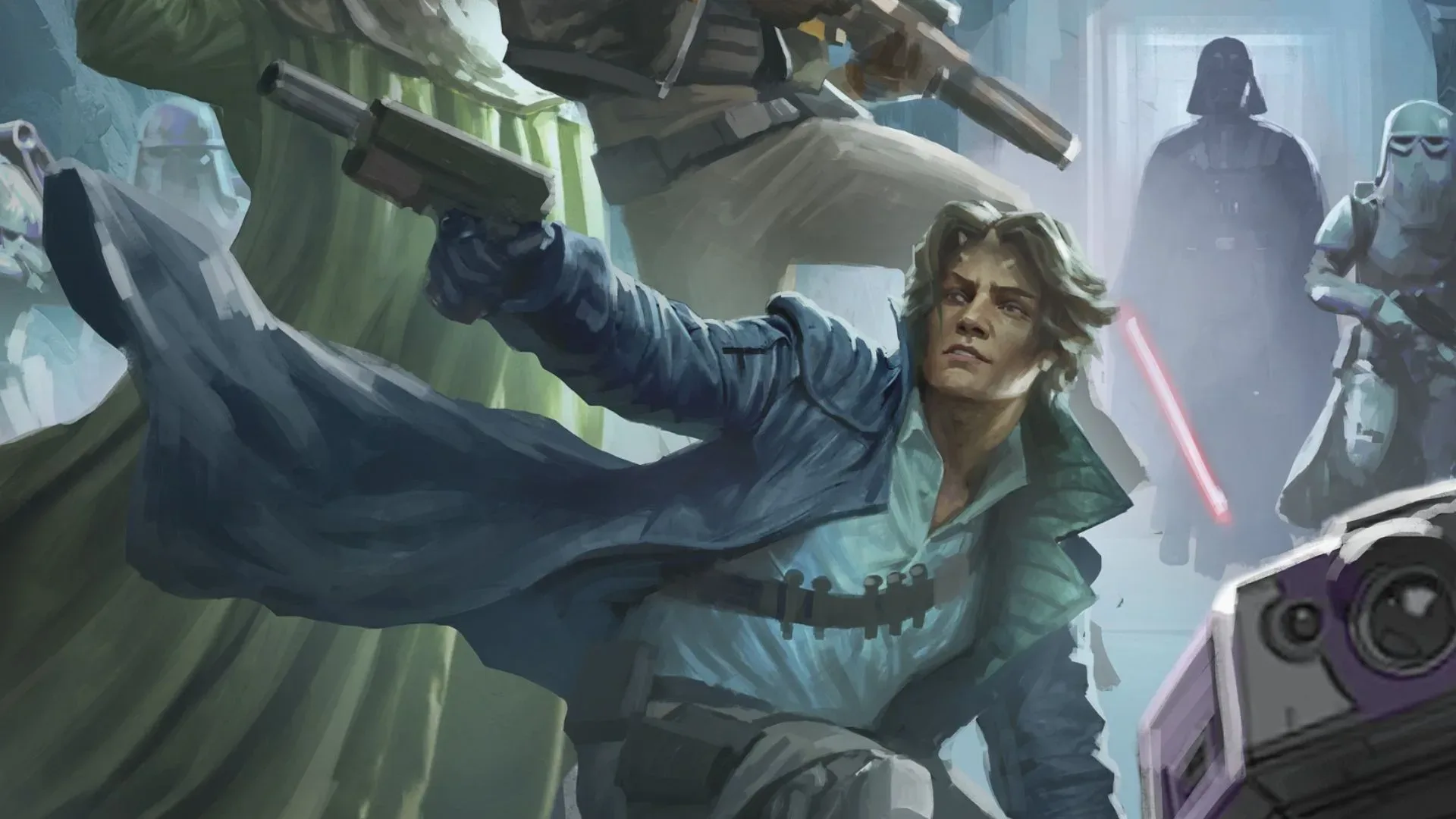
That is not inherently bad. A campaign specifically about a hidden Force-sensitive survivor, their allies and the dangers of exposure could be compelling. But it is a premise that needs the whole table to embrace it. Once the party’s activities repeatedly leave a trail of unmistakable Force use, the campaign can naturally become a story about evading a far more powerful response. The source material’s reference to Darth Vader’s Jedi-hunting Inquisitors illustrates the issue: an Imperial crackdown is a credible escalation, but it can rapidly eclipse a smaller local objective.
In tabletop terms, this is a matter of campaign scope. Scope is the practical size and focus of the story a game is trying to support. A mission to challenge an Imperial official or help an NPC threatened by the Hutt Cartel has one scope. A mission where the Empire is pursuing a known Force user can have another. Both can work, but combining them without a plan can create what is effectively a narrative dead end: the group wants to address a contained problem, while the setting’s most powerful antagonists now have reason to pursue them everywhere.
Starting with the Rebel crew instead of an all-Jedi party avoids forcing that escalation. It leaves room for street-level stakes, criminal entanglements and clandestine operations. More importantly, it allows the campaign to decide when an encounter with the Force should feel extraordinary. That is a better use of a vast setting than making its most famous element mandatory at character creation.
The rules question is bigger than a change of costume
The bigger uncertainty is mechanical. D&D’s traditional design language relies heavily on classes and magic. Translating that structure into Star Wars will require more than renaming spells as gadgets. The crossover will need bespoke classes or comparable character options that make technology, blasters, equipment, training and other non-magical talents feel as significant as the familiar fantasy toolkit.
Bespoke classes are classes designed specifically for a particular game or setting rather than generic rules copied over with new labels. That distinction matters here. A piece of equipment that mechanically behaves just like a spell might be workable at the table, but it could fail to capture the differences between a clever device, a well-practised combat technique and an unusual supernatural ability. Those differences affect tone as well as rules.
There is also a question of power progression. D&D often gives characters increasingly potent tools as they advance. A Star Wars campaign can absolutely support growth, but the growth needs to preserve the intended pressure of Imperial authority and dangerous missions. If every challenge becomes trivial once the party has accumulated enough high-powered options, the promise of being a resourceful covert crew may fade.
That is why a separate system could potentially be cleaner than aggressively reshaping D&D. The concern is not that D&D cannot tell stories outside high fantasy; tabletop rules are frequently adapted to new genres. The concern is whether enough of the underlying game has to change that the final product becomes a patchwork of exceptions. A purpose-built system can start with the exact assumptions it needs: how blaster combat works, what gear can accomplish, how pursuits and infiltration matter, and how dangerous it is to attract Imperial notice.
On the other hand, the familiarity of D&D may be part of the crossover’s appeal. Players already comfortable with its broad structure may find it easier to enter a Star Wars campaign through a recognisable rules framework. The eventual test will be whether the adaptation chooses a focused identity instead of trying to represent every Star Wars fantasy equally well.
Restraint could be the feature, not the compromise
The early artwork and premise do not establish every option the game will offer, and they do not prove that Jedi or Force-related material will be absent. Nor should they. Star Wars is broad enough to make room for many kinds of campaigns. The important signal is that the initial spotlight appears to be on people with blasters, plans and a cause.
That restraint is promising because it gives the game a usable centre. A crew of rebels does not need to be the strongest group in the galaxy to be exciting. Their victories can come from preparation, relationships, timing and nerve. Their setbacks can create new complications without automatically demanding a duel against the setting’s greatest villains. And their campaign can make space for players who would rather be a pilot, technician, spy or rogue than a chosen one.
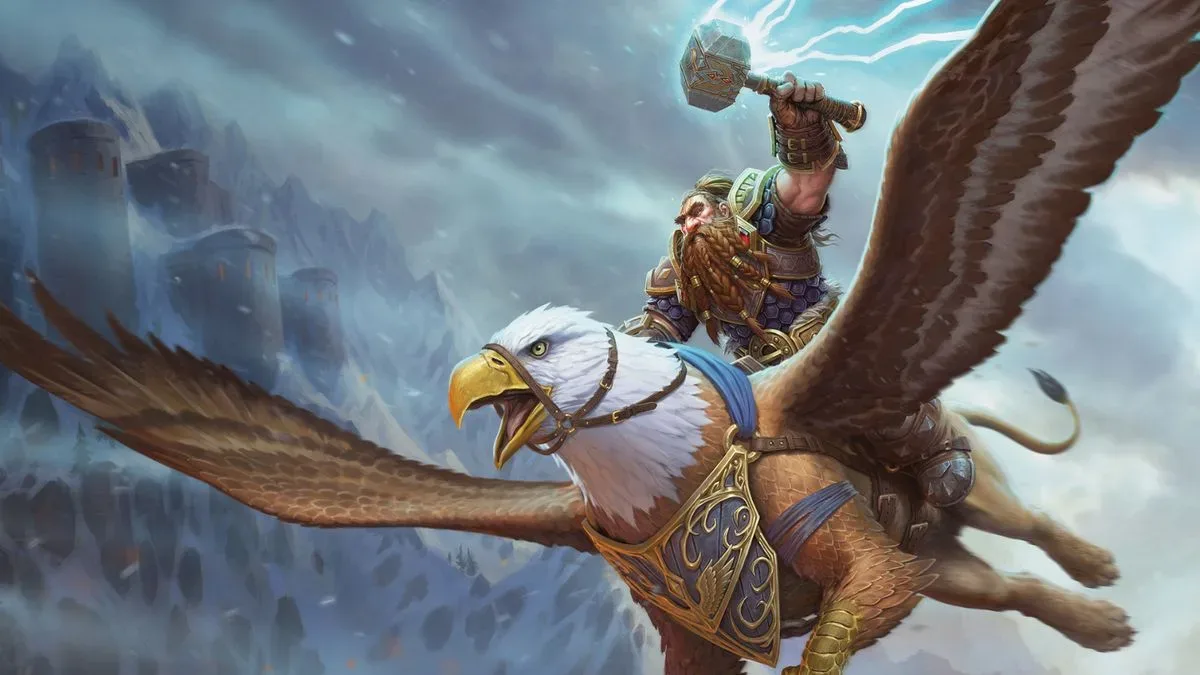
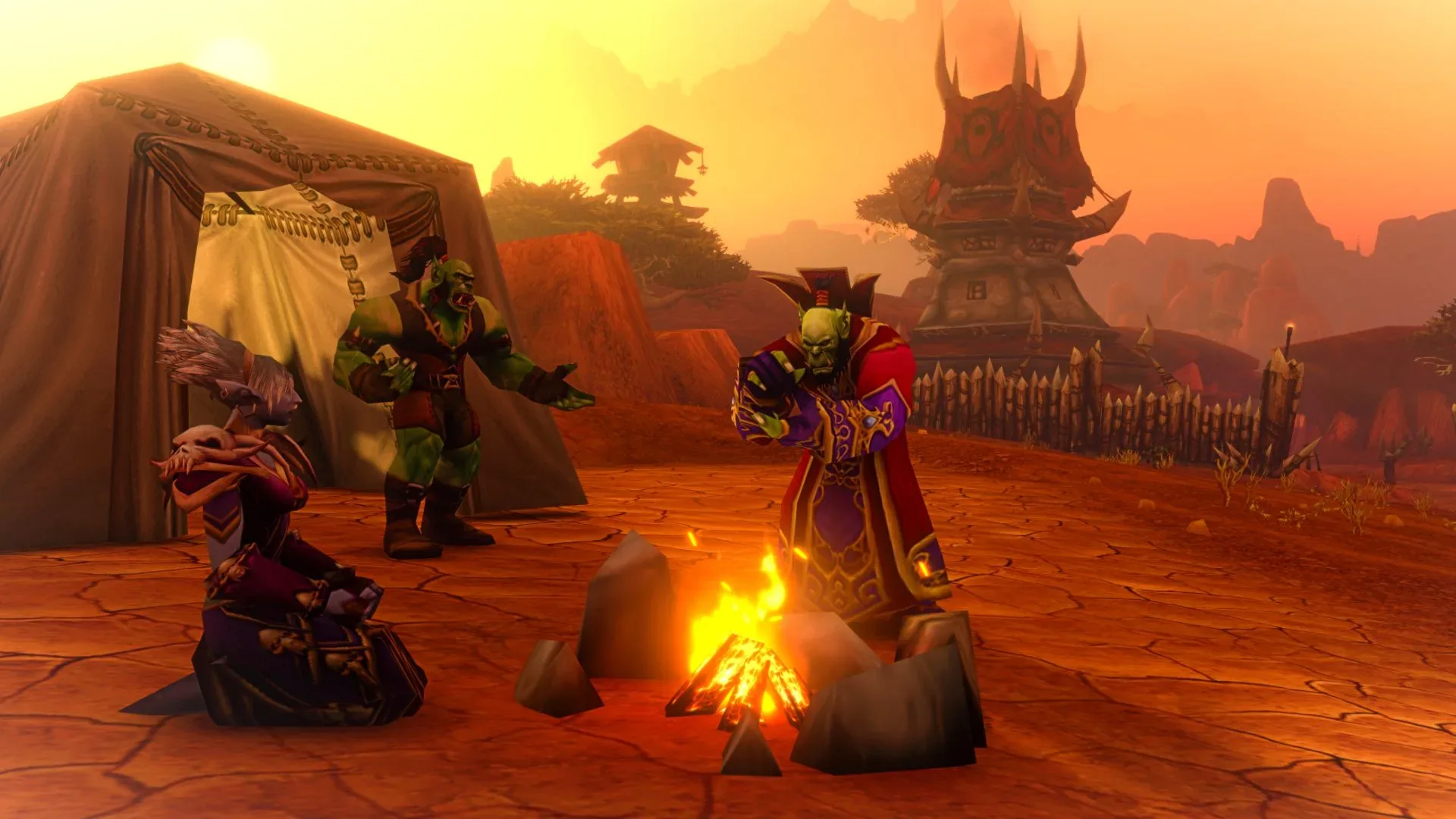
Wizards of the Coast is also pursuing other high-profile tabletop crossovers, including a World of Warcraft project due in November. The underlying appeal of such projects is clear: familiar worlds can offer strong hooks for groups choosing their next campaign. As seen with World of Warcraft’s evolving setting, though, a large established universe creates expectations as well as opportunities. The trick is choosing what a particular tabletop game is actually about rather than treating every corner of the franchise as equally essential.
For Star Wars, a secret Rebel crew is a persuasive answer. It creates a reason for the party to stay together, provides missions with immediate stakes and makes the Empire feel present without demanding that every session become a confrontation with the saga’s most famous figures. It is also a role-playing premise with plenty of flexibility: the crew can be idealists, survivors, opportunists who gradually grow a conscience, or some uneven mixture of all three.
There are still substantial unknowns, particularly around the final rules and how thoroughly D&D’s class-and-magic assumptions will be altered. But the early direction appears to understand something vital. A Star Wars tabletop campaign does not need to begin with a lightsaber to feel like Star Wars. Sometimes a desperate crew, a risky job and the sound of Imperial boots approaching are more than enough.
Shop the products
Check current price, model and availability at the retailer.