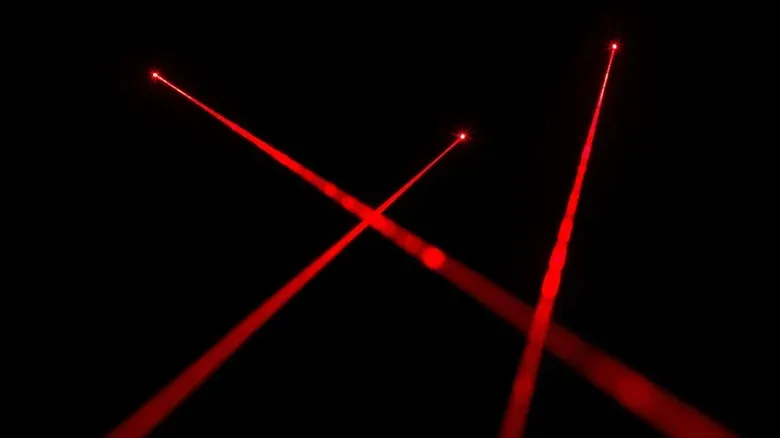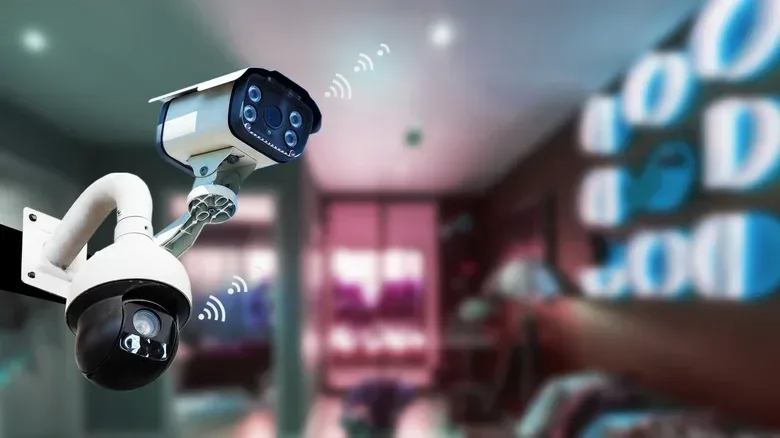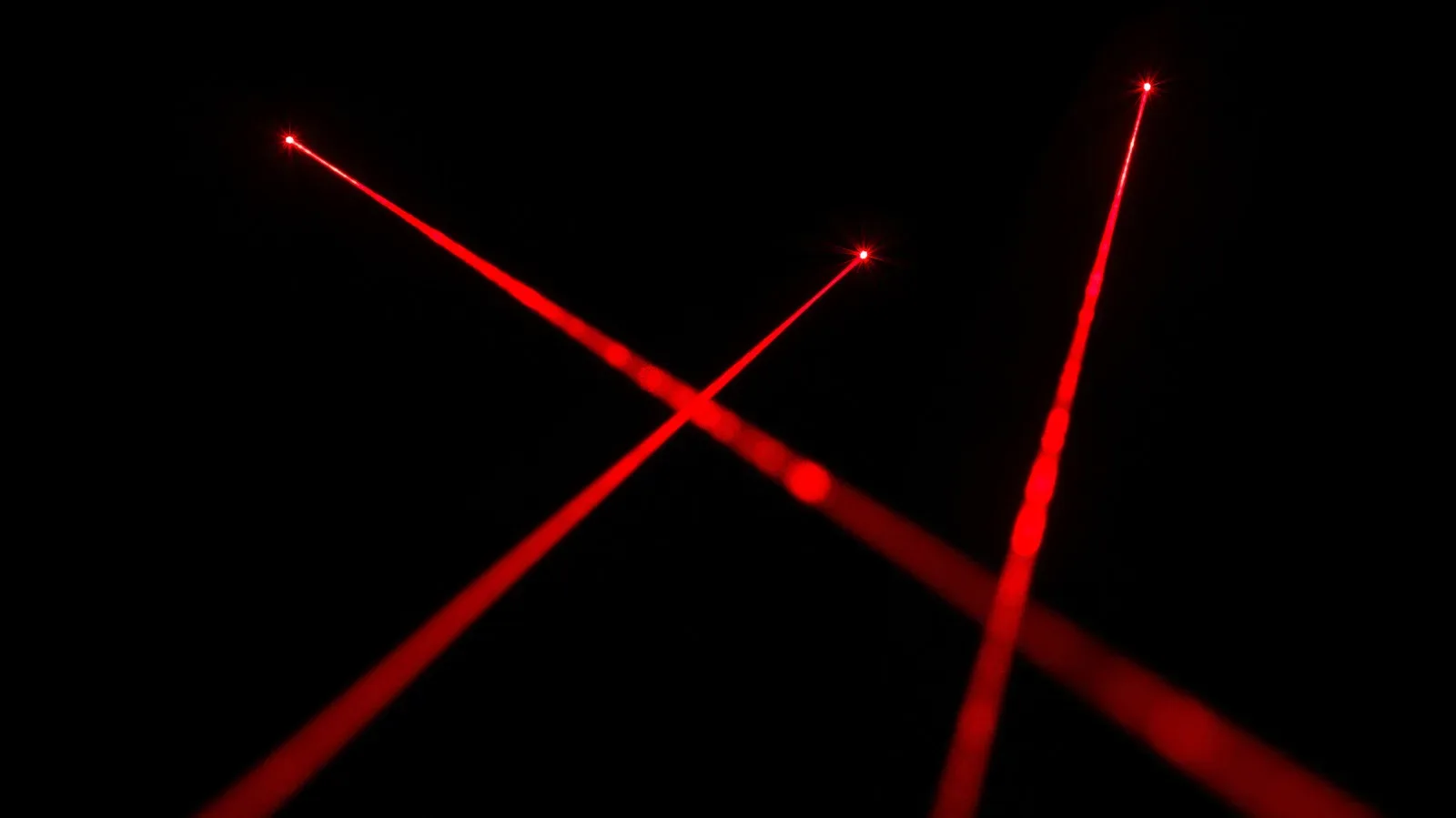
A laser pointer pointed at a security camera is one of those screen-ready tricks that looks clean, clever and instantly decisive. In Better Call Saul, Werner Ziegler uses one to interfere with surveillance during his escape in “Wiedersehen,” while Mike Ehrmantraut later spots dead pixels in the video feed. It makes for a tense sequence—and it is grounded in a real vulnerability—but it should not be mistaken for a dependable real-world bypass.
Intense laser light can temporarily disrupt a camera and, under limited circumstances, can leave permanent sensor damage. That is a risk worth understanding for people responsible for home or business security. But it is neither easy nor consequence-free. Lasting damage depends on factors including the laser’s power, the camera’s sensor technology and protection, distance, angle, and the ability to keep the beam precisely on the vulnerable area. Modern equipment and sensible placement can substantially reduce the threat.
There is a more important practical point, too: attempting to interfere with surveillance can be illegal and can create a trail of evidence rather than erase one. A 2021 case in Clearwater illustrates the irony. A man arrested after directing a laser at surveillance cameras reportedly caused dead spots and more than $2,000 in damage, yet the cameras still captured evidence identifying him.
Why bright light affects a camera differently
A security camera is designed to collect light and turn it into video. Its image sensor converts incoming light into electrical charges, then processes those charges into the digital frames viewers see in a live feed or recording. Most CCTV systems use one of two sensor types: CMOS, short for complementary metal-oxide semiconductor, or CCD, meaning charge-coupled device.
That basic job makes cameras vulnerable to overwhelming light. Ordinary examples are familiar: headlights entering a camera’s view, direct sun, or a strong reflection can cause glare, blooming, washed-out areas, or a momentary whiteout. The footage may remain usable around the glare, or it may not, depending on the scene and camera. A laser is different because its light is concentrated into a narrow, unusually intense beam.
When that concentrated light reaches the sensor, it can overload the part of the image being captured. In the short term, that may show up as glare, a bright streak, colored artifacts, or a patch where the camera cannot render usable detail. This is best understood as a temporary disruption, not proof that a camera has been defeated or destroyed.
Permanent harm is a more serious possibility, but not a guaranteed result. High-intensity light can introduce heat as well as overload the sensor. Sustained exposure may result in dead pixels—individual image-sensor elements that no longer work correctly—or dark marks in the picture. Severe damage can leave a larger unusable area. Importantly, such artifacts can themselves become evidence that a camera was attacked.
The dramatic version leaves out the difficult parts
The idea that any cheap pointer can permanently blind a modern camera is misleading. Lasers with output below 5 milliwatts are unlikely to do more than cause temporary glare. In the United States, FDA regulations prohibit the marketing, sale, or promotion of handheld laser pointers exceeding 5 milliwatts, which means the devices more likely to present serious damage concerns also come with substantial regulatory issues.
Related coverage includes Can a Laser Pointer Damage a Security Camera? What the Risks Really Are.
Even setting legality aside, real-world control is poor. Holding a narrow beam on the relevant portion of a distant camera for long enough is much harder than it appears on television. Research cited on this question found that maintaining focus even from roughly five feet away was very difficult because natural hand movement carried the beam off target. In that testing, researchers did not produce permanent camera damage at that range, regardless of laser strength.
Camera hardware matters as well. Older equipment may be less resistant, while newer cameras can incorporate improved sensor protections. The fictional scene has received its own reality check from Better Call Saul co-creator Vince Gilligan, who said the tactic would only work with a camera model from the 1960s. The show’s use of the device is an effective bit of drama, not a reliable security playbook.
That distinction matters for both sides of the issue. People should not assume a camera will be permanently ruined by a brief bright spot in its feed. Conversely, security owners should not assume a camera is immune simply because an attempted interference event fails to destroy it. Temporary loss of picture quality can still matter during a critical moment.
What “dead pixels” and “dead areas” actually mean
A dead pixel is a sensor element that no longer records image information properly. Depending on the failure, it can appear as a fixed dark point or as another persistent visual irregularity. A small cluster could be annoying without making a camera unusable. A larger affected region, sometimes described as a dead area, can obscure meaningful portions of a scene.
These defects differ from ordinary overexposure. Glare and whiteout are typically transient: remove the strong light and the video returns to normal. Sensor damage persists across later recordings. For a homeowner or facilities manager, that is a useful distinction when reviewing a suspicious feed. If an artifact remains at the same location in subsequent footage, it may call for camera inspection or replacement rather than a simple exposure adjustment.
A damaged camera is also not necessarily a fully defeated system. If it still has a usable view of the approach, it can continue to record activity. And when there is more than one camera covering an area, the device that was affected may not be the camera that supplies the most useful evidence.
Security design: reduce access, preserve coverage
No ordinary home security camera can be made completely laser-proof. The practical goal is to make interference difficult, limit the consequence if it occurs, and create rapid awareness when a view is compromised. The common thread is reducing easy access to a single vulnerable viewpoint.
Place cameras high and avoid easy straight-on angles
Mounting a camera higher up or at an angle makes it harder to keep a beam directed at the lens or sensor for a sustained period. This is not a magic fix, but it raises the difficulty compared with a low, accessible camera facing directly outward. Placement should still preserve the view that matters: a camera mounted safely but aimed poorly is not an effective camera.
Use overlapping views instead of one critical camera
Coverage redundancy is one of the strongest defenses described here. Two or more cameras covering the same approach reduce the chance that one affected device creates a total blind spot. Overlap also helps with ordinary failures, such as a blocked lens, a poor lighting angle, or a hardware fault. From a security-design perspective, it changes the question from “can this one camera be disturbed?” to “can one disturbance remove all useful evidence?”
Different angles are valuable because they make a single line of interference less useful. The goal is not just to install more cameras, but to ensure each camera contributes a meaningful view rather than duplicating the exact same obstruction-prone shot.
Consider moving cameras and event alerts
Moving cameras are harder to target consistently than static ones. Many modern security systems can also be configured to recognize abrupt changes in light or unusual activity and send a phone alert. These alerts do not prevent an exposure event, but they can shorten the time between the disruption and a response.
Notification design is a broader smart-home consideration. A small status marker or alert can matter only if the owner knows what it signifies and when it requires action—a theme that also applies to everyday devices such as the orange dot on a Samsung Galaxy Watch. For security cameras, a meaningful sudden-light or blocked-view alert should prompt an owner to check other available feeds and assess whether the camera’s image has returned to normal.
What owners should do after an unusually bright exposure
If a camera feed suddenly shows intense glare or an abnormal bright patch, avoid treating it as a curiosity. Check whether the issue clears when the light source is gone, then compare the picture against other cameras that cover the same space. Persistent dark spots, fixed artifacts, or an area of the image that no longer records detail can suggest sensor damage.
- Review footage before, during, and after the event while it is still available.
- Check redundant camera angles for a clearer view of what happened.
- Preserve relevant recordings and alerts rather than repeatedly overwriting them during troubleshooting.
- Inspect the affected camera’s ongoing image for persistent defects.
- Reassess mounting position, viewing angles, and overlap if the incident exposed a coverage gap.
The sensible response is defensive rather than experimental. Lasers can pose eye-safety risks in addition to potential equipment damage, and deliberately targeting a camera can escalate into property-damage and legal problems. For owners, the useful takeaway from the TV-inspired question is straightforward: bright-light interference is real, permanent damage is conditional, and layered placement plus alerts make a surveillance setup far more resilient than relying on a single fixed lens.