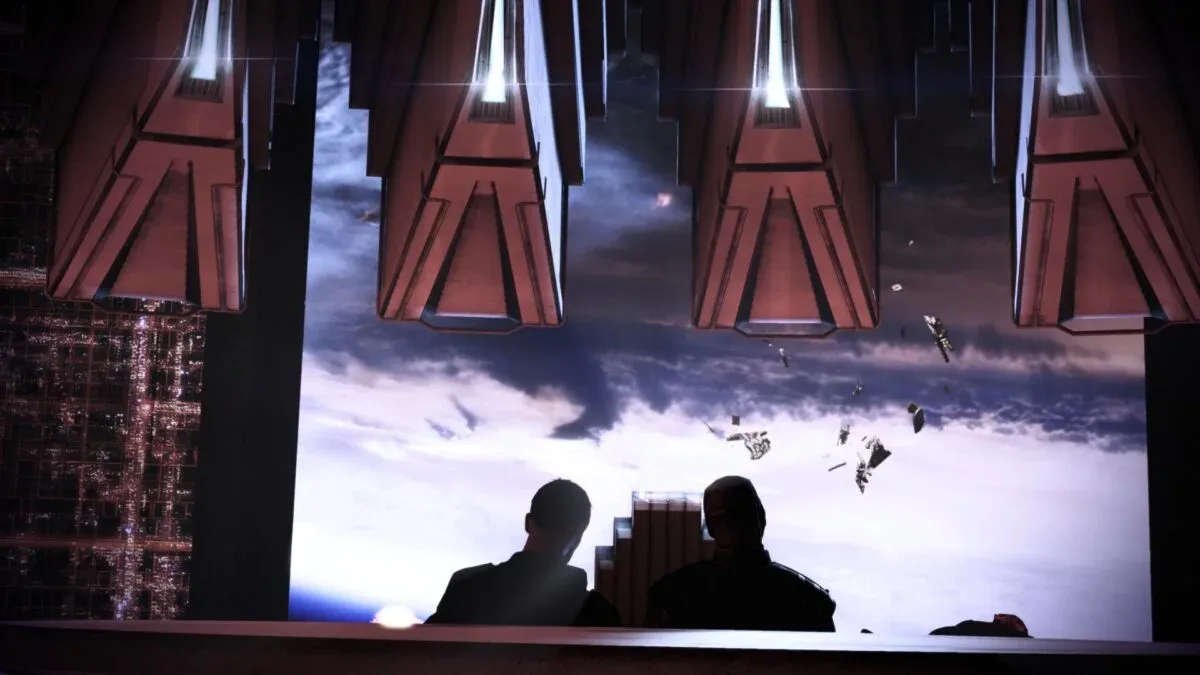
The closure of BioWare is not simply the disappearance of another game-development name from an industry that has become far too accustomed to layoffs, restructures, and abrupt changes of corporate direction. It is the loss of a studio whose work helped make player choice, party dynamics, and character-led storytelling central expectations for a large slice of the modern Western RPG audience.
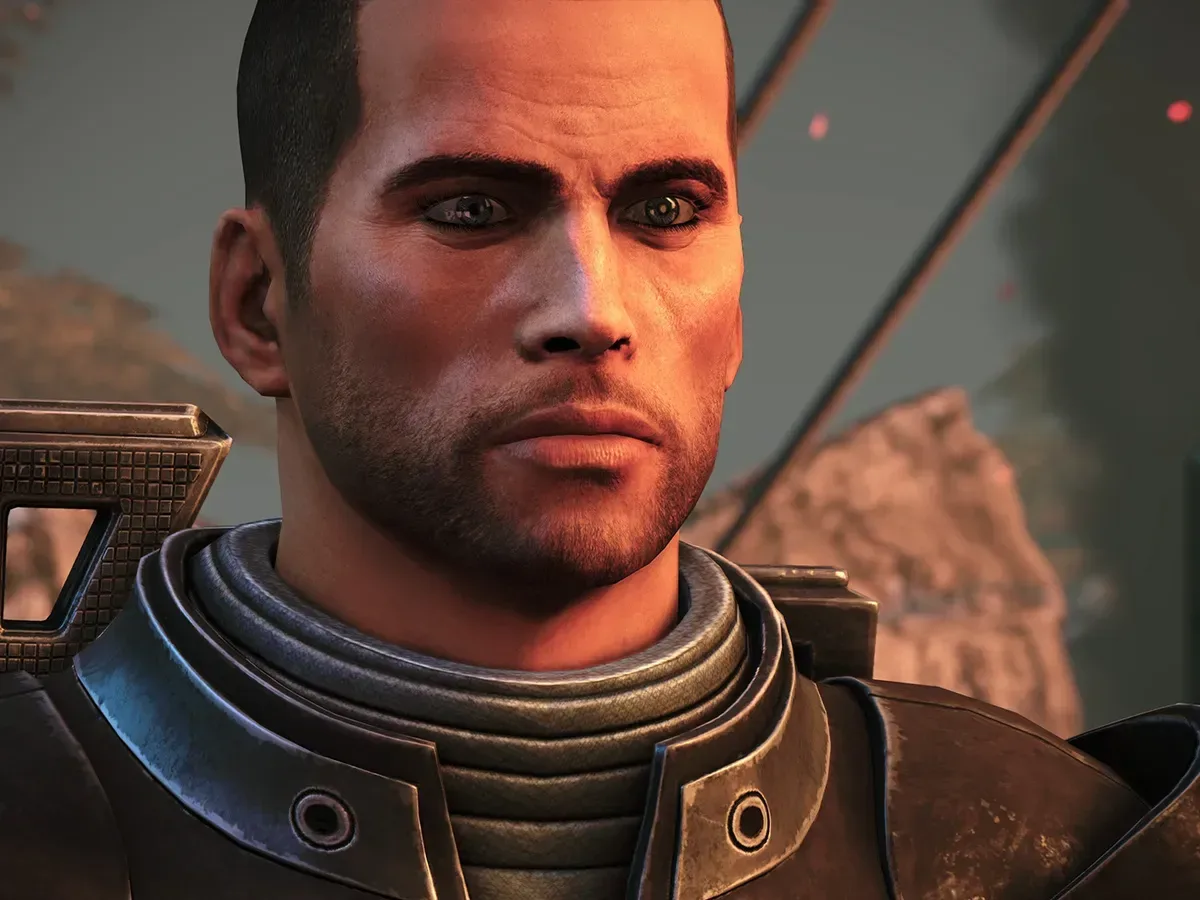
For players, Mass Effect and Dragon Age were rarely only about reaching an ending or completing a combat build. They were places to inhabit. Commander Shepard, the Inquisitor, Ryder, and Rook were authored protagonists with room for individual interpretation: a player could decide how compassionate, confrontational, hopeful, practical, or messy their version of that character would be. That is the crucial distinction behind role-playing in this context. It is not merely selecting a dialogue option or assigning a skill point. It is the sense that decisions, relationships, and consequences collectively form a personal record of time spent in a fictional world.
That record is why the studio’s end lands with unusual force. BioWare’s games gave people a language for discussing identity, friendship, romance, conflict, and the difficult tradeoffs of leadership. The games also connected people who may never otherwise have found each other, especially fans looking for stories and communities that treated queer characters and player expression as meaningful parts of the experience rather than afterthoughts.
Its worlds will remain in players’ libraries, memories, and ongoing conversations. But a series without a creative future is fundamentally different from a series still able to respond, evolve, surprise, and invite a new generation into its universe.
A legacy built around the player’s version of the story
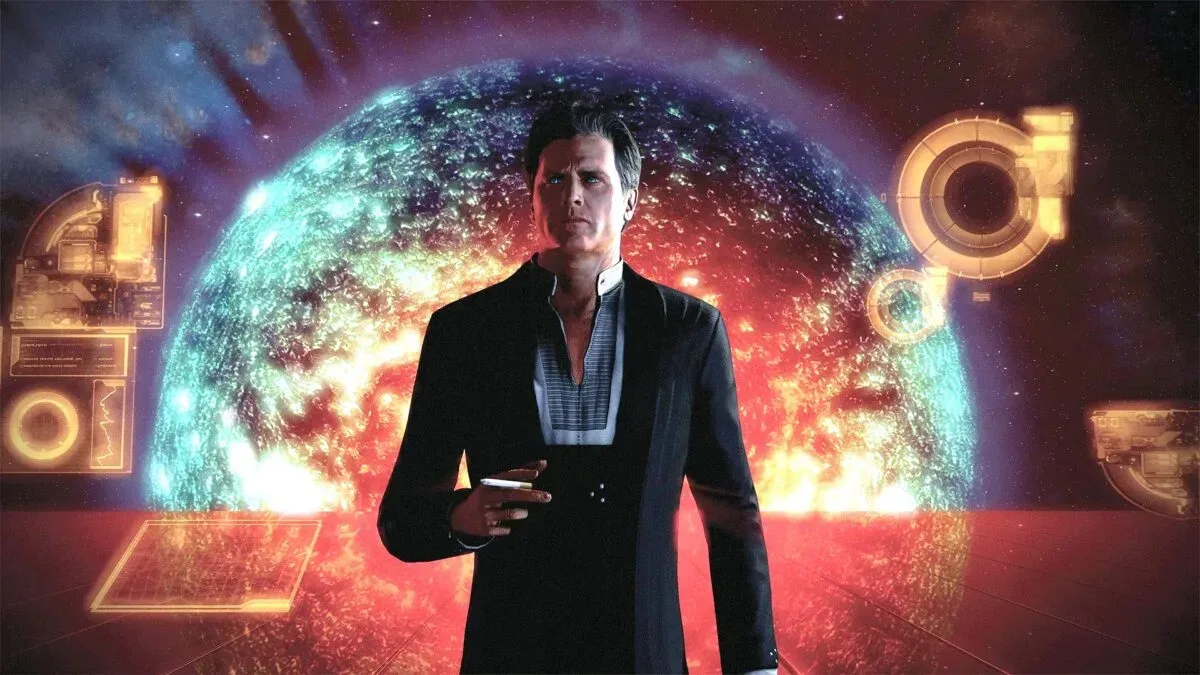
BioWare’s best-known work made a persuasive case that a big-budget game could be driven by character rather than spectacle alone. Mass Effect framed its galaxy-spanning conflicts through Shepard’s crew, loyalties, arguments, and romances. Dragon Age made its fantasy settings feel less like scenery and more like political and personal spaces where allegiances could shift.
Those games did not give players unlimited control. No branching narrative can account for every imaginable action. Instead, they used a structured form of agency: players chose from defined paths, while the game recognized those choices through changed conversations, relationships, scenes, and outcomes. That structure has limits, but it also supplies the dramatic shape needed for a long-form story to work.
The enduring appeal is visible in the way fans speak about their protagonists. A Shepard or Inquisitor is often discussed almost as though they are a real interpretation of a shared character, because each playthrough preserves decisions that can feel revealing: who was trusted, who was forgiven, which ideals were defended, and when compromise seemed necessary. A role-playing game becomes a kind of time capsule when it gives those choices enough emotional weight.
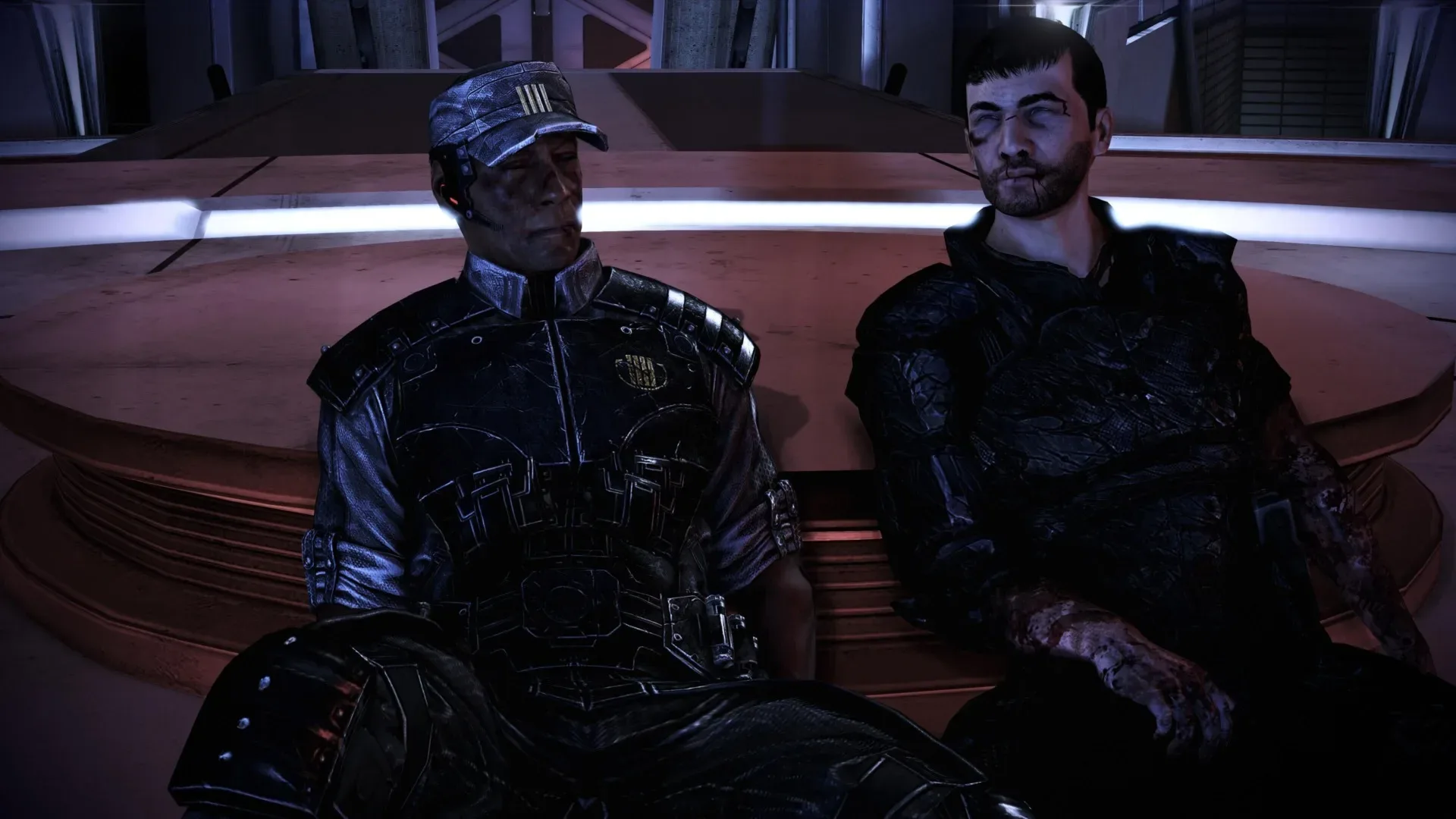
That model also made the studio’s companions indispensable. Players may remember the broad conflict of a campaign, but they remember it through the people who travelled alongside them. The party was not an accessory to the plot; it was often the plot’s emotional engine. Relationships provided the stakes that made political threats and apocalyptic scenarios matter.
Related coverage includes BioWare's Closure Ends a Defining Chapter for Mass Effect and Dragon Age.
The difficult years were real, but so was the possibility of recovery
BioWare’s final years were marked by an identity crisis. The studio’s work was pushed toward trends that did not always fit the strengths people associated with it, including open-world design and live-service expectations. A live-service game is built to receive continuing updates and retain players over a long period, often through recurring activities and evolving systems. That model can work for some games, but it asks very different questions from a self-contained, character-driven RPG.
Anthem, the loot shooter associated with BioWare’s turbulent period, became a prominent example of that mismatch. A loot shooter centers progression on repeatedly acquiring gear with different attributes, usually alongside action-focused missions. It is not inherently incompatible with storytelling, but it can put the emphasis on repeatable systems and long-term engagement loops rather than the authored choices, companions, and conclusion that defined the studio’s most resonant games.
Dragon Age: Inquisition and Mass Effect: Andromeda also arrived amid wider shifts in what large publishers appeared to want from blockbuster games. Open spaces, longer activity lists, and platforms designed to hold attention became increasingly prominent. Yet bigger maps and more ongoing systems are not automatically more expressive. A game’s scale only serves it when the structure supports the story it is trying to tell.
It would be too easy to place every failure on one corporate parent. BioWare veterans have acknowledged internal management problems, and creative work at this scale rarely breaks down for one reason. But that nuance does not absolve the decisions that surrounded the studio. When a developer is repeatedly redirected toward changing trends, loses staff, and is asked to prove itself under shrinking room for error, the result is not a neutral business adjustment. It is a direct constraint on what kinds of games, and what kinds of creative continuity, can survive.
The Veilguard looked like a chance to rebuild
2024’s Dragon Age: The Veilguard was divisive. That should not be erased, nor should disagreement over its tone, writing, or design be treated as evidence that nothing about the game mattered. A series can inspire genuine debate while still demonstrating that its creators have rediscovered a clearer sense of purpose.
The Veilguard was widely seen as a move back toward the character-driven role-playing approach that audiences expected from BioWare. It focused attention on defining a protagonist, building connections with companions, making choices in a fantasy world, and living with outcomes that could not always be controlled. In other words, it returned to the studio’s core creative proposition: the player should have a meaningful hand in who they are within the story.
That mattered beyond one release. A new Mass Effect had represented the possibility that lessons from the studio’s difficult decade could inform a stronger next chapter. The closure means audiences will not see what the team envisioned after The Veilguard, or whether this renewed focus could have developed into a sustained comeback.
That is what makes the timing particularly dispiriting. Studios should be judged by their work, but creative recovery takes time. It is not reasonable to expect years of organizational problems, shifting mandates, and ambitious production demands to be solved by a single game. If The Veilguard represented better footing, shutting the studio down removed the opportunity to find out what a more stable BioWare could make next.
Readers looking for the broader industry response and recollections from former staff can find more coverage in this look at the tributes following BioWare’s closure.
What players lose when a studio disappears
Intellectual property can outlive a developer. Mass Effect and Dragon Age are valuable names, recognizable settings, and vast collections of characters and lore. But ownership of an IP is not the same thing as preserving the conditions that made it work. The staff, institutional knowledge, creative relationships, and accumulated understanding of a community are all part of a studio’s identity. They cannot be neatly stored alongside trademarks.
There is no guarantee that these worlds will never return in another form. There is also no certainty that a future project under a familiar name would carry forward what people valued most. A new team may bring worthwhile ideas; it may also be given entirely different priorities. The point is not that games should never change. It is that continuity in an ongoing role-playing series depends on more than a logo.
The closure is also a loss for audiences who viewed BioWare as a dependable space for queer characters and for player-led self-expression. Representation in games is not a special feature that can be stripped out of the conversation whenever it becomes inconvenient. It shapes who feels invited into a world, who can recognize something of themselves there, and who gets to participate in the communal process of talking about stories after the credits roll.
Some criticism of The Veilguard was about ordinary creative preferences, and those debates are part of any major release. But hostility toward the presence of a non-binary character is something else entirely. Treating inclusive storytelling as a problem to be solved does not improve games. It just narrows the audience a fictional world is allowed to welcome.
A warning about the industry’s idea of priorities
Corporate language about “priorities” and “agility” often makes decisions sound inevitable. They are not. Those terms describe choices: what work receives support, which risks are tolerated, what time a team is granted, and whether a publisher views a studio’s long-term creative value as worth protecting.
Making one game at a time can be a sensible production approach. A more focused team can avoid the strain of spreading people across too many projects. But focus without security is not a strategy. If layoffs hollow out a studio and the remaining project is denied the chance to reach completion, the language of agility becomes hard to separate from managed decline.
BioWare’s story is a reminder that the industry’s most durable work is not always produced by chasing the latest dominant model. The studio’s defining achievements came from committing to an identifiable craft: authored worlds, choice-led protagonists, emotionally complicated companions, and stories that made players feel their decisions had a place in the fiction. Those qualities built loyalty that outlasted individual releases, including releases that divided the community.
There is no clean resolution here. Players can revisit the games, preserve their saves, celebrate favorite characters, and keep the communities alive. None of that restores the people who lost work or the unwritten Mass Effect story that will now remain unwritten. But it does clarify what was valuable. BioWare mattered because it made role-playing feel personal at blockbuster scale, and because it gave countless players worlds where their choices, identities, and relationships could be part of the adventure rather than peripheral to it.