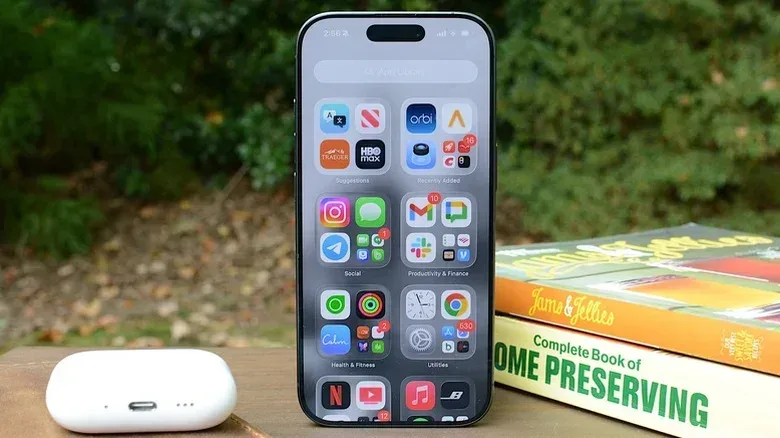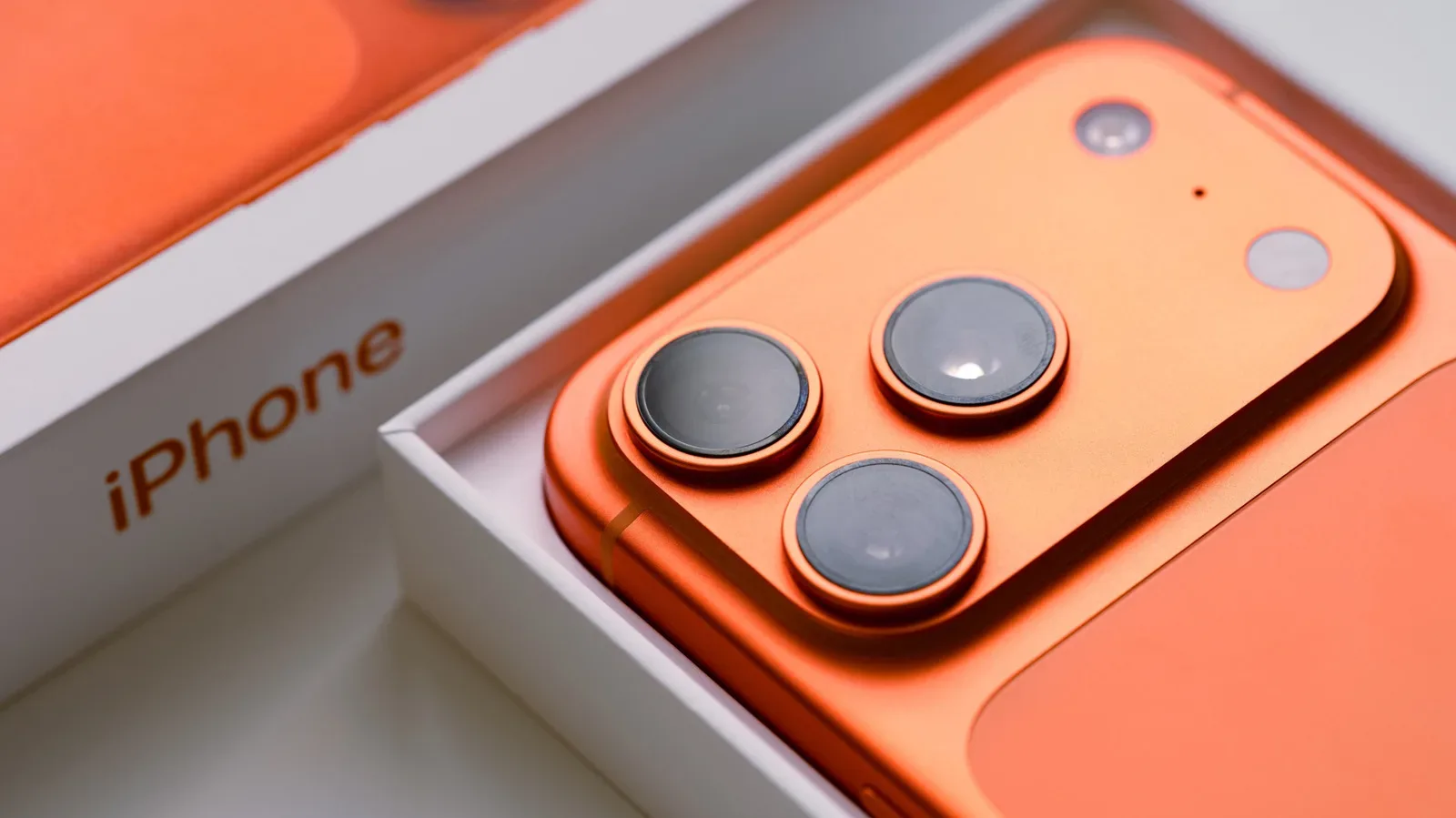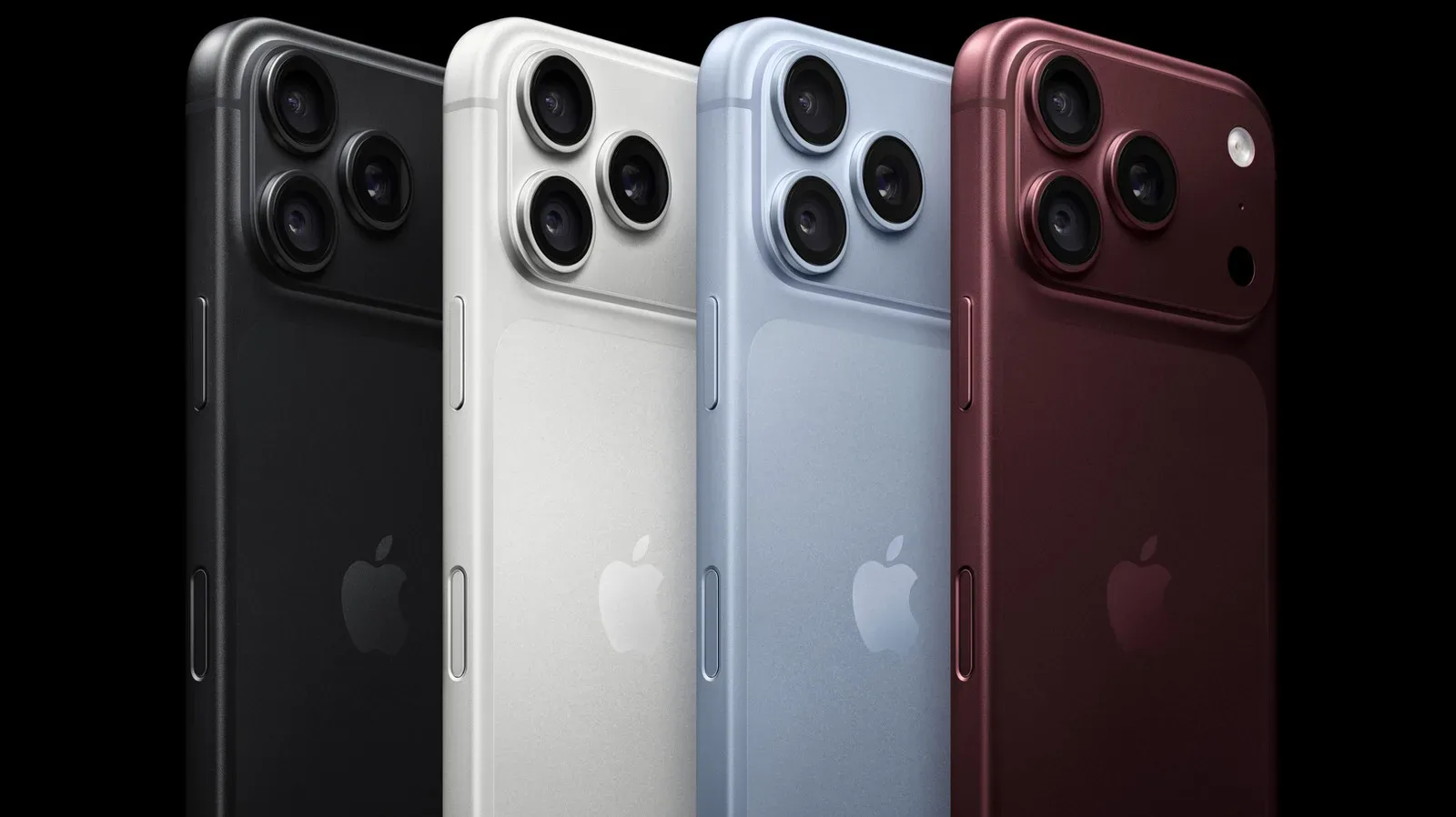
Smartphones are becoming more expensive at the precise moment many people are being encouraged—by budgets, not marketing—to keep the ones they already own. That shift matters for everyone who uses a handset as a daily camera, wallet, work tool and games machine. It matters especially for mobile players, for whom a device’s useful life can be determined less by whether it can still launch an app and more by whether its battery can finish a session without becoming a pocket-sized space heater.
Memory costs have been described as sharply inflated, and global smartphone prices are estimated to be up 20 percent since the start of the year. Manufacturers have largely responded by increasing handset prices. Yet a more consumer-friendly response is sitting in plain sight: make out-of-warranty battery replacement genuinely inexpensive for as long as the supply squeeze persists.
This is not a demand for free repairs, nor an argument that every aging phone should be preserved indefinitely. It is a straightforward case that when replacement hardware costs climb, the industry should lower one of the major costs of extending a device already in someone’s hand. Batteries wear down; a phone’s processor, display and storage do not wear out in the same direct, predictable fashion. Replacing the part with a finite chemical lifespan can often be the difference between an irritating old handset and a perfectly workable one.
The battery is the device-life pressure point
A lithium-ion battery is a rechargeable cell that stores and releases energy through chemical reactions. In practical terms, it is also the component most likely to lose capacity through normal use. Less capacity means less time between charges. For phone owners, that can lead to the familiar progression of topping up more often, managing power-saving modes and wondering whether an otherwise acceptable device is suddenly too unreliable to keep.
For gaming, the effect can be more conspicuous. Games can be among the more demanding phone tasks, combining active display time with sustained processing, network use and touch input. That does not mean an older battery makes every game unplayable, and it does not establish that a battery swap resolves every performance complaint. It does mean battery condition is a meaningful part of whether a phone remains comfortable to use for the activities people care about.
The frustrating part is that an aging battery should be one of the clearest repair decisions a consumer can make. Instead, direct manufacturer service can be expensive enough to make a replacement phone feel tempting—even when buying another handset means paying far more.
What official replacement prices look like now
Apple’s out-of-warranty battery service for its newest Pro model costs $129. Older Pro models are $10 less, while a 2020 iPhone 12 is priced at $89. iPhone Duo battery service is listed at $229. Those are not trivial amounts for a repair that many customers will need to consider during the life of a device.
Samsung does not prominently display an out-of-warranty battery-replacement price on its site, but reports commonly put direct service in roughly the $99-to-$129 range. The broad result is similar across the two companies: an owner considering a battery replacement is being asked to make a meaningful new expenditure after the original phone purchase.
AppleCare and Samsung Care+ can include battery replacements, but extended coverage is not a retroactive solution for someone who has already owned a phone for years. These are plans buyers generally need to join soon after purchase. That leaves many owners with a choice between the standard repair price, an independent option or DIY work.
DIY repair is valuable, and iFixit remains a notable alternative for people who have the ability and confidence to take that route. Still, “available as a kit” is not the same as “accessible to most owners.” Modern phones are generally not designed to make self-repair simple. Adhesives, tightly packed components and the consequences of making a mistake all change the calculation. The same caution applies across repairable tech: a listing or a project that sounds straightforward can conceal real complexity, a point worth remembering when considering hardware sold for parts or repair.
There is a major precedent for cheaper service
Apple has already demonstrated what a dramatically lower battery price can do. In 2018, following the controversy over iPhone performance throttling, it reduced the US price of out-of-warranty battery replacements to $29 for a full year. That was $50 below its regular price at the time.
The scale of consumer response was difficult to ignore. Apple had averaged roughly 1 million to 2 million battery replacements annually before that year. In 2018, the reported number rose to 11 million. A low price did not merely make for a better headline; it led millions of people to choose a repair.
That history is important because it dispels the idea that consumers simply do not want to maintain older phones. They do, when the option is practical. It also shows that a battery-service program has the potential to affect upgrade timing. In January 2019, then-Apple CEO Tim Cook said that some customers were using the reduced battery pricing instead of upgrading. Apple’s quarterly revenue fell 5 percent year over year, with iPhone revenue down 15 percent.
But cheap battery swaps should not be turned into a one-variable explanation for that result. Cook attributed most of the shortfall to China’s economic slowdown, compounded by the US-China trade war. The reduced-price replacement program was, at most, a smaller contributor. The more durable lesson is not that affordable repairs somehow imperil a company. It is that they give customers a credible alternative to buying on a schedule dictated by a degrading battery.
New phone pricing makes repair value clearer
Since 2018, phone pricing has climbed, with recent increases becoming particularly noticeable. On the day Apple introduced the iPhone 18 Pro and iPhone Duo, it also raised the price of older iPhones including the 17 by $100. Samsung raised the price of most S26 phones by $100 at the start of this month, after those phones had already launched above their 2025 counterparts.
The pressure is not limited to the top of the market. Samsung’s S26 FE arrived at $700, a higher launch price than the S25 FE and S24 FE, despite only modest upgrades over those predecessors. For a buyer who does not require the newest hardware, the proposition is increasingly obvious: if the current phone still does what they need, a battery replacement can be far more sensible than a costly upgrade.
That does not make the current $89-to-$129 service range irrational in every individual case. The work, logistics and device complexity are real. Nor does it mean a $229 iPhone Duo service can be assessed as though it were the same repair as an older, conventional handset. The problem is the wider mismatch. Companies are asking consumers to absorb higher device prices tied to component pressure while not offering a comparably aggressive route to keep a still-capable device running.
The $100 price increase from a previous $799 iPhone 17 price is a 12.5 percent jump. That occurred while other consumer goods rose about 3.4 percent. There are legitimate cost pressures across sophisticated electronics, including labor, complexity and constrained components. But lithium-ion cells are the phone part whose costs have fallen sharply. A deliberately discounted replacement-battery program would therefore target a component that is especially well suited to a life-extension policy.
Affordability is more than a sticker-price question
A phone upgrade is often discussed as a simple choice: buy new or do not. In reality, the decision is shaped by whether people have spare cash for a several-hundred-dollar purchase, whether their present phone’s shortcomings are fixable and whether repair pricing makes that fix feel worthwhile.
Consumer prices have increased about 34 percent since January 2018, reducing what a dollar can buy by roughly a quarter. Wage measures offer a mixed picture. Average hourly earnings for private-sector employees rose from $26.72 to $29.91 by December 2020, an 11.9 percent increase, while the Consumer Price Index rose 5.3 percent over that period. But inflation-adjusted median weekly wages fell about 3.2 percent between December 2020 and December 2025. Real hourly earnings are around 1 percent below their December 2020 level, and in August were down 0.3 percent from a year earlier as inflation exceeded pay growth.
Those figures do not tell every household’s story. They do establish why a repair policy should be judged in the context of purchasing power rather than a company’s service menu alone. A battery fee that looks modest next to a $1,000-plus flagship can still be a substantial barrier to someone trying to avoid that purchase entirely.
What a useful replacement program would achieve
The practical ask is narrow. Apple, Samsung and other device makers should offer low-cost, out-of-warranty battery replacements for the duration of a sustained memory shortage. A program modeled more closely on Apple’s 2018 $29 initiative would be unmistakably meaningful; merely shaving a small amount off today’s prices would be less likely to change behavior at scale.
Such a move would create several tangible benefits:
- Longer usable device life: Owners could address the component most associated with normal aging without treating a new handset as the only realistic answer.
- A better option for mobile players: People who use phones for games, streaming and other screen-intensive activities could retain hardware that otherwise meets their needs.
- Less pressure toward premature replacement: Lower repair prices would give buyers a viable middle path between accepting worsening endurance and purchasing a more expensive phone.
- A sustainability benefit: Extending the life of an existing device is a sensible goal in its own right, independent of any short-term market squeeze.
- A more credible consumer response to higher prices: If manufacturers must raise prices amid supply constraints, a repair initiative would show that customers are not being asked to shoulder every consequence alone.
There are limits to what a battery replacement can promise. It will not add features, expand storage, reverse physical damage or turn an old phone into a current flagship. It may not be the right investment for every device or every owner. But it is precisely because the remedy is limited and concrete that it is compelling: this is not an abstract pledge to support longevity. It is a familiar repair for a part designed to wear out.
Memory makers including SK Hynix have indicated that supply may not catch up with demand until 2030. If that outlook proves correct, elevated device pricing may not be a brief inconvenience. The logical response is to make keeping a phone longer easier, cheaper and less intimidating. Battery replacement will not solve the whole affordability problem, but it is the most direct tool manufacturers have already proven they can use.