The iPhone 18 Pro has arrived with the usual flagship checklist: a newer processor, a camera upgrade, fresh colors and a little more hardware refinement. None of that makes it a bad phone. The issue for anyone holding an iPhone 17 Pro is much simpler: does any of it substantially change the phone they already use every day?
For most iPhone 17 Pro owners, the answer appears to be no. This is a notably incremental year-to-year move. The 18 Pro has a meaningful performance advantage on paper, a more flexible main camera and a revised Dynamic Island, but the surrounding experience is largely shared. Its design is almost unchanged, its ultra-wide, telephoto and front cameras are the same as the previous model’s, and the current headline iOS features remain available on both devices.
That does not mean the 18 Pro has no audience. It may make far more sense for people coming from an older Pro model, or for a buyer whose work specifically benefits from graphics throughput, computational photography controls or the newest hardware. But an upgrade decision is not a contest to identify the newer gadget. It is a question of whether the new hardware removes a limitation that genuinely affects how someone shoots, plays, works or communicates.
The visual difference is mostly a color choice
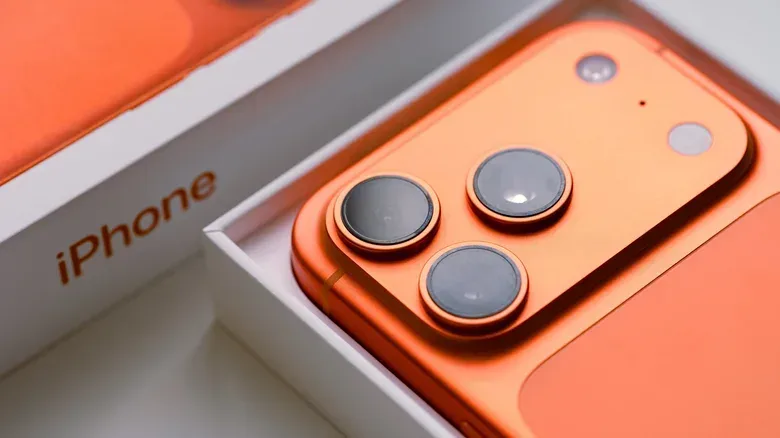
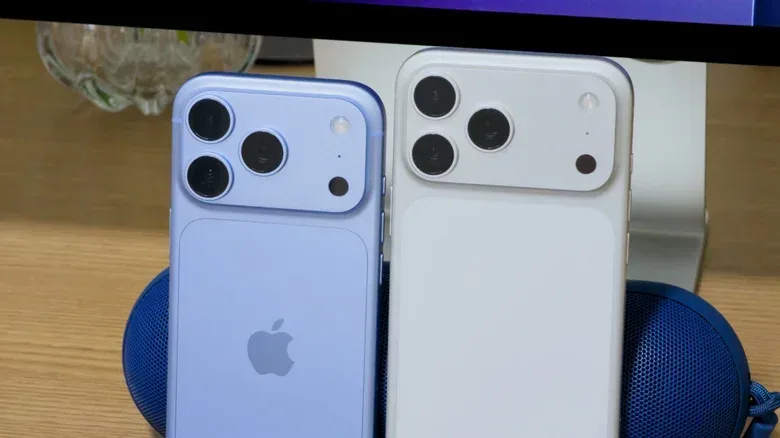
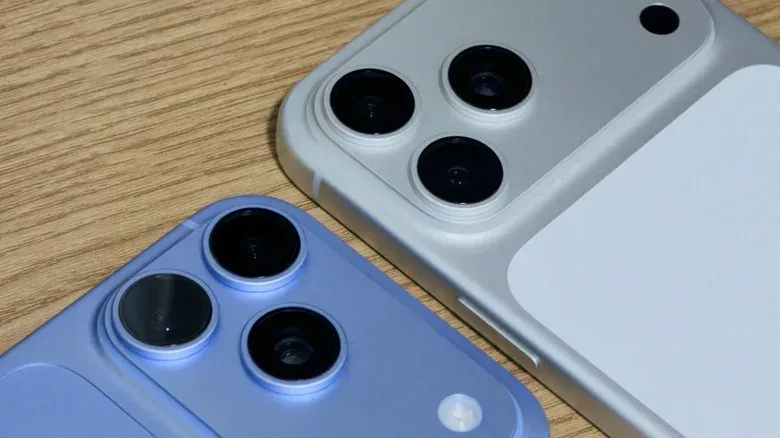
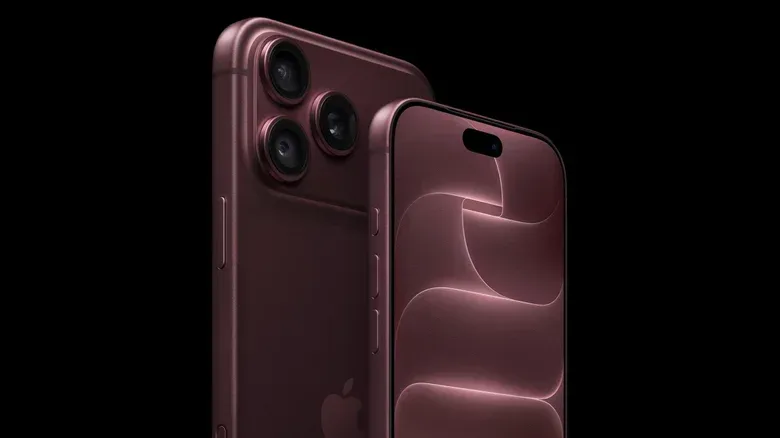
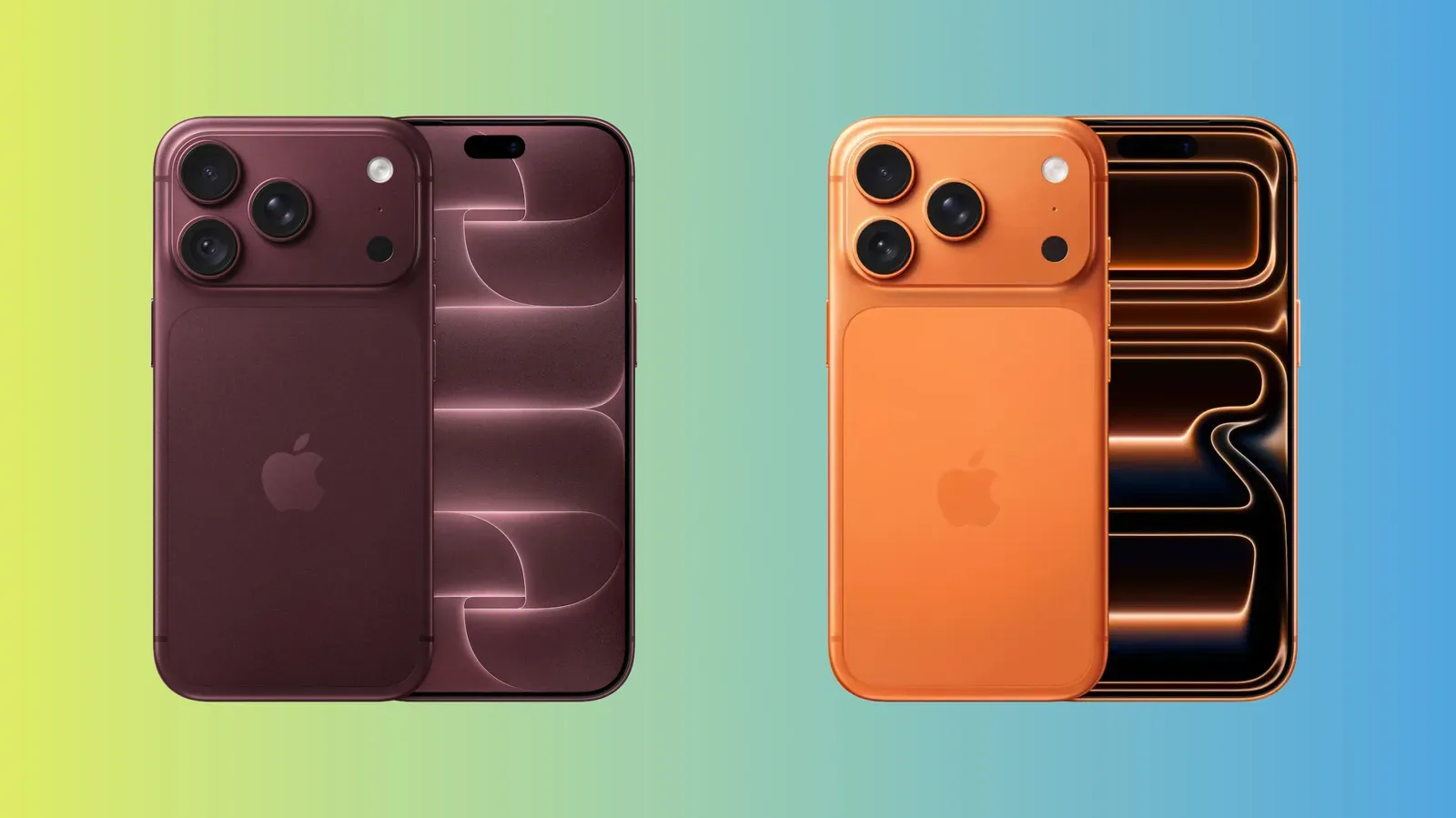
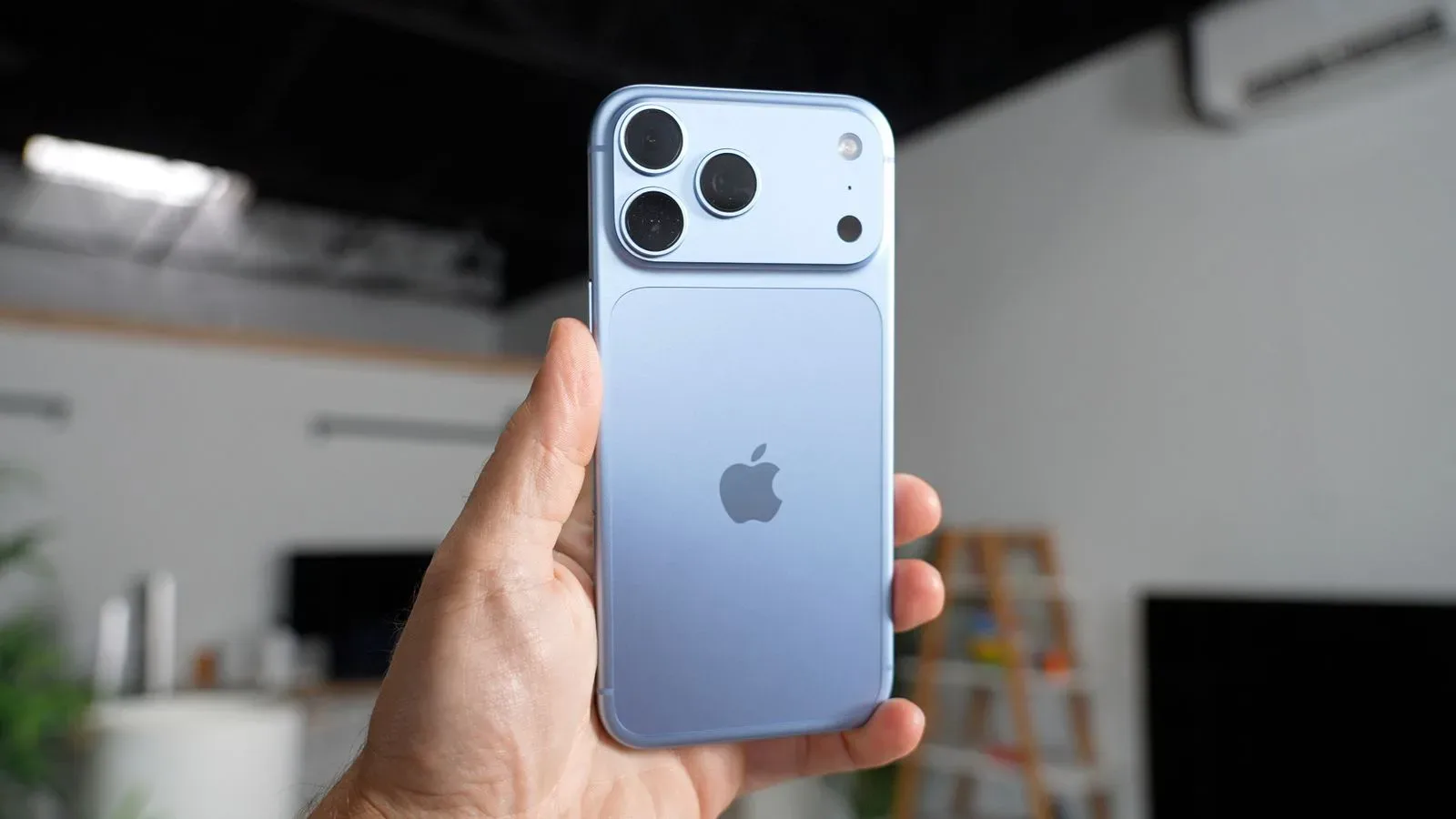
At a glance, the iPhone 17 Pro and iPhone 18 Pro are near-neighbors rather than dramatically different designs. The 18 Pro introduces Deep Burgundy and Glacial finishes, while black returns after being absent from the iPhone 17 Pro range. Those options matter if the look of the device is part of the fun, and color is one of the easiest ways to make a new handset feel new.
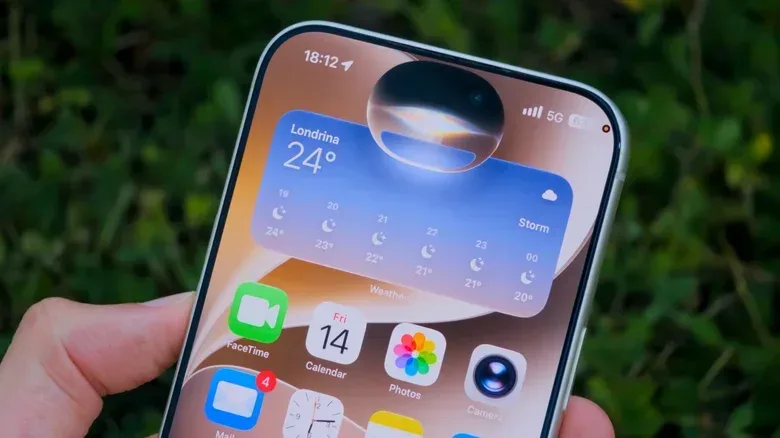
Outside of that, the practical design shift is restrained. The iPhone 18 Pro is a few grams heavier, not lighter, than the 17 Pro. It also has a smaller Dynamic Island because an infrared sensor is now concealed beneath the display.
What that means: the Dynamic Island is the display area used for certain live system information and interface activity. Making it smaller is a tidy bit of engineering, but it does not automatically create a new use case. The 17 Pro’s version already performs its intended role, so this is more refinement than transformation.
That distinction is worth keeping in mind while comparing annual phone upgrades. Some improvements are highly visible in a specifications chart or in a close-up product image but barely register over hundreds of ordinary days. A narrower display cutout is a reasonable bonus for a buyer who needs a phone anyway. It is a thinner argument for replacing a perfectly capable one-year-old device.
A20 Pro power is real, but not every workload can feel it
The iPhone 18 Pro moves to Apple’s A20 Pro chip, described as the company’s first chip built on a 2-nanometer architecture. It also adds a GPU core compared with the A19 Pro and is said to deliver up to 40% better graphics performance. There is a second Neural Engine as well, intended to improve AI processing.
Related coverage includes Why iPhone 17 Pro Owners May Want to Skip the iPhone 18 Pro.
Those are meaningful technical upgrades. The GPU, or graphics processing unit, does work associated with rendering visuals and is particularly relevant to demanding games, image processing and other graphics-heavy tasks. The Neural Engine is specialized silicon aimed at machine-learning and AI workloads. A “2-nanometer architecture” refers to a newer chip-manufacturing generation, not a literal measurement of every component on the processor; in consumer terms, the important takeaway is that it marks a newer underlying process.
Yet a performance gain needs a workload that exposes it. Opening social apps, streaming music, messaging and browsing do not necessarily become meaningfully different because a processor is much faster in peak graphics capability. The iPhone 17 Pro’s A19 Pro remains positioned as highly capable for everyday use.
The strongest practical case for the new chip belongs to people who regularly push a phone in sustained, demanding ways: editing RAW photos, handling more intensive games, or making use of future AI tasks that can benefit from the additional Neural Engine. Even there, the correct question is not whether the A20 Pro wins a benchmark. It does. The question is whether the iPhone 17 Pro is currently slowing the owner down.
For players, this is especially worth separating into two questions: whether a game can use the extra graphical headroom and whether the game is otherwise available on the platform. More mobile releases continue to arrive alongside their PC and console counterparts; for example, Kingdom Rush 6: Genesis TD is set for Steam, the App Store and Google Play. But the existence of a mobile game is not, by itself, evidence that a one-generation Pro upgrade is necessary. The 17 Pro is still a recent high-end device, and the source information gives no indication that it has suddenly become unsuitable for demanding software.
The camera change is focused, not comprehensive
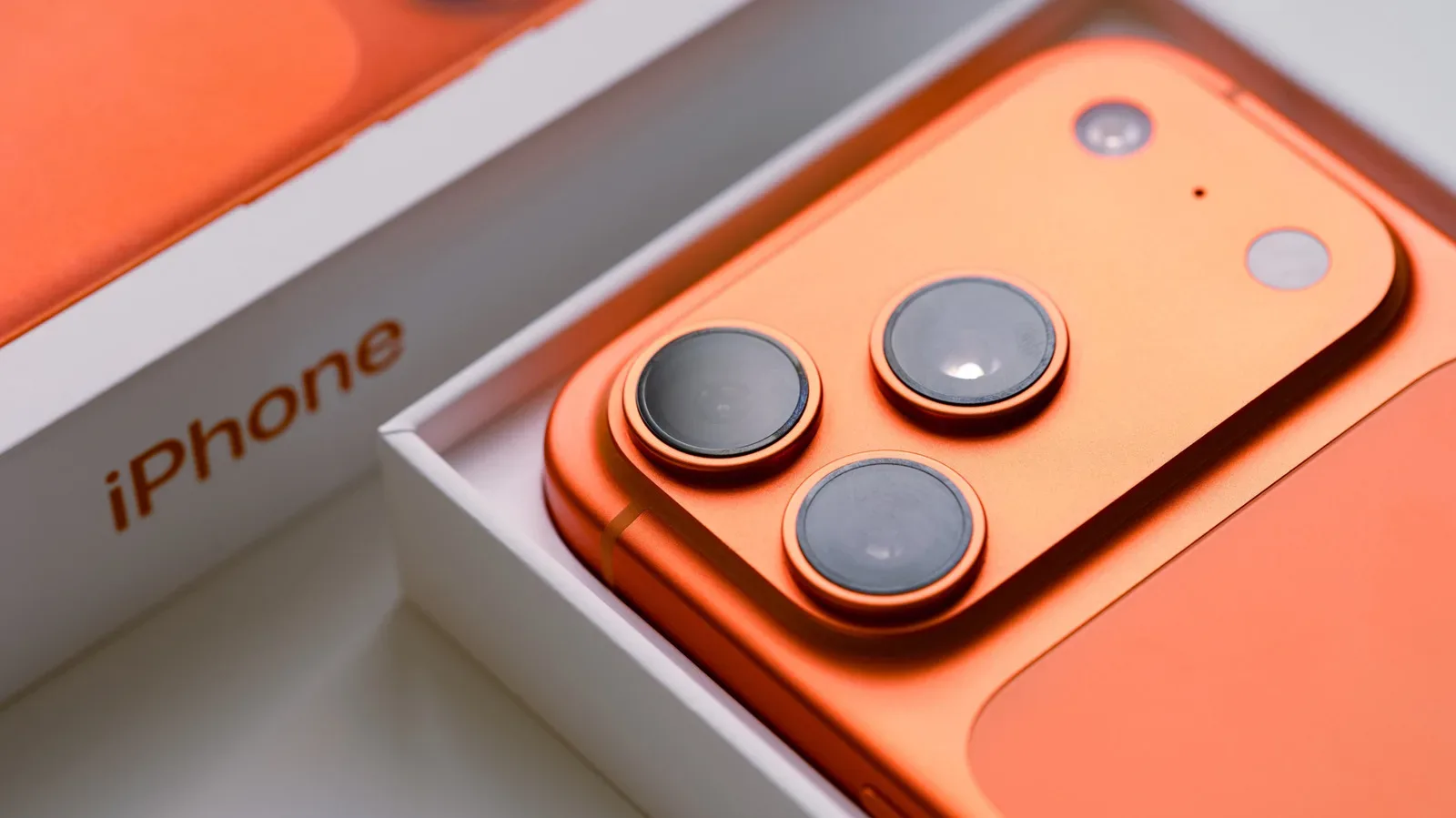
The iPhone 18 Pro’s most distinctive hardware change is its main wide-angle camera. Apple has introduced a variable-aperture lens, allowing the aperture to be adjusted to admit more or less light. This is the sort of control associated with interchangeable-lens cameras such as DSLRs.
Aperture is the opening through which light passes into a camera. A wider aperture lets in more light, which can help in dim conditions and can alter depth of field. Depth of field describes how much of an image appears sharply focused from foreground to background. Adjusting it can change the visual character of a shot, including the degree to which a subject stands apart from its background.
For photographers and video shooters, that is a legitimate reason to look closely at the 18 Pro. It provides a more direct way to shape the image from the main camera, while the wider aperture is also positioned as a low-light benefit. A person who frequently shoots in difficult lighting or values optical control instead of relying solely on automated processing may find that more compelling than any processor statistic.
But the scope of the upgrade matters. The iPhone 18 Pro keeps the same ultra-wide, telephoto and front-facing camera sensors as the iPhone 17 Pro. In other words, the camera story is not “every lens has changed.” It is “the main camera has gained a new capability.”
That makes the upgrade decision quite personal. If the main wide camera is the lens used for most photos and videos, variable aperture may be a practical advantage. If a person relies heavily on telephoto shots, ultra-wide compositions or selfies, the hardware case is much less expansive because those sensors are unchanged. Some new photographic styles are also expected to reach certain older iPhones through software, further reducing the number of photo features reserved solely for the new phone.
Current AI and Siri features are not the dividing line
One frequent reason to consider a newer phone is fear of missing the next generation of software. In this comparison, that argument has limited force right now. The iPhone 17 Pro already supports Apple Intelligence and Siri AI in iOS 27, alongside the iPhone 18 Pro.
The shared feature set includes the new Siri app, contextual conversations, enhanced voice adjustments for Siri, improved dictation, and tools to extend and reframe photos. That means a 17 Pro owner is not being pushed into an older software experience simply by keeping their current device.
This is important because AI branding can blur two separate issues: access to a feature and the speed at which a device runs it. Both phones currently receive the same listed functionality, while the 18 Pro’s second Neural Engine could potentially offer an advantage if later features take greater advantage of it. That future possibility is not the same thing as a present exclusive feature.
There is some uncertainty here. Apple could add capabilities that favor the 18 Pro later, and the extra AI hardware may become more relevant over time. Buyers who want the maximum possible headroom for unknown future tools can reasonably value that. Still, it is speculation rather than a concrete day-one reason for an iPhone 17 Pro owner to replace their handset.
Who should consider the iPhone 18 Pro?
The iPhone 18 Pro looks easier to recommend to people arriving from a more distant generation. An iPhone 15 Pro owner, for example, would receive the accumulated changes across several years rather than paying for a narrow one-year difference. Those include the newer design, improved zoom, vapor-chamber cooling, the current software suite and the 18 Pro’s main-camera update.
A vapor chamber is a cooling component used to spread heat away from demanding hardware. In practical terms, cooling can matter during longer periods of gaming, video work or other processor-intensive activity, because sustained performance depends not only on peak chip speed but also on heat management.
There are also clear edge cases where an iPhone 17 Pro owner could still sensibly upgrade:
- They specifically want variable aperture for main-camera photography or video.
- They routinely do graphics-heavy work or play intensive games that can benefit from the new GPU capacity.
- They place high value on having the newest AI-focused hardware despite uncertainty about future exclusives.
- They are replacing a device for reasons outside the comparison, such as a carrier arrangement that genuinely changes the cost equation.
- They simply prefer one of the new finishes and accept that the decision is about preference rather than necessity.
None of these motivations needs defending. A phone can be enjoyable as well as useful. The key is being honest about what is being purchased: for many 17 Pro users, it is a polished revision, not a fresh gameplay-changing loadout.
A sensible upgrade test for iPhone 17 Pro owners
Before moving from a 17 Pro to an 18 Pro, it helps to use a simple test. Identify one recurring frustration with the current phone, then determine whether the 18 Pro solves that exact problem. “I want better control over main-camera depth of field” points directly to the variable-aperture lens. “My mobile games or RAW workflow need more graphical power” points toward the A20 Pro. “I want a black phone” is also a valid preference, just not a performance need.
If the answer is only that the newer model exists, waiting is likely the more practical move. The iPhone 17 Pro retains current Apple Intelligence and Siri AI features, the same ultra-wide, telephoto and selfie camera hardware as the 18 Pro, and enough performance for ordinary use as well as demanding tasks. The 18 Pro is impressive, but its most convincing appeal is as an upgrade from older iPhones—not as an urgent replacement for the Pro model that came immediately before it.