Trails in the Sky 2nd Chapter is not interested in pretending that a sequel must discard everything that came before it. It continues directly from 1st Chapter, revisits its locations and systems, and treats the earlier game less as optional history than essential emotional groundwork. That makes it a demanding recommendation in one sense: newcomers should not start here. Yet it also makes this remake unusually confident about what it is. This is a continuation, an expansion, and a carefully improved version of a story that was built to have a second half.
The result is a character-driven RPG whose greatest weapon is not novelty, but follow-through. Its dramatic stakes may involve a coup, a shadowy organization named Ouroboros, and dangerous experiments, but its defining concern is more intimate. Estelle Bright must reckon with loss, uncertainty, and the difficult work of choosing a purpose for herself after Joshua abruptly leaves. The game frames that journey with warmth rather than cynicism, finding real dramatic force in optimism, mutual support, and the decision not to surrender to despair.
Estelle carries the sequel
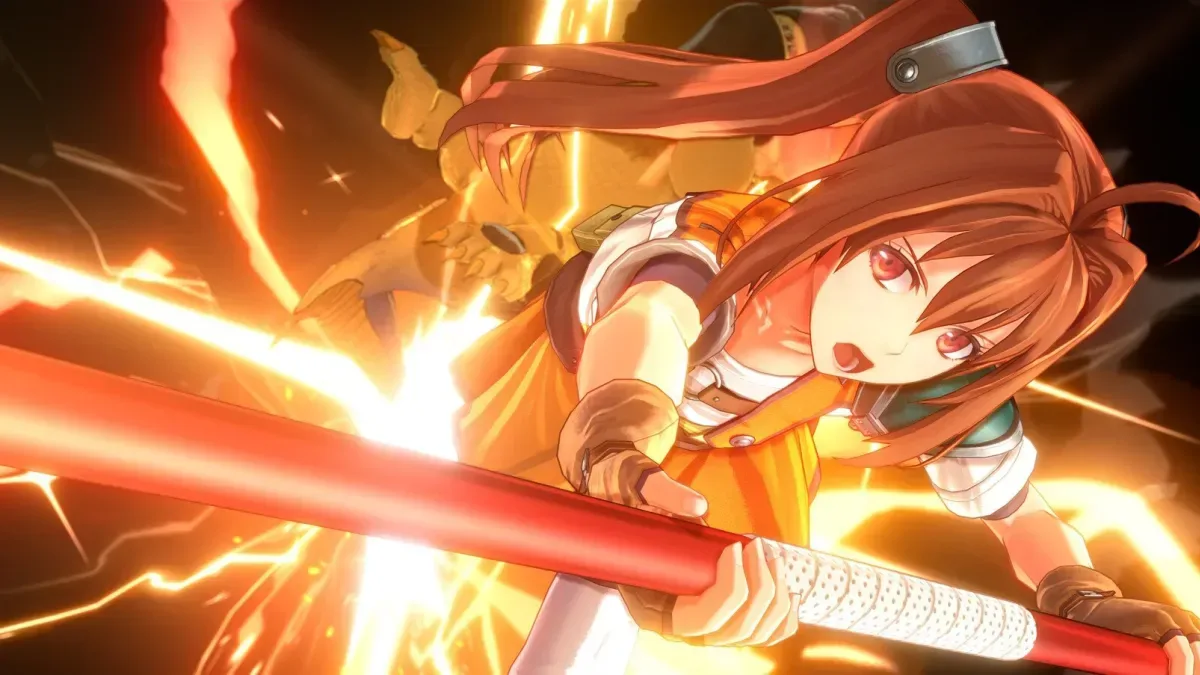
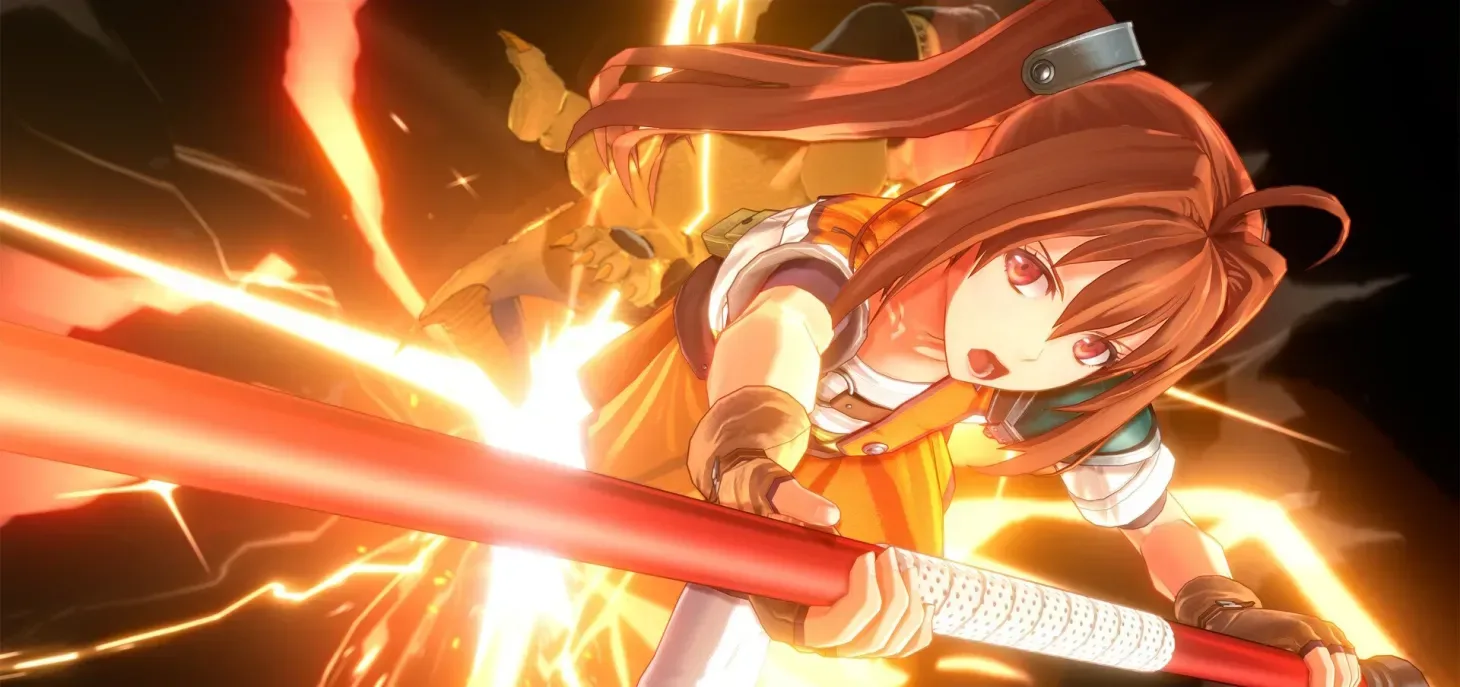
Estelle is the reason this material lands as more than a string of escalating plot revelations. She begins from a recognizable RPG-hero foundation: cheerful, energetic, and almost aggressively positive. Rather than merely congratulating itself for that familiarity, the story presses on the weak points in that persona. Estelle has to learn how to stand without the guidance of Joshua or her father, and her optimism is given weight because it is repeatedly tested.
That approach gives the coming-of-age material unusual texture. The plot does not simply declare that connection matters; it develops that idea through Estelle’s changing outlook, party-member arcs, and side quests. The game’s view of community is broad enough to include concern for people who may be neglected by the systems around them. It is a direct, sincere perspective, but the writing’s gradual pacing helps it avoid feeling like a lecture. Emotional payoff comes from watching relationships and convictions accumulate over time.
Players who prefer brisk, self-contained stories should take that deliberate pace seriously before committing. 2nd Chapter is designed to reward memory of the prior game and patience with a long-form narrative. Conversely, anyone seeking an RPG where character development is inseparable from plot progression will find a sequel that understands the value of earned escalation. The larger turns work because they rest on the everyday connections established beneath them.
A remake that adds context without changing the core
The remake preserves the original story’s overall shape while making small adjustments and adding new material. Those revisions are presented as connective tissue for later entries in the wider series, particularly around villains and long-running story threads. For returning players, that sounds like a meaningful reason to revisit rather than simply replay; for newcomers working through the series in order, it may make the larger continuity feel more cohesive.
Presentation is also a major part of the upgrade. The world receives more color and detail, while the voice acting gives key scenes greater dramatic definition. The cast is described as strong throughout, with Kevin Graham standing out especially well. His warrior-priest character projects a clumsy or unserious exterior that masks a colder disposition, and the performance helps sell that contrast. Since the game leans so heavily on emotional scenes and character interplay, this vocal work is more than decorative polish. It is central to how the remake delivers its drama.
There is a sensible restraint to these changes. This is not portrayed as a radical reimagining that replaces the identity of the original; it is a version that tries to amplify what already worked. That philosophy will suit players who value preservation alongside modernization. It may be less persuasive for anyone hoping the sequel would become fundamentally different from 1st Chapter.
Familiar combat, sharper options
The hybrid combat structure remains the same as in the previous remake. Players encounter enemies through an action-based system on the map, then can enter a turn-based battle at the press of a button. It is a useful arrangement for an RPG that wants the world traversal to remain active while retaining tactical battles as its main strategic layer.
The additions are modest but purposeful. Characters gain new arts and crafts, while the Brave Rush ability enables a powerful team strike during the action-focused map encounters. None of that suggests a wholesale combat overhaul, and that is important for setting expectations. The appeal is refinement: more tools within an established framework, not a new rulebook.
That same “improve the edges” sensibility extends beyond fighting. Fishing has been redesigned into a more involved minigame built around matching different rods and baits to particular fishing spots. The map and quest tracking have also been enhanced, helping players locate quests that were previously very easy to overlook. This is the kind of modernization that respects time without flattening every bit of discovery. Completion-minded players, in particular, should appreciate fewer opportunities to miss side content simply because a task was hidden too well.
The old-fashioned rough edge
The clearest weakness is a familiar one for RPGs of this lineage: some dungeons run longer than they need to. It is not a flaw that undermines the game’s narrative accomplishments or its broader mechanical strengths, but it can interrupt momentum. A story built on a slow, deliberate emotional climb benefits from room to breathe; extended dungeon stretches risk converting that patience into fatigue.
That caveat is especially useful for buyers who have limited time or a low tolerance for lengthy traditional RPG pacing. The improved tracking and map features may reduce friction around side content, but they do not erase the underlying commitment requested by the adventure. This is not a lean sequel, nor does it aim to be. Players who enjoy methodical progression and substantial story will likely see that scale as part of the appeal. Players looking for a compact, fast-moving RPG may find the dungeon length harder to forgive.
Who should play it?
Trails in the Sky 2nd Chapter is best for players who have completed 1st Chapter and want resolution, deeper character work, and a continuation that pays close attention to emotional consequences. It is also an inviting prospect for RPG fans who prioritize a well-developed female lead, party dynamics, turn-based tactical battles, and a remake philosophy focused on thoughtful additions rather than disruptive reinvention.
It is a poor starting point for the series, because its premise and emotional force depend directly on the first game. Nor is it the ideal choice for players who want an aggressively streamlined campaign: the long dungeons are a real limitation, even if they are the exception in an otherwise carefully tuned package. For more related coverage of the remake, see Trails in the Sky 2nd Chapter Remake Leads 2026 Review Scores Ahead of Its September 17 Release.
As a sequel, 2nd Chapter succeeds precisely because it understands that “more” is not enough. Its new combat options, fishing changes, tracking improvements, presentation upgrades, and continuity-minded story tweaks all serve an existing foundation instead of distracting from it. Above all, it gives Estelle’s journey the space and care it needs. A little dungeon trimming would have made the trip smoother, but the destination remains one of the most affecting character stories an RPG sequel can offer.