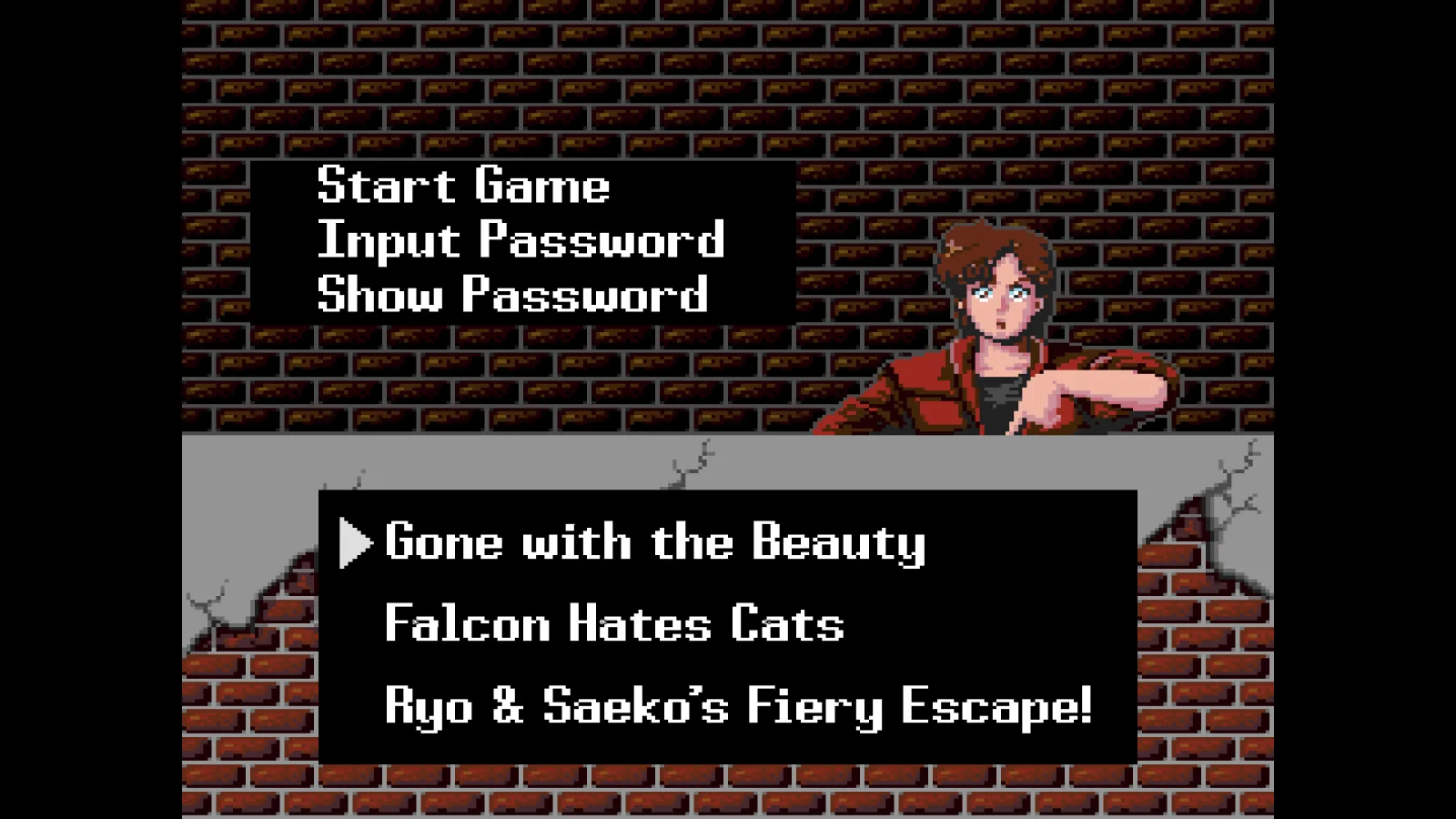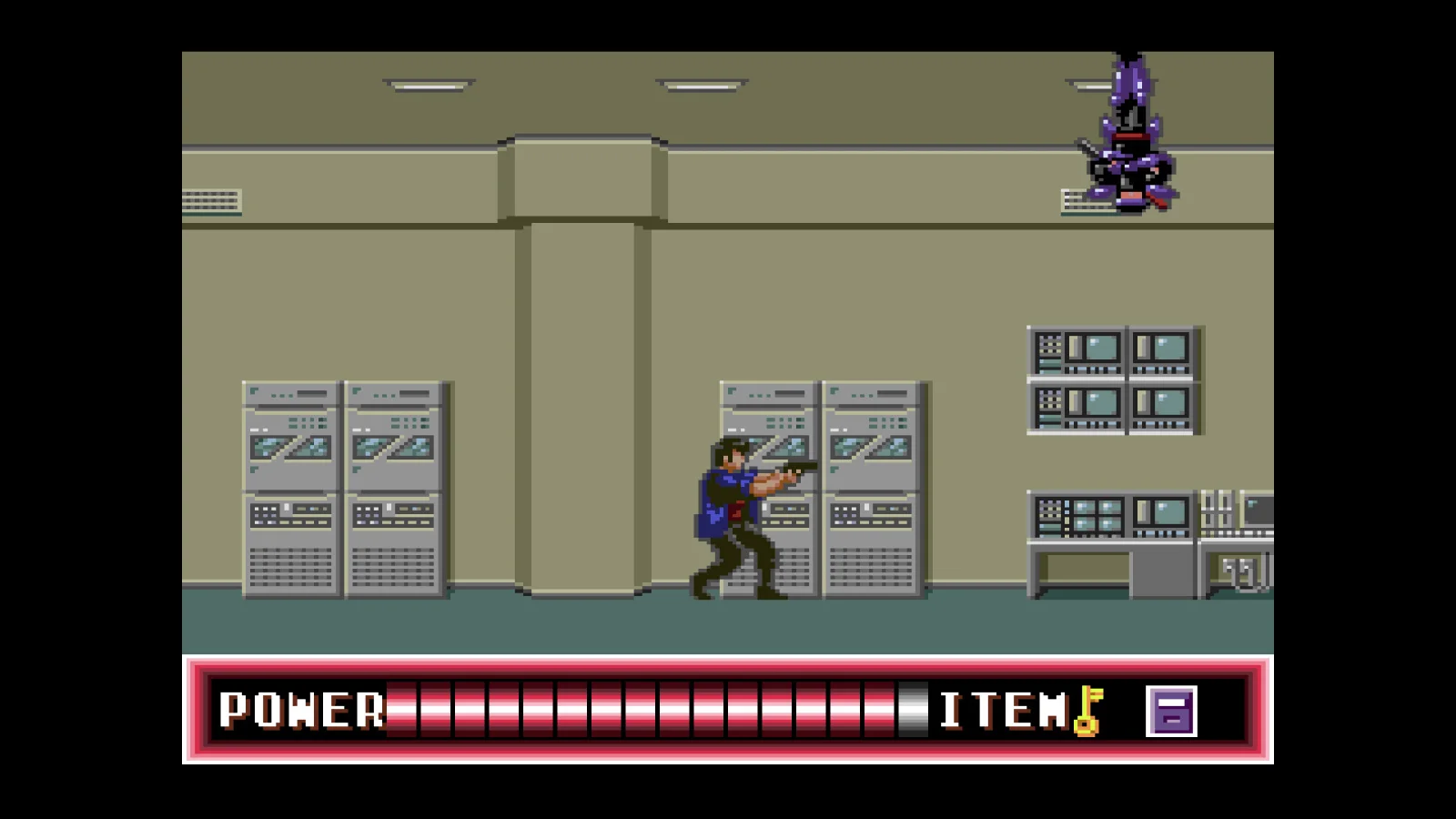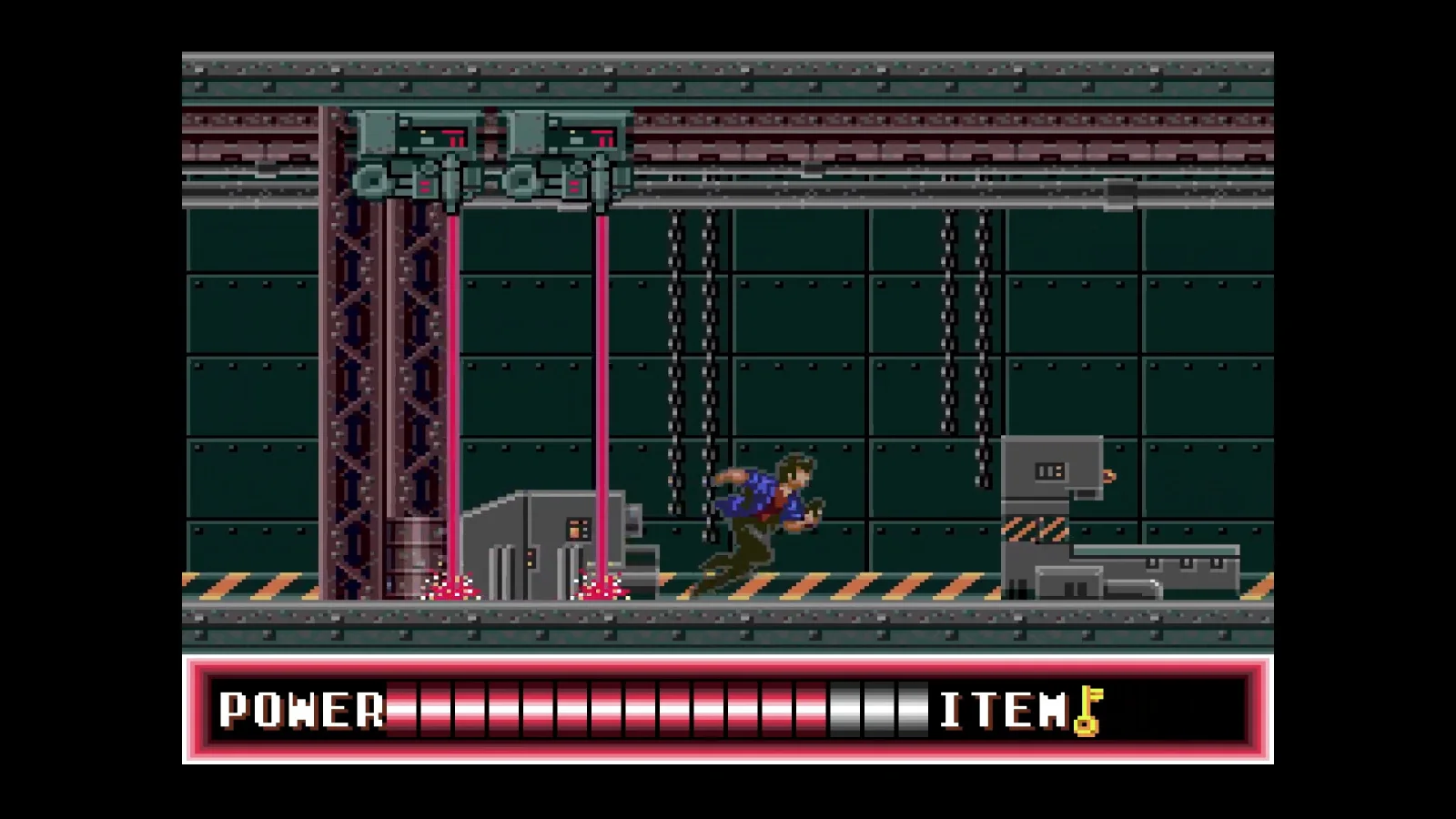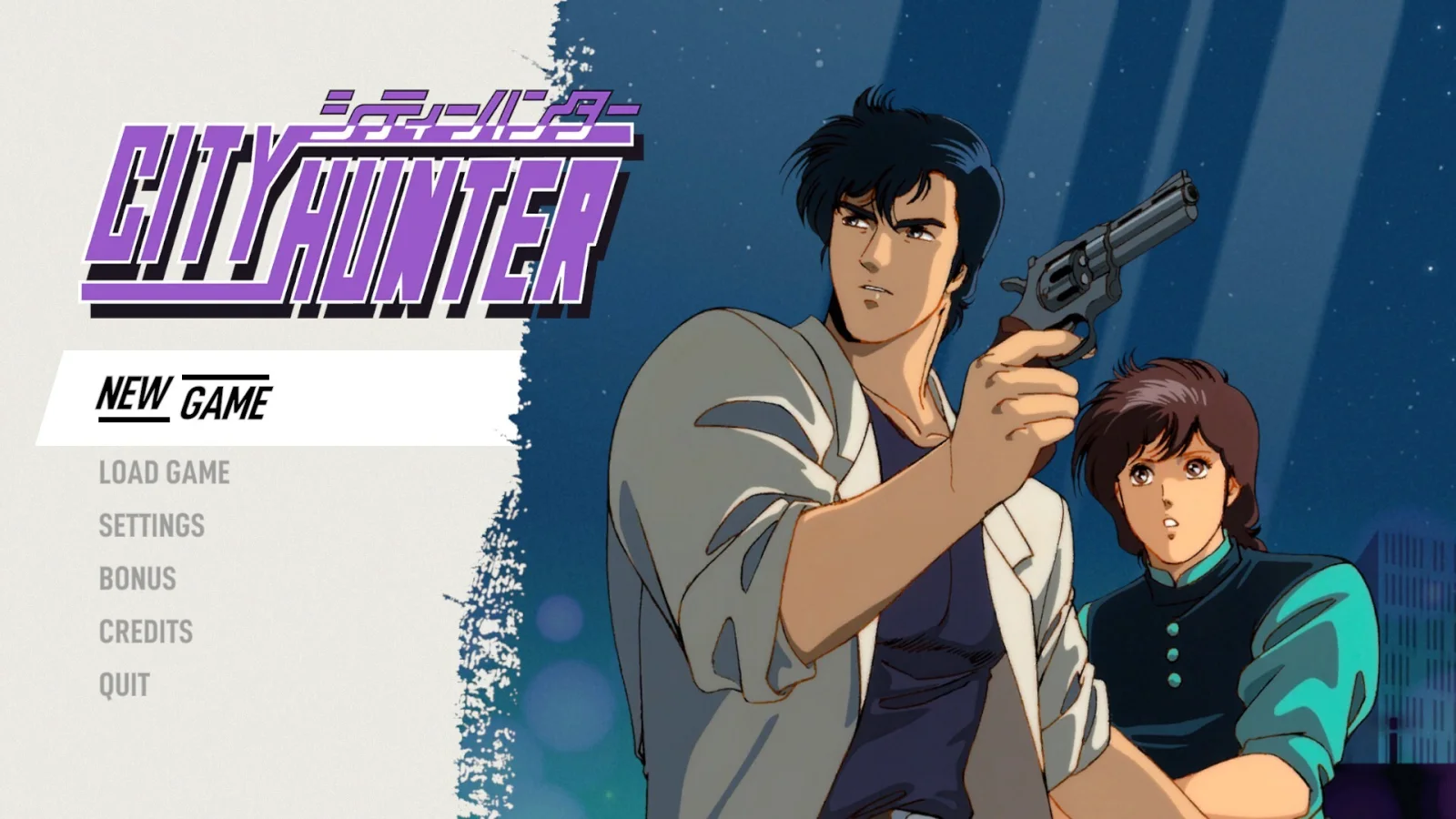
City Hunter is released for PC on Steam, with February 25, 2026 listed as its release date. The verified store details identify it as an Action game for Windows and confirm full controller support. SUNSOFT and Red Art Games are credited as developers, while SUNSOFT and Clouded Leopard Entertainment are credited as publishers.
Those facts establish the basic shape of this PC release, but they do not establish the particulars that usually determine how an action game feels: its movement, attacks, objectives, stage structure, challenge curve, checkpoint approach, or technical options. The public promotional description supplies a narrative premise and a stated localization plan, but it should be read as announced design rather than proof of final implementation quality. That distinction matters especially for a title whose marketing presents both nostalgia and renewal as central ideas.
What is verified about the PC release
City Hunter is no longer listed as coming soon on Steam. It is a Windows release, not a confirmed Mac or Linux release, and it has full controller support according to the verified store facts. The genre designation is Action.
Full controller support is the most concrete confirmed feature beyond the release, platform, and credit information. It indicates that controller play is supported comprehensively on PC, but it does not disclose button layouts, remapping, input latency, vibration, accessibility settings, or whether keyboard-and-mouse control has equivalent configuration. Those are practical matters for a PC action release, yet none can be responsibly inferred from the controller-support label alone.
The Action classification is similarly useful as a broad category rather than a description of specific play. It does not confirm whether City Hunter is built around close-range combat, firearms, platforming, scrolling stages, score pursuit, boss encounters, exploration, mission selection, or another framework. A genre tag sets an expectation of direct player-driven action; it cannot settle the design details beneath that expectation.
The promotional premise centers on Ryo Saeba
The public developer description presents Ryo Saeba, also called City Hunter, as a professional “sweeper” who accepts jobs in a dangerous city. It identifies Kaori as his partner and frames the setup around whatever assignment arrives next. This establishes the promotional narrative framing: urban work, criminal danger, and a partnership are the stated ingredients.
That framing could provide a sensible foundation for an action game, because individual jobs can potentially give scenes immediate stakes and distinct settings. But the available description does not confirm that assignments function as selectable missions, levels, chapters, objectives, or any other gameplay unit. Nor does it establish how closely story scenes are integrated with play. The premise is clear; the narrative delivery remains unspecified.
The same restraint applies to character roles. The description names Ryo and Kaori, but it does not verify whether Kaori participates in gameplay, appears only in story material, offers guidance, changes objectives, or has any mechanical role at all. Treating named characters as confirmation of a playable roster or support system would turn a narrative introduction into an unsupported feature claim.
Localization is announced, not independently established
The promotional description announces multi-language support and names Japanese, English, French, German, Italian, Spanish, Korean, Traditional Chinese, and Simplified Chinese. It also specifically references a French Nicky Larson version. This is a meaningful announced accessibility and audience-facing ambition, particularly for a property whose language availability may shape whether new players can comfortably follow its premise.
However, that language list comes from the public developer description rather than the verified store facts supplied here. It should therefore be understood as a developer-described plan, not as independently verified confirmation that every language is available across every part of the released PC package. The material does not specify whether each listed language applies to interface text, story text, subtitles, audio, manuals, or all of those elements. It also does not clarify regional availability, terminology differences, or the degree to which each localization has been adapted.
If the announced language selection is delivered broadly and consistently, it could lower a substantial barrier for people encountering the game outside its original-language context. Localization can do more than translate menus: in a character-led action game, it can determine whether mission stakes, jokes, relationships, and tonal shifts are legible. Yet the quality, coverage, and presentation of those translations cannot be assessed from the announcement alone.
Marketing history is not a substitute for present-day specifications
The developer description presents City Hunter as returning from a March 2, 1990 home-console release and calls that earlier game the only official home-console game of its kind. It also characterizes the current release as more than a remake, using the language of nostalgia and newness. These are promotional historical and positioning claims. They explain how the release is being marketed, but they are not independently established facts within the verified release details.
More importantly, even accepting that promotional framing as the intended context does not answer what has changed in the current version. “Remake” can cover a wide range of projects: a close reconstruction with revised presentation, a reworked interpretation that retains only broad foundations, or something between those poles. The available material does not identify visual changes, audio changes, control revisions, content additions, level revisions, quality-of-life options, save systems, difficulty settings, or archival materials.
That uncertainty should not be filled with assumed modernization. A contemporary PC release may have a familiar premise and controller support without confirming widescreen handling, display choices, performance behavior, graphics settings, input customization, cloud saving, achievements, or any other PC-oriented feature. Conversely, the absence of those details in the supplied evidence does not prove that they are missing. It simply leaves them unanswered.
The key design questions remain open
City Hunter’s announced material gives a clear enough starting point to identify the questions that matter most. First is the moment-to-moment action language. Does the game prioritize precision, positioning, timing, resource management, movement challenges, or something else? The Action label does not say. Without a description of attacks, weapons, traversal, hazards, enemies, or objectives, no particular combat or platforming model can be treated as confirmed.
Second is structure. The job-oriented story premise may suggest discrete cases, but there is no evidence that the player chooses contracts, moves through a city map, follows a linear sequence, or revisits locations. The difference is significant: a linear action game and a mission-based game can share the same narrative vocabulary while placing very different demands on pacing and replayability.
Third is the relationship between legacy and revision. The promotional language invites interest in how the release handles an earlier identity while speaking to a wider contemporary audience. But it does not specify whether the “newness” is mechanical, presentational, narrative, localization-focused, or simply part of the promotional tone. A useful assessment of the release’s design can only go further once those choices are documented.
Finally, the PC version’s practical fit remains a question beyond its confirmed controller support. Players using controllers have a confirmed route into the game, but those deciding between input methods or weighing system-level conveniences will need fuller official specifications or direct technical evidence. Controller support is an important baseline; it is not a complete account of the PC experience.
A restrained reading of the available information
City Hunter has a solid set of verified release basics: it is out on PC, classified as Action, developed by SUNSOFT and Red Art Games, published by SUNSOFT and Clouded Leopard Entertainment, and marked for full controller support. Its public promotional description adds a Ryo-and-Kaori-led urban assignment premise, an announced list of languages, and a historical return narrative connected to a 1990 release.
The most useful conclusion is not to pretend those separate layers of information offer the same certainty. The verified data tells prospective PC players where and how the title is released at a high level. The promotional text communicates the intended fiction, heritage, and accessibility direction. Neither source layer, as supplied here, establishes the detailed action design or the caliber of its execution.
For readers interested in how announced mechanics can shape expectations without prematurely becoming verdicts, this PC design feature on language-led game design offers a related discussion. City Hunter’s next meaningful design questions are straightforward: what players actually do from moment to moment, how its jobs are structured, what the current release changes, and how fully its announced localization reaches across the game.