An auction can make a familiar game feel urgent. A bid rises, another bidder appears, and a copy that looked ordinary begins to feel like a rare opportunity. That emotional shift is precisely why the maximum should be calculated before the auction becomes competitive.
The useful question is not “How much is this game worth?” It is “What is the most I can spend on this exact copy, with these exact risks, after every cost is included?” That answer may be different for a loose cartridge, a complete package, a regional variant or an untested disc. Write it down before bidding and treat it as a stop sign, not a target to defeat.
Start by Defining the Copy You Actually Want
A collectible game is not one interchangeable object. First decide whether your goal is a playable loose copy, a complete-in-box example, a display piece, a particular North American release, or a clean original package with its printed materials. Set a condition floor as well: ordinary used wear may be acceptable, while cracks, corrosion, water damage, heavy label loss or a resurfaced disc may not be.
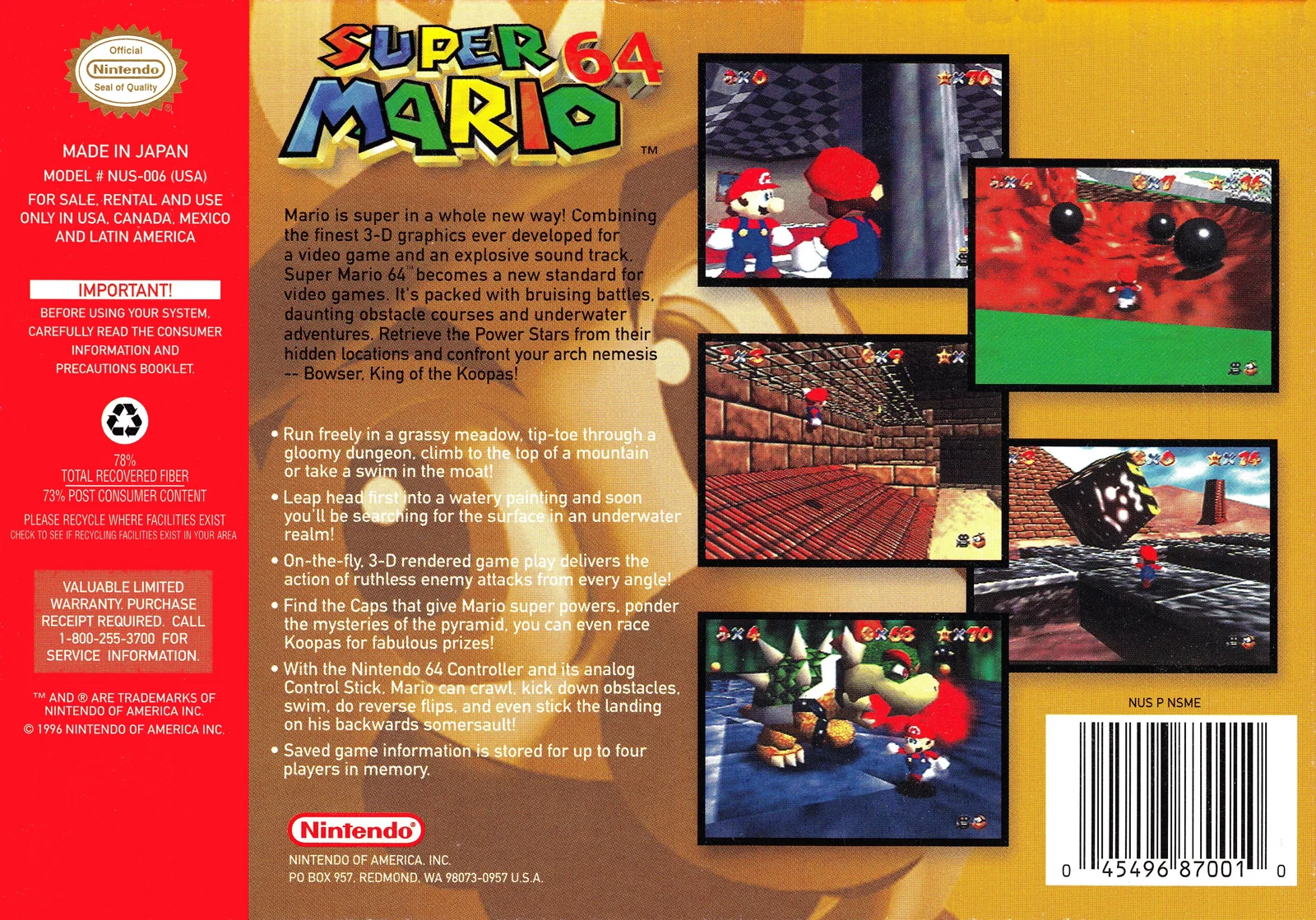
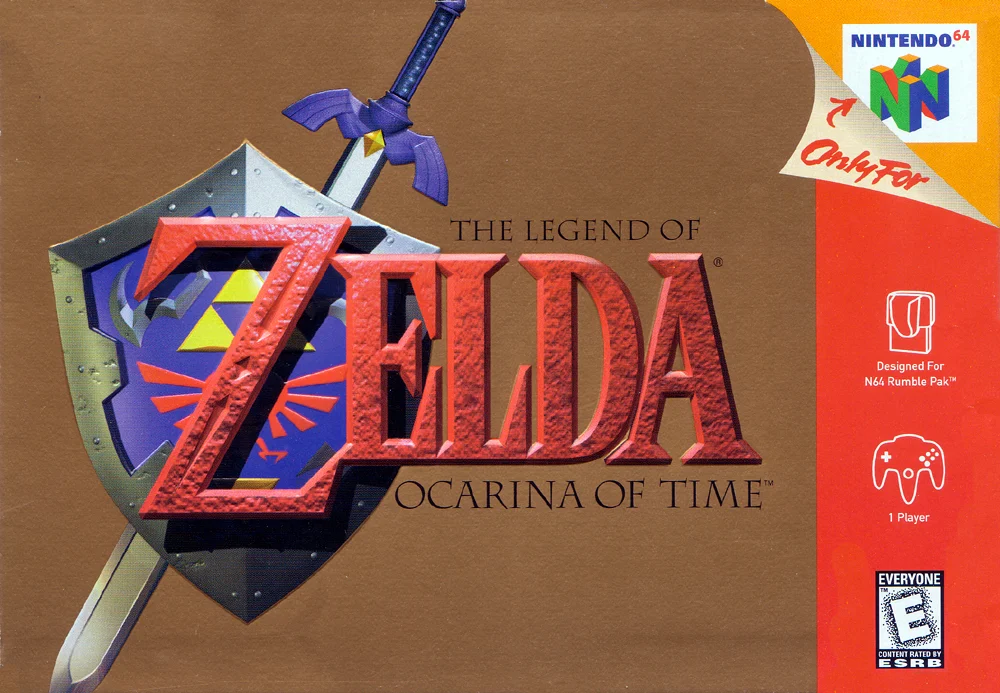
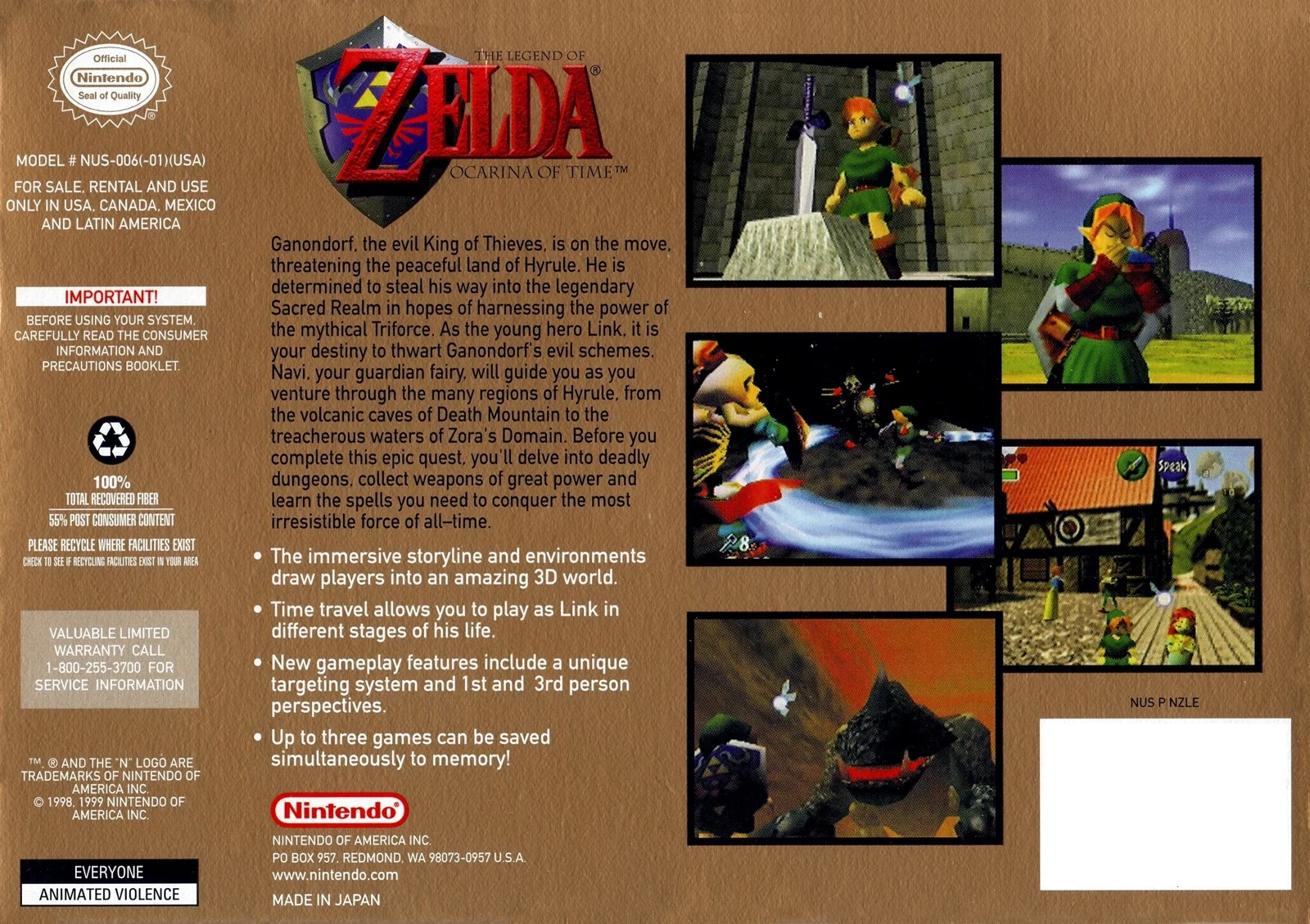
The six games in this guide demonstrate why the definition matters. Super Mario 64 and The Legend of Zelda: Ocarina of Time are Nintendo 64 Game Pak releases. Shadow of the Colossus and God of War are PlayStation 2 releases distributed on optical discs. Phoenix Wright: Ace Attorney and Final Fantasy III are Nintendo DS cartridge releases. A loose cartridge, a disc in a replacement case and a complete package can all be playable while representing different collecting goals. Nintendo’s manuals identify the first two titles as Nintendo 64 Game Pak software, while PlayStation’s history materials identify God of War and Shadow of the Colossus as PlayStation 2 games.
Record the platform, region, edition, desired contents and minimum condition before opening the listing. If a listing cannot satisfy those requirements, its maximum bid is zero regardless of the title or apparent bargain. A lower-grade copy can be suitable for a player, but it should not be priced as the display copy you originally intended to buy.
- Desired game and platform
- Region and edition required
- Loose, boxed or complete contents
- Minimum acceptable condition
- Playable copy, display copy or both
- Features that are deal-breakers
Calculate the Maximum Bid From the All-In Ceiling
Choose an all-in ceiling that fits your budget and collecting priorities. Then subtract every cost that will exist even if the auction ends at your maximum. The basic calculation is: maximum bid equals all-in ceiling minus shipping, tax, marketplace or payment charges shown at checkout, required accessories, inspection or authentication costs, and an uncertainty reserve.
Use a fictional example rather than a live price. Suppose your all-in ceiling for a specific complete copy is 100 currency units. You estimate 12 for shipping, 8 for tax, 4 for listed charges, and 6 for a replacement case or other unavoidable preparation. You reserve 15 for uncertainty because the photographs do not show every insert clearly. Your maximum bid is 55. If the checkout calculation later reveals a different tax or shipping amount, recalculate; do not quietly expand the ceiling.
The reserve is not a made-up discount. It is money assigned to information you do not have. A seller who provides exact photographs, clear disclosures and a workable return route may justify a smaller reserve than a seller whose listing uses catalog art and vague wording. The reserve should never be used to excuse a known defect. Known missing parts should be reflected in the copy category and ceiling itself.
On eBay, automatic bidding allows a buyer to enter the highest amount they are willing to pay, after which the service places incremental bids up to that limit. eBay also warns that bidding is a contractual obligation and that shipping belongs in the maximum-bid decision. Enter only an amount you can actually pay, then leave rather than competing manually as the auction closes.
- Write the all-in ceiling first
- Estimate shipping from the actual listing
- Include applicable tax and displayed charges
- Add required accessories or services
- Set a separate uncertainty reserve
- Subtract costs before deciding the bid
Compare Only Like-for-Like Sold Examples
A price comparison is useful only when the compared copies share the important attributes. Match platform, region, edition, completeness, condition, testing claim, shipping terms and return route. Recent sold listings can help establish a comparison range, but do not copy a headline price from a different release or package.
PriceCharting defines loose as the game by itself and Complete in Box as the game with its original box and original instruction manual. That is a useful comparison vocabulary, not an authentication certificate. Its price data combines sold listings from eBay and its marketplace, but the buyer still has to decide whether an individual listing really matches the category being compared.
A marketplace seller’s “complete” label can hide a reproduction manual, replacement case, missing insert or a box that did not originally belong with the game. Separate playable value from packaging value and authenticity confidence. A loose Ocarina of Time cartridge may meet a player’s needs while failing a shelf-building goal. A PS2 copy of Shadow of the Colossus with a damaged case may contain a usable disc but not deliver the presentation the buyer intended.
Phoenix Wright: Ace Attorney and Final Fantasy III may require separate checks for the DS card, case, manual and inserts rather than treating a pictured box as proof of completeness. Do not let an attractive package pull a loose-copy comparison upward. Conversely, do not use a loose-game price to justify a supposedly complete package when the box and printed materials are unclear. If the release identity is uncertain, compare it as an unidentified or higher-risk copy until evidence improves.
- Use sold comparisons, not asking prices alone
- Match region and edition
- Separate loose, boxed and complete copies
- Check original versus replacement packaging
- Match condition and testing claims
- Ignore an unsupported “rare” description
Read the Listing as an Evidence File
Treat the listing as a collection of claims that need support. Confirm the exact title, platform, region and edition first. Then inspect whether the photographs show the seller’s actual item rather than catalog artwork, a gameplay screenshot or a different copy. A current possession photograph can show that the seller has something in hand, but it cannot prove authenticity, function or complete contents.
For an N64 cartridge, useful evidence includes clear front, rear, label, shell and contact photographs, plus visible regional or edition markings. For a PS2 game, request both sides of the disc, the center hub, case, cover, manual and inserts when those are included. For a DS game, ask for the front and back of the exact card, its label and contacts, and the case and printed materials if claimed.
A title screen or statement that a game was tested supports only a narrow claim about that seller’s reported test. It does not establish authenticity, long-term reliability, region compatibility or completeness. Likewise, a clean label, intact seal, familiar screw or matching box cannot authenticate an item by itself. Multiple details must agree, and some questions require a qualified specialist.
The photographs also need to be large and clear enough to reveal relevant wear. Blurred images, glare over the label, a disc photographed only from the top, or a cartridge shown inside a case should be treated as missing evidence rather than positive evidence.
- Exact-item photographs from several angles
- Platform, region and edition visible
- Cartridge, disc or DS card shown separately
- All claimed contents photographed
- Damage and wear visible without glare
- Listing images match the written description
Apply Checks That Fit Each Physical Format
Nintendo 64 cartridges need a different inspection from optical discs. For Super Mario 64 and Ocarina of Time, look for label damage, shell cracks, unusual seams, corrosion visible from the outside, bent or heavily worn contacts, and regional markings. These observations can affect condition and risk, but they do not prove what board is inside. Do not open the cartridge merely to investigate a purchase; ask for better evidence or use qualified help when authenticity is financially important.
PS2 discs can show scratches, clouding, label-side damage, hub cracks or signs that the disc has been resurfaced. A disc that looks attractive from the label side still needs a readable data side and an intact center area. Ask whether resurfacing occurred and whether the case, cover, manual and inserts belong to the claimed edition. Do not treat a seller’s “tested” message as a guarantee against future disc-reader or compatibility problems.
Nintendo DS cards are small and easy to misidentify in poor photographs. For Phoenix Wright: Ace Attorney and Final Fantasy III, check the card’s front and back, label alignment, contacts, regional markings and any visible damage. A pictured case can belong to another copy, and a box can add display value without proving that the photographed card will be shipped.
None of these external checks is a complete authentication process. If originality, a rare variant or a high-value package is central to the purchase, either obtain stronger evidence from a qualified specialist or reduce the ceiling until the remaining uncertainty is acceptable.
- Use format-specific photographs
- Treat visible wear as condition evidence, not authentication
- Ask about resurfacing and replacement parts
- Confirm the exact card or disc is included
- Do not perform invasive inspection before purchase
- Seek qualified help when uncertainty affects a major sum
Turn Missing Evidence Into a Financial Deduction
Uncertainty has a cost even when it is not proof of a defect. Give each unanswered question a practical deduction from the ceiling or place the listing in a lower-confidence category. Missing rear-cartridge photographs, an unclear edition, an unshown manual, an untested disc, unexplained label replacement or uncertain authenticity all increase the chance that the delivered copy will not meet the original goal.
The deduction should reflect the consequence, not a universal percentage. If a missing insert is merely cosmetic for a player, it may matter little. If the purchase is intended to complete a documented set, the same missing insert can change the item from complete to incomplete. If a disc may need professional inspection, include that service and the possibility that the result will not support the claimed grade.
Separate unknown from known. “Not shown” means the evidence is absent; “missing” means the seller has confirmed the component is not included. Do not treat an unknown manual as present simply because a box is pictured. Do not treat uncertainty as a counterfeit accusation, either. Price the risk conservatively or walk away.
A listing with strong evidence can still exceed your ceiling. Evidence improves confidence; it does not make an expensive copy affordable. The final decision must satisfy both requirements.
- List every unanswered question
- Estimate the consequence of each unknown
- Separate absent evidence from confirmed absence
- Reduce the ceiling when inspection may be needed
- Do not convert uncertainty into an authenticity claim
- Walk away when the risk cannot be priced
Add the Costs Buyers Commonly Forget
The hammer price is only the most visible number. Add shipping, sales tax, marketplace charges shown at checkout, currency conversion, required controllers or compatible hardware, replacement cases, missing manuals, professional inspection and realistic return postage. A low bid can become expensive when the copy needs several small additions before it matches the collecting goal.
Compatibility can also be a cost. A Nintendo 64 cartridge, PS2 disc and DS cartridge may require the correct regional hardware or accessories, and the title name alone does not promise that every physical version behaves identically on every setup. Confirm the hardware you own and the release you are buying before assigning the same ceiling as a known-compatible copy.
Return risk belongs in the calculation even when a platform offers protection. A qualifying claim may require photographs, messages, a return shipment or compliance with a deadline. eBay’s current policy covers many cases involving non-delivery or an item that arrives damaged, faulty or materially different from the listing, but eligibility and timing requirements apply. A seller’s stated return terms can also affect the route and responsibility for return shipping.
PayPal’s current Purchase Protection terms likewise distinguish materially misrepresented items from properly described used items with ordinary minor wear. PayPal may require documentation and may require the buyer to return the item at the buyer’s expense, so protection should be checked before bidding rather than assumed afterward.
Compare total cost, not the apparent discount against an inflated listing. A more expensive copy with clear evidence and a workable on-platform return route may have a lower expected cost than an ambiguous auction that requires authentication, replacement parts and a difficult dispute.
- Winning bid
- Shipping and tax
- Displayed marketplace or payment charges
- Currency conversion
- Accessories and replacement parts
- Inspection or authentication
- Possible return shipping
Ask Questions That Produce Usable Answers
Questions should be short, specific and sent through the marketplace messaging system. Ask the seller to confirm the exact item, region, edition, included contents and any replacement parts. Request additional photographs rather than relying on a general promise that the item is “as pictured.” Ask whether the disc was resurfaced, whether the cartridge shell or label was replaced, and what the seller means by “tested.”
A useful testing answer identifies the hardware and the observed behavior, but it remains a seller statement rather than independent proof. For example, “tested on a console” is less informative than a description of whether the game booted and whether the seller observed any intermittent issue. Even a detailed answer does not settle authenticity or long-term reliability.
Ask about storage or water exposure when the photographs suggest staining, swelling or corrosion. Request confirmation that every photographed component will ship with the item. Do not ask the seller to evade the platform, change the transaction record or use a second-chance payment link. Keep the response, because an answer can help establish what was represented if the listing later changes.
If the seller will not provide exact-item photographs, responds inconsistently or applies pressure to pay outside the marketplace, treat that as a stop condition rather than a negotiation challenge.
- What exact region and edition is this?
- Are all pictured contents included?
- Was any label, shell, case or insert replaced?
- Was the disc resurfaced?
- What hardware and method were used for testing?
- Can you provide clear photographs of the exact item?
- Will payment and messages remain on-platform?
Treat Buyer Protection as a Condition, Not a Guarantee
A protected platform can reduce risk, but protection is not the same as certainty. eBay’s Money Back Guarantee may apply when an item does not arrive or does not match the listing, subject to the transaction and policy requirements. A stated seller return policy can create additional obligations for qualifying returns. PayPal Purchase Protection similarly has eligibility rules, documentation requirements, deadlines and exclusions.
Before bidding, check the current policy for the account, marketplace, payment route and listing. Confirm whether the transaction is eligible, how a claim must be opened, who may pay return shipping and whether the item must be returned. Never move payment off-platform to obtain a lower total or to satisfy a seller’s request. Doing so can remove records and protections that were part of the original risk calculation.
Save the listing, seller messages, photographs, checkout total and order information. This is not a substitute for inspecting the copy, but it preserves the evidence needed to compare what arrived with what was represented. The platform’s current rules control; a general assumption about buyer protection does not.
If a seller refuses protected payment, asks for account transfers or sends an unexplained second-chance link, set the maximum bid to zero. A collectible game is not worth surrendering the transaction safeguards that make its uncertainty manageable.
- Check the current marketplace policy
- Confirm the payment route is eligible
- Review return-shipping rules
- Keep communication on-platform
- Save the listing and checkout total
- Reject off-platform payment pressure
Set Hard Stop Conditions and Place One Disciplined Bid
Write the stop conditions before the auction ends. Examples include an unacceptable region, a missing required manual, a cracked disc hub, severe corrosion, a confirmed reproduction component, an unworkable return route, contradictory seller answers, refusal to provide exact photographs, or an all-in total above the ceiling.
Automatic bidding is useful because it lets the buyer submit one maximum amount rather than repeatedly reacting to other bidders. It does not make the ceiling flexible. If the auction passes your maximum, the correct outcome is losing the auction. A rival bidder has not proven that the copy is worth more to you; they have only changed the competition.
Do not chase a lead because research time has already been spent. The time spent studying an auction is not a financial credit. Similar copies will appear, and waiting preserves the budget for a listing whose evidence better matches the collecting goal.
After winning, preserve the packaging and compare the received game with the listing before discarding anything. Check title, platform, region, edition, contents and visible condition. Detailed first-day testing belongs in a separate inspection routine, but the arithmetic and documentation should begin before the bid.
- Set the maximum before bidding
- Use automatic bidding only within that maximum
- Do not raise the limit during competition
- Treat missing evidence as a reason to stop
- Reject off-platform or manipulative payment requests
- Preserve packaging and listing records after winning
Use This Auction-Limit Worksheet
Copy this template into your notes before opening an auction. The point is to make the decision reproducible when the listing is exciting or the final minutes create pressure.
Desired copy: game, platform, region, edition, completeness and condition. Minimum evidence: the photographs and answers required before bidding. All-in ceiling: the most you can spend without borrowing from another planned purchase. Non-bid costs: shipping, tax, displayed charges, conversion, accessories, inspection and possible return postage. Uncertainty reserve: money assigned to unresolved questions. Maximum bid: all-in ceiling minus non-bid costs and reserve.
Then write the stop conditions in plain language. Include what would make you close the listing immediately and what would merely change the copy category. Finally, note the records to save after purchase. A worksheet does not tell you what a game is worth; it prevents an auction from deciding that number for you.
For Super Mario 64, Ocarina of Time, Shadow of the Colossus, God of War, Phoenix Wright: Ace Attorney and Final Fantasy III, the same method applies while the inspection questions change with the physical format. The disciplined limit is the transferable skill.
- Desired copy:
- Minimum acceptable evidence:
- All-in spending ceiling:
- Shipping and tax estimate:
- Fees, accessories and service costs:
- Uncertainty reserve:
- Maximum bid:
- Hard stop conditions:
- Records to save after winning:
A collectible game becomes easier to evaluate when the auction is reduced to evidence and arithmetic. Match the exact release, decide which contents matter, price the unknowns and include every cost that can appear between the bid and the shelf.
If the total exceeds your written ceiling or the evidence never becomes good enough to price the risk, stop. Missing one auction is cheaper than allowing excitement to turn an uncertain copy into an unwanted purchase.