A seller asking you to pay by bank transfer, gift card, cryptocurrency, cash, or a private payment link is not offering a harmless shortcut. Moving the transaction away from the marketplace can separate your payment from the listing, messages, delivery record and formal dispute process you would need if the game never arrives or is not as described.
The safest rule is simple: keep the listing, communication and payment together inside the marketplace’s approved checkout. If a seller will not follow that rule, do not replace buyer protection with personal trust, even when the photos look convincing or the requested price seems attractive.
The decision rule: keep the whole transaction together
Before comparing cartridge labels or disc surfaces, decide whether the transaction can be documented from beginning to end. The listing should identify the exact game and edition, the messages should record the seller’s answers, and the checkout should create an order connected to that listing. This chain gives you useful evidence if the item is missing, materially different or damaged in transit.
The Federal Trade Commission advises marketplace buyers to check refund rules, return deadlines, dispute procedures and approved payment methods before purchasing. Those details vary by service, country, category and transaction type. Some marketplaces provide a formal route for an item that never arrives or does not match the listing; others leave more of the dispute to the buyer and seller.
Treat an off-platform request as a failed compatibility check. You do not need to prove that the seller intends fraud. The loss of the marketplace’s process is enough reason to decline.
- Confirm that the exact listing remains active and identifies the item you intend to buy.
- Read the marketplace’s current buyer-protection, payment and return rules for your country.
- Pay only through the checkout methods the marketplace itself approves for that transaction.
- Keep questions, answers, photos and promises in the marketplace’s message system.

What leaves when payment leaves the platform
An off-platform payment can remove the connection between your money and the order. If a seller sends a bank account, payment handle, gift-card instruction or private checkout link, the marketplace may no longer be able to see that you paid for the listed item. That can make it harder to establish what was promised, whether the seller shipped anything and whether the payment qualifies for a platform refund.
Mercari states that an offline transaction is not covered by its ability to resolve problems when an item does not arrive or differs from the description. Mercari also says that, for covered purchases, payment is held until delivery and the buyer’s rating process, subject to its terms and deadlines. Its current buyer-protection information gives buyers 72 hours after confirmed delivery to report an eligible item that is not as described. That deadline is a Mercari example, not a universal marketplace rule.
eBay’s policies similarly require buyers to complete and pay for eligible purchases through eBay checkout. Its Money Back Guarantee policy says items paid partly outside eBay are not covered under that program. A separate card or payment-provider dispute may exist, but it is not a replacement for marketplace protection. PayPal has its own eligibility rules, exclusions, evidence requirements and dispute process. A PayPal payment does not automatically restore the listing’s protections, and personal payments such as Friends and Family are not covered by PayPal Purchase Protection for merchandise.
- Identify which organization would actually handle a dispute before paying.
- Check whether the payment type is eligible, rather than relying on the payment brand’s reputation.
- Record the return deadline and the point at which the platform considers delivery confirmed.
- Do not assume a card, bank or PayPal remedy guarantees recovery.
How off-platform requests are framed
The request may sound practical rather than suspicious. A seller might say marketplace fees are too high, their account is temporarily broken, the listing expires soon, or a private payment will let them ship faster. They may offer a discount for paying directly or combine several games into a private bundle. These explanations do not restore the marketplace order record or its dispute workflow.
Another version begins with a text message or email containing a link that resembles the marketplace. The page may ask you to sign in, confirm a payment, enter a one-time code or provide card details. A convincing logo and familiar colors establish only that someone copied a design. Open the official app or type the service address yourself instead of following an unsolicited link.
A legitimate seller can accept a clear boundary: you will pay through the marketplace checkout, and you will keep communication there. If that condition ends the sale, the transaction was not compatible with your risk tolerance. The seller may have an innocent explanation, but you still do not have to accept the risk created by the requested payment route.
- Treat fee complaints and emergency stories as explanations, not evidence.
- Reject private links that ask for login, card, payment or verification information.
- Do not move to text, email or another chat service to complete the purchase.
- Never share a one-time passcode because someone claims to be support or the buyer.
Impersonation and payment-confirmation traps
A seller profile is not proof that the current account holder owns the game. An account can be copied, compromised or used to advertise an item that is not in the seller’s possession. Profile age, feedback count and polished photographs are useful context, but none proves that the pictured copy will be shipped to you.
Fake payment notifications create a second trap. A message may claim that your payment is pending, that you overpaid, or that you must send a small amount to release a shipment. A screenshot of a receipt is not settlement evidence. Verify the order by opening the marketplace or payment provider through its official app or website and checking the account activity there.
The FTC has warned about fake payment notices, overpayment stories and requests for verification codes in online marketplace scams. Do not click a link in the notice, refund an alleged overpayment or send money to fix a payment until the official account confirms the transaction. If nothing appears in the real account, assume the message is unverified.
Check the recipient carefully. A request to send money to a different name, email address, phone number or payment account is not a minor administrative change. It is an unresolved mismatch between the seller, the listing and the intended payment record.
- Check payment status from the official account, not from an emailed image or seller screenshot.
- Compare the recipient name and account details with the marketplace order before proceeding.
- Refuse requests to send money back, buy gift cards or pay a release fee.
- Save suspicious messages and report them through the marketplace’s official reporting tools.
Evidence to request for the six games
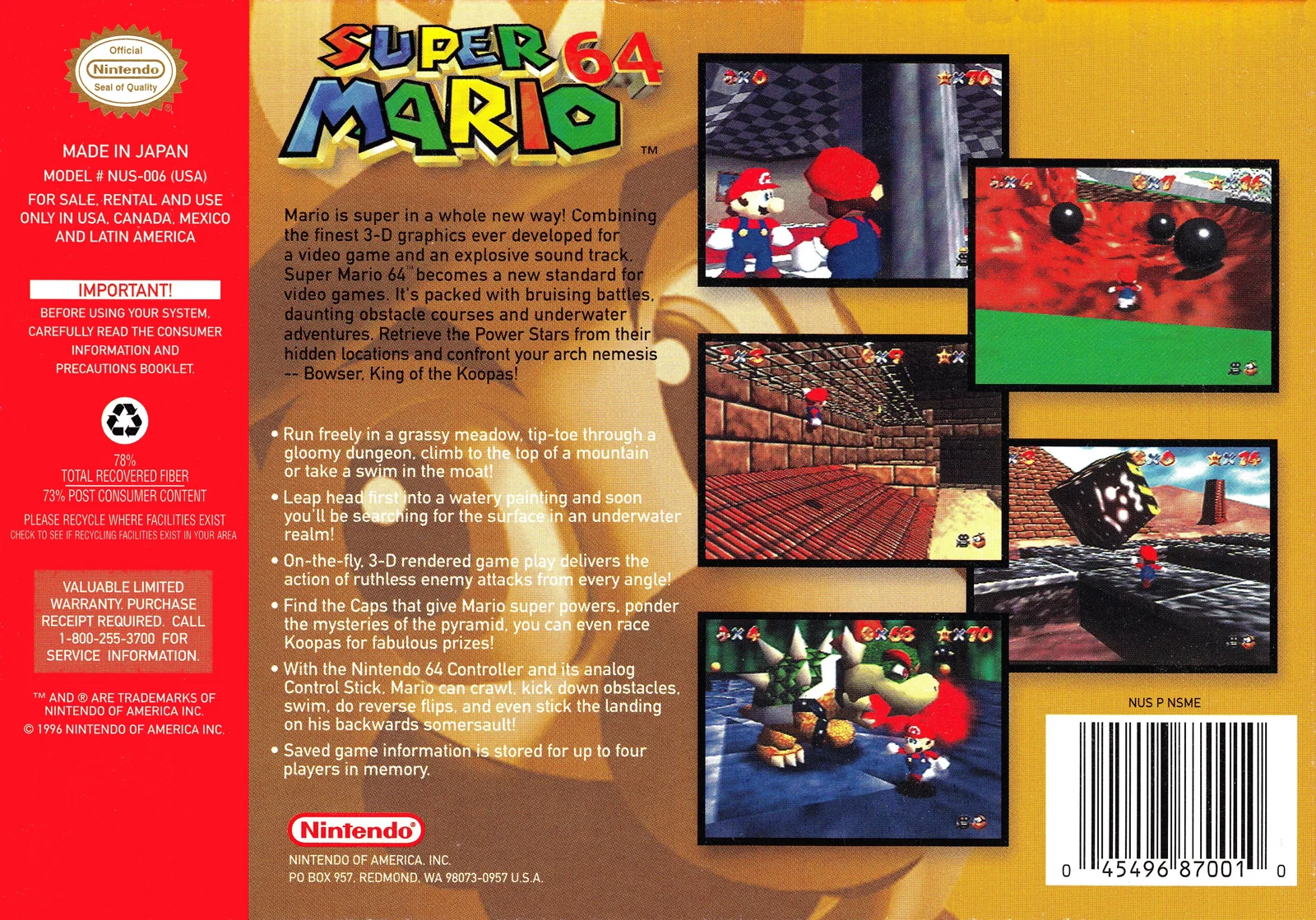
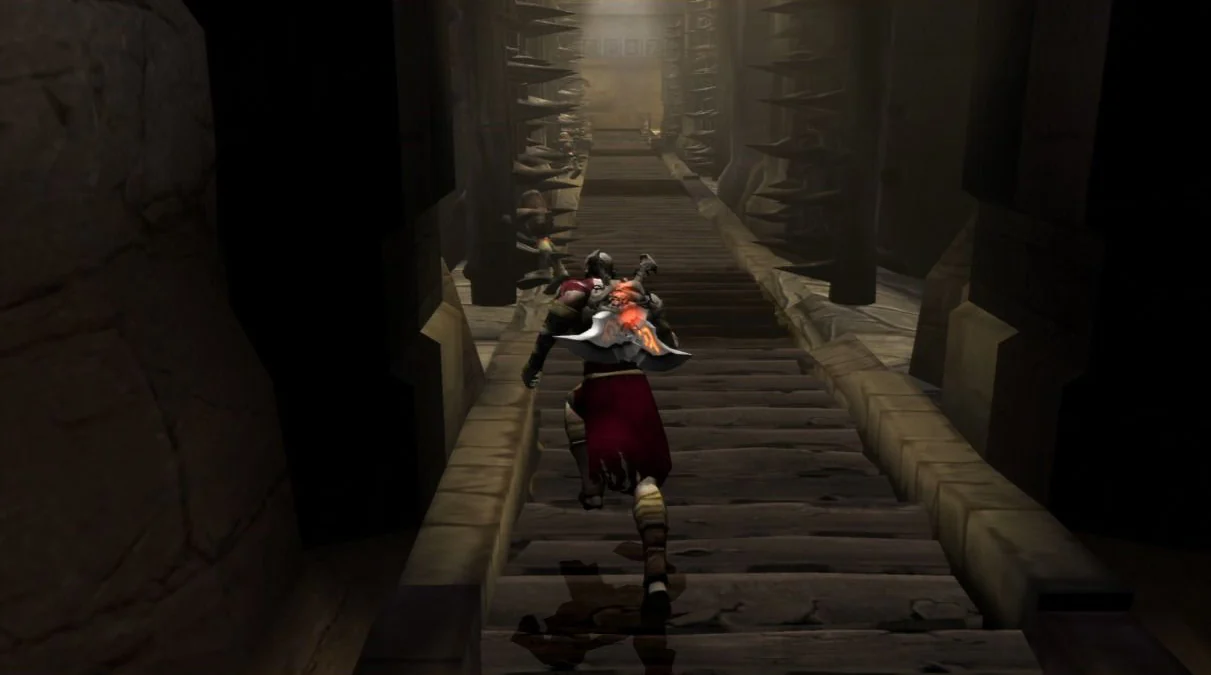
For Super Mario 64 and The Legend of Zelda: Ocarina of Time, ask for clear photographs of the front and back of the exact Nintendo 64 cartridges, including the label, shell, contacts and any visible region or edition markings. For Shadow of the Colossus and God of War, request both sides of the exact PlayStation 2 disc, the case, cover, manual and inserts if they are included. For Phoenix Wright: Ace Attorney and Final Fantasy III, request front and back cartridge images, label condition, contacts, case and inserts.
Ask the seller to add a current photo showing the item beside a handwritten note with the listing name or date. This can help establish possession, but it is not authentication. A label, seal, screw, shell, visible board or software title screen cannot independently prove originality, region, working condition or complete contents. Photos show only what is visible and may omit defects outside the frame.
For a disc, ask specifically about cracks around the center hub, deep scratches, resurfacing, disc rot, missing artwork and whether the disc is the exact one shown. For a cartridge, ask about corrosion, damaged contacts, cracked plastic, replaced labels, reproduction shells and save behavior where applicable. Do not instruct a seller to perform invasive testing or internal repairs merely to satisfy a listing question.
If authenticity materially affects the purchase, use a qualified specialist or a marketplace process designed for that kind of authentication. A catalog cover, gameplay screenshot or supplied library image is illustrative, not evidence of the seller’s item.
- Ask whether the pictured copy is the exact copy that will be shipped.
- Request front, back, label, contacts or disc-surface photographs as applicable.
- Request a current possession photo, while treating it as limited evidence.
- Record every missing component, defect and uncertainty in the marketplace messages.
- Do not call an item authentic from one photo, one seal or one boot screen.
Seller questions that produce useful evidence
Ask specific questions rather than relying on “Does it work?” For a cartridge, ask whether it has been tested in a compatible console, whether it saves correctly where applicable and whether the contacts, shell or label have damage. A seller who has not tested an item can say so; uncertainty is more useful than an unsupported guarantee.
For a disc, ask whether it has been tested in a compatible PlayStation 2, whether it loads consistently, whether it has been resurfaced and whether the case contains the correct disc and artwork. Testing claims still do not authenticate the release or prove that no fault will appear later, but they establish what the seller is actually representing.
Confirm what “complete” means in that listing. A box may lack the original manual, inserts or correct regional artwork. A copy of God of War or Shadow of the Colossus may be a different edition from the one pictured. A Nintendo DS game may be loose even though a stock image shows a case. Ask whether accessories, promotional materials and manuals are included rather than interpreting a broad title as a contents list.
Ask how the item will be packed and whether returns are accepted under the marketplace’s rules. The seller’s answers should be consistent with the listing and should remain visible on-platform.
- What exact title, region, edition and included components are being sold?
- Is the item tested, and what specific faults or limitations are known?
- Are the photos of the exact item rather than stock or catalog artwork?
- How will a cartridge, case or disc be protected during shipping?
- Will all payment and communication remain inside the marketplace?
- What is the seller’s stated return position within the platform’s rules?
Compatibility and edition checks before payment
A matching game title is not always a matching purchase. Confirm that the Nintendo 64 cartridge is intended for the console region and hardware setup you use. Do the same for Nintendo DS cartridges, especially when language, regional packaging or a particular release matters to your collection. For PlayStation 2 discs, check region, edition and console compatibility rather than assuming every disc works in every system.
Separate loose copies, complete-in-box copies, budget editions, greatest-hits releases, regional variants and reconstructed packaging. The box can belong to a different edition from the disc or cartridge inside. A clean label does not prove that the shell contains the correct board, and a matching disc label does not prove that the case, manual and inserts are original or included.
Write down your minimum acceptable version before contacting sellers. If you want the North American edition with original case and manual, a cheaper loose or reconstructed copy is not an equivalent substitute. If you only want to play, condition and completeness may matter less, but compatibility and a usable return route still matter.
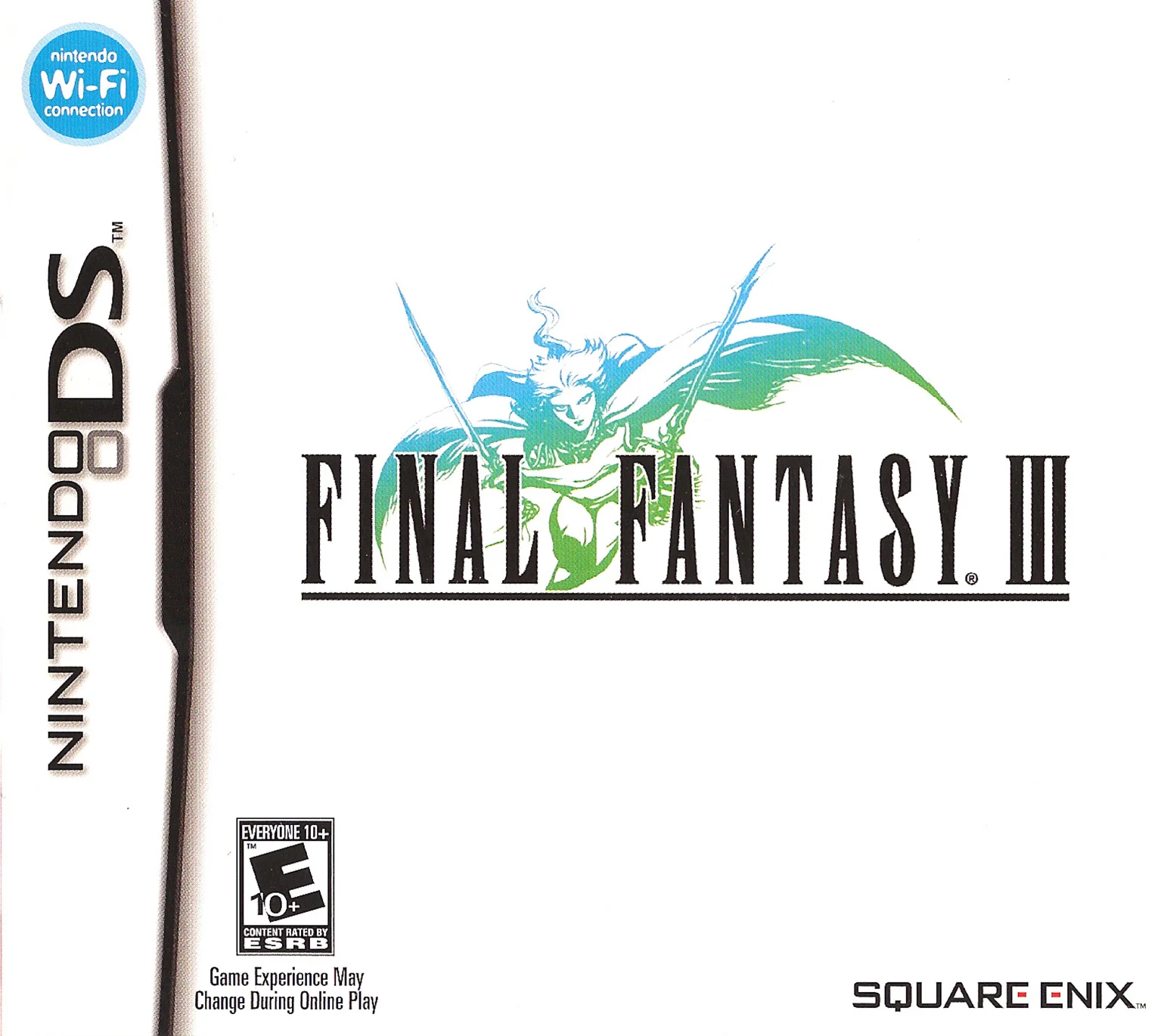
Be careful with title ambiguity. Final Fantasy III on Nintendo DS is a specific Nintendo DS release, while other games with the same title exist on different platforms and in different regions. Ask for the platform, region and exact physical contents instead of relying on a title-only search result.
- Confirm console model, region and intended language before comparing listings.
- Match the cartridge or disc to its case, cover and edition rather than assuming they belong together.
- Decide whether you need loose, boxed, complete or collector-grade contents.
- Ask whether packaging is original, reproduced, reconstructed or absent.
- Reject a listing when the seller cannot identify the exact release being sold.
Compare total cost, not just the private price
An off-platform offer can look cheaper because it omits marketplace fees or shipping details. Compare it against several listings with similar region, completeness, condition and return terms. Do not compare a loose, untested cartridge with a tested complete copy and call the difference a discount.
Your total-cost worksheet should include the item price, shipping, tax, marketplace or payment fees, return postage, inspection or authentication costs and any accessories needed to use the game. Add the financial risk of losing the entire payment when protection is unavailable. A lower number is not necessarily cheaper if the transaction gives you no practical way to recover money.
Protection has value even when nothing goes wrong. It preserves a formal route for an item that never arrives, arrives damaged, or turns out to be a different edition. That does not mean every protected purchase is safe or every unprotected one is fraudulent; it means the risks are not equivalent.
Compare completed transactions or currently available listings only when the comparison is genuinely like-for-like. Match platform, region, edition, completeness, stated testing, condition and return terms. Do not use an old sale, a different release or a stock-photo listing as proof that a private offer is fair.
- Compare like with like: same platform, region, edition and completeness.
- Add shipping, tax, fees, return postage and specialist inspection costs.
- Treat the possible loss of all funds as part of an off-platform offer’s cost.
- Do not accept a private discount until you understand which protections disappear.
- Choose a higher documented total when the cheaper route leaves no workable dispute path.
A safe refusal and reporting process
Keep your response short so it does not become a negotiation. You can write: “I only pay through the marketplace’s official checkout. Please keep the listing and messages here. If that does not work, I will pass.” Do not explain how much money you have, send a partial payment or offer a different private service.
If the seller persists, stop replying. Capture the listing, seller profile, messages, payment request, recipient details and any external link. Report the listing or account through the marketplace’s official reporting path, then block the account if appropriate. Do not click suspicious links merely to gather more evidence.
If you already paid, contact the marketplace and payment provider promptly through official channels. Preserve the order page, messages, receipts, tracking information and delivery photos. If you paid by card, ask the card issuer about its dispute process. If you used a payment service, open its official resolution process and review its eligibility rules. Do not send additional money to unlock a refund, and do not let a seller move the dispute outside the provider’s documented process.
- Use the refusal script without moving the conversation elsewhere.
- Stop negotiating after the seller rejects official checkout.
- Save screenshots and account details before reporting or blocking.
- Contact the marketplace and payment provider through self-opened official channels.
- Never pay a second time to release, reverse or recover the first payment.
The final stop-or-proceed checklist
Proceed only when the exact item, edition, contents, known defects, shipping plan and return expectations are documented. The seller should answer consistently, the payment should remain in the marketplace’s approved checkout, and you should know the deadline for reporting a problem immediately after delivery. When the game arrives, preserve the packaging and document the item before discarding anything.
Walk away when the seller demands off-platform payment, pressures you to act immediately, asks for gift cards or cryptocurrency, requests login or verification codes, sends conflicting recipient details, refuses to keep terms on-platform or claims that buyer protection is unnecessary. A convincing listing cannot compensate for a broken transaction record.
For collectible copies of Ocarina of Time, Super Mario 64, Shadow of the Colossus, God of War, Phoenix Wright or Final Fantasy III, uncertainty about authenticity or completeness may justify a specialist opinion. For a play copy, you may accept ordinary wear, but you still should not accept avoidable payment risk. The safest purchase is the one whose item evidence and payment route remain understandable after the excitement of finding it has passed.
- Exact game, platform, region and edition are identified.
- Photos show the seller’s item, while remaining evidence rather than proof.
- Defects, testing status and included components are recorded.
- Payment uses the marketplace’s official checkout.
- The return and dispute deadline is understood.
- No urgency, impersonation, private link or payment mismatch remains.
- If any major condition fails, leave the transaction.
Retro collecting rewards careful comparison, but no cartridge label or attractive disc photo can repair a payment route that removes your practical protection. Keep the transaction on-platform, verify account activity independently and treat pressure as a reason to pause rather than a reason to pay faster.
A seller who accepts your safety boundary may still offer an imperfect game that needs inspection. A seller who rejects that boundary has already made the most important buying decision for you: walk away.