A marketplace claim usually depends on a sequence of ordinary records: what the seller promised, what you paid for, what arrived, and how quickly you reported a meaningful difference. A listing photograph, seller message, payment receipt, unboxing video or console test can each clarify one part of that sequence, but none proves authenticity or guarantees a refund on its own.
The safest approach is to preserve evidence before a listing changes, keep every important conversation inside the marketplace, and compare the received game against the original description rather than against memory. Policies and deadlines vary by platform, order and location, so check the current rules attached to the transaction before relying on any general timeframe. These practices apply to Nintendo 64 cartridges, PlayStation 2 discs and Nintendo DS cartridges alike.
1. Define the problem before you buy
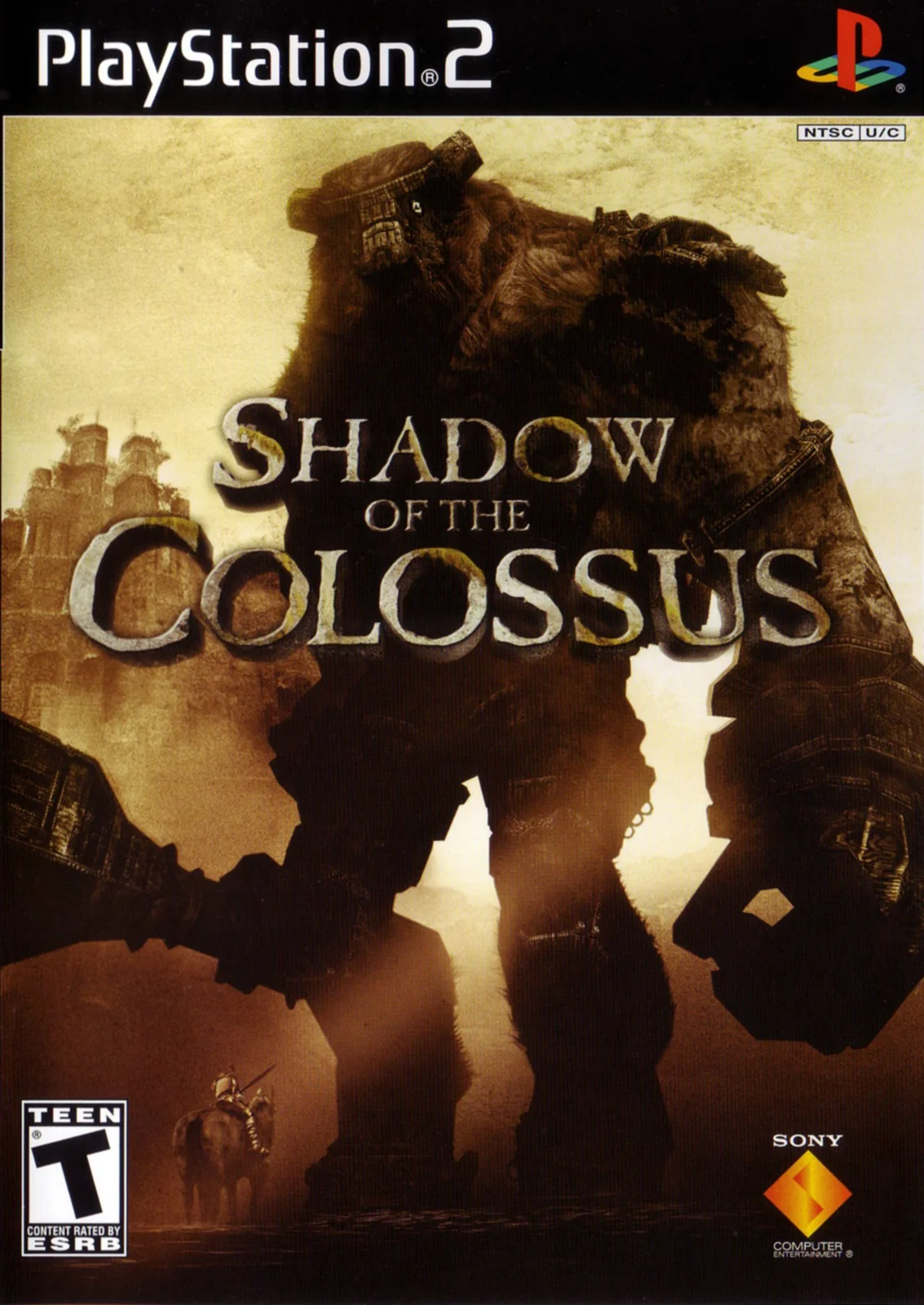
Different problems call for different evidence. A parcel that never arrives needs an order record and delivery information. A damaged Shadow of the Colossus disc needs photographs of the packaging, disc and case. A missing manual in a supposedly complete God of War set requires the description, included-items list and images saved before checkout. A wrong platform, region or edition is best shown by comparing the listing’s wording with the received label or packaging.
Treat suspected counterfeiting as a question requiring multiple consistent observations, not as a conclusion drawn from one unusual font, screw or software screen. A matching label, intact seal, visible board or familiar box design can support an identification, but each can also appear on altered, incomplete or reproduced items. If authenticity matters, preserve the evidence and seek qualified specialist assistance rather than opening the cartridge or removing a disc label.
- Classify the possible issue: non-delivery, transit damage, wrong item, missing contents, undisclosed condition, compatibility problem or authenticity concern.
- Write down the exact remedy you need: return, replacement, partial resolution if offered by the platform, or specialist assessment.
- Do not describe intent, fraud or counterfeit status unless your evidence actually supports that claim.
2. Save the listing before payment
Marketplace pages can be edited, removed or replaced by a seller’s later photographs. Before paying, save the order page or listing address, title, seller’s condition statement, platform and region, edition language, quantity, included accessories and every relevant image. Capture the checkout total, shipping charge, taxes or other unavoidable fees, estimated delivery date and order number. A saved page is more useful when it shows identifying details rather than only a cropped game photo.
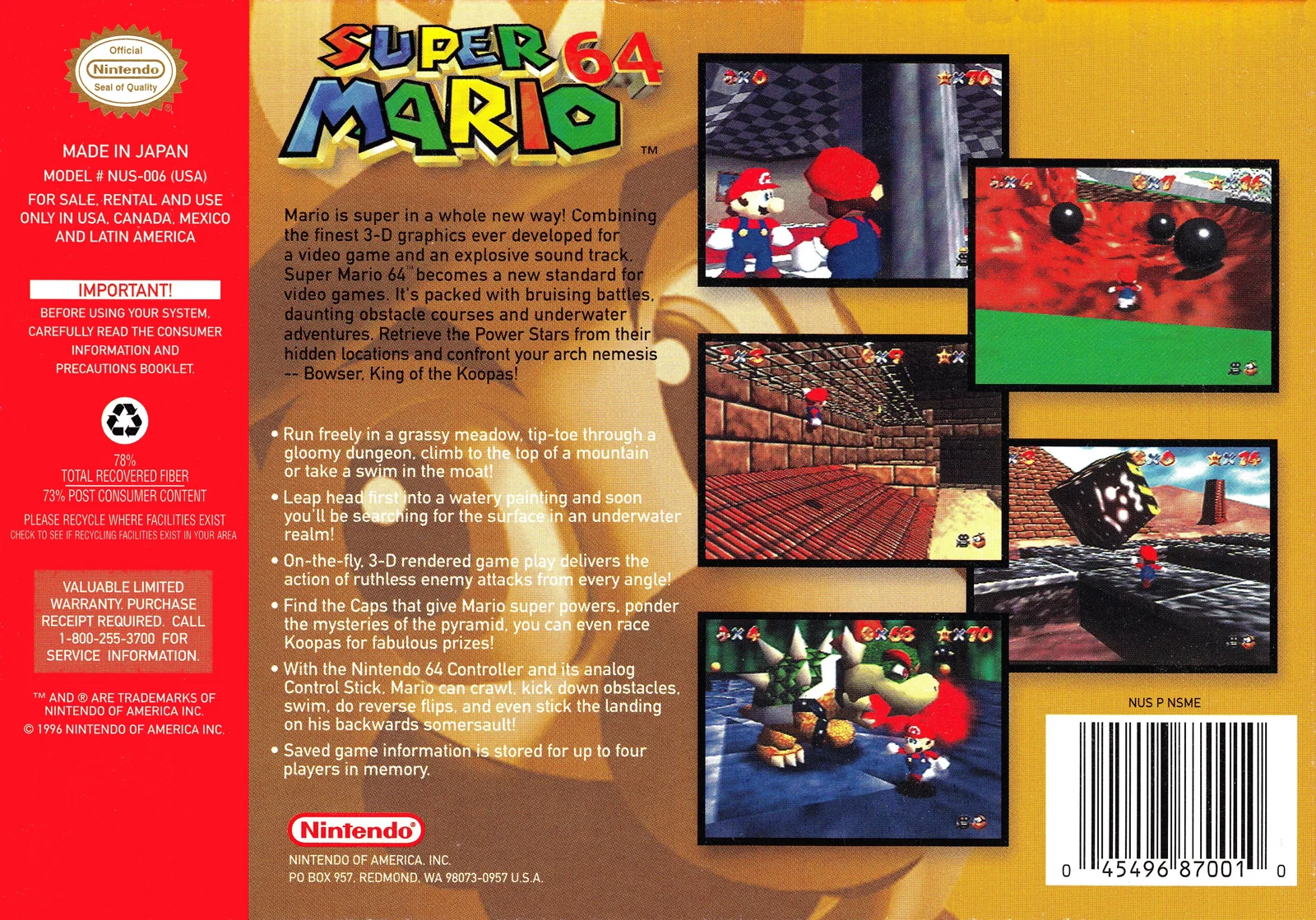
For an N64 copy of Super Mario 64 or The Legend of Zelda: Ocarina of Time, record whether the listing promises a cartridge only, a box and manual, a particular regional release or a tested save function. For a PS2 copy, preserve whether the seller describes a single disc, a multi-disc set, an original case, inserts or a specific edition. For Phoenix Wright: Ace Attorney or Final Fantasy III on Nintendo DS, note whether the seller claims the cartridge, case, manual and inserts are included. Catalog artwork is useful for comparison, but it is not evidence that the seller shipped that exact copy.
- Save the complete description, not just the headline.
- Keep original-resolution listing photos when the platform permits it.
- Record seller answers about flaws, testing, region, completeness and packaging.
- Save the final payment confirmation and transaction identifier.
3. Ask questions that create a useful record
Good questions reduce ambiguity without asking the seller to make an impossible guarantee. Ask whether the photographs show the exact item being sold, whether known flaws are visible, whether the game is used or refurbished, and which accessories or printed materials are included. For a cartridge, ask about cracks, corrosion, label damage and whether it has been opened or modified. For a disc, ask about deep scratches, cracks near the center hub, resurfacing and whether the case or inserts pictured are included.
Ask how the seller tested the game, but treat the answer as a statement of what was promised rather than proof that the copy works. A seller who says a title was tested has not established that it will load on every console, region setup or disc drive. Ask about packaging too: a loose cartridge in a thin mailer and a disc without hub protection carry different transit risks. Keep these questions and answers in the platform’s messaging system.
- Confirm title, platform, region and edition.
- Ask whether the photographed item is the exact item shipped.
- Ask for known defects and missing components in plain terms.
- Ask what testing was performed and how the item will be packaged.
- Treat refusal, vague answers or pressure to pay elsewhere as a reason to stop.
4. Check compatibility before calling a game defective
A failed test is not automatically evidence that the seller sent a faulty game. First verify that the cartridge or disc matches the console and region you intend to use. Confirm the relevant Nintendo 64, PlayStation 2 or Nintendo DS hardware, regional format, accessories and display or adapter chain. Regional differences, console modifications, failing cartridge connectors, damaged optical drives and unsuitable adapters can all complicate a result.
Use a known-compatible setup and perform only a reasonable user-level check. Observe whether the item is recognized, reaches its title screen and behaves consistently during a short test. Do not repeatedly force a cartridge, aggressively clean contacts, polish a disc, open a shell or attempt board or electrical repair. Altering the item can damage it and make the condition harder to compare with the listing.
Record what happened precisely. “The cartridge was not recognized by my identified console after two normal insertions” is more useful than “the game is fake.” “The disc reached the title screen but stalled during loading” identifies an observation without claiming a cause that has not been established.
- Verify console model, region and required accessories.
- Record the setup and the observable behavior without overstating the result.
- Stop testing if the item may be damaged by further attempts.
- Keep the game in the received condition while the platform reviews the issue.

5. Photograph the parcel before opening it
Shipping damage is easiest to explain when the outer package is documented before it is discarded. Photograph all sides of the unopened parcel, the shipping label, crushed corners, punctures, wet areas, torn tape and any carrier markings. If the package appears badly damaged, make wide photographs that show its overall condition and close-ups that show the specific damage. Do not rearrange or throw away packaging before checking the contents and reading the marketplace or carrier instructions.
A label can connect a package to an order, but it does not prove what was inside. Keep the box, mailer, padding, bags, tape and packing material together. If the game itself is damaged, photograph the relationship between the item and the packaging before removing everything. Carrier claims may have separate requirements, and the platform may direct you to a particular process. Follow the responsible service’s instructions rather than filing contradictory claims.
- Photograph the parcel from multiple angles before opening it.
- Capture the shipping label and visible damage clearly.
- Retain exterior packaging, inner padding and contents.
- Note the delivery date and time in your records.
- Do not discard damaged packaging while a claim may be needed.
6. Make the unboxing record specific, not theatrical
A continuous unboxing recording can help show the order in which a parcel was opened, especially for a bundle or a game with several inserts. It is strongest when combined with still photographs and the saved order record. Begin with the sealed parcel and label, show the package being opened, then record each item as it is removed. Avoid claiming that a video proves the item’s identity or authenticity; it documents what was visible during that opening.
Take close-up stills of an N64 or DS cartridge’s front and rear labels, shell, edges, connector area and visible cracks or corrosion. For a PS2 disc, photograph the label side, reflective data side, readable identifiers, center hub and case. Photograph manuals, inserts, memory cards or other components separately and together. Do not open a cartridge or disassemble a case to obtain more evidence.
Keep the original video and still-image files. An edited clip may be easier to view, but the unedited files, listing capture, order record and dated photographs give the platform a clearer sequence of events.
- Use a continuous recording when practical, but preserve still photographs too.
- Show all received components, including packing materials.
- Photograph labels, shells, disc surfaces, hubs, cases and inserts.
- Use neutral descriptions such as “crack visible near the edge” rather than unsupported conclusions.
- Keep the original files and do not rely only on edited clips.
7. Compare the item with the original claim
Create a side-by-side comparison using the listing capture on one side and the received item on the other. Check the title, platform, region, edition, quantity, completeness and visible condition. Compare distinctive details such as label placement, case artwork, disc identifiers, cartridge shell color and included inserts, while remembering that visual similarity is not authentication. A listing may show a stock image, an example copy or an item that was later swapped, so document the mismatch without assuming why it occurred.
Functional behavior belongs in a separate part of the comparison. Note the console model, accessories and test result, along with the date. “Does not load in my console” is more useful than “fake” when the evidence does not establish the cause. If the title loads but a promised manual is missing, focus the report on the missing component rather than claiming the entire game is defective.
For a bundle, photograph all parts together before separating them. This helps show whether a manual, case insert, bonus disc or other component was absent at delivery. Never return a different copy or mix components from another game.
- Compare every promised component with what arrived.
- Separate visible mismatch from uncertain authenticity concerns.
- Record console and test conditions for any functional complaint.
- Use dated photographs that show the specific discrepancy.
- Do not return a different copy or mix components from another game.
8. Use the platform’s formal workflow promptly
Keep the first complaint factual and inside the marketplace. Identify the order, describe the observable mismatch, attach the relevant photographs and request the remedy offered by the platform. Avoid accusations, threats or long speculative explanations. Preserve the seller’s response, including any request to troubleshoot or return the item. A message sent in a general chat may not start a formal claim, so use the order’s return, help or dispute workflow when the platform requires it.
eBay’s Money Back Guarantee generally covers eligible purchases that do not arrive, arrive damaged or faulty, or do not match the listing. The purchase must be completed through eBay with an eligible payment method, and the buyer must follow the applicable time limits and other requirements. For an item reported as damaged, broken or faulty, eBay’s return guidance requires at least one relevant image and allows up to ten images. The general not-as-described deadline is 30 calendar days after the estimated or actual delivery date, or the seller’s longer stated return window where applicable, but exclusions and category-specific rules can differ.
Mercari’s current guidance gives buyers 72 hours after confirmed delivery to report an item that is not as described through its Help Center. If no claim is made during that period, the transaction can complete and funds can be released. Mercari also advises buyers to document seller communication and not communicate outside the service. PayPal’s Purchase Protection distinguishes between an item not received and an item significantly not as described, including a materially different, misrepresented, counterfeit or unusable item. Its dispute guidance says an unresolved dispute automatically closes after 20 days unless escalated to a claim. These policy descriptions support preparation; they do not promise a refund or favorable decision.
- Check the current policy and deadline for the specific order.
- Do not rate or close the transaction while a genuine issue is unresolved.
- Submit evidence through the official return or dispute page.
- Keep the description concise, factual and tied to the listing.
- Do not move payment or negotiation off-platform.
9. Treat returns as a second evidence event
If the platform authorizes a return, photograph the item and every included component together before packing. Photograph the item again inside the package, then photograph the sealed parcel and shipping label. Use the return method and tracking service required by the platform; independently verifiable tracking and proof of delivery can matter to the decision. Retain the receipt and monitor the tracking until delivery is recorded.
Return the same item in the same condition, except for reasonable use needed to determine quality or function. Do not add replacement parts, remove labels, polish the disc or send a different cartridge. If the seller or platform requests a particular method, follow the written instruction in the official case. Do not assume that return shipping will be reimbursed by a payment provider; check the applicable terms before sending anything.
For shipping damage, keep the original exterior packaging and contents until the platform or carrier says they are no longer needed. A carrier may require evidence of the damaged parcel, packaging and contents, while the marketplace may require its own return or dispute procedure.
- Photograph the complete return contents before packing.
- Use the authorized label or method when required.
- Retain receipt, tracking number and delivery confirmation.
- Keep copies of all case messages and uploaded files.
- Never alter or substitute the item being returned.
10. Know when to stop the purchase
Evidence helps after a problem, but it is most valuable before money changes hands. Walk away when a seller refuses protected platform payment, insists on off-platform contact, supplies only unrelated stock photos, will not identify the region or edition, avoids questions about defects, pressures you to decide immediately or cannot explain how a complete set is defined. A low total cost is not a reason to accept an unresolvable description.
Stop making a definitive authenticity claim when the record only shows uncertainty. Labels, seals, screws, boards and packaging can provide clues, but none independently proves originality. If the item is valuable enough that uncertainty would change your decision, use a qualified specialist or choose a listing with clearer evidence and a usable return process.
Also stop before purchase when the total cost is unclear. Compare the item price, buyer fees, shipping, taxes, required accessories, possible specialist inspection and the cost of returning a disputed item. A cheaper listing can become the riskier purchase if it lacks clear photos, protected payment or a practical return path.
- Do not buy when protected payment is rejected.
- Do not rely on one photograph, seal, label or software screen.
- Do not purchase an item whose region or completeness is unclear.
- Do not proceed if the seller pressures you to bypass marketplace rules.
- Choose a different listing when the evidence cannot answer your basic questions.
A strong marketplace record is built in order: preserve the listing, confirm the promise in messages, document the parcel, photograph the actual contents, perform only a compatible and limited check, and report a material mismatch through the official workflow. That record can make the facts easier for a platform or payment provider to evaluate, but it cannot guarantee a particular decision.
For N64 cartridges, PS2 discs and Nintendo DS games, the best protection is still a clear listing, a responsive seller, a protected payment method and a return process you understand before checkout. Keep the evidence, communicate promptly and stop when the facts are not strong enough to support a confident purchase.