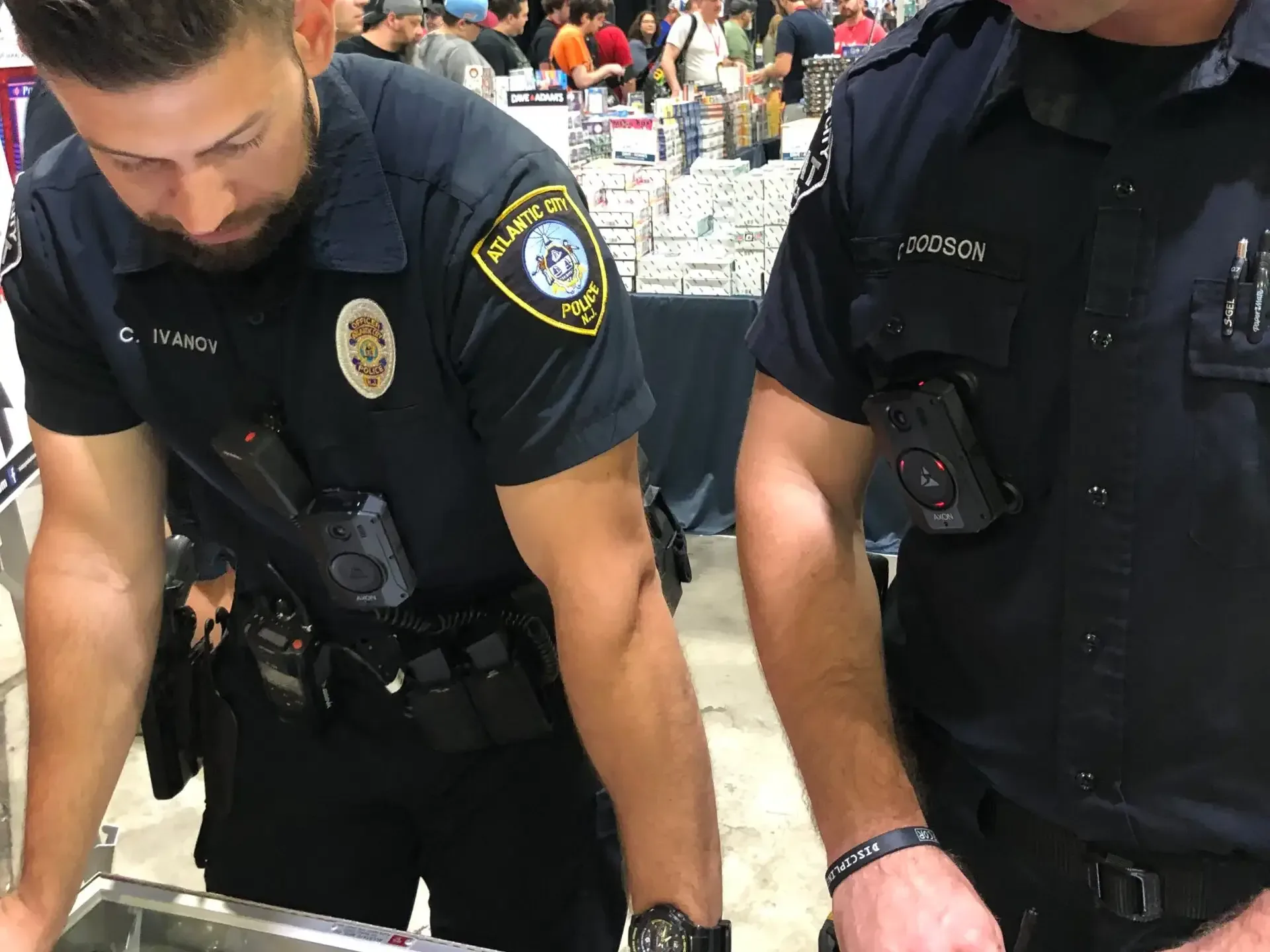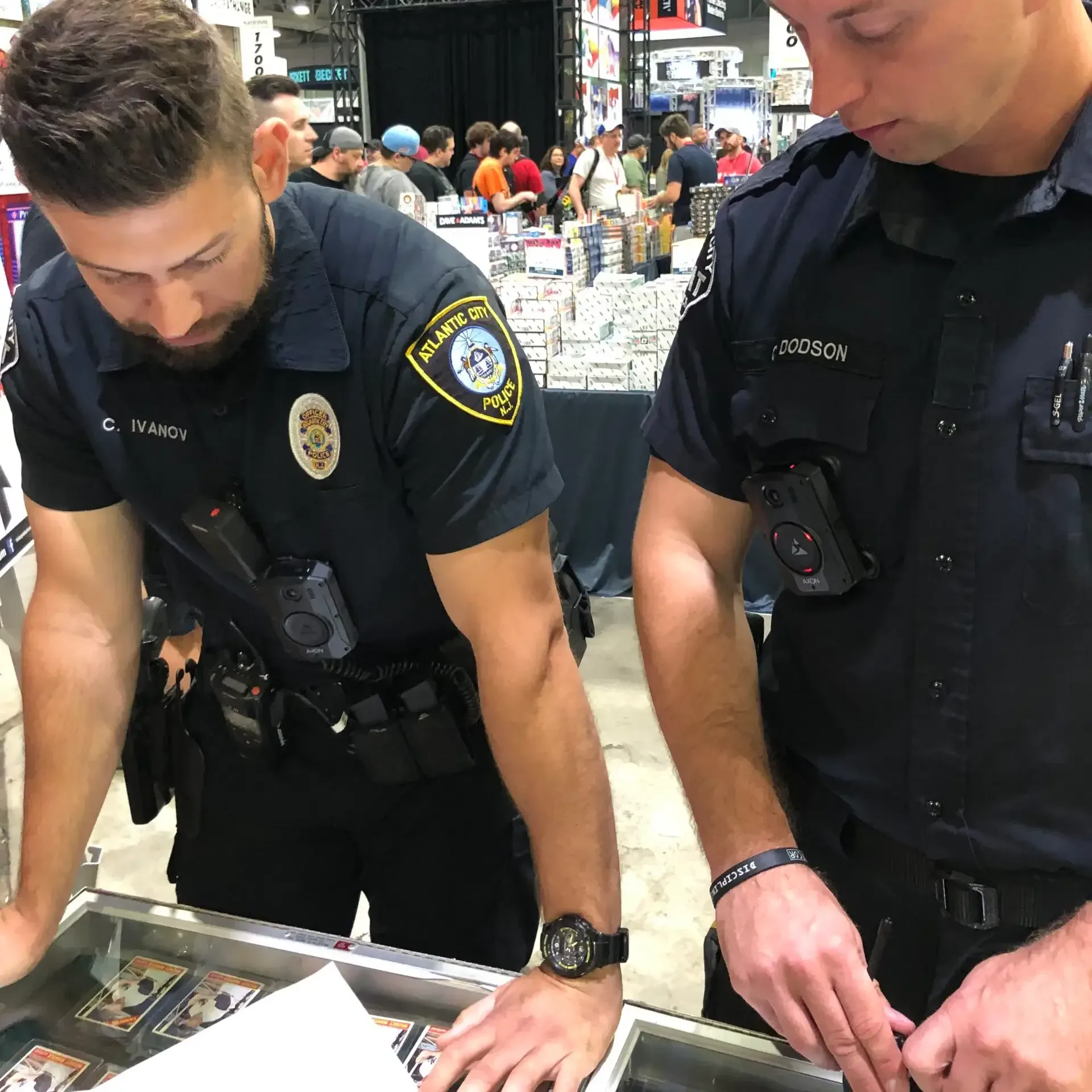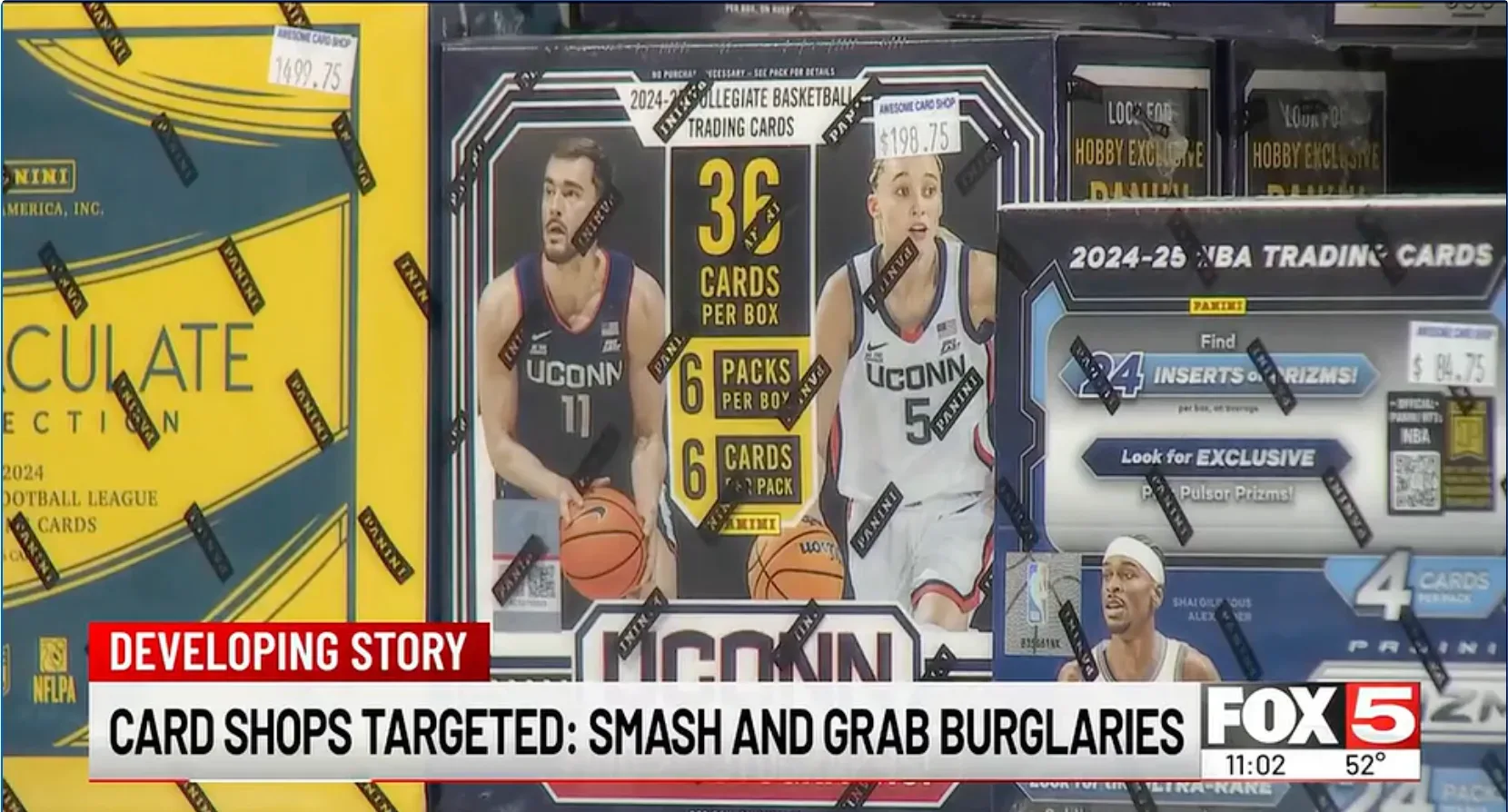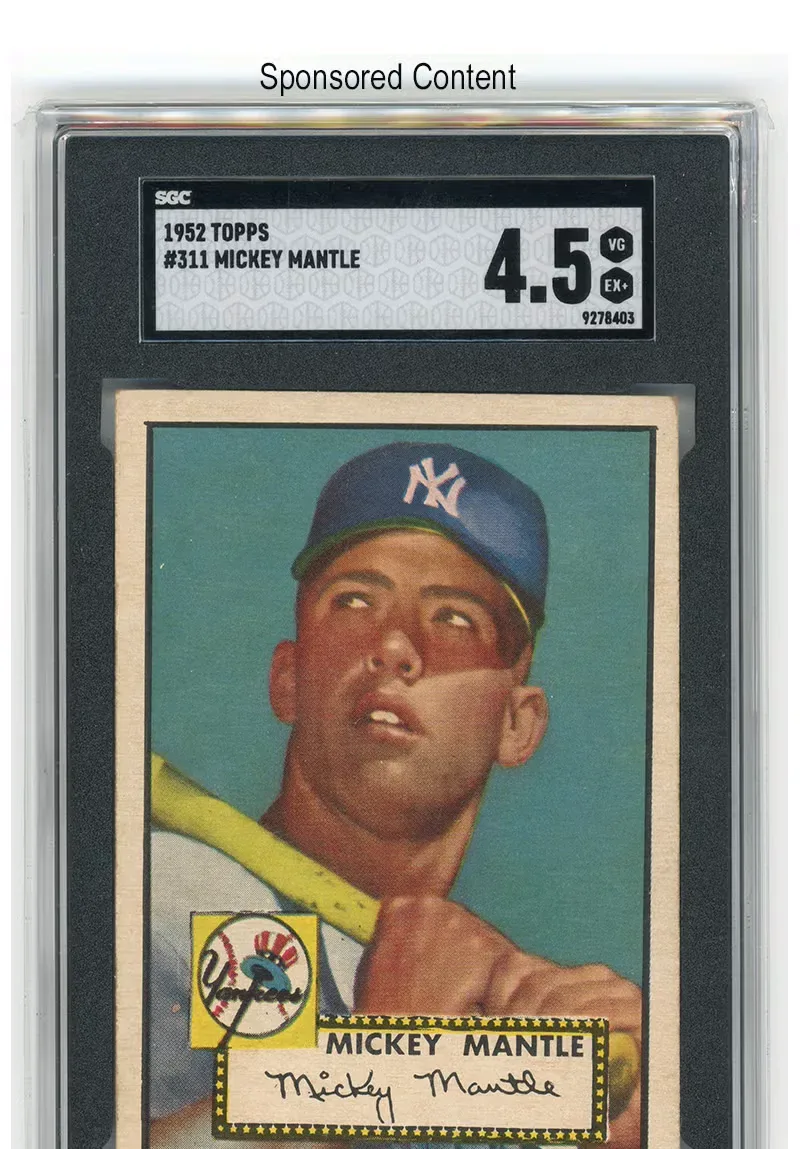
Trading cards are meant to be handled, shown, traded and enjoyed. But a healthy market for valuable cards can also attract theft, break-ins and dishonest behavior. That risk is not limited to store owners or full-time dealers. A collector bringing a small case to a show, arranging a local purchase or sharing too much about a collection online can face many of the same exposure points.
The useful response is not panic, nor is it turning every hobby interaction into an interrogation scene from a detective game. It is building simple habits that make an opportunistic theft harder, reduce the amount of information available to strangers and ensure that a single mistake does not put an entire collection at risk.
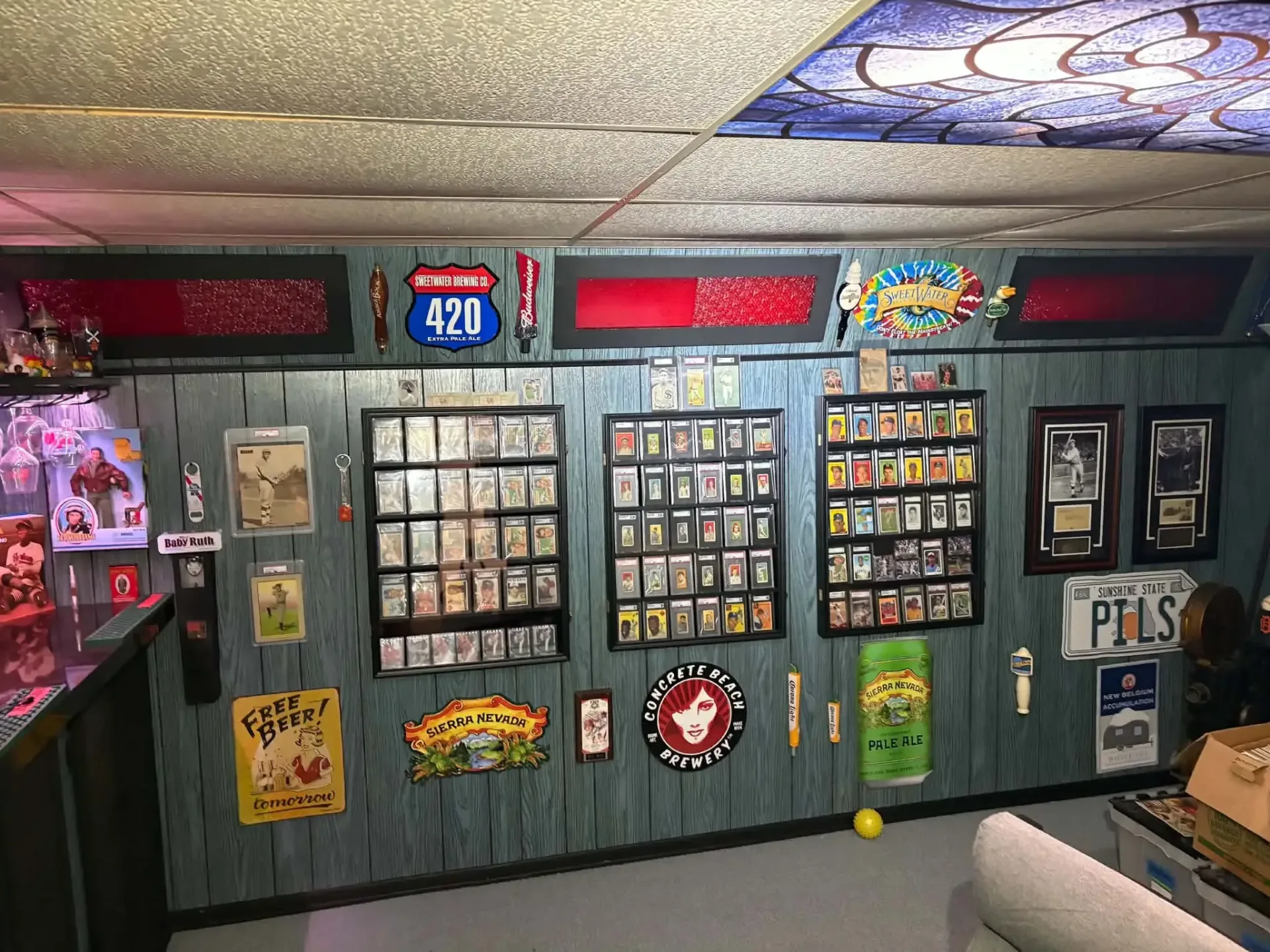
Recent concern around residences being targeted because people knew expensive cards were inside underlines a central rule: collection security begins before anyone reaches a show table or trade night. It begins with privacy.
Start with privacy around a collection
Collectors often want to celebrate a major pickup, a prized vintage card or a successful sale. Sharing the hobby is part of its appeal. The security issue is not enthusiasm itself; it is connecting that enthusiasm to details that identify where valuable property is stored.
A sensible boundary is to avoid publicly advertising a home address alongside the existence, scale or value of a collection. The same principle extends to people in the household. Family members should understand why a collection is not something to casually discuss in public posts, conversations with strangers or online groups.
This is a matter of limiting unnecessary exposure, not assuming that every fellow collector has bad intentions. Most people in the hobby are there to enjoy cards. Yet privacy works best as a default because it does not require a collector to decide, in the moment, who deserves access to sensitive details.
Practical privacy habits
- Do not publicly connect a home location with descriptions of expensive cards kept there.
- Think carefully before posting a collection in a way that reveals an address, routine or other identifying information.
- Ask household members not to publicize the collection or its location.
- When arranging a local deal with someone unfamiliar, avoid automatically making a home address the meeting point.
These measures will not eliminate risk, but they reduce the amount of useful information available to someone looking for an easy target. In security terms, that is valuable: fewer details in circulation generally means fewer opportunities for a bad actor to plan around a collector’s habits.
Use a layered approach to storage at home
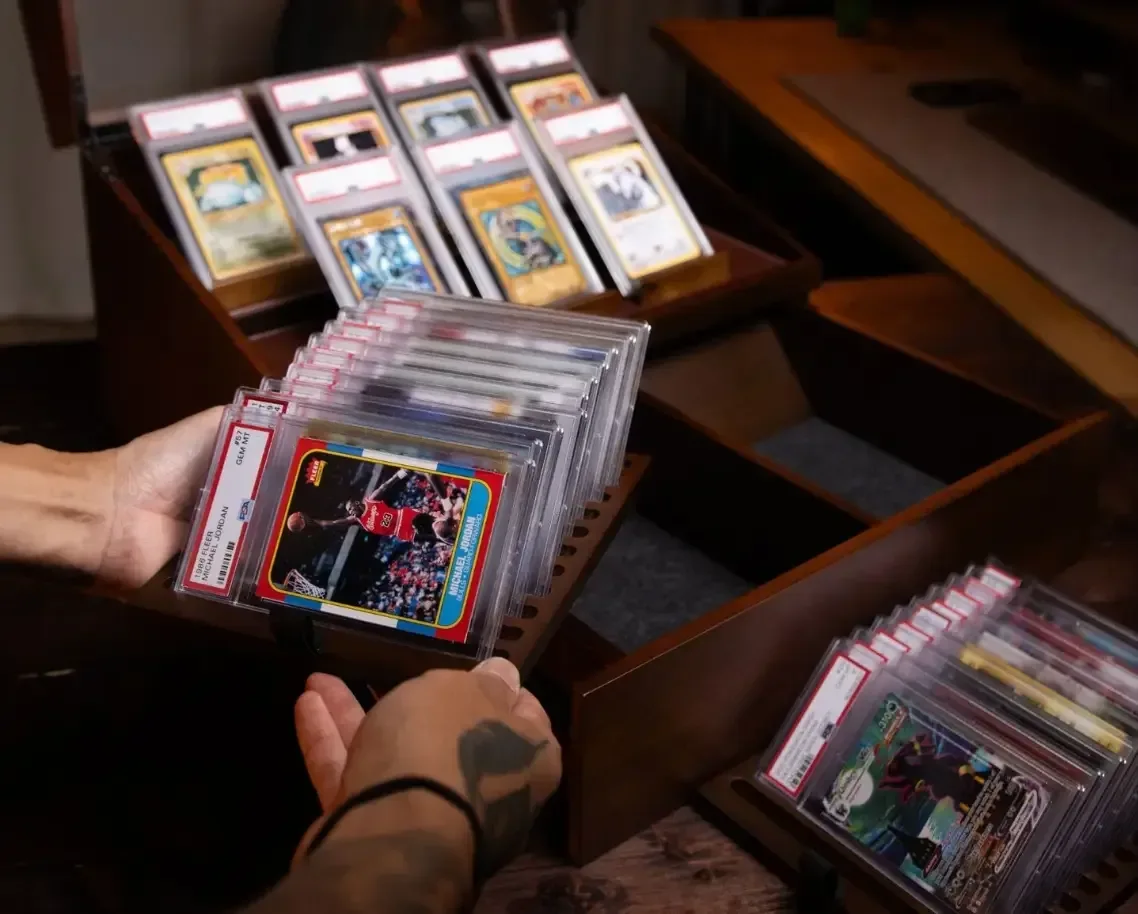
One protective measure should not have to carry the whole job. A sturdy safe can provide a meaningful barrier for cards kept at home, particularly for a collector’s most important items. For cards of exceptional significance, a bank safe-deposit box is another option worth considering.
A safe-deposit box is not the same as having a card immediately accessible for a show, sale or trade. That trade-off is exactly the point. It separates the cards a collector wants readily available from those that are too significant to leave exposed to ordinary household access. A home safe, meanwhile, can offer a practical middle ground for items that need to remain on hand.
The larger idea is segmentation: do not treat every card as if it carries the same risk. A collection may include trade inventory, personal favorites, cards intended for an upcoming show and major pieces that rarely need to leave secure storage. Storing all of them in one convenient place can make day-to-day collecting easy, but it also concentrates the consequences of a single loss.
Collectors should make storage decisions around their own use, but the underlying priority is clear. The more significant the card, the stronger the case for an added layer of protection.
Choose safer terms for local buying and selling
Local deals can be useful, especially when someone wants to examine a card or a collection in person. They also create a moment where valuable cards, cash and personal location information can overlap. If the other party is not very well known, meeting in a public location is a sensible option.
Public does not guarantee safety, but it changes the environment. A meeting is no longer automatically tied to a collector’s residence, and there are more people nearby. It also helps establish a clear division between a transaction and private life: a buyer or seller needs enough information to complete the deal, not necessarily knowledge of where a collection lives.
Collectors should be especially cautious about the temptation to make convenience the deciding factor. Inviting an unfamiliar person over may feel simpler than transporting cards, but it also shares an address and can reveal more about the home than the deal requires. The advice is not that every local transaction must happen the same way. It is that familiarity and trust should matter when deciding whether a home meeting makes sense.
At card shows, keep custody of the case
A card show creates a fast-moving setting: conversations, crowded aisles, quick transactions and frequent distractions. That is why the most basic show rule remains one of the strongest: know where the card case is at all times.
“Custody” simply means maintaining control over an item. For a case, that means it is in hand, physically secured or continuously within sight. Setting it down briefly, leaving it near a chair or assuming someone else is watching it creates an opening for it to disappear. The problem is often not a dramatic confrontation. It can be one distracted moment amid a busy room.
Plan ahead so the case is not an afterthought. Know what you are bringing, keep it organized and avoid carrying more than the day actually requires. The less time spent rummaging through a large, loose assortment of cards, the easier it is to maintain awareness of the case and its contents.
For collectors traveling to and from a show, company can also be helpful. Leaving with friends rather than alone is a straightforward precaution, especially after a day in which other attendees may have seen cards or cash change hands.
A show-floor checklist
- Keep a card case in hand, secured or plainly within view rather than set aside.
- Bring only the cards necessary for the day’s intended buying, selling or trading.
- Stay alert during transitions: loading in, packing up, visiting an ATM and leaving the venue.
- Do not display more cash than a transaction requires.
- When possible, depart with a group instead of alone.
Cash convenience should not become a visibility problem
Cash remains part of many card transactions, and some dealers prefer it. That means collectors should not assume an app or card payment will always be available. At the same time, carrying or displaying a large amount of cash can increase risk.
One practical method is to keep cash in a sling bag worn across the front of the body, taking out only the amount needed for a particular purchase. The point is not the specific bag; it is keeping money controlled and limiting how much is visible during each transaction.
Digital payment options such as PayPal, Venmo, Cash App, Zelle and credit cards may reduce the need to carry cash for some deals. But they are not a universal replacement at shows. Some sellers accept only cash, while venue ATMs may impose withdrawal limits. A collector’s payment plan should therefore account for both realities: cash may be needed, but it does not need to be conspicuous.
This is also a useful reminder that transaction planning is part of personal security. Decide how much spending money is needed, where it will be kept and what alternative payment methods might work before arriving. That reduces the scramble of trying to solve a payment problem in a crowded aisle.
For dealers, locked displays add an important barrier
A dealer table needs to balance access with control. Customers need to see cards, but showcases and display cases should remain locked until they need to be opened, then locked again promptly. It is less convenient than leaving a case unsecured. It is also a clear physical barrier against cards being removed while attention is elsewhere.
The value of a locked showcase is not that it makes theft impossible. Rather, it removes the easiest opportunity. Many hobby crimes depend on quick access, distraction and uncertainty over who handled what. A locked case forces an additional action and makes access more deliberate.
Staffing helps in the same way. Another person at the table means another set of eyes and hands when one person is talking with a customer, stepping away or retrieving an item. Video cameras can serve as a deterrent and may provide footage if an incident occurs. Neither cameras nor a helper replace awareness, but they reinforce it.
Collectors who sell occasionally can apply the same principle on a smaller scale. If a card is valuable enough to bring to a public event, it is valuable enough to consider how it will be controlled while a conversation, negotiation or payment is happening.
Trade nights need their own limits
Trade nights can feel more informal than a card show, which is exactly why it is easy to become less disciplined. Cards may be spread across tables without a locked showcase, multiple conversations may happen at once and collectors may be focused on a deal instead of keeping track of every item in view.
The most practical limit is to put out only the number of cards that can be fully watched. That may mean showing a curated trade stack rather than emptying an entire carrying case. It does not diminish the social side of the event; it makes the social side easier to enjoy without creating avoidable stress.
Think of visibility as a resource. If there are more cards on display than a collector can account for at a glance, the setup has exceeded its safe operating limit. A smaller, intentional selection is easier to manage and easier to pack up accurately when the night ends.
Security habits protect the hobby experience
None of these precautions accuse the collecting community as a whole. They acknowledge that valuable, portable property attracts opportunists in any thriving market. The answer is to make sound habits routine: guard personal information, use stronger storage for more significant cards, meet unfamiliar local contacts in public, keep cases controlled, limit visible cash and use locks, helpers or cameras where appropriate.
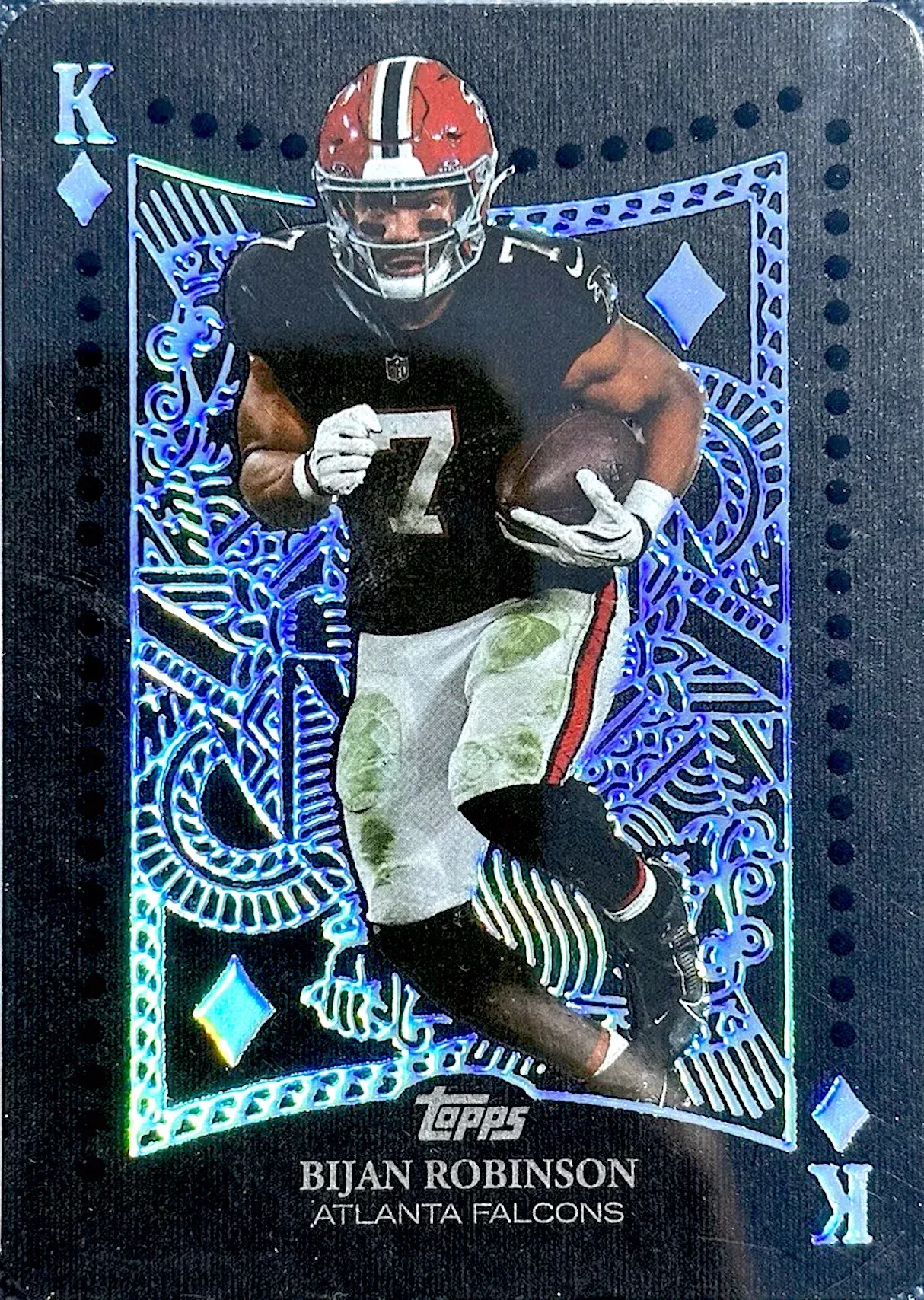
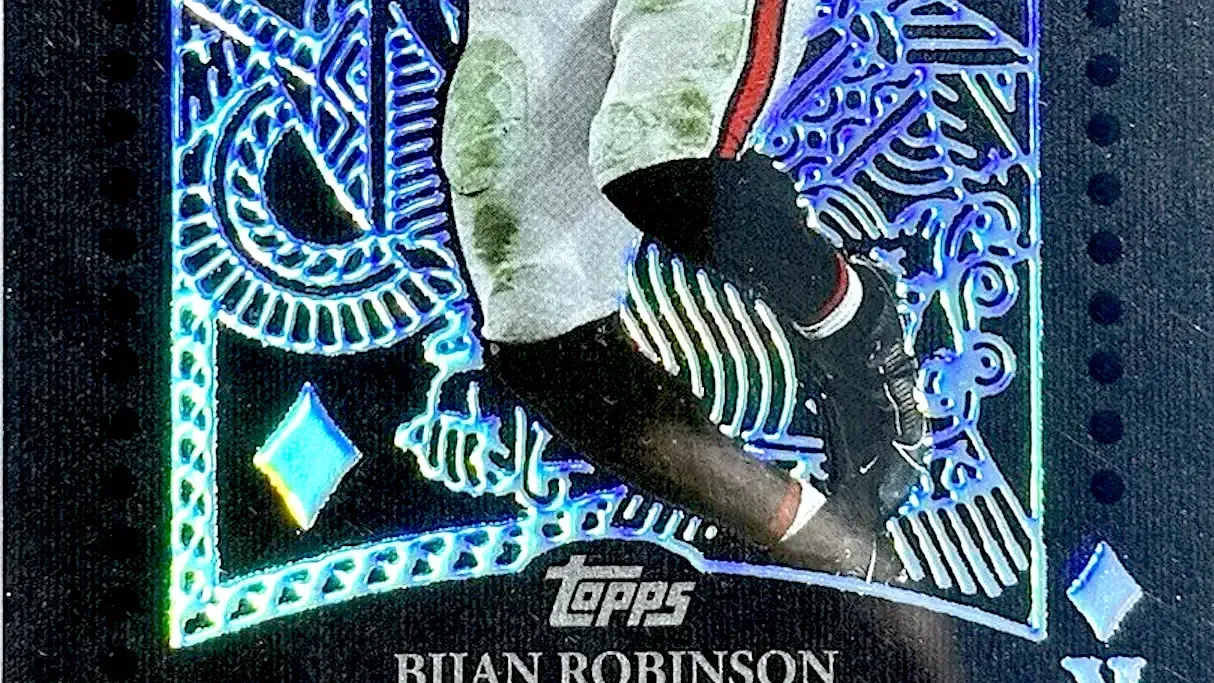
That framework is also useful for collectors following the market side of the hobby, including the discussion around cards such as the Jahmyr Gibbs and Bijan Robinson football-card debate. Interest and value can change what a card represents to its owner. As a collection becomes more meaningful financially or personally, its security practices should evolve too.
The best outcome is uneventful: cards remain where they belong, transactions stay routine and collectors get to focus on the actual fun of the hobby. A few deliberate safeguards make that outcome more likely.