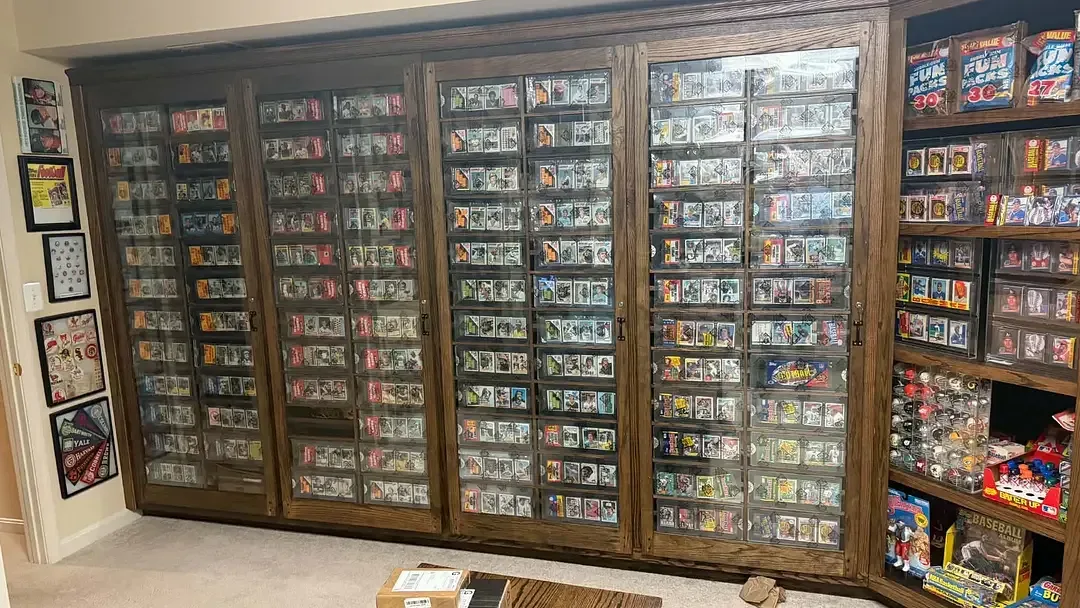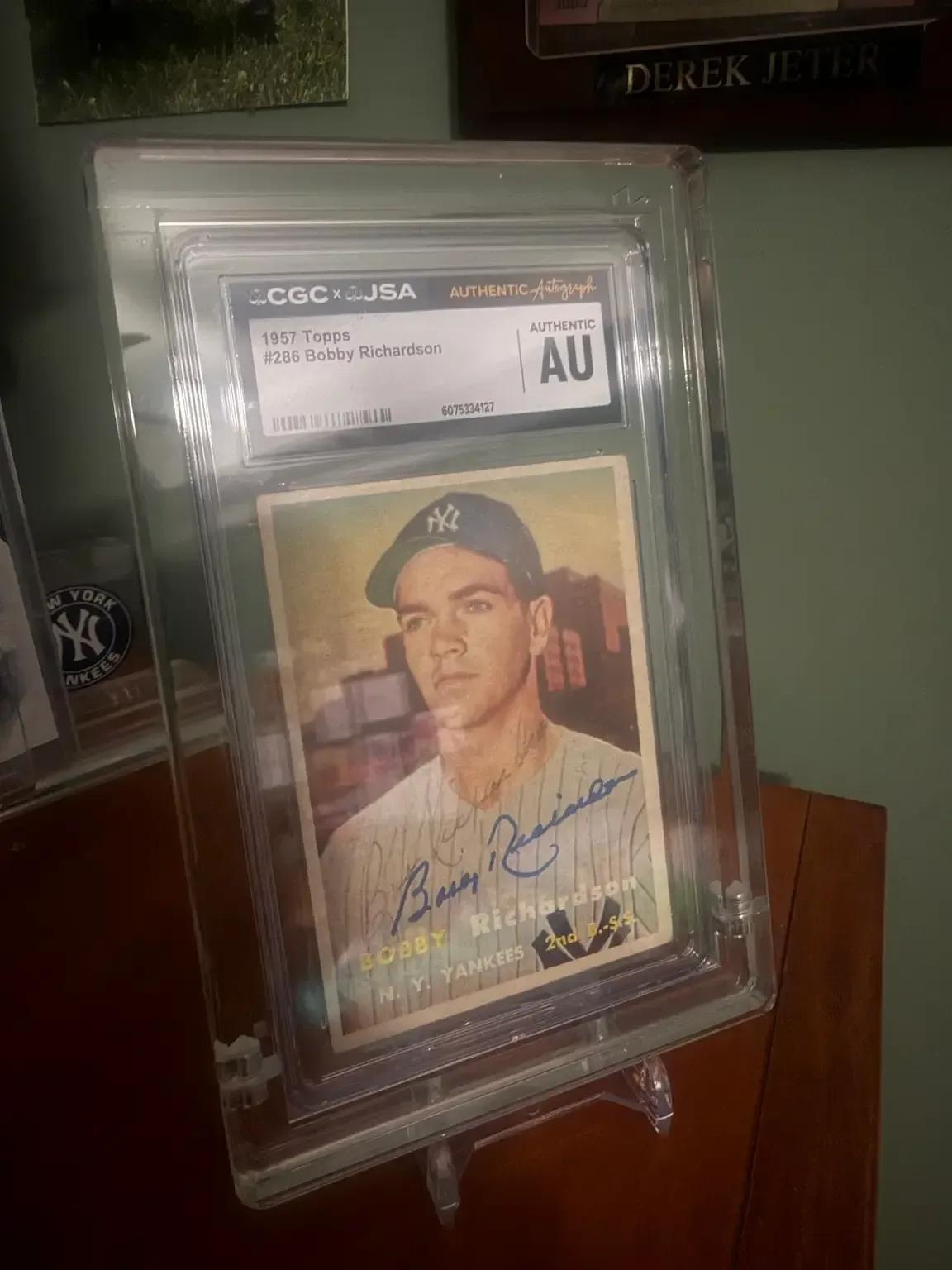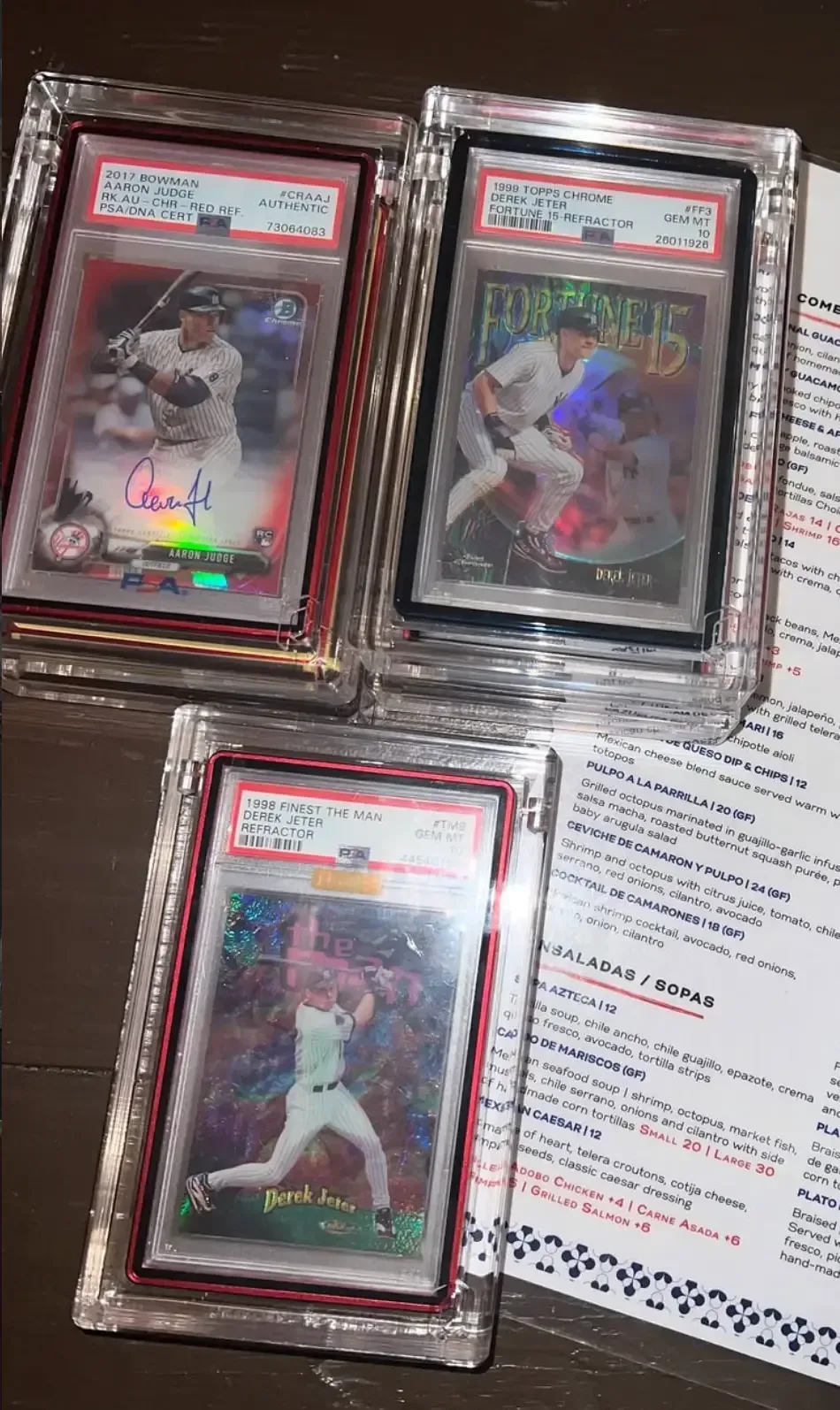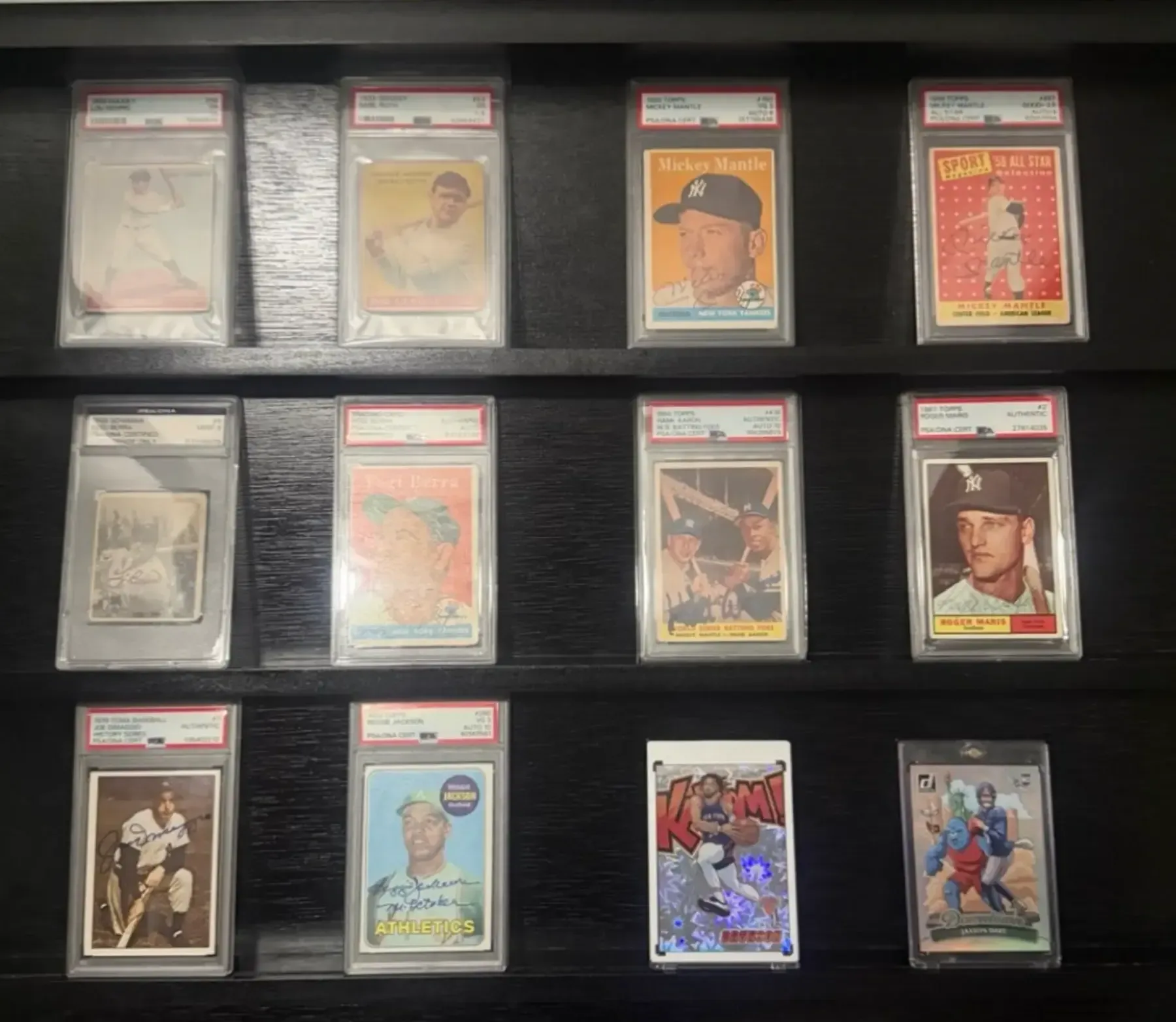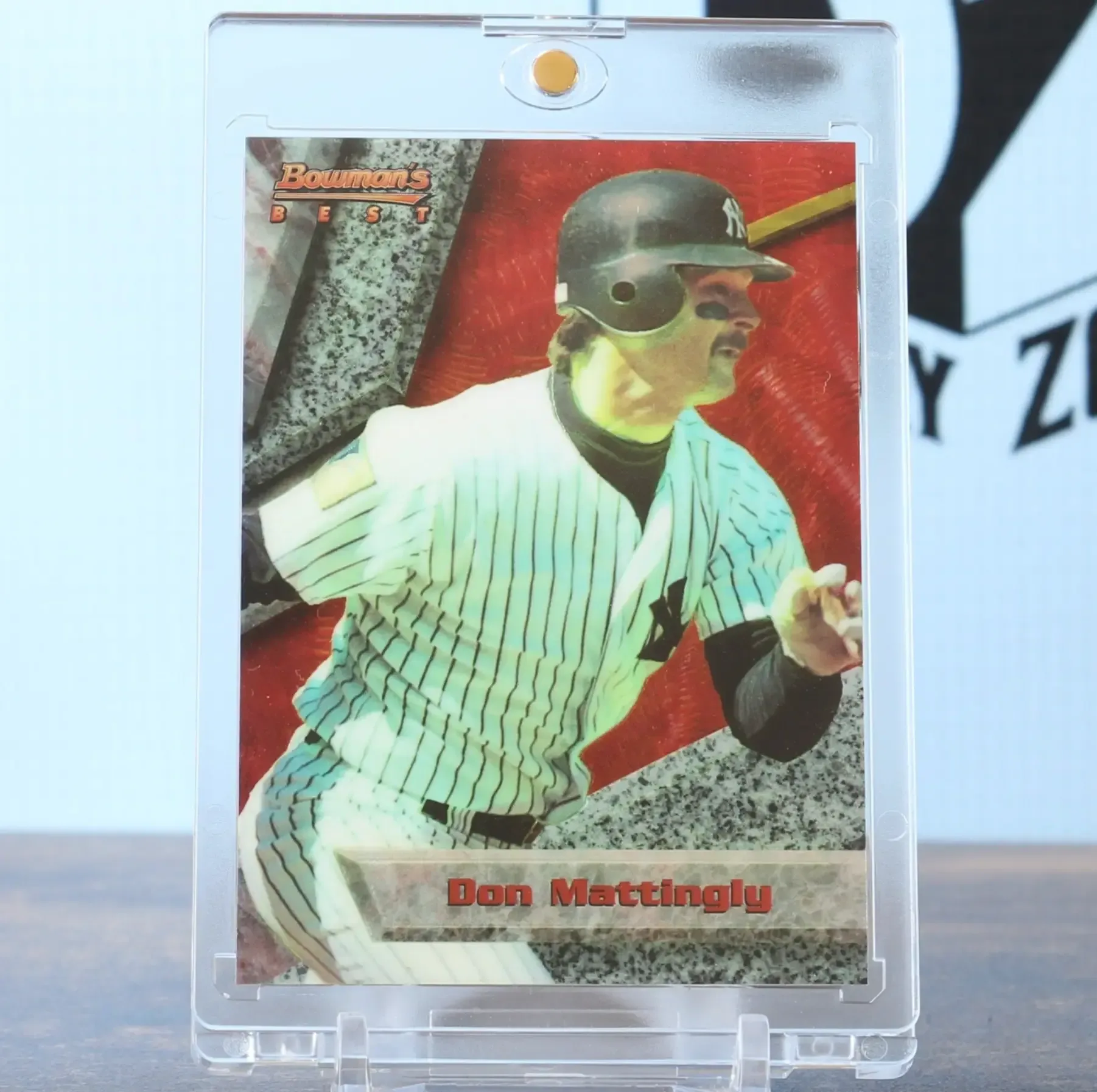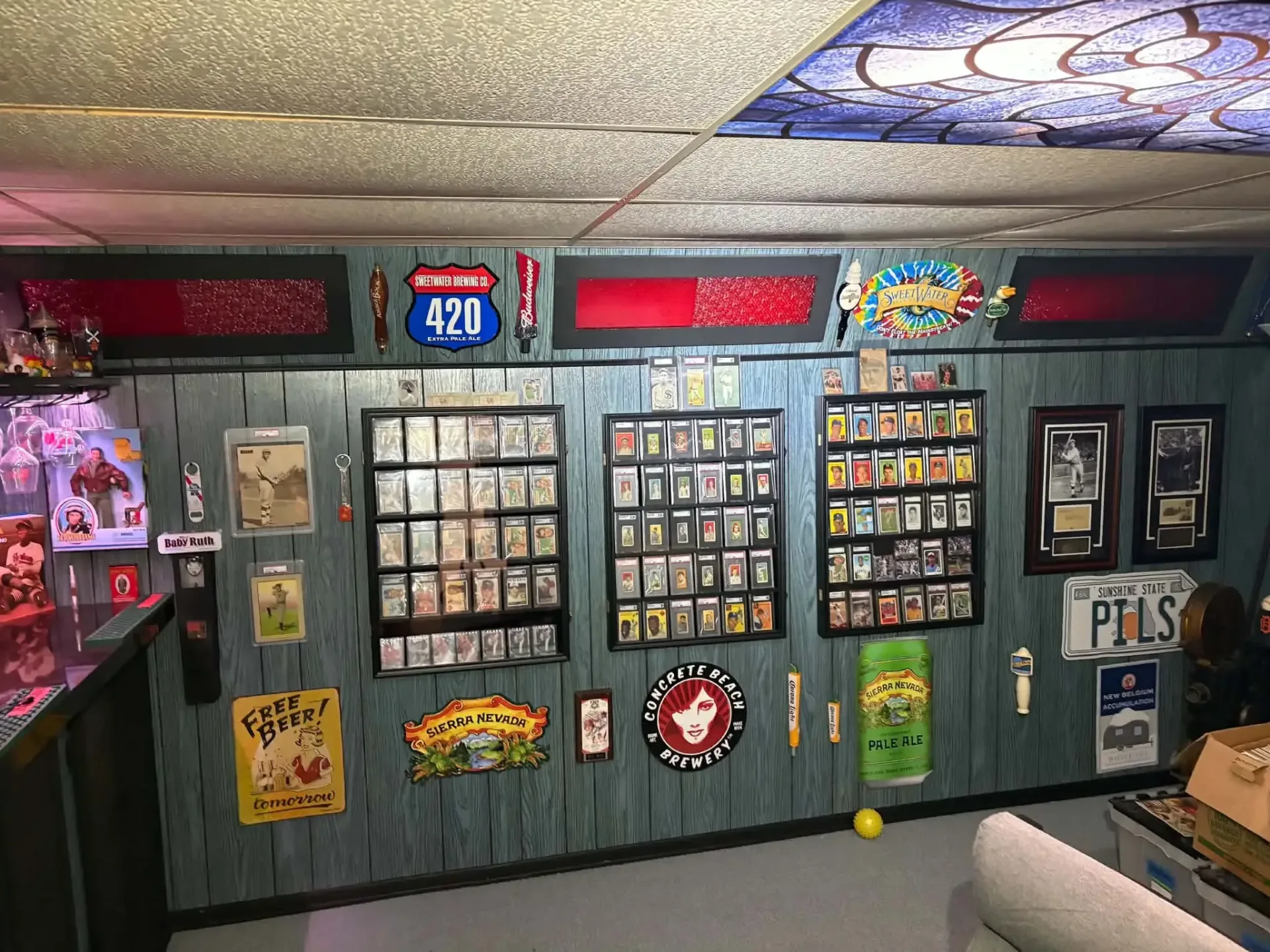
Sports cards are built to be looked at. The photograph, graphic design, foil treatment, statistics, autograph or familiar team colors are all part of the appeal. But the more meaningful or valuable a card becomes, the more likely it is to end up in a box, a safe or a bank vault—well protected, rarely seen.
That tension is understandable. In a collector poll described in the available material, 58% of respondents kept cards stored away and 42% displayed them. For some cards, especially irreplaceable vintage autographs or expensive graded examples, a cautious approach is sensible. Yet displaying a personal collection does not have to mean treating a prized card like a coaster beside a sunny window. A good setup is about controlling several distinct risks: light exposure, heat, physical movement, dust and unauthorized access.
The useful mindset is not “display versus storage.” It is choosing the right degree of display protection for the particular card, room and situation. A childhood favorite worth $25 has different needs from a five-figure autograph. Both can be enjoyed, but they should not automatically receive the same treatment.
Light is the long-term risk collectors cannot undo
Light damage worries collectors because it can be permanent. A card may fade, and an autograph can become less legible. That matters especially when the item cannot simply be replaced with another copy in comparable condition.
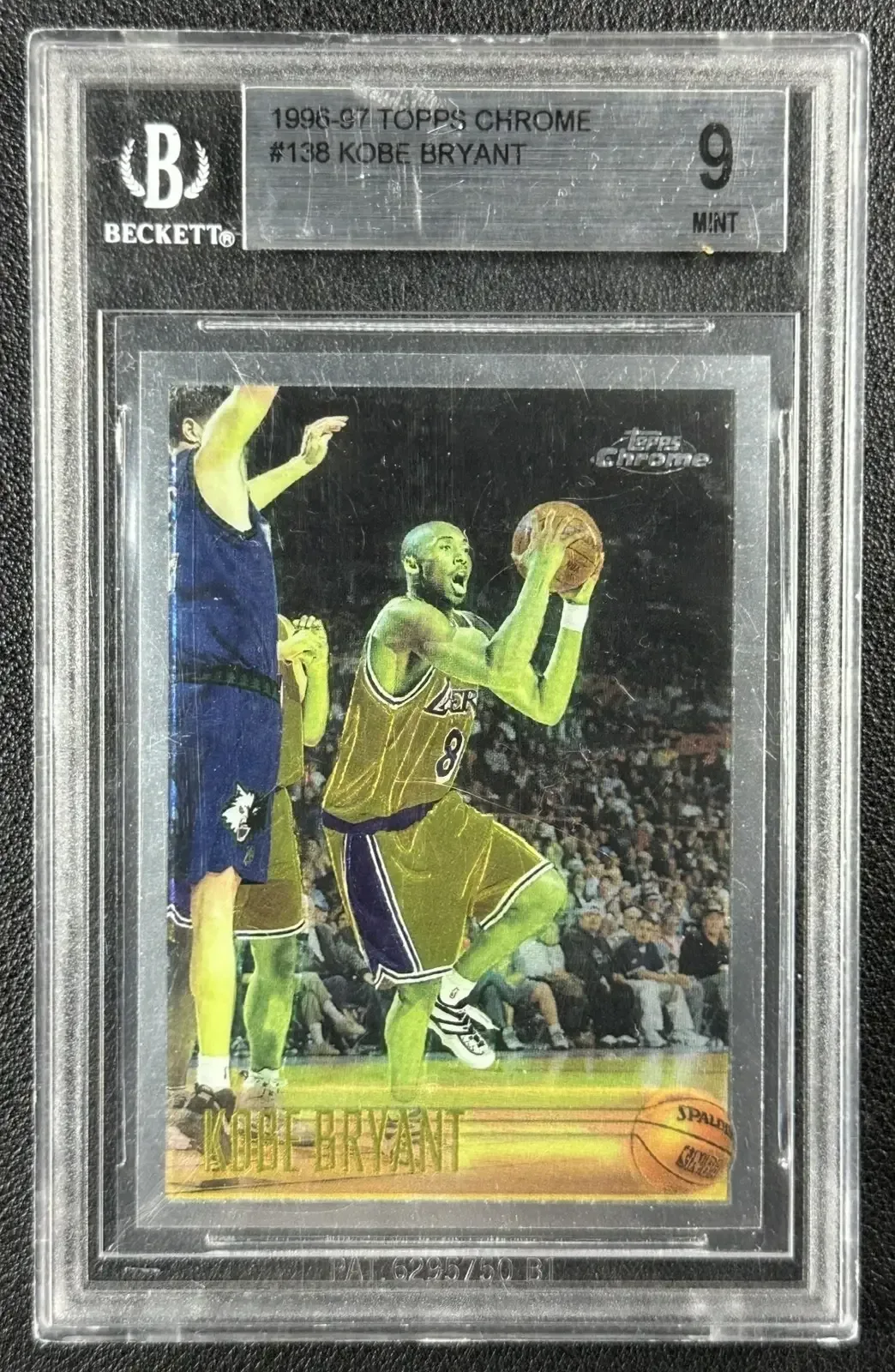
Uncertainty over how card materials age is part of the issue. Some 1990s Topps Chrome and Finest basketball cards have developed a greenish discoloration, including examples of the 1996 Topps Chrome Kobe Bryant rookie card. The precise cause remains debated. What that history clearly demonstrates is that collectors cannot confidently predict how every combination of card stock, chromium finish, foil and ink will behave over decades.
That is an important distinction for display decisions. A card can look immaculate at the moment it goes on a shelf, while its materials are still subject to gradual changes that only become apparent years later. A handsome display case does not erase that possibility. It can, however, reduce exposure and give the owner more control over the environment.
UV resistance is useful—but it is not a sunshine permission slip
Ultraviolet, or UV, radiation is the portion of light that display products commonly seek to filter. UV-resistant acrylic or glass is designed to block or absorb UV before it reaches the card. This matters because standard grading slabs generally do not provide significant UV protection on their own.
When a manufacturer says a material provides a certain percentage of UV resistance, collectors should read that as a claim about how much UV is blocked or absorbed, not as a promise that any location is safe. Phantom Display, for example, says its acrylic provides up to 99.6% UV resistance, while Holme & Hadfield says its glass or acrylic offers a minimum 99.8% UV protection. Those figures describe the materials used by those companies; they do not eliminate the need to manage the room itself.
Related coverage includes How to Display Valuable Sports Cards Safely Without Hiding Your Best Pieces.
There are four sensible questions to ask when evaluating any UV-protection claim:
- What percentage is blocked? A number without context is not very informative.
- Which wavelengths were measured? “UV” covers a range, so a claim should identify the range being addressed.
- How was it tested? A spectrophotometer measures light passing through a sample across a specified range.
- Who did the testing? Independent testing offers a different level of confidence than a claim without a stated method or tester.
Phantom Display says it measures material with a spectrophotometer and is pursuing independent testing through a U.S. optical laboratory using NIST-traceable instruments. That is a useful model for what shoppers should seek: not just an attractive label, but details that allow them to understand what was tested and how.
Most importantly, filtering UV is only one layer of protection. It does not reduce the overall amount of visible light striking an item, and it does not change the basic reality that direct sun can heat a display. A UV-filtering case gives collectors more margin; it should not be treated as a reason to place a treasured card on a windowsill.
Placement and room lighting matter as much as the case
Where a display lives is arguably the first decision, because it shapes every other one. Direct sunlight can reach roughly 30,000 lux, while an evening living room may be around 50 lux. Lux is a measure of how much visible light falls on a surface. The wide difference helps explain why a bright window is not comparable to a controlled interior wall.
Light damage is cumulative and irreversible. That makes the practical goal simple: prevent bright natural light from hitting cards for prolonged periods. Keep displays out of a window’s line of sight, use curtains or blackout shades where appropriate, and think about the room at different points in the day rather than only when it looks dim.
Indoor light sources deserve attention as well. Fluorescent lighting emits UV, whereas LEDs emit essentially none. For collectors creating a dedicated card wall or room, LEDs are the more appropriate choice from the information available here. A windowless space may avoid direct sun, but fluorescent fixtures can still undermine the point of that decision.
These controls can work together:
- Put the display on an interior wall instead of opposite a bright window.
- Use LED lighting rather than fluorescent fixtures.
- Use a UV-filtering outer case around a card already in a grading slab.
- Keep the room’s light controlled with shades or curtains when necessary.
- Remember that heat from direct sun is a separate concern from UV exposure.
A collector does not need a museum-scale installation to benefit from museum-like habits. Controlled light, careful placement and an appropriate case are the foundation.
Protect against bumps, sliding and falls—not just fading
Sun damage gets the attention because it develops slowly and invisibly, but accidental physical damage can happen instantly. A display door opens, someone brushes past a shelf, or a case is bumped during a move. A secure display should account for the way cards behave when the unit is opened or disturbed.
For graded cards, shelf grooves are a practical feature. Display Zone builds grooves into its display shelves so slabs remain upright rather than leaning loosely on a flat surface. That is not merely a visual preference. It is intended to keep cards from sliding out of place when a door opens or the case is moved or bumped.
Raw cards require their own protection before they go into a display. Display Zone also offers magnetic cases for ungraded cards, adding a protective layer before the card enters the cabinet. The broader principle is straightforward: a decorative shelf is not automatically a card display system. The card needs to be enclosed and positioned so that normal use of the furniture does not create a predictable collision risk.
Dust sealing is another detail worth considering. Holme & Hadfield says its cases are sealed against dust, which speaks to the reality that a display is part of a room, not an isolated archive. Dust itself may be less dramatic than theft or sunlight, but reducing what reaches the card and its holder helps keep a presentation setup orderly and lowers unnecessary handling.
Security depends on what is being displayed and where
Cards are small, portable and potentially valuable. That combination makes security a valid concern, particularly for a concentrated display of high-value pieces. A lock can provide extra reassurance, including at crowded card shows where some collectors use wall display cases as show displays. At home, security should be judged in relation to the card’s value, the room’s accessibility and how much time the collection is unattended.
Display safes are one response to the problem. BlumSafe’s card-focused product concept combines a hardened enclosure, locking mechanisms, UV protection and a shatter-resistant polycarbonate window for graded cards. The appeal is obvious: collectors can make cards part of the room while retaining a locked physical barrier.
That said, a locked case is not identical to comprehensive protection. A collector considering a major display should also consider the broader setup: the room, access to it, whether the display can be knocked over or removed, and whether insurance and security measures fit the collection. One collector, Greg N., built a custom room for rare cards and unopened packs with a small covered window, cards secured behind glass, and insurance, security and cameras. That approach will be more elaborate than many collections require, but it illustrates that display protection can be designed as a system rather than bought as one product.
Use rotation instead of making one permanent choice
For a high-value collection, rotating cards offers a practical middle path. Holme & Hadfield recommends displaying cards when the owner is home and moving the most valuable pieces to a safe or vault during travel or extended absences. The idea recognizes that a card can be displayed under controlled conditions without requiring it to remain exposed and accessible at every moment.
Rotation also lets collectors refresh the room without expanding the display or crowding a case. A focused selection often has more impact than trying to show every slab at once: a favorite player run, a vintage autograph group, a carefully chosen rookie-card row, or unopened packs paired with the cards that make them meaningful. The relevant cards can change while the protective habits stay the same.
Sports cards can be miniature art objects, historical keepsakes and financial assets all at once. Whether the collection is a modest personal collection or a room-scale “personal museum,” the objective is not to erase all risk—no display can do that. It is to avoid obvious, preventable risks while preserving the part of collecting that happens when the cards are actually seen.
For more basketball-card collecting context, see this look at a hand-assembled Curry card archive.