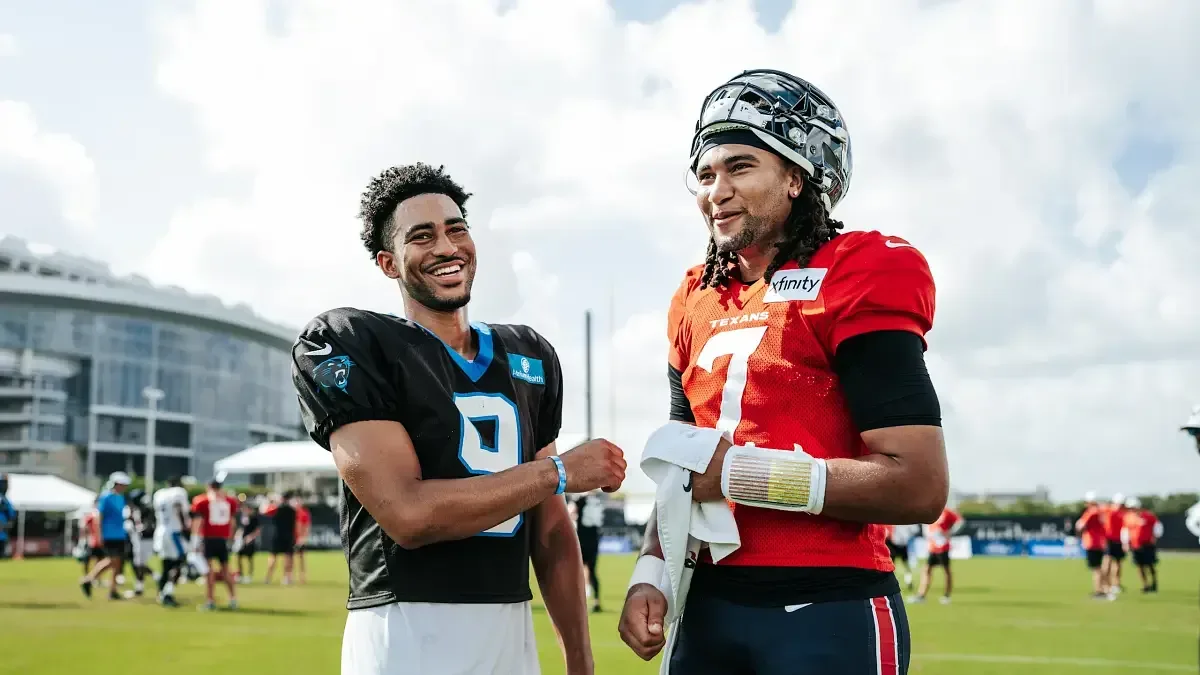
Fantasy football has changed the way plenty of fans watch the NFL. A Sunday matchup no longer matters only because of a favorite team; it can matter because a late-round running back, a backup tight end or an unfamiliar rookie is sitting in a lineup. That same player-first attention is increasingly spilling into the trading-card hobby.
At Bergie’s Sports Card Dugout in Highland Park, Illinois, owner Andrew “Bergie” Bergman sees the seasonal tell: customers arrive seeking cards for players who might not otherwise command much attention. Some are established collectors, while others simply want a card representing every player on the fantasy roster they drafted. The result is a more personal kind of NFL collection, one built around a changing team of individual bets, attachments and weekly box-score stakes.
That is a meaningful shift from collecting strictly around a hometown franchise or the sport’s most famous names. Fantasy managers have reasons to learn players well beyond the league’s headline quarterbacks and perennial stars. A player who supplies touchdowns or catches in a scoring format can become essential to a fantasy roster even if he is not a traditional hobby centerpiece. Once that player delivers, a card becomes a physical marker of the season’s success—and sometimes an excuse to learn even more about him.
Roughly 40 million Americans play fantasy football annually, based on an estimate from Scoutcast.ai. Major platforms show the scale of that attention: ESPN reported 14 million users for the 2025 season, while Yahoo recorded an estimated seven million players. Not every fantasy participant will buy cards, of course. But the overlap has a straightforward logic. Fantasy adds emotional investment to individual performance, and collecting is frequently driven by exactly that kind of connection.
From roster construction to card collecting
David Gonos, a lifelong card collector who first encountered fantasy football in 1989, has spent 37 years collecting players he drafts in his league. His description of the pastime gets to the heart of the crossover: fantasy football can be treated as a collection of players rather than cards. Each week puts that assembled group up against another manager’s group, with decisions about rookies, breakout candidates and overlooked contributors carrying the same appeal as identifying a card or player before everyone else notices.
There is a useful distinction here. A traditional collection may be organized around a set, a team, a player’s career, an era, an autograph theme or a condition goal. A fantasy-roster collection can be organized around a specific season and league. Its subject matter is not fixed. The collector may acquire one card for each drafted player, focus on rookies selected in the draft, or add a card only when a player becomes a genuine weekly contributor.
That flexibility is part of its charm. It also means the collection captures decisions rather than merely outcomes. A late pick that becomes a breakout makes for a much more memorable card than a selection of an obvious superstar. Conversely, a hyped player who disappoints still has a place in a roster-based collection because the card records the thinking—and the risk—of draft day.
Gonos also identifies a tension between the two audiences. Card collectors can be especially attentive to history, while fantasy managers often focus on what comes next: projections, depth-chart opportunity, role and potential growth. Modern-season card buying can bridge those perspectives. A collector buying a current player’s card is looking forward too, whether the hope is fantasy production, broader popularity or a stronger market later in the season.
Related coverage includes Fantasy Football Is Changing How Collectors Buy NFL Cards, From Superstars to Deep Sleepers.
The connection can work in both directions. Pulling an autograph of an unfamiliar player can encourage a collector to follow that player more closely. Gonos offered Jets tight end Kenyon Sadiq as an example: an autograph pull could create enough interest for a manager to research the player and take a late-round flyer in a fantasy draft. In the other direction, a fantasy manager who discovers a useful player may seek out a first card, rookie card or autograph as a keepsake.
Fantasy creates a reason to care about players who once would have sat far outside a collector’s usual team or star-player focus.
Why the weekly NFL calendar matters
The NFL has only 17 regular-season games, which gives every performance unusual weight. A huge individual game can reshape a player’s fantasy standing in a matter of hours. It can also redirect hobby attention just as quickly, particularly when buyers have many immediate avenues for selling and buying collectibles.
Joe Orlando, formerly president of PSA and now its head of special projects, describes fantasy and the collectibles market as operating in real time. The point is larger than fantasy alone: NFL card demand has long reacted to performance. But fantasy gives more people a reason to monitor production from a wide range of positions and players every week. If an unexpected player posts a scoring outburst, he may become both a waiver-wire target and a card-shop request.
Bergman has seen card interest and values move sharply after one strong game, estimating that a player’s cards can rise 20% or 30% in a given week. That does not mean every productive Sunday establishes a lasting price level. It means the market can be highly sensitive to the newest performance, especially during the compressed NFL season. For a collector, that makes a fantasy-driven purchase less like filling a static checklist and more like documenting an evolving season.
What does “PPR” mean? PPR stands for points per reception, a common fantasy-football scoring format that awards points when a player catches a pass. It can elevate the importance of running backs and receivers who accumulate receptions, not just touchdowns or rushing yards. That matters to the card conversation because fantasy desirability and hobby desirability do not always follow the same hierarchy.
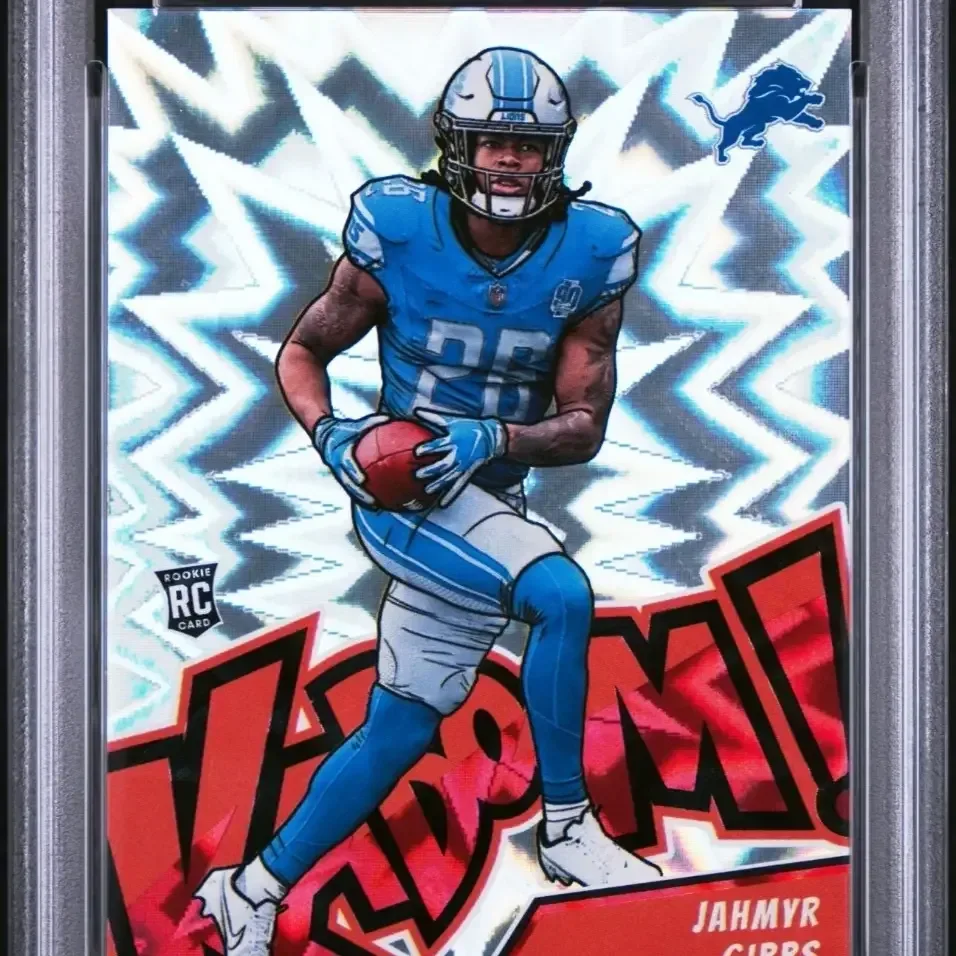
In 2026 PPR drafts, Detroit Lions running back Jahmyr Gibbs and Atlanta Falcons running back Bijan Robinson were widely viewed as the top two names on draft boards after solid 2025 seasons. Their card prices were described as respectable. Yet the example also illustrates a limit to any simple formula: other productive running backs, including Cincinnati Bengals player Chase Brown and Buffalo Bills player James Cook, have not drawn the same level of collector interest.
Performance is important, but it is not the whole story. Visibility, position, rookie status and existing collector demand all appear to shape which NFL players become hobby priorities. A fantasy manager may view a running back or receiver as the most valuable part of a roster. A card collector may still be looking primarily for the quarterback.
The quarterback divide
Gonos puts the contrast bluntly: in sports-card collecting, quarterbacks dominate. In many fantasy leagues, however, managers can wait on quarterback because there are relatively few starter slots and the lower end of drafted starters can remain productive. Running backs and receivers may command greater fantasy urgency because lineup construction and positional scarcity make them more consequential.
This divide helps explain why fantasy football expands interest without necessarily replacing the hobby’s familiar hierarchy. Fantasy can lift attention toward a productive receiver, a pass-catching back or an emerging tight end. It does not guarantee that the player will command quarterback-level card prices. For roster collectors, though, that may be beside the point. A card can be valuable because it represents the player who won a week, rescued a matchup or turned a speculative pick into a good decision.
There is historical precedent for fantasy-relevant players drawing card attention. Scott Mahlum of Mill Creek Sports recalls the influence of Barry Sanders, whose 1989 rookie card arrived while he was still in his prime as fantasy participation expanded. Mahlum also remembers strong interest around Brett Favre and Peyton Manning rookies. Sanders’ card prices reflected his fantasy impact and continue to do so, showing that the overlap can endure when a player’s career and collecting legacy are strong enough.
Still, the modern environment is faster. Each Monday and Tuesday can produce a newly hot player after a big fantasy week. That speed changes how collectors should interpret the moment. A surge in searches or prices may show genuine excitement, but it may also reflect a short-lived reaction to one game. The source material supports the volatility, not a promise that the gains will persist.
A practical way to build a fantasy-roster collection
For collectors who like the idea, the clearest approach is to decide what the collection is meant to preserve before chasing every weekly spike. It can be a season memento rather than a prediction contest.
- Set the roster rule: collect every drafted player, only starters, only rookies, or only the players who make a meaningful contribution.
- Choose a consistent card target: a base card, rookie card, autograph or another defined type makes the collection easier to follow.
- Record the season context: note the draft choice, league year or memorable performance alongside each card. The value is often in the story of the roster.
- Separate enjoyment from market expectations: weekly movement can be dramatic, so a fantasy-roster card does not need to be treated as a guaranteed long-term financial play.
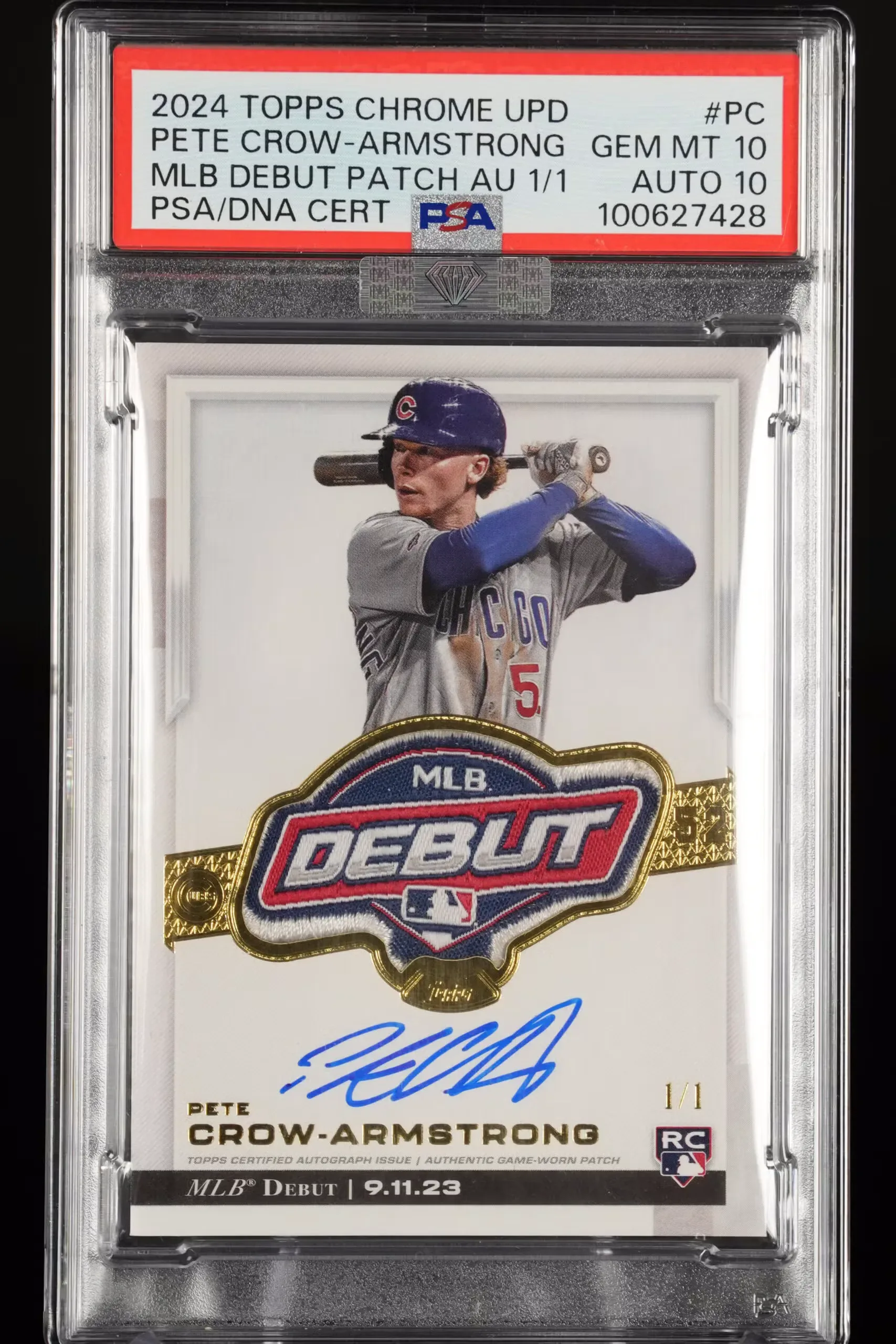
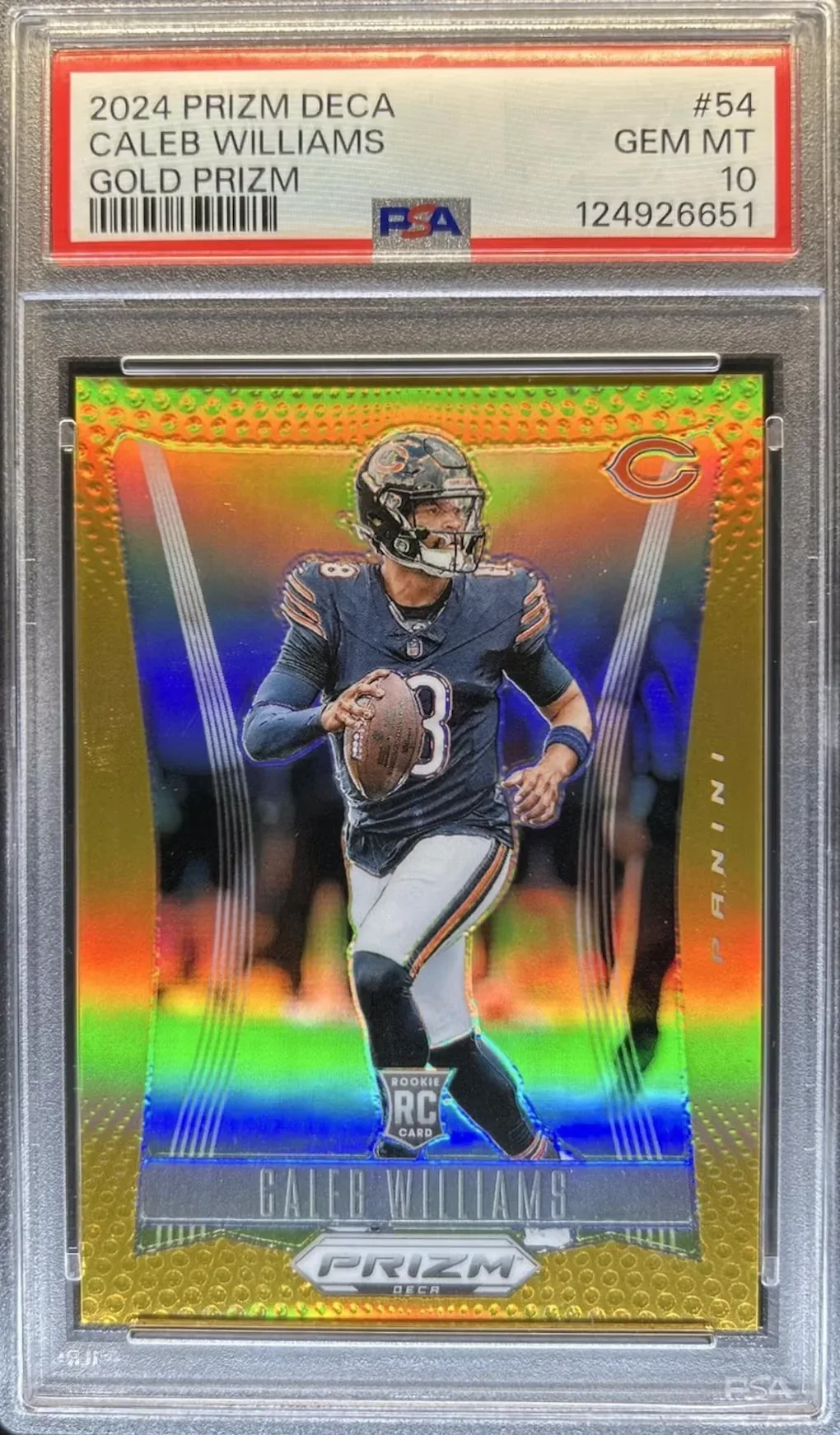
Collectors who do pursue graded examples should remember that grading is a condition assessment, not a measure of fantasy usefulness. The difference is important when comparing cards during a fast-moving season. A player’s performance can change attention rapidly, while the grade concerns the card itself. For another look at how graded-card products frame the chase around recognizable athletes, see this overview of a limited rookie starter slab pack.
Card shops may become draft-day spaces
The fantasy-card connection is not limited to what buyers seek after games. It could also reshape how hobby shops engage their communities before the season begins. Mahlum opened Mill Creek Sports in 1991 and ran a fantasy league through the shop in its first year. Before online scoring, one league member working at a newspaper manually calculated scores from box scores each week. Mahlum recalls that broader accessibility arrived after CBS launched a fantasy football application in 1997, followed by major media rivals.
Online drafts now make in-person attendance unnecessary, but the social appeal remains: annual gatherings, reconnecting with friends and draft-night banter. Bergman has had customers ask to hold drafts at his shop, though he has not approved the idea. He believes card-shop draft events could become more prevalent, potentially with card-box openings tied to future product releases. He specifically expects promotional efforts involving Fanatics and Topps could help encourage that model, while characterizing it as something that may be a year or two away rather than a current certainty.
If that develops, the match is intuitive. A draft party already revolves around assessing players, debating upside and reacting to selections. Opening cards in the same setting would add a second kind of reveal: not just who a manager drafted, but which physical pieces of that player pool entered the room. It would make the hobby shop a place where fantasy research, social ritual and collecting converge.
The broader takeaway is not that fantasy football has erased traditional collecting habits. Team loyalty, historic greats, quarterbacks and rookie cards remain central forces. Rather, fantasy has widened the map of who gets followed and why. It turns fringe names into weekly concerns, transforms individual production into personal investment, and gives collectors a new way to make a season tangible—one roster card at a time.