Arena Club has introduced a limited-time Rookie Starter Slab Pack centered entirely on graded rookie cards. The $100 digital product sits in the company’s Special Series, meaning it is not presented as a permanent pack offering: once the available packs are gone, the run is over.
The appeal is straightforward, even if the outcome is inherently uncertain. Each purchase reveals one randomly assigned graded card from a published checklist. The featured possibilities include rookie cards of Luka Dončić, Shohei Ohtani and LeBron James, with different pull odds attached to cards across the pool. A collector who opens a pack can either keep the card and have it shipped, or take Arena Club’s immediate buyback offer and leave those funds in their wallet or put them toward another pack.
That makes the Rookie Starter Slab Pack a blend of physical-card collecting and a digitally managed reveal-and-decision process. The card is the object being collected; the digital element is the method of opening, managing the result and choosing what happens next.
What the $100 pack is—and what it is not
The most important practical detail is that this is a randomized graded-card product, not a $100 purchase of a chosen card. The checklist lets prospective buyers see eligible cards before purchasing, and the list is separated by odds, including the toughest pulls described as grails. That visibility matters because it gives collectors a defined pool to evaluate rather than asking them to buy into an unspecified assortment.
But a checklist is not the same thing as a promise that any particular card will appear. A collector may be interested chiefly in the Luka Dončić autograph, the Shohei Ohtani PSA 10, or the LeBron James SGC 10, yet receive another card from the rookie-themed selection. The advertised stars explain the chase; the listed odds are what frame the risk.
In trading-card language, a chase card is a desirable pull that helps create demand for a product. A grail is typically an especially aspirational collectible—here, specifically part of the hardest-to-pull tier. Those terms describe desirability and scarcity within the pack structure, rather than guaranteeing a card’s personal importance or resale result for every collector.
The pack’s limited-time status creates a second type of scarcity. It applies to the availability of the product itself, not automatically to every card in the checklist. For collectors weighing a purchase, separating those two ideas is useful: a product can disappear after it sells out while the individual cards remain cards that may be available through other collecting channels.
The headline rookie-card chases
Luka Dončić: a PSA 10 autograph in the grail tier
Among the highest-profile cards named for the Rookie Starter Slab Pack is a 2018 Panini Prizm Basketball Luka Dončić Sensational Signatures rookie autograph graded PSA 10. It is a sticker autograph and is identified as one of the grail-level pulls.
Related coverage includes Arena Club Launches Limited-Time Rookie Starter Slab Pack With Luka Doncic, Shohei Ohtani and LeBron James Chases.
A sticker autograph means the player signed an adhesive label that was subsequently applied to the card, rather than signing directly on the card’s surface. That distinction is relevant to collectors because autograph format is one of the details enthusiasts often consider when identifying exactly which version of a signed card they are pursuing. Here, it is not a hidden detail: the card is described as a sticker autograph from the outset.
The PSA 10 portion refers to the grade assigned by PSA. A slab, meanwhile, is hobby shorthand for a card sealed in a rigid tamper-evident holder after grading or authentication. The case both presents the grade and provides a standardized storage format. A grade is a feature of the specific encapsulated card, not a blanket statement about every copy from the same set.
Shohei Ohtani: 2018 Topps Fire Hot Starts PSA 10
The checklist also includes a 2018 Topps Fire Shohei Ohtani Hot Starts rookie insert graded PSA 10. The card depicts Ohtani celebrating against a gold-colored backdrop. It is an insert, meaning it is a card type distinct from a standard base-card entry in the product’s design.
For collectors, that set-and-subset naming is more than catalog trivia. “2018 Topps Fire,” “Hot Starts,” and “PSA 10” collectively identify the product family, the particular insert treatment and the encapsulated grade. When assessing any graded-card pull, precise identification helps avoid treating broadly similar cards as interchangeable. A player’s rookie card can come in multiple releases, inserts and formats; this pack’s checklist identifies a particular Ohtani card rather than merely an unspecified Ohtani rookie.
LeBron James: 2003–04 Upper Deck MVP SGC 10
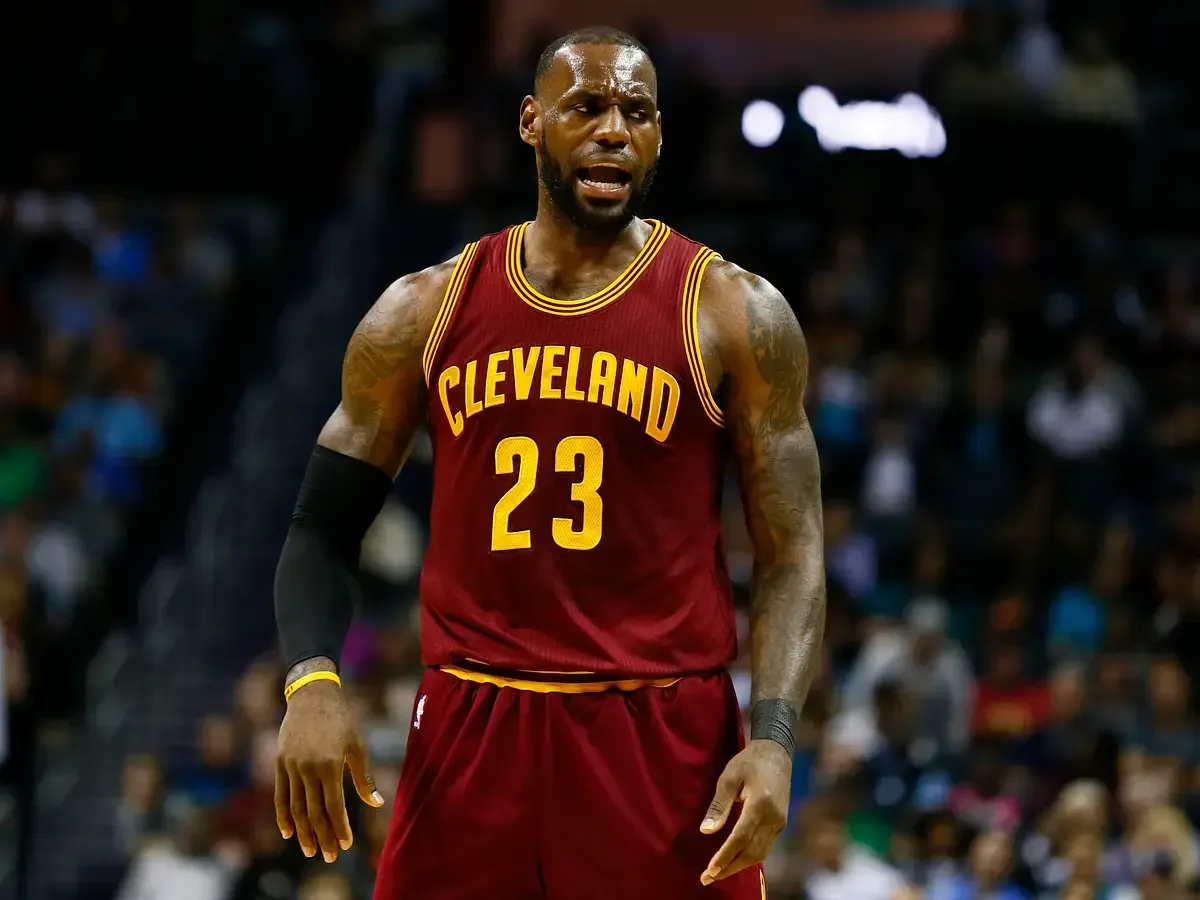
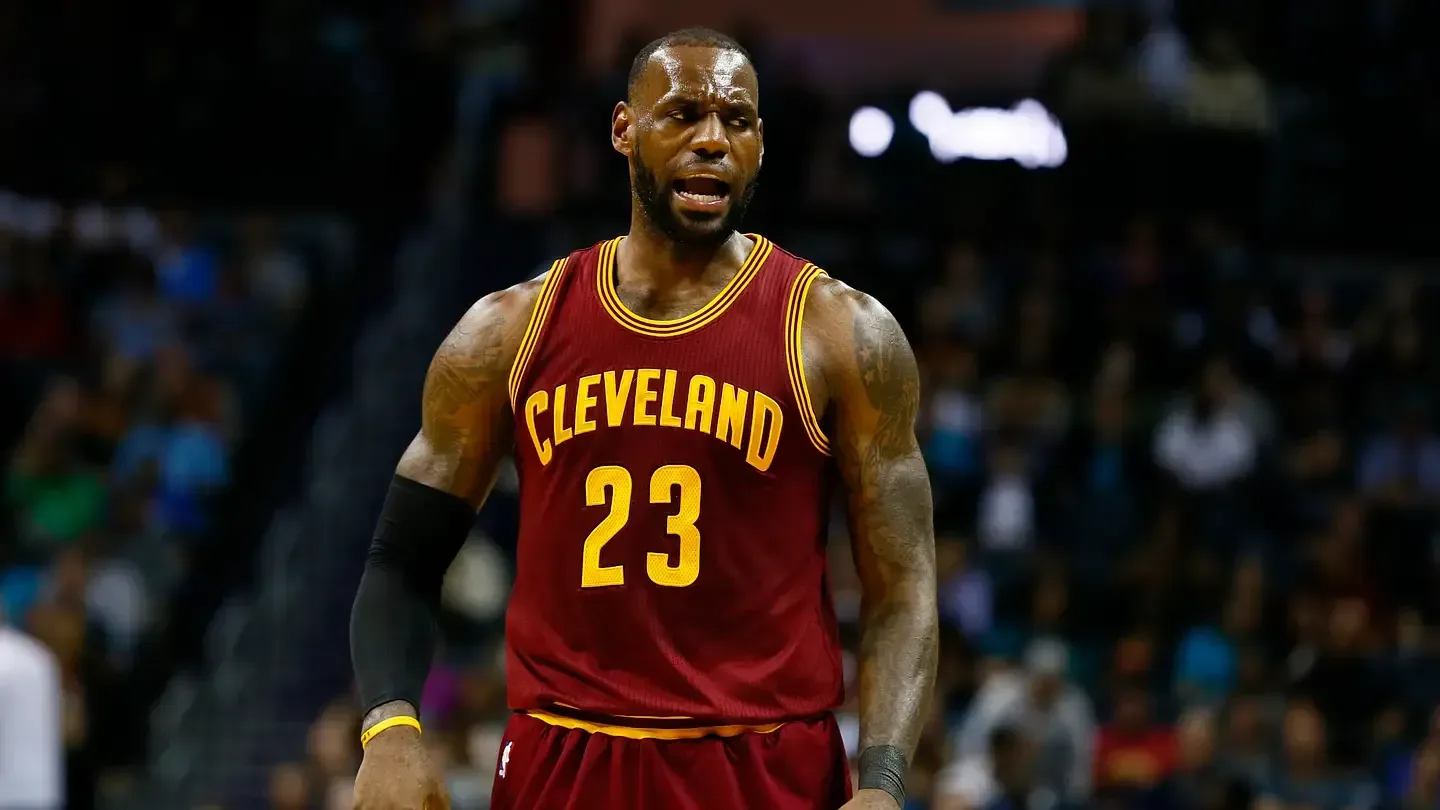
A 2003–04 Upper Deck MVP LeBron James rookie card graded SGC 10 is also available in the pack. It shows James dunking. Unlike the Dončić autograph’s placement among the hardest pulls, this LeBron card is described as easier to pull on a percentage basis.
“Easier” is relative, not a synonym for guaranteed. It simply means the card has a more favorable chance within this pack’s disclosed structure than some other entries. That is a useful reminder when a recognizable athlete and a top grade appear together in a randomized product: the player name may be the attention-grabber, but the stated odds remain the mechanism that determines how likely the pull is.
SGC is a different grading company from PSA. Both names on the checklist communicate that the offering is not restricted to one grading label. The cited LeBron card carries an SGC 10, while the named Luka and Ohtani cards are PSA 10s. Collectors who care about slabs should pay attention to both the numerical grade and the company on the label, since the checklist specifies both.
How the post-reveal choices work
After opening the digital pack, the collector has two stated paths. The first is to accept an instant offer from Arena Club to purchase the card back. The amount can remain in the collector’s Arena Club wallet or be applied toward another pack. The second is to retain the revealed card and have it shipped.
This choice is central to the product rather than an afterthought. Someone opening primarily for the surprise may prefer the ability to roll wallet funds into another attempt. Someone building a physical collection may care more about shipping the card. Neither choice changes the original random assignment; it changes what the collector does with the assigned card afterward.
It is also worth keeping the two transactions conceptually separate. The initial $100 purchase is for a randomized pack. The later buyback decision is an offer made after a particular card has been revealed. A collector considering the product should review the current checklist, odds and the exact terms visible at the point of purchase before deciding whether that structure fits their collecting goal.
What to examine before joining a limited pack drop
The Rookie Starter Slab Pack provides a concise example of a few habits that are useful for graded-card purchases generally:
- Read the full checklist. Star cards establish the ceiling of the chase, while the rest of the pool establishes the range of possible outcomes.
- Check the odds categories. A card described as a grail is expected to be harder to pull. Compare its probability with cards that interest you more realistically.
- Identify the exact card. Note the year, brand, subset or insert, player, autograph type where applicable, grade and grading company.
- Decide your preferred outcome in advance. If you would only want a specific card shipped, recognize that the pull is random. If you are comfortable with wallet credit after a reveal, the buyback option may be more relevant.
- Treat the $100 as the price of a chance, not the stated value of a particular headline card. The product’s format means the result can vary from opening to opening.
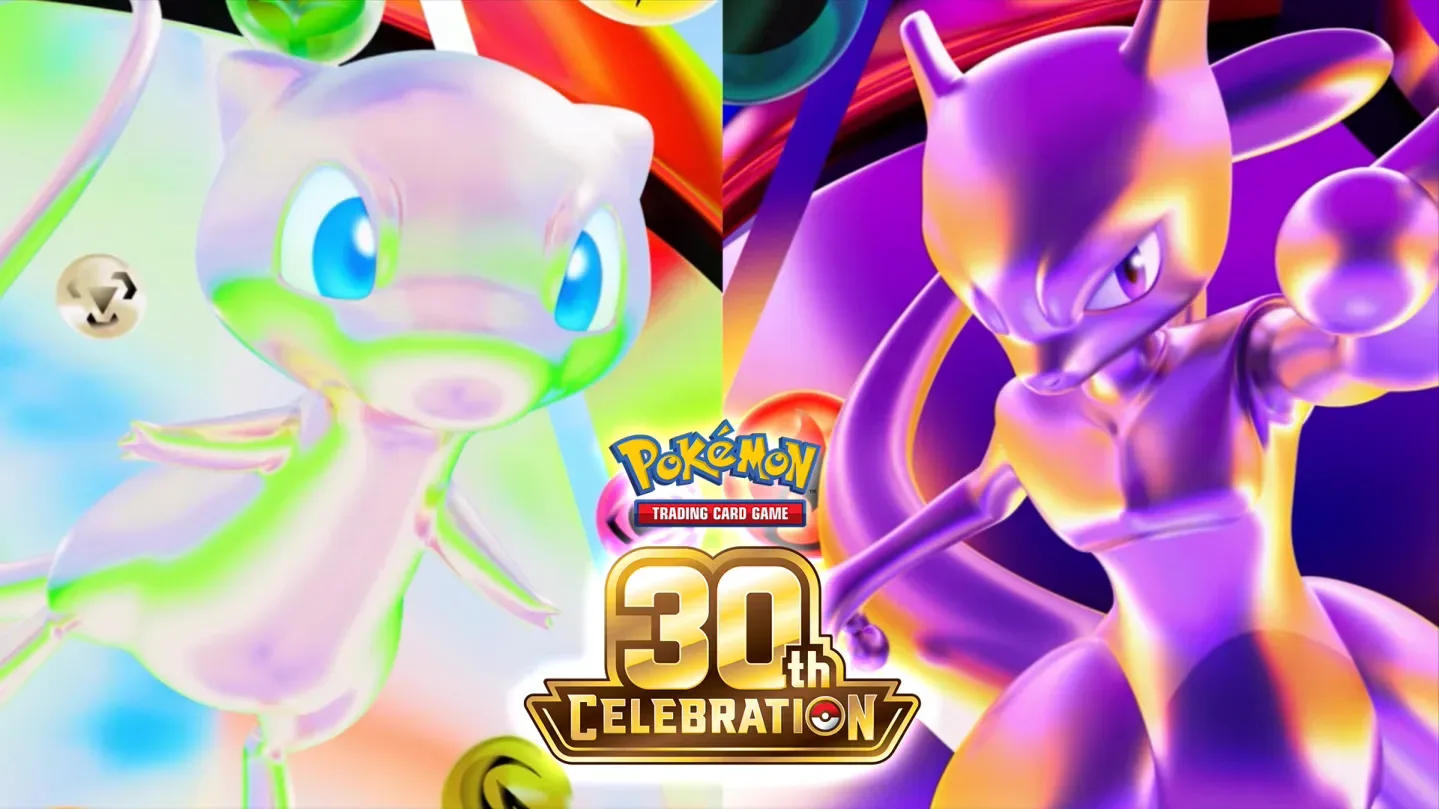
Those considerations are especially useful in a market where different types of card products coexist. For example, modern set launches can create excitement around broad checklists and new releases, as seen with the Pokémon TCG’s 30th Celebration release. Arena Club’s Rookie Starter Slab Pack is a different proposition: rather than opening conventional unopened packs in search of raw cards, purchasers receive a single card that has already been graded and slabbed.
A rookie theme with clearly different kinds of appeal
The product’s all-rookie theme ties together athletes from basketball and baseball, but it also demonstrates why “rookie card” is a broad collecting label rather than a single uniform category. The named Dončić card is a signed 2018 Panini Prizm entry. The Ohtani is a 2018 Topps Fire Hot Starts insert. The James is a 2003–04 Upper Deck MVP rookie. Their set origins, visual treatments, autograph status and grading labels differ, even though each qualifies for the pack’s shared rookie focus.
For collectors, that variety may be a draw. A single $100 pack can potentially yield a graded rookie card connected to a widely recognized athlete, and the digital reveal can be followed by either a physical shipment or an immediate platform buyback offer. The trade-off is equally clear: collectors cannot select the exact card at the $100 entry point.
Arena Club’s limited Special Series run therefore makes the checklist and odds the key documents. The marquee names provide the excitement, but the best-informed decision comes from understanding that the pack offers one random graded rookie card, a finite sales window, and a choice between retaining the card or accepting the offered buyback after the reveal.