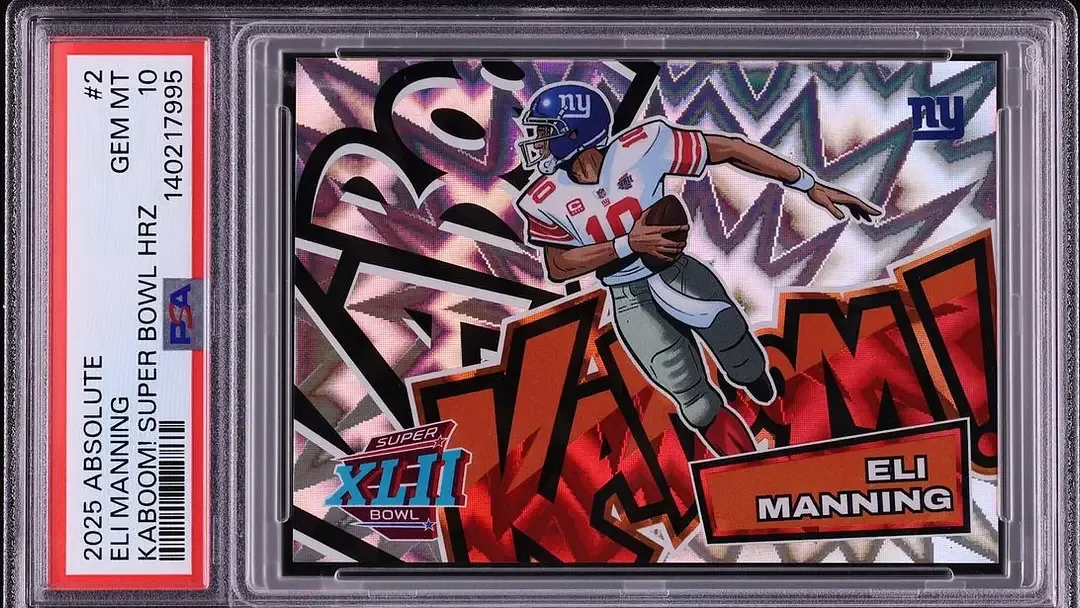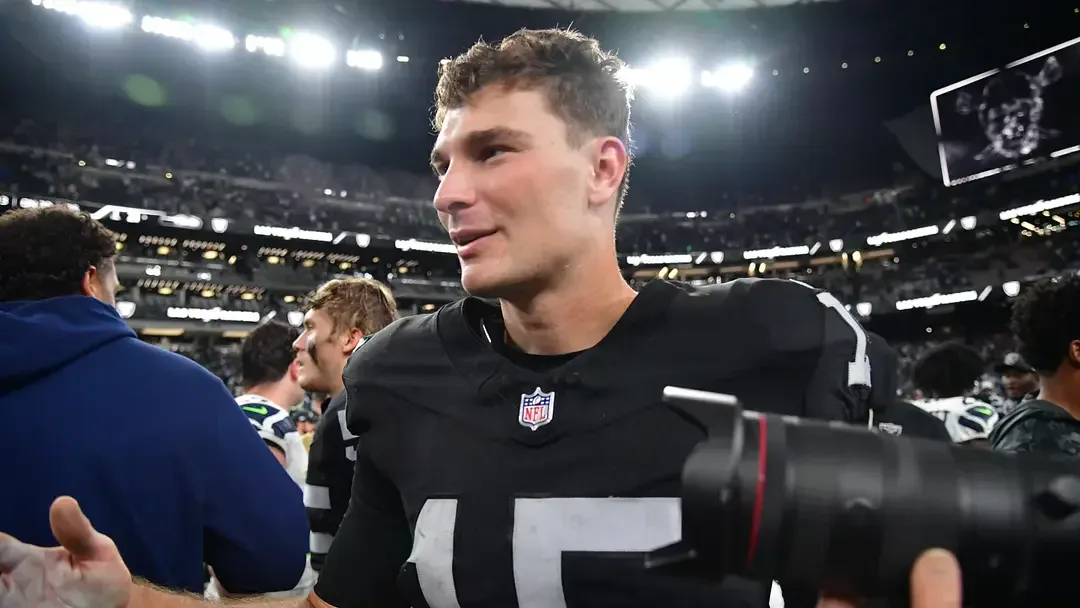
Ten teams have changed quarterbacks as Week 18 approaches, creating the sort of late-season card-market chaos that can make a depth-chart update feel like a breaking auction listing. The players stepping in do not belong to one tidy category, either. There is the No. 1 overall pick finally getting his shot, a rookie whose first start ended with an injury, former high selections seeking a reset, developmental passers auditioning for a future, and veterans pressed into action because the alternatives disappeared.
For football-card collectors, that distinction matters more than the fact that a quarterback is starting on Sunday. A first start is an attention event. It is not automatically evidence of a durable market. The hobby tends to reward a far narrower profile over time: quarterbacks with premium draft pedigree, a secure organizational commitment, meaningful playing opportunity and, eventually, sustained NFL success.
That makes Fernando Mendoza’s move into the Las Vegas Raiders lineup the clearest market story of the group. It also makes him the example of why collectors should separate a player’s long-term ceiling from the price already being demanded for that ceiling.
Fernando Mendoza has the cleanest setup—and the most obvious expectations
The Raiders have handed the offense to Mendoza, the No. 1 pick, while Kirk Cousins takes over for Minnesota after a trade-deadline move that brings him back to his former club. Las Vegas now gets meaningful information on its top selection, and Mendoza’s first action arrives alongside the 2026 Topps Chrome Football release.
That timing is naturally significant for cards. Topps Chrome is a current flagship-style release, so a rookie quarterback becoming relevant during its arrival can focus attention on his cards quickly. Yet release timing alone does not establish lasting demand. Collectors should treat it as an accelerant: it may make more people look at Mendoza’s cards right now, while his performance and role determine whether that interest persists.
There are already multiple Mendoza card sales above $10,000. That figure is important not simply because it is large, but because it signals that buyers have begun pricing in the desirable version of the story: elite draft investment, an immediate starting opportunity and the possibility that the Raiders have found their franchise quarterback. When so much optimism is embedded before a player has built a substantial NFL résumé, the range of outcomes remains wide.
Practical implication: collectors considering Mendoza should know what they are buying. A high-end rookie card at this moment is not just exposure to a new starter; it is exposure to the belief that his early opportunity will become a long-term success. That can work, but it leaves less room for ordinary rookie inconsistency, injury disruption or organizational change.
Carson Beck’s chance is real, but interruption changes the equation
Arizona has turned to Carson Beck after Jacoby Brissett was traded to Baltimore and Gardner Minshew went on injured reserve. Beck’s earlier Hall of Fame Game duel with Carolina’s Haynes King generated discussion about whether he could become Arizona’s quarterback of the future. But Beck was injured in his first start and will miss this week.
Related coverage includes NFL Quarterback Card Market: What Fernando Mendoza and Nine Other Starter Changes Mean for Collectors.
The combination of an opening and an interruption is precisely why collectors should resist defining a quarterback market too quickly. Beck may still be among the most compelling chases in the current rookie group behind Mendoza, but the available evidence is incomplete. His market must now account for both the upside of a newly available role and the uncertainty created by missing time before that audition can develop.
In card terms, a player can be a compelling chase without being a proven hold. “Chase” describes collector attention and the desire to pull or acquire a card. It does not guarantee that demand will be durable. Beck’s situation illustrates the difference especially well: opportunity placed him on the radar, but it has not yet answered the questions that establish a quarterback’s place with a team.
Second chances create compelling narratives, not automatic blue-chip cards
J.J. McCarthy, Anthony Richardson and Drew Lock each carry a different kind of revival narrative. Such stories can move cards because they offer a clean, easy-to-understand proposition: a once-questioned quarterback may finally have found the conditions needed to succeed. But each case requires collectors to inspect the details rather than purchase the headline.
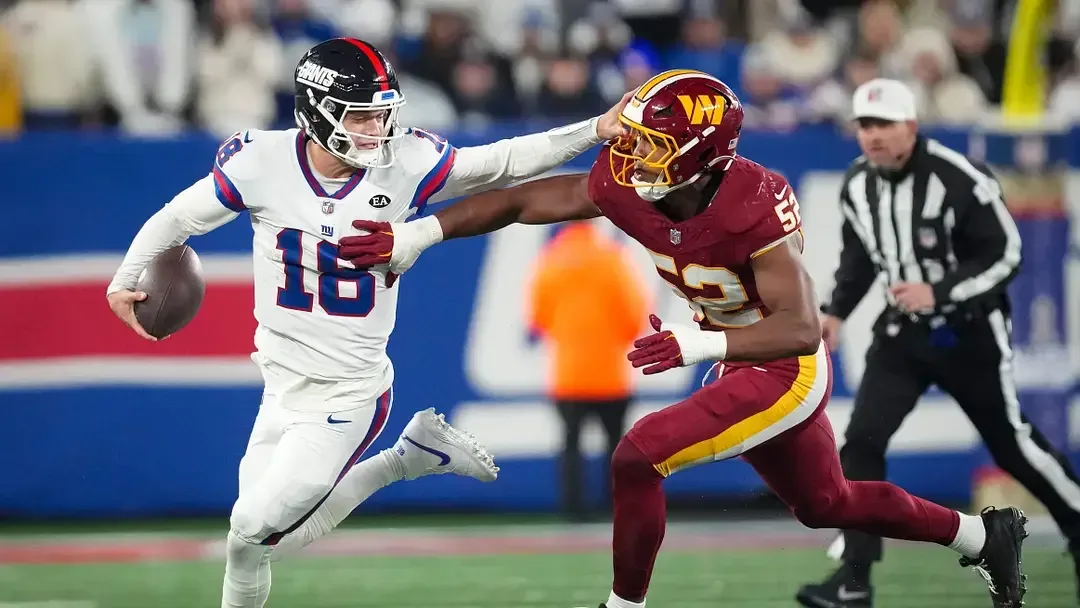
McCarthy has taken over for the Giants after Jaxson Dart suffered a season-ending knee injury in Week 2 and Jameis Winston subsequently filled in. The former Michigan national champion appears to have found momentum with his new team, which remains among the clubs in this group with a realistic playoff chance. The playoff context matters. Relevant games provide a quarterback with higher-stakes visibility, and visible success can change how collectors view a player’s future.
McCarthy also has a notable card-specific distinction: he is one of only two quarterbacks from the 2024 class with True Panini RPAs, alongside Michael Penix. An RPA, or rookie patch autograph, is a card format combining an autograph with a memorabilia patch and is often a major high-end rookie-card target. “True” in this context generally distinguishes the principal rookie RPA from a related insert, subset or alternate design. Scarcity, branding and collector recognition can all influence how these cards trade—but the quarterback’s career still drives the larger market.
Richardson brings a different profile. Taken third among quarterbacks in the 2023 draft, behind Bryce Young and C.J. Stroud, he is 8-7 as an NFL starter and is viewed as perhaps the most naturally talented passer among these replacement starters. The Colts, however, sold much of their offensive talent at the trade deadline. That means a strong individual evaluation may not translate neatly into eye-catching team results. Collectors judging Richardson should be careful not to turn a difficult surrounding situation into either definitive proof of failure or unsupported proof of greatness.
Lock is being asked to lift a Seattle offense described as pedestrian one season after a Super Bowl championship. He has outperformed Sam Darnold during the season, after beginning his career in Denver. The potential attraction is obvious: a quarterback with experience gets an opening on a recent champion. Still, a late change of starter does not erase the uncertainty of whether the role is permanent. The market question is less “Can Lock produce a memorable stretch?” than “Does this create a dependable multi-year starting path?”
Auditions in Miami and Philadelphia are different kinds of speculation
Kyle McCord and Joe Milton sit in situations that may offer playing time without offering the immediate trappings of a stable quarterback market.
Miami is out of the playoff picture and expects to hold a top-three draft pick. McCord is unlikely to transform the season on his own; the larger issue is whether the Dolphins see him as a quarterback to pair with Jeremiah Smith or decide they need to acquire a different long-term answer. That makes his starts an evaluation period, not a declaration. A card buyer is therefore betting not only on McCord’s performance but on the team’s eventual decision.
Philadelphia has lost Jalen Hurts for the season, giving Milton a potential route to meaningful snaps. Milton has a strong arm and has already spent time with the Patriots before beginning the year on the Cowboys’ practice squad. The Eagles are only two years removed from a Super Bowl, so the setting can create immediate attention. But the same context also underscores the challenge: an injury replacement must show enough to earn consideration beyond the return of the established starter.
Analysis: these are among the riskiest card propositions because a short-term job and a long-term opening are not the same asset. A quarterback can play adequately in a temporary role and still have no direct route to the starting job once the incumbent is healthy or the offseason reshapes the depth chart. Collectors should avoid assigning franchise-quarterback certainty to what is currently a tryout.
Baltimore and New England show why urgency is not a market thesis
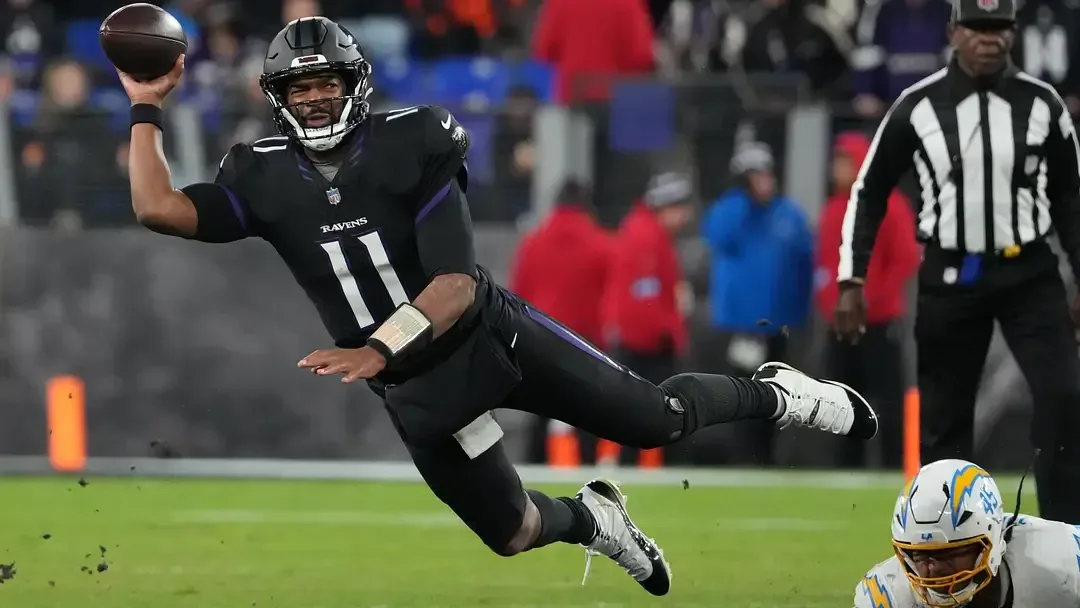
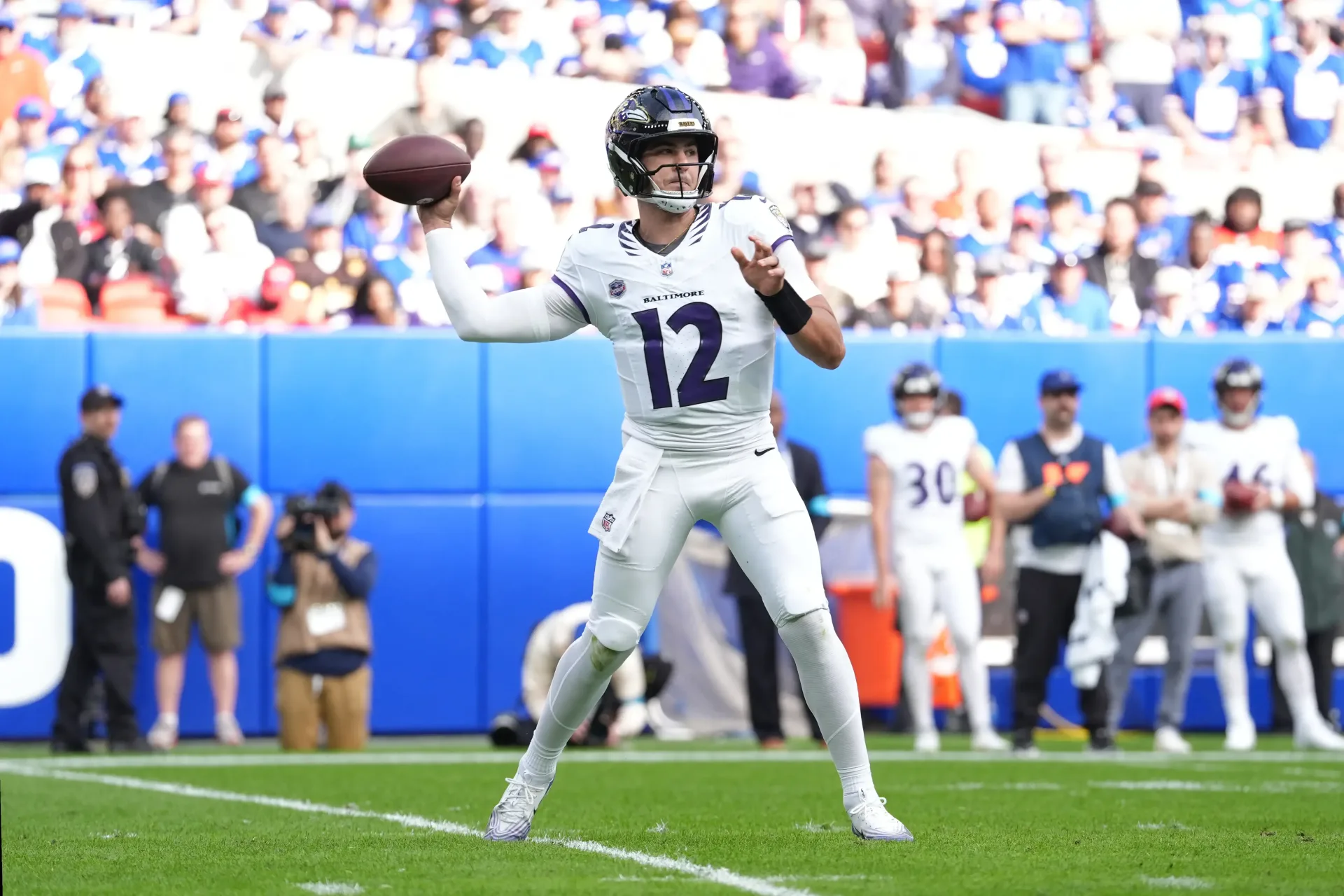
The Ravens acquired Brissett after long-term injuries to both Lamar Jackson and Tyler Huntley. Undrafted free agent Joe Fagnano had an opportunity, but Baltimore lost consecutive games to Jacksonville and the previously 0-8 Chargers before obtaining Arizona’s Week 1 starter.
Brissett’s move is meaningful for the Ravens’ season, but it is not necessarily a reason to expect a major long-term change in his card market. This is a team seeking a functional answer amid an injury emergency. Brissett’s value to Baltimore can be substantial without his cards becoming a speculative cornerstone. Those are separate judgments.
New England’s return to Tommy DeVito follows a season in which the Patriots began with winning expectations after reaching the previous Super Bowl. DeVito previously gained attention with the Giants, but he has had multiple NFL chances with limited results. The opportunity may generate a moment of interest; the history makes it hard to build a stronger card thesis without a clear change in on-field results and role security.
The durable quarterback-market template is demanding
The strongest quarterback markets share two major traits: the player was selected in the first round and remains with the team that drafted him. The paths to the field have varied. Caleb Williams, Joe Burrow and Trevor Lawrence began as Week 1 starters after being chosen first overall. Josh Allen and Justin Herbert entered during their first seasons, a route more similar to Mendoza’s. Patrick Mahomes and Jordan Love each waited at least a full season before becoming starters.
The useful lesson is not that every quarterback must start immediately, nor that waiting guarantees greatness. It is that teams and collectors can support different development timelines when the organizational investment remains firm. First-round capital alone is not enough; neither is a handful of starts. The market’s most durable names tend to combine pedigree with a sustained chance to become the face of the franchise.
That is why established quarterbacks remain a more grounded alternative to the rush around newly promoted starters. Josh Allen, Joe Burrow, Patrick Mahomes and Brock Purdy represent the appeal of buying players whose NFL standing is already far more established than any current replacement quarterback’s. Their cards still involve risk—no player is immune to performance shifts, team changes or injury—but the collector is not trying to predict whether a brief audition becomes a career.
Injury can create a separate kind of buying window. Jaxson Dart and Lamar Jackson are examples of proven or established market names whose prices may soften while they are unavailable. A “buy the dip” strategy means acquiring after a decline caused by a temporary negative event, on the belief that the player’s underlying value will recover. It is not a guarantee of recovery, and collectors should still consider the seriousness of the injury, expected absence and the player’s broader outlook. But it differs fundamentally from buying a fresh starter: the buyer is evaluating a setback against an existing body of work, rather than buying mostly projected outcomes.
A disciplined way to follow the quarterback carousel
The Week 18 quarterback changes offer plenty of reasons to watch, but they do not require every collector to act. A more disciplined checklist keeps the excitement in proportion:
- Identify the role: Is the player replacing an injured starter temporarily, receiving an open-ended audition, or being installed as the organization’s preferred future?
- Separate draft status from card price: Mendoza’s No. 1 selection is a powerful signal, but five-figure sales suggest the market recognizes that signal already.
- Check the player’s card ecosystem: Formats such as McCarthy’s True Panini RPAs can matter at the high end, though a scarce format cannot substitute for career progress.
- Account for team circumstances: A depleted roster, playoff chase, injury crisis or looming high draft pick changes what a few starts can actually tell us.
- Decide whether the purchase is speculative or established: Neither approach is inherently wrong, but they deserve different budgets and expectations.
Late-season quarterback movement can create fast, emotional card markets because every snap seems to promise a new answer. The more useful approach is slower. Mendoza has the premium setup, Beck has an intriguing but interrupted opening, and McCarthy, Richardson and Lock each have arguments that depend on what comes next. Meanwhile, McCord, Milton, Brissett and DeVito demonstrate that a start can be necessary for a team without becoming a lasting hobby catalyst.
For collectors who want the lower-drama route, established quarterback markets and injury-related dips offer a clearer foundation. For those willing to speculate, the key is to recognize that the new starters are probabilities, not conclusions. The scoreboard may supply a plot twist in Week 18. A lasting card market will require much more than one.
For another look at how character-driven collecting stories are framed across the hobby, see this Jean Grey collecting coverage.