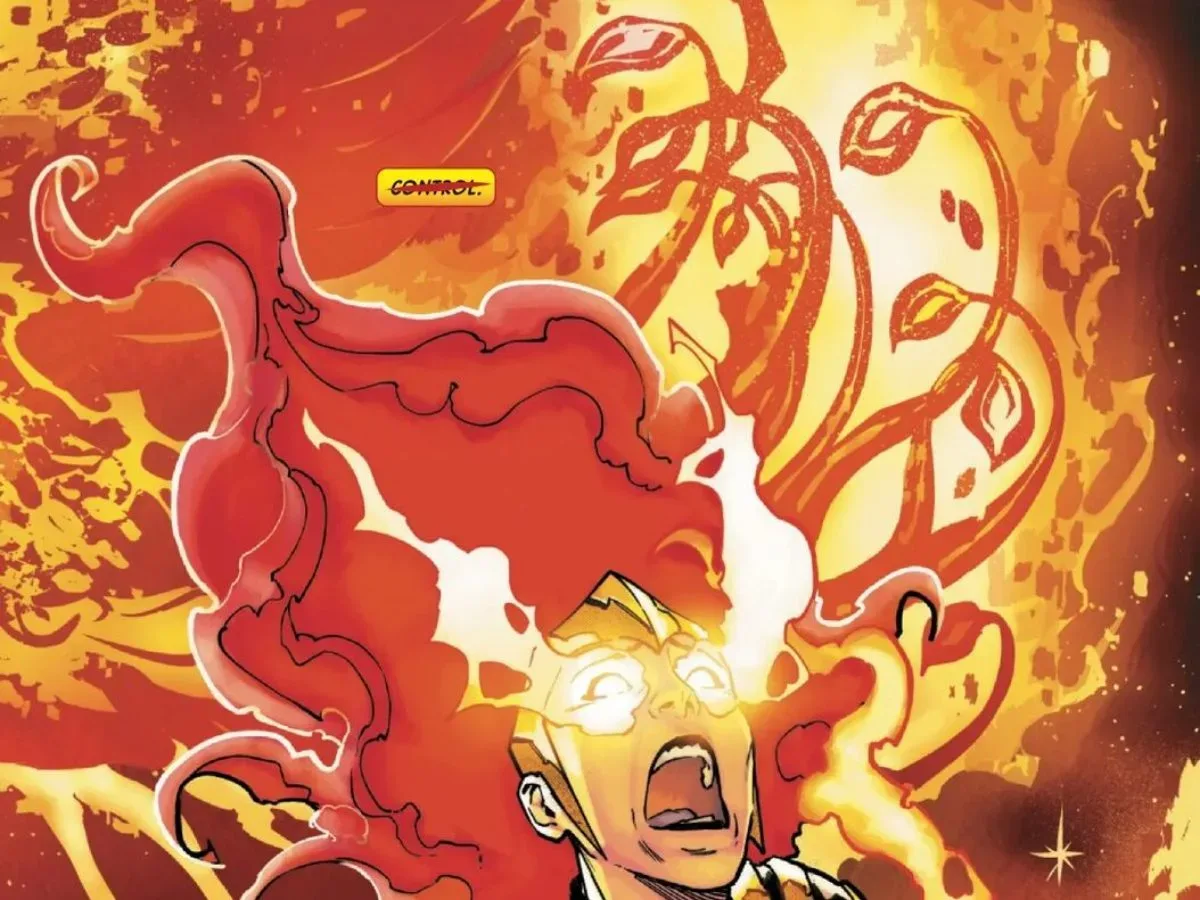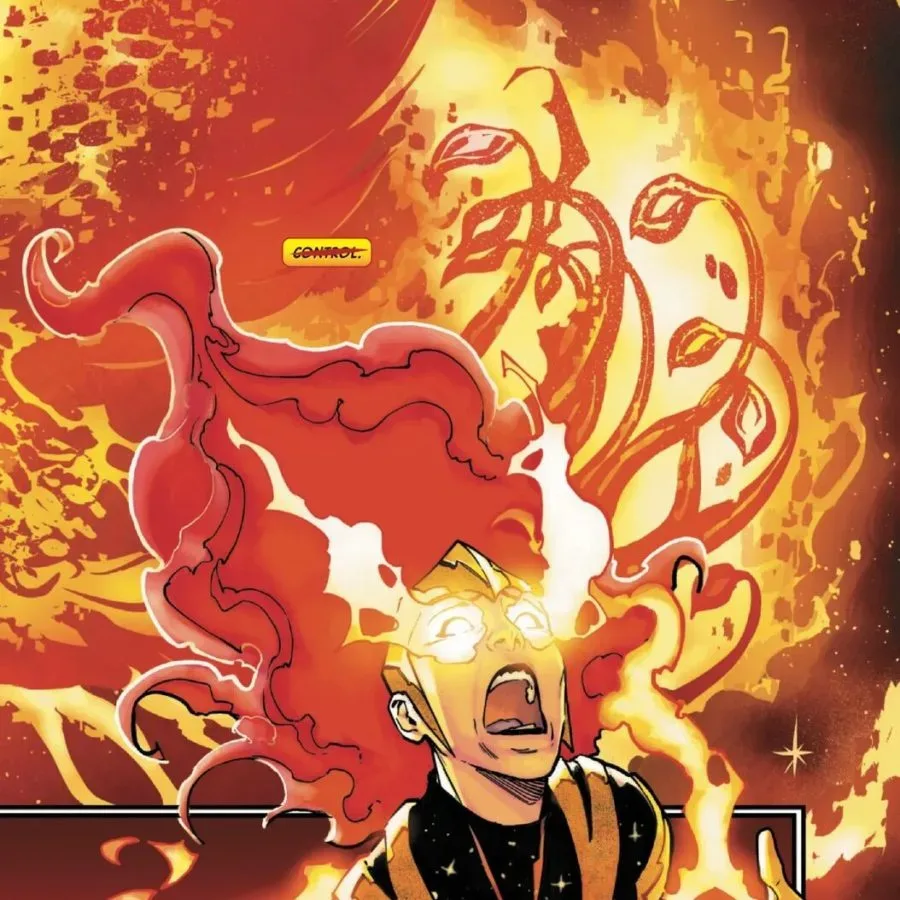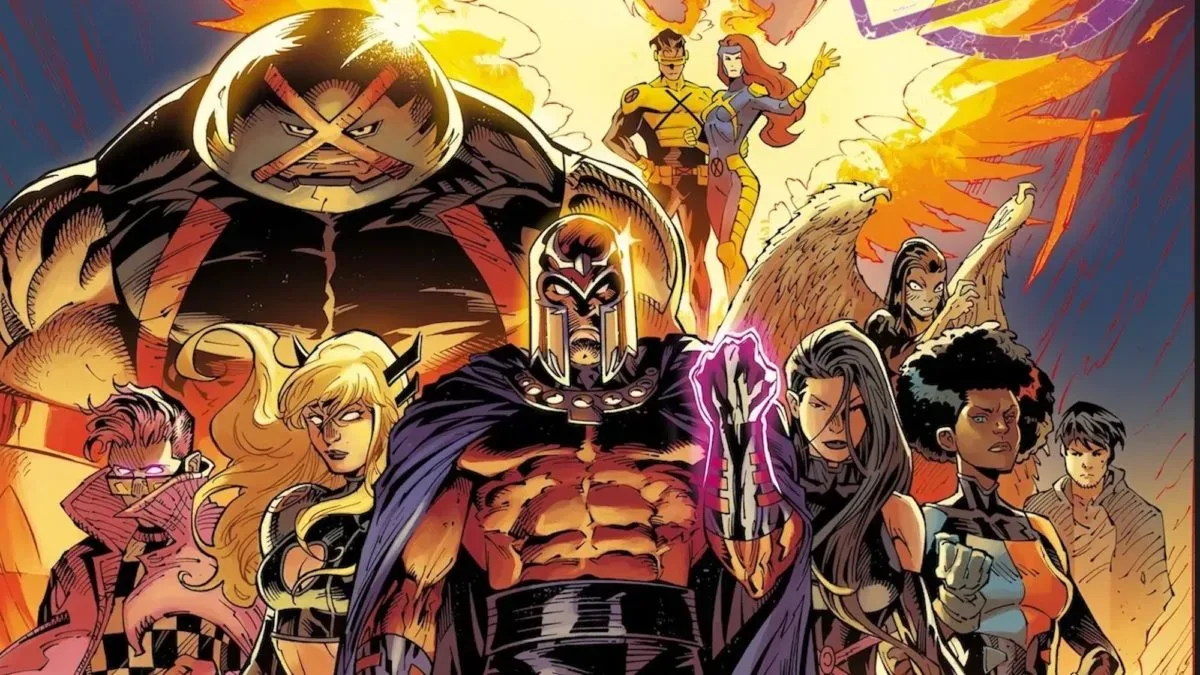
Jean Grey is returning to the center of Marvel’s mutant line in Jean Grey #1, a new 32-page issue set in the aftermath of DNX. Written by Jed MacKay, drawn by Rogê Antônio, and led by a main cover from Joëlle Jones, the book places one of Marvel’s most powerful characters in a conflict that is more personal than a simple battle: can Jean control the Phoenix Force once it reaches Earth?
The issue is scheduled to go on sale November 25, 2026, at a listed US price of $4.99. Its official setup is deliberately direct. The Phoenix is traveling toward Earth, Jean is already aflame with its power, and the stakes encompass both creation and destruction. The central question is not whether the force is powerful. That part is beyond dispute in the premise. The question is whether Jean can direct it rather than be overwhelmed by it.
A new Jean Grey chapter begins after DNX
Jean Grey #1 is presented as the beginning of a new chapter for Jean and the X-Men following DNX. That positioning matters because it gives the series an accessible immediate problem even for readers who may not arrive with every prior detail memorized: the Phoenix is coming home, and Jean must meet it.
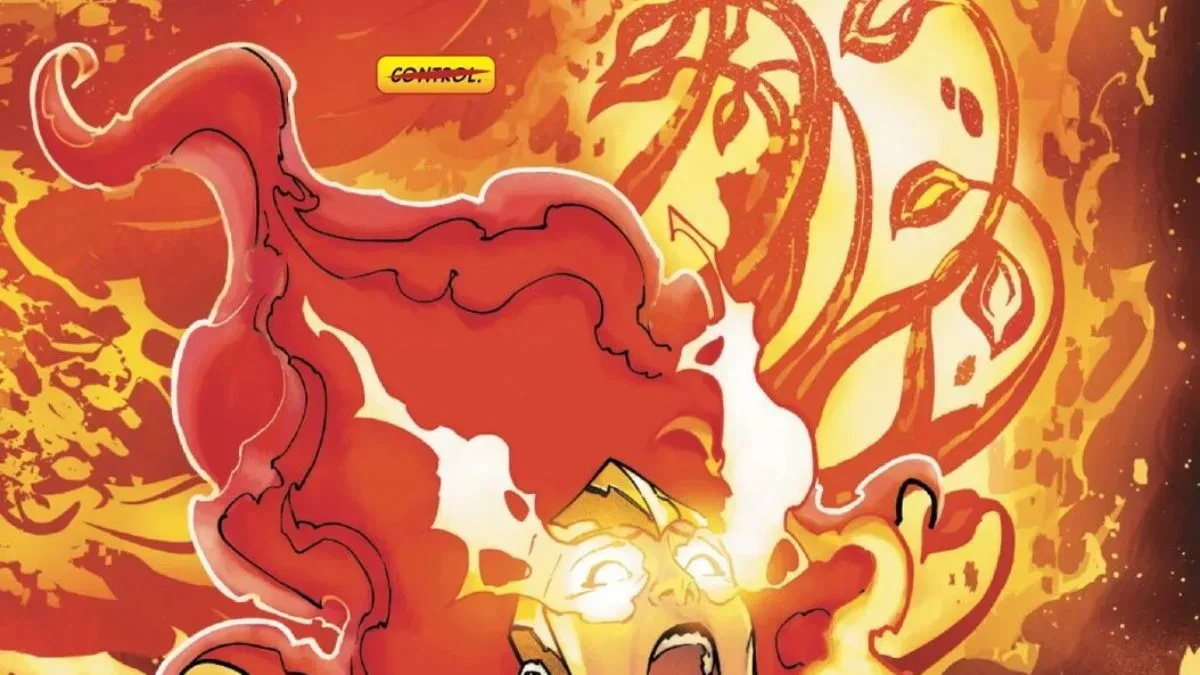
“Burning on re-entry” is the language used to frame the premise, suggesting a return that is not peaceful, passive, or cleanly resolved. Re-entry normally describes the hazardous moment when an object comes back through an atmosphere. In this case, the metaphor fits Jean herself. She is not simply returning to a familiar setting with extraordinary abilities; she is approaching Earth while containing something presented as capable of giving life or taking it away.
That duality is the book’s clearest dramatic engine. A power that can only destroy invites one type of story: stop it before catastrophe occurs. A power that can create as well as destroy creates a more difficult moral and emotional problem. The person wielding it must decide when to act, when not to act, and whether control is genuinely possible under pressure.
The preview points back to Xavier’s lesson on control
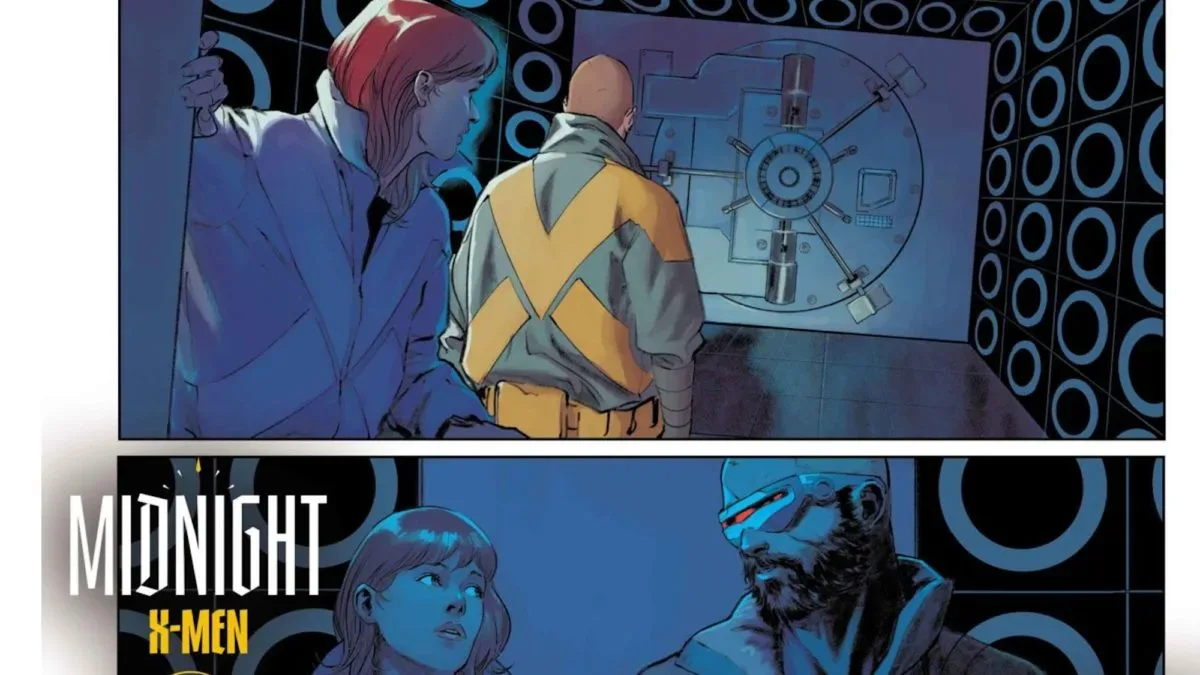
The available preview begins in Jean’s past, with a young Jean Grey speaking with Xavier over tea about control. It is a compact but useful choice of scene. Rather than introducing the Phoenix only through spectacle, it connects Jean’s present-scale danger to an early lesson about responsibility and restraint.
Telekinesis is the ability to move or manipulate objects with the mind, and the preview reportedly places that ability in an intimate setting where breakable tea service is within reach. That contrast makes the lesson understandable without a cosmic lecture. Control is not only about having enough strength to do something. It is also about knowing the consequences of doing it carelessly.
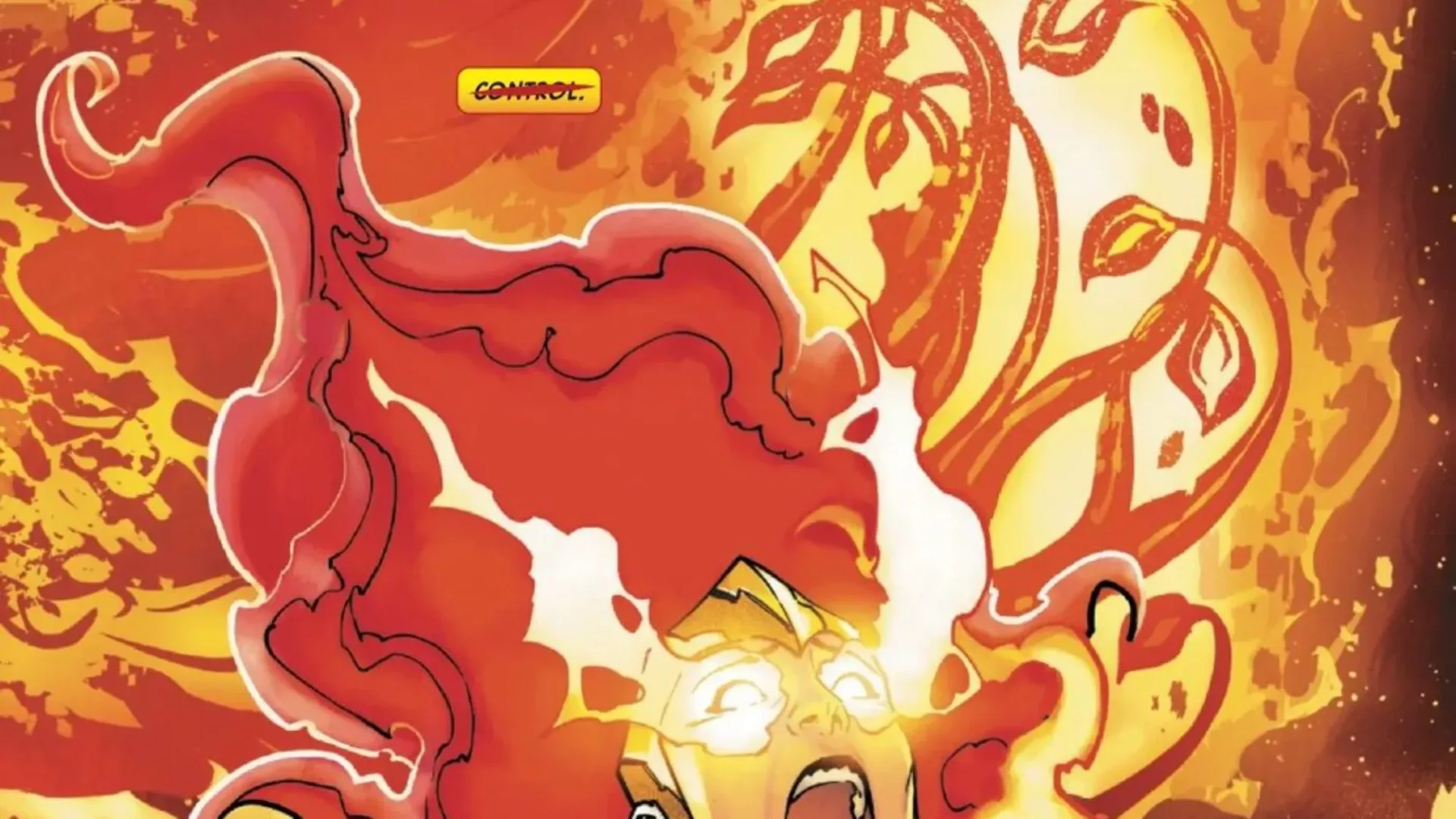
The pages then shift from that quieter memory to Jean surrounded by Phoenix fire. The visual and thematic gap between tea and flame is substantial, but the underlying question is consistent. An early exercise in keeping one’s powers measured becomes the foundation for facing an immeasurably larger force. For a first issue, it is a focused way to establish that Jean’s conflict is rooted in character, not merely scale.
What the Phoenix premise means
The Phoenix is described here through its extremes: life-giving and life-taking. That wording does not define every rule of the force or promise a particular outcome, but it does establish the range of risk facing Jean. The issue’s drama is built around agency. Is Jean making choices with this power, or is she in danger of becoming the vehicle through which its power acts?
That distinction is important in superhero fiction. “Control” can mean several things at once:
- Emotional control: whether fear, anger, grief, or panic can distort a character’s choices.
- Practical control: whether a character can use immense power precisely rather than causing collateral damage.
- Moral control: whether a character can recognize limits even when they have the ability to ignore them.
- Personal control: whether the character remains recognizably themselves while joined to a force greater than themselves.
The solicitation supports all four readings without giving away how the issue resolves them. Jean is “aflame within,” wording that makes the situation sound internal as well as external. The Phoenix’s approach to Earth supplies an obvious deadline, while Jean’s uncertainty supplies the story’s more intimate tension.
There is also a useful contrast between power and authority in the setup. Jean may possess or be possessed by immense power, but the issue asks whether she has authority over it. Those are not the same thing. A character can be capable of world-changing action while still struggling to choose, direct, or stop that action. For Jean Grey, that gap appears to be the point of this launch.
Creative team and visual expectations
MacKay is credited as writer, Antônio as interior artist, and Jones as the main-cover artist. The official material does not disclose the series’ full long-term structure, supporting cast, or future antagonists, so readers should be wary of treating this first solicitation as a complete map of the run. What it does establish is a clear opening scenario: Jean, the Phoenix, Earth, and the immediate test of control.
Antônio’s art carries the challenge of moving between the human-scale memory of Jean and Xavier and imagery defined by the Phoenix’s fire. That is a potentially important visual relationship in the opening. The premise needs both sides to work: Jean must feel like a person shaped by an old lesson, while the Phoenix must feel consequential enough that losing control has genuine weight.
Jones’ main cover identifies the standard edition, while several additional covers are listed for collectors. Variant covers are alternate cover editions of the same comic issue; they do not, by themselves, indicate different story contents. In this case, the listed variants include work associated with Ito, Miguel Mercado, Nogi San, and Peach Momoko.
Edition and cover details for collectors
Readers planning a purchase have a straightforward standard edition and multiple variant options to discuss with a comic shop. The listed US cover price is $4.99, while the listed Canadian price for the variants is $6.25. A 1:25 or 1:100 label denotes a retailer-incentive ratio: retailers generally order a specified number of qualifying copies to access one copy of that particular variant. It is an ordering designation, not a statement about story content or a guarantee of later market value.
- Main cover: Joëlle Jones
- Cover B: Ito variant
- Cover C: Miguel Mercado 1:25 variant
- Cover D: Nogi San variant
- Cover E: Peach Momoko Momo-Tone variant
- Cover F: Ito virgin 1:100 variant
“Virgin” usually refers to a cover without the regular logo and trade dress, while “Momo-Tone” identifies the named cover treatment. Those labels tell buyers about presentation, not plot. Anyone collecting a specific edition should confirm local availability and ordering terms before release, especially for ratio variants, which may not be stocked in the same quantities as the standard cover.
The comic is rated T+ and carries the product code 75960621614700111 for the main issue. It is listed at 6.62 by 10.15 inches and 32 pages. For readers looking across Marvel’s broader mythic and cosmic corners, the site has also covered a Thor story centered on a journey to Muspelheim.
Why this launch has a clear hook
New number-one issues can sometimes arrive carrying a broad promise of a fresh start but few specifics about their first conflict. Jean Grey #1 has a more defined opening proposition. The Phoenix is headed to Earth after DNX; Jean is bound up in that return; and the result hinges on whether she can hold onto control over a force explicitly described as capable of saving or destroying.
That does not reveal the answers, and it should not. The strongest unanswered question is also the series’ simplest one: when Jean touches down, what version of her—and what expression of the Phoenix—will Earth receive? The first issue has enough stated focus to make that uncertainty meaningful, while leaving the consequences for Jean and the X-Men to unfold on the page.