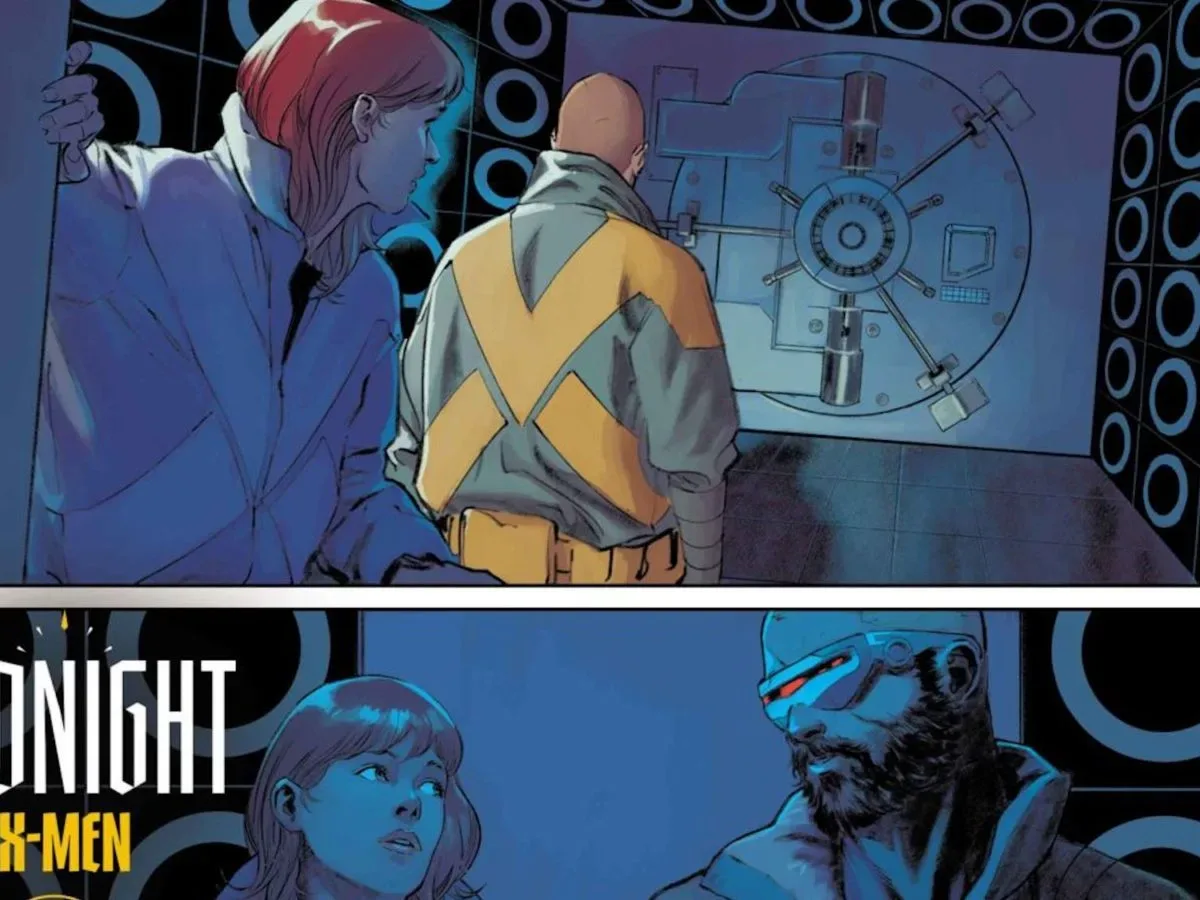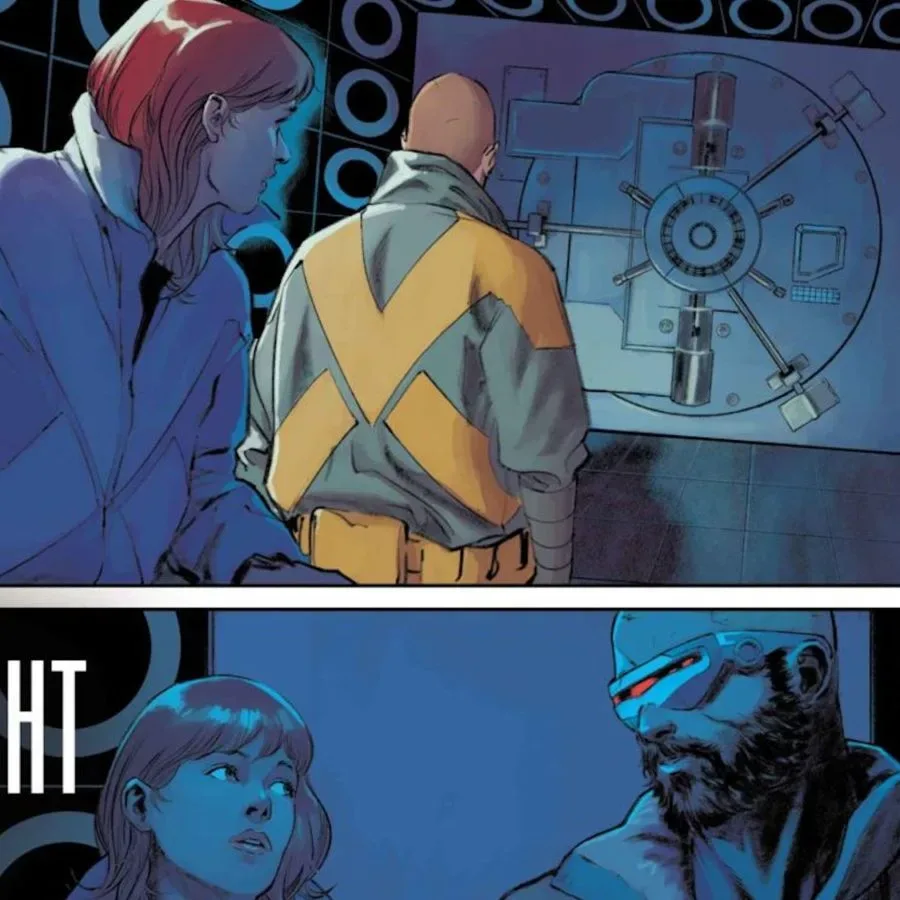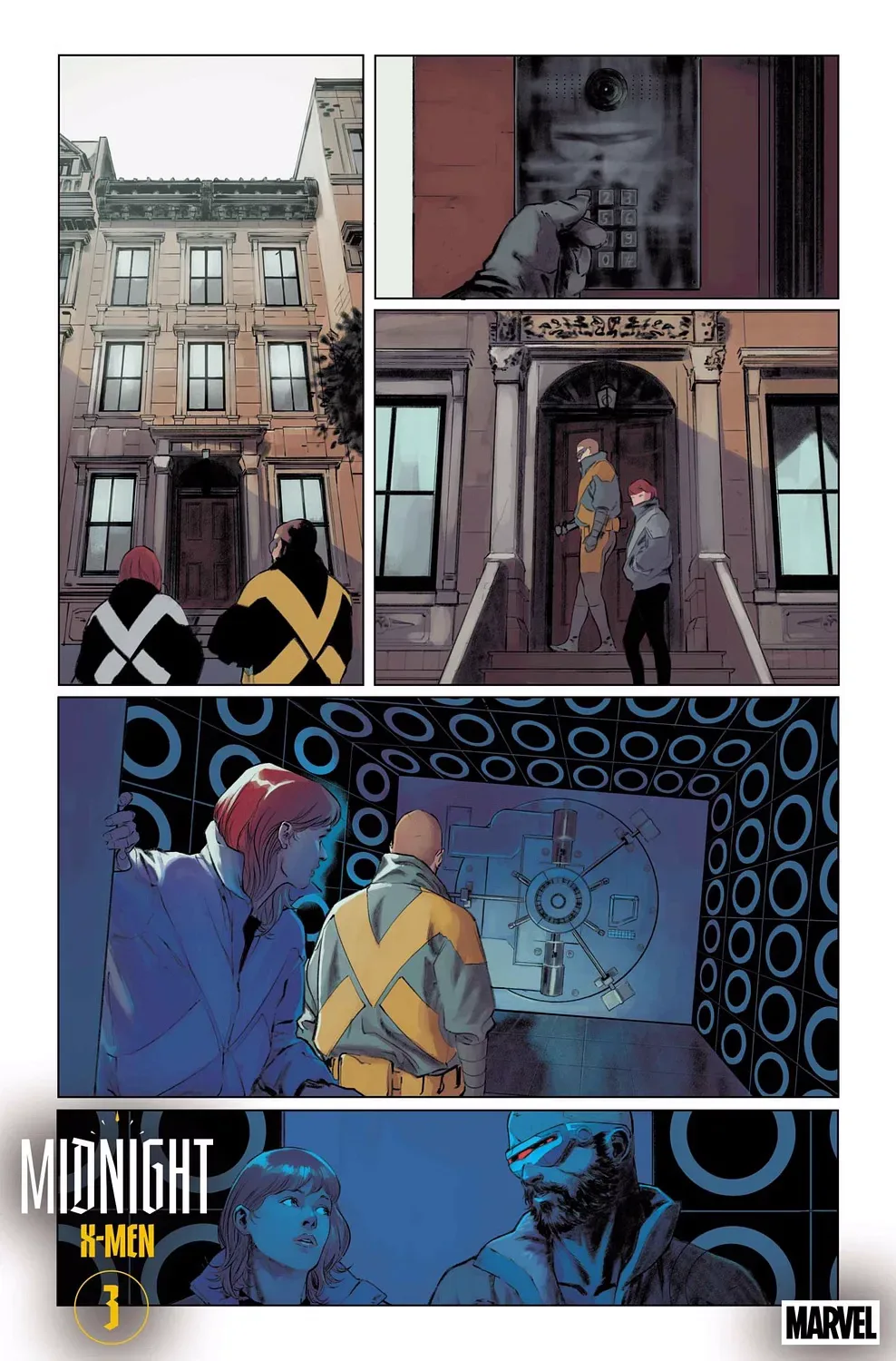
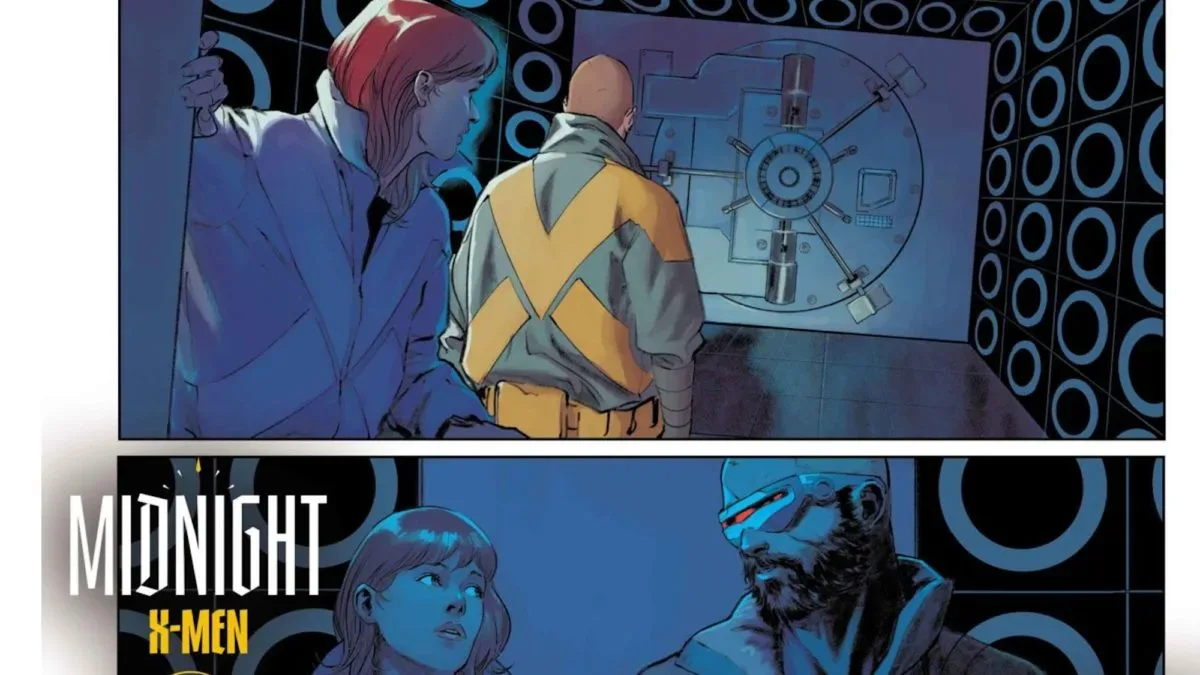
Midnight X-Men #3 is positioning Hope at the center of a rapidly tightening vampire-horror plot. The series has established that Cyclops remains a non-vampire mutant and has brought the also non-vampire Hope under his protection. But that apparent refuge has an alarming complication: Cyclops is under the influence of the telepathic vampire Jean Grey.
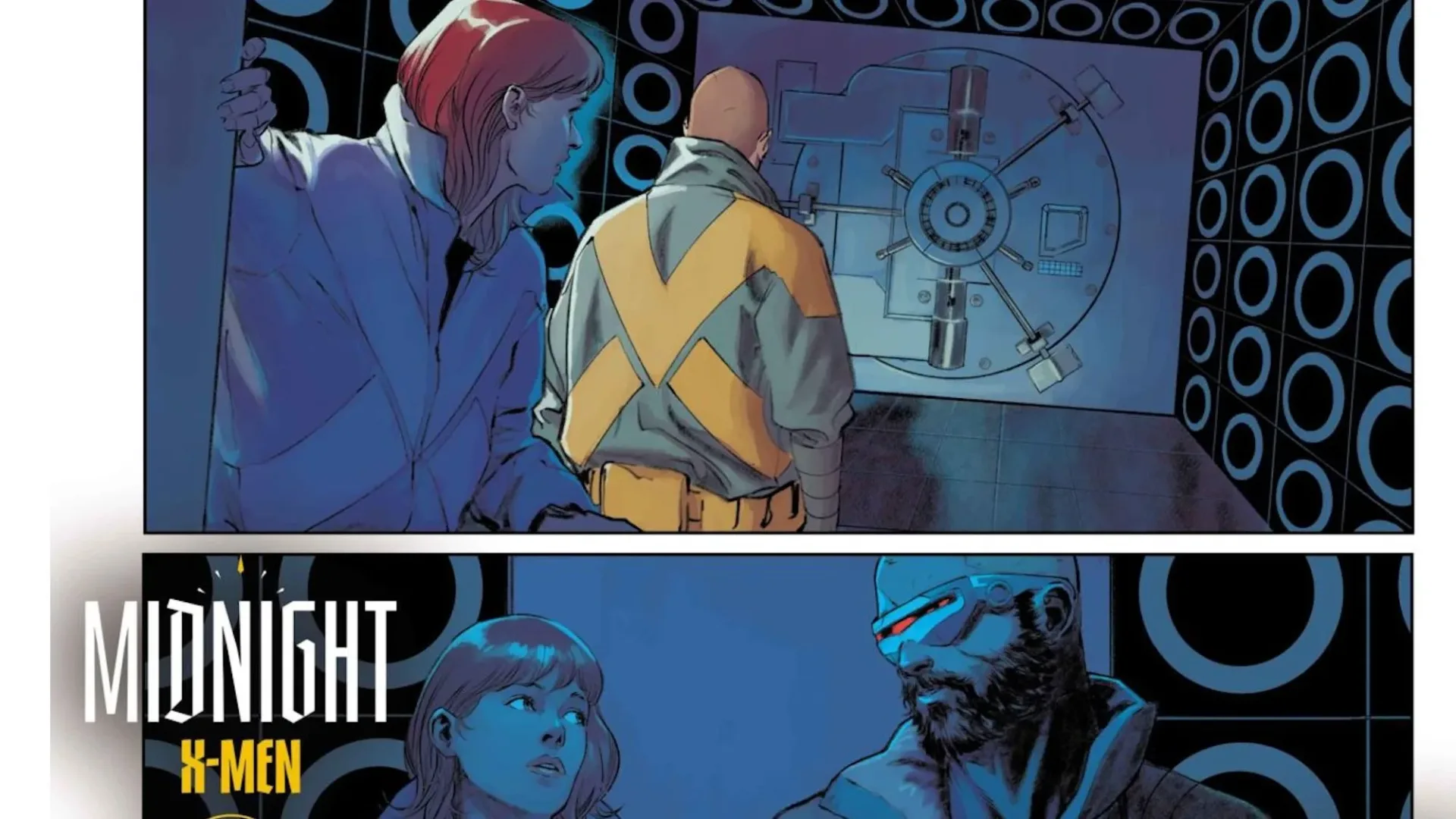
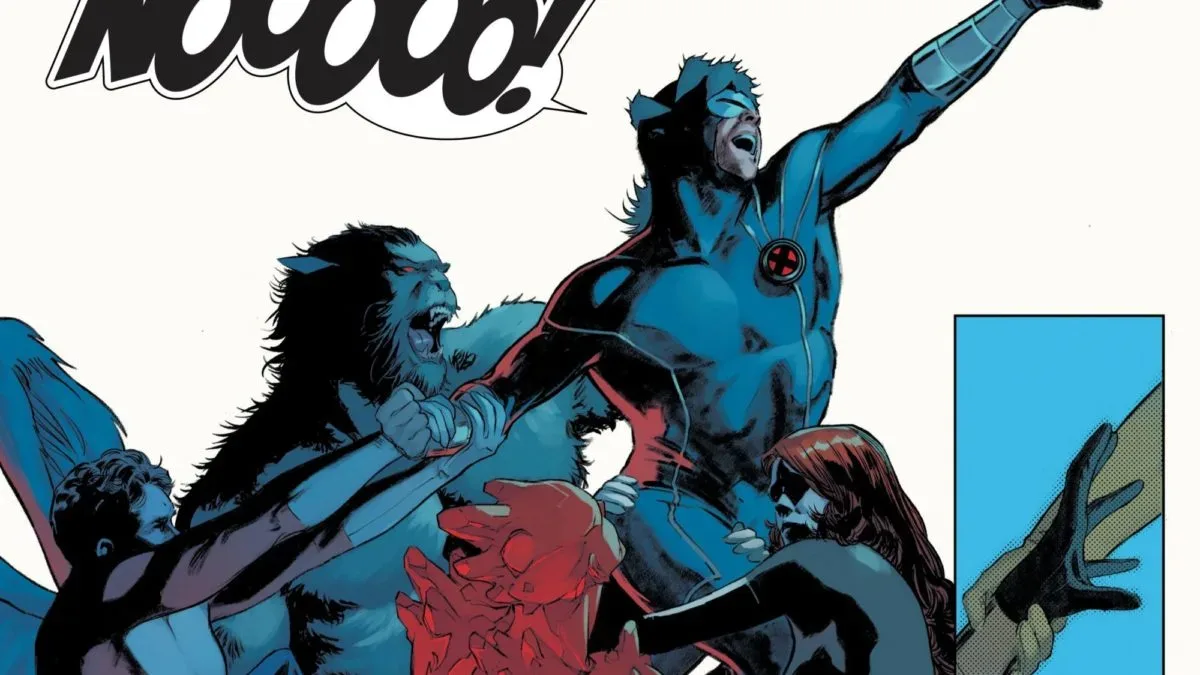
That changes the meaning of virtually every action Cyclops takes. Jean’s controlled Cyclops has been gathering mutants and delivering them to her, where they are either transformed into vampires or consumed. Hope’s proximity to him therefore reads less like safety than a potential trap. The preview material for issue #3 does not confirm Hope’s fate, but it gives the question real urgency: can she escape the cycle of recruitment and conversion, or is she about to become its next victim?
Why Hope’s situation matters in Midnight X-Men
Hope is notable here because she and Cyclops are identified as non-vampire mutants in a setting where vampirism has overtaken the X-Men’s world. In story terms, that makes her more than another character endangered by monsters. Her presence creates a point of contrast with a society already reshaped by vampiric power, and it gives Jean Grey a possible target whose transformation would carry particular weight.
The threat is also personal rather than abstract. Cyclops has taken Hope in while unknowingly—or unwillingly—functioning as part of Jean’s system. A character who might normally represent structure, leadership and protection has become the delivery mechanism for danger. That reversal is a fitting engine for a horror-leaning X-Men story: familiar loyalties are still visible, but they cannot be trusted in their old form.
Jean’s role makes the danger harder to solve by force alone. Telepathy, in this context, means mind-to-mind influence and communication. If Cyclops is in her thrall, the immediate problem is not simply whether he can win a fight. It is whether he can act on his own intent at all. Hope may need allies able to identify the control, protect her from Cyclops without treating him as an uncomplicated enemy, and confront Jean’s command over him.
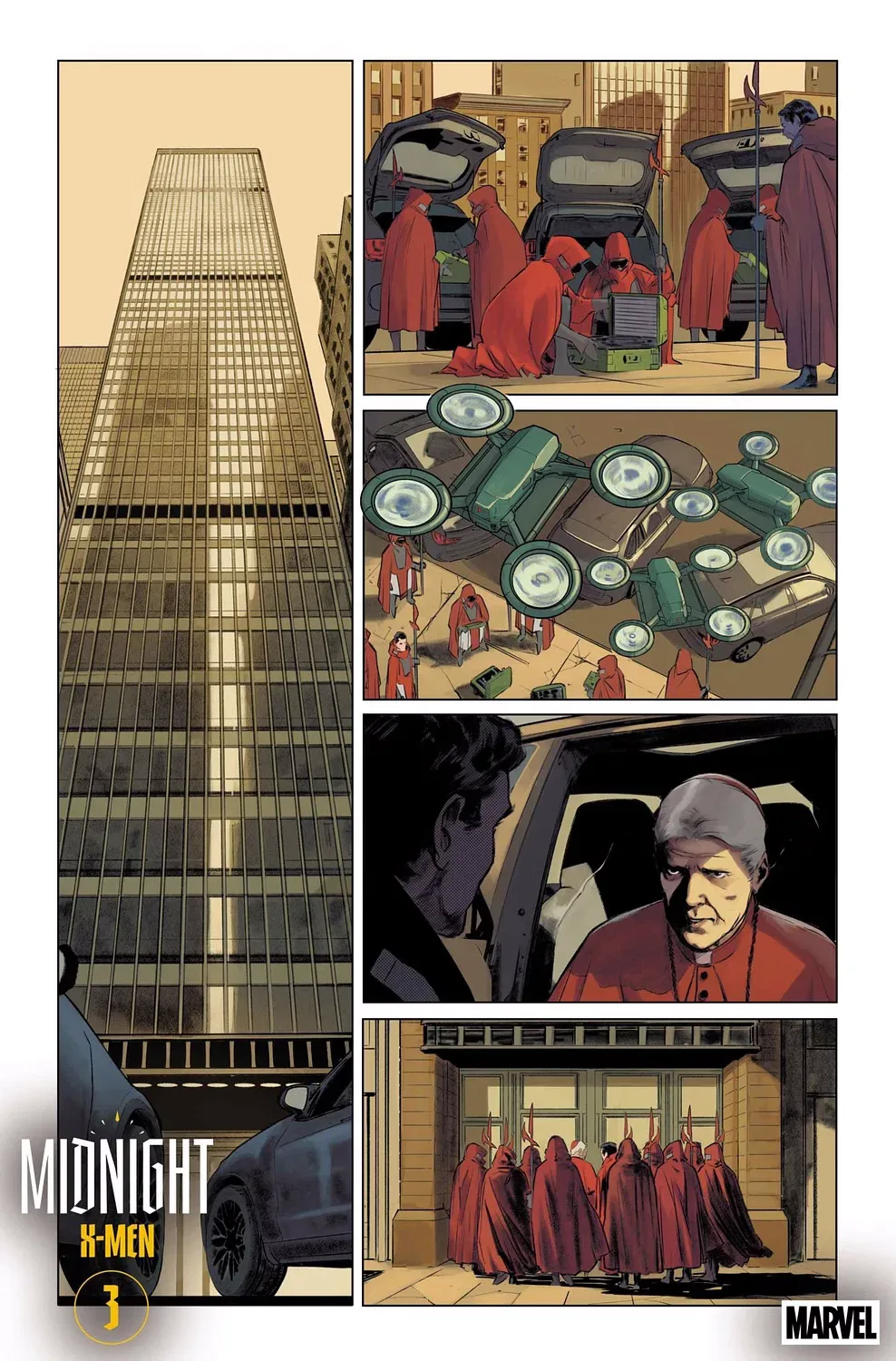
There is also a church presence in the issue’s setup, one equipped with drone technology. That collision of religious imagery and surveillance hardware suggests the series is not limiting itself to traditional gothic vampire iconography. The church may represent sanctuary, opposition, judgment, or another power structure entirely; the available material does not settle which. The drones, meanwhile, imply reconnaissance, tracking or enforcement capabilities that could make hiding from the vampires far more difficult.
Forge and the Adversary add a supernatural fault line
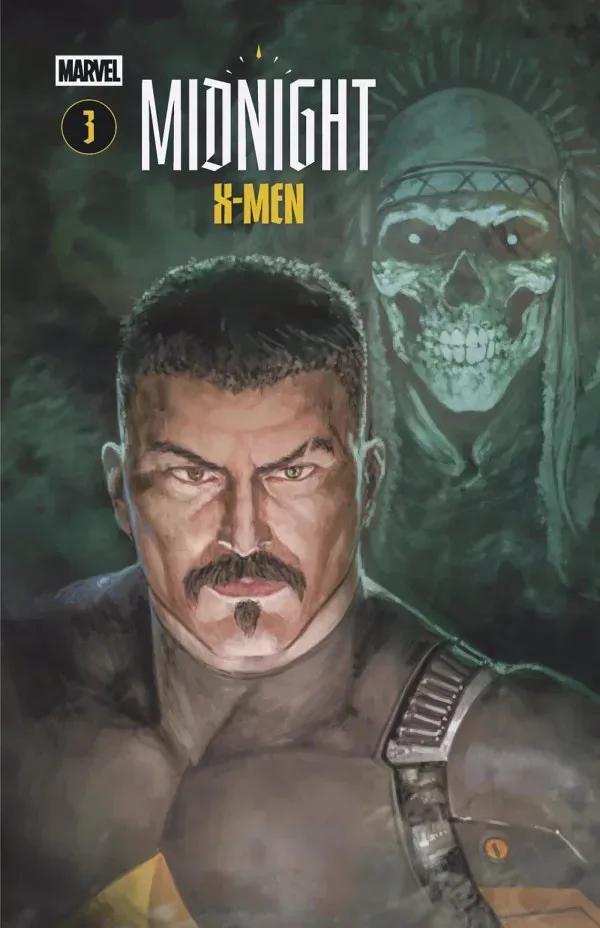
A cover for Midnight X-Men #3 brings Forge and the Adversary into focus, opening a second, more infernal-looking pressure point for the series. Their connection carries considerable baggage in the main Marvel continuity, but the Midnight setting appears built to distort established outcomes rather than simply repeat them.
In the familiar Marvel 616 history, Forge is a Cheyenne mutant whose power is an intuitive brilliance for making technology. Put simply, he can conceive and construct extraordinary devices, even when he cannot necessarily explain every conventional scientific step behind their operation. His background also links him to spiritual training under the shaman Naze and, crucially, to the Adversary.
The Adversary is a demonic threat tied to a grave mistake in Forge’s past. During military service in Vietnam, Forge’s unit was killed. In desperation, he used a forbidden ritual involving the souls of nine fallen comrades to open a dimensional portal and summon the Adversary. The act gave the entity a foothold on Earth. That history frames Forge not merely as an inventor facing a villain, but as someone dealing with the enduring consequences of his own catastrophic choice.
Storm is inseparable from that conflict in the main continuity. The Adversary manipulated the then-powerless Storm into believing Forge had succumbed to its influence and was opening a hellish portal. She fought demons and stabbed Forge, only discovering too late that he was attempting to shut the portal. The two fell through it and became trapped on an empty parallel Earth. They later returned to battle the Adversary on Earth, sacrificing their lives and identities in the effort.
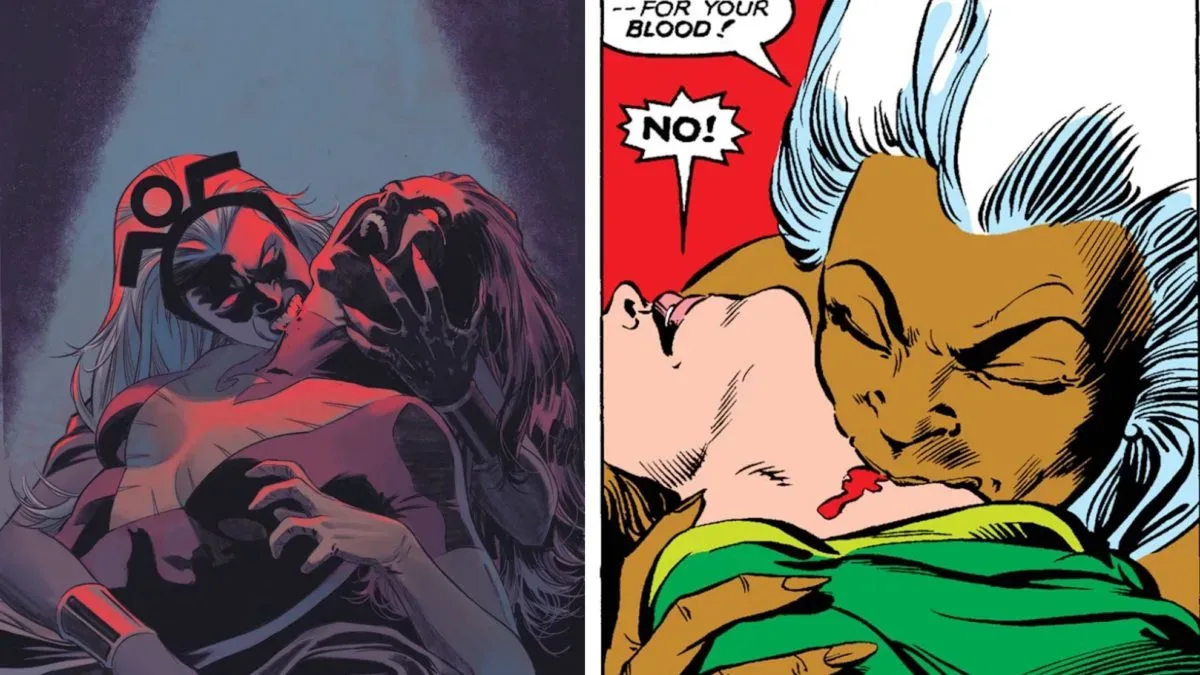
That history is important context, but it cannot be treated as a blueprint for what happens in Midnight X-Men. This alternate setting has already radically changed Storm’s status: she became a vampire, followed by everyone else. If a pivotal figure in Forge’s past has been transformed by vampirism, then the emotional and practical conditions around any Adversary storyline may be fundamentally different.
The question is not just whether the Adversary exists in this universe. It is what Forge’s original failure looks like after a world-altering vampire catastrophe, who is available to oppose the entity, and whether supernatural evil has found new ways to exploit a population already under predatory control. Forge’s engineering talent could prove vital against the church’s drones or other technologically organized threats, while his mystical history makes him uniquely vulnerable to an enemy rooted in ritual and portals.
Issue #3’s solicitation hints at multiple kinds of weapons
The official copy for the issue invokes “weapons of Earthly and Heavenly construct” and realms situated between old failures and newer compromises. That language points toward a story operating on several levels at once: technological tools, religious symbolism, supernatural spaces, and unresolved personal guilt.
“Earthly” and “Heavenly” should not be read as a confirmed roster of powers or artifacts. But the phrasing does establish a thematic divide between human-made answers and sacred or cosmic forces. Forge naturally sits near the technological end of that spectrum, while the Adversary brings occult danger. The drone-equipped church may occupy an uncomfortable middle ground, blending religious framing with practical hardware.
For readers tracking the title’s larger arc, issue #3 looks like a hinge. Hope’s immediate jeopardy gives the book a direct emotional stake, Jean’s domination of Cyclops keeps its core relationship unstable, and Forge’s apparent arrival broadens the conflict beyond the vampire hierarchy. The important distinction is between confirmed setup and speculation: Hope is in a dangerous position, Forge and the Adversary are visually signaled, and the solicitation promises conflict across unusual realms. Whether Hope dies, turns, escapes, or finds protection has not been revealed.
What follows in issues #4 and #5
Midnight X-Men #4 shifts art duties to Matteo Buffagni, with Jonathan Hickman continuing as writer. Its solicitation mentions two sets of letters being sent, all sides being summoned, threats from both humans and mutants, and a one-eyed ronin uncovering a clue tied to long-running plans. The issue also teases a wound concealed by shadow, preserving the series’ interest in hidden damage and withheld information.
Midnight X-Men #5, also written by Hickman with art by Buffagni, is listed for sale on February 17, 2027. Its description promises a meeting between Ronin and Reaver, an infernal compact made in Hell, settling scores, and a peace that must endure. Taken alongside the Forge and Adversary material, that “infernal compact” wording may indicate that the supernatural thread will remain central, though the issue descriptions do not confirm exactly how the plots connect.
Issue #3 is a 32-page, parental-advisory comic priced at $4.99. Matteo Della Fonte provides the interior art, with covers credited to Dike Ruan, Juan Ferreyra, Skan, Matteo Lolli and Jeehyung Lee. For a wider refresher on Marvel’s current screen-spanning continuity conversation, readers can also see this Multiverse Saga recap.
The crucial question entering Midnight X-Men #3 is simple, even if the answer likely will not be: can Hope be saved from a Cyclops who is trying to protect her while serving Jean Grey’s hunger? Forge and the Adversary suggest that the answer may depend on far more than breaking one telepathic hold.